 Skip to content


Wellness Blog



The 4 Most Effective Ways To Increase Your Serotonin
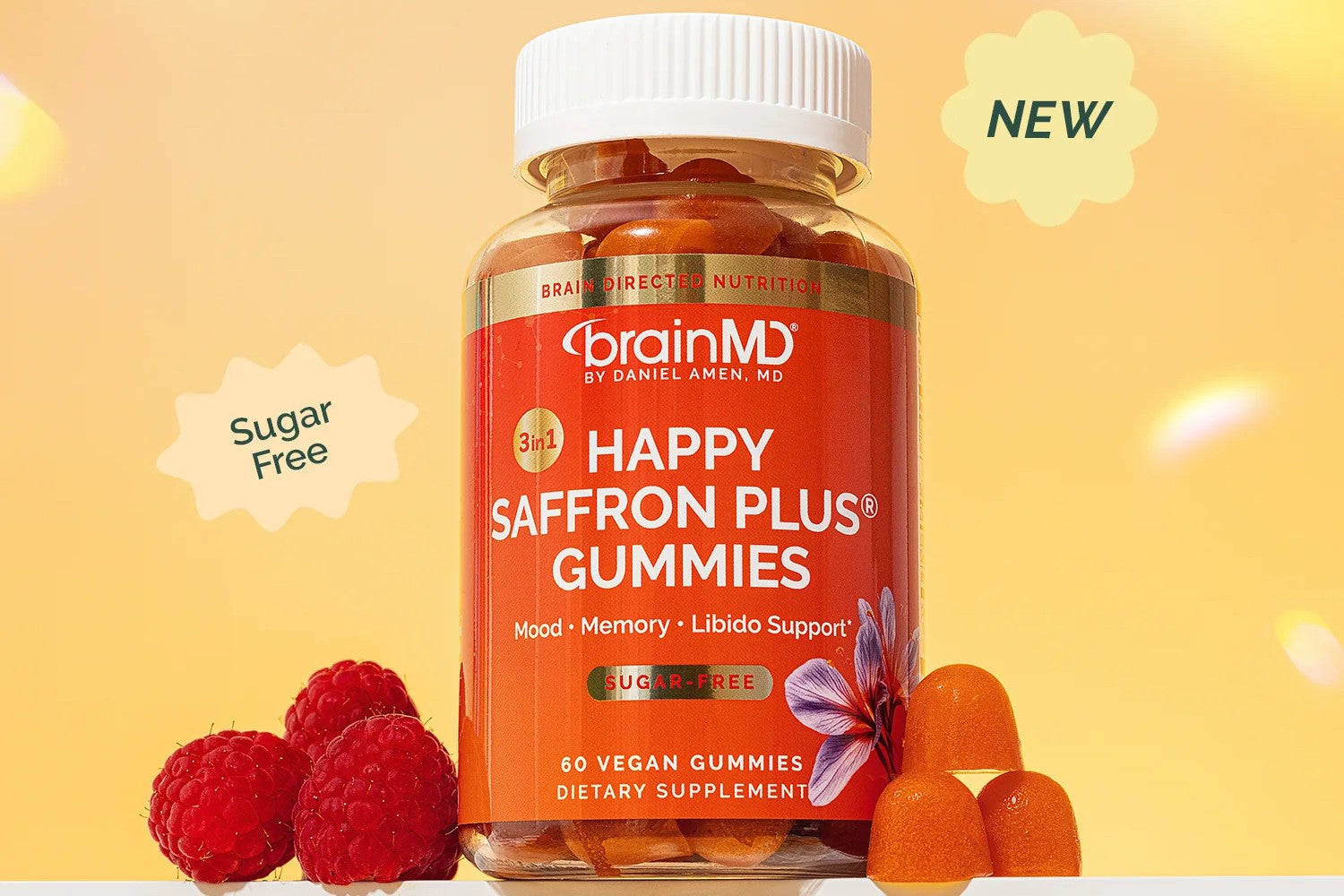
Do you often have negative thoughts racing through your mind? Do you notice that you are more lethargic, irritable, or sad for no reason? Our brain requires a balance of vital neurotransmitters that help to control our feelings of happiness or positive mood. You may have heard about dopamine, oxytocin, and endorphins as being contributing factors to feeling happy. Similar to these neurotransmitters, serotonin plays many important roles in the brain’s biochemistry and is intimately involved in facilitating sustained and deep sleep, maintaining healthy mood and self-confidence, even supporting a healthy appetite and social engagement. What Is Serotonin? Our brains produce a naturally soothing neurotransmitter called serotonin, from before birth and all through life. Serotonin is the key hormone that stabilizes our mood, feelings of well-being, and happiness. Additionally, it helps decrease our worries and concerns and is associated with learning and memory. "People who are clinically depressed often have very low levels of serotonin," says Dr. Daniel Amen, MD. Some studies suggest that women produce 52% less serotonin than men.¹ Levels seem to fluctuate with menstrual cycles, which may explain why women are more prone to depression. Less sunlight may also cause a drop in the neurotransmitter (chemical messengers that help the brain to function) serotonin, which in turn can initiate low mood. While serotonin levels may dip with less exposure to sunlight, many people suffer from low serotonin year-round. When your serotonin levels are too low you're more likely to become irritable, anxious, and perceive the world as unfriendly. You may feel moody, pessimistic, and have irregular appetite and sleep. The good news is serotonin can be increased in the brain (and body) by eating the proper foods and/or supplementing your diet. So how can we help to increase our own serotonin levels? 4 Ways To Increase Serotonin Naturally Here are 4 of the best strategies to increase your serotonin levels: Break a Sweat - Daily! Exercise is a serotonin intervention – it instantly boosts serotonin in your brain. By engaging in aerobic exercises like running or cycling, we can stimulate the release of serotonin and improve our overall well-being. Studies show that even just 30 minutes of moderate physical activity can increase serotonin levels.² So why not lace up those sneakers and hit the pavement? Yoga or Pilates are also great options for boosting serotonin as they combine physical movement with mindfulness practices that support mental health. Incorporating regular exercise into your routine can be a powerful way to naturally lift your spirits and enhance your quality of life. Multiple research studies have demonstrated that exercise is at least equally effective at increasing available serotonin as serotonin-enhancing medications are, and in some cases exercise is more effective. One study concluded that positive mood in individuals is a strong predictor of physical health.³ Consistent daily physical activity one of the best ways to improve your serotonin levels and your overall brain health. Keep Your Gut in Check Did you know that your gut health has a direct impact on your mood and naturally occurring serotonin levels? It's true! The bacteria in our gut play a crucial role in producing neurotransmitters like serotonin, which is responsible for regulating our mood. So, if you want to maintain a positive outlook and keep those feel-good chemicals flowing through your body, it's essential to take care of your gut. Luckily, there are plenty of simple ways to support healthy digestion and promote good gut health. Eating fiber-rich foods like fruits and veggies, drinking enough water throughout the day, avoiding processed foods and sugar, getting regular exercise, and reducing stress are all great strategies for achieving optimal gut health. By taking these steps to prioritize your digestive system's well-being, you'll be on track towards feeling happier and more balanced every day. Much of the serotonin in your body is produced in your gut, so strategies designed to optimize gut health and the production of serotonin could certainly go a long way toward optimizing your mental health. Make sure you are taking a quality probiotic, properly hydrating, and eating a brain-healthy diet. Eat The Right Foods Foods high in simple carbohydrates, such as pasta, potatoes, bread, pastries, pretzels, and popcorn, typically increase insulin levels and allow more tryptophan (the natural amino acid building block for serotonin) to enter the brain, where the brain cells can convert it to serotonin. The calming effect of serotonin can often be felt in within thirty minutes of eating these foods. This may be one of the reasons simple carbohydrates are so addictive. They can be used to make you feel happy, but can also cause high blood sugar levels that can contribute to memory problems over time. We recommend complex carbohydrates, such as sweet potatoes, apples, blueberries, carrots, and garbanzo beans, as a healthier way to boost serotonin. Brain serotonin levels also can be raised by eating foods rich in l-tryptophan, such as: chicken eggs cheese turkey beef salmon and tuna tempeh beans lentils spinach and other dark leafy green vegetables pumpkin and chia seeds nuts Many people may unknowingly trigger cognitive inflexibility or mood problems by eating diets that are low in l-tryptophan. Interestingly, Dr. Amen states that "certain nutrients can help metabolize and help utilize serotonin most efficiently. Some of these nutrients include magnesium, zinc, folic acid, fish oils, vitamins C and B6." Try Natural Serotonin Supplements "Taking supplements that help maintain healthy levels of neurotransmitters such as serotonin are important to maintaining a healthy mood." – Daniel G. Amen, MD BrainMD's Serotonin Mood Support was created specifically to promote multiple brain mechanisms that maintain healthy serotonin levels in the brain. This supplement contains essential nutrients and herbs that help boost serotonin production, such as Vitamin B6, B12, Folate, 5-HTP, as well as concentrates of saffron. What sets BrainMD's Serotonin Mood Support apart from other supplements is its unique blend of natural ingredients that work together to support healthy mood balance. It helps improve overall brain function and emotional wellbeing by reducing stress, anxiety and depression symptoms. By taking this supplement regularly, you may experience an improvement in your mood regulation, sleep quality and appetite control. It can also provide a sense of calmness and relaxation without drowsiness or sedation effects. However, it is important to note that supplements should not replace a balanced diet or medical treatment for mental health conditions. If you are experiencing severe symptoms or have any underlying health issues, consult with a healthcare professional before taking any new supplements or medications. In Conclusion If you're looking for a safe and effective way to increase serotonin levels naturally while supporting overall brain health - try adding BrainMD's Serotonin Mood Support into your daily routine! By committing to these 4 natural strategies to increase serotonin, you may begin to see the incredible benefits in your life including increased calmness, positive mood, and healthy weight management. At BrainMD, we’re dedicated to providing the highest purity nutrients to improve your physical health and overall well-being. For more information about Serotonin Mood Support and our full list of brain healthy supplements, please visit us at BrainMD. *These statements have not been evaluated by the FDA. This content is for informational purposes only. It is not meant to substitute for medical or healthcare advice from a physician, nor is it intended to diagnose, treat, cure, or prevent any disease. Consult your healthcare provider before beginning a new health regimen. References: 1. Nishizawa, S., Benkelfat, C., Young, S. N., Leyton, M., Mzengeza, S., de Montigny, C., Blier, P., & Diksic, M. (1997). Differences between males and females in rates of serotonin synthesis in the human brain. Proceedings of the National Academy of Sciences of the United States of America, 94(10), 5308–5313. https://doi.org/10.1073/pnas.94.10.5308 2. Hossain, M. N., Lee, J., Choi, H., Kwak, Y.-S., & Kim, J. (2024). The impact of exercise on depression: How moving makes your brain and body feel better. Physical Activity and Nutrition, 28(2), 43–51. https://doi.org/10.20463/pan.2024.0015 3. Farhud, D. D., Malmir, M., & Khanahmadi, M. (2014). Happiness and health: The biological factors—Systematic review article. Iranian Journal of Public Health, 43(11), 1468–1477. https://www.ncbi.nlm.nih.gov/pmc/articles/PMC4449495/
Learn more
Inside Calm My Brain: An Interview With Integrative Medicine Expert Dr. Parris Kidd
According to the National Alliance on Mental Illness, over 40 million adults in the U.S. and approximately 7% of children aged 3-17 experience anxiousness each year. If you experience anxiousness, you know that it can have a crippling effect on your productivity and well-being. Calm My Brain was scientifically formulated by BrainMD's Dr. Parris Kidd, working with CEO Dr. Daniel Amen, to specifically target this problem. With generous daily doses of magnesium - 100 mg per serving (as citrate, malate, glycinate, and threonate in equal amounts), the ashwagandha standardized root extract KSM-66® - 600 mg per serving, and l-theanine - 400 mg per serving, no other brand offers a formula for anxiousness as effective and meticulously researched as this one. An Inside Look At Calm My Brain Today we’re joined by Dr. Parris Kidd for a master class on Calm My Brain: what it does, how it works, who it’s for, and if it’s right for you. In his deep dive, he breaks down the clinical research that directed his careful ingredient selection, shares the science behind why you can feel the benefits – calm and relaxation (potentially within just minutes) and in the longer term, less anxiousness and lowered levels of the stress hormone cortisol – and reveals other BrainMD supplements that can make Calm My Brain work even better. Class is in session, and this is one you don’t want to miss. An Interview With Integrative Medicine Expert Dr. Parris Kidd [wc_box color="secondary" text_align="left" margin_top="" margin_bottom="" class=""] BrainMD: Why did you develop Calm My Brain? Kidd: I monitor the clinical and other scientific research on nutrients and herbals very carefully, and I noticed that the evidence that certain ingredients could improve anxiousness had reached a breakthrough point. It had become very clear that dietary supplementation can be used to relieve feelings of anxiousness. For some people the action may be quite rapid. The BrainMD science team brings a new supplement to the marketplace when – and only when the clinical trial research has reached consensus that the ingredients have a very good chance to work for a specific brain benefit. BrainMD follows the science and acts on it responsibly and ethically. And what better time to tackle anxiousness, than now? BrainMD: BrainMD is known for its science-based formulas and high-quality ingredients. Can you discuss how you selected the three ingredients found in Calm My Brain? Kidd: This concept grew and matured in my mind for over 3 years. I used my science training and my 38 years' experience with supplements to laser-focus on the clinical track records of the most promising ingredients. I reviewed ALL the clinical trials to determine the benefits and the overall strength of the evidence - animal and "test-tube" studies don't cut it. BrainMD: You reviewed more than 50 scientific resources and clinical studies during the research and development stage of formulating this product. Do you have any advice for people at home trying to do their own research when shopping for supplements? Is there anything consumers should look out for? Kidd: Actually, I reviewed literally hundreds of clinical trials, other clinical research, and other scientific background on at least 60 potential ingredients. I made sure BrainMD used the best ingredients - identical to those used in the clinical trials. It's very important that we educate consumers that supplements work best when they're grounded in actual science. BrainMD: Calm My Brain is unique in that it can provide calming relief from anxiousness within the first 40-60 minutes. What makes this supplement so fast-acting? Kidd: The very generous dose of l-theanine. In human brain studies it boosted alpha wave activity, which is linked to calm and relaxation. The most anxious persons showed the most alpha-activation. The trials suggest many individuals may experience improvement within 2 weeks. BrainMD: Aside from increased calm and relaxation, what else can you expect from taking Calm My Brain? Kidd: Lowering of that feeling of being stressed, including when you're engaged in mentally challenging tasks - a tough work project, for example, or an academic exam. The stress hormone, heart rate, other stress indicators all may improve. High-anxiety students may experience less stress and sharpened focus - begin on it 2-3 weeks prior to your exams. BrainMD: Is it best to take Calm My Brain every day or intermittently for occasional support and relief? Kidd: This supplement, like others, should be taken daily. Supplements are not drugs. KSM-66 ashwagandha and magnesium have important dimensions of benefit in addition to the potential rapid action of l-theanine, but take days to weeks to develop their greatest benefits. I settled on these 3 ingredients to optimize the ongoing benefits from Calm My Brain. More than half all Americans aren't getting sufficient magnesium from their foods. Also, many use popular over-the-counter or prescription meds that deplete magnesium. Ashwagandha is highly revered in the East, and its KSM-66 extract consistently improves anxiousness, stress, mood, and sleep quality. It also reduced food cravings, which improved weight management. BrainMD: What are the long-term benefits of taking this product every day? Kidd: Greater resistance to becoming anxious, apprehensive or otherwise fearful, particularly when in stressful situations. Better sleep quality is also a strong possibility. BrainMD: Which supplements do you suggest pairing with Calm My Brain? Are there any other supplements that improve its efficacy? Kidd: I strongly urge everyone that it's crucial for their overall wellbeing to take a science-based multiple vitamin-mineral and a highly concentrated fish oil. The best of these provide the nutrients that are the "nuts and bolts" of our capacity to make and utilize life energy. BrainMD's NeuroVite Plus and Omega-3 Power are the best in these categories. If you're really struggling with anxiousness and also having mood problems, I recommend adding in Happy Saffron Plus, another excellent product from my collaboration with Dr. Amen. If severe stress is exacerbating the anxiousness problem, try adding Everyday Stress Relief. If your sleep problems are relatively severe, add in Put Me To Sleep. BrainMD: Calm My Brain is great for adults and children with anxiousness, people challenged by food cravings related to stress, anyone with nervous tension, elderly individuals, people who have trouble sleeping or difficulty winding down in preparation for going to sleep, and those low in magnesium. Is there anyone that shouldn’t take Calm My Brain? Kidd: No one I can think of. Practically everyone can benefit from the highest-grade magnesium in this supplement, especially since so many other brands have magnesium oxide which is very poorly absorbed. This product has no common (or rare) allergens and is suitable for vegetarians and vegans. BrainMD: As an integrative medicine expert, can you make other recommendations for people coping with stress and anxiousness? Kidd: Sure. Whether it's people in your life who are increasing your level of stress, a bad job situation, or some other mental burden you've had for a long time, face up to the situation. Get professional help if you can - many community organizations can assist with the financial cost. Meditation or even brief periods of "emptying" your mind during the day can be helpful. BrainMD: Thank you, Dr. Kidd. With all the stress and worry out there, this product has the potential to help millions. [/wc_box] Is there a question we haven’t answered? Please share it in the comments! At BrainMD, we’re dedicated to providing the highest purity nutrients and standardized herbal ingredients to support your overall well-being. For more information about Calm My Brain and our full list of supplements, please visit us at BrainMD.
Learn more
5 of the Best Ways to Retrain Your Taste Buds
Many are aware that the food industry works overtime to make unhealthy products irresistible to consumers. Marketing or Brainwashing? Consider the slogans on food packaging and TV/internet ads: “I’m lovin’ it” “They’re gr-r-reat!” “Finger lickin’ good!” “They’re magically delicious!” “The Breakfast of Champions” “Betcha can’t eat just one!” Many food companies have intentionally designed these catchy jingles and phrases to target the pleasure centers in your brain. In a very real sense, many people are being brainwashed by these slick marketing campaigns. Discovery of the “Bliss Point” Research on what produces cravings has been conducted for decades now. In 1970, mathematician Howard Moskowitz discovered the perfect combination of sugar, salt, and fat that would enhance the brain’s pleasure experience. He called it the “bliss point.” Triggering the bliss point can increase sensory experiences, such as taste, and can activate areas of the brain that are associated with motivation and pleasure. These are the same areas that are influenced by addictive drugs such as cocaine, nicotine, and morphine. Knowing all of this, the sad truth is some companies design foods to hook your brain in a similar way that drugs do. Hijacking Your Taste Buds It isn’t an overstatement that the food industry has hijacked the taste buds of many in our society. There are several ways to provoke cravings, which can contribute to addictive responses to foods. Here are a few: Aroma – Humans have five major taste sensations: sweet, sour, bitter, salty, or savory. Though many foods target our taste buds, flavors also can be enhanced by our sense of smell. Smells can trigger cravings, like movie theater popcorn. “Crunchiness” – Four pounds per square inch is the ideal breaking point to produce crunchy pleasure. “Meltiness” – Foods that quickly melt in your mouth can trick the brain into thinking there are fewer calories, which may encourage you to eat more of these foods. Satiety – Satiety occurs when a person feels full while eating a meal. Some foods, particularly those with lots of added sugar, can override these satiety signals and fool your brain into thinking you aren’t full when you are. Sugar – Sugar has been found to be an addictive substance that prompts bingeing, reward-seeking, and craving. Unfortunately, even many “healthy” foods are filled with hidden sugars that can fuel cravings and mood issues. Texture – Some major store brands and fast-food restaurants alter the texture of the foods to make them taste more palatable, and as a result, they can end up containing less fiber than desired. Unfortunately, a lack of fiber in the diet may contribute to stomach problems, abdominal pain and discomfort, or poor gut health. Is It Your Fault? You may feel like a lack of self-control or portion control is your fault. But how can you have self-control when food companies have been using sophisticated neuroscience to plot against your diet, and your brain, for decades? Since food can play such a huge role in your physical and mental well-being, it’s vital that you do everything you can to support your diet and brain health. Here's how to retrain your taste buds by controlling the food you put in your body… 5 of the Best Ways to Retrain Your Taste Buds 1. Set the Tone The first meal of the day is crucial in setting the tone for what you’ll eat the rest of the day. Avoid sugar – in bread, jams, and orange juice – which can give you a quick energy boost followed by an energy crash. Eating protein (eggs, lean meats) with your morning meal can help stabilize your blood sugar. Also, adding green veggies and some low-glycemic fruit (berries and apples) to a protein smoothie is a healthy way to start your day. 2. Boost Your Produce It’s recommended that you eat fruits and vegetables from the full spectrum of colors and flavors, such as blueberries, pomegranates, squash, and bell peppers. Eating these foods can provide power-packed flavonoids, antioxidants, and an array of nutrients, vitamins, and minerals that are necessary for good health. It’s recommended to eat up to eight servings of fruits and veggies a day. Although sugar from fruit is considered healthy (as opposed to added sugars in cereals and baked goods), make sure you’re getting a good balance of fruits and vegetables; a two-to-one ratio of vegetables to fruits is recommended. 3. High-quality Protein It’s recommended that you eat some high-quality protein with every meal and snack (at least every 4 to 5 hours). Protein helps to balance blood sugar levels and can help decrease cravings. You’ll likely feel fuller longer and burn more calories when eating a protein-rich meal or snack than you will eating high-carb, sugar-filled foods. Nuts, seeds, and legumes are good sources of protein. Many meats, including wild-caught fish and free-range poultry, are rich in protein and amino acids. Be sure to shop for animal protein that’s free of hormones and antibiotics. 4. Get More Fiber Fiber should be taken along with protein to ensure a balanced, nutritious meal. Getting sufficient fiber in your diet can help support healthy digestion, heart health, bowel regularity, stable blood sugar levels, and weight loss. Fiber absorbs water and creates bulk, which can increase the time it takes for food to move out of the digestive system. The longer food stays in your system, the fuller you’ll feel and the less likely you’ll be to experience the spike in blood sugar that occurs when food digests quickly and glucose is dumped right into the bloodstream. 5. Healthy Swaps A great way to retrain your taste buds is to replace simple sugars and refined carbs with healthier options. For example, swapping candy for a square of sugar-free dark chocolate can help you kick a sugar habit. Rather than a candy bar or energy drink, enhance your energy with a healthy snack like two slices of lean deli turkey and a dozen grapes. This well-balanced snack is high in protein and fiber and should tide you over until your next meal. Reimagine Your Diet Improving your diet will help you get the proper nutrients your body needs. One of the best ways to retrain your taste buds is to replace fatty foods and sugary snacks with nutritious foods, including high-quality protein, healthy fats, and fortifying fiber. Try the above tips and feel free to share them with your friends and family. At BrainMD, we’re dedicated to providing the highest quality supplements to improve your physical health and overall well-being. For more information about our full list of brain healthy supplements, please visit us at BrainMD. These statements have not been evaluated by the FDA. This content is for informational purposes only. It is not meant to substitute for medical or healthcare advice from a physician, nor is it intended to diagnose, treat, cure, or prevent any disease. Consult your healthcare provider before beginning a new health regimen.
Learn more
Spice Up Your Dry January With These 5 Non-Alcoholic Drink Recipes
Wouldn’t it be nice to enjoy a drink (or three) without the hangover? Well, you can! Mocktails and other non-alcoholic beverages are all the rage right now and are consumed by drinkers and non-drinkers alike. Savor these delicious and refreshing non-alcoholic drink recipes during “Dry January” and throughout the year! 5 Healthy Non-Alcoholic Drink Recipes Golden Milk Brain Healthy Latte [wc_row] [wc_column size="one-half" position="first"] -1 Capsule’s powder of Brain Curcumins from BrainMD -¼ tsp ground turmeric -⅛ tsp ground cardamom -⅛ tsp ground cinnamon -Dash of black pepper -¼ tsp of sweetener of your choice -1 cup of non-dairy milk of choice Warm up milk on the stove and whisk in all ingredients. Pour into a mug, top with some sprinkled cinnamon and turmeric. [/wc_column] [wc_column size="one-half" position="last"] [/wc_column] [/wc_row] Smart Mushrooms Hot Toddy [wc_row] [wc_column size="one-half" position="first"] [/wc_column] [wc_column size="one-half" position="last"] -1 scoop of Smart Mushrooms powder from BrainMD -1 tsp of honey -2 ½ ounces of hot water -3 whole cloves -1 cinnamon stick -1 sliced lemon -Pinch of ground nutmeg Combine Smart Mushrooms powder, honey, and water in a mug and stir well. Add cloves, cinnamon stick, sliced lemon, and nutmeg. [/wc_column] [/wc_row] Calming Matcha Mojito [wc_row] [wc_column size="one-half" position="first"] -4 oz hot water -1 capsule’s powder of GABA Calming Support from BrainMD -¼ tsp matcha powder -3 tbsp of brown monk fruit sweetener -1 lime, juiced -20 mint leaves -1 cup of club soda -Ice -Lime edges & mint for garnish [/wc_column] [wc_column size="one-half" position="last"] [/wc_column] [/wc_row] In a small bowl, whisk together the hot water, GABA Calming Support, and matcha powder until completely dissolved. Set aside to cool. Add the coconut sugar and mint leaves to a cocktail shaker and muddle together, crushing the mix leaves as you mix. Add lime juice to the shaker and mix. Add the matcha powder and water to the shaker and fill with ice. Cover the cocktail shaker and shake hard for about 20 seconds. Add crushed ice to two large glasses and strain the matcha mix into each glass. Add garnish. Protein Pina Colada [wc_row] [wc_column size="one-half" position="first"] [/wc_column] [wc_column size="one-half" position="last"] -1 scoop of Omni Vanilla Protein Powder or vegan protein powder -1 cup of pineapple -1 ½ cup of coconut milk -1 banana -Ice Combine protein, pineapple, coconut milk, and banana with ice in a blender. Blend until smooth. Pour in tall glasses and garnish with a pineapple slice. [/wc_column] [/wc_row] Brain Boost Arnold Palmer [wc_row] [wc_column size="one-half" position="first"] -1 Brain Boost on the Go from BrainMD -¾ cup of water -¾ cup of iced tea Combine Brain Boost on the Go with water, stir well, and add in sweet tea. Pour in a tall glass with ice and add a lemon slice on the side. [/wc_column] [wc_column size="one-half" position="last"] [/wc_column] [/wc_row] Enjoy!
Learn more
Here's What You Should Lose in the New Year (Not Just Pounds!)
The New Year offers an irresistible opportunity to make a fresh start. Of course, this fuels a number of well-intentioned New Year’s resolutions, the most common being to lose weight or bad habits like eating poorly or lack of exercise. The problem is that few people actually lose anything. A recent UK study found that 64% of those who make these popular resolutions abandon them within a month’s time! Maybe a better way to achieve greater health and well-being is to rethink what you need to lose in the New Year (and we don't just mean pounds). What if you were to focus on losing unhealthy mental habits and emotional pains that hold you back? While there are many to choose from, here are four harmful habits to lose in the New Year and throughout the year. Top 4 Mental Habits and Emotional Hurts to Lose in the New Year 1. Negative Thoughts We have thousands of thoughts every day, and many of them are negative. They pop into our minds without permission – and here’s the kicker, they’re frequently untrue! Unfortunately, these automatic negative thoughts (ANTs) are powerful and can trigger physiological responses in the body. In fact, research suggests that negative thinking can rewrite our neural networks, reinforcing pathways in the brain that make us more likely to see our life in a “half-empty” way. Negative thoughts also can reduce activity in the areas of the brain that control judgment, planning, and self-regulation, which can lead to poor decision-making. The good news is you can learn to identify these false, negative thoughts. They generally fall into one of these nine categories: “All or Nothing” Thinking “Always” and “Never” Thinking Focusing on the Negative Fortune Telling Mind Reading Thinking with Your Feelings Guilt Beatings (Thoughts that say you should, must, ought, or have to) Labeling Blame You can begin to exterminate the ANTs by writing them down, and then asking these four questions: Is it (the negative thought) true? Can I absolutely know that it is true? How do I react when I think that thought? Who would I be without that thought? Or, how would I feel if I didn’t have that thought? 2. Self-Criticism/Perfectionism When pursuing a goal, self-criticism will likely set you back. Studies show that a critical response to making mistakes can diminish success. The habit of harsh self-criticism is strongly correlated with mental health issues such as low mood, anxious feelings, and disordered eating. Conversely, letting go of criticism and embracing an accepting approach to mistakes or failure better motivates people to improve themselves or carry on with a goal. Self-criticism is a hallmark of perfectionism. Perfectionists set unrealistically high expectations for themselves and others. They’re quick to find fault and overly critical of mistakes. This can lead to fear and procrastination. You can shed paralyzing self-criticism and perfectionism by adjusting your expectations, adopting a more self-assuring approach to life, and perhaps by embracing the idea that “done is better than perfect.” It also helps to keep a journal noting what you do right, and what you’re grateful for. Gratitude is associated with better health, greater joy, and longevity. 3. Tears/Grief With the losses we’ve all experienced since COVID-19 changed the world two years ago, it’s even more important to take time to grieve, which often involves shedding tears. When we experience any kind of loss – whether that’s the death of a family member or a beloved pet, a job, or a way of life – that loss needs to be grieved. Allowing ourselves to cry and grieve can be beneficial. When we cry, we release stress and emotional pain. When we repress grief, studies have shown that it can adversely affect our immune response, heart health, and blood pressure levels, as well as lead to greater stress, anxiousness, and low mood. Crying is positively correlated with healthy attachment, empathy, closeness with others, and support of family and friends. Paradoxically, the way to shed tears is to embrace your sad feelings rather than deny or repress them. Some ideas: Open up to a trusted friend Watch a sad movie Listen to a sad song Ensure you have plenty of downtime to “feel” However, experts warn that if you find yourself crying all the time or unable to cry, it’s probably a good idea to talk to a professional. 4. Resentment Some have defined resentment as “taking poison and expecting the other person to die.” While anger is a normal, often healthy emotion, repeatedly reliving the anger isn’t. Anger triggers a stress response, which can affect your mood, heart rate and heart health, blood pressure and blood sugar, immune function, and more. Conversely, forgiveness is linked to host of better health outcomes. You can let go of or “shed” your resentments by practicing forgiveness. That means making a conscious decision to let someone “off the hook,” accepting your own faults, and letting go of your hurts. It’s recommended to start the process by refraining from talking disparagingly about those who’ve hurt you. This one simple action will feed the more forgiving side of your mind and heart. Transforming from the Inside Out Focusing on improving your inner life may improve your sense of well-being and decision-making. This can help you eat better, move your body, and shed some pounds. Hopefully the above tips have helped you know which habits to choose and which to lose in the New Year! At BrainMD, we’re dedicated to providing the highest purity nutrients to improve your physical health and overall well-being. For more information about our full list of brain healthy supplements, please visit us at BrainMD.
Learn more
Don’t Be Left in the Dark: 10 Power Outage Prep Tips
Aside from the inconvenience, one of the worst things about a power outage is that it can happen at any time. This is especially true if you live in an area frequently plagued by brownouts or rolling blackouts, or an area frequently subjected to severe weather. Power outages can negatively impact neighborhoods or entire cities. These outages can adversely affect our lives by: Causing food to spoil Creating transportation and communication issues Preventing the use of medical devices Leading to the closure of banks, stores, gas stations, and other important services The good news is you can be ready the next time the power goes out. Following these simple steps can ensure you won’t be left in the dark. 10 Helpful and Practical Power Outage Prep Tips 1. Inventory – Light Sources Make a thorough inventory of every item in your house that requires electricity to run. Are there battery-powered alternatives, such as a portable charger or power bank, you might consider? Make sure you have multiple flashlights disbursed throughout your house and check to make sure the batteries are fresh at least every six months. Store replacement batteries in an organizer in an easy-to-find place in your house. Also, keep candles and matches or a lighter handy. Candles can produce light and heat. They also can fill a room with pleasant, aromatic scents. 2. Inventory – Food/Water Make a grocery list of foods that don’t require water, cooking, or refrigeration. These may include canned foods, dry mixes, and healthy snacks. Consider stocking up on some of these emergency foods: Protein bars Dry cereal or granola Peanut butter Dried fruit Mixed nuts Canned fruits and vegetables Canned juices Non-perishable pasteurized milk When purchasing emergency foods, remember to consider special dietary needs of those in your family. If you have a stockpile of canned foods, be sure to check the dates before opening them and make sure to purchase a can opener if you don’t already have one. It’s recommended to store several days’ worth of non-perishable foods for everyone in your family. Having enough quality drinking water is extremely important in the event of a power loss. Most active individuals drink at least two quarts (half gallon) of water each day. Keep in mind that you’ll need additional clean water for food preparation and hygiene. The rule of thumb is to store at least one gallon per person, per day. To be on the safe side, store at least a two-week supply of water for each member of your family. 3. Inventory – Heat Sources There are several ways to heat your home during a power outage and some of them are preventative measures. If you live in a region where the winters are bitterly cold, it’s a good idea to prepare your house in the fall, before the severe weather hits. Weather stripping your home is a great first step. Other ways to heat your home is by using a fireplace (if you have one) or battery powered space heaters. When not using a fireplace, make sure the flue’s damper is tightly closed to prevent heat from escaping and cold air from getting in. Purchase heavy drapes and keep them closed to trap the warm air (unless the room gets direct sunlight). Use throw rugs on bare floors and make sure you have plenty of blankets in the living room and bedrooms. Adding layers – such as a sweater/sweatshirt, socks and slippers, scarf, gloves, or hat – can help you stay warm inside a home that’s temporarily without power. 4. Purchase a Generator According to U.S. Energy Information Administration, American electricity customers experience an average total power interruption of about 2 hours per year, excluding major events (snowstorms, heatwaves, hurricanes, etc.). If you own a home, it’s recommended that you purchase a generator to help keep the lights on during a power outage. There are many kinds of generators that are used for different purposes. Some are gas-powered, others are battery powered. If you purchase a gas-powered generator, make sure you have plenty of fuel stored up since these generators can burn through several gallons of gas per day. Depending on your price range, home power generators can be expensive. Before choosing a model, it’s important to know how many watts you’ll need to keep your electronics running during a power outage. Don’t forget to add surge watts to that total. Make sure the generator is outdoors, a minimum of 20 feet from your home, and away from windows. There are many guidelines to follow when using a generator. Here are some important safety tips to consider. 5. Don’t Use the Oven It’s recommended that you refrain from using a gas stove or oven to heat your home. Gas ovens and stoves produce carbon monoxide, which can be hazardous to your health since it’s a colorless, odorless, and tasteless gas. It’s inadvisable to use a camp stove or charcoal grill to heat your home, as they also can produce noxious fumes. 6. Alternate Location If you have no power or heat in your home, reach out to a local friend or relative with power to see if your family can hang out at their house until the power is restored. If that isn’t an option, seek out a church or community center that has heat. Be sure to observe COVID protocols in densely populated facilities. 7. Medical Needs If you use medical devices that are powered by electricity, contact your medical practitioner so you can make a power outage plan. This plan may include medications that need to be stored in a refrigerator. As a precaution, discard any medication that needs to be refrigerated if the power has been out for more than a day. Consult your doctor or pharmacist immediately to get a new supply. Taking the necessary precautions for your medical needs could help preserve your life during a power outage. 8. Turn Off Appliances Some people like confirmation of when the power comes back on, such as hearing beeps or seeing blinking lights. However, it’s recommended to disconnect all electronics during a power outage since sudden surges or spikes when the power comes back on can cause damage to these appliances or devices. If the power is still off when you go to sleep, plug in your refrigerator. If the power is restored in the middle of the night, this will help prevent food spoilage. 9. Food Storage During a power outage, be sure to keep refrigerator and freezer doors closed to keep foods as cold as possible for as long as possible. A standard fridge will keep food cold for about four hours and a full freezer will maintain its temperature for about two days. If you choose to use coolers with bags of ice or ice packs, be sure to monitor the temperature with a thermometer. If the temperature rises above 40 degrees for longer than two hours, it’s best to throw out the food inside the cooler. As the saying goes; when in doubt, throw it out. 10. Family Time A power outage can be a prime opportunity to spend quality time with your family. It’s also the perfect time to have a low-tech game night. Playing card games or board games can provide hours of entertainment. If someone in your family plays an acoustic instrument, it might be fun to have a family sing-along. Also, telling jokes, scary stories, or reminiscing about past experiences might be an enjoyable way to pass the time. As a fringe benefit, getting everyone in one room means you’ll only need to heat (or cool, during the warmer months) one room. Plan Well and Stay Safe Taking some time to purchase and store supplies (fresh batteries, a fully stocked first aid kit, etc.) and food/water now can pay huge dividends in an emergency. A power loss can happen at any time, so it’s better to be adequately prepared than ill prepared. Hopefully these tips will help prepare you for the next power outage. If you have tips other than those listed above, feel free to share them in the comments section below. Stay safe out there! At BrainMD, we’re dedicated to providing the highest quality supplements to improve your physical health and overall well-being. For more information about our full list of brain healthy supplements, please visit us at BrainMD. These statements have not been evaluated by the FDA. This content is for informational purposes only. It is not meant to substitute for medical or healthcare advice from a physician, nor is it intended to diagnose, treat, cure, or prevent any disease. Consult your healthcare provider before beginning a new health regimen.
Learn more
5 Simple Ways to Improve Your Brain Health & Reach Your Goals
Even though we usually think of goals in terms of improving diet and exercise, there’s a whole other dimension of wellness to consider. While most goal-setting focuses on improving the body, this year, why not consider how to take care of your brain? Regardless of which goals you made, protecting your brain should be at the top of the list. Optimizing brain function and performance is essential for improving your health…and maintaining those healthy habits throughout the year. To increase the chances of achieving your goals, here are some of the best ways to take care of your brain... How to Improve Your Brain Health 1. Stimulate Your Brain A New Year means new opportunities and adventures. One of the best ways to expand your horizons is to continually engage in new learning. Set aside sometime every day to learn something new. Some examples are: learning a new language or musical instrument, trying a new kind of dance or other complex physical activity, or taking up a new hobby like chess or painting. Brain researchers emphasize that the “use it or lose it” principle applies to the brain. When the brain stops learning it can start fading, so be intentional about learning new things. 2. Nourish Your Brain If one of your healthy resolutions is to jumpstart your mental focus and energy, getting nutritional support is a must. A deficiency in vitamin D or magnesium, for example, may cause excessive fatigue. For starters, take a good multi-vitamin with vitamin D, all the B vitamins, and magnesium. These are the foundational supplements to ensure your cells are getting the basic nutrients they need. Then you can add other supplements to boost mood, focus, or memory. Properly fueling your brain and body with diet and supplements can optimize your mental performance, which can help you accomplish your goals. BrainMD even offers the opportunity to try three of our most popular products with our 7 day Free Trials. 3. Energize Your Brain The most common resolutions involve diet and exercise. Aerobic exercise, sufficient to make you sweat for 30 minutes, increases blood flow to your brain as well as your muscles and other tissues. This helps deliver nutrients and remove waste products, and can even increase the growth factor BDNF which promotes improved brain function. Since it’s recommended that adults get 30 to 45 minutes of exercise daily, maintaining a consistent fitness plan can be a challenge in today’s busy world. To help you reach your New Year’s goals, ramp up your workout routines by attending a group hike, bike class, or Pilates sessions 2-3 times a week for one month. Anything, from ice skating to dance lessons to gravity training, can turn a dreaded workout into a fun activity that you’ll actually look forward to doing. Above all, find physical activities that you enjoy…exercise doesn’t have to be a chore. 4. Renew Your Brain If you were one of the many people who sacrificed quality sleep to keep up with the increased demands of the stressful holiday season, now is the time to get back to a healthy sleep schedule. Sleep helps repair and renew all the cells in the body. It gives the brain a chance to wash away toxins that build up during the day. A recent study found that just one night of sleep deprivation can raise blood levels of tau, a protein potentially harmful to the brain. To ensure you have the energy needed to fast-track your New Year’s fitness goals, it’s recommended that you get 7-9 hours of sleep each night. 5. Know Your Brain Did you know there are 16 different Brain Types? Which type are you? You can find out by taking the Brain Health Assessment (BHA). Identifying your abilities, interests, and skills can help you become a more well-rounded person. And knowing your Brain Type can help you better understand who you are and why you do what you do. These insights can potentially impact your future career and relationships in significant ways, by: Benefits of Knowing Your Brain Type Reducing Stigma – Our society is inundated with judgments about how people should think, act, behave, and perform. Knowing your specific Brain Type can help reduce stigma by removing the labels others have placed on you. Increasing Knowledge – Knowing your Brain Type can help identify your brain’s potential risk factors. The sooner you’re aware of specific challenges, the sooner you can begin to address them with natural treatments. Setting Goals – Once you know your Brain Type, you’ll also receive a Brain Fit Score. Since even the healthiest brains can be improved with targeted treatments, you’ll receive a comprehensive wellness plan (including diet, exercise, and lifestyle interventions) that will help you set and achieve your goals. Providing Nutritional Support – Cut through the confusing world of supplements to discover what you should be taking for optimal physical and mental wellness. Included with your Brain Fit Score is a recommended supplement regimen customized for your specific Brain Type. Making It Fun – People take personality quizzes all the time, but those tests only provide a partial understanding of your brain. Learn more about how you’re wired and how you can use that knowledge to improve yourself in the future. Since habits, skills, and personality traits originate in the brain, learning your Brain Type can be the key to unlocking your potential. With the BHA, you’ll get an accurate assessment of your brain, a doctor-recommended supplement plan, and a personalized roadmap for healing. The BHA is absolutely FREE and only takes about 5 to 7 minutes to complete. You can take the Brain Health Assessment here. If you’re ready to crush your goals, these 5 brain-boosting activities can help you establish healthy habits with far-reaching benefits. Here’s to a new brain and a new you! At BrainMD, we’re dedicated to providing the highest quality supplements to improve your physical health and overall well-being. For more information about our full list of brain healthy supplements, please visit us at BrainMD. *These statements have not been evaluated by the FDA. This content is for informational purposes only. It is not meant to substitute for medical or healthcare advice from a physician, nor is it intended to diagnose, treat, cure, or prevent any disease. Consult your healthcare provider before beginning a new health regimen.
Learn more
Calm My Brain: A Natural, Fast-Acting Way to Help Relieve Anxiousness
These days, it seems like everyone’s worried or on edge. Many people deal with stressful situations or anxious thoughts every day. Are you one of them? Stress and Anxiousness Stress is a response to an existing stress-causing factor (stressor). Anxiousness may be the result of intense, prolonged stress. These feelings may be disproportionate to the magnitude of the stressor and may continue well after the stressor is gone. Though stress and anxiousness are closely related, not all people who deal with excessive stress will experience feelings of anxiousness. However, anxiousness can be exacerbated by stress, which can be measured as elevated levels of the stress hormone cortisol. Managing stress often will also lessen feelings of anxiousness. Relieve Anxiousness Naturally Properly managing your stress is a critical factor in preventing the many mental and physical problems that can result from occasional, extreme anxiousness. Many people who struggle with anxious thoughts and feelings can end up predicting the worst, avoiding conflict, and being plagued with self-doubt, fear, and panic. Having heightened worry or feelings of anxiousness can lead to physical problems too, like muscle tension, dizziness, pain, shortness of breath, and panic attacks. If you’re one of the millions of Americans struggling with feelings of anxiousness, the good news is that diet and lifestyle factors, like taking high-quality supplements, can help. If you tend to worry or have persistent anxious thoughts, consider trying BrainMD’s new calm-promoting, stress-managing nutrient combination… Calm My Brain Calm My Brain provides generous daily doses of high-potency ingredients to manage stress, promote calm, and relieve anxiousness. You may benefit from this stress-managing formula if you have: problems with feelings of anxiousness trouble winding down at night challenges with food cravings difficulty coping with long-term stress poor sleep quality Benefits of Calm My Brain This product is a combination of three pure and potent ingredients that have been intensively researched for feelings of anxiousness, and with positive benefits for stress, relaxation, and sleep. The ingredients have been shown to help with: managing anxiousness and stress reducing tension and irritability regulating unhealthy eating supporting calmness improving sleep quality The clinically researched ingredients in Calm My Brain can make a substantial difference in improving the well-being of individuals living with feelings of anxiousness. Keep Calm and Live Well Researched in clinical trials, the ingredients in this robust formula may help lessen tension and irritability, enhance calm, relieve anxiousness and related unhealthy eating, and improve sleep quality. It also can help promote a balanced stress response, including cortisol levels. Calm My Brain is a unique blend of dynamic nutraceutical ingredients for reducing anxiousness, promoting relaxation, and preparing you for restorative sleep. Calm My Brain Ingredients The three high-quality ingredients in this formula work synergistically to relieve anxiousness. Magnesium (as threonate, bisglycinate chelate, malate, and citrate) Magnesium is an essential mineral for all the cells of the body and is fundamentally important for the electrical activity of the brain’s nerve cells and for the healthy functioning of their trillions of information connections (synapses). Known as “the relaxation mineral,” magnesium plays an important role in hydration, muscle relaxation, energy production, regulation of adrenaline and overall sleep quality. Magnesium promotes a calm, balanced, and mentally focused demeanor. Ashwagandha (standardized root extract KSM-66®) The ashwagandha herb (Withania somnifera) has long been revered for its medicinal powers in Indian Ayurveda and other traditional medicine systems in the Mediterranean, Africa, and China. As an adaptogen, it helps the body adjust to psychological or physical stress by promoting calm and overall mental focus. Ashwagandha has been associated with improved memory and attention, and also benefits feelings of anxiousness and sleep. L-theanine Extensive clinical research links this amino acid with the health benefits of green tea. L-theanine enhances relaxing alpha brain wave activity, reduces tension, and fosters a restful state without diminishing daytime alertness. It also can promote healthy blood pressure stability against the over-excitability associated with stress. Calm My Brain FAQ How can I take Calm My Brain? Adults can take 3 capsules daily, with food. Children ages 4-18 can take 1 capsule per 40 pounds body weight, maximum 3 capsules daily. Why does the label say this supplement is fast-acting? Clinical studies have found that l-theanine can bring on relaxation in less than an hour. Many supplements have magnesium oxide. Why don’t you use it? Magnesium oxide is known to be very poorly absorbed. BrainMD uses only the best ingredients available. This formula’s four magnesium sources are all well absorbed and well tolerated. Which other BrainMD supplements can make Calm My Brain work even better? Taking NeuroVite Plus and Omega-3 Power/Omega-3 Power Squeeze will help you be sure to get the core essential nutrients your brain and body needs to best utilize Calm My Brain. Is this product safe to take during pregnancy? With the safety of mother and baby in mind, we don’t recommend taking herbals while pregnant or breastfeeding. To ensure sufficient levels of magnesium during this period, Magnesium Chewables is a safe and effective option. Can this supplement make me dependent on it? No. As with other BrainMD products, this is a dietary supplement, not a drug, and is not habit-forming. I’m vegan and have allergies. Will I be able to tolerate this product? This product is suitable for vegans and compatible with keto or paleo dietary patterns. It is free from dairy, glutens, sugar, corn, soy, nuts, eggs, yeast, and artificial colorings or flavorings. Calm My Brain is a powerful combination of ultra-pure nutrients that offers comprehensive management of anxiousness and stress. Try it today! At BrainMD, we’re dedicated to providing the highest quality supplements to improve your physical health and overall well-being. For more information about our full list of brain healthy supplements, please visit us at BrainMD. *These statements have not been evaluated by the FDA. This content is for informational purposes only. It is not meant to substitute for medical or healthcare advice from a physician, nor is it intended to diagnose, treat, cure, or prevent any disease. Consult your healthcare provider before beginning a new health regimen.
Learn more
4 Healthy Swaps For Your Favorite Winter Treats
On those cold winter days when you crave a cup of hot chocolate or a sweet treat but you don't want all the sugar, we've got four healthy alternative recipes for you to try! Swap out those sugary desserts for these delicious, guilt-free treat alternatives! These healthy treat recipes are simple with minimal ingredients needed to make healthy swaps during the winter, or any time of the year. 4 Healthy-Alternative Recipes of Your Favorite Winter Treats Hot Chocolate Using Cacao Powder Recipe 14 ounces non-dairy milk 1 tbsp raw, organic cacao powder 1 tbsp sweetener (maple syrup, coconut sugar, honey, agave) Instructions: Warm up your non-dairy milk in a pot on the stove. Add your cacao powder to the milk and whisk until blended. Add sweetener while stirring constantly. Stir until completely combined. Pour into a mug and add cinnamon, marshmallows, or peppermint stick. Enjoy! Almond Butter Stuffed Date Recipe 8 Medjool Dates 4-6 Tbsp Almond Butter Topping of your choice (sea salt, dark chocolate chunks, coconut) Instructions: Cut medjool dates lengthwise and remove the pit. Take a spoon of almond butter and stuff inside the date. Top with whatever you’d like and try these delicious candy substitutes. Baked Apple Dessert Recipe 4 large apples (Honeycrisp, Tart Green, your choice) 4 Tbsp of butter alternative (pressed avocado oil, ghee, coconut butter) 1/2 cup of coconut sugar or other brown sugar alternative 3/4 tsp cinnamon Instructions: Preheat oven to 375 F. Wash and core apples leaving the base to hold the filling. Combine butter alternative, coconut sugar, and cinnamon and press into each core. Fill a 2 qt baking dish with 3/4 cup of water. Place apples in upright and bake for 1 hour. Banana Nice Cream Recipe 4 ripe bananas Splash of non-dairy milk Optional: Make it chocolate with a tbsp of cocoa Peel and slice bananas. Spread out and freeze until solid. Instructions: Add frozen bananas to blender or food processor. Blend until smooth, adding non-dairy milk as needed. Serve and enjoy!
Learn more
Here's How to Make Amends with Others
As we anticipate holiday gatherings and the new year ahead, it’s an opportune time to consider our personal relationships. Do you have regrets about any interactions or conflicts with others? Do you owe anyone an apology for what you said or did? Chances are, someone will come to mind. It’s human to have conflicts. Yet, frayed connections with others can affect our health and well-being. Thankfully, the simple act of making amends can transform ill feelings into forgiveness…and stronger relationships. Indeed, researchers have found that when we can see how our behavior has negatively impacted another person, and we sincerely express regret for our harm to the person directly, making amends can be beneficial for both parties involved. Since happiness and well-being can be linked to social connections – the relationships we have with friends, family, neighbors, and colleagues – taking time to make amends is a worthy pursuit. The Healing Power of Making Amends Amends are powerful. Merriam-Webster says that to make amends is to “do something to correct a mistake that one has made or a bad situation that one has caused.” Mental health experts have noted that when amends are made in this manner, the recipient will often feel understood, which can facilitate forgiveness and restoration. Additionally, the person making amends is much more likely to be able to accept their humanity and forgive themselves. According to research published in The Journal of Positive Psychology, the inability to self-forgive is associated with low mood, anxious feelings, and weakened immune function. Also, holding on to painful feelings that others have caused, and replaying the situation over and over in your mind, can negatively impact your cognition, emotions, physiology, and general health. Amends and the Recovery Process The practice of making amends has been adopted by most religions. It’s also a key tenant of the Twelve Steps of Alcoholics Anonymous (AA). Before recovery, the alcoholic or addict may be self-destructive and self-centered. They often hurt those around them. However, in the early stages of sobriety, the recovering addict begins working through several steps that allows for greater acceptance, faith, honesty, accurate self-appraisal, and humility. Once on solid ground, the recovering addict is then ready to address the damage they’ve caused in personal relationships by working the amends step. The goal of the process is for the addict to develop the best possible relations with every human being they know. Before they’re halfway done with the process, the AA program provides the opportunity for transformation where the addict will experience a newfound freedom and feelings of connection to others, while feelings of guilt and shame gradually diminish. Interestingly, whether recovery from the addiction actually occurs, research appears to confirm the healing process embodied in the amends step of AA. One study found that “conciliatory gestures” or amends promote human forgiveness, stating that peacemaking offers of compensation and owning up to one’s responsibility can increase forgiveness and decrease anger. 5 Simple Ways to Make Amends with Others The benefits of making amends are available to everyone. It’s a simple act, but it isn’t easy. AA and mental health experts offer these suggestions to ensure the best possible outcome. Prepare. AA has a preparation step prior to making direct amends with someone. It’s used to detail specifically what you’re making amends for and to resolve any grudge the other person may have. Amends are about focusing only on your transgressions. Discuss any resentment you may have with a trusted friend or counselor ahead of time so that it doesn’t thwart your efforts. Choose a good time and place. Make sure the person knows you need time to talk, without distractions, and in person. Acknowledge the harm clearly. State what you did that had a negative impact on the other person. Own up to what you did. Be clear and concise. Express remorse. Talk openly about your feelings. You may feel shame, humiliation, or remorse. Communicating this shows you genuinely regret the suffering you caused. Be careful not to provide excuses or blame others. Make amends. Apologize and express your desire to repair the damage you’ve done. If your amends is for loss or damage of property, offer compensation or replacement. If it’s for something such as a violation of trust, the amends might involve stating what steps you’re willing to take to improve your trustworthiness, like going to marriage counseling. If you don’t know how to make restitution, it’s okay to ask. As humans, we all make mistakes. Owning the harm, expressing regret, and correcting the mistake is what’s most important. When Amends Aren’t Possible There are instances when amends can’t be made. Either the person isn’t reachable or is no longer alive. Also, there are situations when making amends could cause more harm. For these situations, amends may look different. Some people will donate money to a deceased person’s favorite charity to make amends or instead of making a direct amends, they’ll read an amends letter to a trusted friend. Usually an inventive way will become clear to those who are willing to think outside the box. The Ultimate Gift The consensus among researchers, mental health experts, religious leaders, and those in the recovery community is that tremendous good can come from owning our mistakes, expressing our regret, and doing what we can to make things right. It’s a gift to everyone involved. At BrainMD, we’re dedicated to providing the highest quality supplements to improve your physical health and overall well-being. For more information about our full list of brain healthy supplements, please visit us at BrainMD. *These statements have not been evaluated by the FDA. This content is for informational purposes only. It is not meant to substitute for medical or healthcare advice from a physician, nor is it intended to diagnose, treat, cure, or prevent any disease. Consult your healthcare provider before beginning a new health regimen.
Learn more
Essential Oils: A Natural Way to Manage Stress & Brighten Your Mood!
How is stress affecting your life? Ask yourself these questions: Do I often feel overwhelmed? Is it difficult for me to relax? Does my mind race with anxious or stressful thoughts? Do I often get irritated with those around me? Is it hard for me to handle life’s ups and downs? If you answered “yes” to any of these, you aren’t alone! In today’s ever-changing, fast-paced world, many people deal with added stressors every day. Some lifestyle factors – like exercising, eating a healthy diet, getting plenty of sleep, meditating, and nurturing relationships with positive people – can help you cope with daily stress. Another effective way to promote calm and improve mood is to engage the senses, specifically the sense of smell. The Science of Smell A wealth of scientific research has shown a link between mood and our sense of smell. - When scientists chemically blunted the sense of smell in mice for a 2018 study, it induced depressive behavior in the rodents. - In another study on elderly Koreans, an impaired olfactory function was associated with a significantly higher degree of depressive thoughts in addition to lower cognitive performance and decreased quality of life. - A 2016 review of the existing research on anosmia (loss of the sense of smell) and mood issues showed that the relationship appears to be a two-way street. People with low mood are more likely to have problems with their sense of smell than healthy controls, and people with anosmia are more likely to have mood issues. Olfaction and the Brain The area of your brain involved with smell (olfactory cortex) is located near your limbic system (the brain’s emotion center), including the hippocampus, which is involved with mood and memory. These areas tend to deteriorate during the latter stages of life. Not only is the loss of smell associated with low mood, it also may be linked to serious, perhaps long-term, memory loss. Studies show that olfactory deficits have been noted in Alzheimer’s dementia as well as individuals with mild-cognitive impairment (MCI), and that these deficits precede the onset of illness. If you, or a loved one, are experiencing a diminished sense of smell or the sudden loss of your ability to identify scents, it could be a sign of trouble. Be mindful of any health issues, such as fever, cough, and fatigue, and assess your emotional well-being and memory to see if you notice any changes. If these symptoms worsen, be sure to make an appointment with a healthcare professional. Sharpen Your Sense of Smell Just as you can strengthen your muscles with a physical workout, you may be able to improve your sense of smell by exercising it every day. There’s evidence that repeated exposure to certain scents can improve the ability to smell. In a study from Aristotle University in Greece, 111 patients with anosmia following a respiratory infection repeatedly trained their sense of smell twice a day using four scents (phenyl ethyl alcohol, eucalyptol, citronellal, eugenol). Compared to a control group, participants noticed a significant difference in their sense of smell after 8 weeks, and the improvement lasted up to a year. If you struggle with identifying smells, put your nose to work. This may be a pleasant exercise since certain scents are calming or uplifting. Essential oils, such as lavender, chamomile, and jasmine, can help support a healthy mood and manage stress. What Are Essential Oils? Essential oils are concentrated plant extracts. Since many of these oils require significant amounts of organic plant material to make, some can be more expensive than others. For instance, it takes about 5,000 pounds of lemon balm to make 1 pound of lemon balm essential oil. Benefits of Essential Oils Essential oils are often used in aromatherapy, a practice that uses the sense of smell to help improve mood and overall well-being. The oils can be rubbed into the skin and some ingest small amounts of these oils in their foods or beverages. Caution is recommended since essential oils may cause skin irritation when applied topically. When considering the benefits of essential oils, some people report that they can: Enhance relaxation Increase happiness Revitalize mood Improve sleep quality Manage stress and anxiousness Relieve headaches and nausea In fact, research studies show that essential oils can help reduce anxiousness and also may have a positive impact on depressive behavior in laboratory animal studies. Since essential oils provide so many potential wellness benefits, BrainMD is proud to offer the… Bright Minds Aroma Diffuser The Bright Minds Aroma Diffuser utilizes breakthrough ultrasonic technology to atomize essential oils for scenting your home or office.* Diffuse your essential oils safely and naturally with this compact and convenient Aroma Diffuser.* Just a drop or two will do. What Others Are Saying: “I really like the size of the diffuser. It’s a nice size for my desk. And the deep wood grain is attractive. The selection of oils are fantastic. I’m pleased that I ordered one.” - Walker Bright Minds Diffuser Oils Pack Fill your home or office with natural scents to help brighten your mood, increase mental clarity, and restore inner calm.* The Bright Minds essential oil set contains 6 natural scents to inspire feelings of calm, happiness, and inspiration.* This 100% pure essential oil set includes 10 ml bottles of: Lavender for mood, anxiousness, grief, memory support, and pain relief* Ylang-ylang for mood, memory support, emotional trauma, and libido* Peppermint for energy, focus, and stress reduction* Eucalyptus for energy and breathing* Jasmine for mood and relaxation* Chamomile for anxiousness and quality sleep* What Others Are Saying: “I like the diffuser size and shape and the generous amount and kind of oils in the nice box with descriptions. I need to enjoy it more often and do some breathing, prayer and reading with it. Thank you for this fine product.” – Lisa B. To help promote better mood, relaxation, and happiness, order the Bright Minds Aroma Diffuser and Bright Minds Diffuser Oils Pack today!* At BrainMD, we’re dedicated to providing the highest purity nutrients to improve your physical health and overall well-being. For more information about the Bright Minds Aroma Diffuser and our full list of brain healthy supplements, please visit us at BrainMD. *These statements have not been evaluated by the FDA. This content is for informational purposes only. It is not meant to substitute for medical or healthcare advice from a physician, nor is it intended to diagnose, treat, cure, or prevent any disease. Consult your healthcare provider before beginning a new health regimen.
Learn more
Power Nap 101: Some of the Best Ways to Avoid an Afternoon Slump
It’s no secret that Americans have trouble getting enough sleep. About 35% of U.S. adults fail to get the recommended 7-9 hours of sleep each night, and experts estimate about 50-70 million Americans have a sleep disorder. That’s a lot of sleepy people. Due to our internal body clocks, we’re generally at our sleepiest in the early morning hours between 2 a.m. and 4 a.m., and again in the early afternoon hours between 1 p.m. and 3 p.m. That’s when most people feel an afternoon dip in energy. One solution for the afternoon slump, and for general lack of sleep, is the “power nap.” Benefits of Napping One study compared taking a nap to using caffeine. Naps were found to be more effective in minimizing afternoon sleepiness. Numerous studies indicate that a brief afternoon nap can reduce fatigue, restore alertness, improve cognitive function and memory, and boost mood – without grogginess or disorientation. In fact, the research showing these benefits is so compelling, top American companies (Google, Facebook, Uber, Ben & Jerrys, Cisco, etc.) now allow, and even encourage, short power naps during the workday with designated sleeping “pods” or nap areas. Here’s what you need to know about napping so that you can fully enjoy its brain and body benefits if you choose to make it part of your wellness routine. 3 Types of Power Nap and Which One is Best for You The benefits that come from napping largely depend on the duration of your nap, research shows. Short Naps A brief power nap of 10 to 20 minutes delivers immediate benefits (without grogginess) such as enhanced alertness and concentration, elevated mood, and improved motor skills (like typing at your computer or strumming a guitar). These benefits are experienced immediately upon waking and can last up to three hours. Virtually any nap under 30 minutes falls into the “light sleep” part of the sleep cycle and is great for a quick mental refresh. A NASA study found that a snooze of 26 minutes showed alertness improvements in pilots of up to 54 percent, and improved job performance by 34 percent, compared to pilots who didn’t nap. If you’re under a lot of pressure, experts believe a quick 30-minute nap can release stress and improve your immune health. Medium Naps If you nap for 45 to 90 minutes, you will fall into the “slow-wave sleep” part of the sleep cycle, which improves cognitive performance up to several hours but can also cause sleep inertia (grogginess or disorientation) for a short period after waking. Naps of this length also help boost decision-making skills, and tasks like memorizing vocabulary and recalling directions. This length of nap may have heart health benefits as well. A study found that people who napped for 45 to 60 minutes had lower blood pressure after going through mental stress. Hence, a little shut-eye may help your body recover from pressure-filled situations. Long Naps Long naps lasting 90 minutes to two hours will put you into a dreaming state or REM sleep. This type of longer nap allows you to go through every stage of the sleep cycle. A longer nap can help clear your mind, improve memory, and play a key role in making new connections in the brain. It helps to boost creativity and problem-solving. This is the best nap duration if you’re catching up on lost sleep. Catnap Caveats While there are many health benefits to be had from a catnap, there are a few drawbacks. As mentioned above, if you nap for more than 30 minutes and less than 90, it’s possible you could get sleep inertia, and it may take a while to feel fully alert again. If you snooze for too long or too late in the day, it can disrupt your nighttime sleep, especially if you suffer from sleeplessness or have any serious sleep issues. Napping Tips Perfecting the power nap is an art. Here are some tips to maximize the benefits of getting midday shut-eye! Nap regularly. Some research indicates that the benefits are greater for habitual nappers. Try to nap during the ideal time, between 1 p.m. and 3 p.m., as it’s less likely to disturb your nighttime sleep. Keep it short to start. Set a time for 20 minutes or less. Choose a quiet, dark place where you won’t be interrupted. Blocking out light will help you fall asleep faster. Wear an eye mask and/or ear plugs if you need to. Your body temperature may drop when you fall asleep. Make sure you’re warm enough, but not too warm! Be consistent. Nap around the same time each day. If your mind is busy ruminating, practice relaxation techniques such as deep breathing. Don’t worry if you can’t fall asleep; research shows there are even benefits to resting with your eyes closed. Of course, if you find yourself napping too long or too often, it could be an indication of a health issue. Be sure to consult your healthcare physician. While napping is a great solution for many people, it isn’t for everyone. Some people just can’t sleep during the day, and that’s okay! At BrainMD, we’re dedicated to providing the highest quality supplements to improve your physical health and overall well-being. For more information about our full list of brain healthy supplements, please visit us at BrainMD. These statements have not been evaluated by the FDA. This content is for informational purposes only. It is not meant to substitute for medical or healthcare advice from a physician, nor is it intended to diagnose, treat, cure, or prevent any disease. Consult your healthcare provider before beginning a new health regimen.
Learn more