 Skip to content


Wellness Blog




Protect Your Sleep With These Simple Tips
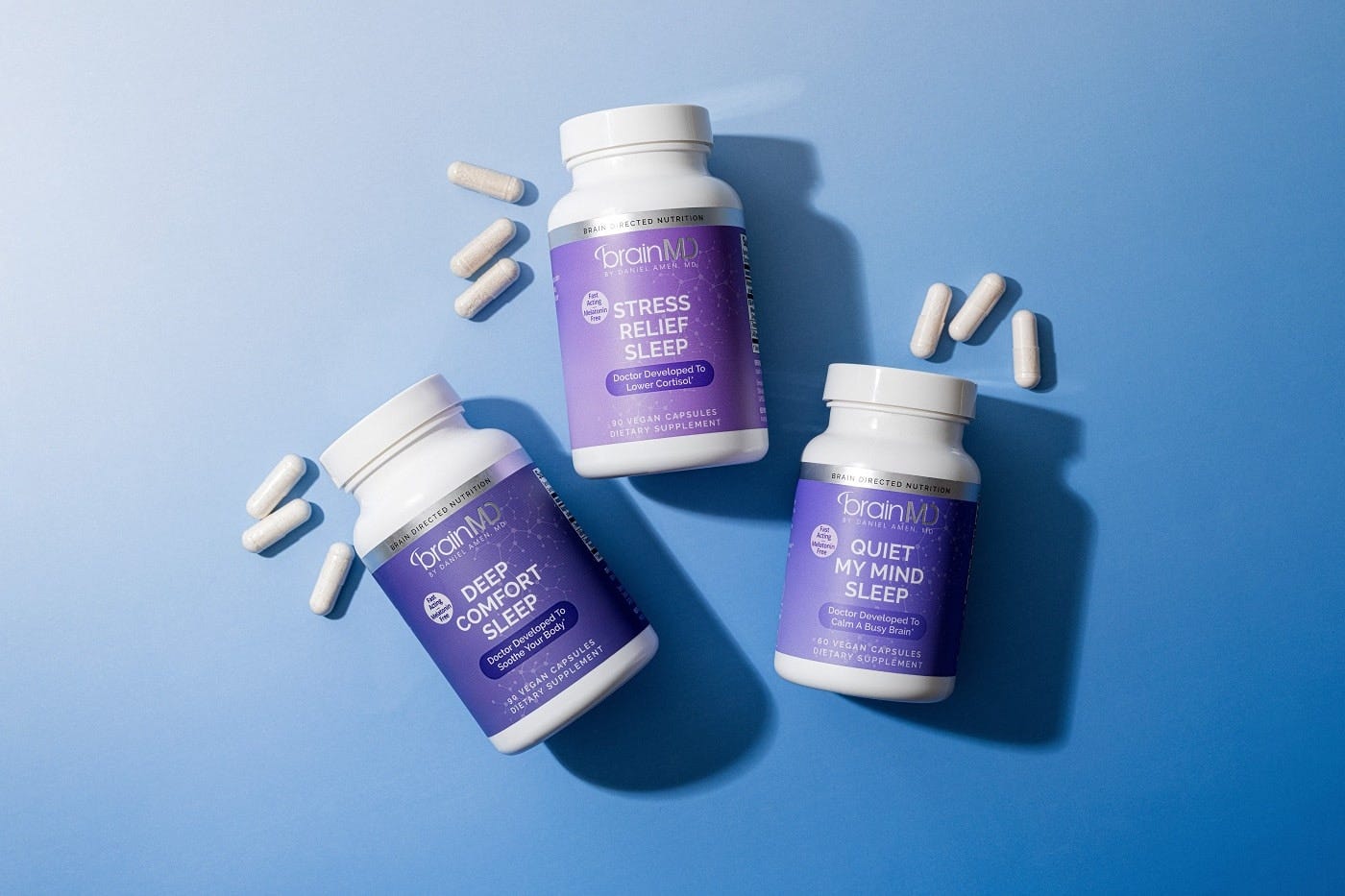
When Daylight Savings Time starts again on March 9, as we “spring forward” an hour, brain health warriors need to be on the ready. Here’s why. While we may enthusiastically welcome spring’s extended, light-filled days, especially after a long, cold oppressive winter, the switch to Daylight Savings Time comes with a bitter pill: losing an hour of sleep! It might not sound like much, but losing an hour of sleep can really mess with your body’s natural circadian rhythms (internal body clock) as well as brain function, which may put you at higher risk for car accidents and even heart attack, according to research published in the New England Journal of Medicine. And for those of us who have sleep issues already (an estimated 70 million Americans), the time change can make insomnia even worse. Did you know that sleep is involved in rejuvenating all the cells in your body, gives brain cells a chance to repair themselves, and activates neuronal connections that might otherwise deteriorate due to inactivity? It’s true! Sleep is that important to your brain and body. In fact, clinical neuroscientist, board-certified psychiatrist and brain imaging expert, Dr. Daniel G Amen, says that for most adults, getting enough sleep each night is essential for maintaining your mental edge, as well as for losing weight and even keeping depression at bay. That’s because lack of sleep is associated with lower overall blood flow to the brain, which can compromise brain function, will power and mood. Why lose precious brainpower and the healthy choices that come from an optimally functioning mind for even a day? Problems often occur when our brains are not functioning at their best. Sleep is critical to your well-being and most adults need 7-8 hours of sleep each night. It's simple: When our brains work better, our lives work better. So make a decision right now to protect your vital sleep and maintain optimal brain health when we spring forward to Daylight Savings Time with these four simple actions: Here Are 4 of the Top Ways to Spring Forward 1. Go to Bed Earlier, Wake Up Earlier Starting tonight and until Daylight Savings Time actually goes into effect, simply go to bed earlier and wake up earlier. You’re body will get a head start resetting it’s internal clock and you will transition more easily to the change. 2. Take Melatonin Melatonin is a hormone that is naturally released from your brain’s pineal gland in response to light and dark. It’s an important regulator of the sleep cycle in the body. Normally, melatonin levels rise in the evening, when it gets dark, making you sleepy and remain high for most of the night and then drop in the early morning, when it gets light and you awake. When we spring forward and there is more light in the evening, your melatonin production may kick in later making it more difficult to fall asleep or stay asleep throughout the night. (Aging, traveling through time zones or certain medications can also have an effect on proper melatonin production.) Supplementing with melatonin prior to bedtime helps support your body’s natural mechanism that allows you to fall asleep and stay asleep. 3. Avoid Stimulating and Sleep-Disruptive Activities When the time springs forward, we generally have trouble falling asleep. It will help if you avoid anything that has a stimulating or sleep-disruptive effect. This means turning off electronics at least an hour or two before bedtime; avoiding caffeine (coffee, tea, chocolate), alcohol (although a depressant, it interferes with sleep), vigorous exercise or large meals too close to bedtime. 4. Take a Natural Relaxation Support Supplement Taking one or any combination of the following natural supplements may support your body’s ability to relax. GABA or gamma-amino-butyric acid is an amino acid that regulates brain excitability. GABA functions to inhibit the excessive firing of neurons, which results in a feeling of calm. It essentially plays a role in turning the “off” switch on a busy mind. When you supplement with GABA, you support the body’s natural mechanism for quieting the mind. Who doesn’t need that? Magnesium, also known as the “relaxation” mineral, plays a role in hydration, muscle relaxation, energy production and, perhaps most important to sleep, the deactivation of adrenaline. A deficiency in magnesium can interfere in nerve cell firing, resulting in irritability and nervousness. Supplementing the body with magnesium helps with a sense of calmness, needed for restful sleep. Valerian (Valeriana officinalis) is an herb that has been used traditionally for centuries and is known for its calming effects. It appears that valerian may work through the GABA receptors, which, as you just learned, calm brain activity when activated. Dr. Amen formulated Restful Sleep with a combination of nutrients designed to support a calm mind and promote a deep, relaxed, restful night’s sleep. Learn more. Here’s to celebrating the joy of more daylight and protecting your brain-healthy sleep! References Vincent, A. Daylight Savings Time and Traffic Accidents. N Engl J Med. 1996; 334:924-925. https://www.nejm.org/doi/full/10.1056/NEJM199604043341416 Janszky, I, et al. Shifts to and from Daylight Saving Time and Incidence of Myocardial Infarction. N Engl J Med. 2008; 359:1966-1968. https://www.nejm.org/doi/full/10.1056/NEJMc0807104
Learn more
Questions To Get Rid of Automatic Negative Thoughts
Don’t let stressful, negative thoughts hijack your happiness! When the National Safety Council reports that as much as 80% of all disease and illness is initiated and aggravated by stress, it may make you take stress reduction more seriously. But where does stress really begin? Unless we catch it where it starts, it's going to be challenging to combat it, right? According to clinical neuroscientist, board certified psychiatrist, brain imaging expert, Dr. Daniel G. Amen, often, it is your AUTOMATIC NEGATIVE THOUGHTS (ANTs) that are the root of your stress. Yes, what we think is powerful! And unfortunately, our thoughts lie – they lie a lot. So, if you want to enjoy a vibrant, brain-healthy life, in addition to taking brain-healthy supplements, eating brain-smart foods, getting plenty of rest, water, and exercise – correcting your negative thinking to reduce your internal stress is key! Sounds good. But how do you change your thoughts? Good question! Dr. Amen is a fan of a method developed by bestselling author and speaker Byron Katie, called the Work. The Work consists of writing down any bothersome, worrisome, or negative thoughts, then asking yourself four questions and doing what’s called a turnaround. The goal of the Work isn’t pie-in-the-sky positive thinking; it is accurate thinking. When we correct our ANTs, we reduce our stress, and it becomes easier to make better choices and lead brain healthy lives! Here are the 4 questions to ask: Is it true? (Is the negative thought true?) Can I absolutely know that it is true? How do I react when I think that thought? Who would I be without that thought? Or, how would I feel if I didn’t have that thought? Find out how one of Dr. Amen’s patients, Gina, used the Work when ANTs threatened to sabotage her efforts to lose weight before her wedding day… Gina was hoping to lose weight before her wedding. After shedding some pounds initially, she gained a pound after the third week. She turned around a negative thought process that was triggered by the small weight gain by following the questions. Question #1: Is it true that you will not lose weight in time for the wedding? “Yes,” she said. Question #2: Can you absolutely know that it is true that you will not lose the weight in time for the wedding? Initially, she said yes. Then she said, “Well, maybe I will. Maybe this is just a temporary setback.” Question #3: How do you feel when you have the thought, “I will never lose weight in time for my wedding? “I feel frustrated, and I feel like a failure. I’m afraid that I will be fat on my wedding day, “ she said. Question #4: What would you be without the thought, “I will never lose weight in time for my wedding? “ She said, “I would just be happy that I’m getting married.” Turnaround: What is the opposite thought of “I will never lose weight in time for my wedding?” “I will lose weight in time for my wedding.” Gina then felt a renewal of energy to keep watching what she ate rather than giving up on her diet. You can begin reducing your stress by killing the ANTs and embracing more positive, accurate thoughts that guide you to make better choices and better brain health!
Learn more
11 Simple Brain-Boosting Steps
Want to know the real secret to achieving the body you desire? Of course you do! The great news is that it is not a diet or new workout or any kind of quick fix. It’s actually all in your head! (Well…brain, to be exact.) It’s really simple. Your brain is the command-and-control center for your body, and your brain function is directly related to how your body looks, feels, and functions. When you take care of your brain, you take care of your body. Want a beautiful body? Strive for a beautiful brain! So, how exactly do you improve your brain health? Having scanned more than 100,000 brains from 111 countries around the world, clinical neuroscientist, board certified psychiatrist, brain imaging expert, nine-time New York Times bestselling author and Amen Clinics founder, Dr. Daniel G. Amen, has developed the following 11 simple brain-boosting steps that will get you on your way! 11 of the Best Daily Brain Boosters 1. Protect Your Brain Simply be conscious of how precious your brain is to you and your loved ones! 2. Eat a Good Diet Good nutrition is essential to good brain function and to a better body. A healthy diet includes lean protein, fruits, vegetables, nuts and healthy fats such as olive oil. Studies show that your brain works better if you eat nine servings of fruits and veggies a day. 3. Take Daily Vitamins, Minerals and Fish Oil Because most of us do not get all the nutrients we need from the foods we eat, I recommend that everybody take a daily multivitamin and a mineral supplement. I also urge people to take a daily fish oil supplement, which can decrease inflammation, boost blood flow to the brain and help to combat low moods. 4. Exercise When it comes to the brain, exercise acts like the fountain of youth. It is the single most important thing you can do to keep your brain healthy and is one of the best ways to change your shape and improve your mood, energy level, sexual performance and overall health. 5. Get Enough Sleep Getting at least seven hours of sleep at night has been shown to help your brain function at optimal levels, to keep your appetite in check, and to help your skin look younger. 6. Meditate Meditation activates the most thoughtful part of the brain, so you can make better and more intelligent decisions. 7. Relax Learning how to counteract stress and calm your body helps your brain work better, puts you in a better mood, reduces blood pressure, and protects you from disease. 8. Gratitude When you focus on what you love, your brain works better, you are coordinated, and you feel better. 9. Have More Sex Safe sex, and especially sex in a loving, committed relationship, is good medicine for your brain and your body, helping you reduce stress, boost immunity, live longer, and live more. 10. Balance Your Hormones Hormones such as estrogen and testosterone play a key role in helping maintain the health and vitality of your brain and body. 11. Treat Mental Disorders A strong link between mental disorders and physical illnesses and physical conditions has been well established. Treating mental conditions improves brain function and general health and well-being.
Learn more
Too Much Technology May be Having a Negative Impact
Do you crave one excitement after the other throughout your day? If so, you might want to consider your brain’s pleasure centers. To keep cravings in check, it’s very important to be sure your pleasure centers are healthy and balanced. Clinical neuroscientist, board-certified psychiatrist, New York Times bestselling author and brain imaging expert, Dr. Daniel G. Amen, believes that too much technology may be having a negative effect on our relationships and our bodies. It has to do with the way that constant stimulation of technology impacts the brain. Deep within your brain are large structures called the basal ganglia. They are involved in pleasure and motivation. When the basal ganglia are healthy, we feel happy and motivated. When they work too hard, we can be anxious or overly driven. When they are low in activity, we may feel low or unmotivated. But here’s the concern. The brain’s pleasure centers run on a chemical dopamine, which is the same chemical cocaine stimulates and the main chemical of new love! Whenever a little bit of dopamine is released, we feel pleasure. However, if dopamine is released too often or too strongly, we become desensitized to it and it takes more and more excitement to get the same response. In the book Thrilled to Death by respected psychologist Dr. Archibald Hart, he suggests the evolution of technology in our society is wearing out our brain’s pleasure centers. Dr. Amen is concerned that as a society, we have released massive amounts of technology on the population with virtually no study on what it all does to developing brains or to our families. “We need to be more careful. Find natural sources of pleasure, such as nature, a great conversation and long, loving eye contact,” Dr. Amen says. Here are three ways to help balance your brain’s pleasure centers: Use relaxation techniques to calm this part of the brain. Engage in activities that give you motivation without putting you in overdrive. Use supplements such as vitamin B6, magnesium and N-Acetyl-L-Cysteine (NAC) known to calm anxiety and support balance in your pleasure centers.
Learn more
The 50 Best Brain Foods
Eat Great Brain Foods Foods that contain high amounts of antioxidants help your body and brain stay young. Several studies have found that eating food rich in antioxidants, which include many fruits and vegetables, significantly reduces the risk of developing cognitive impairment. Eat fruits and vegetables of many different colors to ensure that you are getting a wide variety of antioxidants to nourish and protect your brain. Below is a list of great brain food. The 50 Best Brain Foods [wc_row][wc_column size="one-half" position="first"] Raw Almonds Almond Milk (unsweetened) Apples Asparagus Avocados * Bananas Beans (black, pinto, garbanzo) Bell Peppers Beets* Blackberries* Blueberries* Broccoli* Brussel sprouts Carrots Cheese (low-fat) Cherries* Chicken (skinless) Cranberries* Egg whites (DHA enriched) Grapefruit Herring Honeydew Kiwi* Lemons Lentils [/wc_column][wc_column size="one-half" position="last"] Limes Oats Olives Olive oil Oranges* Peaches Peas Plums* Pomegranates Raspberries* Red grapes* Soybeans Spinach* Strawberries* Green Tea Tofu Tomatoes Tuna Turkey (skinless) Walnuts Water Whole Wheat Wild salmon Yam & sweet potatoes Yogurt (unsweetened) [/wc_column][/wc_row] *Great Source of Antioxidants
Learn more
Are You Ignoring the Most Common Signs of Stress?
Common Signs of Symptoms of Stress: [wc_row][wc_column size="one-half" position="first"] Frequent headaches or migraines Gritting or grinding of teeth Tremors or trembling lips or hands Neck ache, back pain or muscle spasms Light-headedness, faintness, dizziness Hearing ringing, buzzing or popping sounds Frequent blushing or sweating Cold or sweaty hands or feet Dry mouth or problems swallowing Frequent colds, infections or herpes sores Rashes, itching, hives or goose bumps Unexplained or frequent allergy attacks Stomach pain or nausea Constipation or diarrhea Difficulty breathing or signing Sudden panic attacks Chest pain or heart palpitations Frequent urination Poor sexual desire or performance Excessive anxiety, worry, guilt or nervousness Increased anger, frustration or hostility Depression, frequent or wild mood swings Increased or decreased appetite Insomnia, nightmares or disturbing dreams [/wc_column][wc_column size="one-half" position="last"] Difficulty concentrating, racing thoughts Trouble learning new information Forgetfulness, disorganization or confusion Difficulty in making decisions Feeling overwhelmed Frequent crying spells or suicidal thoughts Feelings of loneliness and worthlessness Little interest in appearance or punctuality Nervous habits, fidgeting or feet tapping Increased irritability or edginess Overreaction to petty annoyances Increased number of minor accidents Reduce work efficiency or productivity Lies or excuse to cover up poor work Excessive defensiveness or suspiciousness Problems in communication or sharing Social withdrawal& or isolation Constant fatigue or weakness Frequent or weakness Frequent use of over the counter drugs Weight gain or loss without diet Increased smoking Increased alcohol or drug use [/wc_column][/wc_row] *Source: The American Institute of Stress
Learn more