 Skip to content


Wellness Blog



Vitamin D3 + K2: This Is Why They’re Better Together!
Are you getting enough vitamins and minerals in your diet? Sadly, millions of Americans aren’t. In fact, ongoing population surveys indicate the standard American diet (SAD) is failing to provide many of the nutrients we need. Among the many vitamins most of us aren’t getting enough of daily are vitamins D3 and K2. Vitamin D3 Vitamin D is primarily known for building bones and is needed by nearly every cell in the body to function and thrive. Sometimes referred to as the sunshine vitamin, vitamin D promotes the actions of serotonin, dopamine, and other key brain neurotransmitters. It’s involved in the healthy regulation of thousands of human genes and is crucial for a strong immune system. After it’s made in the skin as vitamin D3 (cholecalciferol), it becomes converted by the liver and kidneys into a hormone (calcitriol) that has receptors in practically all our tissues. D3 is so important to brain function that its receptors are distributed throughout the brain. This powerful hormone helps regulate the heart, circulation, gut, liver, pancreas, immune system, and other organ systems. Healthy vitamin D3 levels also can help balance your mood, support your brain function, and generally improve your well-being. Vitamin D3 is critical for a healthy pregnancy. It also plays a crucial role in the brain’s early development, its ongoing maintenance, and its functions that underlie healthy mood and basic cognition, such as learning and making memories. Although the body produces vitamin D naturally when exposed to sunlight, research suggests that up to 95% of American adults aren’t getting enough, so supplementation is often recommended. Vitamin D3 May Help… [wc_box color="inverse" text_align="left" margin_top="" margin_bottom="" class=""] strengthen bones* bolster immune function* enhance mood* encourage weight loss* promote oral health* assist with healthy blood flow* regulate blood pressure* support cognitive function* [/wc_box] Vitamin K2 Vitamin K’s positive actions for the brain and body are frequently underestimated. Vitamin K2, as menaquinone-7 (MK-7), is much more active than vitamin K1. K2 activates brain proteins that not only help control calcium’s potential to do damage, but also support brain cell maturation, survival, and electrical conduction. Outside the brain, uncontrolled calcium can form stony deposits in the heart valves, large arteries, and elsewhere in the body. Vitamin K2 proteins help direct calcium away from the brain, heart, and other soft tissues and towards the teeth, bones, and nails that need it. K2 promotes the coagulation processes required for healthy wound healing. Vitamin K2 May Help… [wc_box color="inverse" text_align="left" margin_top="" margin_bottom="" class=""] build healthy bones* aid the process of blood clotting* protect circulatory and heart health* avert serious memory issues* prevent kidney stone formation and UTIs* fight stress- and mood-related symptoms* [/wc_box] Vitamin D3 + K2: Better Together When combined with vitamin K2, vitamin D3 helps move calcium into your bones (where it’s needed most), which prevents it from forming deposits in your arteries and blood vessels. One randomized controlled trial conducted with postmenopausal women who suffered from weak and brittle bones found that after two years of supplementation with vitamin D3, vitamin K2, or both, the women who received both vitamin D3 and K2 experienced better bone mineral density compared to the other groups that took only vitamin D3 or vitamin K2. Vitamin D3 and K2 both have antioxidant properties. Inadequate amounts of each of these essential vitamins may lead to higher risks of inflammation, memory loss, and neurodegenerative issues. Exciting research has indicated that supplementing with vitamins D3 and K2 may help reduce the mortality rate of viral infections and help prevent long-term health risks. From this and other research, it seems clear that vitamins D3 and K2 can provide greater benefits together than what each nutrient offers individually. That’s why BrainMD is proud to offer our unique combo capsule… Vitamin D3 + K2 Vitamin D3 and vitamin K2 are fat-soluble vitamins that work together to strengthen bones, promote normal blood clotting, and maintain a healthy heart and arteries.* These vitamins can help combat an unhealthy inflammatory response and protect against serious illness and cognitive decline.* Vitamin D3 + K2 was developed for optimized bioavailability and absorption.* Here’s What Others Are Saying About Vitamin D3 + K2: Game Changer “This is a game changer for me. Wow, do I have energy, feel great, and handle stress better. This product has sealed the deal! I sleep better, not tired during the day for no reason, no aches, great skin, and my nails and hair seem to be healthier!” - Ashley M., Verified Buyer Unmatched Quality “Really enjoying this product. My blood levels are enhanced, my cognitive functioning seems better, and I feel a peace of mind knowing I’m taking a supplement backed by rigorous science and unmatched quality. Strongly recommend this to all.” - Scott P., Verified Buyer "This synergistic combination is so powerful, it’s like sunshine in a bottle and can help support your mood, bone health, immune function, and cognition.” - Daniel G. Amen, MD D3 + K2 = 1 Essential Supplement This unique supplement combination can help prevent vitamin deficiency (especially during winter months), fight oxidative stress, promote normal blood clotting, and support a healthy immune system.* These two powerful vitamins also work synergistically to promote strong bones, support cognitive functioning, and maintain a healthy circulatory system.* Try Vitamin D3 + K2 today! At BrainMD, we’re dedicated to providing the highest purity nutrients to improve your physical health and overall well-being. For more information about Vitamin D3 + K2 and our full list of brain healthy supplements, please visit us at BrainMD. *These statements have not been evaluated by the FDA. This content is for informational purposes only. It is not meant to substitute for medical or healthcare advice from a physician, nor is it intended to diagnose, treat, cure, or prevent any disease. Consult your healthcare provider before beginning a new health regimen.
Learn more
Could Your Mood Issues Be Linked to a Pain In the Neck?
Mood issues affect millions of people worldwide. Low mood is characterized by persistent feelings of sadness, hopelessness, and a lack of interest in activities that were previously enjoyable. While there are several treatment options available, including medication, many individuals are turning to alternative therapies such as Blair Chiropractic to help manage their symptoms. Let’s explore the importance of Blair Chiropractic in helping people who suffer from mood problems. What’s Blair Chiropractic? Blair Chiropractic is a specific type of upper cervical chiropractic that focuses on correcting misalignments in the cervical spine (generally referred to as the neck). The first two bones in the cervical spine surround the brainstem, which controls several essential functions in the body, including breathing, heart rate, and digestion. Misalignments in the upper cervical spine can disrupt the signals between the brain and the body, leading to various symptoms, including those associated with mood issues. Blair Chiropractic aims to correct these misalignments by using gentle, precise adjustments in the cervical spine. By doing so, it can help restore proper communication between the brain and the body, which may lead to improvements in mood. Mood Issues and Neck Pain One of the main benefits of Blair Chiropractic in treating mood is that it’s a non-invasive, drug-free approach. Many individuals who suffer from mood problems prefer to avoid medication due to the potential side effects, and Blair Chiropractic offers a natural alternative. Unlike medication, Blair Chiropractic works to address the underlying causes of mood issues, rather than simply masking the symptoms by reducing the stress in the nervous system. Low mood can be a complex condition, and what works for one person may not work for another. Blair Chiropractic offers a comprehensive and personalized approach to care, with each adjustment tailored to the individual’s specific needs. By addressing the misalignment of the cervical spine, Blair Chiropractic may offer relief for individuals who haven’t found relief from other treatment options. Another benefit of Blair Chiropractic is that it can help reduce stress and improve overall well-being. Extreme stress is a common trigger for mood problems, and by reducing stress levels in the body, Blair Chiropractic may help alleviate symptoms. Additionally, Blair Chiropractic can help improve sleep quality, which is essential for managing mood symptoms. Proper sleep is crucial for overall health and well-being, and individuals who suffer from mood issues often have trouble sleeping. Blair Chiropractic can help improve sleep quality by reducing pain and discomfort in the body. Blair Chiropractic also can help improve posture, which is essential for optimal wellness. Poor posture can lead to intense pain and discomfort, which can exacerbate symptoms of low mood. By improving posture, Blair Chiropractic can help reduce pain, which may lead to a reduction in mood symptoms. A Natural Approach to Care Blair Chiropractic is an effective, non-invasive, drug-free approach to managing mood symptoms. By correcting misalignments in the cervical spine, Blair Chiropractic can help restore proper communication between the brain and the body, leading to improvements in mood and overall well-being. If you or someone you know suffers from mood issues, consider exploring Blair Chiropractic as a natural, holistic approach to care. Please contact the friendly office staff at Well Connected Chiropractic to set up an appointment today! Dr. Elizabeth S. Hoefer (Hay-fer) earned her Doctor of Chiropractic degree, Bachelor of Science, and Associate of Science in Chiropractic Technology at Palmer College of Chiropractic in Davenport, Iowa (the birthplace of Chiropractic). She recently earned her Diplomate in Craniocervical Junction Procedures, D.C.C.J.P., which is a 3 year post graduate training in upper cervical procedures. This is the most advanced degree available in the field of upper cervical chiropractic. In 2015, Dr. Hoefer was awarded Blair Chiropractor of the Year. Dr. Hoefer was voted New Chiropractor of the Year 2013 by the California Chiropractic Association for the State of California. She currently serves as the President for the California Chiropractic Association (CalChiro). With such extensive and advanced training in chiropractic, Dr. Hoefer offers patients a wealth of knowledge and a passion to serve. Having personally experienced the healing power of Blair Upper Cervical Chiropractic, she is dedicated to the advancement of this work and committed to educating the public about the vast benefits Blair Chiropractic has to offer. Dr. Hoefer lives in Southern California with her husband and three lovely daughters.
Learn more
What Is Blue Light and How Harmful Is It?
Have you ever found yourself mindlessly scrolling on your phone late at night, unable to tear your eyes away from the mesmerizing glow? We’ve all been there. But did you know that this seemingly harmless habit could be putting your health at risk? In recent years, there’s been increasing concern over the potential negative effects of blue light exposure on our health. Due to modern technology, we’re now being exposed to more blue light than at any previous time. With people spending extensive periods of time in front of screens, understanding the impact of blue light has become a crucial topic. But what exactly is blue light? And how does it affect our bodies? Let’s delve into the basics of blue light and its potential risks to your overall health. What is Blue Light? Blue light, also known as high-energy visible (HEV) light, is a type of visible light with shorter wavelengths and higher energy levels compared to other colors in the spectrum. It’s found naturally in sunlight and plays an important role in regulating our body’s circadian rhythm or sleep-wake cycle. Artificial sources of blue light are emitted by electronic devices such as smartphones, computers, laptops, and tablets, as well as LED lights and fluorescent bulbs, which emit varying amounts of blue light. Since prolonged exposure to artificial blue light sources may have damaging effects on your eyes and skin cells, be mindful of these everyday sources of blue light… 8 Common Sources of Blue Light 1. Natural Sources Blue light exposure from natural sources is unavoidable as it’s present in sunlight and the blue sky during the daytime. While this is essential for regulating our body’s circadian rhythm and supporting mood and alertness, excessive exposure can lead to eye strain, headaches, and sleep disruption. 2. Electronic Devices Electronic devices – such as smartphones, laptops, tablets, and televisions – emit high levels of blue light. With the prevalence of technology in our daily lives, we spend more time staring at screens than ever before, increasing our exposure to blue light. 3. LED Lighting LED lights have become popular due to their energy-saving properties. However, these lights emit a significant amount of blue light, which may contribute to eye fatigue and irregular sleep patterns. 4. Compact Fluorescent Lights (CFLs) CFLs are commonly found in households and are considered an energy-efficient alternative to traditional incandescent bulbs. Like LEDs, CFLs emit high levels of blue light that may cause vision and sleep issues. 5. Environmental Factors Certain environmental conditions can increase our exposure to blue light. For example, living in areas where the sunlight is more intense may naturally increase your exposure to blue light. 6. Medical Treatments Some medical treatments, like phototherapy for skin conditions or jaundice, require exposure to intense amounts of blue light for therapeutic purposes. This type of blue light exposure should be carefully monitored and controlled to prevent any potential harm. 7. Work Environments Various work environments – such as offices, schools, and factories – use artificial lighting that can emit varying levels of blue light. Prolonged exposure to these sources of blue light may contribute to eye strain and fatigue. 8. Lifestyle Choices Certain lifestyle choices also can increase your exposure to blue light. For example, smoking has been linked to intraocular pressure (IOP) and may lead to eye strain and other vision problems. Top 5 Health Risks Associated with Blue Light As technology continues to advance, more people are being exposed to blue light every day. While blue light can have some benefits for our bodies, such as regulating our sleep-wake cycle and improving mood, there are also potential health problems associated with excessive exposure. Here are some of the main health risks commonly attributed to blue light exposure: Eye Strain and Fatigue Excessive exposure to blue light can cause eye strain and fatigue, especially when using devices with screens for extended periods of time. The main reason for this is that the high-energy blue light emitted from these screens isn’t easily filtered by the eye’s natural defenses like other forms of light. Prolonged exposure can lead to muscular discomfort, dry eyes, headaches, blurred vision, and may interfere with your daily routines. Headaches and Migraines For individuals who are sensitive to bright lights or suffer from migraines, blue light exposure can trigger or worsen symptoms. This may be due to its direct effect on the brain’s nerve cells and the blood flow response in the brain. Disruption of Circadian Rhythm Blue light exposure at night may suppress the production of melatonin – the hormone that regulates our natural sleep-wake cycle. This can affect our ability to fall asleep and may result in poor quality sleep, which can lead to mood problems, irritability, or difficulty concentrating throughout the day. When our melatonin levels are depleted, it can slow or halt the repair processes that occur during sleep, leading to slower skin healing and regeneration. Skin Damage Blue light also has been shown to contribute to skin damage by penetrating deeper into the skin than other forms of light. It can cause oxidative stress, accelerate collagen breakdown, and increase the production of free radicals, which can lead to such signs of premature aging as fine lines, wrinkles, and age spots. Also, blue light exposure can cause inflammation in the skin. This occurs when the body’s immune response is triggered by certain stimuli like UV rays or toxins from pollution or digital screens. Inflammatory reactions may lead to accelerated aging processes due to their ability to break down collagen and elastin fibers – vital components responsible for maintaining firmness and elasticity in our skin. Accelerated Aging One of the lesser-known health risks associated with blue light exposure is accelerated aging. As we age, our eyes begin to lose their natural ability to block harmful UV and blue light rays from reaching our retinas. This makes aging individuals more susceptible to the damaging effects of excessive blue light exposure. Also, there may be a link between excess blue light exposure and an increased risk for age-related macular degeneration (AMD). The macula is responsible for central vision and prolonged exposure to blue light may damage its cell structures leading to permanent vision impairment. The good news is that there are several ways to protect yourself from the negative effects of blue light exposure. Tips for Reducing Blue Light Exposure [wc_box color="inverse" text_align="left" margin_top="" margin_bottom="" class=""] Use a blue light filter or screen protector on all electronic devices. Limit screen time at least 1 hour before bedtime. Also, consider using devices that have built-in night mode settings to reduce blue light emissions during nighttime hours. Take regular breaks from screens and give your eyes a rest by looking at objects far away. Wear glasses with blue light blocking filters for added protection. Opt for warmer-toned LED lights instead of cool white ones. Incorporate antioxidant-rich foods, such as fruits and vegetables, into your diet to help combat the effects of free radicals on the skin and the rest of the body. [/wc_box] Good Night, Blue Light! Blue light is an essential part of natural daylight, but excessive exposure to artificial sources can have negative effects on your physical and overall health, especially your eyes, skin, mood, and sleep patterns. By understanding the basics of blue light and taking necessary precautions, you can minimize potential risks and maintain a healthy balance between technology usage and well-being. If you have additional questions about blue light exposure, be sure to speak with your optometrist or healthcare professional. At BrainMD, we’re dedicated to providing the highest purity nutrients to improve your physical health and overall well-being. For more information about our full list of brain healthy supplements, please visit us at BrainMD. These statements have not been evaluated by the FDA. This content is for informational purposes only. It is not meant to substitute for medical or healthcare advice from a physician, nor is it intended to diagnose, treat, cure, or prevent any disease. Consult your healthcare provider before beginning a new health regimen.
Learn more
7 Ways to Increase Serotonin Without Medication
If you or a loved one has ever struggled with persistently feeling low, you may be aware that sometimes medications are prescribed to increase levels of the “feel-good” neurotransmitter serotonin in an effort to boost mood. Indeed, research on happiness suggests that serotonin plays an important role in our mood and well-being. When serotonin levels are low, people tend to feel low, too. They may get stuck on worries and negative thoughts. Low serotonin levels can affect more than mood. This important neurotransmitter also helps to regulate appetite, sleep, learning and memory, social behavior, sexual desire, and even body temperature and breathing. When serotonin levels are even slightly off balance, it can impact many of these areas. Low serotonin also might lead to poor sleep, changes in appetite, or emotional eating. Medication may be necessary for people diagnosed with a mood disorder. However, for other people who simply wish to brighten their mood and feel their best, taking action to naturally boost serotonin levels in the body makes sense. What’s more, the lifestyle actions one takes to boost serotonin naturally also can support general health and well-being. It’s a double win! Here’s how to increase serotonin naturally. 7 Ways to Increase Serotonin Production, Naturally 1. Move Your Body Most of us have experienced the mood-boosting effects of exercise. It isn’t too surprising then to learn that a number of studies have noted markers of increased serotonin levels following exercise. In particular, aerobic exercise – such as running, cycling, or a sport such as tennis or pickleball – can stimulate the release of serotonin. It doesn’t take much. Just 30 minutes of even moderate activity (such as walking or hiking) can double levels of serotonin. Some research has shown that regular exercise can be even more effective than counseling or medication in helping to improve mood! Of course, exercise is excellent for your overall health, too. It increases blood flow to your brain, which is good for brain health. And if you do an exercise like yoga, you get the mindfulness and relaxation benefits as well. 2. Connect with Loved Ones We are social creatures, and research shows that spending time with those we love can help increase serotonin levels. Don’t forget that “loved ones” extends to our four-legged friends as well. If you don’t have any pets, volunteer at an animal shelter or offer to look after a neighbor’s cat or dog. 3. Eat Foods That Boost Serotonin Production There are a number of foods that contain nutrients shown to play a role in helping to boost serotonin levels. Let’s start with carbohydrates. There’s a reason we love simple carbs such as potatoes, pasta, bread, pastries, and crackers. These foods tend to boost insulin levels, which limit certain competing amino acids and allows more tryptophan to cross the blood-brain barrier and enter the brain. Tryptophan is a building block for serotonin. Brain cells then can use the tryptophan to synthesize serotonin. However, since simple carbs aren’t the healthiest foods, consume complex carbohydrates such as whole fruits (apples, berries), sweet potatoes, carrots, and beans. They’re healthier, nutrient- and fiber-rich forms of carbohydrates that can help to boost serotonin and offer multiple health benefits. Speaking of tryptophan, eating foods rich in l-tryptophan is another way to boost serotonin levels. That includes protein-rich foods such as chicken, turkey, beef, salmon, tuna, and eggs. Vegetarian sources of l-tryptophan include tempeh, lentils, beans, spinach, and other green leafy vegetables. Also, nuts such as almonds and pistachios, and seeds such as pumpkin and chia seeds, are good sources of l-tryptophan. Even better, if you eat these foods rich in l-tryptophan with complex carbohydrates, it helps to ensure tryptophan crosses the blood-brain barrier. These foods are also rich in vitamins and minerals, and in some instances healthy fats as well, supporting many areas of health. Nutrients such as magnesium, zinc, fish oil, and vitamins C and B6 can aid in metabolizing and utilizing serotonin more efficiently too. In addition to the foods already mentioned, fruits and vegetables such as broccoli, Brussels sprouts, bananas, oranges, and tomatoes are rich in many of these nutrients. 4. Be of Service There’s something that occurs in our brains when we act altruistically. Kindness is associated with increases in serotonin as well as other feel-good neurotransmitters such as oxytocin and dopamine. 5. Support Your Gut Health The microflora in your gut plays a major role in producing neurotransmitters such as serotonin. In fact, most of the serotonin in your body is produced in your gut, so tending to your gut health can certainly support healthy serotonin levels. Stress, illness, and diet are three major factors that can impact the delicate balance of your gut microbiome. When your gut bacteria are out of balance, it can affect the absorption of tryptophan, which is needed to synthesize serotonin. Refined carbohydrates, artificial sweeteners, hydrogenated fats, fried foods, alcohol, gluten, and too much red meat can all disrupt the balance of microflora in your gut. Consuming fiber-rich foods such as fruits, vegetables, nuts, and beans – and probiotic-rich foods such as sauerkraut, kimchi, yogurt, and kefir – and taking a probiotic supplement can all support a healthy microbiome. Keeping stress levels in check by spending time in nature, meditating, or practicing yoga can help to support a healthy gut too. 6. Laugh Often Spend time with people who make you laugh, watch comedies, or just be willing to find humor in everyday situations. Research shows that laughing can alter both serotonin and dopamine activity, as well as decrease stress-making hormones found in the blood. It effectively mitigates the effects of stress! 7. Take Serotonin Supplements Taking a dietary supplement comprised of nutrients and herbs shown to support serotonin production is one more way to help boost serotonin levels naturally. BrainMD’s Serotonin Mood Support is formulated with specific scientifically studied ingredients to engage multiple mechanisms that help your brain to maintain healthy levels of serotonin. It supports increased calm and decreased anxiousness, while promoting a positive mood. The potent formula includes: 5-Hydroxytryptophan (5-HTP) – This nutrient absorbs readily and quickly reaches the brain, where it converts to serotonin. This enzyme also needs vitamin B6. Saffron – Derived from the Crocus sativus flower, this coveted and expensive spice has been used for thousands of years to promote happiness and is believed to support healthy levels of serotonin. Research using modern saffron concentrates have consistently shown improved mood. B Vitamins – Vitamin B6, methylfolate (vitamin B9, a pre-activated folate), and methyl-cobalamin (a highly utilized form of vitamin B12) all participate in the synthesis of serotonin and have been linked to positive mood. Improve Your Serotonin Levels All these actions can help you to better support serotonin balance in your body and feel your best. However, be sure to consult your medical doctor if you suffer from persistent low mood. At BrainMD, we’re dedicated to providing the highest purity nutrients to improve your physical health and overall well-being. For more information about our full list of brain healthy supplements, please visit us at BrainMD.
Learn more
The Power of Positive Thinking for Personal Growth
Does mindset really matter when it comes to your health and personal growth? Yes, it does! Your thoughts can be a powerful influence on many aspects of your life from mood and physical health to personal success. Positive thinking is a tool that’s often overlooked. Growing research indicates a connection between a positive outlook and overall health. Choosing helpful thoughts can also encourage you to make better choices, leading to better health. Health Benefits Linked to Positive Thinking: Improved mood Resilience when encountering challenges Lower risk of developing serious, long-term health problems Lower levels of distress and pain Healthier weight All emotions are natural and normal. Even negative emotions are important for our survival under appropriate circumstances. The key is to move through the negative emotions and not hold on to them. Dr. Daniel Amen calls these habitual negative thinking patterns ANTs (Automatic Negative Thoughts). They can leave you feeling bad and hinder your ability to reach your goals. Focusing on positive thinking doesn’t mean that you’re ignoring life’s problems and challenges, it means that you’re approaching them in a more helpful and productive way. Positive Thinking and Personal Growth When pursuing a goal, large or small, the way you think about your goal and think about yourself can have a huge effect on the outcome. Believing in yourself and being kind to yourself when you face challenges along the way will not only help you feel happier but will help you persist and be more likely to succeed. This is good news! Cultivating a more positive outlook is worthwhile and highly doable. 6 Simple Ways to Increase Positive Thinking Daily 1. Affirmations Affirmations are short mantras that can help you focus your thinking. You can write them down, repeat them silently, or simply say them out loud to yourself. Affirmations for a quick boost: I am enough. I am full of energy. I am strong. I am grateful. I am getting better and better every day. I am living with abundance. I am kind to myself. I am optimistic about the future. I choose to be happy. I attract all good things. 2. Reframe Try turning your negative thoughts around when they pop up. Our minds sometimes want to give us absolutes, meaning they’re 100% true all the time. This is rarely the case, and often an exaggeration. For example: Instead of thinking, “I never make healthy food choices.” Try, “In the past, I haven’t always made the best food choices. Now, I am working on making better food choices.” Or, instead of thinking, “I am never going to succeed.” Try, “If I keep trying, I can figure this out.” 3. Smile More Simply smiling more, even fake smiling, can help you feel more peaceful. This is where that idea of “fake it ‘till you make it” comes in. You can look for humor in even difficult situations. Give it a try, and you might find that not only your smiles will be contagious, but your increased positivity and optimism are contagious too. 4. Journal Keeping a journal can be a good place to write down affirmations that you want to practice. It also can be helpful to write down the things that you’re grateful for. Expressing gratitude can increase your optimism, reduce stress, and make you more resilient in trying times. 5. Play Who isn’t happy when they’re having fun? Playing isn’t just for kids, it’s for everyone in all seasons of life. It’s easy to get caught up in all the things on your to-do list, that you neglect getting involved in hobbies and taking time to play. Remember that sometimes you don’t need to do less, you just need to do more of what you love. Playing is an important form of self-care. When we spend more time doing things we love, we will naturally experience a more positive outlook on life. Fill your life with things that bring joy and peace into your day. 6. Spend Time in Nature Research has shown that getting outside is an important factor in your overall well-being. Spending time in nature is good for your brain and mood. It can even make you more caring and compassionate. Being outside in nature can help you clear your mind and broaden your perspective. How Do You Speak to Yourself? You can choose the way that you talk to yourself! You really can. We all talk to ourselves – sometimes it’s good, and other times it isn’t so good. The next time negative self-talk enters your mind, give yourself permission to dismiss it. Negative self-talk can dampen your mood, ignite stress, and hold you back from achieving your dreams. Positive self-talk examples you can try: [wc_row] [wc_column size="one-half" position="first"] Negative Self-Talk It’s too hard I’m lazy No one listens to me I’ll never figure this out I can’t do this [/wc_column] [wc_column size="one-half" position="last"] Positive Self-Talk I believe in my ability to figure this out I need time to rest I’m capable of expressing myself With persistence, I can find the answers I need I can do anything I set my mind to [/wc_column] [/wc_row] Keep it simple by following this rule: Don’t say anything to yourself that you wouldn’t be comfortable saying to a friend. Could You Be Putting Your Happiness on Hold? It’s common to believe the thought, “When I achieve this certain thing, I will be happy.” Or, “when this thing happens, then I can have joy.” Try living like you’ve already reached those milestones or goals and let yourself be happy today. Allowing yourself to be happy now can increase positive thoughts and feelings and actually help you be more successful as you work towards personal growth. If you’ve gotten used to negative thinking, it may take some time to change your thinking patterns, but it is possible! When you notice those ANT’s creeping in, practice some of the ideas and techniques you’ve learned here. Paying attention to your thoughts can help you unlock the power of positive thinking for personal growth. You’ve got this! At BrainMD, we’re dedicated to providing the highest purity nutrients to improve your physical health and overall well-being. For more information about our full list of brain healthy supplements, please visit us at BrainMD.
Learn more
What is Serotonin? Serotonin Functions, Ranges, Side Effects & More!
Do you ever wonder what makes us feel happy? One possible happiness generator is serotonin – the brain neurotransmitter responsible for mood regulation and overall well-being. Let’s look at the science behind serotonin to learn more about its functions and importance in our moods and daily lives. What Is Serotonin? Serotonin is a chemical found in the human body that helps regulate mood and social behavior. While serotonin is best known for its importance in the brain, it’s also present in other parts of the body, including the blood, central nervous system, and gastrointestinal (GI) tract. In fact, most of the body’s serotonin is found in the gut, where it helps to regulate digestion. So, how does serotonin work? When levels of serotonin are low, it can cause feelings of sadness or distress. But when levels are high, it can lead to mania or even psychosis. That’s why it’s important to have a balanced level of serotonin in your system. Low serotonin can be caused by genetic factors, stress, or certain medical conditions. High levels of serotonin can be caused by certain medications or drugs. Serotonin and the Brain Serotonin is involved in numerous brain functions, including mood, appetite, sleep, learning, and memory. This neurotransmitter is produced in the brain by neurons. It’s then stored in synaptic vesicles, which are tiny sacs that store neurotransmitters. When a neuron is stimulated, the vesicles release their contents into the synaptic cleft, which is the space between neurons. The serotonin then binds to receptors on the next neuron and activates them. This process allows serotonin to relay messages from one neuron to another. This chemical messenger is thought to help regulate mood and emotions. Low levels of serotonin can disrupt communication between neurons, and can lead to: feelings of sadness and hopelessness low mood loss of appetite sleep pattern disruptions feelings of anxiousness High/Low Serotonin Serotonin levels can affect a person’s mood and well-being. Having too much or too little serotonin can come with side effects. If there’s too much serotonin in the brain, it can lead to a condition called serotonin syndrome, which can be fatal. Symptoms of serotonin syndrome include high blood pressure, increased heart rate, sweating, agitation, confusion, and seizures. Having too little serotonin in the brain can cause mood and sleep problems. Low serotonin also may lead to problems such as migraines and irritable bowel syndrome. For those with extremely high or low levels, a serotonin level test may be recommended. Serotonin Level Test The serotonin level test is usually conducted on individuals who may have carcinoid syndrome (a group of symptoms associated with carcinoid tumors). Those with carcinoid syndrome often have high levels of serotonin in the blood. The serotonin level test can help determine the amount of serotonin in the blood. This simple procedure involves drawing blood from a vein, typically inside the elbow or on the back of the hand. Ranges can vary from lab to lab, but normal serotonin levels are generally accepted to be between 50 to 200 ng/mL. Though there’s some debate over what’s considered normal, levels lower than 50 ng/mL may be an indication of potential mood problems. A higher-than-normal range may indicate carcinoid syndrome. Be sure to consult with your healthcare provider before getting the serotonin level test to determine if it’s the right option for you. Since the serotonin level test might not be necessary for everyone, other natural wellness interventions can be explored to help support your serotonin status and improve your daily health. 2 Ways to Support Healthy Levels of Serotonin Healthy serotonin activity can be maintained in the brain and body by eating certain foods and supplementing your diet with nutrients that can help facilitate serotonin production. Dietary Sources of Serotonin You can find serotonin in some foods, but it’s also produced naturally by your body. Some dietary sources of serotonin include: Nuts and Seeds: Almonds, walnuts, pumpkin seeds, and sunflower seeds are all good sources of tryptophan, an amino acid that’s converted into serotonin in the brain. Eggs: Eggs are another good source of tryptophan. Eating eggs regularly can help increase serotonin levels. Fish: Tuna, salmon, and halibut contain high levels of omega-3 fatty acids. These fats are essential for proper brain function and may help increase levels of serotonin. Fruits and Vegetables: Fruits and vegetables contain vitamins and minerals that are necessary to produce serotonin. Dark leafy greens, bananas, oranges, berries, and tomatoes are all healthy choices. Incorporating these foods into your diet may help increase serotonin levels, which may improve your mood and overall sense of well-being. Serotonin Supplements BrainMD’s Serotonin Mood Support was created specifically to promote multiple mechanisms that maintain healthy serotonin levels in the brain.* It can help increase the production of soothing brain waves, correct stress-related nutritional deficiencies, and promote relaxation that can facilitate quality sleep.* This supplement contains essential nutrients and herbs that can help support serotonin production, such as vitamin B6, vitamin B12, folate and, 5-HTP, as well as a patented form of saffron.* It’s always recommended to consult with your doctor or healthcare practitioner before beginning any supplement regimen. Support Your Serotonin Functions While serotonin plays an important role in regulating many bodily functions, it’s also a vital component for mental and emotional well-being. When serotonin levels are balanced, you may experience an improved mood, higher energy levels, and better overall health. Supporting serotonin – with diet, supplements, and other lifestyle measures – can help you maintain good physical and mental health over the long haul. At BrainMD, we’re dedicated to providing the highest quality supplements to improve your physical health and overall well-being. For more information about our full list of brain healthy supplements, please visit us at BrainMD. *These statements have not been evaluated by the FDA. This content is for informational purposes only. It is not meant to substitute for medical or healthcare advice from a physician, nor is it intended to diagnose, treat, cure, or prevent any disease. Consult your healthcare provider before beginning a new health regimen.
Learn more
Here’s How You Can Try Quality Mood Supplements for FREE!
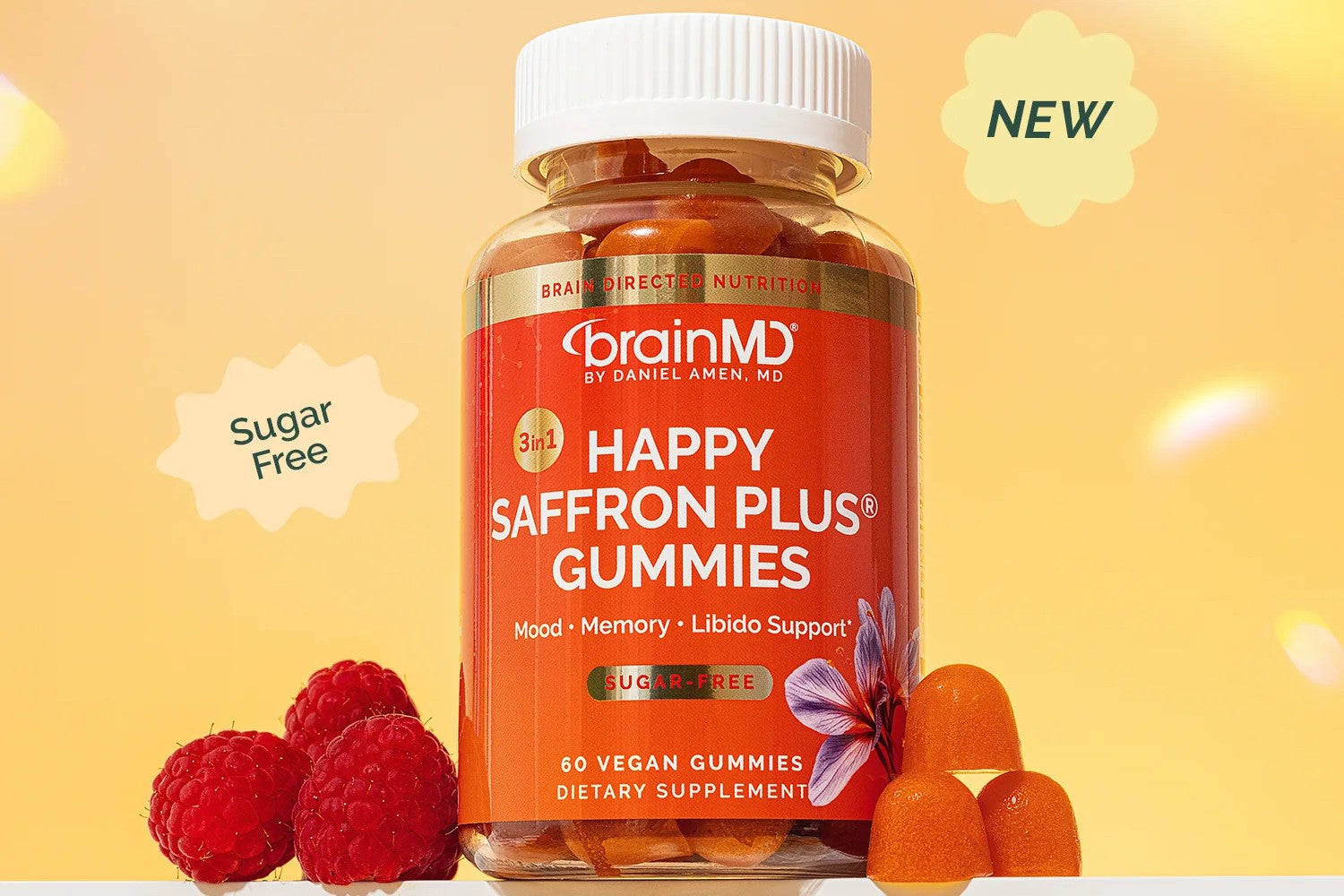
Many things can provide happiness in our lives. Unfortunately, there are also many things that can steal our happiness, such as persistent negative thoughts and periods of low mood. Low Mood Mood issues can make everyday life feel draining. Low mood is often linked to low energy and lack of sleep. Other signs of low mood may include: Negative or guilty thoughts Mental fogginess Avoiding social interaction Overeating and emotional eating Periods of low appetite Difficulty with concentration and memory Since many people dismiss these issues as just feeling down, they may not get the help they need, which can result in serious physical or emotional difficulties. Standard Treatment for Mood Issues Most people who experience mood issues are desperate to regain their energy and positive outlook on life. Though some of these individuals might be tempted to try a quick fix (by taking a medication or other illicit substance) to help mitigate their problems, it might be better for them to seek out natural solutions first. Certain nutrients may help to improve their mood…without the side effects. However, if you’re experiencing severe mood issues, such as extreme mood swings, it may be necessary to seek out medical help. Extreme mood problems may require medication or other forms of treatment, as recommended by a doctor. However, unless otherwise advised by your healthcare provider, it’s always best to seek out natural support for mood problems before automatically turning to high-powered medications, which may worsen existing issues or cause other mental or physical challenges. Natural Mood Support Mood problems may be caused by several factors, such as unhealthy habits and lifestyle factors, or may be instigated or exacerbated by nutrient deficiencies. The good news is that many nutraceuticals have been researched for their mood-supporting benefits, with promising results. One of the best nutrients that can help support mood is saffron. What Is Saffron? For centuries, cultures around the world have cultivated saffron for a variety of purposes. Saffron has been used as a culinary spice, digestive aid, aphrodisiac, and mood-booster. It’s a spice able to give color, flavor, and aroma to foods. Derived from the female reproductive parts (stigma) of the flower of Crocus sativus, saffron is produced today just as it has been since ancient times…by hand. The stigmas must be carefully handpicked and dried since machines can’t perform this delicate work. It takes 4,500 Crocus sativus flowers just to produce one ounce of saffron spice. This labor-intensive extraction process has made saffron the most expensive spice in the world. The best ways to consume saffron are by using it as a spice in cooking or by taking high-purity supplements. If you struggle with maintaining a positive mood or just want to have more happiness in your life, consider taking BrainMD’s mood-supporting saffron supplement… Happy Saffron Plus ® This breakthrough nutraceutical formula was scientifically designed to promote a positive mood.* It brings together nutraceutical preparations of the two most traditionally revered “happiness herbals” – saffron flower extract and curcumin from the turmeric root – with zinc, a mineral essential for life and vital for positive mood.* Benefits of Happy Saffron Plus This supplement combines three potent ingredients to provide maximum mood support.* Now, Happy Saffron Plus® is available in both capsule or gummy formats. Based on considerable clinical and other scientific research, this formula offers: Powerful support for positive mood* Increased capacity for coping with feelings of anxiousness* Enhanced alertness under stress* Happy Saffron Plus ® Ingredients Here are the 3 ultra-pure, high-potency ingredients found in Happy Saffron Plus®: affron® Standardized Saffron Extract. Saffron has been the “happiness spice” in the Middle East for centuries. Modern clinical benefits fully support the traditional reverence for saffron. affron® is a water-extracted saffron concentrate standardized for its most active constituents. This extract has performed extremely well for improving mood, both in adults and adolescents, in clinical trials at a dose of 28 mg per day.* Longvida® Optimized Curcumin Extract. The turmeric root parallels saffron as an Asian happiness herbal. Curcumin is the molecular complex from turmeric root that can help improve mood.*¹ This Longvida® ingredient features excellent absorption of curcumin and has worked well in clinical trials at 400 mg per day or higher.* Zinc, as Glycinate. This mineral is essential for the functioning of at least 300 enzymes essential for our life processes, and about 2000 different human proteins.* People with mood problems typically have low blood levels and supplementing with zinc often supports a healthy mood.* The combination of zinc with affron® saffron and Longvida® curcumin has the potential to elevate mood, perhaps even in individuals who don’t feel they have a mood problem.* All three of these ingredients are documented to improve mood in controlled human clinical trials.² BrainMD’s Free Trial Program BrainMD’s Free Trial program offers a sample package of some of our top-selling supplements, including Happy Saffron Plus®. After 14 days, you’ll be enrolled into a subscription service and receive a monthly supply of Happy Saffron Plus® for the low price of $43.74. BrainMD will notify you prior to the subscription upgrade and before processing any payments for your first Subscription Delivery shipment. Every 30 days, your credit card will be charged, and a new shipment will be sent to the address supplied at the time of enrollment. You may adjust, pause, or cancel your subscription at any time and for any reason by contacting BrainMD’s Customer Care Team (see below). This offer is only valid in the U.S. One trial program may be purchased at a time by each customer. Be Healthier and Happier Happier people tend to be healthier, live longer, have better relationships, and experience more success in life. Boost your bliss with quality mood supplements like Happy Saffron Plus®. Order your FREE sample today! BrainMD Customer Care Team Email: support@brainmdhealth.com Phone: (888) 850-5287 M-F 6 AM – 5 PM PST At BrainMD, we’re dedicated to providing the highest purity nutrients to improve your physical health and overall well-being. For more information about Happy Saffron Plus and our full list of brain healthy supplements, please visit us at BrainMD. *These statements have not been evaluated by the FDA. This content is for informational purposes only. It is not meant to substitute for medical or healthcare advice from a physician, nor is it intended to diagnose, treat, cure, or prevent any disease. Consult your healthcare provider before beginning a new health regimen. References: 1. Fusar-Poli, L., Vozza, L., Gabbiadini, A., Vanella, A., Concas, I., Tinacci, S., Petralia, A., Signorelli, M. S., & Aguglia, E. (2020). Curcumin for depression: A meta-analysis. Critical Reviews in Food Science and Nutrition, 60(15), 2643–2653. https://doi.org/10.1080/10408398.2019.1653260 2. Jackson, P. A., Forster, J., Khan, J., Pouchieu, C., Dubreuil, S., Gaudout, D., Moras, B., Pourtau, L., Joffre, F., Vaysse, C., Bertrand, K., Abrous, H., Vauzour, D., Brossaud, J., Corcuff, J. B., Capuron, L., & Kennedy, D. O. (2021). Effects of saffron extract supplementation on mood, well-being, and response to a psychosocial stressor in healthy adults: A randomized, double-blind, parallel group, clinical trial. Frontiers in Nutrition, 7, 606124. https://doi.org/10.3389/fnut.2020.606124
Learn more
What is Holy Basil? One of the Best Ways to Address Your Stress!
In today’s fast-paced world, many people experience periods of stress. Since stress affects millions of American adults, let’s take a closer look at this issue and how to address it naturally. Basics of Stress Contrary to popular belief, not all stress is bad. Stress is a normal part of living and affects those of all ages. It can help improve your: Resilience Productivity Problem solving Ability to adapt to new challenges Stress can become a problem when it’s intense, recurring, or remains unresolved over an extended period. At that point, stress can take a toll both physically and mentally. Stress can affect behavior, outlook, and overall health. Many health concerns may be initiated or aggravated by stress. When stress is ongoing, it can increase the risk of developing problems related to your weight, heart, and mood. One of the best natural ways to manage a healthy response to stress is with adaptogens. What Are Adaptogens? According to the Cleveland Clinic, “Adaptogens are plants and mushrooms that help your body respond to stress, anxiety, fatigue and overall wellbeing. You can take adaptogens by adding them to food or beverages or take them as tinctures. Adaptogens bring your body back to a steady balance by managing both physical and mental stressors.” Adaptogens are widely considered to be any natural substance that helps the body “adapt” to a variety of difficulties. They’re a unique class of herbs that can help the body resist physical, chemical, and biological stressors. They’ve been used for centuries in traditional medicine systems such as Ayurveda and Chinese Medicine. Today, adaptogens are gaining popularity for their purported ability to improve health and well-being. This is likely due to our lives becoming more and more inundated with stress. Many people are bombarded with stressors from work, family life, and the 24/7 news cycle. Adaptogens work by helping to regulate the body’s stress response. This regulation can occur at the level of the adrenal glands, the hypothalamic-pituitary-adrenal (HPA) axis, or the sympathetic nervous system. By regulating these stress response systems, adaptogens can help keep the body in a state of homeostasis (balance). There are many different types of adaptogens, and each has its own set of benefits. However, they all share one common goal: to help the body better cope with stress. Let’s take a closer look at one of the most potent adaptogens. Holy Basil What is holy basil? Also referred to as Tulsi, holy basil (Ocimum sanctum) is an Eastern herb that’s been revered as “The Queen of Herbs” in Ayurvedic medicine for over 3,000 years. An adaptogenic herb, holy basil supports the body’s natural protective response to physical and emotional stress.* Adaptogenic herbs don’t alter mood, but they can help the body function optimally during times of stress.* Research demonstrates that they do this by modulating the production of stress hormones like cortisol and adrenaline.* Holy basil has been long revered as a powerful antioxidant with antibacterial, analgesic, antifungal, and anti-inflammatory properties.* Compelling research data suggests that holy basil’s greatest potential lies in the areas of promoting relaxation and a healthy response to stress.* According to clinical research, holy basil may help support the body’s natural response to stress. A six-week, double-blind, placebo-controlled human study examined subjects with stress symptoms. Those who received a holy basil extract formula showed a 39% greater improvement in stress symptoms than those who received a placebo. If you’re dealing with excessive stress, consider trying holy basil, which is different than the basil used as an herb in many meals. BrainMD offers high-quality, brain directed supplements that can help you feel calm, content, and better able to manage stress or mental strain. If you’re looking for a premium stress support supplement that includes holy basil, we’re proud to offer… Everyday Stress Relief Everyday Stress Relief was designed to help replenish your brain and body’s nutrients that can be depleted by stress. This supplement includes herbal extracts clinically proven to have calming and anti-stress effects, without making you sleepy.* It also helps with apprehension, tension, worry, and fatigue.* Here’s what you’ll find in this high-potency formula: Magnesium is a well-known calming mineral. It promotes a balanced and mentally focused demeanor.* The amino acid taurine supports the adrenal glands and is crucial for coping with stress.* The herb holy basil, revered both in Europe and the East, helps to improve adaptation to occasional anxious thoughts and other problems related to stress.* A phytochemical derived from green tea, l-theanine helps to manage tension.* Relora®, which is a unique mix of two herbs, may enhance healthy management of the stress hormone cortisol while easing tension, anger, negative mood, and confusion.* This safe, non-sedating, and non-habit-forming formula combines the multiple beneficial actions of these well-studied herbs and nutrients to help your brain and body cope with stress on multiple levels.* Natural, Nutritional Boost While it’s perfectly natural to feel the effects of stress, if you need a little added support to provide some relief and peace of mind, look for foods and supplements with holy basil. Getting more adaptogenic herbs, like holy basil, into your diet may be an important step in optimizing your health. If you’re looking for a natural way to help manage stress, give Everyday Stress Relief a try today. At BrainMD, we’re dedicated to providing the highest purity nutrients to improve your physical health and overall well-being. For more information about Everyday Stress Relief or our full list of brain healthy supplements, please visit us at BrainMD. *These statements have not been evaluated by the FDA. This content is for informational purposes only. It is not meant to substitute for medical or healthcare advice from a physician, nor is it intended to diagnose, treat, cure, or prevent any disease. Consult your healthcare provider before beginning a new health regimen.
Learn more
What Are Some of the Top Health Benefits of Cold Showers?
On a hot summer’s day, a cold shower can provide much-needed relief – and potentially a whole lot more. As it turns out, immersing yourself in cold water for a few minutes on a regular basis may help to improve your alertness, mood, energy, immune health, skin, pain levels, metabolism, blood flow, workout recovery, and more. First adopted by athletes to help reduce muscle soreness and promote faster recovery, the practice of taking cold showers is now routine for a growing number of people wanting to feel their best. Here are the compelling reasons why you may want to add a shock of cold into your daily douse! What Is Hydrotherapy? Cold shower taking, also called cold hydrotherapy, is essentially using cold water for a therapeutic effect. Cold hydrotherapy is a type of cryotherapy, which is the use of cold temperatures (in the form of ice, cold water, or cold air) for a therapeutic health benefit. Research into ancient medical texts shows that cold hydrotherapy has been used for thousands of years for its health-promoting and pain-relieving effects. While there are many purported health benefits attributed to taking cold showers, most of the research on cold hydrotherapy has been conducted using cold water immersion (CWI). Health experts believe that many of the CWI benefits also can be obtained, to some degree, from taking cold showers. Indeed, studies on cold shower therapy so far have shown promising results, although more research is needed. Benefits have been noted with as little as 30 seconds of regular cold-shower exposure. Here are the most significant ways cold showers can boost your health and well-being. 6 Top Health Benefits of Taking Cold Showers 1. May Uplift Your Mood Cold showers for mental health have become a “thing” for good reason. Whole-body exposure to cold water can trigger the release of neurotransmitters such as serotonin, dopamine, norepinephrine, and endorphins, which are central to regulating emotions, stress, and motivation (reward processing). Deficits in these neurotransmitters may factor into the development of mental health issues – especially low mood and feelings of anxiousness. Participants exposed to cold water immersion in studies have reported positive changes in mood following as little as one immersion. A study from 2022 had participants immerse themselves in cold water up to the neck. Results showed not just an increase in positive mood, but also increased alertness, greater energy, and feeling more inspired, active, attentive, and proud – while at the same time feeling less nervous and distressed. Preliminary research from another study found that a couple of participants who took regular cold showers at even a moderate temperature of 68 degrees F experienced a lighter mood. 2. May Boost Your Immunity It appears that taking regular cold showers may give your immune system a boost. It’s believed that the shock produced by the cold water can energize the blood cells that fight off infection. In 2016, researchers from the Netherlands found that participants who took daily cold showers for durations of 30, 60, and 90 seconds for 90 days had milder illnesses than those who didn’t take the cold showers. The participants who took the daily cold showers called out sick from work 29% less of the time, suggesting a stronger working immune system. 3. May Help with Pain and Post-Workout Recovery Taking a cold shower causes your blood vessels near the surface of your skin to constrict, which diverts blood towards your core. The process is called vasoconstriction. It helps to reduce swelling and inflammation, which are key to relieving pain. These benefits are fantastic for post-workout recovery too. Vasoconstriction helps to reduce swelling and inflammation in the muscles, as well as draw waste substances and lactic acid away from the muscles. When the body begins to warm again, vasodilation happens (blood vessels relax and expand). Warm blood pumps around the tissues, bringing oxygen and nutrients, promoting faster muscle recovery, and reducing muscle soreness. A 2017 study found cold water immersion post-workout was as effective as active recovery (such as a light swim, stretch, or walk) in reducing inflammation and muscle soreness. 4. May Boost Circulation Cold hydrotherapy also can stimulate blood flow. When you’re immersed in cold water or even standing under the flow of cold water in a shower, it provides a shock to the system. Your blood rushes to surround your vital organs. At the same time, your heart rate increases, pumping blood more efficiently to ensure it supplies every part of your body with the oxygen and nutrients it needs. All that nourishing blood flow benefits your organs, muscles, and tissues. And as your body fights to stay warm, your metabolism gets a little boost as well! 5. May Benefit Your Skin A chilly shower may provide a number of benefits to your skin. Cold water calms and soothes the skin. Because it constricts blood vessels, a cold shower can reduce redness and puffiness as well. This can be very helpful for people who deal with inflammatory skin conditions. Cold showers tighten skin pores and help you to retain your skin’s (as well as your hair’s) natural oils. Overall improved circulation as result of cold hydrotherapy supports the health of the skin and may even aid in clearing blemishes. However, water that’s too cold can be harsh on the skin and cause redness, especially in people with sensitive skin. 6. May Build Resilience Taking a cold shower isn’t easy. Regularly challenging yourself to be uncomfortable may help you to build resilience, allowing you to handle stressful situations with greater ease. A survey involving winter sea bathers indicated that regular exposure to cold water was associated with lower self-reported stress levels and higher well-being. Cold water exposure is such a powerful tool for strengthening mental resilience, a military study conducted earlier this year found that it could be recommended as an addition to routine military training regimens! How to Begin Taking Cold Showers If you want to add cold showers to your health routine, experts suggest starting by turning your shower fully on cold for 30-second intervals at first, and then gradually working up to 60 seconds, and then to 90 seconds. Some experts say that 3 minutes is the ideal duration for maximum benefits. Do it regularly for best results. It’s important to note that cold hydrotherapy isn’t recommended for everyone, especially if you’re elderly or have heart health issues. Talk to your healthcare provider before you adopt a cold-shower routine. At BrainMD, we’re dedicated to providing the highest purity nutrients to improve your physical health and overall well-being. For more information about our full list of brain healthy supplements, please visit us at BrainMD.
Learn more
3 Types of Rage and How to Get Help When You Start to Lose Control
Have you ever wondered why we sometimes find ourselves consumed with uncontrollable anger? Why do certain things trigger our inner fury? Let’s take a closer look the origins of anger and how it can boil over into rage. The Evolution of Anger One of the most intense emotions in the human experience is anger. Anger can be caused by a variety of stimuli, including feelings of threat or frustration. While anger is a universal emotion, its evolutionary roots still aren’t entirely clear. However, there are a few different theories about how anger may have developed in humans. One theory suggests that anger is an evolutionarily adaptive emotion. It may have originally developed as a means of helping humans survive and reproduce. For example, if our ancestors were threatened by a predator, becoming enraged may have helped them fight back and escape. Or, if they were competing with another individual for resources, getting angry may have helped them win the competition. While this theory makes sense, it doesn’t explain why we still experience anger in situations where it isn’t adaptive (such as when we’re frustrated by our partner or child). A second theory suggests that anger is a byproduct of other evolutionary adaptations. For example, the part of the brain that controls anger (the amygdala) may have originally evolved for other purposes, such as fear or aggression. Over time, however, this same area of the brain became involved in controlling anger as well. This theory could explain why we sometimes see rage erupting “out of nowhere” – it may simply be an emotional manifestation of other processes happening in the brain. Science of Rage: Biological and Neurochemical Causes It’s no secret that humans can be a volatile bunch. We’re prone to fits of anger and aggression that can, in extreme cases, lead to violence. But what drives this behavior? Are we simply hardwired for rage, or is there more to it than that? As mentioned earlier, rage is a primitive emotion that may have developed as a survival mechanism. Today, the root causes of rage are thought to be both biological and neurochemical. Biological factors include things like hormones and brain chemistry. Neurochemical factors refer to the chemicals in the brain that influence our mood and behavior. For example, serotonin is a chemical that helps regulate our mood and keep us feeling calm and relaxed. Low levels of serotonin have been linked with increased aggression and hostility. While we may not be able to completely prevent ourselves from giving in to rage, understanding the biological and neurochemical factors behind it can help us find better ways to control our emotions and behaviors. Here are some common types of rage and some of the best ways to deal with them. 3 Common Types of Rage and How to Get Help When You Start to Lose Control There are different forms of anger or rage. Here’s a closer look at just a few of the types… Outbursts From childhood temper tantrums to adult acts of aggression, anger seems to be hardwired into the human psyche. Maybe there’s a justifiable reason for why you’re upset, like someone shoving your child. Or perhaps your fit of anger was completely unprovoked…maybe you’re just having a really bad day and needed to let off some steam. Whether triggered by real or perceived threats or offenses, anger can escalate to outbursts, which can lead to violence. Such violent outbursts can lead to physical struggles, damage to property, or even fatalities. Frequent violent outbursts may be a sign of trouble, so if this is an area where you struggle, getting help might be the best course of action to protect yourself and others around you. Social Media Rage Social media rage is a relatively new phenomenon that pertains to the anger people feel when they interact with others on social media platforms. This form of anger can be caused by many things, such as disagreeing with a comment made by someone else online or feeling like you’re being ignored. Social media rage can lead to name-calling, cyberbullying, and even doxxing (releasing private information about someone online). Another form of rage may be directed at the technology itself. If a page is loading too slowly or if a perceived link isn’t taking a user to where they want to go, this can produce an aggressive behavior termed rage clicks. Rage clicks occur when users rapidly tap or pound on a link, button, or other area of an app or website when it fails to advance them to their intended goal. Some companies use heatmapping to track where customers are clicking on their site. Rage clicks will appear as big, red circles or blotches on a specific part of a web page, indicating the user’s persistent and hostile reaction to not getting a desired result. If this ever happens to you, the best way to deescalate the situation is to just put the phone down for a few moments (unless you’re in a life-threatening situation). Reengage when you’ve calmed down and maybe try backing out of the current page and try clicking the button again. Sometimes unresponsive web pages may be due to slow wi-fi or elements that appear as if they’re clickable, but really aren’t. A brief timeout and a little patience may help prevent you from engaging in rage clicks. Road Rage Road rage is a type of anger that is often caused by stress while driving. It can lead to aggressive driving, yelling, and even violence. The Department of Motor Vehicles (DMV) defines road rage as: “Aggressive or angry behavior by a driver of an automobile or other road vehicle which includes rude gestures, verbal insults, physical threats or dangerous driving methods targeted toward another driver in an effort to intimidate or release frustration.” Road rage is responsible for many injuries and fatalities each year. Shockingly, 82% of U.S. drivers admit to having committed an act of road rage at least once in the past year. Many people get angry, frustrated, or stressed out by bad drivers, traffic jams, road construction, or other delays. But what causes some drivers to become so enraged? When you’re behind the wheel, you don’t want to be the victim of aggressive behavior, and it can make you feel anxious or angry. In many cases where drivers are targeted by road rage, they respond aggressively by making rude gestures, shouting, honking, tailgating, or flashing their lights. As a result, rage and aggressive behavior may escalate and the consequences can be deadly. Diffusing Road Rage The next time you find yourself engaging in aggressive driving behaviors, follow these tips to diffuse the situation: [wc_box color="inverse" text_align="left" margin_top="" margin_bottom="" class=""] Consider the consequences of your actions: Physical harm to yourself or others (including kids) Damage to one or more vehicles Increased insurance premiums Potential legal issues Fatalities Pull off the highway or road, find a safe place to park, and: Do a deep breathing exercise Turn on some soothing music (classical or easy listening vs. rock or rap) Don’t start driving again until you’ve completely cooled down [/wc_box] You can minimize the risk of giving in to road rage by practicing daily stress-reducing therapies like deep breathing, havening, journaling, exercising, listening to soothing music, and enjoying relaxing scents from diffused essential oils. Also, consider taking dietary supplements with calming and relaxing ingredients like BrainMD’s Everyday Stress Relief, Calm My Brain, and GABA Calming Support.* Get Curious, Not Furious Anger is a signal that something isn’t right in your world. We generally experience it when we feel the need to defend ourselves. But anger also can be the brain’s way of dealing with deeper, emotional issues. When you feel angry, ask yourself what other emotions might be driving the anger. Get curious about what triggers you to become enraged. If episodes of road rage or other types of outbursts persist, it’s recommended that you see a trained counselor or therapist. They can give you practical strategies and therapies to help stabilize your emotions and behaviors so you can enjoy a more peaceful life. At BrainMD, we’re dedicated to providing the highest quality supplements to improve your physical health and overall well-being. For more information about our full list of brain healthy supplements, please visit us at BrainMD. *These statements have not been evaluated by the FDA. This content is for informational purposes only. It is not meant to substitute for medical or healthcare advice from a physician, nor is it intended to diagnose, treat, cure, or prevent any disease. Consult your healthcare provider before beginning a new health regimen.
Learn more
5 Best Outdoor Activities To Help You Stay Fit & Have Fun This Summer
Summer is the perfect time to get outside, soak up some sun, and enjoy all that nature has to offer. From swimming in pools or lakes to taking peaceful hikes on scenic trails, there are countless outdoor summer activities to keep you active and healthy. Whether you’re an adventure seeker or just looking for a fun way to stay fit, there are plenty of outdoor activities that can keep you (and your family) active during the summer months. 5 of the Top Outdoor Activities for the Whole Family to Enjoy This Summer! Camping Camping is the perfect outdoor activity for those who like to immerse themselves in nature and escape the breakneck pace of everyday life. But before you head out on a camping trip, make sure you have all the equipment you need, including a tent, sleeping bags, cooking supplies, food, and ample water. Also, before you start a campfire, make sure there aren’t any fire restrictions for your area. When choosing a campsite, look for one with easy access to trails or water sources. Some campsites offer amenities such as showers and electricity (for those who prefer not to be completely cut off from modern conveniences). While in the great outdoors, be sure to take hikes or go fishing in a nearby lake. Or, if you prefer a more laid-back outing, you can relax at your campsite with board games, a good book, campfire songs or scary stories, or stargazing at night. Always practice Leave No Trace principles – properly disposing of waste, respecting wildlife habitats, etc. – while camping. Most importantly, enjoy the peace and solitude that comes with being surrounded by nature during your summer camping adventure. Cycling Cycling is an excellent way to enjoy the outdoors while staying active during the summer months. It allows you to explore your surroundings while getting in a good workout. Whether you’re riding on a mountain trail or through a municipal park, there are plenty of scenic areas to enjoy while you’re burning calories. One of the best things about cycling is that it’s accessible to people of all ages and fitness levels. You don’t need any special equipment to get started…just a bike and a helmet. And with so many different types of bikes available – from road bikes to mountain bikes – there’s something for everyone. If you’re new to cycling, start by taking short rides around your neighborhood or local park. As you build up your endurance and confidence, gradually increase the length and difficulty of your rides. Don’t forget to bring plenty of water and healthy snacks. Cycling also can be a social activity – consider joining a local cycling club or group ride in your area. This can keep you motivated and provide an opportunity to meet other cyclists who share your interests. Of course, safety should always be top-of-mind when cycling. Always wear a helmet and obey traffic laws while riding on roads or paths shared with pedestrians. Fishing Fishing is a relaxing outdoor activity that allows you to unwind while enjoying the beauty of nature. Regardless of your experience level, fishing can be a fun and rewarding experience. One of the best things about fishing is that it can be done almost anywhere – from lakes and rivers to oceans and streams. You don’t even need expensive equipment to get started; just a rod, reel, line, bait, permit, and a little patience. There’s nothing like the feeling of catching your first fish. It’s an exhilarating experience that can give you a sense of accomplishment and an adrenaline rush; especially if you catch a really big fish. Fishing is a great way to spend quality time with others. It’s a peaceful activity that allows you to connect with friends and family while enjoying the beauty of nature. This popular outdoor activity can be experienced by anyone, regardless of their age or skill level. So why not give it a try this summer? Who knows, you might just discover your new favorite hobby! Hiking Hiking is a great way to get outside and explore nature during the summer months. From easy trails to more challenging treks, there are hiking options for all skill levels. Before hitting the trail, it’s important to make sure you have proper footwear. Investing in a good pair of hiking shoes will provide support and help prevent blisters. Also, make sure to dress appropriately for the weather and bring a jacket in case it rains, or the temperature unexpectedly drops. When planning your hike, research the trail ahead of time and be prepared for any obstacles such as steep inclines or uneven terrain. Be sure to keep your eyes open to any potential hazards, including cats, snakes, or other regional wildlife. Bring plenty of water and healthy snacks to stay energized on longer hikes. In addition to its physical benefits, hiking can provide mental health benefits too, such as reducing stress and improving mood. Make time during your hike to appreciate the natural surroundings and take deep lungful of fresh air. Hiking can be enjoyed solo or with friends/family members. So, pack your backpack (don’t forget the sunscreen), put on those hiking shoes, and hit the trails for some exhilarating exercise. Swimming Swimming is one of the most popular outdoor summer activities, and for good reason. Not only does it provide an invigorating way to cool off in the heat, it also offers a full-body workout that’s low-impact and easy on your joints. Whether you prefer swimming laps at the local pool or taking a dip in a nearby lake, there are many options for any skill level or preference. One great thing about swimming is its versatility; it can be enjoyed alone or with others. You can push yourself to set speed or distance goals, or simply enjoy floating leisurely while chatting with friends or family. Be sure to practice proper safety precautions when swimming outdoors, such as wearing life jackets and being aware of currents and other hazards. With these tips in mind, diving into a pool or lake this summer is sure to be a refreshing experience. Summer Safety Tips Though summer is a great time to enjoy outdoor activities, it’s crucial to remember the importance of staying safe. Here are some top safety tips to keep in mind: Always wear sunscreen when spending time outdoors, as the sun’s UV rays can cause serious skin damage. Stay hydrated throughout the day. This is especially important during hot weather or while engaging in rigorous physical activities. Remember to bring more water than you need. Be aware of your surroundings and any potential hazards, such as rough terrain or dangerous critters. This will help you avoid accidents and injuries. Make sure to use proper equipment when participating in outdoor activities such as hiking or cycling. Wear appropriate footwear and protective gear to reduce your risk of injury. If you’re planning on swimming or boating this summer, be sure to follow all safety regulations and rules. Always swim with a buddy and make sure others know where you’re going. By following these simple safety tips, you can ensure that you have an enjoyable and safe experience while engaging in outdoor activities this summer. Stay Fit, Have Fun! The summer season affords many opportunities to stay active and enjoy the great outdoors. While having a good time outside in the sun, remember to put safety first by using sunscreen and drinking plenty of water. Also, be mindful of your surroundings and don’t disturb or harm the terrain or wildlife. By engaging in outdoor activities this summer, you can stay fit while experiencing nature’s wonders firsthand. Try one of these outdoor activities today and have some fun! At BrainMD, we’re dedicated to providing the highest quality supplements to improve your physical health and overall well-being. For more information about our full list of brain healthy supplements, please visit us at BrainMD. These statements have not been evaluated by the FDA. This content is for informational purposes only. It is not meant to substitute for medical or healthcare advice from a physician, nor is it intended to diagnose, treat, cure, or prevent any disease. Consult your healthcare provider before beginning a new health regimen.
Learn more
8 of the Best Ways to Improve Your Self-Esteem and Confidence
Is receiving criticism painfully hard for you? Do you notice that you judge yourself harshly most of the time? Do you feel nervous or shy when you’re in social situations? Do you tend to doubt your capabilities? If you answered yes to any of these questions, you might benefit from working to improve your self-esteem. Improve Your Self-esteem Having a strong sense of self-worth, research shows, is associated with greater happiness, life satisfaction, and fewer negative moods. Conversely, when poor self-esteem goes unaddressed, it can impact your entire life trajectory. Having low self-worth can lead to inaction, underachieving when it comes to realizing dreams, and remaining in unsatisfying and even unhealthy relationships. In terms of mental health, people with low self-esteem tend to struggle more with low mood, feelings of anxiousness, thoughts of self-harm, addictions, and more. Indeed, taking steps to improve your self-esteem and confidence is a worthy investment of time and energy. It has the potential to improve virtually every area of your life. The following tips are based on the collective wisdom of mental health experts and published research. Practicing them can help to improve your self-esteem from the inside out and naturally boost your confidence. 8 Ways to Improve Your Self-Esteem and Confidence 1. Change Your Self-Talk You can start building your self-esteem and confidence right this moment by becoming aware of how you talk to yourself and making a concerted effort to reframe negative thoughts. Dr. Daniel Amen calls these not-so-friendly thoughts that destroy self-confidence automatic negative thoughts (ANTs). They’re often extreme, all-or-nothing statements, like, “You’re always such an idiot” or “You never do it right.” One way to combat ANTs is by using the work of author and speaker Byron Katie. Write down some of your persistent negative thoughts and ask yourself these 4 questions about them: Is this thought true? Can I absolutely know that it is true? How do I react or feel when I think that thought? Who would I be without that thought? Or, how would I feel if I didn’t have that thought? If you practice this regularly, it will likely put some space between yourself and your negative thoughts, allowing for kinder, more accurate, and constructive thoughts – which will likely have a positive effect on your self-esteem. 2. Give Yourself Credit People who struggle with self-esteem tend to have a more pronounced negative bias. They see what they haven’t done rather than noticing progress. Start giving yourself credit for the small wins. Research shows that celebrating smaller achievements boosts morale and resilience, promoting overall positivity. What does that look like? If you sit down to work on something even for 20 minutes, give yourself credit for making progress. If you hurt someone and you earnestly apologize and make a point to correct the wrong or behave differently, give yourself kudos for apologizing and making amends – rather than beating yourself up for your behavior. 3. Practice Gratitude An abundance of research shows that contemplating what you’re grateful for builds greater self-esteem and well-being. Make it a habit or ritual. List what you’re grateful for every evening before going to sleep. It could be as simple as appreciating your lungs and the ability to freely breathe in and out, or the beautiful blossom that appeared in your garden overnight, or the kindness of someone you encountered during your day. Look for gratitude even in seemingly unpleasant or difficult life situations. Perhaps there’s a challenging person at work and it’s forcing you to be more assertive. You might find appreciation in the growth opportunity it’s providing. 4. Move Your Body Engaging in physical activity not only boosts your mood, it increases your self-esteem as well. Developing muscle tone, strength, coordination, balance, and flexibility creates an overall feeling of being more physically competent, which contributes to a better body image and self-esteem. Additionally, the stress relief that comes from exercise, as well as the increased blood flow, which supports better brain function, add to overall well-being. Of course, there’s the sense of accomplishment after exercise that contributes to positive self-regard, too. Be sure you approach exercise gently without a lot of high expectations or perfectionist demands related to body image, kindly giving yourself ample credit for any progress made. 5. Practice Forgiveness Research indicates that forgiveness is associated with higher self-esteem and greater life satisfaction, as well as fewer instances of low mood, feelings of anxiousness, and hostility. Experts suggest you can begin practicing forgiveness in small ways. When someone cuts you off in traffic, consider it isn’t personal and forgive the offender. Let people off the hook. By practicing forgiveness of others, you might find that it’s a little easier to forgive yourself too – which is a big boon to self-esteem! 6. Form Positive Relationships Take steps to foster positive social relationships. Research reported by the American Psychological Association shows that social support and social acceptance overwhelmingly help shape the development of self-esteem in people of all ages. This may sound like a tall order if you’re lacking in self-esteem and confidence. A first step might be joining some kind of support group. Or, if you’re feeling more comfortable about increasing your social connections, take a look at online groups like Meet Up. Pursuing a hobby is a great way to make new, positive connections. At the same time, you’ll have the added bonus of developing one of your genuine interests, which is good for self-esteem too! Ask a friendly neighbor, or perhaps someone from work, to join you for coffee. The key is to spend time with positive people. 7. Speak Up One vital way to value yourself is to honor your needs and speak your mind. This might mean speaking up and setting boundaries as needed. When you lack healthy levels of self-esteem, it’s common to fall into people pleasing and doing things you don’t want to. Start being assertive by simply saying “no.” Watch people who are assertive and let them serve as inspiration for you. Emulate what they do until you find your own rhythm in speaking your mind. 8. Seek Help It’s possible you may need the support of a qualified mental health professional to help you build your self-esteem. Having a professional in your corner is a very powerful way to help you to face past traumas, shame, addictions, or mental health issues that may be impacting your self-esteem. Research shows that cognitive behavioral therapy (CBT) is highly effective in self-esteem building. There’s no weakness in asking for help; it’s a strength, and another reason to feel good about yourself. Be Patient Cultivating healthy self-esteem is a lifelong practice. It takes time. If you notice you have a little more confidence, or are taking on challenges, or treating yourself with more compassion, these are all signs that your self-esteem is growing. At BrainMD, we’re dedicated to providing the highest purity nutrients and standardized herbal ingredients to support your energy, focus and overall well-being. For more information about our full list of supplements, please visit us at BrainMD.
Learn more