 Skip to content


Wellness Blog



This Is What You Need to Know About Serotonin and Happiness
Are you looking for ways to brighten your mood? If so, are you getting enough of the “Happiness Chemical” every day? What’s the Happiness Chemical? The human brain produces a soothing neurotransmitter called serotonin, mostly from the amino acid tryptophan that’s derived from dietary proteins. Serotonin regulates many transmitter systems and plays a role in the brain and body’s ability to communicate. It has been referred to as the “don’t worry, be happy” neurotransmitter. Serotonin plays multiple roles in the brain’s functioning, including: Maintaining a balanced mood Boosting self-confidence and social behavior Supporting a healthy appetite Facilitating deep sleep Sustaining the body’s 24-hour rhythms Enabling survival functions like body temperature regulation and breathing Also, serotonin has been linked with learning and memory. Interestingly, though serotonin is manufactured in the brain, where it performs its primary functions, it’s estimated that about 90% of our serotonin supply is found in the digestive tract and in blood platelets. Can Serotonin Really Make Me Happy? Though research is ongoing, there are strong indications that this transmitter may help improve mood, especially when working in tandem with other nutrients. For instance, 5-HTP, the raw material the brain uses to make serotonin, can cross the blood-brain barrier and has been shown in double-blind, placebo-controlled studies to lift the mood and calm a restless mind. B vitamins, such as vitamins B6, B9 (folate) and B12, have been linked to positive mood and they all participate in the synthesis of serotonin. Also, saffron, derived from the flower of Crocus sativus, may help support healthy levels of serotonin in the brain. While supplements can affect people differently, there’s strong evidence that serotonin, and other nutrients that support its actions, may have a positive effect on mood and overall well-being. There’s also strong evidence that serotonin deficiency may cause mental and physical health problems. Signs of Serotonin Deficiency Many people don’t produce enough of this healthy transmitter to experience its calming, positive effects. Low activity of serotonin on certain of its 14 receptors can result in sudden shifts between low mood and overexcited mood. Since serotonin also functions in your intestinal tract, having low activity of this transmitter is closely associated with changes in gut health and appetite. Low serotonin activity may result in: Difficulties with mental sharpness Carbohydrate cravings and binge eating Digestive and other intestinal problems Sleep issues Feeling overwhelmed and unhappy Headaches Anger and irritability So, what can you do if you’re low in serotonin? Healthy serotonin activity can be maintained in the brain and body through certain lifestyle interventions, such as regular exercise, getting appropriate levels of sunlight exposure, and daily supplementation with nutrients that facilitate serotonin production. Natrual Serotonin Supplements Supplements that provide select B vitamins, as well as concentrates of saffron, can help support healthy serotonin levels. BrainMD’s Serotonin Mood Support was created specifically to promote multiple brain mechanisms that maintain healthy serotonin levels in the brain.* BrainMD’s Serotonin Mood Support Taking BrainMD’s Serotonin Mood Support can help increase the production of soothing brain waves, correct stress-related nutritional deficiencies, and promote relaxation that will enable quality sleep.* It can help you handle the ups and downs of life with more composure.* This potent mood formula includes: [wc_box color="inverse" text_align="left" margin_top="" margin_bottom="" class=""] 5-Hydroxytryptophan (5-HTP) – This nutrient is readily absorbed and rapidly reaches the brain, where it requires just one enzyme step for conversion to serotonin. This enzyme also needs vitamin B6. Vitamin B6 – Vitamin B6 is an essential cofactor for enzymes that make dopamine and serotonin. It works in harmony with methylfolate and methyl-vitamin B12 to support a variety of neurotransmitter systems. Methylfolate – The B vitamin folate provides methyl groups needed to make serotonin. Methylfolate is pre-activated folate, and is the body’s most readily utilized form of this vitamin. It’s better utilized than folic acid, a manufactured substance not found in nature that many people cannot efficiently convert into usable folate. Methyl-cobalamin – The body’s most readily-utilized form of vitamin B12, methyl-cobalamin provides metabolic backup for methylfolate. We avoid using cyano-cobalamin, which contains toxic cyanide. Saffron – The world’s most expensive spice, saffron has been used for thousands of years to induce happiness. Modern saffron concentrates have consistently improved mood, feelings of anxiousness, and other mental functions in clinical trials. [/wc_box] Serotonin and Happiness (& More) If you’re looking for natural ways to support your mood, taking supplements that release happiness neurochemicals – like serotonin – into your brain is a smart place to start. Healthy lifestyle habits, such as daily exercise, consuming whole foods, and taking a dietary supplement like Serotonin Mood Support, can work together to sustain the brain’s many vital functions, support a positive mood, promote restful sleep, and more.* Try it today! At BrainMD, we’re dedicated to providing the highest quality supplements to improve your physical health and overall well-being. For more information about our full list of brain healthy supplements, please visit us at BrainMD. *These statements have not been evaluated by the FDA. This content is for informational purposes only. It is not meant to substitute for medical or healthcare advice from a physician, nor is it intended to diagnose, treat, cure, or prevent any disease. Consult your healthcare provider before beginning a new health regimen.
Learn more
How to Be Less Stressed & Feel Happier Each Day
When the world stops, and your health, finances, and relationships are suddenly at risk, the stress can feel like it’s too much to handle. What can you do to keep negativity, sadness, anxiousness, and stress under control? Here are 6 strategies on how to be less stressed and feel happier. How to Be Less Stressed & Feel Happier Each Day 1. Plan for things to go wrong. If you’re the kind of person who expects everything to go perfectly all the time, you’re setting yourself up for disappointment and aggravation. When you train yourself to expect a few snafus, you’ll find that you won’t get as upset. Especially in situations where things are out of your control—like when the grocery store is out of toilet paper again!—planning for a few every day “fails” can keep you from falling into a funk. 2. Repeat positive mantras. Letting negative thoughts run wild in your head can create a tornado of stress, worry, and sadness. Directing your thinking to reaffirming mantras can help change your mental state. Repeat some soothing mantras that promote positive feelings, such as: I know we’ll get through this. I am confident that better days are coming. I am staying focused on what I can control. I think having more family time is a blessing. 3. Live in the present and plan for a better future. People who dwell in the past with regret tend to experience sadness and negativity. Those who anticipate the future with fear are wracked with worries. Practicing mental discipline to stay in the present can help keep your mind from spinning out of control. In a pandemic, think about the things you can do to protect your health—washing your hands, wearing a mask outside, wearing gloves at the grocery store—and feel good about your efforts. In addition, think of ways your life is going to change for the better from this experience and write it down. Seek out strategies to help prepare for post-pandemic growth. For inspiration, check out these episodes of the Brain Warrior’s Way Podcast, hosted by Dr. Daniel Amen and Tana Amen: How to Discover Your Purpose and How to Use Your Unique Value to Bring Money & Success with guest Lisa Sasevich, a business and sales expert. How to Create Energy to Help Transform Your Life with Julianne Hough from Dancing With the Stars How You Can Use Your Pain to Your Advantage with Dr. Derwin Gray, a former NFL player turned pastor and author. 4. Get moving. Decades of research point to the physical and mental health benefits of exercise. A 2019 cross-sectional study in Mental Health and Physical Activity found that getting some physical activity reduces the odds of experiencing depression in adolescence and anxiety in childhood and adolescence. And a prospective cohort study in a 2020 issue of The Lancet Psychiatry suggests that replacing sedentary behavior with light activity during adolescence could reduce the risk of depression. If you can’t get outside due to the pandemic, try dancing to your favorite tunes, do some jumping jacks, or walk laps inside your home. Any movement counts. 5. Eat right to think right. If you’re stuffing yourself with quarantine comfort foods like cookies, ice cream, and pizza, and taking part in Zoom happy hours, you’re increasing the likelihood of experiencing anxiousness, negativity, and worry. To help your brain handle the stress that’s surrounding us, you need to fuel it with great nutrition. Here are 3 of the most important eating strategies to help reduce stress, worry, and bad moods. Eat small amounts of high-quality protein at every meal to help balance blood sugar as research in Case Reports in Psychiatry shows that blood sugar highs and lows are linked to anxiety and depression as well as to irritability and anger. Include foods that are high in omega-3 fatty acids—such as salmon, avocado, and walnuts—which a 2018 review in Frontiers in Physiology suggested may help reduce anxiousness and negative mood. Stay hydrated with 8-10 glasses of total fluids per day since research in the journal Perceptual and Motor Skills shows that being even mildly dehydrated can make you feel more tense, depressed, confused, fatigued, or angry. 6. Supplement your diet with a dose of happiness. Among the most well-studied nutraceutical ingredients for mood, anxiety, and stress are: Saffron: A 2018 review or 7 studies in Neuropsychiatric Disease and Treatment found that saffron was more effective than a placebo for mood problems. In randomized parallel trials, 30 mg per day of standardized saffron extracts were consistently helpful for mood problems. Other studies suggest standardized saffron extracts can improve anxiousness. Curcumin: Studies have found that curcumin—not as turmeric root but as Longvida, a highly concentrated curcumin extract from turmeric, proven to be more efficiently absorbed—helps with mood challenges. Zinc: A review of existing studies suggests potential benefits of zinc supplementation—either when used by itself or when added into a personalized program for mood improvement. BrainMD’s Happy Saffron Plus combines all 3 of these potent nutraceutical ingredients to improve mood and help cope with anxious and stressful feelings. When you’re flooded with stress, it’s one of the tools you should have in your stress-relief kit. The following content was originally presented during a special Facebook Live event by Dr. Daniel Amen. Click here to view the full video. At BrainMD, we’re dedicated to providing the highest purity nutrients to improve your physical health and overall well-being. For more information about our full list of supplements, please visit us at BrainMD. References: Saffron Study Khaksarian, M., Behbahani, A. A., Rajabpour, M., & Hosseini, S. A. (2018). Comparative efficacy and safety of Crocus sativus L. (saffron) for treating mild to moderate depression: A meta-analysis of randomized controlled trials. Neuropsychiatric Disease and Treatment, 14, 1297–1305. https://doi.org/10.2147/NDT.S157550 Curcumin Study Cox, K. H., Pipingas, A., & Scholey, A. B. (2015). Investigation of the effects of solid lipid curcumin on cognition and mood in a healthy older population. Journal of Psychopharmacology, 29(5), 642-651. https://doi.org/10.1177/0269881114552744 Zinc Study Li, Z., Li, B., Song, X., & Zhang, D. (2017). Dietary zinc and iron intake and risk of depression: A meta-analysis. Psychiatry Research, 251, 41–47. https://doi.org/10.1016/j.psychres.2017.01.021
Learn more
Top 10 Benefits of Therapy and Where You Can Go to Get Help
According to the National Institutes of Mental Health, over 50% of the U.S. population will suffer from a mental health issue at some point in their lives. Since people don’t want to be seen as different, foolish, or abnormal, fewer than half of those who suffer from mental health problems ever seek help. Sadly, the issue of mental health remains shrouded by misconceptions and harmful stereotypes. If you’re one of the millions of people dealing with a mental or emotional challenge, there is hope for a lasting change. One of the best ways to accomplish that is to… Talk It Out Though many people have trouble expressing their feelings, opening up about personal issues can have big benefits for those struggling with mental or emotional problems. Whether in a support group setting or a one-on-one session with a trained therapist, talking it out can help reduce your sense of hopelessness and provide relief from your pressing concerns. Talk therapy is a proven technique used by: Health Coaches Psychologists Psychiatrists Therapists Another name for talk therapy is psychotherapy. Psychotherapy Basics Some types of therapy can help you learn how to cope with emotional traumas from the past, stressful situations, or everyday life challenges. Finding the right kind of therapy can help you gain control over your negative or harmful thoughts, which can promote a better mood and brighter outlook. Also, it may improve your relationships and family dynamics by helping you develop healthier ways of interacting with your friends and loved ones. Psychotherapy can help people with a range of psychological, emotional, and relationship challenges. The goal of psychotherapy is to help you learn how to minimize troubling or triggering issues while enhancing your sense of well-being. There are many types of psychotherapy, and each employs a wide variety of unique tools and strategies. Types of Psychotherapy Group Therapy Family Therapy Individual Therapy Marital and Couples Therapy Cognitive Behavioral Therapy (CBT) No matter which type of psychotherapy is best for you, here are some of the top benefits of speaking with a trained therapist… 10 of the Best Benefits of Therapy & Where to Go to Get Help 1. Improve Communication Skills Poor communication is at the core of many relationship problems. Jumping to conclusions, expecting others to read your mind, and needing to be right all the time are just a few negative traits that can cause a breakdown in communication. Working with a therapist may help you overcome these bad habits and improve your communications skills. 2. Effective Coping Strategies Many people cope with a problem by avoiding it. Unfortunately, avoiding painful thoughts, feelings, and memories can do more harm than good and may lead to a host of issues such as low mood, binge eating, persistent pain, poor academic performance, and more. Regardless of how you deal with problems, a counselor can give you proven strategies for how best to cope with personal or relational issues. 3. Relieve Ongoing Stress Stress can affect behavior, mood, and overall health. Many health concerns may result from stress, especially when it’s intense, recurring, or remains unresolved over an extended period. Since intense, long-term stress may increase the risk of weight, heart, and mood problems, enlisting the help of a therapist may be a smart move if you’re dealing with ongoing stress. 4. Strengthen Your Relationships Make a relationship inventory and take note of common themes in your previous relationships. Meeting with a therapist can help you accurately identify your attachment patterns and address any deep-seeded issues that are holding you back, such as low self-worth, fear of intimacy, distrust, and jealousy. With professional guidance, you may learn new ways to strengthen your relationships with those closest to you. 5. Increase Inner Happiness Learning how to focus on the positive is essential for maintaining healthy relationships and personal happiness. It’s easy to notice what you don’t like in a relationship (or yourself), but when you spend more time appreciating what’s working well, you’re more likely to see an increase in positive behavior. Change takes time, but this is one step that can pay off huge dividends if you consistently work at it with the help of a trained counselor. 6. Take Personal Responsibility Taking personal responsibility for what happens to you and looking for creative ways to solve your problems will help you feel less like a victim and more like you’re in control of your life. This practice can be uncomfortable at first, but a qualified therapist can give you the tools to take personal responsibility for your actions so you can feel a greater sense of freedom in the long run. 7. Learn Conflict Resolution For better or worse, conflicts are part of the human experience. Unfortunately, having strained relations with others can affect your health and well-being. An experienced counselor can give you effective strategies for how to avoid or resolve relational conflicts so you can begin the process of repairing frayed connections with others. 8. Exterminate Negative Thoughts At the heart of many types of therapy is learning about automatic negative thoughts (ANTs), the gloomy and unhealthy thoughts that can come into your mind without warning. Learning how to exterminate the ANTs can help reduce your stress and mood issues. Therapy also can help you clear up past traumas that might trigger you and cause more stress in your life. 9. Improve Overall Wellness Working with a therapist may improve your mental and physical health. Learning proven techniques from a trained therapist can help improve your sleep, blood pressure, and overall wellness. Often, treating mental issues can have a positive effect on the body as well. 10. Treat Mental Struggles If you have concentration issues, severe mood swings, or emotional trauma, one of the best ways to get help is to meet with a trained counselor or therapist. When left untreated, mental issues can get worse over time, so if you’re struggling with personal or relational problems, it’s recommended to get help right away. Where to Get Help Many people receive invaluable guidance and emotional support during talk therapy sessions. Speaking with a trained therapist or counselor can make a significant improvement in your outlook and ability to bounce back from life’s challenges. It’s important to remember that your mental well-being is just as important as your physical well-being. If you’re dealing with anger, guilt, sadness, or mood issues, you don’t have to suffer in silence. Amen Clinics offers in-clinic and telehealth (via telephone and video conferencing) services. To learn more about the full range of services at Amen Clinics or to set up an appointment, please call 866-347-6076. At BrainMD, we’re dedicated to providing the highest quality supplements to improve your physical health and overall well-being. For more information about our full list of brain healthy supplements, please visit us at BrainMD. These statements have not been evaluated by the FDA. This content is for informational purposes only. It is not meant to substitute for medical or healthcare advice from a physician, nor is it intended to diagnose, treat, cure, or prevent any disease. Consult your healthcare provider before beginning a new health regimen.
Learn more
Top 5 Reasons to Add Betaine Supplements to Your Daily Regimen
Have you ever heard of betaine? If not, here’s what you need to know about this unique nutrient. What Is Betaine? Betaine, or trimethylglycine (TMG), is a substance made in the body. TMG can be found in foods too, such as beetroot. It also can be found in certain supplements. Betaine has several potential health benefits, including improved mood, energy, and heart health. It helps convert potentially harmful homocysteine into the antioxidant methionine. Also, TMG is involved in the process called methylation, which is crucial for DNA production. Methylation Basics Methylation is the body’s process of transferring various compounds between methyl groups. It’s needed to manufacture the vitamins folate and B12, as well as amino acids, neurotransmitters, hormones, red blood cells, DNA, and RNA. Methylation can have far-reaching impacts on both your mental and physical health. Unfortunately, some people have poor bodily methylation. The methylation process is complex; just one genetic mutation can adversely impact the process. When that happens, your body and brain can experience negative effects such as poor focus, memory, and hormone regulation. If you’re looking to improve your body’s methylation, consider taking a high-quality betaine supplement like… BrainMD’s Betaine TMG Betaine TMG is a supplement that can support your body’s methylation process, which is important for the proper functioning of your cardiovascular, nervous, and endocrine (hormone) systems.* Your body also needs betaine for detoxification and energy production.* The Ultimate Methylation Aid This high-quality TMG supplement may improve your body’s methylation.* Not to be confused with betaine HCl, Betaine TMG is the amino acid glycine with three methyl groups attached to it. Once ingested, those methyl groups break apart from the glycine, increasing your body’s methyl pools which help aid in the methylation process.* TMG bypasses the folate enzyme MTHFR. That means even if you have the common gene mutation C677T, which hampers methylation, you can still benefit from Betaine TMG. What Are the Benefits of Betaine? Helps Support Mood – the compound S-adenosylmethionine (SAMe) is well-studied for promoting a positive mood. Taking TMG may help increase SAMe’s efficacy, which can provide mood benefits.* Helps Neutralize Homocysteine – TMG helps clear excess homocysteine, a harmful amino acid, out of the body by converting it to methionine.* It also may be helpful for those who’ve had limited success maintaining healthy homocysteine through folate supplementation. Helps Build Muscle – at a dosage of 2.5 grams per day, TMG can help improve power and body composition.* Is Betaine TMG Right For You? If you’re low in folate or vitamin B12, it may be that you aren’t methylating well. Other tests that point to poor methylation include high blood levels of MMA (methylmalonic acid) or homocysteine, which can build up in the absence of folate. You may benefit from a high-quality betaine supplement like Betaine TMG if you’re experiencing: Stress and low mood Hormone imbalance Poor ability to detoxify Histamine intolerance Low energy Betaine TMG Ingredient Betaine, or trimethylglycine (TMG), is a small molecule that’s integral to human metabolism. We get betaine from beets (hence its name), spinach, and a few other foods. It helps conserve the body’s antioxidant defenses and is a potent means for controlling potentially toxic homocysteine.* It also may help support the proper functioning of the brain, liver, and other organs.* Betaine TMG FAQ [wc_box color="inverse" text_align="left" margin_top="" margin_bottom="" class=""] How do I know if I need this supplement? Inherited mutations of the enzymes that obtain methyl from folate and vitamin B12 are common in many adults. Taking Betaine TMG can help bypass these metabolic limitations.* Also, anyone who’s having mood difficulties can add this supplement to their daily routine. Those already taking SAMe may experience improved benefits from taking Betaine TMG.* What’s the best way to take this supplement? It’s recommended to take Betaine TMG at least two hours after eating to improve its absorption into the bloodstream. How much should I take for best results? A good maintenance dose is one capsule (500 mg) once or twice daily between meals. To enhance SAMe for mood, it’s recommended that you take at least one capsule for each 800 mg of SAMe. To promote healthy homocysteine metabolism, take 2 capsules once or twice daily. Can vegetarians take this product? Yes, it’s suitable for vegetarians and vegans. Is this product the same as Betaine HCl? No. HCl is a different dietary supplement, a digestive aid. Betaine TMG is designed to promote overall brain and body health. [/wc_box] What others are saying about Betaine TMG… “For me, this supplement had a dramatic impact – lowered my feelings of stress and made my mood brighter (more prone to laughing and noticing & appreciating even little things).” - Holly P. “Betaine, tyrosine, GABA, and magnesium in combination are shifting my memory and tremor issues. I’m grateful!” - Joseph U. "Naturally present in our cells, this powerhouse substance promotes healthy moods.” - Daniel G. Amen, MD Benefits of Betaine Betaine TMG offers many potential health benefits, including: Positive mood and emotional balance* Support for brain function* Improved efficacy of SAMe* Enhanced power and body composition* Balanced homocysteine metabolism* Also, individuals who are unable to achieve healthy homocysteine regulation by taking folate and vitamin B12 may experience improved methylation by taking betaine. Betaine is safe to take, and some individuals may benefit from even higher intakes of the nutrient than what’s recommended for daily consumption. As with any wellness intervention, it’s strongly suggested that you consult with a nutritionally informed practitioner before taking any new dietary supplement. At BrainMD, we’re dedicated to providing the highest purity nutrients to improve your physical health and overall well-being. For more information about Betaine TMG and our full list of brain healthy supplements, please visit us at BrainMD. *These statements have not been evaluated by the FDA. This content is for informational purposes only. It is not meant to substitute for medical or healthcare advice from a physician, nor is it intended to diagnose, treat, cure, or prevent any disease. Consult your healthcare provider before beginning a new health regimen.
Learn more
Types of Rest: Why You Need All 7 Types of Rest for Your Mind, Body & Soul
You probably know that rest is important for our health. But did you know that there are different types of rest? And that you need all of them for your overall health and well-being? In this blog post, we’ll explore the different types of rest and why they’re all important for your health. “Rest is vital for optimal health and well-being, [however,] rest is often viewed as something not valuable because work is not being completed – productivity is not being accomplished,” explains research neuroscientist, Nicole Avena, PhD. Yet without adequate rest, it’s impossible to work effectively, which makes it more difficult to be productive. As such, Dr. Avena points out that rest – not just sleep – is the key to avoiding burnout. “In today’s society, it is extremely common to work long hours and go the extra mile to help others or complete a job,” she explains. “This can result in situations that have such high demands with low resources, increasing the risk of burnout. When situations of burnout occur, it can become difficult to rest and recover.” Rest vs. Sleep To understand the difference between rest and sleep, you first need to learn that “sleep is a natural state that occurs whenever the body is primarily inactive, and it is a part of normal functioning,” Dr. Avena says. “Resting is not something that is embedded into daily life. Instead, rest occurs whenever work and movement are intentionally set aside to promote a state of relaxation – a ‘break.’” That’s why it’s so important to take more than just 5 to 15-minute breaks during the day. This can help prevent burnout which has serious health implications such as increased risk of heart challenges, weight problems, and mood issues, among many others. Resting gives the mind and body a break so that negative health impacts aren’t as likely to occur. Here are seven types of rest to help you avoid burnout and encourage overall healthiness! 7 Types of Rest to Avoid Burnout & Increase Your Happiness 1. Physical Rest Physical rest can be one of the most beneficial things we do for ourselves. Taking regular breaks from physical activity gives our bodies the time necessary to recuperate and recharge so that we can be better prepared for the next challenge. On top of this, when we have periods of respite from physical exertion, it gives us an opportunity to explore new hobbies, relax with friends, and engage in activities that bring mental clarity. Allowing our minds a much-needed break can benefit both our productivity and creativity. That’s why it’s so important to build restful moments into our daily routines to lead a more sustainable life. 2. Mental Rest Our mental health is becoming increasingly more important to take care of in our busy lives, where stress and exhaustion can be too easily integrated into our daily routines. Unfortunately, in today’s day and age, with the spread and prevalence of technology, it can be difficult to switch off and truly rest mentally. This means that we often get stuck in a perpetual cycle of overworking our minds, which inevitably leads to physical and mental exhaustion. To ensure you’re getting adequate mental rest, it’s important that you create habits such as blocking out some time each day for yourself where you completely disconnect from all your devices. Another great way to mentally rest is to begin training your brain to stop the automatic negative thoughts you may experience when experiencing occasional anxious thoughts or stress. Remember that your thoughts are not facts and halt any thoughts that may trigger you. During your mental rest, you can take part in activities such as reading a book, exercising, or just having a nap for thirty minutes or so; whatever helps you to truly unwind. Additionally, it can be beneficial to totally unplug from technology at least once a week and do something more hands-on like baking healthy homemade cookies or going for a leisurely drive in nature. Mental rest is key to continuing productivity and creativity throughout life. 3. Sensory Rest Sensory rest is an important yet underrated concept that can be used to help recharge our bodies and minds. It involves taking a break from all the sights, sounds, and tangible sensations that bombard us every day. According to scientific research, spending time in nature, in environments like a forest or beach, provides great opportunities for sensory rest. In these areas, there are far fewer sources of input such as traffic noise and artificial light. Regularly taking the time to engage in sensory rest will provide mental clarity which can bring general health benefits in forms of more energy, better digestion, improved moods, and lower levels of stress hormones like cortisol. Sensory overload occurs when too much information is presented to the senses in a short amount of time. For example, loud noises, bright lights, crowds, or even sometimes your own kids just being kids. The symptoms of sensory overload include dizziness, confusion, difficulty concentrating, anger, or distress. Taking breaks throughout the day and finding calming activities like reading or going for a walk outside can help prevent sensations of being overwhelmed and can restore a sense of balance and control. 4. Creative Rest Creative rest is an important concept to remember when feeling overwhelmed or lacking motivation. In the endless cycle of work, family, and other commitments, taking a break for the sake of creativity can help to refocus and energize for the future. It isn’t about stealing moments away from our responsibilities, but rather embracing new creations with intention to break up our routine and gain fresh perspective. This could be anything from painting, writing poetry, or listening to music – whatever nurtures your creative spirit and helps you find respite from mundane tasks. Creative rest allows us to breathe new life into what we do and experience a positive outlet for self-expression. It’s one of the best ways to feel calm and instantly increase your happiness. 5. Emotional Rest Emotional rest is when you take time for yourself to emotionally recharge, reflect, and work through any troubles that may have come up that stress you. It allows you to reassess and rearrange priorities in a healthy way, giving you the time to feel things, cry it out, or even to give yourself a break from feeling all emotions. Some helpful tools for this type of rest are journaling, praying, painting, and spending quality time with loved ones that are emotionally safe for you. Another great tip is to not consume content that could be triggering to you, like not watching the news, not going on social media, and just disconnecting from the burden of other emotions. Regardless of how it looks or feels for you, the physical, psychological, and spiritual benefits of taking emotional rest are tangible. Practicing emotional rest also can allow us to manage everyday stress effectively while providing long-term self-care. 6. Social Rest Social rest is taking some time off spent around other people so we can recharge ourselves and decide which friends or people are reenergizing rather than draining to us. Sometimes we all need some alone time to be in our own thoughts and not have to be “on” for others all the time. Introverts can agree, it can be very relaxing to take a social break and it’s needed for everyone. Social rest also can include taking a social media break to quiet any social pressures or thoughts that may exhaust you especially when we have chronic habits to check our phones and respond to every message we get immediately. Using the Do Not Disturb feature on your phone can really help to force a short social break. 7. Spiritual Rest Lastly, “spiritual rest occurs when connecting deeply through prayer or meditation,” Dr. Avena says. “This type of rest can help restore and refocus some individuals.” Andrew D. Huberman, MD, an associate professor of neurobiology at Stanford, popularized the term “non-sleep deep rest” (NSDR) – now trending on YouTube. NSDR is a form of restorative mindfulness that includes meditation and yoga. NSDR focuses on spiritual rest, but also can be applied to other forms of relaxation. It’s becoming increasingly popular as the next big thing in terms of finding ways to relax and restore balance. One incredibly effective and simple meditation you can try is called Loving Kindness Meditation. This easy meditation is intended to boost positive emotions and reduce negative feelings. Just sit quietly and allow your anxiety and stress to melt away as you breathe deeply. Then say the following phrases aloud or silently to yourself: “May I be safe and secure.” “May I be healthy and strong.” After a few moments, direct the phrases to someone you love: “May you be safe and secure.” “May you be healthy and strong.” We encourage you to try these 7 types of rest throughout your week. Let us know in the comments section below how helpful these forms of rest are for your mind, body, and soul to increase your happiness and feeling more content in the present. At BrainMD, we’re dedicated to providing the highest purity nutrients to improve your physical health and overall well-being. For more information about our full list of brain healthy supplements, please visit us at BrainMD.
Learn more
What You Should Do If You’re Low in Serotonin
Your brain is powerful. Its “happy” neurochemicals – dopamine, oxytocin, and endorphins – can have a positive influence on your mood and behavior. As with those brain neurotransmitters, serotonin also plays many important roles in the brain’s biochemistry. So, what’s serotonin? Let’s take a closer look… What’s Serotonin? The human brain produces a soothing neurotransmitter called serotonin, mostly from the amino acid tryptophan, which is derived from dietary proteins. Serotonin regulates many transmitter systems and plays a role in the brain and body’s ability to communicate. Some have called it the “don’t worry, be happy” neurotransmitter. Serotonin plays multiple roles in the brain’s functioning, including: Maintaining a balanced mood Increasing self-confidence and social engagement Supporting a healthy appetite Decreasing worries and concerns Facilitating deep sleep Sustaining the body’s 24-hour rhythms Enabling survival functions like body temperature regulation and breathing Additionally, serotonin is linked with learning and memory. Though serotonin is manufactured in the brain, where it performs its primary functions, it’s estimated that about 90% of our serotonin supply is found in the digestive tract. Are You Low in Serotonin? Many people don’t regularly produce enough of this healthy transmitter to experience its calming, positive effects. Low activity of serotonin on certain receptors can result in sudden shifts between low mood and overexcited mood. Since serotonin also functions in your intestinal tract, having low activity of this transmitter is closely associated with changes in gut health and appetite. Low serotonin activity may result in difficulties with mental sharpness, binge eating, digestive issues, sleep problems, headaches, and anger or irritability. So, what can you do if you’re low in serotonin? Healthy serotonin activity can be maintained or improved in the brain and body by following these simple steps... What to Do When You’re Low in Serotonin Increase Serotonin with Exercise Exercise is one of the best things you can do for your physical and mental well-being. It may offer health benefits such as improved brain function, energy, mood, and sleep. It also promotes cardiovascular health, healthy blood sugar levels, strong bones and muscles, and a healthy weight. Physical activity is a serotonin intervention – it can help support a healthy serotonin level in your brain. Recently, several studies concluded that positive mood in individuals is a strong predictor of physical health. Consistent daily physical activity is one of the best ways to improve your serotonin levels and your overall brain health. Best Serotonin Foods Very few foods contain premade serotonin, and once absorbed into the blood it can’t get across the blood-brain barrier. However, tryptophan from food proteins can traverse this barrier, so it may be possible to support your brain’s serotonin needs by eating foods that increase the brain’s tryptophan levels. While no food contains serotonin, increasing your consumption of foods containing its precursor, tryptophan, may help increase serotonin levels in your body. Some examples of foods rich in L-tryptophan are: spirulina seeds (especially pumpkin) squash chia watermelon grass-fed meats (beef, lamb, goat) free-range poultry (chicken, turkey, duck) wild caught salmon and tuna peas and beans (not canned) tofu tempeh edamame eggs (especially the whites) spinach Though research hasn’t definitively proven whether these foods can increase serotonin levels in the brain, supporting your brain and body with these healthy foods is a smart choice, regardless. Natural Serotonin Supplements Supplements that provide select B vitamins, as well as concentrates of saffron, can help support healthy serotonin levels. BrainMD’s Serotonin Mood Support was created specifically to promote multiple brain mechanisms that maintain healthy serotonin levels in the brain.* Serotonin Mood Support Serotonin Mood Support can help increase the production of soothing brain waves, correct stress-related nutritional deficiencies, and promote relaxation that can enable quality sleep.* It can help you handle the ups and downs of life with more composure.* This formula includes: 5-Hydroxytryptophan (5-HTP) – This nutrient is readily absorbed and rapidly reaches the brain, where it requires just one enzyme step for conversion to serotonin.* This enzyme also works well with vitamin B6. Vitamin B6 – Vitamin B6 is an essential cofactor for enzymes that make serotonin and dopamine.* It works in harmony with methylfolate and methyl-vitamin B12 to support a variety of neurotransmitter systems.* Methylfolate – The B vitamin folate provides methyl groups needed to make serotonin.* Methylfolate is pre-activated folate, and is the body’s most readily utilized form of this vitamin.* It’s better utilized than folic acid, a manufactured substance not found in nature that many people cannot efficiently convert into usable folate.* Methyl-cobalamin – The body’s most readily-utilized form of vitamin B12, methyl-cobalamin provides metabolic backup for methylfolate.* Saffron – The world’s most expensive spice, saffron has been used for thousands of years to induce happiness. Modern saffron concentrates have consistently improved mood and other mental functions in clinical trials.* Improve Your Outlook If you want to feel happier, engaging in activities that release more happiness neurochemicals – like serotonin – into your brain is a smart place to start. Healthy lifestyle habits, such as daily exercise, consuming whole foods, and taking a dietary supplement like Serotonin Mood Support, can work together to sustain the brain’s many vital functions, support a positive mood, and promote restful sleep.* Try it today! At BrainMD, we’re dedicated to providing the highest purity nutrients to improve your physical health and overall well-being. For more information about Serotonin Mood Support our full list of brain healthy supplements, please visit us at BrainMD. *These statements have not been evaluated by the FDA. This content is for informational purposes only. It is not meant to substitute for medical or healthcare advice from a physician, nor is it intended to diagnose, treat, cure, or prevent any disease. Consult your healthcare provider before beginning a new health regimen.
Learn more
Why You Need to Try a Sunday Reset to Feel Instantly More Productive
Are your Sundays filled with dread as the coming workweek approaches? Are you exhausted by Saturday night and instead of feeling ready to tackle the week, are counting down the hours until Monday is over? Lack of productivity during the workweek may have a lot to do with not prioritizing your weekend, so now's the perfect time to try a Sunday Reset. It may sound counterintuitive, but taking some time out on Sundays can actually help revitalize you mentally and physically so that come Monday morning, everything's good-to-go. Here's why investing some you time on a Sunday is worth its weight in productivity gold! What's a Sunday Reset? Sunday resets are a great way to work smarter, not harder - it's all about getting ahead of those things in life that can bog us down. By taking some time on Sunday to intentionally get the necessary tasks or chores out of the way, it makes the rest of the week that much more productive and stress-free. Just imagine how elated you'll feel when Monday arrives and you don't have to worry about laundry, grocery shopping, cleaning or meal planning! A Sunday Reset can give you an extra dose of energy (minus the caffeine) for the week ahead - it's worth it if you want to turbocharge your productivity. 5 Benefits of a Sunday Reset 1. Reduce Stress Doing a Sunday Reset can help reduce the stress of trying to manage it all throughout the week. It takes a lot of mental energy and stress to try to throw together a dinner with limited ingredients, or even to choose the right clothes that are clean and not wrinkled. You won’t have to sort through clutter or clear your workspace on Monday morning if you've done a Sunday Reset. All these small yet irritating tasks can add up and take away from your productivity and focus. Taking the time to intentionally slow down and refresh can be an invaluable tool for controlling stress throughout the week. Try adding calm activities such as meditation, reading, or listening to music on your Sundays to help lower your stress levels and clear your head. It's important to take time for yourself so that you can be properly prepared to handle all of the challenges that come along with the work week - because less stress means better focus! 2. Increase Productivity Taking the time to reset on Sundays can have a beneficial effect on productivity during the week. Being organized, having a clear mindset and an orderly workspace can vastly improve productivity during the week by minimizing distractions, reducing stress, and allocating precious mental resources where they’re needed most. Taking the time to declutter your environment, plan for upcoming tasks, and relax can be invaluable in improving productivity. By preparing for success in advance, you’re setting up for a very productive week! 3. Make Time for What Matters Most When you don’t have to worry about dinner plans, grocery shopping, laundry, chores, or even finishing up work tasks, you’ll be able to free up time for the things that matter most to you! You’ll have more time and energy to do the things that make you feel good, more time to be fully present with those you love, and even more time to just relax. All these things are vital to your mental health and yet they seem to be the things that get dropped to the bottom of our priority list when we're stressed. Taking some downtime to connect with your passions or hobbies will provide you with an extra dose of motivation that may have been missing during times of high stress. 4. Overcome Procrastination We’ve all had those laundry baskets full of clean clothes that we didn’t put away and have been pulling wrinkly clothes from each day until we need to run the washer again. It’s hard to fall behind when there is a set habit or routine to regularly complete those tasks. A Sunday Reset is the perfect way to intentionally do the things you don’t love doing but are necessary for you, your home, or your family. Getting those tasks out of the way on a set day makes it so much more manageable so you won’t be tempted to procrastinate. 5. Eat Healthier If there are no healthy options readily available to eat after a long or stressful day, that’s when we tend to make bad decisions. It’s too easy turn to salty, sweet cravings or highly processed, packaged foods or snacks, or even order takeout. By preparing ahead, we can avoid late night eating or other unhealthy food habits. Planning and prepping your meals on Sundays will help you save time and money in the long run, plus it can help you to eat much healthier and nutritious meals compared to take out. Create a short list of meals that you or your family genuinely love. You can put these meals on rotation or try out new recipes that sound delicious to you. All you need is a grocery list of the ingredients you’ll need for the week, some Tupperware containers or freezer bags, and a few hours devoted to slicing, dicing, and prepping the delicious meals that are ready to go throughout the week. Meal prepping on Sundays is one way to make your life easier! Create a “Reset Routine” By following a set routine, you won’t have to worry about creating multiple lists or only getting a few things done on your day off. It will help to hold you accountable to completing each important task you need for a successful week ahead. Think of these tasks as non-negotiables, do them in the order that works for you but try to stick to the routine so that it will become your usual Sunday habit. Here’s a list of tasks you should aim to cross off your list for your Sunday Reset: Grocery Shopping Meal Planning / Prepping Laundry Decluttering / Cleaning Unwinding Yes, your Sunday reset routine absolutely needs to include some unwinding time! It’s so crucial for your mental health, productivity, and overall mood. Find a type of rest that you enjoy most, whether it be reading a book, having some tea on the front porch, or watching your favorite TV show. Rest is a key component to resetting and can help you calm your mind, relieve stress, and feel more content overall. Keep Sunday Resets Flexible The great thing about a reset routine is you can change it as many times as you need. Circumstances may change, and whatever phase of life you're in, who you live with, where you work, whether you need to manage other people's (or kids) meals and schedules will all require a fresh new Sunday Reset routine. So, make your future self happy and take a shot at a Sunday Reset. It's time to think of Sundays as more than just a day off - let's make them your favorite day! At BrainMD, we’re dedicated to providing the highest purity nutrients to improve your physical health and overall well-being. For more information about our full list of brain healthy supplements, please visit us at BrainMD.
Learn more
Some of the Best Positive Affirmations to Think Throughout Your Day
You’ve probably heard the expression “always take care of number one.” Although that saying might not be the best advice in business, team sports, relationships, or many other areas of life, it definitely applies to your personal health. How you treat your brain and body may well determine your ability to function in an increasingly stressful world. A great way to improve your wellness is to adopt self-care practices. Self-Care Basics Consistent self-care can pay huge dividends for the health of your brain and body in the future. These habits include: energizing exercise maintaining a healthy diet meditating (yoga, tai chi, and other mindfulness practices) getting good sleep challenging negative thoughts Negative Thoughts It’s common for people to believe things about themselves that just aren’t true. The trouble with negative thinking is that it can distort perceptions of reality. When left unchecked, these negative thoughts can create serious self-esteem and mood problems. Have you ever had a limiting belief such as, “I’ll never be good enough?” When these thoughts occur, challenge them with questions like, “Is that really true?” Talking back to negative thoughts can help you retrain your brain, which will allow you to focus on the positive and leave the past where it is. An effective strategy for overcoming negative thoughts is to focus on positive, life-affirming thoughts. Here are some of the best ways to do that every day… 3 Tips for Maintaining Positive Thoughts Throughout Your Day 1. Start on a Positive Note An effective routine is to begin each morning by saying something like, “Today is going to be a great day!” Such a simple sentence can cause your brain to look for ways to fulfill that affirmative statement. It also establishes a healthy thought pattern you can continue throughout the day. Focusing on positive thoughts helps your brain discover ways to turn them into reality. This easy strategy can make a significant difference in your life, so do it first thing in the morning to set the tone for your entire day. 2. Clear Your Mind Clearing your mind and slowing your breathing can help restore inner calm. Taking breaks for meditation and relaxation can provide benefits for both your physical and mental health. Spending just 15 minutes alone, without distractions, may help give you a fresh perspective on life. Listening to music may increase pleasurable feelings, boost energy, and help with focus and concentration. Remaining in a positive state of mind is easier to accomplish when you have a happy tune running through your head. Listen to brain enhancing music specifically composed to enhance mood, gratitude, motivation, and inspiration. 3. Repeat Positive Affirmations Positive affirmations are short phrases that can help you focus on the positive things in life. There are many applications for positive affirmations: you can write them in a journal, read/ponder/internalize them, or, to give the words more power, say them out loud (preferably in a private place). Though the list of affirmations is extensive, here are just a few that you can use to kickstart your positivity: Morning Mood-Setters [wc_box color="inverse" text_align="left" margin_top="" margin_bottom="" class=""] I’m refreshed and full of energy I choose to let go of yesterday’s problems and start today fresh I have everything I need to make today a great day Today will be the best day of my life I’m thankful for new opportunities today I will make a positive difference today I will accomplish my goals today I will live today with passion and purpose Today, I’m going to be my best self [/wc_box] Anytime Affirmations [wc_box color="inverse" text_align="left" margin_top="" margin_bottom="" class=""] I’m smart/intelligent I will be kind to myself I can make good choices I’m ready to be positive I will focus on living in the moment My life has meaning I deserve to be happy I like myself for who I am I’m grateful for what I have I won’t live in fear It’s okay if I make mistakes I’m healthy and happy I’m getting better every day I’m confident/powerful/successful [/wc_box] Next Level Mantras [wc_box color="inverse" text_align="left" margin_top="" margin_bottom="" class=""] I spread positivity to everyone I meet I will use obstacles as motivation to adapt, learn, and grow I finish what matters and let go of what doesn’t I’m inspired by my work and inspire others with my work I’ll make the most of every single moment of my life I forgive myself and set myself free I’ve made it through difficult times and will do so again I have the power to achieve anything I desire Amazing transformations are taking place in my life right now Self, I’m going to make you so proud today I’m not defined by my past; I’m driven by my future I’m an unstoppable force of nature Happiness is a choice, and today I choose to be happy [/wc_box] Release the Positivity Your daily health routine is one of the best things you can do to support your overall wellness. One of the ways you can practice self-care every day is to regain control of your thoughts with the help of positive affirmations. With practice, your thinking can become more positive, which can help improve your mental and emotional health. Try these powerful affirmations to decrease negativity and release positivity in your life today! At BrainMD, we’re dedicated to providing the highest quality supplements to improve your physical health and overall well-being. For more information about our full list of brain healthy supplements, please visit us at BrainMD. These statements have not been evaluated by the FDA. This content is for informational purposes only. It is not meant to substitute for medical or healthcare advice from a physician, nor is it intended to diagnose, treat, cure, or prevent any disease. Consult your healthcare provider before beginning a new health regimen.
Learn more
Here Are Some of the Best Ways to Deal with Holiday Grief
If you’ve recently lost someone you love, the holidays can be particularly challenging as they tend to amplify grief. It’s important to acknowledge the complexity of emotions that can arise during this time, and be prepared to take extra measures to care for yourself. So, how does one best cope with grief during the holidays? Experts say that healthy grieving probably looks different for each individual. We process loss in various ways. Still, there are some general steps one can take to make the holiday less painful, more meaningful, and maybe even a new beginning of sorts. Here are some helpful tips for how to manage holiday grief. Holiday Grief: 8 Ways to Cope with the Loss of a Loved One 1. Be Willing to Feel Those who work in the field of grief recovery almost universally encourage grievers to feel the grief. That means not staying overly busy or checking out in numbing behaviors, but instead slowing down enough and allowing pockets of downtime where you can actually feel and begin to heal. A movie that lifts you up or makes you cry – or both – can help in this regard. This takes a conscious effort because no one likes to feel the deep emotional pain of real loss. The best way to deal with grief is to face it when it comes up and feel it fully. Often grief comes in waves that are intense, and then they pass with times in between of relief. It’s also okay to laugh and smile if you feel it, too! 2. Understand You Are Altered Grief affects your entire being – that means physiologically too. Studies show that grief is associated with: higher stress disrupted sleep compromised immune function a greater risk of heart health problems As a coping mechanism, your brain may attempt to dissociate itself from emotional pain, which can be experienced as brain fog. Additionally, emerging research from the University of Colorado indicates that our brains encode a bond with those we love, and when we experience loss, our brain actually has a period of readjustment where it rewires itself. Grief has altered you and you may be more limited in what you do this holiday season. Whatever plans you choose to make or not make should be informed with this understanding. 3. Turn Up the Self-Care Knowing that you’re altered and need to make space to feel, this is prime time for upping your self-care. You can start with the basic tenants of good health: ensure you’re eating brain healthy foods, getting plenty of rest, exercising regularly, and avoiding alcohol and refined sugars in excess. Do things that calm your nervous system: walk in nature, meditate, get massages, or take baths. Don’t put too much on your plate in terms of commitments. Self-care is priority number one! 4. Give Yourself Permission Not to Celebrate Some grief experts say that it can be helpful to give yourself permission to cancel the holidays altogether. Yes, you can take a year off. If you have children, you may want to keep some of your traditions going, but you can at least scale back on what you do. On the other hand, for some people, carrying on with the holidays, even if you’re just going through the motions, can be life-affirming and even grounding. Find what works for you. 5. Create Meaning and New Rituals Most mental health experts agree that creating a new ritual that acknowledges the loved one who’s gone is an important part of integrating the loss. Perhaps it’s as simple as giving to your loved one’s favorite charity. You might light a candle in their honor at a holiday dinner and ask all who are gathered to share a memory of them or make and serve their favorite dish. 6. Reach Out for Support Studies show that social support is critical for the bereaved. While some time alone is necessary and important for grieving, don’t spend too much time alone. Reach out to family and friends who are eager to support you. Being in the company of others can be very comforting during the holidays, especially if you’re grieving. If you’re really struggling, consider reaching out to a grief counselor, spiritual guide, therapist, or trusted friend. And don’t forget your four-legged friends. Spending time with your pets can be incredibly restorative and comforting for grievers – sometimes more than spending time with people! 7. Be Flexible Mental health professionals recommend being flexible in your planning. It takes mounds of pressure off. If you accept an invitation, let the host know you may just come for a brief amount of time. That way, you can leave if it’s too much. Give yourself permission to cancel. Put people on alert that you’re taking it one day at a time and ask if they can be flexible with you. 8. Be of Service It can be uplifting to volunteer and help others – and it provides a healthy and necessary distraction from grief. Consider logging some time at a church or local soup kitchen. Or keep it simple; if you see an elderly person that perhaps reminds you of a parent that has passed, do a good deed for them. Buy them a cup of coffee or give them a smile. You Are Resilient Though you may have low mood during this time, remember that people are highly resilient…and so are you. Grief can be instructive. The pain of loss fosters greater empathy for our fellows. It helps us to value the moment as we know that life is precious. While your grief may be acute this holiday season, know that the darkest days will pass, and you’re not alone. At BrainMD, we’re dedicated to providing the highest purity nutrients to improve your physical health and overall well-being. For more information about our full list of brain healthy supplements, please visit us at BrainMD.
Learn more
Some of the Best Ways to Relieve Stress and Improve Your Mood
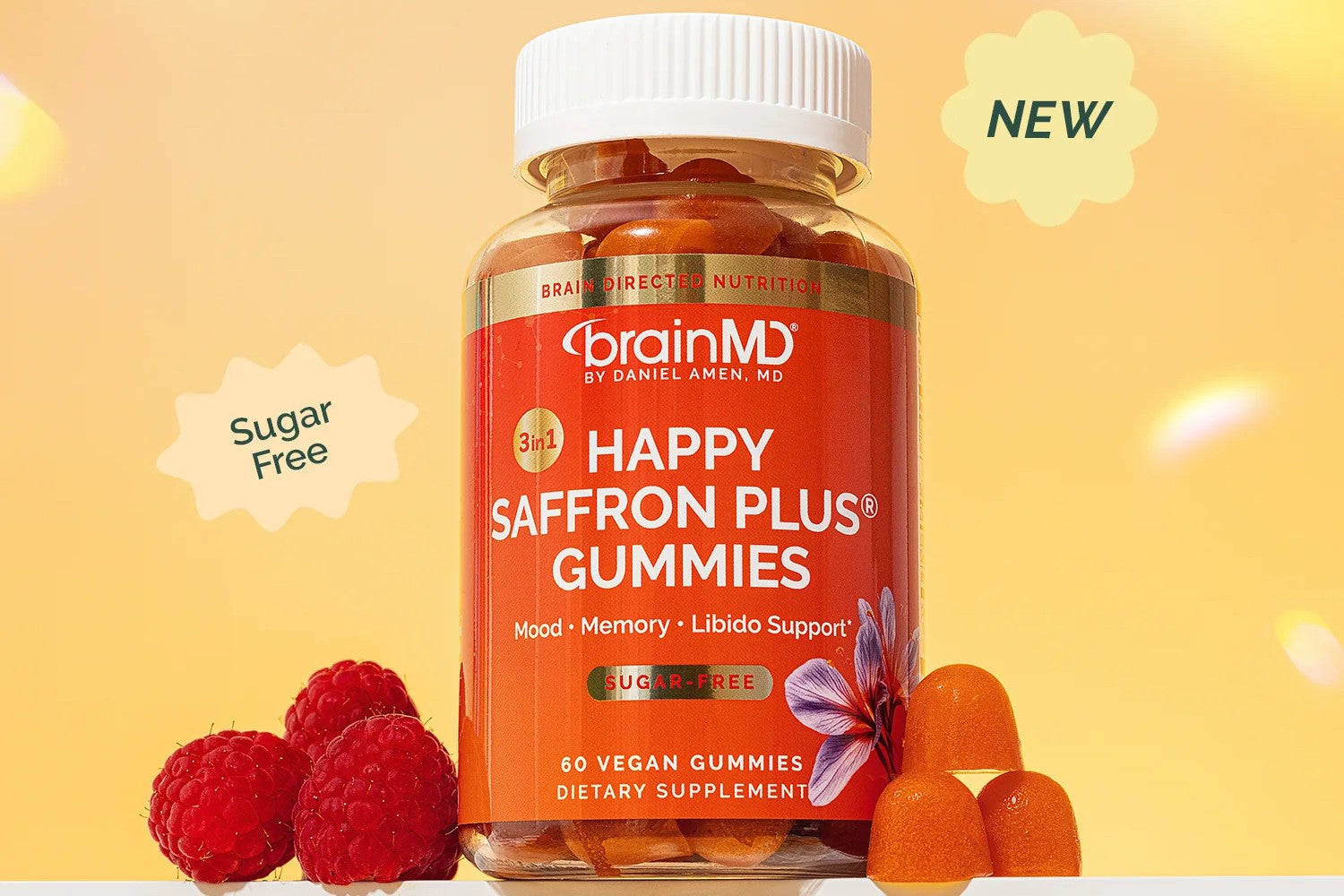
Did you know that not all stress is bad? Good Stress? People tend to think of stress as all bad. But stress can be both good and bad. A little bit of stress can be a good thing because it can motivate you to meet your goals. Low level stress also can help you with resilience, problem solving, and adapting to everyday challenges. Stress can become a problem when it remains unresolved over a sustained period. At that point, stress takes a toll and can become harmful to your health. If left unchecked, excessive stress can lead to serious personal and social consequences, including: Family conflict Low self-esteem Disability Withdrawal from social activities Alcohol and substance abuse Legal and criminal problems Anxiousness and other mental problems Suicide For many people, dealing with consistent, intense stress can lead to low mood. Low Mood Mood issues can make everyday life feel draining. Low mood is often linked to low energy and lack of sleep. Other signs of low mood may include: Negative or guilty thoughts Mental fogginess Purposefully avoiding social interaction Overeating and emotional eating Periods of low appetite Difficulty with concentration and memory Since many people dismiss these issues as just feeling down, they may not get the help they need, which can result in serious physical or emotional difficulties. Stress and Mood Often, there’s a correlation between being stressed out and experiencing occasional anxious thoughts or bouts of low mood. Stress doesn’t just negatively affect your mood (though that can become the most visible side effect), it also can adversely impact the way your brain and body work, so it’s important to try to manage your stress. If you find yourself having negative or anxious thoughts, or notice that your stress levels have gone through the roof, high-quality supplements may help. BrainMD offers an array of supplements to help relieve stress and improve your mood. Some of the Best Natural Ways to Manage Stress and Mood Issues Stress & Anxiousness Category Manage anxiousness and support a healthy stress response with clinically-proven nutrients and herbs.* Here are the high-quality supplements offered in BrainMD’s Stress & Anxiousness Category: Calm My Brain L-Theanine Gummies Everyday Stress Relief GABA Calming Support Happy Saffron Plus® Happy Saffron Plus® Gummies Magnesium Chewables Brain Curcumins Focus & Energy ProBrainBiotics ProBrainBiotics MAX Vitamin D3 5000 MethylFolate NeuroVite Plus Multivitamin Vegan Omega-3 Power Omega-3 Power Omega-3 Power Squeeze Neuro-C Vitamin C Here’s a closer look at a some of our top Stress & Anxiousness supplements… Calm My Brain Calm My Brain provides generous daily doses of high-potency ingredients to manage stress, promote calm, and relieve anxiousness.* Benefits of Calm My Brain This product is a combination of three pure and potent ingredients that have been intensively researched for occasional feelings of anxiousness, and with positive benefits for stress, relaxation, and sleep.* The ingredients have been shown to help with: managing anxiousness and stress* reducing tension and irritability* regulating unhealthy eating* supporting calmness* improving sleep quality* The three high-quality ingredients in this formula work synergistically to help relieve anxiousness. Magnesium (as threonate, bisglycinate chelate, malate, and citrate) Often referred to as “the relaxation mineral,” magnesium plays an important role in hydration, muscle relaxation, energy production, regulation of adrenaline and overall sleep quality. Magnesium promotes a calm, balanced, and mentally focused demeanor.* Ashwagandha (standardized root extract KSM-66®) The ashwagandha herb (Withania somnifera) has long been revered for its medicinal powers in Indian Ayurveda and other traditional medicine systems in the Mediterranean, Africa, and China. As an adaptogen, it helps the body adjust to psychological or physical stress by promoting calm and overall mental focus.* Ashwagandha has been associated with improved memory and attention, and also benefits feelings of anxiousness and sleep.* L-theanine Extensive clinical research links this amino acid with the health benefits of green tea. L-theanine enhances relaxing alpha brain wave activity, reduces tension, and fosters a restful state without diminishing daytime alertness.* It also can promote healthy blood pressure stability against the over-excitability associated with stress.* The clinically researched ingredients in Calm My Brain can make a substantial difference in improving the well-being of individuals living with feelings of anxiousness.* Everyday Stress Relief Everyday Stress Relief was specifically formulated to help replenish your brain and body’s nutrients that can be depleted by stress. This supplement includes herbal extracts clinically proven to have calming and anti-stress effects, helping you to feel less anxious without making you sleepy.* It also helps with apprehension, tension, worry, and fatigue.* Here’s what you’ll find in this high-potency formula: Magnesium is a well-known calming mineral. It promotes a balanced and mentally focused demeanor.* The amino acid taurine supports the adrenal glands and is crucial for coping with stress.* The herb holy basil, revered both in Europe and the East, helps to improve adaptation to occasional anxiety and other problems related to stress.* A phytochemical derived from green tea, l-theanine helps to manage tension.* Relora®, which is a unique mix of two herbs, may enhance healthy management of the stress hormone cortisol while easing tension, anger, negative mood, and confusion.* This safe, non-sedating, and non-habit-forming formula combines the multiple beneficial actions of these well-studied herbs and nutrients to help your brain and body cope with stress on multiple levels.* Mood Support Category Powerful nutritional relief for your mood-related issues, these targeted formulas promote feelings of positivity and happiness.* Here are the high-quality supplements offered in BrainMD’s Mood Support Category: [wc_box color="inverse" text_align="left" margin_top="" margin_bottom="" class=""] L-Theanine Gummies Serotonin Mood Support Happy Saffron Plus Lithium Orotate MethylFolate Vitamin D3 5000 SAMe Mood & Movement 400 NeuroVite Plus Multivitamin Omega-3 Power Omega-3 Power Squeeze Betaine TMG Brain Curcumins Craving Control Magnesium Chewables ProBrainBiotics MAX [/wc_box] Here’s a closer look at a some of our top Mood Support supplements… Happy Saffron Plus This breakthrough formula was scientifically designed to promote a positive mood. It brings together highly refined nutraceutical preparations of the two most traditionally revered “happiness herbals” with a supporting mineral. What’s In Happy Saffron Plus? Here are the 3 highly effective ingredients found in Happy Saffron Plus: affron® Standardized Saffron Extract. Saffron has been the happiness spice in the Middle East for at least 2600 years. affron® is a water-extracted saffron concentrate standardized for its most active constituents. This extract has shown promise for improving mood and anxiousness in adults and adolescents.* Longvida® Optimized Curcumin Extract. Like saffron, the turmeric root has been hailed as a happiness herbal in Asia for centuries. Curcumin is the molecular complex from turmeric root that helps improve mood but is very poorly absorbed from turmeric powder. The Longvida® preparation features excellent absorption of curcumin and has worked well in clinical trials at 400 mg per day or higher. Zinc, as Glycinate. This mineral is essential for the functioning of at least 300 enzymes essential for our life processes, and for the functioning of about 2000 different human proteins. People with mood problems typically have low blood levels and taking supplements with zinc often enhances mood. Zinc glycinate is excellently absorbed and well tolerated.* The combination of zinc with affron® saffron and Longvida® curcumin has the potential to elevate mood, perhaps even in individuals who don’t realize they have a mood problem. L-Theanine Gummies These convenient, easy-to-take gummies can help lessen feelings of anxiousness and promote an overall state of rest and relaxation.* By helping to manage stress, L-Theanine Gummies also helps promote quality sleep.* L-theanine can rapidly increase your brain’s production of calming alpha waves without making you drowsy.* Say Goodbye to Stress Here are some of the key benefits of l-theanine: Fast-acting relief from stress and anxiousness* Lessens stress-producing cortisol* Provides sharper mental focus* What is L-theanine? L-theanine is an amino acid that occurs naturally in green tea and is credited with the tea’s highly valued relaxing effects. It has been researched in Asia, as well as the West, and found to bring on relaxation, often within minutes. Over a longer period, it can improve coping with stress, lessen anxiousness, and support quality sleep.* Relieve Stress and Improve Your Mood One of the best ways to relieve stress and improve your mood is with these Stress & Anxiousness and Mood Support supplements. They've been formulated with the highest-quality nutrients and ingredients to help you feel calm, content, and better able to manage stress or mental strain.* Try them today! At BrainMD, we’re dedicated to providing the highest purity nutrients to improve your physical health and overall well-being. For more information about our full list of brain healthy supplements, please visit us at BrainMD. *These statements have not been evaluated by the FDA. This content is for informational purposes only. It is not meant to substitute for medical or healthcare advice from a physician, nor is it intended to diagnose, treat, cure, or prevent any disease. Consult your healthcare provider before beginning a new health regimen.
Learn more
Feel Instantly Happier With These 5 Minute Mood Boosters
Many people struggle with low mood, especially at this time of year when the days are shorter and we spend more time indoors. If you find that your mood has taken a dip, you may be heartened to learn that there are a number of simple actions you can take in just minutes to give yourself a lift…naturally. Your brain is powerful, and so are its “happy” neurochemicals – dopamine, serotonin, oxytocin, and endorphins – that can have a positive influence on your mood. If you want to know how to feel happier, engaging in activities that release more of these happy hormones into your brain is a smart place to start. The following 5-minute mood boosters can help make your day less gray. 5-minute Mood Boosters: Quick & Easy Ways To Improve Your Mood Move Your Body It’s well-known that exercise can boost your mood, yet, surprisingly, it doesn’t take much to make a difference. A 2019 Harvard Medical School article says that just getting off the couch and moving your body for a little while can help raise your spirits. So, turn on a good dance song and move around. Step away from your desk and do a few stretches. Or, simply take a walk around the block. Write a Gratitude List UC Berkeley’s Greater Good Science Center examined research on gratitude and mood found that taking time to write down what you’re grateful for is linked to happiness and feeling positive. Take five minutes and write a list of what you’re grateful for. Or at bedtime, reflect on your day and appreciate what went well. Make it a regular practice to turn on the good vibes at a moment’s notice. Give Hugs When we hug another person, a message goes from our skin to the brain, releasing a cascade of neurochemicals such as oxytocin and endorphins, which promote feelings of well-being, security, and love. Extend this hugging to cuddling with your partner before sleep, and it lowers the stress hormone cortisol, helping you to sleep better. Soak Up the Sun Spending five minutes in peak sunlight, especially during the fall and winter, can go a long way toward brightening your mood. Sunlight is needed for vitamin D synthesis, and vitamin D is needed for serotonin production. Low levels of both are associated with low mood. Exposure to sun has been shown to boost vitamin D synthesis and serotonin production. Give your mood a lift by getting sun kissed! Do Something Nice for Someone Doing small acts of kindness for others has been shown to improve mood. In fact, research indicates that those who consistently help others get a self-esteem boost, struggle less with low mood, experience less pain, have greater calm, and better overall health. Here are some examples of small kindnesses: Let someone go ahead of you in traffic Tell a service worker they’re doing a good job (and tip them!) Treat an elderly person with kindness – offer help, buy them a coffee, or give them a smile Offer a ride Write a note of encouragement for a friend/loved one who could use it Listen to Music Researchers have found that people can use music to improve their mood both in everyday life and in music therapy. Music that gives us “chills” is believed to elicit a dopamine release, making us feel good, while calming music is associated with lower cortisol levels, helping us to unwind. Some research indicates that listening to positive music can be a good way to improve happiness, especially if it’s combined with an intention to become happier. So, take a few minutes to listen to an upbeat song that you enjoy with the intention of boosting your mood! Laugh Laughter releases endorphins, reduces cortisol levels, and alters dopamine and serotonin activity – altogether creating a positive effect on mental health and the immune system. It’s nature’s best medicine! If you need an immediate mood lift watch a funny video (such as an excerpted comedy skit – there are plenty online), read something humorous, or call a friend who makes you laugh. Pet an Animal A 2019 Washington State University study examined stress levels in college students who pet cats and dogs for several minutes. Participants showed reduced cortisol levels. The social interaction between people and their animals also has been shown to increase levels of the feel-good hormone oxytocin. Give your pet some affection for an instant mood boost or offer to look after a friend or neighbor’s pet. Breathe Deeply Numerous studies show that deep breathing can calm anxious feelings and help to alleviate stress and low mood. Follow these simple steps for a quick mood lift: Lie on your back and place a small book on your stomach. As you slowly inhale through your nose, make the book go up. Hold your breath at the top of your inhalation for 2 seconds. When you exhale, make the book go down and then hold your breath for 2 seconds before inhaling again. Repeat 10 times. Addressing Low Mood According to a recent study in the American Journal of Preventive Medicine, 1 in 10 American adults struggle with low mood. These 5-minute mood boosters may help relieve stress and improve your mood. Try one today, and add others as you can. Note: While these suggestions may provide a temporary lift for a short-lived blue mood, it’s important to seek the help of a mental health professional if your low mood persists. At BrainMD, we’re dedicated to providing the highest purity nutrients to improve your physical health and overall well-being. For more information about our full list of brain healthy supplements, please visit us at BrainMD.
Learn more
3 of the Best Ways to Balance Your Hormones (for Men and Women)
What helps regulate metabolism, appetite, development, growth, reproduction, cognition, mood, sleep, body temperature maintenance, and more? Hormones! Hormone Basics Hormones are the chemical messengers of the endocrine system, which is made up of eight major glands – the pituitary gland, pineal gland, thymus, thyroid, adrenal glands, pancreas, testes, and ovaries. These glands release hormones into the bloodstream, and the hormones then deliver their messages by locking into the cells of a particular tissue or organ. They control most of the processes that happen in your body. Hormones also are interconnected; what happens with one hormone may affect another. Types of Hormones The human body produces hundreds of hormones. Here are three common hormones and how they affect both men and women: Estrogen Estrogen is one of the primary hormones involved in a woman’s menstrual cycle. When estrogen levels are healthy and balanced, it helps optimize neurotransmitter production and brain function so you feel good all month long. When estrogen levels are out of balance, it can cause problems. Too much estrogen in relation to progesterone can lead to a condition called estrogen dominance. This causes the gentle, monthly hormonal rise and fall to turn into a series of intense spikes and dramatic drop-offs, which can disrupt important brain processes and make you moody and irritable. Too little estrogen can lead to feelings of confusion and anxiousness. The loss of estrogen also can hinder critical thinking, short-term memory, and other cognitive functions. These problems can worsen during perimenopause when estrogen levels can fluctuate wildly, and during menopause when the hormone drops and remains low. The body’s production of estrogen and progesterone, two hormones synthesized by the ovaries, can vary dramatically during menopause. These hormonal shifts are thought to be the cause of some unpleasant symptoms, which include (but are not limited to) hot flashes, mood swings, sleep problems, and vaginal changes – dryness and thinning of the walls. Also, postmenopausal women are at greater risk for bone loss and heart health issues. Estrogen imbalances can negatively impact activity in the hippocampus, which is associated with mood and memory. Progesterone In addition to estrogen, progesterone is the other major hormone in a woman’s monthly cycle. When progesterone is in balance with estrogen, it promotes calm and restful sleep. But when they’re imbalanced, or when the relaxation hormone drops too dramatically, calmness can give way to irritability, mood issues, sleepless nights, and mental fog. When progesterone and estrogen drop before menstruation begins, some women experience mood instability. Some common symptoms of low progesterone are: Mood issues Loss of bone mineral density Sleep problems Fibrocystic breasts Postpartum low mood Premenstrual headaches PMS Low levels of progesterone, often seen in women during perimenopause and menopause, are associated with poor sleep. This is often attributed to the hot flashes and night sweats commonly experienced during this time of a woman’s life. Progesterone issues also can affect production of the neurotransmitter GABA. Testosterone Testosterone is a vital hormone that’s important for male development. It’s responsible for the deepening of the voice, the growth of facial hair, and many other features typically associated with maleness. Besides being an androgenic (masculinizing hormone), testosterone is an anabolic (tissue-building hormone) across the gender spectrum. Testosterone also plays a role in the production of red blood cells and the regulation of bone mass, muscle mass, and fat distribution. Though men have more testosterone than women, women produce and need testosterone too (just as men have some estrogen), just in smaller amounts. In both men and women, testosterone helps protect the nervous system and helps ward off low mood and serious cognitive and memory issues. Testosterone is the primary hormone responsible for libido in men, and likely helps maintain libido in women too. Hormone Disruptors Normally, endocrine glands produce the precise amount of each hormone needed for your body’s various functions. Genetics and medical conditions can affect this delicate hormonal balance, but lifestyle factors can too. In the modern world, you may be exposed to many hormone-disrupting chemicals every day. Also, your body may be in a continual stress response due to the fast pace of living. Feelings of stress and anxiousness may lead to sleep issues. The standard American diet offers too much unhealthy fat, sugar, and refined carbohydrates, that can lead to weight gain. All these factors (and more) can throw off your hormones. It’s no surprise then, that medical researchers are taking note of the increasing prevalence of hormonal imbalances. According to a survey of 2,000 American women ages 30 to 60, nearly half of them experienced the symptoms of a hormone imbalance. Hormone Imbalances When hormones are healthy, you tend to feel vibrant and energetic. When hormones are imbalanced, you’re likely to feel less than optimal. This can change the way you think, feel, and act. There are many potential causes of hormonal imbalances in both men and women. The most common causes are diet, stress, environment, age, and lifestyle. Women are more likely to experience imbalances in estrogen, progesterone, and thyroid. In men, low testosterone levels are common. However, both women and men can have imbalances in other hormones that affect the brain, especially as they age. 3 of the Best Ways to Balance Your Hormones for Men and Women! Keep Your Age in Mind Men and women have different hormonal shifts as they grow older. Women experience the most dramatic hormonal shift with menopause. At around age 50, women stop menstruating and their ovaries stop producing the hormone estrogen. As a result, women can experience a number of symptoms, including hot flashes, fatigue, vaginal dryness, and reduced libido. Low levels of estrogen and other changes related to aging (such as weight gain) can raise a woman’s risk of heart health issues, cerebrovascular problems, and bone mineral density loss. Low estrogen also may affect cognitive decline later in life. For men, aging brings on a gradual decline in testosterone levels that happens slowly over many years. Some estimate the decline to be about 1% each year after age 30. This doesn’t bring on as sudden a change for men as it does for women, but lower testosterone levels can lead to poor erectile function, reduced libido, and even changes in sleep patterns. If men or women are experiencing symptoms associated with low estrogen, progesterone, or testosterone, they can get their levels checked with a simple blood test. It’s advised to seek natural ways to boost low hormone levels with your healthcare provider. Also, be sure to discuss the benefits and risks of hormone replacement therapy. Get Consistent Exercise Physical exercise is beneficial for overall health and is a great way to balance your hormones. One benefit is that it helps to reduce insulin levels and increase insulin sensitivity. This is important for maintaining healthy blood sugar levels in the body. Being physically active can help increase levels of muscle-maintaining hormones. It also naturally boosts feel-good hormones in the brain, which can produce a natural high. Hormone-Supporting Foods What you eat can have a major impact on hormonal balance. Fructose (sugar) can increase insulin levels and promote insulin resistance, particularly in overweight people or those with blood sugar issues. It’s strongly recommended to limit your intake of sugar, as well as refined carbohydrates and alcohol, since they have a similar affect. Instead, enjoy complex carbohydrates (whole foods like fruits and vegetables). They offer great nutrition and are high in fiber, which helps to support healthy blood sugar and insulin balance. Healthy fats – like avocados, eggs, nuts and seeds, and salmon – are important too. Avoid trans fats but enjoy omega-3 and monosaturated fats instead. They help to promote satiety and healthy blood sugar levels. Also, make sure you get adequate amounts of protein. Eating protein can decrease levels of the hunger hormone ghrelin and stimulate the production of hormones that help you feel full. Aim for a minimum of 20 – 30 grams of protein per meal. Balance Your Hormones Implementing the above tips may help support the numerous hormones in your brain and body. There are many potential causes of hormonal imbalances in men and women. The most common causes are diet, stress, environment, age, and lifestyle. If you’re concerned about your hormones, be sure to consult your doctor and get your hormone levels checked. Since some imbalances can be life-threatening, hormone health should be taken seriously. At BrainMD, we’re dedicated to providing the highest quality supplements to improve your physical health and overall well-being. For more information about our full list of brain healthy supplements, please visit us at BrainMD. These statements have not been evaluated by the FDA. This content is for informational purposes only. It is not meant to substitute for medical or healthcare advice from a physician, nor is it intended to diagnose, treat, cure, or prevent any disease. Consult your healthcare provider before beginning a new health regimen.
Learn more