 Skip to content


Wellness Blog
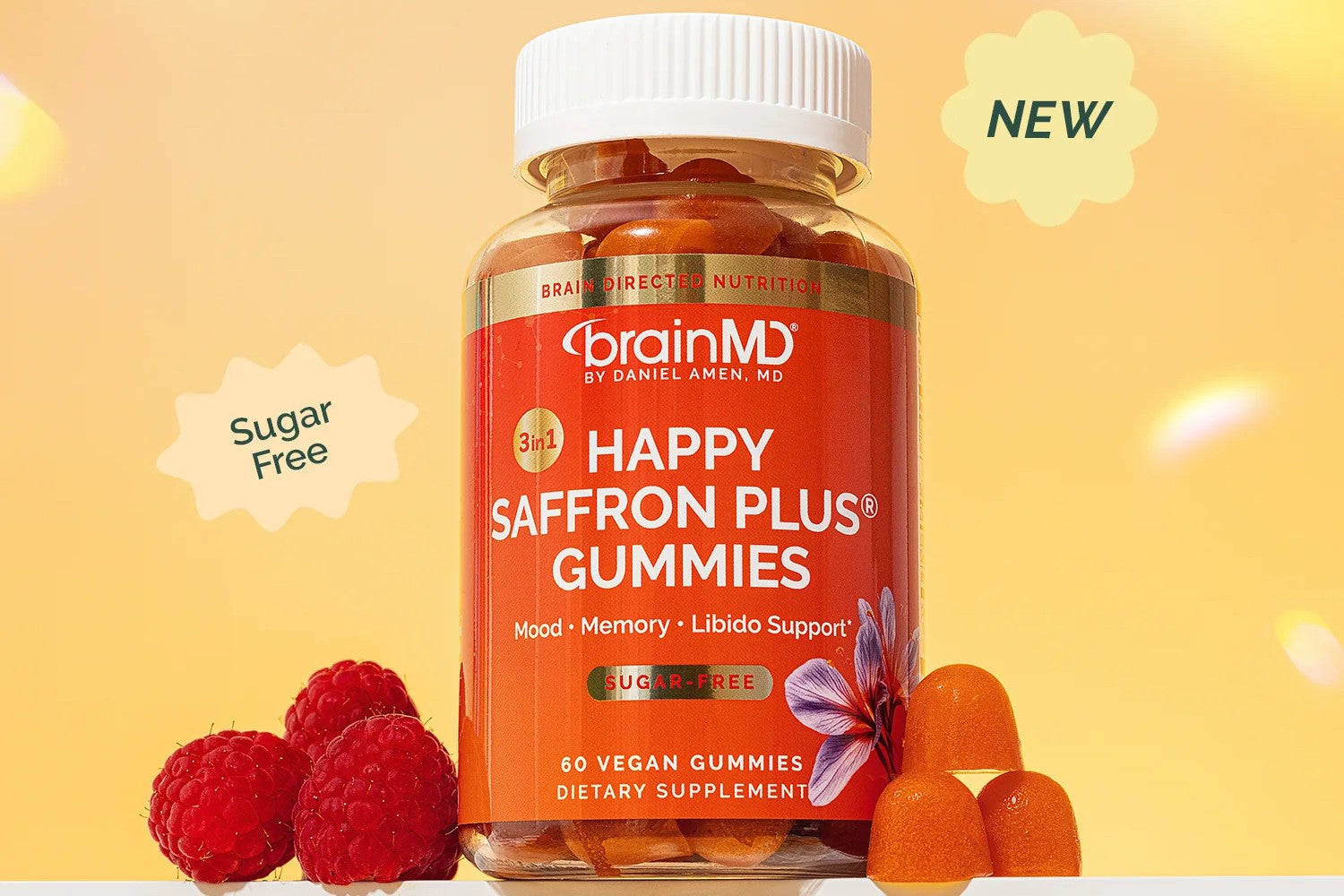



Here Are Some of the Best Ways to Outsmart Your Sugar Cravings
There’s mounting evidence that sugar can be toxic…even lethal. It can lead to many physical and mental problems and can act like a drug in the brain. When you consume sugar, it boosts the feel-good neurotransmitter dopamine in the brain and causes your blood sugar to spike, which makes you feel good…temporarily. But then your blood sugar levels can crash, impacting your mood and sense of well-being. Over time, high sugar diets can worsen inflammatory issues, cause sleep problems and fatigue, trigger cravings, and contribute to memory and learning struggles. The evils of sugar may be no surprise to you. Maybe you’re making a conscious effort to eat a low sugar, brain healthy diet. Unfortunately, even many “healthy” foods are filled with hidden sugars that can fuel your cravings and mood issues. Since the standard American diet is filled with nutritional pitfalls, here are some of the best ways to reduce cravings and avoid foods with hidden sugars… 10 Simple and Natural Ways to Outsmart Your Sugar Cravings 1. Balance Your Blood Sugar Low blood sugar levels are associated with overall lower brain activity, including lower activity in the prefrontal cortex (PFC), the brain’s brake system. Low brain activity in the PFC can translate to more cravings and bad decisions. Research in the journal Personality and Social Psychology Review shows that self-control failures are more likely to occur when blood sugar levels are low. Counter to what you might think, drinking alcohol and eating sugary snacks, sweetened beverages, and other high-glycemic foods (rice, pasta, cereal) can cause blood sugar levels to drop. Stabilizing blood sugar levels throughout the day can help improve self-control and overall feelings of wellness. These simple tips can help you keep your blood sugar balanced: Eat protein and healthy fats at every meal. Have smaller meals throughout the day. This helps eliminate the blood sugar rollercoaster ride that can impact your emotions and increase cravings. Replace simple sugars and refined carbs with healthier options. For example, swapping candy for a square of sugar-free dark chocolate can help you kick a sugar habit. 2. Eliminate Artificial Sweeteners One way to decrease your sugar intake is to get rid of artificial sweeteners. You may think of these sweeteners as “free” because they have no calories, but they can be significantly sweeter than sugar. Also, they may activate the appetite centers of the brain, making you crave even more sugar. If you can do without any sweeteners, your brain will stop craving the sweetness. If you can’t do without sweeteners, try to replace sugar with sweeteners like stevia or erythritol. 3. Manage Your Stress Stress can trigger certain hormones that activate your cravings, making you believe you need the ice cream, cake, or other high sugar snacks or desserts to feel better. Meditation and hypnosis are powerful stress-management techniques that can boost blood flow to the PFC. These practices can help you resist the temptation to binge on your favorite sugary treat. 4. Control Your Cravings Nearly everywhere you go, someone is trying to entice you to eat something sweet. Think of the candy displays near the checkout counter at the grocery store, which are purposely positioned to tempt you to make an impulse buy. To control your cravings, you must avoid the things that trigger you. Know what fuels your cravings and plan for your vulnerable times. For example, strategically plan your route in the grocery store to avoid the soda, candy, or chip aisles. 5. Determine Food Allergies Hidden food allergies and food sensitivities can trigger cravings and make you fall back into old habits. In some cases, gluten and milk sensitivities or allergies can lead to a decrease in blood flow to the brain, which can impair your judgment. In addition, food allergies can cause concentration problems and anxiousness, which can increase cravings. To determine if you have any food sensitivities, consider trying an elimination diet. Stop eating corn, soy, dairy, gluten, artificial sweeteners, and food colorings for 3 weeks. Then introduce them back into your diet one at a time and see if you have any reactions. You can eliminate foods that cause a negative reaction or health problem. 6. Practice Willpower Willpower is like a muscle. The more you use it, the stronger it gets. Practice saying no to the things that aren’t good for your health and over time you may find it easier to resist sugary foods or beverages. 7. Get Moving Physical exercise can help reduce cravings. A study in the journal Appetite showed that taking a brisk 15-minute walk decreased cravings for chocolate. Exercise also fended off cravings for an additional 10 minutes following the walk. Since cravings typically only last about 10 minutes, a short workout may be all it takes to distract you from the sugary foods you’re craving. 8. Make Sleep a Priority Multiple studies, including a study in Nature Communications, show that lack of sleep can increase hunger levels and the desire for food. “It’s important to get at least 7 hours of sleep each night to help battle cravings,” says Shane Creado, MD, psychiatrist and sleep medicine specialist at Amen Clinics Chicago. “Creating a healthy bedtime routine that promotes relaxation can help.” 9. Professional Assistance Sometimes you may need additional help to take the edge off your cravings. Enlisting the advice of a registered dietician, or your medical doctor, can be a great way to get additional tips and support. This can help you get your diet under control and reduce your intake of sugar. 10. Avoid Hidden Sugars Even if you aren’t adding sugar to the foods and beverages you enjoy, you still may be consuming sugars without even realizing it. Many so-called health foods contain added sugars. Always read food labels to identify these hidden sugars. 10 “Health” Foods That May Contain Hidden Sugar 1. Flavored Greek Yogurt Greek yogurt is a good source of probiotics, which may benefit your gut by adding the good bacteria your intestinal tract needs to stay healthy. Packed with protein, Greek yogurt is often portrayed as a healthy food. But some flavored varieties also include large amounts of sugar and other unhealthy ingredients, so be sure to check the labels before you buy them. 2. Pre-made Protein Smoothies A protein smoothie can be a great way to start the day. However, some smoothie brands try to hide their high sugar content. If necessary, opt for homemade smoothies to ensure you’re consuming healthy ingredients (without the added sugars). 3. Nut Butters Almond butter, cashew butter, and other nut butters can be a good source of protein and fat. But be sure to read the nutrition labels. Some brands sneak sugar into their product to amp up the bliss point. 4. Instant Oatmeal Packed with fiber and loaded with vitamins and minerals, slow-cooked oatmeal is associated with numerous health benefits. Instant oats, however, are highly processed and rank much higher on the glycemic index, indicating that they can spike blood sugar. Popular instant oatmeal flavors, like maple and brown sugar, can include added sugars, so it’s recommended to consider healthier options for breakfast. 5. Milk Alternatives Going dairy-free can be beneficial for brain health and overall well-being for some, especially those who have milk allergies or sensitivities. However, some flavored milk alternatives – vanilla, chocolate, or pumpkin spice – can have high amounts of sugar per serving, so exercise caution when purchasing them. 6. Flavored Bottled Water Water is essential for the health of your brain and body. Being even mildly dehydrated can make you feel more tense, moody, or angry and can also sap your energy levels and reduce concentration. Keep an eye on flavored waters, which may add unwanted sugar to make the taste more pleasant. 7. Gummy Vitamins Taking nutritional supplements is a great way to make sure you’re getting the vitamins and minerals you need. Be aware that when you or your kids take gummy vitamins you’re likely also getting a dose of sugar with those nutrients. It’s practically impossible to make gummies without using sugar or sugar alcohols, which can cause stomach discomfort or contribute to blood sugar problems. Parents are strongly cautioned when purchasing gummies for their children, since many contain excessive amounts of sugar. 8. Bottled Green Tea Green tea is loaded with antioxidants, as well as a compound called l-theanine, which has been found to inhibit excessive overfiring in the brain and to help produce a feeling of calmness. Be sure to skip brands that infuse unhealthy added sugars into the healthy green tea. 9. Salad Dressing Eating more greens and veggies provides your brain with a variety of nutrients and antioxidants. Dousing salads with sugar-laden, store-bought dressings can turn your healthy meal into one that has far more sugar than you realized. Consider making your own healthy salad dressing. 10. Protein Powder You may think that making a protein smoothie at home is the best way to control what you put in it. But be sure to check the ingredients of your protein powder since many of them sneak sugar into the mix to enhance the flavor. Adding fruit – blueberries, raspberries, or strawberries – should be all the natural sugar your smoothie requires. So Long, Sugar Consuming large amounts of sugar can be detrimental to your health. Many illnesses have been linked to excessive sugar intake over extended periods of time. If you’ve been struggling to curb your sweet tooth, these ten tips may help you outsmart your sugar cravings. Now is the perfect time to make a clean break from sugar. At BrainMD, we’re dedicated to providing the highest quality supplements to improve your physical health and overall well-being. For more information about our full list of brain healthy supplements, please visit us at BrainMD. These statements have not been evaluated by the FDA. This content is for informational purposes only. It is not meant to substitute for medical or healthcare advice from a physician, nor is it intended to diagnose, treat, cure, or prevent any disease. Consult your healthcare provider before beginning a new health regimen.
Learn more
Energize Your Afternoons with These 6 Simple Steps
It’s 3:00 P.M., and you still have another hour or two to work. Your energy just took a dip. Immediately, your mind starts entertaining a trip to the vending machine in the office break room (or fridge if you work at home) for a starchy snack or sweet treat. In a flash, you have another idea...maybe you’ll pop across the street for a caffeinated beverage... Perhaps you’ve experienced this scenario at some point. Or maybe you face this challenge every day. The problem is that vending-machine snack or coffee drink can only provide a temporary fix. The sugar, refined carbohydrate or caffeine buzz will likely be followed by a crash in your energy levels after your blood sugar drops or the caffeine wears off, leaving you less focused and more tired than before. Worse, if you eat a high sugar or refined carbohydrate snack, it can spike dopamine levels (the feel-good hormone), and likely cause a desire for you to repeat the same scenario the next day. The lift coffee offers can be seductive and habit-forming. The good news is, there’s a better way to energize your afternoons. You can completely avoid the energy zap trap, and seek out real, sustained, vibrant energy that will last all afternoon! Below are six tips, proven to naturally boost energy levels. 6 Ways to Naturally Energize Your Afternoons 1. Get Adequate Sleep The best way to address your afternoon slump is to first look for the reasons you’re always tired. What are you doing to ensure a good night’s sleep? If you’re like roughly 50-70 million Americans who fail to get 7-9 hours of sleep a night, it’s time to improve your sleep. Follow these tips: Stick to the same bedtime and wake time to normalize your internal body clock. Turn lights down and digital devices off a couple hours before bedtime. Don’t eat a big meal, drink alcohol, caffeine, or exercise too close to bedtime. They can all disrupt sleep. Journal or write down troublesome thoughts if worrying is keeping you up. Keep your room dark and cool. Use blackout curtains if needed. Listen to soothing music or sounds, or a guided meditation to help you fall sleep. Exercise regularly. If you exercise in the morning out in the sunlight, it helps with melatonin regulation and to promote sleep at night. 2. Take A Walk One of the best ways to energize your afternoons is to take a walk. Walking increases blood flow to your brain and body, which can energize you and improve brain function. One study found that sleep-deprived young women who did 10 minutes of stair walking were more energized than they were from having a moderate amount of caffeine. 3. Drink Water or Herbal Tea Tiredness, confusion, and lack of alertness are associated with dehydration. Being properly hydrated can help raise your alertness, focus, and energy levels. Simply drink a glass of refreshing water or try some relaxing herbal tea, which can reduce stress levels and help you focus better. 4. Diaphragmatic Breathing Deep breathing can increase focus, alertness, and energy flow, while giving you a mood boost, too! Conscious and deep breathing are also associated with reduced cortisol levels and greater relaxation. Try this simple diaphragmatic breathing exercise: Inhale for three seconds through your nose Hold for one second Exhale for six seconds (twice as long as inhale) Hold for one second Repeat 10 times 5. Eat A Healthy Snack Instead of a sugary treat, choose an energy-boosting snack that’s low in sugar, and includes healthy fats, protein, and complex carbohydrates. The protein provides balanced, sustained energy, while the healthy fat is great for satiety, and fiber-rich complex carbohydrates will help keep blood sugar levels balanced. Good examples include juicy apple wedges and almond butter; a healthy smoothie with protein powder, nut butter, berries, and kale or spinach thrown in; some cut up veggies like bell pepper, carrots, or celery and hummus; or a handful of mixed nuts with a small amount of dried fruit. Pack healthy snacks ahead of time and enjoy! 6. Energy-Boosting Nutrients If you find yourself reaching for unhealthy snacks or caffeinated beverages in the afternoon, you can benefit from Focus & Energy, which delivers focus-enhancing ingredients without the jitters or energy crash you can get from caffeine.* The formula’s synergistic blend of clinically proven ingredients work through several pathways to support sustained energy and mental focus while dealing with stress.* The blend includes a potent dose of decaffeinated green tea extract that helps to increase blood flow to the brain, while choline, a vitamin-like nutrient, supports brain cells in the production of acetylcholine, a key neurotransmitter for mental focus and learning.* The formula also includes powerful adaptogens: rhodiola, ashwagandha, and ginseng. Rhodiola acts swiftly and has been shown to combat fatigue, support a positive outlook, and improve physical and mental performance.* It has unique properties that help to increase available energy during the day, while supporting restful sleep at night.* Ashwagandha, used in Ayurvedic medicine, helps to promote calm and mental focus, and has been associated with improved memory and attention.* Ginseng helps to improve focus, memory, and overall well-being.* Dump the Afternoon Slump While these tips can help energize your afternoons, it’s important to maintain a brain healthy diet and regular exercise routine to ensure vibrant energy throughout the day. If you’re constantly fatigued, be sure to consult your healthcare physician. At BrainMD, we’re dedicated to providing the highest quality supplements to improve your physical health and overall well-being. For more information about our full list of brain healthy supplements, please visit us at BrainMD. *These statements have not been evaluated by the FDA. This content is for informational purposes only. It is not meant to substitute for medical or healthcare advice from a physician, nor is it intended to diagnose, treat, cure, or prevent any disease. Consult your healthcare provider before beginning a new health regimen.
Learn more
Thanksgiving Nutrition Tips to Help You Have a Healthy Holiday!
What’s your favorite part of the Thanksgiving meal? Is it the turkey? The mashed potatoes? The dessert table? If you had to guess, how many calories do you consume during a Thanksgiving meal? Calorie Crisis Per the U.S. Food and Drug Administration (FDA), the general guideline for adults is to consume approximately 2,000 calories a day (but note that specific caloric needs will vary depending on age, gender, weight, and lifestyle). However, a study by the Calorie Control Council concluded that the average American consumes as much as 3,000 calories on Thanksgiving Day. As reported by USA Today, that’s equivalent to 7 Burger King Whoppers or 15 Dairy Queen hot fudge sundaes. Since all these calories at once can overwhelm the digestive system and flood the body with unhealthy levels of carbs, fats, and sugar, it’s vital to consider making healthier food choices when enjoying a Thanksgiving Day feast. Thanksgiving Nutrition Tips If you know your daily calorie allowance (if not, check out this handy meal plan from the USDA), you can determine how many calories you should eat, and the types of foods those calories should be coming from, during your Thanksgiving meal. Here’s a list of some common Thanksgiving meal items, their nutrition profiles, recommended portion sizes, and how many calories they add to your daily total. Keep in mind that this total doesn’t include any other meals/snacks you have throughout the day. (Note: These nutrition profiles are estimates since recipes and ingredients may vary.) Turkey Breast (4 oz with skin) 0g Carbs 8g Fat 32g Protein 200 Calories Turkey – Dark Meat (4 oz with skin) 0g Carbs 13g Fat 32g Protein 250 Calories Mashed Potatoes (1 cup) 35g Carbs 7g Fat 4g Protein 215 Calories Gravy (1/2 cup) 6g Carbs 2g Fat 2g Protein 50 Calories Stuffing (1/2 cup) 22g Carbs 9g Fat 2g Protein 180 Calories Green Bean Casserole (1/2 cup) 11g Carbs 5g Fat 2g Protein 100 Calories Corn (1/2 cob) 11g Carbs 1g Fat 1g Protein 60 Calories Sweet Potatoes (1/2 cup roasted) 24g Carbs 2g Fat 2g Protein 120 Calories Cranberry Sauce (1/4 cup) 27g Carbs 0g Fat 0g Protein 100 Calories Corn Bread (3x3 inch square) 28g Carbs 5g Fat 4g Protein 180 Calories Calorie Totals White Meat Meal – 1,205 calories Dark Meat Meal – 1,255 calories Beverages and Desserts Other Thanksgiving meal staples are beverages and desserts. Beer, coffee (especially with added sugar or creamer), egg nog, and soft drinks (which are loaded with sugar), are often high in calories. Even a 6-ounce glass of wine has over 100 calories. Heading to the dessert table also can be a risky proposition. An average-sized slice of pumpkin pie, even without whipped cream, can exceed 200 calories. Of course, adding a second slice of pie, cookies, candies, or other sugary snacks just keeps increasing your caloric intake. Since research suggests that most people won't lose the weight they gain during the holiday period, it’s important to avoid eating too much, and too many of the wrong foods, during the holidays. Here are some of the best Thanksgiving nutrition tips to help you maintain a healthy diet and keep you from overindulging this holiday… 10 Simple Ways to Keep from Overdoing It This Thanksgiving 1. Start with Veggies Most people don’t get enough vegetables in their diet, so take this opportunity to eat the healthier options first. Vegetables are rich in nutrients, high in fiber, and low in calories. By filling up on veggies first, you may find you have less room to gorge on desserts. 2. Don’t Skip Meals While it can be tempting to skip meals earlier in the day to save room for the big event, this strategy can seriously backfire. It’s important to have your regular meals because when you get overly hungry, the temptation will be to overeat! 3. Proper Portions Get rid of large entrée plates and serve meals on smaller appetizer-size plates (or salad bowls) for better portion control. Try using appetizer-sized cutlery to help you take smaller bites. Also, many stores sell portion-sized plates and storage containers that can help you adjust the portion size of your meals. Though it’s an optical illusion, the same amount of food looks larger on a small plate than it does on a large plate. Plate size can have a significant impact on meal size – the bigger the plate, the bigger we perceive the meal should be. 4. Fill Up First Rich, sweet, and salty foods are hard to resist, especially when you’re hungry. Before attending a family gathering or holiday party where you know unhealthy foods will be served, eat a low carb and high protein meal first. That way, you won’t feel hungry and will be less likely to eat unhealthy foods. 5. Three-Bite Rule The first few bites of food might be the most satisfying. If that’s true for you, follow the three-bite rule: take three bites so you can really concentrate on enjoying the food. After the third bite, move on to a different food so that you don’t overindulge on any one food. 6. Get Moving Physical exercise is a great way to increase self-control, which is crucial for combating holiday cravings. Exercise helps increase blood flow, which raises the level of oxygen in your body and brain. Exercise also improves impulse control, helps reduce stress, and improves your mood. Make it a new family tradition to play flag football, go ice skating, or do a 5K together, rather than mindlessly snacking while watching sports or a TV marathon all day. 7. Limit Alcohol Alcohol can be a triple whammy: alcoholic drinks are often high in calories, bad for the health of your brain, and can decrease your resistance to temptations. You’ll need all your willpower to resist the cheese dip and delicious desserts, so staying sober is the best policy during the holidays. A good strategy is to be prepared with a healthy alternative before you’re tempted to drink. If you’re invited to a meal or party where you know alcohol will be served, consider bringing your own non-alcoholic beverage. This will help ensure that you don’t drink, or drink too much, at the gathering. 8. Chew Slowly Try to eat slowly and wait at least 20 minutes before you go back for a second helping or dessert. It can take time for your brain to get the message from your digestive system that you’re full. After allowing your food enough time to settle, you may find that you’re satisfied and don’t need to eat anything else. 9. Stay Hydrated Here’s one of the most basic Thanksgiving nutrition tips. The human body needs water to function. Your brain also needs water, so avoid anything that can dehydrate it. Drinking water can help manage your cravings by making you feel sated so you’ll eat less. Remaining well-hydrated prevents fluid retention; your body won’t typically try to retain water if it’s getting enough. It’s a good idea to drink water before you eat – it can take up space in your stomach, is calorie-free, and is good for your health! 10. Just Say No Don’t eat to please others. It’s okay to kindly tell a food-pushing friend or relative that you’re full. Just because Aunt Suzie made her famous pumpkin cheesecake doesn’t mean you have to eat a slice. Indulge Sensibly Since it’s much easier to avoid holiday weight gain than it is to lose the pounds afterwards, keep a close eye on your caloric intake by using the above Thanksgiving nutrition tips. Also, implementing these 10 strategies can help prevent setbacks in your diet and ensure that you won’t be tempted to engage in overeating this holiday season. The BrainMD team wishes you and yours a safe, healthy and Happy Thanksgiving! At BrainMD, we’re dedicated to providing the highest quality supplements to improve your physical health and overall well-being. For more information about our full list of brain healthy supplements, please visit us at BrainMD. These statements have not been evaluated by the FDA. This content is for informational purposes only. It is not meant to substitute for medical or healthcare advice from a physician, nor is it intended to diagnose, treat, cure, or prevent any disease. Consult your healthcare provider before beginning a new health regimen.
Learn more
Here Are Some of the Best Health Benefits of Mushrooms
Mushrooms are a unique food that humans have been consuming for centuries. Some are delicious and healthy to eat, others can be mind-altering and potentially deadly. Health Benefits of Mushrooms Throughout history, certain mushrooms have been known as “Food of the Gods.” Today, we know that mushrooms contain the antioxidants glutathione and ergothioneine as well as other desirable substances thought to contribute to human health and well-being. Over the past several decades, mushroom consumption has been increasing in the U.S. This is likely due to the fact that mushrooms are a widely accepted ingredient in many different cuisines and they’re also desirable for their nutritional value. Edible mushrooms are low in calories, carbohydrates, fat, and sodium. They’re also cholesterol free. Additionally, they provide a lot of nutrients such as selenium, potassium, riboflavin, niacin, vitamin D, protein, and fiber. Their fiber types include glucans, known to be powerful immunity enhancers. Mushrooms are a healthy addition to any diet and can provide a variety of nutritional benefits. Mushrooms and Longevity A study came out this year that helps provide more evidence of just how beneficial mushrooms can be to our health. The study used data from the National Health and Nutrition Examination Survey from 1988-1994. In this study, over 15,000 participants beginning at an average age of 44 years were assessed for their mushroom intake and its relationship to dying from any cause during a study period of 19 years, on average. The researchers reported that those participants who consumed mushrooms had a lower risk of dying during this period. These researchers even concluded from this study, that replacing 1 serving of red or processed meat with 1 serving of mushrooms per day was associated with a lowered risk of death. They further reported that the higher the mushroom intake, the lower the risk of death. Mushrooms for Everyone If mushrooms can potentially help us live longer, healthier (and happier) lives, then maybe they really are an “elixir of life.” For those who like mushrooms, this is your cue to eat up! On the other hand, for those who don’t like to eat mushrooms, there’s some good news: you can find mushrooms in all shapes and forms these days. From teas and soups to supplements and powders, there’s something out there for everyone to enjoy the many health benefits of mushrooms. Smart Mushrooms Smart Mushrooms is firmly grounded in the most recent clinical and scientific research on medicinal mushrooms. It includes six mushrooms that have been revered for hundreds to thousands of years. All six are highly nutritious, and together they offer a broad spectrum of health benefits. Here’s a breakdown of the many powerful superfoods you’ll find in Smart Mushrooms: Lion’s Mane has shown promise in several clinical trials for improving cognition and mood, and its glucans also help boost immunity. Turkey Tail provides protein-bound glucan polysaccharides, intensively researched for their immune benefits. Cordyceps fights fatigue, supports immunity, helps counter stress, and benefits blood flow and oxygen utilization. Reishi’s immune and inflammatory response benefits help account for its 2,100-year popularity. Shiitake provides the glucan called lentinan, which improves immunity, and also has lung, liver, cardiovascular, and gastrointestinal benefits. Agaricus has a variety of glucans with immune benefits, and supports healthy blood sugar, cholesterol, and liver functions. Smart Mushrooms offers substantial promise for improving memory, mood, and other cognitive functions. Most of these mushrooms are proven tonic medicinals, offering a great variety of benefits for the brain and body. Smart Mushrooms can help increase energy, wellness, and high-level brain performance. It’s the Smart choice for immune and whole-body support. Try it today! At BrainMD, we’re dedicated to providing the highest purity nutrients to improve your physical health and overall well-being. For more information about Smart Mushrooms and our full list of brain healthy supplements, please visit us at BrainMD.
Learn more
Breast Cancer Basics: Signs, Risk Factors & Screening Tips
Did you know that breast cancer is the most common form of cancer in the world? Earlier this year, the World Health Organization reported for the first time that breast cancer had overtaken lung cancer as the world's most commonly diagnosed cancer. In the U.S., the Centers for Disease Control and Prevention estimates that roughly 1 in 8 U.S. women and 1 in 100 U.S. men (yes, men get it too) will be diagnosed with breast cancer at some point during their lifetime. Although the statistics are sobering, there’s a more hopeful fact: You have the power to dramatically decrease your risk factors for breast cancer. There’s a misconception with breast cancer that heredity and genetics determine your fate. And while they can play a role, it’s much smaller than you may think. The BRCA1 and BRCA2 genetic mutations cause only 5 to 10 percent of breast cancer. And, epidemiological research has found that roughly 87 percent of women diagnosed with breast cancer don’t have a single first-degree relative with the disease. While donating to breast cancer research or wearing a pink ribbon to observe Breast Cancer Awareness month are positive actions, changing your lifestyle to reduce your risk of getting the disease may be the best way to protect your long-term health. In that spirit, here are 7 researched ways to reduce your breast cancer risk: 7 Natural Ways to Reduce Your Risk of Breast Cancer 1. Signs, Risk Factors, and Screenings All adults, male or female, should know the following breast cancer basics: signs, risks, and screening recommendations. For starters, know how your breasts normally look and feel and report any changes to a healthcare provider right away. Signs of Breast Health Issues Signs for Men and Women New lump in the breast or underarm Thickening or swelling of part of the breast Irritation or dimpling of breast skin Pulling in of the nipple or pain in the nipple area Signs for Women Only Nipple discharge other than breast milk, including blood Any change in the size or the shape of the breast Redness or flaky skin in the nipple area or the breast Pain in any area of the breast In addition to genetics and family history, know these additional risk factors: Height (5’8” or taller) Dense breasts History of benign breast disease First menstrual period before age 12 First childbirth after age 35 No children Menopause at age 55 or over Older age, especially 60 years or over If you have a family history of breast and ovarian cancer (or a moderate family history and are of Ashkenazi Jewish or Eastern European ancestry), get genetically tested. If you’re over 40 or have a family history of breast cancer, get a mammogram. Although regular mammograms won’t prevent cancer, studies show that breast cancer screening with mammography saves lives. Breast Cancer Screening Recommendations The American Cancer Society recommends that women ages 40 to 44 start having annual breast cancer screening with mammograms. Women age 45 to 54 should get mammograms every year. Women 55 and older should switch to mammograms every 2 years or can continue yearly screening. 2. Don’t Drink Alcohol The American Cancer Society doesn’t mince words about alcohol. It warns, “Drinking even small amounts of alcohol is linked with an increased risk of breast cancer in women.” Compared to women who don’t drink at all, women who have three alcoholic drinks per week have a 15% higher risk of breast cancer. Experts estimate that the risk of breast cancer goes up another 10% for each additional drink women regularly have each day. Alcohol can increase levels of estrogen and other hormones associated with hormone-receptor-positive breast cancer, and it has been shown to cause damage to DNA in cells. 3. Don’t Smoke Smoking is linked to a higher risk of breast cancer in younger, premenopausal women. There also may be a link between heavy second-hand smoke exposure and breast cancer risk in postmenopausal women. If you don’t smoke, don’t start! If you do smoke, get support, and make efforts to quit. 4. Reduce Environmental Toxins Don’t overlook the air you breathe, the chemical toxins you use in your home, or the products you use on your body. Some have been linked to increased risk of breast cancer. Women exposed to air pollution with high levels of lead, mercury, and cadmium may have higher incidences of postmenopausal breast cancer. Among black women, using permanent dyes every five to eight weeks or more was associated with a 60% increased chance of developing breast cancer as compared with an 8% increased risk for white women. The odds of developing breast cancer increase with exposure to endocrine-disrupting chemicals during prenatal development, puberty, pregnancy, and menopausal transition. About 300 chemicals used in personal care products, flame retardants, food processing, pesticides, and other purposes were tested and found to affect hormones known to increase breast cancer risk. Visit the Environmental Working Group website to learn more about the everyday hormone-disrupting chemicals you should avoid. 5. Get Your Phytonutrients Phyto means plant. You’ll find loads of phytonutrients in plants – vegetables, fruits, nuts, and seeds. These phytonutrients fight against inflammation, free radical formation, growth hormones, estrogens, and the ability for cancer cells to bring new blood vessels to the cancer, a process that’s called angiogenesis. Cruciferous vegetables (broccoli, cauliflower, leafy greens, spinach, kale, and arugula), berries, and lignan-rich flax are particularly good to consume. 6. Green Tea Drinking green tea is a great way to decrease your breast cancer risk. Three cups of green tea a day can cut breast cancer odds in half because it’s loaded with the phytonutrient epigallocatechin gallate (EGCG). EGCG potency is bumped up five times by squeezing lemon in your green tea! 7. Exercise The National Cancer Institute reports that physically active women have a lower risk of breast cancer compared to inactive women. Researchers believe that physical exercise regulates hormones including estrogen and insulin – hormones that can fuel breast cancer growth. These are just a few of the breast cancer basics you should keep in mind. Not only will adopting these natural habits help lower your risk of breast cancer, they also may boost your brain and body health too! At BrainMD, we’re dedicated to providing the highest purity nutrients to improve your physical health and overall well-being. For more information about our full list of brain healthy supplements, please visit us at BrainMD.
Learn more
7 Scary Good Ways to Use the Whole Pumpkin + Recipes!
Did you know there are many ways to enjoy a Halloween pumpkin before and after carving it into a festive jack-o’-lantern? Better yet, if you adopt some of the ideas below, you won’t need to throw your pumpkin away, which provides the added bonus of helping the environment (more than 1 billion pounds of pumpkin ends up in landfills every year, where it turns into the greenhouse gas methane). So, plan ahead and savor the season by incorporating one or more of these creative and sustainable ideas into your Halloween jack-o’-lantern tradition. 7 Scary Good Ways to Use the Whole Pumpkin This Halloween! 1. Roast the Seeds for Eating Though jack-o’-lantern pumpkins aren’t the best for eating, as they have thinner flesh and are stringier than sugar pumpkins, they do have lots of seeds! Pumpkin seeds are delicious, especially when roasted. They’re a treasure trove of nutrition as well – loaded with vitamins, minerals, antioxidants, fiber, healthy fats, and protein. They support health in many ways including promoting healthy blood flow, blood pressure, immune function, and blood sugar, to name a few. Cut a hole in the top of your pumpkin, scoop out the seeds and place them in a large bowl. Fill the bowl with water and use your hands to separate the seeds from the stringy flesh. Place the seeds in a colander and spray or rinse them in water, using your hands as needed to remove any additional stringy flesh, until they’re thoroughly cleaned. Set them aside to dry. They can be enjoyed raw, but they’re especially good roasted. See our Roasted Pumpkin Seed recipe (below)! 2. Save the Seeds for Planting If you don’t want to eat the seeds, plant them! Follow the steps above until the seeds are dry, then store them in a brown paper bag for a month. After a month, discard any seeds that show signs of rot or mold. Label your good seeds and store them in a dark, cool place until spring rolls around and you can plant them. 3. Make Pumpkin Stock Jack-o’-lantern pumpkins may not be great for eating, but the fibrous strands can make a wonderful pumpkin stock. Homemade pumpkin stock can be used for hearty soups and chowders. After you scoop out your pumpkin, separate the seeds from the strings. Place the strings in a big stock pot with veggies like onion, carrots, celery, and garlic, etc. Add a bay leaf or two, cover with water, and simmer for about an hour, stirring occasionally. Simply strain out the veggies, and voila, you have a lovely stock you can use right away or freeze for future use. 4. Done with It? Compost It! With its abundance of nutrients, pumpkin can make a fantastic addition to your compost. If you have a compost heap, just toss the pumpkin on top. However, if you have a compost bin, you may need to cut it into pieces. Don’t compost? Don’t worry. Chances are pretty good there’s a community compost near you. Check your city website or a neighborhood app to find out. 5. Leave It for Local Wildlife Do you live in an area with an active wildlife population? Cut your pumpkin into pieces and leave them out for local wildlife, away from the road. Be sure to remove any candles or wax. Deer, raccoons, squirrels, foxes, rabbits, coyotes, gophers, badgers, and birds are common wildlife that may eat pumpkin. Wildlife can struggle to find food in the fall so some bits of pumpkin might be a welcome treat! 6. Make a Feeder or a Planter This is a really fun thing to do with young kids. Plan ahead to make a bird feeder out of your jack-o’-lantern. After you’ve carved your pumpkin, dip it in a large bucket of vinegar solution: one part vinegar to four parts water. That will help it to last longer. After Halloween, remove any candles or wax, and fill the bottom with a layer of bird feed. If you want to hang the pumpkin, carve out a section of the back so you can see the birds eating. Another idea is to turn your jack-o’-lantern into a festive flower planter, or hollow out a jack-o’-lantern that wasn’t carved and transform it into a fall flowerpot. You can also place the whole plant (sans the pot) inside the pumpkin, then bury the pumpkin in the ground. The pumpkin will break down in the ground, fertilizing the plant as it decomposes. 7. Make Pie from Sugar Pumpkins Include some smaller sugar pumpkins with your Halloween displays, but don’t carve them. After Halloween, use them to make fresh pumpkin pie! See the recipe below to make the puree and pie. Carve Out A New Tradition These are just a few healthy recipe ideas. If you have some of your own, please share them below. Enjoy! [wc_box color="inverse" text_align="left" margin_top="" margin_bottom="" class=""] Fresh Sugar Pumpkin Pie (Don’t use a jack-o’-lantern pumpkin for this recipe, only sugar pumpkins) Fresh Sugar Pumpkin Puree Preheat oven to 325°F. Halve the sugar pumpkins crosswise and place them, cut sides down, on a foil-lined baking sheet. Cover the entire sheet with foil, tenting it over the pumpkins and crimping the edges. Bake until the flesh is very tender, usually about 1 ½ hours. Remove the foil and let the pumpkin halves cool. Remove the seeds, scrape the flesh into a food processor and puree (or strain) until smooth. Ingredients 2 cups pumpkin puree 3 eggs ¼ cup pure maple syrup ¼ cup coconut sugar (or organic cane sugar) ¼ cup unsweetened almond milk (or any milk alternative) 1 teaspoon vanilla extract 1 ½ teaspoons cinnamon 1 tablespoon of pumpkin pie spice ¼ teaspoon salt 1 gluten-free pie crust Instructions Preheat oven to 350°F. In a large bowl, add pumpkin puree, eggs, pure maple syrup, coconut sugar, milk, vanilla, cinnamon, pumpkin spice, and salt. Mix until well combined and completely smooth. Pour into pie pan. Bake for 50-60 minutes until filling no longer jiggles. Check pie every 20 minutes to make sure crust isn’t burning. If it’s getting too golden brown, just cover pie edges with foil or a pie shield. Allow pie to cool an hour before serving. Top with whipped cream or ice cream! Serves [/wc_box] [wc_box color="inverse" text_align="left" margin_top="" margin_bottom="" class=""] Roasted Pumpkin Seeds Preheat oven to 350°F. Toss your fresh raw pumpkin seeds in a bowl with olive oil, salt, garlic powder, paprika, and black pepper to taste. Spread and separate the seeds evenly on a lightly greased cookie sheet for even roasting. Place sheet in the oven for about 12 to 15 minutes, making sure to toss the seeds every 5 minutes for even browning. You’ll know they’re ready by their gold brown color and nutty aroma! Enjoy as a snack, on yogurt, or topped on healthy pumpkin muffins. [/wc_box] At BrainMD, we’re dedicated to providing the highest purity nutrients to improve your physical health and overall well-being. For more information about our full list of brain healthy supplements, please visit us at BrainMD.
Learn more
How to Boost Your Immunity, Brain and Gut Health with Probiotics
Did you know the human body is a complex biological ecosystem? It provides shelter and food for “friendly” bacteria, which return these favors by supporting our healthy functioning in different ways. The intestinal bacterial population, or gut microbiome, contains trillions of bacterial cells. In the healthy gut, friendly bacteria dominate others that are unfriendly or potentially harmful. When friendly bacteria are in short supply, your gut health is at risk. The balance between friendly and unfriendly bacteria in the gut is delicately maintained, and poor dietary or lifestyle choices can allow the balance to tilt in favor of the unfriendly bacteria, resulting in negative health effects. It’s possible to add to the friendly bacterial populations in the gut by taking dietary supplements with friendly bacteria – probiotics. Benefits of Probiotics The friendly gut bacteria are most densely located in the lower large intestine and colon. They obtain energy from the food we consume. Activities of the friendly bacteria that are beneficial for our health include: Assisting with the digestion of carbohydrates, fats, and proteins Producing short-chain fatty acids that the intestinal lining cells use for energy Producing vitamins and other nutrients that the human cells need Constantly stimulating gut immune cells to be alert and primed for action Supporting the “barrier” continuity of the gut lining to prevent leakage Physically “crowding out” the unfriendly bacteria, denying them living space Producing bacteriocins and other substances that repel unfriendly bacteria Producing messenger substances that enter the circulation and influence other organs Generating neurotransmitters that positively affect and regulate brain function Helping the gut, brain, and entire body maintain an overall anti-inflammatory state The Gut – Brain Connection The gut and the brain are in constant communication and impact each other’s state of health. In recent years, clinical research has identified that the gut microbiome can strongly influence the brain, and vice versa. The research findings are clear: positive bacterial balance in the gut promotes positive mood and other healthy brain functions. Negative gut bacterial balance, sometimes called “dysbiosis,” can have many adverse effects on the brain. It’s essential for those who want a better brain to make sure they have a healthy gut. Gut microbiome balance is also essential for a healthy, alert, and efficient immune defense system. If you’re looking to support your gut, brain, and immunity, you need BrainMD’s new, ultra-pure, probiotic supplement… Introducing ProBrainBiotics MAX ProBrainBiotics MAX is unique for offering clinically defined probiotic strains with brain, immune, and intestinal benefits all in one daily capsule.* It offers seven probiotic strains, all with health benefits documented from clinical trials.* This breakthrough formula provides each of its seven strains at live cell counts that equal or exceed the counts that produced benefits in clinical trials: 1 CFU (Colony-Forming Unit) is one live bacterium able to make new bacteria.* Each strain is tested for identity, safety, and ease of use.* ProBrainBiotics MAX Ingredients The seven probiotic strains in ProBrainBiotics MAX offer a wide range of health benefits: Bifidobacterium lactis Strain HN19 (“HN19”), 17 billion CFU per serving. Bifidobacteria are the most well studied human probiotics. Named for their branched, bifurcated shape, they are abundant in the gut microbiome of healthy people. HN19 has enhanced human immunity, improved gut function and gum health, and may “prime” the gut for other friendly probiotics. Lactobacillus helveticus Strain Rosell-52 (“R52”), 4.5 billion CFU. This strain promotes intestinal function and is an established psychobiotic – it clinically improves mood. In combination with Strain R175, R52 has enhanced mood and the ability to cope with stress. Bifidobacterium longum Strain Rosell-175 (“R175”), 0.5 billion CFU. This species is the most widespread “bifido” in the human gut and this specific strain is a proven psychobiotic. In two pioneering clinical trials, R175 paired with R52 successfully enhanced mood and the ability to cope with stress. Bifidobacterium bifidum Strain Rosell-71 (“R71”), 3 billion CFU. R71 has improved sleep quality, immunity, and gut function in students under pre-examination stress. Bifidobacterium longum Strain BB536 (“BB536”), 2 billion CFU. After intensive clinical research, the BB536 strain is proven to promote gut health. It’s also an excellent supplier of the vitamin folate. Lactobacillus plantarum Strain KABP-31 (“K31”), 1.5 billion CFU. Originally obtained from human infants, this hardy strain has been used together with Strain K32 in clinical trials, to enhance immunity and promote intestinal function. Lactobacillus plantarum Strain KABP-32 (“K32”), 1.5 billion CFU. This strain was isolated along with Strain K31. These two strains have separate and distinct DNA and other biologic characteristics but reinforce each other’s benefits. Brain Strains In the U.S., at least 1 in 5 people experience mood problems. These individuals often are lacking in friendly gut bacteria. Strains R52 and R175 are the first clinically confirmed psychobiotics to improve mood in well-designed clinical trials. After an earlier double-blind, placebo-controlled trial suggested that R52 + R175 could improve mood and gut function, a more sophisticated follow-up trial confirmed that this combination could improve psychological distress, mood, anger, anxiousness, stress perception, and physical manifestations of stress. This strain combination is still the best documented psychobiotic, and this formula includes the identical strains in the ratio found effective in these trials. The R71 strain also has brain benefits. It was used in a large randomized, placebo-controlled trial conducted on American university undergrads experiencing the stress of preparing for exams. A total of 289 students received either R71 or a placebo for 6 weeks. R71 improved sleep quality, versus the placebo. The dose used was 3 billion CFU per day, the same dose provided in this formula. Intestinal Strains All seven probiotic strains in ProBrainBiotics MAX offer additional intestinal benefits: R52 plus R175 – In a double-blind, randomized, controlled trial (RCT) conducted with people aged 18 to 60 years and suffering from the effects of stress, this psychobiotic combination lowered abdominal pain and nausea/vomiting. R71 – In a 6-week trial with university students under stress, this strain helped to lower the incidence of diarrhea. BB536 – This workhorse bifidobacterium has consistently improved regularity, stool softness, and overall gut health in clinical trials. K31 plus K32 – In a 3-month double-blind RCT, individuals aged 65-85 years received either a 1:1 combination of these two strains or a placebo. By the beginning of the second month, the percentage of individuals with fewer than 3 bowel movements per week had declined, compared to those receiving the placebo. HN19 – A meta-analysis of 15 clinical trials concluded HN19 can hasten intestinal transit and improve bowel movement frequency. HN19 has the rare quality of making the gut environment more hospitable to different classes of friendly bacteria, including the key populations of bifidobacteria and lactobacilli. Immunity Strains A healthy gut microbiome promotes immune readiness. The gut contents are continually being monitored by “sentinel” immune cells located within the gut lining or even projecting out into the contents. These cells are advance guards of the immune system. Some probiotics have been found to release large structural molecules (“antigens”) that stimulate the immune guard cells to maintain a higher level of alertness to potentially dangerous agents present in the intestine. In two clinical trials, the 1 to 1 combination of strains K31 and K32 enhanced the body’s immune response. They increased the numbers and the functional activation of guard cells, B cells, and T cells, as compared to placebo. In another trial with recently vaccinated individuals, they increased the levels of antibodies. Strain R71 also can enhance immunity. In the previously described large RCT conducted with university students experiencing exam stress, this strain improved the students’ upper respiratory immune system readiness. Strain HN19 also can enhance immunity. In two trials it elevated immune cell numbers in elderly individuals and improved the capacities of their natural killer cells to dispose of foreign agents. HN19 seems to be useful for individuals who have a weakened immunity. ProBrainBiotics MAX FAQ Who can benefit from ProBrainBiotics MAX? Nearly everyone is likely to benefit from this broad-spectrum probiotic supplement. This includes anyone with a less than perfect gut; older people, people who drink or smoke or have been exposed to other kinds of pollutants. Individuals with mood challenges, dealing with stress, or simply wanting to have a stronger immune system, all have a good chance to benefit from this powerful combination of proven probiotic strains. How can I take this supplement? We recommend adults take 1 capsule (supplying a minimum 30 billion live probiotic units) daily, with food. Children ages 4 and up also can take this daily dose. This product is not intended for use during pregnancy. Can other BrainMD supplements complement or enhance ProBrainBiotics MAX? Yes! NeuroVite Plus Multivitamin, Omega-3 Power, and Vitamin D3 5000 complement this product. The intestinal lining must have all these nutrients in order to work properly, and probiotics function in harmony with the human cells that make up the lining. Vitamin D deficiency damages the gastrointestinal lining, can impair immunity, and is associated with microbiome imbalance. What makes ProBrainBiotics MAX different from other probiotic products? This probiotic supplement is unique because all seven of its strains have shown consistent benefits in clinical trials and are provided at the live cell concentrations that actually worked in the trials.* The strains are internationally registered and are well defined for identity and safety. The capsules are blister packed to ensure freshness and long-term stability. Are there any side effects to taking ProBrainBiotics MAX? Not if taken according to the directions. As with other BrainMD products, this is a dietary supplement, not a drug, and isn’t habit-forming.* It’s free from dairy, glutens, sugar, corn, soy, nuts, eggs, yeast, and artificial colorings or flavorings. It’s suitable for vegans, and compatible with keto or paleo dietary patterns. Boost Your Brain & Body to the MAX The three lactobacllus strains and four bifidobacterium strains in ProBrainBiotics MAX are all provided at dose levels that showed success in double-blind clinical trials.* The benefits of these fully-defined probiotic strains for the brain (mood, stress, occasional anxious feelings), for immunity (increases in cell numbers and functional activation), and for gut health (regularity and comfort, other improvements) make ProBrainBiotics MAX a breakthrough for human health.* ProBrainBiotics MAX offers a broad spectrum of probiotic strains proven to benefit brain, gut, and immune health.* Try it today! At BrainMD, we’re dedicated to providing the highest quality supplements to improve your physical health and overall well-being. For more information about ProBrainBiotics MAX and our full list of brain healthy supplements, please visit us at BrainMD. *These statements have not been evaluated by the FDA. This content is for informational purposes only. It is not meant to substitute for medical or healthcare advice from a physician, nor is it intended to diagnose, treat, cure, or prevent any disease. Consult your healthcare provider before beginning a new health regimen.
Learn more
Benefits of Probiotics: How to Boost Your Immunity, Brain & Gut Health
Did you know the human body is a complex biological ecosystem? It provides shelter and food for “friendly” bacteria, which return these favors by supporting our healthy functioning in different ways. The intestinal bacterial population, or gut microbiome, contains trillions of bacterial cells. In the healthy gut, friendly bacteria dominate others that are unfriendly or potentially harmful. When friendly bacteria are in short supply, your gut health is at risk. The balance between friendly and unfriendly bacteria in the gut is delicately maintained, and poor dietary or lifestyle choices can allow the balance to tilt in favor of the unfriendly bacteria, resulting in negative health effects. It’s possible to add to the friendly bacterial populations in the gut by taking dietary supplements with friendly bacteria – probiotics. What Are the Benefits of Probiotics? The friendly gut bacteria are most densely located in the lower large intestine and colon. They obtain energy from the food we consume. Activities of the friendly bacteria that are beneficial for our health include: Assisting with the digestion of carbohydrates, fats, and proteins Producing short-chain fatty acids that the intestinal lining cells use for energy Producing vitamins and other nutrients that the human cells need Constantly stimulating gut immune cells to be alert and primed for action Supporting the “barrier” continuity of the gut lining to prevent leakage Physically “crowding out” the unfriendly bacteria, denying them living space Producing bacteriocins and other substances that repel unfriendly bacteria Producing messenger substances that enter the circulation and influence other organs Generating neurotransmitters that positively affect and regulate brain function Helping the gut, brain, and entire body maintain an overall anti-inflammatory state These are just a few of the many benefits of probiotics. The Gut – Brain Connection The gut and the brain are in constant communication and impact each other’s state of health. In recent years, clinical research has identified that the gut microbiome can strongly influence the brain, and vice versa. The research findings are clear: positive bacterial balance in the gut promotes positive mood and other healthy brain functions. Negative gut bacterial balance, sometimes called “dysbiosis,” can have many adverse effects on the brain. It’s essential for those who want a better brain to make sure they have a healthy gut. Gut microbiome balance is also essential for a healthy, alert, and efficient immune defense system. If you’re looking to support your gut, brain, and immunity, you need BrainMD’s new, ultra-pure, probiotic supplement… Introducing ProBrainBiotics MAX ProBrainBiotics MAX is unique for offering clinically defined probiotic strains with brain, immune, and intestinal benefits all in one daily capsule. It offers seven probiotic strains, all with health benefits documented from clinical trials. This breakthrough formula provides each of its seven strains at live cell counts that equal or exceed the counts that produced benefits in clinical trials: 1 CFU (Colony-Forming Unit) is one live bacterium able to make new bacteria. Each strain is tested for identity, safety, and ease of use. ProBrainBiotics MAX Ingredients The seven probiotic strains in ProBrainBiotics MAX offer a wide range of health benefits: [wc_box color="secondary" text_align="left" margin_top="" margin_bottom="" class=""] Bifidobacterium lactis Strain HN19 (“HN19”), 17 billion CFU per serving. Bifidobacteria are the most well studied human probiotics. Named for their branched, bifurcated shape, they are abundant in the gut microbiome of healthy people. HN19 has enhanced human immunity, improved gut function and gum health, and may “prime” the gut for other friendly probiotics. Lactobacillus helveticus Strain Rosell-52 (“R52”), 4.5 billion CFU. This strain promotes intestinal function and is an established psychobiotic – it clinically improves mood. In combination with Strain R175, R52 has enhanced mood and the ability to cope with stress. Bifidobacterium longum Strain Rosell-175 (“R175”), 0.5 billion CFU. This species is the most widespread “bifido” in the human gut and this specific strain is a proven psychobiotic. In two pioneering clinical trials, R175 paired with R52 successfully enhanced mood and the ability to cope with stress. Bifidobacterium bifidum Strain Rosell-71 (“R71”), 3 billion CFU. R71 has improved sleep quality, immunity, and gut function in students under pre-examination stress. Bifidobacterium longum Strain BB536 (“BB536”), 2 billion CFU. After intensive clinical research, the BB536 strain is proven to promote gut health. It’s also an excellent supplier of the vitamin folate. Lactobacillus plantarum Strain KABP-31 (“K31”), 1.5 billion CFU. Originally obtained from human infants, this hardy strain has been used together with Strain K32 in clinical trials, to enhance immunity and promote intestinal function. Lactobacillus plantarum Strain KABP-32 (“K32”), 1.5 billion CFU. This strain was isolated along with Strain K31. These two strains have separate and distinct DNA and other biologic characteristics but reinforce each other’s benefits. [/wc_box] Brain Strains In the U.S., at least 1 in 5 people experience mood problems. These individuals often are lacking in friendly gut bacteria. Strains R52 and R175 are the first clinically confirmed psychobiotics to improve mood in well-designed clinical trials. After an earlier double-blind, placebo-controlled trial suggested that R52 + R175 could improve mood and gut function, a more sophisticated follow-up trial confirmed that this combination could improve psychological distress, mood, anger, anxiousness, stress perception, and physical manifestations of stress. This strain combination is still the best documented psychobiotic, and this formula includes the identical strains in the ratio found effective in these trials. The R71 strain also has brain benefits. It was used in a large randomized, placebo-controlled trial conducted on American university undergrads experiencing the stress of preparing for exams. A total of 289 students received either R71 or a placebo for 6 weeks. R71 improved sleep quality, versus the placebo. The dose used was 3 billion CFU per day, the same dose provided in this formula. Intestinal Strains All seven probiotic strains in ProBrainBiotics MAX offer additional intestinal benefits: [wc_box color="secondary" text_align="left" margin_top="" margin_bottom="" class=""] R52 plus R175 – In a double-blind, randomized, controlled trial (RCT) conducted with people aged 18 to 60 years and suffering from the effects of stress, this psychobiotic combination lowered abdominal pain and nausea/vomiting. R71 – In a 6-week trial with university students under stress, this strain helped to lower the incidence of diarrhea. BB536 – This workhorse bifidobacterium has consistently improved regularity, stool softness, and overall gut health in clinical trials. K31 plus K32 – In a 3-month double-blind RCT, individuals aged 65-85 years received either a 1:1 combination of these two strains or a placebo. By the beginning of the second month, the percentage of individuals with fewer than 3 bowel movements per week had declined, compared to those receiving the placebo. HN19 – A meta-analysis of 15 clinical trials concluded HN19 can hasten intestinal transit and improve bowel movement frequency. HN19 has the rare quality of making the gut environment more hospitable to different classes of friendly bacteria, including the key populations of bifidobacteria and lactobacilli. [/wc_box] Immunity Strains A healthy gut microbiome promotes immune readiness. The gut contents are continually being monitored by “sentinel” immune cells located within the gut lining or even projecting out into the contents. These cells are advance guards of the immune system. Some probiotics have been found to release large structural molecules (“antigens”) that stimulate the immune guard cells to maintain a higher level of alertness to potentially dangerous agents present in the intestine. In two clinical trials, the 1 to 1 combination of strains K31 and K32 enhanced the body’s immune response. They increased the numbers and the functional activation of guard cells, B cells, and T cells, as compared to placebo. In another trial with recently vaccinated individuals, they increased the levels of antibodies. Strain R71 also can enhance immunity. In the previously described large RCT conducted with university students experiencing exam stress, this strain improved the students’ upper respiratory immune system readiness. Strain HN19 also can enhance immunity. In two trials it elevated immune cell numbers in elderly individuals and improved the capacities of their natural killer cells to dispose of foreign agents. HN19 seems to be useful for individuals who have a weakened immunity. [wc_box color="secondary" text_align="center" margin_top="" margin_bottom="" class=""] ProBrainBiotics MAX FAQ Who can benefit from ProBrainBiotics MAX? Nearly everyone is likely to benefit from this broad-spectrum probiotic supplement. This includes anyone with a less than perfect gut; older people, people who drink or smoke or have been exposed to other kinds of pollutants. Individuals with mood challenges, dealing with stress, or simply wanting to have a stronger immune system, all have a good chance to benefit from this powerful combination of proven probiotic strains. How can I take this supplement? We recommend adults take 1 capsule (supplying a minimum 30 billion live probiotic units) daily, with food. Children ages 4 and up also can take this daily dose. This product is not intended for use during pregnancy. Can other BrainMD supplements complement or enhance ProBrainBiotics MAX? Yes! NeuroVite Plus, Omega-3 Power, and Vitamin D3 5000 IU complement this product. The intestinal lining must have all these nutrients in order to work properly, and probiotics function in harmony with the human cells that make up the lining. Vitamin D deficiency damages the gastrointestinal lining, can impair immunity, and is associated with microbiome imbalance. What makes ProBrainBiotics MAX different from other probiotic products? This probiotic supplement is unique because all seven of its strains have shown consistent benefits in clinical trials, and are provided at the live cell concentrations that actually worked in the trials. The strains are internationally registered and are well defined for identity and safety. The capsules are blister packed to ensure freshness and long-term stability. Are there any side effects to taking ProBrainBiotics MAX? Not if taken according to the directions. As with other BrainMD products, this is a dietary supplement, not a drug, and isn’t habit-forming. It’s free from glutens, sugar, corn, soy, nuts, eggs, yeast, and artificial colorings or flavorings. It’s compatible with keto or paleo dietary patterns. [/wc_box] Boost Your Brain & Body to the MAX The three lactobacllus strains and four bifidobacterium strains in ProBrainBiotics MAX are all provided at dose levels that showed success in double-blind clinical trials. The benefits of probiotics for the brain (mood, stress, occasional anxious feelings), immunity (increases in cell numbers and functional activation), and gut health (regularity and comfort, other improvements) make ProBrainBiotics MAX a breakthrough for human health. ProBrainBiotics MAX offers a broad spectrum of probiotic strains proven to benefit brain, gut, and immune health. Try it today! At BrainMD, we’re dedicated to providing the highest quality supplements to improve your physical health and overall well-being. For more information about ProBrainBiotics MAX and our full list of brain healthy supplements, please visit us at BrainMD. *These statements have not been evaluated by the FDA. This content is for informational purposes only. It is not meant to substitute for medical or healthcare advice from a physician, nor is it intended to diagnose, treat, cure, or prevent any disease. Consult your healthcare provider before beginning a new health regimen.
Learn more
Here’s How to Flavor Your Foods with Brain-Smart Herbs and Spices
It’s easy to forget that herbs and spices aren’t just flavor enhancers for food, but promoters of good health too. These plant-derived seasonings have a long history of medicinal applications that you can use in your cooking. Here are some of the most powerful, brain-smart herbs and spices, along with a few of their benefits. Flavor Your Foods with These Brain-Smart Herbs and Spices! Brain-Smart Herbs Basil This herb is loaded with potent antioxidants that can improve blood flow to the brain, which is essential for good cognitive function. Garlic This bulbous herb has a particularly unique array of sulfur antioxidants. Eating garlic promotes healthy blood flow and overall brain function. Regular consumption of garlic can help boost the immune system’s ability to ward off colds and flus. Garlic also can help keep blood sugar manageable along with cholesterol levels. Marjoram The lineup of nutrients in this sweet-flavored herb is impressive – vitamin C, vitamin A, as well as the vitamin-like nutrients lutein and zeaxanthin, which are essential for vision and may also be important for a healthy brain. Marjoram also has anti-inflammatory and anti-bacterial properties. Mint The scent of peppermint can help improve memory and focus, and its oil can soothe digestive issues. Recent clinical research reported that certain substances in peppermint enhanced cognition. Oregano A potent antioxidant herb, oregano helps protect brain and body cells from free radicals that can cause premature aging. It may also ease migraine headaches. Rosemary Rosemary is a well-known herb that has both antioxidant and anti-inflammatory properties. It promotes healthy circulation and digestion, and helps protect the brain’s cognitive functions. Saffron This herb has been extensively researched and found to help boost mood and alleviate occasional anxiousness. Recent clinical research suggests saffron may also help improve memory and learning. Sage Sage contains substances that inhibit an enzyme which breaks down acetylcholine, a neurotransmitter that helps improve memory. In this way sage can help the aging brain and body conserve acetylcholine nerve pathways, which are crucial for numerous bodily functions. Thyme This herb is densely packed with polyphenols, vitamins, and minerals which contribute to brain health. Brain-Smart Spices Black Pepper This spice enhances absorption of cognitive-supporting compounds such as curcumin (a group of 3 powerful antioxidants). It also may aid with digestion. Cayenne Pepper The bold taste in cayenne is created by capsaicin, a well-known pain reliever. Capsaicin supports healthy blood flow to tissues by stimulating the release of nitric oxide, which helps your blood vessels expand. This allows for greater blood flow and increased energy in the brain and body. Cayenne pepper may also stimulate metabolism, but too much of it may elevate blood pressure. Be sure to moderate your intake if you suffer from hypertension. Cinnamon This sweet/savory spice has been in use for over 4000 years. It supports healthy management of cholesterol, triglycerides, and blood glucose. Cinnamon provides a treasure trove of health benefits including anti-inflammatory and antimicrobial properties, modulating effects on cholesterol levels, and promoting healthy blood flow and blood pressure. Cloves This fragrant super-antioxidant spice has had many medicinal roles over the centuries, from soothing upset stomach and tooth pain (clove oil) to relieving diarrhea and acting as an expectorant. It also contains eugenol, a potent anti-inflammatory. Cloves can help support healthy blood flow, which is crucial for the healthy function of the brain and body. Coriander The phytonutrients in coriander may help control blood sugar and lower cholesterol levels. It’s rich in manganese, vitamin C, and vitamin K. Curcumin Deriving from the turmeric root, curcumin is a mixture of 3 gold colored polyphenol substances that are used in curries. Curcumin has been extensively researched for its powerful antioxidant and anti-inflammatory effects. It also helps promote working memory, calmness, and satisfaction in coping with mental strain. Curcumin concentrates are proven to be well absorbed and have been found beneficial for mood, circulatory, vision, joint, liver, skin and prostate health. Nutmeg This aromatic spice gives foods a delightful flavor. Traditionally, it’s been used for occasional anxiousness, against diarrhea, and for antibacterial control especially in tooth decay. NOTE: Avoid use of higher amounts of nutmeg (120 milligrams or more). Spice Up Your Life These are just some of the many brain-smart herbs and spices that can support your brain and body health. To boost your mood, memory, and overall mental clarity, start adding these herbs and spices to your diet. For some of these herbs and spices, more doesn’t necessarily mean better. For instance, using too much nutmeg, black pepper, cayenne, and garlic can cause stomach discomfort. You can introduce them one at a time or pick up all of them during your next visit to the grocery store. Try them out and feel free to share your “spiced up” recipes with your friends and family. At BrainMD, we’re dedicated to providing the highest quality supplements to improve your physical health and overall well-being. For more information about our full list of brain healthy supplements, please visit us at BrainMD. These statements have not been evaluated by the FDA. This content is for informational purposes only. It is not meant to substitute for medical or healthcare advice from a physician, nor is it intended to diagnose, treat, cure, or prevent any disease. Consult your healthcare provider before beginning a new health regimen.
Learn more
The BrainMD Difference: Natural, High-quality Supplements
Why Supplement? In a society where eating fast or processed food, consuming massive amounts of sugar, skimping on sleep, drinking too much caffeine and/or alcohol and not enough water, and consistently passing up on exercise has become the norm, supplements aren’t just a good idea, they’re critical to supporting and optimizing your health. There are many reasons why taking dietary supplements should be a part of everyone’s daily health routine, including: Our life processes require vitamins, essential minerals, and conditionally-essential nutrients. Deficiencies can lead to illness and death. Practically everyone has genetic mutations or polymorphisms, which increases their need for specific nutrients. Stress (emotional, chemical, physical, infectious), alcohol, smoking, and many medications deplete nutrients from the body. Traditional medicinal plants, when standardized and tested, invariably have superior benefit-risk profiles compared to medications. Dietary supplements based in science can equal or surpass pharmaceuticals. They also help pharmaceuticals work better. One of the best explanations for the importance of taking supplements daily comes from Dr. Mark Hyman, who says: "If people eat wild, fresh, organic, local, non-genetically modified food grown in virgin mineral- and nutrient-rich soils that has not been transported across vast distances and stored for months before being eaten…and work and live outside, breathe only fresh unpolluted air, drink only pure, clean water, sleep nine hours a night, move their bodies every day, and are free from chronic stressors and exposure to environmental toxins, then it is possible that they might not need supplements.” The Nutrition Gap Numerous large population surveys have consistently documented that the foods currently available in the Standard American Diet (SAD) aren’t providing enough of the nutrients the brain and body need. Even if you try to maintain a healthy diet, many foods are so low in nutrients that there will always be a gap in nutrition. That’s where dietary supplements come in – they help fill the gaps in your diet with the nutrients you’re missing by only eating foods. However, supplements are NOT a cure-all. They can’t replace good habits such as a healthy diet, regular exercise, quality sleep, and stress management. But supplements CAN make solid contributions to a healthy lifestyle by giving your body added protection from the everyday assaults of the environmental, biological and chemical toxins that surround you, such as air pollution, pesticides, and the thousands of chemicals that generate dangerous free radical molecules. Supplements also can help bolster inflammatory response, protect your DNA, assist with healthy gene regulation, boost your immune system, improve your mood, and promote overall brain health. The Supplement Trap When you walk into a vitamin store or the health section of a supermarket, what do you see? Hundreds of vitamins and dietary supplements with different ingredients, amounts and sourcing…not to mention bottles in a variety of shapes, sizes, and colors. What’s the one thing they all have in common? They all claim to be the best. Of course, you realize they can’t all live up to their promise. But how can you find a quality dietary supplement amid the sea of inferior products? As you search for effective, high-purity supplements there are many pitfalls to avoid and many elements to consider: 10 Things to Keep in Mind When Purchasing Supplements 1. Absorption The digestive system must extract the vitamins and nutrients you need from food and supplements, but the body’s absorption of vitamins can be affected by several factors, including competition of digestion and the addition of other supplements. For example, sugar interferes with the absorption of vitamin C. Many supplement ingredients (such as magnesium oxide) are known to be poorly absorbed yet are used simply because they’re cheaper or take up less space in a tablet or capsule. 2. Additives Many supplements have fillers, which reduce their effectiveness and may even be harmful to your health. Some companies add agents to their supplements simply for cosmetic reasons, e.g., titanium dioxide for whiteness. Others include artificial dyes, some of which are linked to cancer. Some supplements, particularly those marketed to children, have substantial amounts of sugar added – take a look at the label for a gummy product. Many products that contain minerals have revealed lead contamination when tested. 3. Fad Supplements Perhaps you’ve seen fad supplements being sold on TV. Many of those products claim to have the backing of clinical trials, though often no such trials have been published in scientific journals. The makers of fad supplements can even stoop to adding drugs (pharmaceuticals) into their products labeled as dietary supplements, even though this is expressly prohibited by the U.S. Food and Drug Administration (FDA) and can cause serious harm. If the supplement maker can’t show you controlled clinical trials published in peer-reviewed journals, proceed with great caution. 4. Formulation Just because a product has a certain ingredient in it doesn’t mean there’s enough of that ingredient in each dose proven (in clinical studies) to benefit people. A dirty little secret of the dietary supplement industry is that many products have less-than-proven amounts of ingredients – especially when those ingredients are expensive – to make it seem like the consumer is getting more for their money than with a competing product. Some in the industry call this “dusting” with “Fairy Dust.” Effective dietary supplements provide safe and clinically proven ingredients in doses that have reasonable probability of creating benefits for those who take them. 5. Labels & Claims Before you buy a supplement read the label, especially the Supplement Facts box which, by law, must list the active ingredients. Carefully read the directions for use and any cautions or warnings that follow them. Read the packaging and any claims for efficacy and/or safety that are on the label. The FDA prohibits supplement makers from claiming that their products “treat,” “diagnose,” “prevent,” or “cure” diseases, so carefully read the label to make sure it isn’t making any extravagant claims. 6. Manufacturing GMPs (Good Manufacturing Practices) are the legal requirements for the minimal manufacturing system to ensure a dietary supplement product has the correct ingredient identity, strength, purity, safety, and process documentation that matches the content of its label. The cGMP (current GMP) regulations were developed by the FDA to ensure that dietary supplements are safe to take, by being manufactured to the highest quality possible from the available technology. If the product you’re considering wasn’t manufactured in a GMP certified facility, leave it on the shelf. 7. Marketing Outlandish claims in marketing materials can be an indication that the company is over-promising in order to boost sales. Look for realistic statements about a product for “supporting,” “promoting” or “enhancing” specific structures or functions. Everyone’s body works differently, so supplements are rarely one-size-fits-all. Be sure the supplement’s ingredients have been put through controlled human clinical trials, which are the highest level of proof that they possibly could work for you. 8. Quantity Not all supplements are created equal. The number of ingredients in dietary supplements widely vary, which is especially true of multiple vitamins. Some leading supplement companies take a minimalist approach, claiming that less is more. At BrainMD, we believe that more is more. We include all the vitamins and essential minerals that can be safely combined into one product. 9. Reviews Online reviews can be beneficial when they’re presented in an honest manner. Unfortunately, some websites, including well-regarded ones, pay people to create positive reviews. It can be a good sign to see some average or negative reviews since one supplement won’t have the same effect for every person. However, be cautious when a large number of reviews simply repeat the same claims for the product. 10. Testing Testing is most effectively done on the raw material ingredients before they enter the chain of production. But in-process testing is also necessary, and the finished product must also be tested to ensure the integrity of the entire manufacturing process. Many companies cut corners, so make sure your supplement has gone through identity and potency verification, heavy metal testing, and microbial testing. So, how can you really know if you’re getting a high-quality supplement or just cheap ingredients in a fancy bottle? The BrainMD Difference Our Why At BrainMD, we passionately believe that a better brain leads to a better life. We realize the last thing the world needs is another line of poorly-made supplements. From the moment we started operations in 2009, we’ve committed ourselves to provide ultra-pure, clinical-grade, ethically sourced dietary supplements that can supply you with the nutrients you need to lead a brain-healthy life. We subscribe to a whole-person approach to physical and mental wellness. We’ve dedicated ourselves to helping people feel better by creating the highest quality dietary supplements and nutritional products on the market. The integrity of our work and our devotion to helping people inspires our commitment to excellence. Solid Foundation One of the distinguishing factors of BrainMD is that we’re backed by the combined knowledge, clinical experience, and guidance of an MD and a PhD. Our Founder: Daniel G. Amen, MD Dr. Amen is a double board-certified psychiatrist, clinical neuroscientist, brain-imaging specialist, and multiple New York Times, bestselling author. He is the visionary behind Amen Clinics, Amen University, and the numerous products and services offered by BrainMD. Our Chief Science Officer: Nicole Avena, PhD Dr. Nicole Avena completed her PhD in Neuroscience and Psychology from Princeton University, followed by a postdoctoral training fellowship at The Rockefeller University in New York City. She is a research neuroscientist and expert in the fields of nutrition, diet and addiction, with a special focus on nutrition during early life and pregnancy, and women’s health. In addition to over 100 peer-reviewed scholarly publications, Dr. Avena has written several books, including What to Eat When You’re Pregnant, What to Feed Your Baby and Toddler, and What to Eat When You Want to Get Pregnant. Backed by Science Would it surprise you to know that many of the supplements in the marketplace today have little or no backing from human clinical studies? The BrainMD research team incorporates the latest scientific findings into creating a wide array of specialized formulas that promote optimal brain function. We want you to be fully informed regarding our products. That’s why we’re committed to providing you with educational resources on the clinical research behind our products, and the science that supports our choice of ingredients that comprise our superior grade nutritional formulas. Our ingredient selection process is based on clinical trials and other studies published in peer-reviewed scientific journals and our supplements are formulated to exacting standards. Brain Directed We recognize that the health of your brain is central to your overall success. Feeding your brain properly is essential for optimal fitness and can be the first line of defense in preserving your mental and physical well-being. With the use of brain SPECT imaging, Dr. Amen discovered that some prescription medications can damage the brain. He sought out non-toxic solutions for his patients and developed dietary supplement formulas targeted to memory, mood, focus, and other specific brain functions. Those early formulas were so effective, they eventually led to the creation of the first supplement company solely dedicated to brain health, BrainMD. Rigorously Tested Our products are developed to promote brain-healthy living, and their ingredients, combinations, and dosages are solidly grounded in human brain research. During the product development process, our team may be required to review hundreds of studies to make sure we’re aware of all the research relevant to the product. We work to ensure that the specific ingredients (and the levels of each ingredient) in our products are safe, effective, and well-tolerated. We have stringent standards for selecting the raw materials for our products and work hard to verify that our ingredients are free of heavy metals, pesticides, herbicides, solvents, bacteria, mold, glutens, sugar, egg, dairy, corn, and any other unnecessary additives. Our ingredients undergo extensive testing to establish their identity, purity, potency, and freedom from contamination. We partner with the highest-quality manufacturers, which conform to the cGMP as required by the FDA. We use independent labs to further verify the manufacturer’s quality test results. With BrainMD products, you always get the nutrients promised on the label. Array of Products BrainMD has developed several products that are essential for everyone’s nutritional needs: our premium multivitamin, NeuroVite Plus, ultra-concentrated EPA and DHA fish oil, Omega-3 Power, and high-purity Vitamin D3 5000.* Our line of 30 supplement products was designed to support a wide range of individual needs, including: Everyday Essentials (Brain & Body Power, Brain & Body Power Max) Focus & Attention (Focus & Energy, Attention Support) Mood & Anxiousness (Serotonin Mood Support, SAMe) Food & Drink (Brain Boost On The Go) Protein (OMNI Protein – Vanilla and Chocolate) Kids & Prenatal (Smart Prenatal, Kids’ NeuroVite, Coromega Omega-3 Squeeze) Memory (Bright Minds Memory Powder, Brain & Memory Power Boost, NeuroPS) Stress & Relaxation (GABA Calming Support, Everyday Stress Relief) Sleep (Magnesium Chewables, Restful Sleep) Probiotics (ProBrainBiotics) This extraordinary group of products is the only line of dietary supplements available today that are specifically developed to address the full spectrum of brain health concerns.* Note: it’s important to discuss supplements with your healthcare practitioner. If your doctor isn’t knowledgeable about nutraceuticals (which is common), consult with a naturopathic or integrative medicine physician before starting any supplement regimen. At BrainMD, we’re dedicated to providing the highest quality supplements to improve your physical health and overall well-being. For more information about our full list of brain healthy supplements, please visit us at BrainMD. *These statements have not been evaluated by the FDA. This content is for informational purposes only. It is not meant to substitute for medical or healthcare advice from a physician, nor is it intended to diagnose, treat, cure, or prevent any disease. Consult your healthcare provider before beginning a new health regimen.
Learn more
Here’s How to Cook with MCT Oil (Recipes Included!)
The brain and body derive energy from many sources. One of the most potent sources of energy are the medium-chain triglycerides (MCT) from coconut oil. You’ll find high-quality, ultra-pure MCTs in BrainMD’s new quick energy supplement… Benefits of Organic MCT Oil Brain MCT Energy is an oily dietary supplement that offers medium-chain triglycerides (MCT), which rapidly boost the body’s energy generation, especially in the brain.* These are “good fats” that provide tremendous benefits for mental performance including focus and learning.* MCTs are easily digested in the intestine to make small fatty acids, which are efficiently absorbed. The liver readily converts these fatty acids from MCT into even smaller molecules called ketones, which all our cells can easily use for energy. MCT Oil and Appetite Satiety occurs when a person feels full while eating a meal. A dietary supplement that promotes satiety is useful for those who want to reduce their caloric intake by consuming less food. MCT has shown promise for increasing satiety. Some clinical trials suggest that supplementing with MCT can assist with maintaining a stable weight. By enhancing satiety, which restrains appetite and promotes fat burning, MCT can be helpful for curbing unhealthy eating and stabilizing body weight. MCT Oil Benefits for Brain & Body Besides its benefits for promoting mental performance – including memory, learning, and focus – Brain MCT Energy may help those who tire easily when doing mental work and need more mental energy. It may also benefit individuals who have trouble maintaining a stable blood sugar supply to their brain. Brain MCT Energy supplies biochemical superfuels for an optimal brain and body. How to Cook with MCT Oil Incorporating MCT oil into a meal can be a challenge for some. However, once you get started, there are many ways to cook with MCT oil. From smoothies, soups, and salads to healthy baked goods, MCT oil can lend a smooth taste and energy boost to many types of food. 3 Reasons Why You Should Prepare Foods with MCT Oil: Flavorless and Odorless – MCT oil has a neutral flavor that allows it to blend into many recipes. Doesn’t Need to Be Melted – There’s no need to melt MCT oil since it doesn’t turn solid at room temperature or in the refrigerator. Doesn’t Degrade Quickly – MCT oil doesn’t become as rancid as many other oils and may last for years if stored properly. MCT Oil Meal Prep Tips Healthy Add-on – MCT oil can be added to your morning smoothie, coffee, tea, or yogurt. It also can make the base for a healthy salad dressing. You can also drizzle MCT oil over dips, soups, oatmeal, or roasted vegetables. Swap Out Other Oils – For a change of pace, substitute MCT oil for vegetable, olive, or avocado oil. Preserve Its Potency – MCT oil should be used for low to mid temperature cooking. Its smoke point is 160C/320F. Higher temperatures will damage the fats and reduce the potency of the oil. MCT Oil Recipes Featuring Brain MCT Energy Immunity Green Smoothie 1 small frozen banana 1 cup frozen pineapple 1/2 cup frozen mango or papaya 2-3 cups organic spinach or kale 1 knob fresh ginger, peeled (about 2 inches of ginger or a pinch of powdered ginger) 1 knob turmeric root, peeled (about 2 inches fresh turmeric or a pinch of powdered turmeric) 1/2-1 tablespoon manuka or raw honey Pinch of freshly ground black pepper (optional, but enhances curcumin absorption from turmeric) 1 cup almond, coconut, or non-dairy milk of choice 1 scoop Smart Mushrooms 1 capsule Neuro Zinc (opened and emptied) 1 tablespoon Neuro-C liposomal vitamin C 1 tablespoon Brain MCT Energy organic MCT oil Instructions: Add all ingredients to a high-powered blender. Blend & enjoy! MCT Energy Avocado Salad Dressing 1 small avocado 1/4 cup extra virgin olive oil 1/4 cup roughly chopped fresh parsley 2 tablespoons raw apple cider vinegar 1 clove of fresh garlic (more to taste) 1 1/2 tablespoon of fresh lemon juice 1 tablespoon Brain MCT Energy organic MCT oil Dash Himalayan salt Pinch of freshly ground black pepper Instructions: Combine all ingredients in a high-powered blender or small food processor. Blend on high until mix becomes smooth and creamy. Drizzle onto your favorite salad recipe. Keep leftover dressing stored in an airtight container in the fridge for up to one week. Good, Clean Energy Brain MCT Energy enhances satiety to assist with weight management, improves the brain benefits of aerobic exercise, supports cognitive and memory function, and is vital for whole-body health for people of all ages.* Brain MCT Energy is a clean and fast-acting energy source for peak brain & body performance.* Try these tips for how to cook with MCT oil today! At BrainMD, we’re dedicated to providing the highest quality supplements to improve your physical health and overall well-being. For more information about Brain MCT Energy and our full list of brain healthy supplements, please visit us at BrainMD. *These statements have not been evaluated by the FDA. This content is for informational purposes only. It is not meant to substitute for medical or healthcare advice from a physician, nor is it intended to diagnose, treat, cure, or prevent any disease. Consult your healthcare provider before beginning a new health regimen.
Learn more
4 Natural Ways to Balance Your Hormones at Any Age
Hormones are often associated with teenage angst and/or female menstrual-related moodiness. Yet, they’re involved in much more than reproductive and sexual maturing processes. They also control metabolism, appetite, development and growth, cognition and mood, sleep, body temperature maintenance, and more. What Are Hormones? Hormones are the chemical messengers of the endocrine system, which is made up of eight major glands – the pituitary gland, pineal gland, thymus, thyroid, adrenal glands, pancreas, testes, and ovaries. These glands release hormones into the bloodstream, and the hormones then deliver their messages by locking into the cells of a particular tissue or organ. They control most of the processes that happen in your body. But they aren’t independent contractors; hormones are interconnected. What happens with one hormone may affect another. What Disrupts Hormonal Balance Normally, endocrine glands produce the precise amount of each hormone needed for your body’s various functions. Genetics and medical conditions can affect this delicate hormonal balance, but lifestyle factors can too. Consider our modern lives. We’re exposed to a number of hormone-disrupting chemicals. We get little sleep. Our bodies are often in a continual stress response due to the fast pace at which we live. The typical American diet offers too much unhealthy fat, sugar, and refined carbohydrates, causing 68 percent of us to be overweight. All of these factors (and more) are throwing our hormones off. It’s no surprise then that medical researchers are taking note of the increasing prevalence of hormonal imbalances. According to a 2019 survey of 2,000 American women ages 30 to 60, nearly half of them have experienced the symptoms of a hormone imbalance. So, how do you know if your endocrine system isn’t working optimally? Signs of Hormonal Imbalance Because hormones are involved in so many bodily processes, there’s a broad range of problems that can indicate a possible hormonal imbalance, including: Unexplained weight gain or loss Excessive sweating Very dry skin and rashes Irritability and anxiousness Long-term fatigue Increased thirst Changes in blood pressure, heart rate, and blood sugar Here are some of the most common signs of hormone imbalance in women: Premenstrual mood swings and intense food cravings Heavy, painful periods Missed or irregular menstrual periods Migraines/headaches Excess hair growth on face and body/hair loss Breast changes Low mood Sleeplessness, night sweats Memory fog Trouble conceiving Darkening of the skin, acne, skin tags Vaginal dryness and atrophy Pain during sex And men have their own issues too: Development of breast tissue or tenderness Trouble maintaining an erection Decrease in beard and body hair growth Loss of muscle and bone mass Difficulty concentrating Low libido Low mood Being overweight If you want to take care of your hormonal health, here are 4 different lifestyle actions you can start following today. 4 Natural Ways to Balance Your Hormones 1. Get Regular Exercise Physical exercise is wonderful for overall health and is a great way to balance your hormones. One major benefit is that it helps to reduce insulin levels and increase insulin sensitivity. This is important for maintaining healthy blood sugar levels in the body. Being physically active can help increase levels of muscle-maintaining hormones. It also naturally boosts feel-good hormones in the brain, producing a true natural high! 2. Manage Your Stress The fast pace and multiple demands of modern living too often put us in a state of intense stress, which can put too many stress hormones in your body and cause problems. For instance, too much cortisol can impair communication between the immune system and your body’s HPA axis (the interaction between the hypothalamus, pituitary gland, and adrenal glands), which has been linked to extreme fatigue, blood sugar issues, weight gain, low mood, and immune issues. Make sure you’re doing relaxing activities – such as spending time in nature, laughing with friends, relaxing in a bath, yoga, a walk on the beach, deep breathing, and meditation – to help balance your hormones. 3. Eat Healthy Foods What you choose to eat has a major impact on hormonal balance. Studies have shown that fructose (sugar) can increase insulin levels and promote insulin resistance, particularly in overweight people or people with blood sugar issues. Limit your intake of sugar, as well as refined carbohydrates and alcohol, since they have a similar affect. Instead, enjoy complex carbohydrates (whole foods like fruits and vegetables). They offer great nutrition and usually are high in fiber, which helps to support healthy blood sugar and insulin balance. Fats are really important too. Avoid trans fats, but enjoy omega-3 and monosaturated fats instead. They help to promote satiety, healthy blood sugar levels, and insulin sensitivity. Also, make sure you get adequate amounts of protein. Research has shown that eating protein decreases levels of the “hunger hormone” ghrelin and stimulates the production of hormones that help you feel full. Aim for a minimum of 20 – 30 grams of protein per meal. 4. Get Regular, Restful Sleep Get 7 to 9 hours of restful sleep a night. Poor sleep is linked to imbalances in hormones that regulate your appetite, growth, blood sugar, healthy cognition, libido, and tissue repair. Your brain needs uninterrupted sleep that allows it to go through all five stages of each sleep cycle. Getting quality sleep is just one way to balance your hormones. Final Word If you’re concerned about your hormones, consult your doctor and get your hormone levels checked. Since some imbalances can be life-threatening, hormone health should be taken seriously. At BrainMD, we’re dedicated to providing the highest purity nutrients to improve your physical health and overall well-being. For more information about our full list of brain healthy supplements, please visit us at BrainMD.
Learn more