 Skip to content


Wellness Blog



8 Premium, Branded Ingredients in BrainMD Supplements
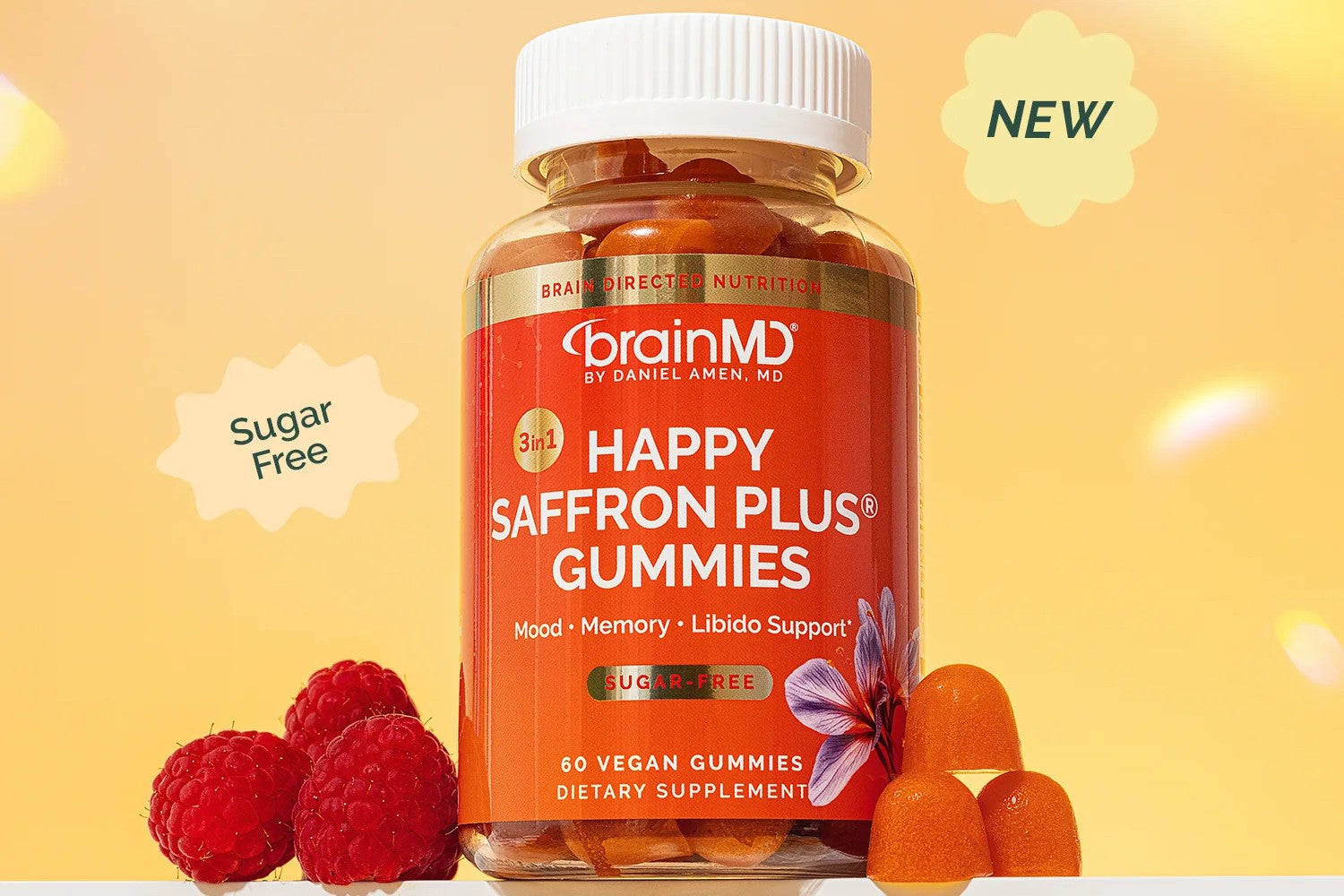
When you walk into a vitamin store or the health section of a supermarket, you’ll see hundreds of vitamins and dietary supplements with different ingredients, amounts, and sourcing. But how can you really know if you’re getting a high-quality supplement or just a fancy label with cheap ingredients? There are many things to look for when purchasing a supplement, such as absorption, formulation, manufacturing, and testing. One way to help ensure you’re getting a quality product is to purchase supplements with branded ingredients. What Are Branded Ingredients? Branded ingredients are special, often proprietary, ingredients that are given a brand name by the manufacturer. These ingredients are also referred to as patented or trademarked ingredients and appear on supplement labels with symbols such as ™ or ®. When an ingredient is trademarked, it usually means the company has invested a great deal of time and money into establishing its quality and elevating its status among other ingredients of its kind. An ingredient might be branded due to its safety or purity or because of the way it’s processed (to be more bioavailable, have better taste, etc.). Benefits of Branded Ingredients Here are some of the top benefits of branded ingredients… Credibility Trademarked ingredients are typically backed by science and have head-to-head comparisons with generic versions, and sometimes even with other branded versions. When the science supports a manufacturer’s claims, it helps establish the ingredient’s quality and credibility. Efficacy Manufacturers of branded ingredients are under contract to their suppliers and must include the ingredient in the way the contract and scientific studies stipulate. Compliance is necessary to ensure the efficacy of the ingredient and to instill confidence in the consumer. Transparency Increasingly, consumers are demanding to know the traceability of the ingredients in the supplements they purchase. A well-researched branded ingredient can help provide transparency, educate the consumer, and offer higher manufacturing standards than its generic ingredient counterparts. Note: Due to the extensive research and financial investment required to formulate and manufacture branded ingredients, they typically cost a little more than supplements with non-branded ingredients. So, does BrainMD have any branded ingredients in its supplements? Glad you asked… 8 Premium, Branded Ingredients in BrainMD Supplements 1. affron® Standardized Saffron Extract A highly concentrated, standardized saffron extract, affron® is found to improve mood, anxiousness, and sleep quality in double-blind, randomized, placebo-controlled clinical trials. This highly concentrated and standardized nutraceutical extract of saffron is a spice that’s been used in the Middle East for at least 2600 years. Modern clinical research with this specific ingredient fully supports the traditional reverence for saffron’s mood-elevating effects. Which BrainMD supplement features this branded ingredient? Happy Saffron Plus® (now in capsule or gummy form) was scientifically designed to promote a positive mood. It brings together nutraceutical preparations of the two most traditionally revered “happiness herbals” – saffron flower extract and curcumin from turmeric root – with zinc, a mineral essential for life and vital for a positive mood. 2. Ferrochel® Ferrochel® is a high-purity ingredient of iron atoms bonded to molecules of the amino acid glycine. Unlike iron sulfate, and many other iron compounds used in iron supplements, this form of iron is very gentle on the stomach. Though iron’s main health benefits are typically linked to hemoglobin, this essential mineral aids in energy production, gene regulation, and the body’s detoxification process. Which BrainMD supplement features this branded ingredient? Iron Advanced Ferrochel® Iron is so reactive, it can degrade other supplement ingredients. That’s why BrainMD offers iron as a standalone supplement, in its best tolerated and best absorbed form: ferrous bisglycinate, Ferrochel®. 3. Longvida® Optimized Curcumin Extract The turmeric root has paralleled saffron as an herbal greatly revered for its wide range of benefits for at least 2600 years. Consuming turmeric root doesn’t get much curcumin into the bloodstream, but nutraceutical technology has now overcome this problem. The Longvida® curcumin preparation features excellent absorption of curcumin and has worked well in clinical trials at 400 mg per day or higher. Besides being found to improve mood in clinical trials, Longvida® was recently shown to improve aspects of memory as well. Which BrainMD supplements feature this branded ingredient? Happy Saffron Plus ® & Brain Curcumins Brain Curcumins provides the three major curcumins as the Longvida® preparation, which is efficiently absorbed. Longvida® helps fight physical fatigue and helps maintain healthy mood and cognitive functioning while under mental strain. 4. Pycnogenol® Maritime Pine Bark Extract Pycnogenol® is a powerful antioxidant concentrate that promotes the delivery of blood to the brain. Intensive clinical research has established its benefits for attention and other higher brain functions in kids as well as adults. This authentic, standardized polyphenol extract comes from the French maritime pine (Pinus pinaster). Pycnogenol® is one of the most extensively researched of all herbal antioxidants. Which BrainMD supplement features this branded ingredient? Attention Support can help increase your attention span while helping you stay relaxed and calm. Its ingredients were picked for their clinically demonstrated benefits for attention, concentration, calm, and overall self-control. 5. Relora® Relora® is a proprietary botanical complex that’s been clinically tested to support calmness. In a double-blind clinical trial, this patented blend of two herbs, Magnolia officinalis and Phellodendron amurense extracts, reduced occasional feelings of anxiousness and stress in premenopausal women. Relora® can help enhance healthy management of the stress hormone cortisol, while easing apprehension, tension, worry, anger, fatigue, negative mood, and confusion. Which BrainMD supplement features this branded ingredient? Everyday Stress Relief was specifically formulated to help replenish your brain and body’s nutrients that can be depleted during times of excessive stress. This supplement includes herbal extracts clinically shown to have calming and anti-stress effects, helping you to feel less anxious without making you sleepy. 6. Satiereal® Saffron Extract Satiereal®, a patented extract of saffron, contains four compounds that have powerful antioxidant, brain-protective, and serotonin-enhancing actions. Saffron, which grows mainly in Europe and the Middle East, has been shown to benefit mood and memory. In clinical trials, Satiereal® was found to reduce feelings of hunger, while supporting appetite moderation and healthy weight management. Which BrainMD supplement features this branded ingredient? Serotonin Mood Support can help increase the production of soothing brain waves, correct stress-related nutritional deficiencies, and promote relaxation that will enable quality sleep. It contains a patented form of saffron (Satiereal®) along with other key nutrients that help to promote relaxation, positive mood, serotonin balance, and even healthy weight management. It can help you handle the ups and downs of life with more composure. 7. Sensoril® Ashwagandha Extract Ashwagandha (Withania somnifera, root/leaves) is a well-known herb that’s been used for centuries in Ayurvedic medicine. Ashwagandha is an adaptogen that supports the body’s healthy response to stress by promoting calm and overall mental focus and has been associated with improved memory. Sensoril® is a highly concentrated, standardized form of ashwagandha. It’s been clinically studied for its mood- and memory-boosting properties. Which BrainMD supplement features this branded ingredient? Focus & Energy was designed to promote sharpness and improve productivity without lowering blood sugar. It’s formulated specifically to reinforce the brain and the body’s ability to fight fatigue and adapt to stress. Focus & Energy includes standardized, ultra-pure extracts of three powerful adaptogens: rhodiola, ashwagandha, and ginseng. 8. Vitakelp® This cold-water, brown seaweed is sustainably harvested off the Scottish Hebrides. It’s a good source of minerals, especially potassium, calcium, and magnesium. It also contains ascophyllan, a unique sulfur-containing carbohydrate that has immune activity. Which BrainMD supplement features this branded ingredient? Neuro Greens Superfood was developed from the latest scientific research on superfoods (foods especially rich with nutrients and other substances beneficial to human health). Neuro Greens includes diverse substances that can help detoxify and energize the body, while providing substantial immune support. It also promotes healthy digestion from its contribution of prebiotic fibers, which support friendly bacteria (probiotics) in the gut. While only some of BrainMD’s supplements contain branded ingredients, all of our dietary supplements are ultra-pure, science-based, and brain directed. Our high-quality supplements come from the finest sources, have undergone rigorous clinical testing, and have been formulated for maximum absorption to give you the nutrients you need to be your best self. At BrainMD, we’re dedicated to providing the highest quality supplements to improve your physical health and overall well-being. For more information about our full list of brain healthy supplements, please visit us at BrainMD. *These statements have not been evaluated by the FDA. This content is for informational purposes only. It is not meant to substitute for medical or healthcare advice from a physician, nor is it intended to diagnose, treat, cure, or prevent any disease. Consult your healthcare provider before beginning a new health regimen.
Learn more
Methods for Relaxation: 5 of the Best Ways to Keep Calm!
Knowing how to relax is practically a superpower in today’s challenging world. Since the start of the pandemic two years ago, people everywhere have become significantly more anxious and stressed. A review from October 2021 analyzed multiple studies from around the world and estimated that anxiousness levels increased 25.6% globally since early 2020. The American Psychological Association’s “2021 Work and Well-being Survey” reported that 71% of participants experience work-related stress during the workday. When was the last time you relaxed deeply? If it’s been a while since you’ve relaxed, or if you have trouble unwinding in general, don’t worry. There are proven methods for relaxation that you can learn. The Body’s Relaxation Response Did you know your body has a built-in relaxation response? It does, and it’s linked to what’s called your parasympathetic nervous system (PNS). Often called the “rest and digest” system, the PNS works in tandem with your sympathetic nervous system (SNS), which controls the body’s “fight or flight” stress response. Both are part of your body’s greater autonomic nervous system. The SNS triggers the release of stress hormones, such as cortisol, which prepare you to handle a stressful situation. When the brain senses stress hormone levels are too high, the PNS is activated, your body relaxes, and you downshift to rest, relax, and recover from the stressful episode. However, when stress becomes a way of life, as it has for so many these days, the working relationship between the SNS and PNS can get disrupted. When that happens, the SNS remains activated and stress hormone levels stay elevated. This extreme stress can be destructive to both your body and brain. Thankfully, researchers have found that certain relaxation techniques can trigger the PNS, lower stress hormones, slow the heart rate, and promote relaxation. So, if you’re in a prolonged period of stress, you can practice the methods for relaxation below to help engage your PNS and turn off the stress response! 5 of the Best Natural Methods for Relaxation 1. Diaphragmatic Breathing Diaphragmatic breathing involves taking deep, rhythmic breaths. Research shows that reduced stress markers, less self-reported anxiousness, better cognition, and PNS activation may result from deep breathing. Here’s a simple exercise: Breathing with your diaphragm (or belly) rather than your chest: Inhale for a count of 3 to 4 seconds Pause for beat Exhale for a count of 6 to 8 seconds Pause for a beat Repeat this pattern 10 times The calming effects of deep breathing should be immediate! 2. Try Meditation Meditation is the perfect practice for activating the PNS and experiencing more calm in your mind, body, and emotions. By measuring heart rate, blood pressure, and stress hormone levels, studies have found that meditation can help activate the relaxation response and reduce stress and anxiousness. Both Transcendental Meditation and mindfulness meditation have been well-studied with positive results. Some forms of meditation allow for mind-wandering, and others are more disciplined about keeping the mind focused. They both have relaxation benefits. The best meditation is the one you’ll do on a regular basis. Explore what’s out there and be sure to make use of the many meditation apps available today. 3. Enjoy Nature It’s easy to overlook how profoundly restorative nature can be. One review looked at mental health markers, including reduction of anxiousness and stress, in college-aged individuals who spent 10 minutes sitting or walking in natural settings, contrasted with equal time in urban settings. Natural settings were shown to significantly and positively impact both psychological and physiological markers of well-being. If you can’t be in nature, you can listen to it for the relaxing effects. The sound of the wind in the trees, gentle waves on the beach, a burbling brook, or the song of birds can unlock your body’s relax response. Research shows playing natural sounds affected the bodily systems that control the fight or flight and rest and digest autonomic nervous systems, promoting more relaxation in the mind and body. 4. Practice Yoga, Tai Chi, or Qigong These three practices from ancient cultures all combine rhythmic breathing with a series of postures or flowing movements and are known to reduce stress. In terms of relaxation and calming the mind, performing the physical movements offers a mental focus that can help distract the mind from racing thoughts, while enhancing flexibility and balance. All of them have been shown to shift the body from the SNS to the PNS, and to help reduce feelings of anxiousness. 5. Progressive Muscle Relaxation Progressive muscle relaxation can be learned by nearly anyone, and it takes 10 to 20 minutes per day to practice. It’s done by deepening your breathing and bringing awareness to different parts of your body while you tense your muscle and then release it. It usually starts at your head, tensing muscles in your face and then releasing, and then working down the body – or starting with your toes and feet working your way up. Awareness is given to the changes that occur while tensing and releasing muscles. This technique has been shown to help reduce anxious feelings and promote sleep. Keep It Relaxed If these methods for relaxation don’t work for you, don't worry! There are others to explore, like petting your pet and using essential oils to create a relaxing environment at work or home. Also, consider promoting relaxation with nutritional support.* A quality supplement, like Calm My Brain, features ingredients scientifically proven to relax your mind and body.* Keep at it and you’ll learn how to cultivate a wellspring of inner calm. At BrainMD, we’re dedicated to providing the highest quality supplements to improve your physical health and overall well-being. For more information about Calm My Brain and our full list of brain healthy supplements, please visit us at BrainMD. *These statements have not been evaluated by the FDA. This content is for informational purposes only. It is not meant to substitute for medical or healthcare advice from a physician, nor is it intended to diagnose, treat, cure, or prevent any disease. Consult your healthcare provider before beginning a new health regimen.
Learn more
Good vs. Bad Carbs: How to Create a Balanced Diet with Healthy Carbs!
When it comes to healthy eating, carbohydrates (carbs) have been deemed good, bad, and everything in between. Many weight management programs demonize carbs as the main culprit in weight gain. But is there more nuance to the matter? In this article, we’ll separate truth from fiction about what carbs are, why we need to eat them, and how to incorporate them into our diet in a way that promotes health. We’ll also look at the importance of carbohydrates as part of a healthy diet and list some meal ideas for getting started eating carbs the nutritious way. What Are Carbohydrates? Carbohydrates are one of four major types of nutrients that our body needs to function. They break down into glucose, the body’s primary energy source, and are necessary for the proper function of every part of the body. Carbs are found in: Fruits Grains Milk and milk products Starchy vegetables like corn and potatoes Beans and legumes Beverages like soda, juice, and alcohol Not all carbs are created equal. Some sources are nutritious, while others are empty calories. Good vs. Bad Carbs It isn’t helpful to think of carbs as strictly “good” or “bad.” Carbs are necessary for health, but there are some forms of carbs that are more nutrient-dense than others. These are split into two groups: simple carbs and complex carbs. Simple Carbs Simple carbs break down easily and quickly in the body. Foods made primarily of simple carbs may have added sugars or be overly processed. This means some naturally occurring nutrients (like fiber) are stripped away. Fast digestion also means they enter the bloodstream quickly. This can cause a rapid spike in blood sugar compared to complex carbs, especially when eaten without protein or fats. For example, a can of soda provides your body with carbohydrates but doesn’t hold any nutritional value because it’s missing vitamins, minerals, fiber, or other nutrients. Other examples of simple carbs include: Cake, cookies, pies, donuts Sugar-sweetened beverages and energy drinks White rice There’s a time and a place for enjoying foods that hold little nutritional value such as celebrations, holidays, and special occasions. The key is to focus on moderation and not obsess over whether or not every food choice you make is good or bad. Instead, to promote a healthy relationship with food, plan on making the majority of your diet nutrient-dense foods from fruits, vegetables, whole grains, and lean proteins. Complex Carbs Complex carbs take longer to digest. They don’t cause as dramatic a spike in blood sugar levels. Whole grains are a good example. They contain all parts of the grain, including the bran and germ which have B-vitamins, iron, and fiber. In comparison, refined grains have had the bran and germ removed. Whole grains include foods like: 100% whole grain bread and cereal Brown rice 100% whole grain pasta So, what makes a carb healthy for you? Whether simple or complex, if a carb has vitamins, minerals, and/or other nutrients necessary for health it can be healthy, as long as you enjoy it in the proper proportions. Here are a few examples: Fruits such as berries contain simple carbs and are high in antioxidants, which are necessary for protecting the body from environmental damage caused by pollution and UV rays. Eating healthy portions of fruit (the USDA recommends 2 cups per day for adults) is a healthy choice, carbs included. Milk contains naturally occurring sugars that are considered simple carbs. Milk also is a good source of protein and calcium. The USDA recommends 3 servings per day for adults. White rice is a staple food in many cultures. Rather than giving up important cultural foods, aim to create balance on your plate by having a smaller portion of white rice alongside plenty of protein. The general portion recommendations are 3 oz of protein and ⅓ cup of rice. The protein will help the carbs digest more slowly, releasing sugar into your bloodstream at a more favorable rate for your body. The takeaway: focus on eating complex carbs. These don’t increase blood sugar as quickly and typically have more nutrients. Keep in mind that although some foods contain simple sugars, they can promote health if they have other important nutrients, especially when eaten as part of a balanced meal. Should You Limit Carbs? Most people don’t need to limit carbohydrates or go on a low-carb diet. The USDA recommends healthy adults get 45-65% of total daily calories from carbs. However, you may choose to limit carbs for weight loss or other reasons, and it’s best to consult your doctor or a registered dietitian who can help you do so safely. Enjoy carbohydrates that hold little nutritional value in moderation. You should include a healthy portion of nutrient-dense carbohydrate foods in your diet at each meal and with any snacks you eat. Be sure to balance carbohydrates with small portions of healthy fats, a good helping of protein, and plenty of water, too. Creating a balanced plate is all about incorporating all four macronutrients in a balanced way. How to Create a Balanced Diet with Healthy Carbs Here are some ideas for making balanced meals with carbs: Breakfast: A cup of oatmeal with a handful of blueberries A glass of milk Two scrambled eggs cooked in olive oil with avocado slices Milk and eggs have protein, avocado and olive oil are healthy fats, oatmeal and blueberries have carbs but also contain vitamins, minerals, and fiber. Lunch: 100% whole wheat bread sandwich with a thin layer of pesto, avocado, 2-3 slices of lean turkey meat, tomato, provolone cheese A handful of strawberries Two handfuls of baby carrots Water with lemon The bread and strawberries are the carbs here. Whole wheat bread is high in fiber and B vitamins. Some brands even have a little protein. Avocado has healthy fats and fiber. Turkey and cheese offer protein, while carrots give more fiber. Dinner: Chicken breast Brown rice or quinoa Spring mix (or other dark leafy green/mix) salad with vinaigrette or homemade dressing The chicken provides protein, brown rice is a whole grain, and spring mix offers fiber and plenty of vitamins and minerals. The possibilities are vast with salads, so get creative. Final Thoughts Carbohydrates are necessary for health and well-being. There are simple and complex carbs, and while both can be part of a balanced diet, complex carbs are more nutritious overall. Enjoying treats with simple carbs in moderation is best. Rather than thinking of certain foods as “good” or “bad,” focus on creating a balanced plate that includes carbs, protein, and healthy fats at each meal. If you choose to go on a low-carb diet, be sure to consult with your healthcare provider or a registered dietitian first for guidance and support. At BrainMD, we’re dedicated to providing the highest purity nutrients to improve your physical health and overall well-being. For more information about our full list of brain healthy supplements, please visit us at BrainMD.
Learn more
What Are the Best Foods & Supplements for My Brain Type?
The more you know about your brain, the better you can optimize it. Know Your Brain Type Just as identifying your abilities, interests, and skills can help you become a more well-rounded, successful person, knowing your brain type can help you better understand who you are and why you do what you do. These insights can help you know what mental/brain health risks you may face, which can potentially impact your future career and relationships in significant ways. Based on his brain imaging work, Dr. Daniel Amen has identified 16 Brain Types (5 primary types and 11 combination types). These types can help you better understand who you are, how you behave, and how you relate to others. Here’s a closer look at each of the 5 main brain types along with the distinguishing characteristics, diet plan, and supplement recommendations for each type. The 5 Major Brain Types – Character Traits and Lifestyle Recommendations Brain Type 1 – Balanced Individuals with Brain Type 1 typically show full, even, symmetrical activity throughout the brain, with the most activity in the cerebellum – one of the brain’s major processing centers. People with Brain Type 1 tend to live longer because of their high level of conscientiousness. They do what they say they’re going to do. They show up on time and follow through on tasks they’ve promise to complete. In short, they’re the kind of person you can depend on. Those with Brain Type 1 don’t tend to take big risks, nor are they first adopters of new technology. Although it’s possible, they’re not likely to be entrepreneurs or industry innovators. Instead, they like rules and tend to play by them. Although Brain Type 1 is the optimum brain type, if you don’t use it, you might lose it. So do everything you can to keep your brain healthy. Action Plan Improving your brain health is the most important thing you can do for overall health and happiness. Remember, small changes yield big results. You can dive in headfirst or start a little slower with one change per week. Either way, the most important thing is to take the first step. Brain Healthy Nutrition Your brain is the most energy-hungry organ in your body, using 20% or more of the body's energy. One of the quickest ways to achieve better brain function is to identify which foods you should choose and which foods you should lose. Eat right so you can think right! Dietary Recommendations Your Type 1 brain needs a diet that’s well-balanced between high-quality proteins, complex carbohydrates, and healthy fats. This nutritional approach will support balanced blood sugar and mood, help you maintain focus and motivation, and provide the necessary building blocks for optimal brain health. Proteins: wild fish, pasture-raised chicken, turkey, eggs, bison, venison, lamb, and legumes. Healthy Fats: olive oil, MCT oil, avocado oil, ghee, coconut oil, avocado, nuts and seeds. Carbohydrates: focus on low-glycemic, high-fiber, unrefined, and organic sources. Vegetables: 6-10 servings per day by adding them to meals whenever possible. Whole fruits (avoid sweetened dried fruits and condensed fruit juice): 1-2 servings per day. Gluten-free whole grains (wild/brown rice, quinoa, buckwheat, millet, amaranth, gluten-free whole oats, and teff): 1-2x per day. Hydration: the brain is 80% water, and needs to be kept well hydrated. The current recommendations from Food and Nutrition Board of the Institute of Medicine of the U.S. National Academies are that women consume at least 91 ounces of water and men at least 125 ounces daily, from their foods, beverages, and drinking water. Brain Supporting Supplements Brain-directed supplements can support your physical and mental energy levels. It’s recommended for everyone to take daily essentials plus additional supplements tailored to your specific Brain Type. Recommended Supplements for Brain Type 1 1. Brain & Body Power We’ve combined our daily essentials into easy-to-use, on-the-go packets. Each packet of Brain & Body Power contains the following supplements: NeuroVite Plus – a powerful combination of more than 50 vitamins, minerals and plant extracts in their most efficient and bioavailable forms, NeuroVite Plus nourishes all the body’s cells, tissues, and organs. Brain & Memory Power Boost – this brain-boosting formula delivers your body specialized, brain directed ingredients to support the brain’s energy, connectivity, and overall performance. Omega-3 Power – gel capsules of the purest, most powerful form of omega-3 fatty acids EPA and DHA (without the fishy aftertaste) to promote healthy cognition, including recall and retention, focus and concentration, and mood and behavior. 2. ProBrainBiotics ProBrainBiotics offers advanced support for the gut microbiome, which has an ongoing supportive relationship with the brain, and helps promote healthy digestion, a positive mood, and a healthier response to everyday stress. Brain Type 2 – Spontaneous Individuals with Brain Type 2 typically show lower activity in the prefrontal cortex (PFC) in brain scans. The PFC is the brain’s brake system. It stops us from saying or doing things that aren’t in our best interest, but it can also stop creative, out-of-the-box thinking if it works too hard. Studies show that Brain Type 2 may be associated with lower activities of dopamine, a neurotransmitter involved with focus and motivation. People with this Brain Type are likely to need excitement or stimulation in order to stay focused. Smokers and heavy coffee drinkers also tend to fit this type, as they use these substances to turn their brains on. The best strategy to balance Brain Type 2 is to strengthen the PFC by naturally boosting dopamine activity. Higher protein, lower carbohydrate diets tend to help, as do physical exercise and certain stimulating supplements. Any supplement or medicine that calms the brain may make this type worse. Brain Healthy Nutrition Dietary Recommendations Your Type 2 brain needs more high-quality proteins, plenty of healthy fats, and little to no simple carbohydrates. Proteins: wild fish, pasture-raised chicken, turkey, eggs, bison, venison, lamb, and legumes. Aim for about 1g per kg of body weight each day in protein. Healthy Fats: olive oil, MCT oil, avocado oil, ghee, coconut oil, avocado, nuts and seeds. Carbohydrates: focus on getting most of your carbohydrates from vegetables by adding them to meals whenever possible. Other carbohydrates should be low-glycemic, high-fiber, unrefined, and organic whenever possible. Hydration: drink at least half your body weight (lbs.) in ounces of filtered water each day. Brain Supporting Supplements Recommended Supplements for Brain Type 2 1. Brain & Body Power 2. Focus & Energy A natural, non-habit-forming blend of the essential nutrient choline with adaptogenic, energizing herbals (standardized green tea extract, ginseng, rhodiola, and ashwagandha), Focus & Energy supports mental sharpness and productivity. Brain Type 3 – Persistent Individuals with Brain Type 3 are often take-charge people who won’t take no for an answer. They can be strong-willed, tenacious, persistent, and sometimes stubborn. They also tend to struggle with worry, have trouble sleeping, and like things to be done a certain way. Those with Brain Type 3 often have increased activity in the front part of the brain, in an area called the anterior cingulate gyrus (ACG). The ACG is the brain’s gear shifter. It helps people go from thought to thought or action to action. The ACG is involved with being mentally flexible and influences your ability to “go with the flow.” When the ACG is overactive, probably due to low activity of serotonin, people can have problems shifting attention, which can make them persist, even when it may not be a good idea for them to do so. People with Brain Type 3 don’t need more stimulation. In fact, caffeine and diet pills tend to make this type worse. The best strategy to balance Brain Type 3 is to find natural ways to boost serotonin activity to calm the brain and body. Brain Healthy Nutrition Dietary Recommendations Your Type 3 Brain needs a higher complex carbohydrate, lower protein diet. This nutritional approach will help boost serotonin levels naturally. Proteins: wild fish, pasture-raised chicken, turkey, eggs, bison, venison, lamb, and legumes. Aim for about 0.5 grams per kg of body weight each day in protein. Healthy Fats: olive oil, MCT oil, avocado oil, ghee, coconut, olive oil, avocado, nuts and seeds. Carbohydrates: focus on low-glycemic, high-fiber, unrefined, and organic sources. Hydration: drink at least half your body weight (lbs.) in ounces of filtered water each day. Brain Supporting Supplements Recommended Supplements for Brain Type 3 1. Brain & Body Power 2. Serotonin Mood Support Serotonin Mood Support contains a patented form of saffron along with other key nutrients that help to promote calmness, positive mood, serotonin balance, and even healthy weight management. Brain Type 4 – Sensitive Brain Type 4 individuals tend to show increased activity in the limbic (or emotional) centers of the brain, making them highly sensitive and empathic, but also subject to mood issues. People with this Brain Type may struggle with constant negative thoughts and pessimistic tendencies. Exercise, omega-3 fatty acids, and certain supplements, such as SAMe and vitamin D, can help individuals with Brain Type 4. Brain Healthy Nutrition Dietary Recommendations Your Type 4 brain needs a diet that’s balanced in high-quality proteins and complex carbohydrates. This type of diet will help balance your blood sugar, help you focus, and provide the necessary building blocks for brain health. Proteins: protein-rich foods provide amino acids the body needs to create neurotransmitters such as serotonin (linked to mood, motivation, and positive thinking) and dopamine (to help maintain focus, increase learning, and manage emotional reactions). Regularity of protein (every few hours) helps with satiety and to balance blood sugar and can help prevent anxiousness. Meals should include chicken, wild fish, pasture raised beef or lamb, hemp, eggs, or a plant-based protein powder Eat protein with every meal or snack. Easy snack options: small apple with almond butter blueberries with walnuts boiled egg with sliced tomato and basil Carbohydrates: focus on getting most of your carbohydrates from vegetables by adding them to meals whenever possible. Other carbohydrates should be low-glycemic, high-fiber, unrefined, and organic whenever possible. Gluten-free whole grains: 1 serving per day (wild/brown rice, quinoa, buckwheat, millet, amaranth, gluten-free whole oats, and teff). Prebiotic fibers (support healthy microbiome balance): leeks, onions, raw garlic, sunchoke, raw chicory root, raw asparagus, raw dandelion greens. Vegetables: 6-8 servings per day Whole fruits: 1-2 servings per day Hydration: drink at least half your body weight (lbs.) in ounces of filtered water each day. Brain Supporting Supplements Recommended Supplements for Brain Type 4 1. Brain & Body Power 2. SAMe Mood & Movement 400 SAMe Mood & Movement 400 provides SAMe (S-AdenosylMethionine), a nutrient with very high energy that also provides key methyl groups to help power numerous enzymes important for the brain, joints, liver, muscles, and other organs. SAMe is fundamental to the body’s renewal, repair, and overall well-being. Brain Type 5 – Cautious Brain scans of individuals with Brain Type 5 often show heightened activity in the anxiety centers of the brain, such as the basal ganglia, insular cortex, and/or amygdala. This is probably linked to lower activity of the neurotransmitter GABA, which helps calm the brain. People with this brain type tend to be motivated toward a goal. They can feel intense pleasure, but also struggle with feeling anxious or nervous, which causes them to be more cautious and reserved, but also more prepared. This brain type can be balanced with meditation and hypnosis, along with supportive nutrients such as B6, magnesium, and GABA, and the herbals lemon balm and theanine. Brain Healthy Nutrition Dietary Recommendations Same as Brain Type 4. Brain Supporting Supplements Recommended Supplements for Brain Type 5 1. Brain & Body Power 2. GABA Calming Support GABA Calming Support contains clinically studied nutrients and herbals that help naturally calm brain waves and allow your brain to slow down anxious or fretful thoughts. We’ve taken a comprehensive look at 5 Brain Types, but there are 11 other types that are combinations of the main types. To learn which of the 16 Brain Types you are, take the Brain Health Assessment. Take the Brain Health Assessment to Know Your Brain Type Maybe you’ve taken an online personality quiz in the past. Though such tests can occasionally offer helpful information, most fail to consider an individual’s health habits and personal history. In many cases, they also neglect to include an improvement plan. Another problem with online tests is that they typically aren’t backed by science. Worse still, they frequently place people into rigid categories that can discourage, confuse, or even stigmatize the test taker. With so many poorly-designed tests flooding cyberspace, we’re proud to present the Brain Health Assessment (BHA), a science-based, paradigm-shattering personality test. This one-of-a-kind online test: Was developed by Dr. Daniel G. Amen, a double board-certified psychiatrist who has been practicing for over 40 years. Is powered by the world’s largest database of functional brain scans – 160,000 and growing. Incorporates extensive research – Amen Clinics has published over 70 clinical studies on brain health. Is based on the combined clinical experience of a team of Amen-trained doctors who have worked with patients from 120 countries. Backed by decades of research, the results of the BHA will give you a personalized report that measures your overall health and includes recommended improvement strategies based on your Brain Type. To discover your brain type, take the free online BHA quiz. It only takes about 5 minutes to complete and your answers are strictly confidential. Discover the tool that has helped millions of people increase their energy, sharpen their focus, and optimize their brain. You can know your Brain Type in just a few minutes, so start now. At BrainMD, we’re dedicated to providing the highest quality supplements to improve your physical health and overall well-being. For more information about our full list of brain healthy supplements, please visit us at BrainMD. *These statements have not been evaluated by the FDA. This content is for informational purposes only. It is not meant to substitute for medical or healthcare advice from a physician, nor is it intended to diagnose, treat, cure, or prevent any disease. Consult your healthcare provider before beginning a new health regimen.
Learn more
Do You Have One of These Six Types of Anxiousness?
Anxiousness comes in many forms and may affect people in different ways. Low levels of anxiousness may cause some to take risks that can lead to injury or an early death. Healthy levels of anxiousness may keep some from driving too fast on a rainy night. High levels of anxiousness may lead to panic attacks, health problems, and destructive behaviors. As is illustrated in these hypotheticals, some forms of anxiousness are healthy, while some aren’t. When it comes to the negative aspects of anxiousness, there are several telltale signs to be aware of. Signs of Anxiousness Though it’s normal to have periods of stress or worry, persistent anxiousness can lead to serious physical and mental problems. Some common signs of anxiousness include: Nervousness/restlessness Worrying Muscle tension (stress related) Irritability/anger Attention issues Fatigue Difficulty sleeping Having all these issues may be an indication that you’re dealing with anxiousness. But even having a few of these types of anxiousness may be a cause for concern. One of the best ways to deal with anxiousness is to identify your type so you can seek appropriate ways to mitigate it. 6 Types of Anxiousness and How to Cope with Them Naturally Pure Anxiousness Those who struggle with this type of anxiousness tend to feel tense and nervous. They may often feel uncomfortable in their own skin. They can be plagued by panic and self-doubt, and these feelings may trigger muscle tension, nail biting, headaches, abdominal pain, a racing heart, or shortness of breath. Irrational fears or phobias are also common. People with this type of anxiousness tend to avoid anything that makes them uncomfortable, such as places or people that might trigger panic attacks or relational conflict. Also, they tend to predict the worst and may be fearful of the future. What Can Help? As with some of the other types of anxiousness, deep relaxation exercises, such as hypnosis, may be helpful for this type. Also, exercise and calming activities may be beneficial. Supplements that may help this type include GABA, magnesium, theanine from green tea, ashwagandha, Relora, vitamin B6, probiotics, and DHA omega-3 fatty acids. Anxiousness and Low Mood This type is a combination of occasional anxious and depressive thoughts. Though one type may dominate at times, both issues may be present on a regular basis. People with this type may be low in GABA or dopamine. What Can Help? Intense exercise sessions alternating with calming activities – such as tai chi, yoga, and relaxation techniques – may help this type. Certain scents, like lavender, can help promote calm. Supplements that may help this type are SAMe, GABA, magnesium, curcumin, vitamin D, probiotics, and a combination of EPA and DHA omega-3s. Overfocused Anxiousness This type is usually associated with low serotonin levels. It’s common for people with this type to get stuck on negative thoughts or compulsive behaviors (like constantly checking locks). This may be the result of too much activity in the brain’s anterior cingulate gyrus. This type is also associated with people who worry, hold grudges, and have problems with being oppositional or argumentative. They tend to notice what’s wrong before they notice what’s right. What Can Help? Boosting serotonin may help this type. Aerobic exercise is recommended. Also, a diet high in complex carbohydrates may help. Supplements for this type include 5-HTP, saffron, St. John’s wort, vitamin D, probiotics, and a combination of the omega-3s EPA and DHA. Temporal Lobe Anxiousness This type is often associated with low GABA levels and could be the result of a head injury. The temporal lobes are important for memory, mood, and emotions. When there are problems in this part of the brain, people tend to struggle with mood instability, irritability, memory problems, and dark or evil thoughts. These individuals might misinterpret comments as negative when they aren’t, have trouble reading social cues, and experience frequent déjà vu. What Can Help? A diet high in protein and fat, and low in carbohydrates, may be helpful for this type. Neurofeedback is an effective therapy that may help some people who struggle with anxiousness. The supplements that may help this type include GABA, magnesium, taurine, and EPA and DHA. Cyclic Anxiousness People with this type might have low levels of GABA, but they also might have too much of the excitatory chemical glutamate. As the name implies, this type is associated with cycles of anxiousness and low mood. It also may apply to those affected by seasonal mood changes or those who deal with mood swings. As with the other types, people with cyclic anxiousness may have a mild or severe form, or anything in between. This type also can get worse during periods of hormonal changes, such as after having a baby or during menopause. What Can Help? Possible treatments for this type may include improving diet and exercise and implementing deep relaxation techniques. The supplements recommended for this type are GABA, magnesium, taurine, zinc, vitamin B6, and EPA and DHA omega-3s. Unfocused Anxiousness This type results from too little activity in the brain’s prefrontal cortex (PFC). When the PFC is underactive, people may complain of low energy, mental fog, being inattentive, bored, impulsive, and exhibiting poor judgment. The decreased brain activity may be a result of an injury, toxic exposure (such as from mold or household products), infection, or underlying attention issues. What Can Help? The treatment for unfocused anxiousness starts with identifying and treating the cause of the low activity, then rehabilitating the brain with a healthy diet and exercise regimen. Supplements that may help stimulate and repair the brain include ginkgo biloba, L-tyrosine, rhodiola, and EPA fish oil. The good news is that regardless of which type you are, you can feel calmer and more relaxed with the right treatment. If you tend to worry or have persistent anxious thoughts, consider trying BrainMD’s new calm-promoting, stress-managing nutrient combination… Calm My Brain Calm My Brain provides generous daily doses of high-potency ingredients to manage stress and promote calm.* Benefits of Calm My Brain This product is a combination of three pure and potent ingredients that have been intensively researched for feelings of anxiousness, and with positive benefits for stress, relaxation, and sleep.* The ingredients have been shown to help with: managing anxiousness and stress* reducing tension and irritability* regulating unhealthy eating* supporting calmness* improving sleep quality* The clinically researched ingredients in Calm My Brain can make a substantial difference in improving the well-being of individuals living with feelings of anxiousness.* 3 Synergistic, Stress-Busting Ingredients Magnesium is an essential mineral that helps both mind and body relax. Many individuals with anxiousness are low in magnesium, and inadequate magnesium intake is linked to sleep problems. This product provides magnesium in bioavailable forms, unlike the commonly used magnesium oxide, which is known to be poorly absorbed. Ashwagandha Root Extract (KSM-66®) is the best-researched and most effective form of this premier adaptogenic herb. It has been shown to improve anxiousness, stress, and sleep in multiple human clinical trials. L-theanine is an amino acid found in green tea. It can rapidly enhance calming alpha brain wave activity without causing drowsiness and can relieve feelings of anxiousness and promote mental focus. Keep Calm and Live Well Researched in clinical trials, the ingredients in this robust formula may help lessen tension and irritability, enhance calm, manage feelings of anxiousness and related unhealthy eating, and improve sleep quality.* It also can help promote a balanced stress response, including cortisol levels.* Calm My Brain is a powerful combination of ultra-pure nutrients that offers comprehensive management of all types of anxiousness.* Try it today! At BrainMD, we’re dedicated to providing the highest quality supplements to improve your physical health and overall well-being. For more information about Calm My Brain and our full list of brain healthy supplements, please visit us at BrainMD. *These statements have not been evaluated by the FDA. This content is for informational purposes only. It is not meant to substitute for medical or healthcare advice from a physician, nor is it intended to diagnose, treat, cure, or prevent any disease. Consult your healthcare provider before beginning a new health regimen.
Learn more
5 of the Best Ways to Retrain Your Taste Buds
Many are aware that the food industry works overtime to make unhealthy products irresistible to consumers. Marketing or Brainwashing? Consider the slogans on food packaging and TV/internet ads: “I’m lovin’ it” “They’re gr-r-reat!” “Finger lickin’ good!” “They’re magically delicious!” “The Breakfast of Champions” “Betcha can’t eat just one!” Many food companies have intentionally designed these catchy jingles and phrases to target the pleasure centers in your brain. In a very real sense, many people are being brainwashed by these slick marketing campaigns. Discovery of the “Bliss Point” Research on what produces cravings has been conducted for decades now. In 1970, mathematician Howard Moskowitz discovered the perfect combination of sugar, salt, and fat that would enhance the brain’s pleasure experience. He called it the “bliss point.” Triggering the bliss point can increase sensory experiences, such as taste, and can activate areas of the brain that are associated with motivation and pleasure. These are the same areas that are influenced by addictive drugs such as cocaine, nicotine, and morphine. Knowing all of this, the sad truth is some companies design foods to hook your brain in a similar way that drugs do. Hijacking Your Taste Buds It isn’t an overstatement that the food industry has hijacked the taste buds of many in our society. There are several ways to provoke cravings, which can contribute to addictive responses to foods. Here are a few: Aroma – Humans have five major taste sensations: sweet, sour, bitter, salty, or savory. Though many foods target our taste buds, flavors also can be enhanced by our sense of smell. Smells can trigger cravings, like movie theater popcorn. “Crunchiness” – Four pounds per square inch is the ideal breaking point to produce crunchy pleasure. “Meltiness” – Foods that quickly melt in your mouth can trick the brain into thinking there are fewer calories, which may encourage you to eat more of these foods. Satiety – Satiety occurs when a person feels full while eating a meal. Some foods, particularly those with lots of added sugar, can override these satiety signals and fool your brain into thinking you aren’t full when you are. Sugar – Sugar has been found to be an addictive substance that prompts bingeing, reward-seeking, and craving. Unfortunately, even many “healthy” foods are filled with hidden sugars that can fuel cravings and mood issues. Texture – Some major store brands and fast-food restaurants alter the texture of the foods to make them taste more palatable, and as a result, they can end up containing less fiber than desired. Unfortunately, a lack of fiber in the diet may contribute to stomach problems, abdominal pain and discomfort, or poor gut health. Is It Your Fault? You may feel like a lack of self-control or portion control is your fault. But how can you have self-control when food companies have been using sophisticated neuroscience to plot against your diet, and your brain, for decades? Since food can play such a huge role in your physical and mental well-being, it’s vital that you do everything you can to support your diet and brain health. Here's how to retrain your taste buds by controlling the food you put in your body… 5 of the Best Ways to Retrain Your Taste Buds 1. Set the Tone The first meal of the day is crucial in setting the tone for what you’ll eat the rest of the day. Avoid sugar – in bread, jams, and orange juice – which can give you a quick energy boost followed by an energy crash. Eating protein (eggs, lean meats) with your morning meal can help stabilize your blood sugar. Also, adding green veggies and some low-glycemic fruit (berries and apples) to a protein smoothie is a healthy way to start your day. 2. Boost Your Produce It’s recommended that you eat fruits and vegetables from the full spectrum of colors and flavors, such as blueberries, pomegranates, squash, and bell peppers. Eating these foods can provide power-packed flavonoids, antioxidants, and an array of nutrients, vitamins, and minerals that are necessary for good health. It’s recommended to eat up to eight servings of fruits and veggies a day. Although sugar from fruit is considered healthy (as opposed to added sugars in cereals and baked goods), make sure you’re getting a good balance of fruits and vegetables; a two-to-one ratio of vegetables to fruits is recommended. 3. High-quality Protein It’s recommended that you eat some high-quality protein with every meal and snack (at least every 4 to 5 hours). Protein helps to balance blood sugar levels and can help decrease cravings. You’ll likely feel fuller longer and burn more calories when eating a protein-rich meal or snack than you will eating high-carb, sugar-filled foods. Nuts, seeds, and legumes are good sources of protein. Many meats, including wild-caught fish and free-range poultry, are rich in protein and amino acids. Be sure to shop for animal protein that’s free of hormones and antibiotics. 4. Get More Fiber Fiber should be taken along with protein to ensure a balanced, nutritious meal. Getting sufficient fiber in your diet can help support healthy digestion, heart health, bowel regularity, stable blood sugar levels, and weight loss. Fiber absorbs water and creates bulk, which can increase the time it takes for food to move out of the digestive system. The longer food stays in your system, the fuller you’ll feel and the less likely you’ll be to experience the spike in blood sugar that occurs when food digests quickly and glucose is dumped right into the bloodstream. 5. Healthy Swaps A great way to retrain your taste buds is to replace simple sugars and refined carbs with healthier options. For example, swapping candy for a square of sugar-free dark chocolate can help you kick a sugar habit. Rather than a candy bar or energy drink, enhance your energy with a healthy snack like two slices of lean deli turkey and a dozen grapes. This well-balanced snack is high in protein and fiber and should tide you over until your next meal. Reimagine Your Diet Improving your diet will help you get the proper nutrients your body needs. One of the best ways to retrain your taste buds is to replace fatty foods and sugary snacks with nutritious foods, including high-quality protein, healthy fats, and fortifying fiber. Try the above tips and feel free to share them with your friends and family. At BrainMD, we’re dedicated to providing the highest quality supplements to improve your physical health and overall well-being. For more information about our full list of brain healthy supplements, please visit us at BrainMD. These statements have not been evaluated by the FDA. This content is for informational purposes only. It is not meant to substitute for medical or healthcare advice from a physician, nor is it intended to diagnose, treat, cure, or prevent any disease. Consult your healthcare provider before beginning a new health regimen.
Learn more
Spice Up Your Dry January With These 5 Non-Alcoholic Drink Recipes
Wouldn’t it be nice to enjoy a drink (or three) without the hangover? Well, you can! Mocktails and other non-alcoholic beverages are all the rage right now and are consumed by drinkers and non-drinkers alike. Savor these delicious and refreshing non-alcoholic drink recipes during “Dry January” and throughout the year! 5 Healthy Non-Alcoholic Drink Recipes Golden Milk Brain Healthy Latte [wc_row] [wc_column size="one-half" position="first"] -1 Capsule’s powder of Brain Curcumins from BrainMD -¼ tsp ground turmeric -⅛ tsp ground cardamom -⅛ tsp ground cinnamon -Dash of black pepper -¼ tsp of sweetener of your choice -1 cup of non-dairy milk of choice Warm up milk on the stove and whisk in all ingredients. Pour into a mug, top with some sprinkled cinnamon and turmeric. [/wc_column] [wc_column size="one-half" position="last"] [/wc_column] [/wc_row] Smart Mushrooms Hot Toddy [wc_row] [wc_column size="one-half" position="first"] [/wc_column] [wc_column size="one-half" position="last"] -1 scoop of Smart Mushrooms powder from BrainMD -1 tsp of honey -2 ½ ounces of hot water -3 whole cloves -1 cinnamon stick -1 sliced lemon -Pinch of ground nutmeg Combine Smart Mushrooms powder, honey, and water in a mug and stir well. Add cloves, cinnamon stick, sliced lemon, and nutmeg. [/wc_column] [/wc_row] Calming Matcha Mojito [wc_row] [wc_column size="one-half" position="first"] -4 oz hot water -1 capsule’s powder of GABA Calming Support from BrainMD -¼ tsp matcha powder -3 tbsp of brown monk fruit sweetener -1 lime, juiced -20 mint leaves -1 cup of club soda -Ice -Lime edges & mint for garnish [/wc_column] [wc_column size="one-half" position="last"] [/wc_column] [/wc_row] In a small bowl, whisk together the hot water, GABA Calming Support, and matcha powder until completely dissolved. Set aside to cool. Add the coconut sugar and mint leaves to a cocktail shaker and muddle together, crushing the mix leaves as you mix. Add lime juice to the shaker and mix. Add the matcha powder and water to the shaker and fill with ice. Cover the cocktail shaker and shake hard for about 20 seconds. Add crushed ice to two large glasses and strain the matcha mix into each glass. Add garnish. Protein Pina Colada [wc_row] [wc_column size="one-half" position="first"] [/wc_column] [wc_column size="one-half" position="last"] -1 scoop of Omni Vanilla Protein Powder or vegan protein powder -1 cup of pineapple -1 ½ cup of coconut milk -1 banana -Ice Combine protein, pineapple, coconut milk, and banana with ice in a blender. Blend until smooth. Pour in tall glasses and garnish with a pineapple slice. [/wc_column] [/wc_row] Brain Boost Arnold Palmer [wc_row] [wc_column size="one-half" position="first"] -1 Brain Boost on the Go from BrainMD -¾ cup of water -¾ cup of iced tea Combine Brain Boost on the Go with water, stir well, and add in sweet tea. Pour in a tall glass with ice and add a lemon slice on the side. [/wc_column] [wc_column size="one-half" position="last"] [/wc_column] [/wc_row] Enjoy!
Learn more
Don’t Be Left in the Dark: 10 Power Outage Prep Tips
Aside from the inconvenience, one of the worst things about a power outage is that it can happen at any time. This is especially true if you live in an area frequently plagued by brownouts or rolling blackouts, or an area frequently subjected to severe weather. Power outages can negatively impact neighborhoods or entire cities. These outages can adversely affect our lives by: Causing food to spoil Creating transportation and communication issues Preventing the use of medical devices Leading to the closure of banks, stores, gas stations, and other important services The good news is you can be ready the next time the power goes out. Following these simple steps can ensure you won’t be left in the dark. 10 Helpful and Practical Power Outage Prep Tips 1. Inventory – Light Sources Make a thorough inventory of every item in your house that requires electricity to run. Are there battery-powered alternatives, such as a portable charger or power bank, you might consider? Make sure you have multiple flashlights disbursed throughout your house and check to make sure the batteries are fresh at least every six months. Store replacement batteries in an organizer in an easy-to-find place in your house. Also, keep candles and matches or a lighter handy. Candles can produce light and heat. They also can fill a room with pleasant, aromatic scents. 2. Inventory – Food/Water Make a grocery list of foods that don’t require water, cooking, or refrigeration. These may include canned foods, dry mixes, and healthy snacks. Consider stocking up on some of these emergency foods: Protein bars Dry cereal or granola Peanut butter Dried fruit Mixed nuts Canned fruits and vegetables Canned juices Non-perishable pasteurized milk When purchasing emergency foods, remember to consider special dietary needs of those in your family. If you have a stockpile of canned foods, be sure to check the dates before opening them and make sure to purchase a can opener if you don’t already have one. It’s recommended to store several days’ worth of non-perishable foods for everyone in your family. Having enough quality drinking water is extremely important in the event of a power loss. Most active individuals drink at least two quarts (half gallon) of water each day. Keep in mind that you’ll need additional clean water for food preparation and hygiene. The rule of thumb is to store at least one gallon per person, per day. To be on the safe side, store at least a two-week supply of water for each member of your family. 3. Inventory – Heat Sources There are several ways to heat your home during a power outage and some of them are preventative measures. If you live in a region where the winters are bitterly cold, it’s a good idea to prepare your house in the fall, before the severe weather hits. Weather stripping your home is a great first step. Other ways to heat your home is by using a fireplace (if you have one) or battery powered space heaters. When not using a fireplace, make sure the flue’s damper is tightly closed to prevent heat from escaping and cold air from getting in. Purchase heavy drapes and keep them closed to trap the warm air (unless the room gets direct sunlight). Use throw rugs on bare floors and make sure you have plenty of blankets in the living room and bedrooms. Adding layers – such as a sweater/sweatshirt, socks and slippers, scarf, gloves, or hat – can help you stay warm inside a home that’s temporarily without power. 4. Purchase a Generator According to U.S. Energy Information Administration, American electricity customers experience an average total power interruption of about 2 hours per year, excluding major events (snowstorms, heatwaves, hurricanes, etc.). If you own a home, it’s recommended that you purchase a generator to help keep the lights on during a power outage. There are many kinds of generators that are used for different purposes. Some are gas-powered, others are battery powered. If you purchase a gas-powered generator, make sure you have plenty of fuel stored up since these generators can burn through several gallons of gas per day. Depending on your price range, home power generators can be expensive. Before choosing a model, it’s important to know how many watts you’ll need to keep your electronics running during a power outage. Don’t forget to add surge watts to that total. Make sure the generator is outdoors, a minimum of 20 feet from your home, and away from windows. There are many guidelines to follow when using a generator. Here are some important safety tips to consider. 5. Don’t Use the Oven It’s recommended that you refrain from using a gas stove or oven to heat your home. Gas ovens and stoves produce carbon monoxide, which can be hazardous to your health since it’s a colorless, odorless, and tasteless gas. It’s inadvisable to use a camp stove or charcoal grill to heat your home, as they also can produce noxious fumes. 6. Alternate Location If you have no power or heat in your home, reach out to a local friend or relative with power to see if your family can hang out at their house until the power is restored. If that isn’t an option, seek out a church or community center that has heat. Be sure to observe COVID protocols in densely populated facilities. 7. Medical Needs If you use medical devices that are powered by electricity, contact your medical practitioner so you can make a power outage plan. This plan may include medications that need to be stored in a refrigerator. As a precaution, discard any medication that needs to be refrigerated if the power has been out for more than a day. Consult your doctor or pharmacist immediately to get a new supply. Taking the necessary precautions for your medical needs could help preserve your life during a power outage. 8. Turn Off Appliances Some people like confirmation of when the power comes back on, such as hearing beeps or seeing blinking lights. However, it’s recommended to disconnect all electronics during a power outage since sudden surges or spikes when the power comes back on can cause damage to these appliances or devices. If the power is still off when you go to sleep, plug in your refrigerator. If the power is restored in the middle of the night, this will help prevent food spoilage. 9. Food Storage During a power outage, be sure to keep refrigerator and freezer doors closed to keep foods as cold as possible for as long as possible. A standard fridge will keep food cold for about four hours and a full freezer will maintain its temperature for about two days. If you choose to use coolers with bags of ice or ice packs, be sure to monitor the temperature with a thermometer. If the temperature rises above 40 degrees for longer than two hours, it’s best to throw out the food inside the cooler. As the saying goes; when in doubt, throw it out. 10. Family Time A power outage can be a prime opportunity to spend quality time with your family. It’s also the perfect time to have a low-tech game night. Playing card games or board games can provide hours of entertainment. If someone in your family plays an acoustic instrument, it might be fun to have a family sing-along. Also, telling jokes, scary stories, or reminiscing about past experiences might be an enjoyable way to pass the time. As a fringe benefit, getting everyone in one room means you’ll only need to heat (or cool, during the warmer months) one room. Plan Well and Stay Safe Taking some time to purchase and store supplies (fresh batteries, a fully stocked first aid kit, etc.) and food/water now can pay huge dividends in an emergency. A power loss can happen at any time, so it’s better to be adequately prepared than ill prepared. Hopefully these tips will help prepare you for the next power outage. If you have tips other than those listed above, feel free to share them in the comments section below. Stay safe out there! At BrainMD, we’re dedicated to providing the highest quality supplements to improve your physical health and overall well-being. For more information about our full list of brain healthy supplements, please visit us at BrainMD. These statements have not been evaluated by the FDA. This content is for informational purposes only. It is not meant to substitute for medical or healthcare advice from a physician, nor is it intended to diagnose, treat, cure, or prevent any disease. Consult your healthcare provider before beginning a new health regimen.
Learn more
Calm My Brain: A Natural, Fast-Acting Way to Help Relieve Anxiousness
These days, it seems like everyone’s worried or on edge. Many people deal with stressful situations or anxious thoughts every day. Are you one of them? Stress and Anxiousness Stress is a response to an existing stress-causing factor (stressor). Anxiousness may be the result of intense, prolonged stress. These feelings may be disproportionate to the magnitude of the stressor and may continue well after the stressor is gone. Though stress and anxiousness are closely related, not all people who deal with excessive stress will experience feelings of anxiousness. However, anxiousness can be exacerbated by stress, which can be measured as elevated levels of the stress hormone cortisol. Managing stress often will also lessen feelings of anxiousness. Relieve Anxiousness Naturally Properly managing your stress is a critical factor in preventing the many mental and physical problems that can result from occasional, extreme anxiousness. Many people who struggle with anxious thoughts and feelings can end up predicting the worst, avoiding conflict, and being plagued with self-doubt, fear, and panic. Having heightened worry or feelings of anxiousness can lead to physical problems too, like muscle tension, dizziness, pain, shortness of breath, and panic attacks. If you’re one of the millions of Americans struggling with feelings of anxiousness, the good news is that diet and lifestyle factors, like taking high-quality supplements, can help. If you tend to worry or have persistent anxious thoughts, consider trying BrainMD’s new calm-promoting, stress-managing nutrient combination… Calm My Brain Calm My Brain provides generous daily doses of high-potency ingredients to manage stress, promote calm, and relieve anxiousness. You may benefit from this stress-managing formula if you have: problems with feelings of anxiousness trouble winding down at night challenges with food cravings difficulty coping with long-term stress poor sleep quality Benefits of Calm My Brain This product is a combination of three pure and potent ingredients that have been intensively researched for feelings of anxiousness, and with positive benefits for stress, relaxation, and sleep. The ingredients have been shown to help with: managing anxiousness and stress reducing tension and irritability regulating unhealthy eating supporting calmness improving sleep quality The clinically researched ingredients in Calm My Brain can make a substantial difference in improving the well-being of individuals living with feelings of anxiousness. Keep Calm and Live Well Researched in clinical trials, the ingredients in this robust formula may help lessen tension and irritability, enhance calm, relieve anxiousness and related unhealthy eating, and improve sleep quality. It also can help promote a balanced stress response, including cortisol levels. Calm My Brain is a unique blend of dynamic nutraceutical ingredients for reducing anxiousness, promoting relaxation, and preparing you for restorative sleep. Calm My Brain Ingredients The three high-quality ingredients in this formula work synergistically to relieve anxiousness. Magnesium (as threonate, bisglycinate chelate, malate, and citrate) Magnesium is an essential mineral for all the cells of the body and is fundamentally important for the electrical activity of the brain’s nerve cells and for the healthy functioning of their trillions of information connections (synapses). Known as “the relaxation mineral,” magnesium plays an important role in hydration, muscle relaxation, energy production, regulation of adrenaline and overall sleep quality. Magnesium promotes a calm, balanced, and mentally focused demeanor. Ashwagandha (standardized root extract KSM-66®) The ashwagandha herb (Withania somnifera) has long been revered for its medicinal powers in Indian Ayurveda and other traditional medicine systems in the Mediterranean, Africa, and China. As an adaptogen, it helps the body adjust to psychological or physical stress by promoting calm and overall mental focus. Ashwagandha has been associated with improved memory and attention, and also benefits feelings of anxiousness and sleep. L-theanine Extensive clinical research links this amino acid with the health benefits of green tea. L-theanine enhances relaxing alpha brain wave activity, reduces tension, and fosters a restful state without diminishing daytime alertness. It also can promote healthy blood pressure stability against the over-excitability associated with stress. Calm My Brain FAQ How can I take Calm My Brain? Adults can take 3 capsules daily, with food. Children ages 4-18 can take 1 capsule per 40 pounds body weight, maximum 3 capsules daily. Why does the label say this supplement is fast-acting? Clinical studies have found that l-theanine can bring on relaxation in less than an hour. Many supplements have magnesium oxide. Why don’t you use it? Magnesium oxide is known to be very poorly absorbed. BrainMD uses only the best ingredients available. This formula’s four magnesium sources are all well absorbed and well tolerated. Which other BrainMD supplements can make Calm My Brain work even better? Taking NeuroVite Plus and Omega-3 Power/Omega-3 Power Squeeze will help you be sure to get the core essential nutrients your brain and body needs to best utilize Calm My Brain. Is this product safe to take during pregnancy? With the safety of mother and baby in mind, we don’t recommend taking herbals while pregnant or breastfeeding. To ensure sufficient levels of magnesium during this period, Magnesium Chewables is a safe and effective option. Can this supplement make me dependent on it? No. As with other BrainMD products, this is a dietary supplement, not a drug, and is not habit-forming. I’m vegan and have allergies. Will I be able to tolerate this product? This product is suitable for vegans and compatible with keto or paleo dietary patterns. It is free from dairy, glutens, sugar, corn, soy, nuts, eggs, yeast, and artificial colorings or flavorings. Calm My Brain is a powerful combination of ultra-pure nutrients that offers comprehensive management of anxiousness and stress. Try it today! At BrainMD, we’re dedicated to providing the highest quality supplements to improve your physical health and overall well-being. For more information about our full list of brain healthy supplements, please visit us at BrainMD. *These statements have not been evaluated by the FDA. This content is for informational purposes only. It is not meant to substitute for medical or healthcare advice from a physician, nor is it intended to diagnose, treat, cure, or prevent any disease. Consult your healthcare provider before beginning a new health regimen.
Learn more
4 Healthy Swaps For Your Favorite Winter Treats
On those cold winter days when you crave a cup of hot chocolate or a sweet treat but you don't want all the sugar, we've got four healthy alternative recipes for you to try! Swap out those sugary desserts for these delicious, guilt-free treat alternatives! These healthy treat recipes are simple with minimal ingredients needed to make healthy swaps during the winter, or any time of the year. 4 Healthy-Alternative Recipes of Your Favorite Winter Treats Hot Chocolate Using Cacao Powder Recipe 14 ounces non-dairy milk 1 tbsp raw, organic cacao powder 1 tbsp sweetener (maple syrup, coconut sugar, honey, agave) Instructions: Warm up your non-dairy milk in a pot on the stove. Add your cacao powder to the milk and whisk until blended. Add sweetener while stirring constantly. Stir until completely combined. Pour into a mug and add cinnamon, marshmallows, or peppermint stick. Enjoy! Almond Butter Stuffed Date Recipe 8 Medjool Dates 4-6 Tbsp Almond Butter Topping of your choice (sea salt, dark chocolate chunks, coconut) Instructions: Cut medjool dates lengthwise and remove the pit. Take a spoon of almond butter and stuff inside the date. Top with whatever you’d like and try these delicious candy substitutes. Baked Apple Dessert Recipe 4 large apples (Honeycrisp, Tart Green, your choice) 4 Tbsp of butter alternative (pressed avocado oil, ghee, coconut butter) 1/2 cup of coconut sugar or other brown sugar alternative 3/4 tsp cinnamon Instructions: Preheat oven to 375 F. Wash and core apples leaving the base to hold the filling. Combine butter alternative, coconut sugar, and cinnamon and press into each core. Fill a 2 qt baking dish with 3/4 cup of water. Place apples in upright and bake for 1 hour. Banana Nice Cream Recipe 4 ripe bananas Splash of non-dairy milk Optional: Make it chocolate with a tbsp of cocoa Peel and slice bananas. Spread out and freeze until solid. Instructions: Add frozen bananas to blender or food processor. Blend until smooth, adding non-dairy milk as needed. Serve and enjoy!
Learn more
5 of the Best Ways to Improve Your Diet and Brain Health
“You are what you eat!” Though it’s become trite from overuse, this common expression may be more accurate than you realize. Medicine or Poison? Food is medicine or it’s poison. The foods you eat each day can play a vital role in your overall health. Not only can making healthier choices in your diet help control your waistline, it also can help lift your mood and provide a long-lasting boost in energy and focus. Your brain requires specific vitamins and high-quality nutrients to use as fuel throughout the day. The foods you eat can greatly affect mood, energy, and your brain’s overall performance. Unfortunately, in our fast-paced world, there’s an overabundance of foods that are harmful to your health. SAD Diet The standard American diet (SAD), or Western pattern diet (WPD), is typically filled with pro-inflammatory and allergenic foods, many of which are laced with artificial ingredients and chemicals. The SAD diet is largely composed of unhealthy foods that Dr. Daniel Amen refers to as weapons of mass destruction. These foods are: Highly processed – essential nutrients lost Pro-inflammatory – are injurious to muscles, joints, and organs Artificially colored and sweetened – can tax the liver and other organs High glycemic index – overworks the body’s sugar processing system Low in fiber – robs probiotics of the food they need Laden with hormones – can adversely affect the body’s delicate hormone balance Pesticide sprayed – toxic to humans Tainted with antibiotics – harmful to probiotics This diet typically is high in sodium, refined sugars, omega-6 fatty acids, trans fats, and excess calories. It’s also low in the vitally important long-chain omega-3 fatty acids, EPA and DHA. People who maintain a diet loaded with simple carbohydrates (such as bread, pasta, potatoes, rice, fruit juices, and sugar) have an increased risk for problems with their digestive system, liver, pancreas, heart, circulation, and overall brain health. So, is there a link between diet and brain health? Let’s look at what some researchers have discovered. Food and Behaviors Ongoing research suggests that food may affect our hormones and brain chemistry. Diet may be implicated in the rising incidences of mental health problems and violence in our society. For instance, in one study out of Iran, junk food was found to be associated with aggression, mood issues, sleep problems, and low self-esteem in kids. The hopeful news is that eating a healthy diet may improve these negative behaviors and outcomes. One double-blind, randomized controlled trial found a 35% reduction in violent offenses in criminals who took omega-3 and vitamin/mineral supplements. Since food can play such a huge role in your physical and mental well-being, it’s vital that you do everything you can to support your diet and brain health. Here are five practical diet tips that can help improve your health… 5 of the Best Natural Ways to Improve Your Diet and Brain Health 1. Brain-smart Calories Calories matter. If you eat more calories than you burn, you’ll probably end up gaining weight. But here’s another important principle; the quality of your calories matters more than the quantity. For close to the same calorie total, you can get a large soda and slice of pizza or a piece of wild salmon, Swiss chard, sweet potato, and piece of dark chocolate. The first option promotes potential health challenges, while the second option promotes good health. 2. Eat from the Rainbow Colorful plant foods have tremendous health benefits. They provide an enormous array of nutrients, vitamins, and minerals that are necessary for good health. It’s recommended that you eat natural foods from the full spectrum of colors and flavors, such as blueberries, pomegranates, yellow squash, and red bell peppers. Eating these foods can provide power-packed flavonoids, elevate antioxidant levels in your body, and help your overall brain and body health. Eating colorful produce also can help improve your mood. One study found a correlation between the number of fruits and vegetables a person eats and their level of happiness and life-satisfaction. Eating up to eight servings a day of fruits and vegetables can help to improve your outlook and well-being. Be sure to adhere to the two-to-one ratio of vegetables to fruits to limit your added sugar intake. 3. Don’t Drink Your Calories Drinking water can help you lose weight by acting as an effective appetite suppressant so you’ll feel fuller and eat less. Water consumption can help prevent fluid retention; your body won’t try to retain water if it’s getting enough. Drinking a glass of water 30 minutes before a meal may help you eat less and still feel satiated. Try to limit consumption of anything that dehydrates you, including caffeine, alcohol, and other diuretics. Replace sodas, fruit juices, and other sugary drinks with water. Since drinking water can help you remain well hydrated and can aid in weight loss, it’s recommended that you don’t drink your calories. 4. High-quality Protein It’s recommended that you eat some high-quality protein with every meal and snack (at least every 4 to 5 hours). Protein helps to balance blood sugar levels and can help to decrease cravings. You’ll most likely feel fuller longer and burn more calories when eating a protein-rich meal or snack than you will eating high-carb, sugar-filled foods. Nuts, seeds, and legumes are good sources of protein. Many meats, including wild-caught fish and free-range poultry, are rich in protein and amino acids. Be sure to shop for animal protein that’s free of hormones and antibiotics. 5. Choose Organic Fast food, sugar, simple carbohydrates, dairy products, trans fats, excess omega-6 fatty acids and foods that are processed, engineered, or refined can promote illness and an unhealthy lifestyle. Try to reduce and eventually eliminate food additives and artificial preservatives, dyes, and sweeteners from you diet. Whenever possible, eat organically grown or raised foods, since pesticides used in commercial farming can accumulate in your brain and body. Consult the Environmental Working Group’s annual produce report, which lists fruits and vegetables with the highest and lowest levels of pesticide residues. Also, when you can, choose hormone-free, antibiotic-free meat from animals that are free-range and grass fed. Love Brain-Healthy Foods Why should you be serious about the quality of the nutrients you put in your body and the bodies of those you care about? Because you love your friends, your family, and yourself. Though we typically don’t think of it this way, making healthy food choices is an act of love. It’s a vital way to maintain or improve your physical and mental wellness. As we’ve seen, there seems to be a strong correlation between your diet and brain health. Eating high-quality, organic foods may help support your mood, memory, and cognition over the long haul. Make the decision today to only love foods that love you back. At BrainMD, we’re dedicated to providing the highest quality supplements to improve your physical health and overall well-being. For more information about our full list of brain healthy supplements, please visit us at BrainMD. These statements have not been evaluated by the FDA. This content is for informational purposes only. It is not meant to substitute for medical or healthcare advice from a physician, nor is it intended to diagnose, treat, cure, or prevent any disease. Consult your healthcare provider before beginning a new health regimen.
Learn more
7 Unexpected Health Benefits of Green Tea
Over the past decade, the popularity of green tea has exploded. Experts say that its touted health benefits are driving consumer demand. You can now find green tea on the menu at most restaurants and cafes, in nearly all grocery stores, as a supplement, and in beauty products. Is health-nut-driven enthusiasm for green tea all hype, or does it have real health benefits? The combination of animal and human studies on green tea published so far indicate remarkable health benefits. In fact, due to its many bioactive compounds, you may want to swap out your coffee for green tea! About Green Tea Derived from the Camellia sinensis plant, unlike black and oolong teas, which are oxidized to varying degrees, green tea is only minimally oxidized. It’s processed using traditional methods (sun-drying, basket-firing, or pan-firing) or modern methods (oven-drying, tumbling, or steaming). The result is a rich and unique profile of polyphenols with powerful antioxidant and anti-inflammatory activity that’s largely responsible for its myriad health benefits, according to research. Chief among these polyphenolic compounds is a catechin called epigallocatechin-3-gallate (EGCG). An amino acid called theanine (or l-theanine) and small amount of caffeine also contribute to some of green tea’s brain and body benefits. Here are some of the most-studied health benefits of green tea… 7 Unexpected Health Benefits of Green Tea 1. Heart Health The cardiovascular benefits of green tea consumption are widely recognized. One study followed more than 40,000 participants aged 40-79 for 11 years. It found that those who drank at least five cups of green tea per day had a lower risk of mortality due to heart health issues. Additional studies indicate that the polyphenols in green tea may support health blood pressure levels, as well as help to improve vascular health and better blood flow. A study looking at supplementation with green tea’s EGCG showed that it may support healthy total and LDL cholesterol levels too. 2. Antioxidant Protection The polyphenols found in green tea have substantial free radical scavenging activity and may protect cells from DNA damage caused by reactive oxygen species. Of course, this can help stave off several health issues that result from damaged cells. The antioxidant action can help protect the skin from damaging exposure to the sun. Currently, there’s a clinical trial underway examining how green tea can protect prostate health. Epidemiological studies indicate that green tea consumption is associated with breast health protection too. 3. Relaxation and Cognition A nice cup of green tea is a great way to relieve stress and boost your brain function. Green tea’s l-theanine works by way of nerve cell receptors for GABA, glutamate, and other neurotransmitters, and has calming effects. It helps to increase dopamine and the production of alpha waves in the brain, which create a pleasant, relaxed state. In clinical research, l-theanine has been found to help boost attention, mood, cognition, and even quality of sleep. However, it doesn’t diminish alertness. Green tea’s caffeine works well with l-theanine to enhance brain function, including mood, vigilance, reaction time, and memory. Some people have a more even, focused energy that allows for better productivity when they drink green tea, compared with coffee, which has about three times the amount of caffeine. 4. Supports Healthy Blood Sugar Those who drink green tea may have more stable blood sugar levels. A randomized controlled trial found a correlation between green tea consumption and decreased fasting glucose and fasting insulin levels. Additionally, a 2017 review of dietary polyphenol studies associated green tea (as part of the Mediterranean-type of diet), with a reduced risk of blood sugar health issues. 5. Protects Memory Green tea may help to keep your memory sharp as you age. One small study suggests that green tea can enhance a person’s working memory and other cognitive functions. The double-blind study found that green tea may be helpful in addressing cognitive impairments associated with neurodegenerative memory issues. A meta-analysis of 26 observational studies suggested that daily tea drinking is associated with a decreased risk of cognitive decline in the elderly. 6. Improves Breath A published review of two articles found that green tea can reduce volatile sulfur compound-producing bacteria. In particular, EGCG had inhibitory effects on the growth or adhesion of several common oral bacteria. The review states, “Green tea can reduce halitosis through rinsing and antimicrobial effect.” 7. Healthy Weight Green tea holds promise in supporting healthy weight. As mentioned, green tea has a mild amount of caffeine, but it still contains enough to have an effect. Caffeine has been found to aid fat burning and improve exercise performance in numerous studies. What’s more, it works synergistically with EGCG, which also has metabolism-boosting effects. However, the studies used concentrated amounts of EGCG, more than what you’d consume from drinking tea. More research is needed. Take Time Out for Tea Probably the best immediate health benefit from drinking green tea comes from simply taking a tea break. Enjoy! [wc_box color="inverse" text_align="left" margin_top="" margin_bottom="" class=""] Green Tea Tips for Maximum Benefit Let boiling water cool for a moment before steeping as boiling water can destroy EGCG content. Add some lemon! Vitamin C makes the tea’s catechins easier to absorb. (Conversely, dairy makes it harder to absorb them.) Quality matters. A high-quality green tea usually has more nutrients. [/wc_box] At BrainMD, we’re dedicated to providing the highest purity nutrients to improve your physical health and overall well-being. For more information about our full list of brain healthy supplements, please visit us at BrainMD.
Learn more