 Skip to content


Wellness Blog



4 Practical Ways to Cut Sugar Cravings Naturally
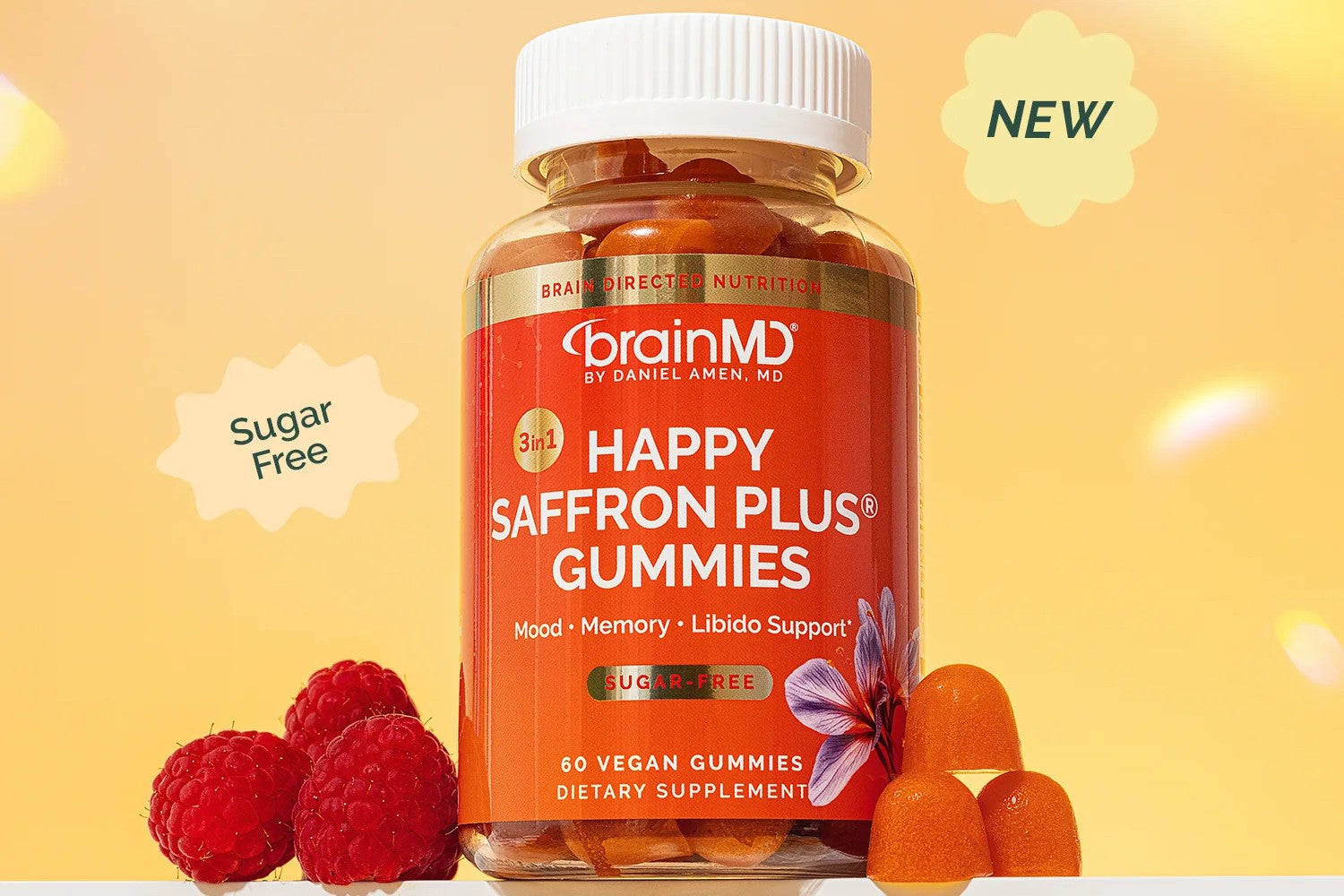
At certain moments, even the healthiest eater may have an overwhelming desire for a particular food – usually something high in sugar, carbohydrates, salt and/or fat. Many people experience food cravings; however, women appear to have them more often. A survey of 1,000 college students showed that nearly 100% of female participants and 70% of male participants reported experiencing food cravings over the past year. The problem is that for many people it’s extremely difficult to resist cravings. And if you’re trying to clean up your diet, improve your health, and shed extra weight, succumbing to these cravings can sabotage your efforts and dash your hopes of ever making lasting health changes. But it doesn’t have to be that way. With a little knowledge and nutritional support, you can learn how to master your cravings. Here’s how! Why Do I Crave Sweets? It’s no secret that people love sweet-tasting foods, but our cravings for them can go beyond our tastebuds. Researchers believe that humans may be genetically hardwired to prefer fat and sugar. That means that back in our hunter-gatherer days when food sources were uncertain, we became evolutionarily wired to prefer fatty and sweet tastes because they’re a very efficient source of energy. Consuming sweet and fatty foods meant greater chances for survival. Our evolutionary preferences have yet to catch up to the fact that sugary/fatty foods are everywhere and consuming an abundance of them is no longer necessary. An abundance of research also has determined that sugar triggers the release of dopamine and excites the same pleasure and motivation center of the brain that drugs like cocaine and heroin do. This powerful area of the brain provides the passion and motivation that drives your behavior. Like a pleasure button being hit over and over again, every bite of a sweet treat you eat activates this area. But if it gets overused, you need more and more of the substance to get the same effect. Our emotions can get tied to sweet foods as well. The freshly baked cookies you made with your mother as a child holds a place in your brain deep within the limbic system. When you’re seeking nurturing, comfort, and belonging...these memories attached to certain foods can produce a craving. Once you’re aware of what’s driving your food cravings, you can take the next steps to help you successfully overcome them and maintain a healthy diet. Here are 4 ways to master your cravings. How to Cut Sugar Cravings Naturally 1. Balanced Blood Sugar Keeping your blood sugar balanced is one of the best things you can do for overcoming cravings. That’s because healthy blood sugar is tied to healthy blood flow. When it comes to controlling cravings, it’s vitally important to have a healthy supply of blood circulating through your brain’s prefrontal cortex (PFC). Your PFC plays a critical role in your self-control, impulse control, and judgment. The PFC essentially acts as the brain’s “brake” on behavior that might harm you. When it’s working optimally, it reminds you that eating cookies isn’t in your best interest and may even harm you. You can keep blood sugar balanced by eating frequent meals (5-6) throughout the day, and by including lean protein and healthy fat in them. Be sure to eat protein for breakfast (even if you don’t feel like it) as it will set you up for stable blood sugar levels throughout the day. Stay away from high sugar/high-fat foods, as well as refined carbs and processed foods, white bread, and white rice. They can spike blood sugar levels and reduce blood flow to your brain. They also activate the addictive/pleasure centers of the brain ensuring more food cravings. 2. Combat Stress Stress drives food cravings. Do everything you can to keep stress levels down with relaxation. Some of the best ways to do this is by getting regular exercise, practicing yoga or meditation, not rushing, practicing deep breathing, and engaging in hobbies and pursuits you enjoy. 3. Restful Sleep Make sure you get 7-9 hours of restful sleep each night. Poor sleep and sleep deprivation affect the levels of hunger and appetite hormones, which can create food cravings. Also, fewer than 6 hours of sleep is associated with a dramatic reduction of blood flow to the brain. Poor blood flow leads to poor decision-making and judgment, making cravings hard to resist. 4. Take Targeted Supplements Nutritional supplements can go a long way toward keeping cravings in check – especially if they’re formulated to manage the mechanisms that drive food cravings. At BrainMD, we’re proud to recommend… Naturally Cut Your Sugar Cravings for Good Craving Control contains chromium and alpha-lipoic acid, two important nutrients for healthy blood sugar metabolism and utilization. Balanced blood sugar is necessary for healthy blood flow and optimal brain function. Healthy brain function will help give you the resolve to resist food cravings. As stress is a risk factor for food cravings, Craving Control includes l-glutamine, an amino acid that can become depleted during times of prolonged stress or intense exercise. L-glutamine is thought to help support healthy blood sugar levels as well. The formula also includes n-acetylcysteine (NAC), which is a powerful antioxidant and vasodilator, which means that it helps to relax your blood vessels. Relaxed blood vessels deliver more blood flow to the brain, helping it to work optimally. The addition of dl-phenylalanine helps promote alertness, mood, and appetite control as it plays a role in the synthesis of three key brain neurotransmitters: dopamine, norepinephrine, and epinephrine. Master Your Cravings These basic steps can help you get a better grip on your food cravings. If you’re new to a healthier eating plan, know that it gets easier over time. Sugar cravings should gradually reduce within the first couple weeks of coming off sweets. At BrainMD, we’re dedicated to providing the highest quality supplements to improve your physical health and overall well-being. For more information about Craving Control and our full list of brain healthy supplements, please visit us at BrainMD.
Learn more
What's Inside Vegan Omega-3 Power? Learn From Our Formulators About Pure Algae Omega-3s!
CAS BioSciences – our partner in developing Vegan Omega-3 Power – is the gold-standard manufacturer globally for first-in-class and best-in-class botanically derived and omega-3 lipid-derived ingredients. Their research and product development teams are responsible for the development of close to 1,000 naturally-derived ingredients, as well as countless successful finished product formulations that are utilized by major brands spanning the globe. Today, we’re sitting down with prolific Omega‐3 Fatty Acids and chair of CAS BioSciences’ Omega‐3 Fatty Acids Science Initiatives Committee Feng Zhao, PhD, for a masterclass on EPA, DHA, and the importance of omega-3s, and getting an inside look at the revolutionary technology used to make Vegan Omega-3 Power. An Interview With The Formulators Of The World’s Purest Vegan Omega-3 Supplement BrainMD: How long did it take to develop Vegan Omega-3 Power? Dr. Zhao: The PureAlgaeOmega3™ Oil used in this BrainMD®'s Vegan Omega-3 Power is made using a proprietary, solvent-free, low-temperature, singular closed-loop system, that took multiple years to develop and get to commercial scale. The particular grade of PureAlgaeOmega3™ Oil that is used in BrainMD'®s Vegan Omega-3 Power took ~18 months to develop. The actual vegan (non-animal) PlantGel™ softgel shell also took over ~12 months to develop. The final product under BrainMD® Vegan Omega-3 Power was about ~6-7 months from inception to completion. BrainMD: What makes Vegan Omega-3 Power different from other vegan omega supplements? Dr. Zhao: Almost all vegan Omega supplements are either lower potency DHA only - or a 'precursor' to DHA/EPA - ALA only - or some combination thereof, made using a very antiquated process route called "molecular distillation". Very few products contain vegan EPA and DHA, respectively, as their sole basis for the content of Omega-3s. Additionally, BrainMD® Vegan Omega-3 Power gets all of its Omega-3 content from the preferred Triglyceride (TG) form EPA and Triglyceride (TG) form DHA, respectively. The 1,100mg of vegan Omega-3s, per serving, from Triglyceride form EPA/DHA exclusively, makes BrainMD® Vegan Omega-3 Power the highest commercially available product, on a per serving basis, that we are aware of. BrainMD: Why is a high concentration of EPA important? What does EPA do? What does DHA do? Dr. Zhao: The provided primer from US FDA's Office of Dietary Supplements gives a good basic overview, and there's also a wealth of information on Omega-3 Supplements here. BrainMD: Vegan Omega-3 Power utilizes advanced MSET™-Lipid™ technology and low-temperature processing to prevent decomposition and oxidation. Can you tell us a little more about this revolutionary technology and how it works? Dr. Zhao: As noted above, the process is a proprietary, solvent-free, low-temperature, singular closed-loop system, that is predicated on the principals of speed and pressure, among other factors, to separate the complex composition matrix that is present in deep sea-derived marine lipids and allow for concentration of individual Omega-3 Fatty Acids, such as EPA and DHA, respectively, on a weight-to-weight basis and relationship to one another. BrainMD: From a sustainability standpoint, how is Vegan Omega-3 Power setting and exceeding global quality standards? Dr. Zhao: It has virtually zero carbon impact/footprint. The starting algae strain is cultivated on land, in pharma-grade vessels, from cell stock, and doesn't deplete related resources. Couple this with the no solvent, earth-friendly manufacturing process route, and it's easy to see why the same is Aquaculture Stewardship Council CoC Certified for sustainability and environmental factors. BrainMD: Why is Vegan Omega-3 Power a better choice than flax oil, chia seed, hemp, and other plant sources of omega-3s? Dr. Zhao: I'd refer back to previous questions/answers, as well as the US FDA link. Additionally, the noted terrestrial plant sources all contain forms of "Omega-3s" that do NOT include EPA and DHA, respectively. It's globally recognized that EPA and DHA are the primary and most important Omega-3 Fatty Acids. BrainMD: Is vegan omega-3 better than fish oil? Dr. Zhao: It's not 'better' or 'worse' from a technical perspective; what it is is a way for those that don't want animal/fish product as part of their diet to experience the benefits of EPA and DHA, respectively, which is highly important for overall health and wellness, as demonstrated over many decades of important research work product. Additionally, PureAlgaeOmega3™ provides a source of EPA and DHA that is free of the environmental toxins and pollutants often associated with fish-derived Omega-3s. BrainMD: Why is it smart to take a high-quality omega-3 supplement daily? Dr. Zhao: Again, I'd refer back to previous questions/answers, as well as the provided US FDA link, as to why EPA and DHA, respectively, can be highly contributory to overall health and wellness. Thank you, Dr. Zhao! Is there a question we haven’t answered? Please share it in the comments. About Feng Zhao, PhD: Dr. Zhao is an Associate Professor, Institute of Nutrition and Health, Qingdao University, and prolific Omega‐3 Fatty Acids researcher, globally. In addition, Dr. Zhao is Director of International Society of Omega‐3 Research (ISOR), organizing committee member of International Society for the Study of Fatty Acids and Lipids (ISSFAL), Director of the Nutrition and Food Branch of the Chinese Society of Gerontology and Geriatrics. Dr. Zhao received his PhD in Bioinformatics at University of Chicago, and received his Postdoctoral in Lipid Research at Harvard Medical School. Dr. Zhao is a protégé of Artemis P. Simopoulos, M.D., Founder and President of the Center for Genetics, Nutrition and Health, and former Chair of the Nutrition Coordination Committee at the National Institutes of Health (NIH), among other posts. Dr. Zhao chairs CAS BioSciences’ Omega‐3 Fatty Acids Science Initiatives Committee, and serves as a special advisor directly to the Executive Chairman of CAS BioSciences, among other interests. At BrainMD, we’re dedicated to providing the highest purity nutrients and standardized herbal ingredients to support your overall well-being. For more information about Vegan Omega-3 Power and our full list of supplements, please visit us at BrainMD.
Learn more
Best Vegetarian & Vegan Friendly Omega-3 Supplement: Introducing Vegan Omega-3 Power!
Getting enough healthy fats in your diet can have lasting benefits for your health. One of the best sources of healthy fats is omega-3 fatty acids. Omega-3 Basics Omega-3s are vital for our nerve cells and other brain cells to make and maintain the trillions of connections that our brain uses for information processing. They’re also crucial for all our cells to make the energy they need to function. Omega-3 fatty acids are essential, meaning your body needs to get them from your diet. Unfortunately, today’s modern diet is typically low in omega-3-rich foods (which include fish, grass-fed meats, nuts, seeds, and dark leafy greens) and high in omega-6-rich foods with saturated fats and oils (corn, safflower, soybean, sunflower, cottonseed, peanut, etc.). This is why it's so important to take omega-3 supplements daily for whole body nutrition. What Are EPA and DHA? Omega-3 fatty acids EPA (eicosapentaenoic acid) and DHA (docosahexaenoic acid) are essential to the functioning of all our 30 trillion cells. Clinical research documents their benefits for brain and body health. The main dietary sources of EPA and DHA are cold-water fish and dietary supplements. Considering the widespread contamination of seafood by mercury and other toxic contaminants, taking a purified fish oil supplement (like BrainMD’s Omega-3 Power and Omega-3 Power Squeeze) could be a smart choice. Plant Sources Though many plant oils are being promoted as sources of omega-3s, land plants don’t make EPA or DHA. The only way for us to get enough of them is through foods or supplements. A few plant foods have omega-3 alpha linolenic acid (ALA), an omega-3 fatty acid that’s important for our heart health. But it’s hard for the body to convert ALA into EPA and DHA. The best estimates are that only about 5 mg of DHA can be made from 1000 mg of ALA. Also, some people have enzyme mutations that make this conversion process complicated, if not impossible. This means that if you’re only eating plants, you may be getting ALA, but not enough EPA and DHA. So, how can you get enough omega-3s in your diet if you’re vegan or vegetarian and don’t like the fishy flavor of fish oil supplements? Vegetarian & Vegan Omega-3 Supplements Vegan Omega-3 Power is a vegan algal oil capsule, customized for children and adults. It supplies clinically effective doses of omega-3s (700 mg EPA and 300 mg DHA), nutrients that are practically vitamins since the body can’t make them in the sufficient amounts needed to meet its requirements.* Omega-3s and the Brain The brain’s nerve cells (neurons) are the body’s largest cells and therefore have considerable cell membrane area. Neuronal membranes contain very little EPA, but this could be due to high EPA turnover related to messenger activity. Neurons are highly enriched in DHA, especially where they come together to communicate at synapses. There are trillions of synapses in the brain. DHA’s fluidity is essential for synapses. By making synaptic membrane fluid, DHA facilitates their neurotransmitter packaging, release, and receptor actions. Omega-3s and the Heart There’s widespread acceptance for the cardiovascular benefits of EPA and DHA, especially their support for healthy heart function, healthy blood pressure regulation, and healthy triglyceride regulation. Numerous health agencies worldwide recommend EPA and DHA for promoting and enhancing cardiovascular health. The Omega-3s for Immune Support The immune system is the body’s security force. Its mobile cells patrol the tissues, backed up by the lymphatic system, bone marrow, spleen, and thymus. Under healthy conditions it helps “keep the peace.” When the body is invaded, it goes on full alert to eliminate the threat. EPA and DHA support healthy immune responsiveness. Immune cells on guard in the skin, lungs, and other tissues can become overly sensitive to non-living invaders such as pollen, dust, pollutants, even substances in common foods. Other Benefits of Omega-3s Omega-3’s EPA and DHA have been well studied and have many positive actions for the brain and body. Here are just a few parts of the body that can benefit from omega-3s: Blood Vessels – EPA and DHA are important for blood vessel function. The one-cell thin inner lining of the vessels (“endothelium”) makes messengers from EPA and DHA. EPA and DHA supplementation can improve blood vessel contraction – relaxation and flexibility capacities. Eyes – The retina’s sensory cells contain rhodopsin, a membrane protein that responds to light by making cyclic shape changes thousands of times per second. Rhodopsin molecules are bathed by DHA in the cell membranes, which allows them sufficient fluidity for such freedom of movement. EPA and DHA have improved retinal function in various randomized controlled trials (RCT). Joints – Immune system activity in which immune cells attack the body’s own tissues has been linked to joint problems. A 2012 meta-analysis suggested EPA and DHA supplementation at or above 2.7 grams per day could improve comfort in patients who had joint pain. Liver – The liver is the body’s workhorse organ. One of its jobs is to manage blood triglyceride levels, but sometimes these fats accumulate within the liver itself and can cause damage. Three meta-analyses indicate EPA and DHA supplementation can help to lower fatty buildup in the liver. Vegan Omega-3 supplements are also important for mood support and a healthy pregnancy. VEGAN OMEGA-3 INGREDIENTS Natural, algal oil from marine algae. Contains 700 EPA and 300 DHA per serving of 2 tablets, making it a comparable source of omega-3s without environmental harm. This sustainable form of marine algae oil gives the perfect ratio of EPA to DHA for optimal absorption. “You asked for it, we created it — a powerful vegan version of our popular omega-3 supplements that delivers the EPA and DHA you need.” Daniel G. Amen, MD Founder of BrainMD & Amen Clinics Vegan Omega-3 Power FAQ Here are the most frequently asked questions about BrainMD's Vegan Omega-3 Supplement. How do I take Vegan Omega-3 Power? Age 4 and up: take 2 capsules per day or as directed by a nutritionally-informed healthcare provider. Who can benefit from taking Vegan Omega-3 Power? Practically everyone, including those following a plant-based diet. Can this supplement make me dependent on it, or addicted? No. Like other BrainMD products, this is a dietary supplement, not a drug, and isn’t habit-forming.* Is this product safe to take during pregnancy? Yes! This omega-3 supplement is a great addition to any pregnancy diet.* Taking omega-3s during pregnancy has been shown to improve fetal outcomes and brain development.* What other supplements would make Vegan Omega-3 Power work even better? Taking BrainMD’s NeuroVite Plus Multivitamin can help ensure you're getting the core essential nutrients your brain and body needs.* What makes this product different from the competition? Unlike other omega-3 supplements, many of which are created with fish oil that isn’t sustainably sourced, Vegan Omega-3 Power is 100% vegan, non-GMO, and clinically proven for better absorption.* This product contains algal oil from Pure Algae, a company whose mission it is to farm only the best marine algae without harming the ocean life around it. NOTHING FISHY ABOUT THESE OMEGA-3S Omega-3 fatty acids are important for health and longevity. While it’s possible to get some omega-3s from your diet, those who don’t regularly consume fish and vegans may benefit from taking a high EPA and DHA omega-3 supplement. If you’re searching for a sustainably sourced, full-spectrum EPA and DHA supplement without the fishy aftertaste, algal oil may be the answer. Get all the benefits of fish oil without the fish!* At BrainMD, we’re dedicated to providing the highest quality supplements to improve your physical health and overall well-being. For more information about Vegan Omega-3 Power and our full list of brain healthy supplements, please visit us at BrainMD. *These statements have not been evaluated by the FDA. This content is for informational purposes only. It is not meant to substitute for medical or healthcare advice from a physician, nor is it intended to diagnose, treat, cure, or prevent any disease. Consult your healthcare provider before beginning a new health regimen.
Learn more
Here Are 3 of the Top Health Benefits of Apple Cider Vinegar
It may seem like a new fad, but apple cider vinegar (ACV) has been valued as a health remedy for millennia. The Babylonians made vinegars for culinary and healing purposes up until the 6th Century B.C. Greek physician Hippocrates, considered the father of medicine, documented the use of ACV in combination with honey to combat infection and help protect open skin wounds. Today, natural health enthusiasts are touting ACV as a panacea health food, claiming it supports weight loss, healthy blood sugar levels, skin health, digestive issues, detoxification, and more. Below are several health benefits of apple cider vinegar – some backed by research, and others yet to be proven. But before we get to that, let’s discover what exactly ACV is! What Is Apple Cider Vinegar (ACV)? To make apple cider vinegar, yeast is introduced to crushed apples, which causes fermentation, turning the fruit sugar into alcohol. Then, adding bacteria continues the fermentation process, turning the alcohol into acetic acid, which is ACV’s main active compound. The acetic acid gives vinegar its strong, sour taste and antimicrobial properties. Additionally, organic unfiltered apple cider vinegar contains what’s called “the mother,” which appears as natural strands that form within the vinegar, giving it a murky color. It’s loaded with health-promoting probiotics. ACV is rich in B-vitamins and polyphenols, and contains several minerals, enzymes, and amino acids. Apple cider vinegar is typically used in salad dressings, marinades, pickling, baking, and cooking. For health purposes, a teaspoon or tablespoon of ACV is usually diluted in water to drink or use topically. 3 of the Top Health Benefits of Apple Cider Vinegar! While the research on apple cider vinegar’s health benefits is limited, below are the most notable health benefits that science supports. 1. Helps Stabilize Blood Sugar Levels Although a healthy diet low in sugar and refined carbohydrates is the best way to naturally support healthy blood sugar levels, ACV may provide additional help. A small study published in Diabetes Care suggested that taking ACV with a high carb meal could improve insulin sensitivity by 19-34%, as well as support healthier blood sugar levels and insulin response. Another study showed that when subjects with blood sugar issues took 2 tablespoons of apple cider vinegar before bed (diluted), their fasting blood sugar levels went down by 4% the following morning! 2. Antimicrobial Action Research shows that ACV has potent antimicrobial properties – on certain bacteria, yeast, and fungal growths. Hence, it has a long history of being used as a disinfectant and natural preservative in pickling and foods. Its antimicrobial action also can be beneficial to human health. Traditionally, ACV has been used to help clear up nail fungal growth, promote wound and skin healing, and as a mouthwash. Some suggest that it can be helpful in fighting fungi and bacteria that may play a role in scalp and skin health issues too. 3. Aids Weight Loss Consuming vinegar appears to increase feeling of fullness, which can lead to taking in fewer calories and losing weight. A Japanese study involving 175 obese subjects found that consumption of vinegar was associated with reduced body weight (albeit modest), visceral and subcutaneous fat mass, and even triglyceride levels – all without causing adverse effects. Another study showed that subjects who took vinegar with a high-carb meal felt fuller, which lead to consuming fewer calories and weight loss. A 2018 study using apple cider vinegar randomly assigned subjects to follow a calorie deficit diet for 12 weeks with and without ACV. Both groups lost weight, but the apple cider vinegar group lost more. Additional Purported Benefits of ACV While no human studies have proven these additional health benefits of ACV, traditional use and anecdotal evidence suggest they may be valuable to human health. These other purported benefits of ACV include: Animal studies indicate that apple cider vinegar may help to lower cholesterol and triglyceride levels, as well as several other heart health issue risk factors, such as healthy blood pressure Polyphenols may help to alleviate joint pain and swelling. Some believe that ACV’s high polyphenol content and anti-inflammatory properties could help people who suffer with joint pain. The probiotics present in ACV are thought to help support healthy digestion and gut health. How to Safely Drink ACV Recommendations for the best time to drink ACV vary. Some health experts suggest having it first thing in the morning as it helps to populate your gut with healthy bacteria and supports a balanced and nourished microbiome. Others suggest taking a tablespoon or two after meals. Though health experts generally see ACV in the diet as safe, there are a few caveats: ACV should be diluted. Its high acidity can damage tooth enamel or cause stomach upset when taken “straight.” Consuming it diluted in water or in a vinaigrette salad dressing is preferable. It can cause or worsen low potassium levels. This is especially important to note for those who take medications that also affect potassium levels. Vinegar can affect insulin levels. People with blood sugar issues should consult a doctor before increasing vinegar in their diet. Try ACV! The best way to experience the benefits of ACV is to try it, take it consistently, and adhere to the caveats. Be sure to talk to a medical doctor before taking ACV! At BrainMD, we’re dedicated to providing the highest purity nutrients and standardized herbal ingredients to support your energy, focus and overall well-being. For more information about our full list of supplements, please visit us at BrainMD.
Learn more
Are Energy Drinks Bad for You? Here Are 5 Healthy Alternatives to Energy Drinks
In our fast-paced world, many of us are looking for ways to increase our energy. Unfortunately, when we’re exhausted, we often turn to things that give us a momentary boost in energy but end up leaving us even more depleted. These can include a sweet treat, cup of coffee, or caffeine-filled, sugar-laden energy drink. Prevalence of Energy Drinks Ever since they hit the market in the mid-80s, energy drinks have become one of the fastest-growing segments of the beverage industry. Global energy drink sales are expected to reach $53.1 billion by the end of 2022. They’re also projected to grow by 7.2% between 2022 and 2027. Energy drinks are the most popular “supplements” for U.S. teens and young adults, specifically young men between 18 and 34. But people (including many gamers) who subsist on a junk food and soft/energy drink diet are at a greater risk of developing severe health issues, both physically and mentally. Are Energy Drinks Bad For Your Health? It’s widely believed that energy drinks are bad for your health. These beverages contain large amounts of caffeine, sugar or artificial sweeteners, and other stimulants, all of which provide a temporary energy boost. Since they fail to fuel the body’s natural energy processes, the effects of these beverages are typically short-lived and can cause long-term problems for the brain and body. Regularly consuming energy drinks can lead to adverse effects, such as: Nervousness Headaches Upset stomach Irritability Sleep issues Rapid heartbeat Increased blood pressure Dehydration Additionally, a study conducted by The Mayo Clinic found that just one 16-ounce can of Rockstar Energy Drink caused an increase in norepinephrine (a stress hormone) by 74% and blood pressure by 6.4% in healthy volunteers.¹ So, what’s in energy drinks that makes them potentially harmful to your health? Energy Drink Ingredients As with food and supplements, it’s recommended that you always read the label of any beverage you consume. Let’s look at some of the well-known and lesser-known ingredients in energy drinks that may create negative side effects in your brain and body: Caffeine Drinking caffeinated beverages can lead to a temporary increase in alertness. However, excessive caffeine consumption can constrict blood flow to your brain and many other organs. Caffeine causes the release of adrenaline from the adrenal glands, putting the body into a stressful “fight or flight” mode. Caffeine also increases dopamine (a neurotransmitter) levels in the brain. Though caffeine isn’t nearly as potent as amphetamines, its effect on the brain is similar, which may explain why this stimulant/cognitive enhancer can be so addictive. Guarana Guarana (Paullinia cupana) is a plant native to the Amazon. Roughly the size of a coffee bean, guarana seeds are often used as a caffeine additive in energy drinks. According to research,² guarana seeds have about four times the amount of caffeine as coffee beans. That means the negative effects of caffeine (listed above) may be intensified by guarana. It’s important to remember that just because an ingredient like guarana is natural doesn’t mean it can’t have negative effects on the brain and body if taken in excess. Sugar Refined sugar is over 99 percent pure calories, with no vitamins, minerals, fats, or proteins – just carbohydrates that can spike blood sugar. This spike is typically followed by a crash, which can activate cravings for even more sugar. Excessive refined sugar consumption can create mineral deficiencies, interfere with the actions of calcium and magnesium, trigger an unhealthy inflammatory response, increase erratic brain cell firing, and may even cause aggressive behavior. Sugar consumption has been associated with mood issues and attention problems. Research published in the British Journal of Sports Medicine demonstrates that sugar’s effect on the brain is like that of certain illegal drugs.³ Taurine An amino acid, taurine acts as a stimulant to help enhance mental and physical performance. It supports the adrenal glands and is crucial for coping with stress. The standard American diet provides 120-180 milligrams of taurine daily. According to the Cleveland Clinic Journal of Medicine, consuming an 8-ounce energy drink can increase daily intake of taurine 6 to 16 times.⁴ When paired with caffeine in energy drinks, taurine may increase heart rate and blood pressure. If you have low energy and want a natural boost, what should you drink instead of a beverage loaded with caffeine, sugar, and other harmful ingredients? Try these five healthy, energy-enhancing beverage options! 5 Healthy Alternative Energy Drinks to Energize Your Day Brain Boost On-The-Go Brain Boost On-The-Go was created for people who don’t like drinking plain water all day, or who simply want some variety when seeking healthy hydration.* Instead of drinking a high sugar, caffeinated energy drink that will lead to an energy crash, opt for the smarter choice.* Brain Boost On-The-Go has a variety of brain-healthy nutrients to increase your energy level and overall sharpness.* Whenever your brain needs a safe, swift pick-me-up, you can count on Brain Boost On-The-Go to provide the natural brain energizers that will help you feel sharp and focused.* Ginger Tea Ginger tea is made from ginger root. In the Ayurveda tradition, ginger is widely revered as a food, spice, and medicine. It helps improve circulation, is protective for the brain, and is especially sought out for its digestive benefits and its capacity to counter nausea, including motion sickness. Instead of downing an energy drink, have some ginger tea instead. Ginger is a mild stimulant and its spiciness, similar to hot peppers, will help food be converted to energy faster. Ginger tea is also filled with antioxidants and nutrients that can give you an energy boost. Protein Shakes/Smoothies Proteins are integral components of every cell in your body. Thousands of protein enzymes are required for the healthy growth and functioning of all the cells, tissues, and organs in your body. Protein insufficiency can lead to feeling weak and fatigued, so drinking a high-quality protein shake or smoothie can help increase your protein levels and give you an energy boost. Keep in mind that protein requires carbohydrates to produce energy, so add some fruit, dark leafy greens, and coconut water or unsweetened almond milk with 15-20 grams of protein powder into your smoothie for sustained energy. Water Water is a nutrient your body needs. As with other nutrient deficiencies, failing to drink enough water can create problems for your brain and body. Even mild dehydration can impair performance in tasks that require attention, immediate memory skills, and physical performance. Unfortunately, many people suffer from mild dehydration and don’t even know it. One of the symptoms of dehydration is fatigue. If you’re struggling with low energy, drinking water may help you feel refreshed and more energetic. When searching for natural beverages to boost your energy, make water your first choice! Wheat Grass Juice A daily shot of wheat grass juice is another great way to increase your energy. One ounce of wheatgrass has 20 amino acids, 91 minerals, and is 70% chlorophyll.⁵ This power-packed tonic is a great way to get a quick shot of energy and nutrients. Many studies suggest that wheatgrass improves blood flow, digestion, and detoxification. Its easy digestibility and rapid absorption make it an exceptional, natural energy enhancer. Clean, Natural Energy To be successful in today’s world, you need a clear mind, sharp focus, and clean energy.* If you’re looking for long-lasting energy, these healthy beverages are excellent choices.* Unlike the energy rollercoaster, you can experience with coffee or energy drinks, there’s no dramatic drop in mood and energy with these naturally refreshing beverages.* Make the switch to these healthy energy drinks today. Your brain and body will thank you! At BrainMD, we’re dedicated to providing the highest quality supplements to improve your physical health and overall well-being. For more information about Brain Boost On-The-Go and our full list of brain healthy supplements, please visit us at BrainMD. *These statements have not been evaluated by the FDA. This content is for informational purposes only. It is not meant to substitute for medical or healthcare advice from a physician, nor is it intended to diagnose, treat, cure, or prevent any disease. Consult your healthcare provider before beginning a new health regimen. References: 1. Svatikova, A., Covassin, N., Somers, K. R., Somers, K. V., Soucek, F., Kara, T., & Bukartyk, J. (2015). A randomized trial of cardiovascular responses to energy drink consumption in healthy adults. JAMA, 314(19), 2079–2082. https://doi.org/10.1001/jama.2015.13744 2. Moustakas, D., Mezzio, M., Rodriguez, B. R., Constable, M. A., Mulligan, M. E., & Voura, E. B. (2015). Guarana provides additional stimulation over caffeine alone in the planarian model. PLOS ONE, 10(4), e0123310. https://doi.org/10.1371/journal.pone.0123310 3. DiNicolantonio, J. J., O’Keefe, J. H., & Wilson, W. L. (2018). Sugar addiction: Is it real? A narrative review. British Journal of Sports Medicine, 52(14), 910–913. https://doi.org/10.1136/bjsports-2018-099501 4. Caine, J. J., & Geracioti, T. D. (2016). Taurine, energy drinks, and neuroendocrine effects. Cleveland Clinic Journal of Medicine, 83(12), 895–904. https://doi.org/10.3949/ccjm.83a.15050 5. Bangera, D., Sikalgar, F. R., Shetty, P. P., Alva, R., Paul, Y., & Muralidharan, S. (2025). Therapeutic potential of wheatgrass juice: A comprehensive narrative review. Journal of Pharmacy & Bioallied Sciences, 17(Suppl 1), S152–S154. https://doi.org/10.4103/jpbs.jpbs_179_25
Learn more
What You Need to Know About USDA Organic and Non-GMO Foods
One way to protect your brain and body health is to be discerning about how the food you consume is cultivated. Thankfully, there are two important labels that can tell you a lot about the health, safety, and environmental impact of a particular food product: USDA Organic and Non-GMO. Here’s what you need to know about these labels, and why they matter. What Does Organic Mean? Unlike fluffy marketing terms like “all-natural,” “sustainable,” or “locally grown,” the term “organic” is actually a legal one that carries some weight. Products labeled as organic must meet the organic label requirements established by the USDA’s National Organic Program (NOP). Certified organic foods and food ingredients are grown or raised on organic farms that meet rigorous requirements and are inspected by USDA-approved certifiers. Organic farms are then required to be inspected annually to ensure continued compliance. Certified organic produce or food items will have the USDA Organic seal (pictured right). It’s sometimes accompanied by a seal from one of the USDA organic certifying agents, which vary in design. Additionally, you may see the claim “100% Organic” or simply “Organic” featured on a food product’s front display panel. Only food products with 95% or more organic ingredients that have met the legal requirements for organic labeling can feature the organic claims on the front label and the USDA Organic seal. The claim “Made With Organic ___” on a product label indicates the product has at least 70% organic ingredients. In cases with less than 70% organic ingredients, a product will use “organic” for the organic ingredient on the ingredient panel. For products using either of these organic claims, no USDA Organic seal is used. Among the many criteria to be met for organic certification, here are some of the requirements most pertinent to consumers. For plant foods/ingredients: Must be grown without the use of pesticides, synthetic fertilizers, and genetically modified organisms (GMOs) for three years or more prior to harvesting. Farm must have a buffer zone surrounding the area to protect against chemical contamination. Farm must conserve and enhance biodiversity, care for soil health, minimize erosion, and use environmentally sound practices for managing fertility, weeds, diseases, and insects. No use of sewage sludge or irradiation. Must adhere to a strict list of permissible substances to safeguard crops, called the National List. For animal-based foods/ingredients: Diet must use organically-grown feed (without animal byproducts) only and no synthetic hormones or antibiotics. Must be raised in clean, safe living conditions accommodating natural animal behaviors (like the ability to graze on pasture or have access to outdoor space). Must not be confined in such a way that prevents lying down, standing up, fully extending limbs, and moving about freely. No animal cloning. Why Buy Organic? Many consumers buy organic for health reasons and/or because it’s better for the environment. Research shows that organic produce may be better for human health as it contains greater concentrations of important nutrients (such as antioxidants, omega-3s, polyphenols, etc.) and far less harmful pesticide residue than conventionally grown produce. Organic farming is widely recognized for being more sustainable than conventional farming because it lacks harmful chemical pesticides and employs greater biodiversity, which means better soil quality and reduced pollution from synthetic fertilizer. Another consideration: conventionally grown livestock involves an added carbon footprint from imported feed that’s absent in organic production. Non-GMO Labeling You’ve likely seen the Non-GMO Project Verified seal (pictured right) on the display panel of numerous products. It’s the most rigorous and commonly used non-GMO verification. To fully appreciate this third-party verification, it’s important to understand what GMOs are and the concerns consumers have about them. About GMOs GMOs are living organisms whose genetic material has been manipulated artificially in a lab via genetic engineering. This creates combinations of plant, animal, bacterial, and viral genes that aren’t found in nature or even through crossbreeding techniques. In agriculture, GMOs have been artificially engineered to withstand the direct application of certain herbicides and/or to produce an insecticide. There’s also a new class of GMOs being used to develop other features artificially, such as resistance to browning in potatoes for greater consumer appeal, as well as to make new organisms. Why GMOs Are Concerning The Frankenstein-ish aspect of GMOs makes many consumers uncomfortable, especially since the long-term health consequences of consuming GMO foods is unknown at this time. Some believe that the genetic-engineering process may cause unnatural alterations in a plant’s metabolic pathways or its own naturally occurring proteins, which may lead to the production of toxins or allergens in food. However, this hasn’t been proven. While numerous research articles have pointed to GMO safety, the tentative conclusions in these studies contain various caveats, such as “no overt consequences” and “no effects on human health have been shown,” which suggest that GMO safety hasn’t been proven. Also worth considering is that more than 80 percent of all GMOs grown around the globe are genetically modified for herbicide tolerance, resulting in greater herbicide use. The toxic herbicide Roundup has increased dramatically since GMOs were introduced. GMO crops have additionally played a role in creating “superweeds” and “superbugs,” which require potent toxic poisons to be controlled. There are political/ethical issues too. Giant biotech companies have been able to obtain patents on GMO seeds, which gives them absolute control over their product. Critics say that farmers face severe financial hardships due to having to repurchase GMO-patented seeds annually. Perhaps most unsettling of all, once GMO seeds are released into the environment, they can’t be recalled. GMO Foods GMOs have already infiltrated our food supply. According to the USDA, U.S. genetically modified crops include: soybeans, corn (field and sweet), canola, cotton, alfalfa, sugar beets, summer squash, papaya, apples, potatoes, and some varieties of eggplant, pineapple, and salmon. GMOs are commonly found in sugars, syrups, oils, emulsifiers, and other additives. About 80% of processed foods contain GMOs, according to some estimates. Additionally, corn and soy make up the bulk of the feed consumed by cattle, hogs, and poultry, and alfalfa is a major component in the diet of dairy cows. Starting earlier this year, some GMO foods were required by the USDA to disclose on labeling that they’re “bioengineered.” In its infancy, USDA bioengineered labeling doesn’t apply to all GMO foods, and thus the Non-GMO Project Verified seal is more informative for those wanting to avoid GMOs. Non-GMO: What Does It mean? Non-GMO Project Verified products comply with the Non-GMO Project Standards, which essentially means they’re produced without genetic engineering or genetically engineered ingredients. The standards include stringent provisions for testing, traceability, and segregation. The Non-GMO Project tests products and spot checks at different points in the supply chain along with yearly inspections for ongoing compliance. Organic vs. Non-GMO You may be wondering why non-GMO verification is needed when organic certification already doesn’t allow GMOs. The answer is that non-GMO verification builds on the work of organic certification by adding measures of ongoing testing of high-risk ingredients and important control points. It adds an extra layer of vetting and protection for GMO avoidance. Read the Label The next time you go shopping, you may want to look for the USDA Organic and Non-GMO Project Verified seals. In addition to helping safeguard your health and protect the environment, buying certified foods supports the existence of more organic and non-GMO foods. And don’t forget that these certifications are used in supplements, personal care products, and even textiles that use organic or non-GMO ingredients. At BrainMD, we’re dedicated to providing the highest purity nutrients and standardized herbal ingredients to support your energy, focus and overall well-being. For more information about our full list of supplements, please visit us at BrainMD.
Learn more
Testosterone for Women: Here's Why It's So Vital to Your Health!
Did you know that testosterone isn’t just a male hormone? Both men and women have testosterone. In fact, men and women have virtually identical types of hormones. The relative amounts of the various hormones can differ, and traditionally assigned gender differences often come from these variances in hormone levels. Testosterone for Women "Women overlook the need for testosterone.” - Tana Amen, BSN, RN People tend to think of testosterone as an exclusively male hormone, but women produce and need testosterone too, just at lower levels. Healthy testosterone levels in women help support: fertility sex drive menstrual health breast and vaginal health bone density muscle mass mood memory motivation In both men and women, testosterone helps protect the nervous system and helps ward off low mood and serious cognitive and memory issues. Testosterone is the primary hormone responsible for libido in men, and likely helps maintain libido in women. The #1 complaint of women with low testosterone is decreased libido, which is why many women seek out libido supplements to help balance this hormone. Hormonal Imbalances The human body produces hundreds of hormones, but the following five probably have the most direct influence on brain/mental health: thyroid (energy regulation), melatonin (sleep patterns and 24-hour cycling), estrogen (cognition and mood), progesterone (sexual behavior, stress, and mood), and testosterone (mood, motivation, sexuality, and strength). When hormones are healthy, you tend to feel vibrant and energetic. When hormones are off kilter, you’re likely to feel less than optimal. This may change the way you think, feel, and act. There are many potential causes of hormonal imbalances in both men and women. The most common causes are diet, stress, environment, age, and lifestyle. Women are more likely to experience imbalances in estrogen, progesterone, and thyroid. In men, low testosterone levels are common. However, both women and men can have imbalances in other hormones that affect the brain, especially as they age. Testosterone and Aging Like many hormones, testosterone levels decrease with age. The aging process can leave some with low testosterone levels, which may increase feelings of anxiousness, mood issues, and a host of other issues. Testosterone also can be prematurely reduced (at any age) by long-term stress, environmental pollutant exposures, insulin imbalance, narcotic use, and many other lifestyle factors. Women experience the most dramatic hormonal shift with menopause. At around age 50, women stop menstruating and their ovaries stop producing the hormone estrogen. As a result, women can experience a number of symptoms, including hot flashes, fatigue, vaginal dryness, and lower libido. Low levels of estrogen and other changes related to aging (such as weight gain) can raise a woman’s risk of heart health issues, cerebrovascular problems, and bone mineral density loss. Low estrogen and testosterone may affect cognitive decline later in life, too. Reducing sugar intake and regularly engaging in weight-bearing exercises are effective lifestyle factors that can help mitigate the effects of testosterone reduction. But you can get nutritional support too! Both men and women can naturally support testosterone levels with BrainMD’s new testosterone supplement… Brain-T MAX Brain-T MAX is a unique supplement that provides nutritional and herbal support for healthy testosterone levels.* Among its key health benefits, Brain-T MAX can help support: healthy testosterone levels in men and women* cognitive function and brain health* energy, stamina, strength, and vitality* healthy levels of the stress hormone cortisol* immune function* Brain-T MAX delivers clinically proven ingredients that have been shown in research studies to naturally increase testosterone, a hormone essential for physical and mental well-being.* Brain-T MAX Ingredients This unique supplement uses natural herbs to help support the endocrine system.* It supplies clinically effective doses of… KSM-66® Ashwagandha Root Extract A patented ashwagandha extract that improves sexual function in women, KSM-66 has been shown to increase testosterone levels at dosages of 600 mg per day.* LJ100® Tongkat Ali Extract A standardized extract of Tongkat Ali, an herbal supplement that may benefit physically active male and female seniors, LJ100 improves testosterone levels and sexual function at a dosage of 200 mg daily.* Testofen® Fenugreek Extract A standardized extract of fenugreek, Testofen has been shown in clinical studies to increase testosterone levels at a dosage of 600 mg daily.* Zinc (as glycinate) Found to increase testosterone levels in people who are low in this mineral, zinc glycinate is a highly bioavailable form of zinc.* These ingredients work together to support healthy circulatory testosterone levels in the body.* What Others Are Saying “I had low energy, lack of motivation in things I previously enjoyed and when I took the Brain-T MAX it helped not only with energy and motivation but also improved my mood overall and created an overall sense of calm.” “Works for me. I’ve experienced measurable endurance in my strength and running sessions. It also gives me a noticeable energy boost, both mental and physical throughout the day. I highly recommend it.” Boost Your Testosterone to the MAX Brain-T MAX is an easy to take supplement, customized for female and male adults.* The ingredients in Brain-T MAX are derived from herbs that clinically support testosterone.* This potent formula targets the source of common sexual health issues that come with aging to improve overall well-being, stress levels, and immunity.* Unlike many other supplements, Brain-T MAX is yeast and gluten free. It’s also sugar free, corn free, soy free, nut free, egg free, and free of artificial additives. Get the support your body needs.* Try Brain-T MAX today! At BrainMD, we’re dedicated to providing the highest quality supplements to improve your physical health and overall well-being. For more information about Brain-T MAX and our full list of brain healthy supplements, please visit us at BrainMD. *These statements have not been evaluated by the FDA. This content is for informational purposes only. It is not meant to substitute for medical or healthcare advice from a physician, nor is it intended to diagnose, treat, cure, or prevent any disease. Consult your healthcare provider before beginning a new health regimen.
Learn more
Ask Dr. Avena: An Interview With Our CSO On The Benefits Of Testosterone
Dr. Nicole Avena, our Chief Science Officer, has a PhD in neuroscience and psychology from Princeton University and an expertise in brain health and nutrition. Today, we’re picking her brain on the benefits of testosterone supplements, getting the answers to your most pressing questions, and diving deep into the science behind Brain-T MAX, BrainMD's new testosterone supplement. Brain-T MAX Testosterone Supplement: Interview With Brain Health Expert, Dr. Nicole Avena [wc_box color="secondary" text_align="left" margin_top="" margin_bottom="" class=""] BrainMD: What does testosterone do? Dr. Nicole Avena: Testosterone is a sex hormone that both men and women need, but as we age it tends to decline. Supporting healthy testosterone levels can help an individual’s vitality, cognitive function, immune health, and overall wellness. BrainMD: Speaking of cognitive function, what’s the connection between brain health and testosterone? Dr. Avena: Testosterone is an important modulator of cerebral functions and plays a role in cognition. Low testosterone levels have been associated with an increased risk of cognitive impairment, so supporting healthy testosterone levels may help enhance mood and cognitive function in aging men with reduced testosterone. BrainMD: Research shows that testosterone is declining in the U.S. In fact, in the last two decades, testosterone levels in men have fallen over 50%. How common is low testosterone in men? Dr. Avena: Testosterone peaks in men at around age 18, and after age 30, it decreases by 1% a year. So if you’re not a teenager anymore, your testosterone levels are already falling. BrainMD: What causes low testosterone? Dr. Avena: The process of aging can cause decreased levels of testosterone production. Testosterone levels typically peak during adolescence. Once this peak hits, testosterone production gradually declines by around 1% per year. Due to the decline in testosterone that can be experienced, those affected may experience changes in sexual function, physical changes, and emotional changes. Other conditions associated with low testosterone include: Injury (trauma, interrupted blood supply to the testes) or infection of the testes (orchitis) Chemotherapy Metabolic disorders such as hemochromatosis (too much iron in the body) Dysfunction or tumors of the pituitary gland Certain medications Alcohol abuse Chronic renal (kidney) failure Inflammatory conditions such as sarcoidosis (a condition that causes inflammation of the lungs and other organs) Kallman syndrome (abnormal development of the hypothalamus, a gland in the brain that controls many hormones) Obesity or extreme weight loss Uncontrolled type 2 diabetes mellitus Obstructive sleep apnea Estrogen excess (usually from an external or environmental source) Previous anabolic steroid abuse Severe primary hypothyroidism Pubertal delay Trauma (head injury) Radiation exposure or prior surgery of the brain BrainMD: How do you know if you have low testosterone? What are the symptoms? Dr. Avena: Low testosterone is diagnosed with a blood test. Since testosterone levels vary throughout the day, it may take several measurements to determine if someone has low testosterone. Symptoms of low testosterone may include: Low sex drive Low mood Erectile dysfunction Decreased sense of well-being Difficulties with concentration and memory Fatigue Moodiness and irritability Loss of muscular strength Fertility problems Increased body fat BrainMD: Should women also be concerned about low testosterone? Dr. Avena: Testosterone isn't just a “male hormone.” It's also critical for cognitive function, fertility, mood, metabolism, bone density, and cardiovascular health. Many people wrongly think that testosterone is a male hormone. But women need testosterone too, just at lower levels. Healthy testosterone levels in women support sex drive, menstrual health, fertility, breast and vaginal health, bone density, and muscle mass. Just like men, women’s testosterone levels decrease over time, especially once they hit menopause. The #1 complaint of women with low testosterone typically is decreased libido, which is why so many women are searching for libido supplements. BrainMD: How does Brain-T MAX support healthy testosterone levels? Dr. Avena: Brain-T MAX is a supplement designed to support healthy testosterone levels, customized for adults. It supplies clinically effective doses of fenugreek, ashwagandha, tongkat ali, and zinc, which work together to naturally support healthy testosterone levels in the body. Fenugreek has been shown in various studies to have an androgenic and anabolic effect in the male body. Different parts of the fenugreek plant have been used as herbs, spices, and vegetables; it has also been certified in its seed extract form by the USDA. Fenugreek has been shown in studies to increase overall total serum testosterone. In one study, the administration of 500 mg of fenugreek seed extract in college-aged men led to an overall increase in testosterone and a decrease in the enzymes that inhibit the metabolism of testosterone.1 Ashwagandha is widely utilized as an herb that helps to support a healthy stress response and has been known to decrease cortisol levels. It has also been used to treat sexual weakness and dysfunction in men. Studies surrounding the effects of ashwagandha on the male body have been found to increase serum testosterone levels while decreasing both follicle hormone and luteinizing hormone.2 Tongkat ali is an herbal shrub that is found in various rainforest settings. Due to the active components found within tongkat ali, it has been shown in studies to increase overall serum testosterone levels.3 Zinc is a micronutrient that many individuals in the United States are deficient in. Research has found a positive correlation between the body’s zinc concentrations and testosterone levels. Zinc deficiency has been associated with decreased serum testosterone levels. Overall, zinc seems to be an important determinant of healthy serum testosterone levels.4 BrainMD: What makes Brain T-MAX different from other testosterone products? Dr. Avena: Brain-T MAX is an expertly researched formula that took years to develop. This unique combination of Testofen® – the world’s most clinically-researched fenugreek seed extract – KSM-66® ashwagandha, LJ100® tongkat ali, and zinc, is the first of its kind. It uses all natural herbs to benefit your endocrine system. Unlike other supplements, the product is gluten free and free of artificial colors and flavors. Brain-T MAX targets the source of common sexual health issues that come with aging to help support your overall well-being, stress levels, and immunity. BrainMD: Beyond taking Brain T-MAX consistently, what do you suggest women and men do to support hormone health and healthy testosterone? Dr. Avena: To support hormone health and healthy testosterone, you should: Improve sleep Eat a nutrient-rich diet with minimal amounts of processed foods Avoid using endocrine disruptors (synthetic soaps and shampoos, food colorants, plastic cookware and containers, synthetic deodorants, etc.) Improve thyroid health Lower stress Make sure you’re getting enough vitamin D and magnesium Exercise regularly BrainMD: What other supplements would make Brain-T MAX work even better? Dr. Avena: Pairing Brain-T MAX with Brain & Memory Power Boost will support your overall body in the aging process. Brain & Memory Power Boost helps keep your brain healthy, while Brain-T MAX supports hormonal regulation. Supporting both your brain and endocrine system during aging is essential. [/wc_box] Thank you, Dr. Avena! Is there a question we haven’t answered? Please share it in the comments. At BrainMD, we’re dedicated to providing the highest purity nutrients and standardized herbal ingredients to support your overall well-being. For more information about Brain-T MAX and our full list of supplements, please visit us at BrainMD. Scientific References: Mansoori A, Hosseini S, Zilaee M, Hormoznejad R, Fathi M. Effect of fenugreek extract supplement on testosterone levels in male: A meta-analysis of clinical trials. Phytother Res. 2020;34(7):1550-1555. doi:10.1002/ptr.6627. Dongre S, Langade D, Bhattacharyya S. Efficacy and Safety of Ashwagandha (Withania somnifera) Root Extract in Improving Sexual Function in Women: A Pilot Study. Biomed Res Int. 2015;2015:284154. doi:10.1155/2015/284154. Henkel RR, Wang R, Bassett SH, et al. Tongkat Ali as a potential herbal supplement for physically active male and female seniors--a pilot study. Phytother Res. 2014;28(4):544-550. doi:10.1002/ptr.5017. Prasad AS, Mantzoros CS, Beck FW, Hess JW, Brewer GJ. Zinc status and serum testosterone levels of healthy adults. Nutrition. 1996;12(5):344-348. doi:10.1016/s0899-9007(96)80058-x
Learn more
What is Brain-T MAX and How Does It Support My Testosterone Levels?
Hormones are chemical messengers produced in the body that control and regulate the activity of certain cells or organs. Hormones, such as estrogen and testosterone, play a key role in helping maintain the health and vitality of your brain and body. What Is Testosterone? Testosterone is a vital hormone that’s important for male development. It’s responsible for the deepening of the voice, the growth of facial hair, and many other features typically associated with maleness. Besides being an androgenic, or masculinizing hormone, testosterone is also an anabolic, or tissue-building hormone across the gender spectrum. Testosterone also plays a role in the production of red blood cells and the regulation of bone mass, muscle mass, and fat distribution. Though men have more testosterone than women, women produce and need testosterone too (just as men have some estrogen), just in smaller amounts. In both men and women, testosterone helps protect the nervous system and helps ward off low mood and serious cognitive and memory issues. Testosterone is the primary hormone responsible for libido in men, and likely helps maintain libido in women. Testosterone Deficiency As with many hormones, testosterone levels decrease with age. Testosterone peaks in adolescence and gradually declines around 1% each year thereafter. Those affected by this gradual decline in testosterone may experience emotional changes, physical changes, and changes in sexual function. The aging process can leave some men with low testosterone levels that have been shown to increase feelings of anxiousness, low mood, and a host of other issues. Testosterone also can be prematurely reduced (at any age) by long-term stress, environmental pollutant exposures, insulin imbalance, narcotic use, and many other lifestyle factors. Some men go through a form of menopause called “andropause.” This phase can begin even in their 40s and 50s. The complications surrounding andropause include a wide array of manifestations, some of which also occur in women going through menopause. So, what are the best ingredients to naturally support healthy testosterone levels in men and women? BrainMD is proud to offer our new testosterone support product… Brain-T MAX Brain-T MAX is a unique supplement that provides nutritional and herbal support for healthy testosterone levels. Among its key health benefits, Brain-T MAX can help support: healthy testosterone levels in men and women cognitive function and brain health energy, stamina, strength, and vitality healthy levels of the stress hormone cortisol immune function Brain-T MAX delivers clinically proven ingredients that have been shown in research studies to naturally increase testosterone, a hormone essential for physical and mental well-being. Brain-T MAX Ingredients This unique supplement uses natural herbs to help support the endocrine system. It supplies clinically effective doses of... KSM-66® Ashwagandha Root Extract A patented ashwagandha extract that increases testosterone levels at dosages of 600 mg per day, KSM-66 also has been shown to improve cognitive function. LJ100® Tongkat Ali Extract A standardized extract of Tongkat Ali, long used in Malaysia for sexual health, LJ100 improves testosterone levels and sexual function at a dosage of 200 mg daily. Testofen® Fenugreek Extract A standardized extract of fenugreek shown to increase testosterone levels at a dosage of 600 mg daily. Zinc (as glycinate) Found to increase testosterone levels in people who are low in the mineral, zinc glycinate is a highly bioavailable form of zinc. These ingredients work together to support healthy circulatory testosterone levels in the body. Brain-T MAX FAQ How do I take Brain-T MAX? It’s recommended that adults take 3 capsules daily with food. This product isn’t recommended for children younger than age 18. Can this supplement support my immune health? Deficiencies in zinc have been linked to lower immunity to pathogens. Also, ashwagandha has been shown in clinical studies to reduce overall stress levels. Reducing stress can help support your immune system. Will this product make me drowsy if I take it during the day? No. Though this supplement can help manage stress, its ingredients won’t make you drowsy. Is this product safe to take during pregnancy? This supplement isn’t recommended for use during pregnancy or lactation. Can this supplement make me dependent on it, or addicted? Because this supplement is created from nutritional and herbal components, it won’t make you dependent. Which other supplements would make this supplement work even better? Pairing Brain-T MAX with Brain & Memory Power Boost can help support your hormonal regulation and overall brain and body health during the aging process. MAX-imum Testosterone Support Brain-T MAX is an easy to take supplement, customized for female and male adults. The ingredients in Brain-T MAX are derived from herbs that clinically support testosterone. This potent formula targets the source of common sexual health issues that come with aging to improve overall well-being, stress levels, and immunity. Unlike many other supplements, Brain-T MAX is yeast and gluten free. It’s also sugar free, corn free, soy free, nut free, egg free, and free of artificial additives. Get the support your body needs. Try Brain-T MAX today! At BrainMD, we’re dedicated to providing the highest purity nutrients to improve your physical health and overall well-being. For more information about Brain-T MAX and our full list of brain healthy supplements, please visit us at BrainMD.
Learn more
This Is How to Make Healthy Summer Smoothies
If you don’t drink smoothies, now might be the perfect time to start. With the abundance of fruits and vegetables now available, it’s the ideal season to enjoy healthy summer smoothies, custom designed to support your brain and body health. With a good blender and a few basic ingredients, you can create a delicious, highly nutritious liquid meal for breakfast, post-workout, or on the go. What’s more, kids love them too. Benefits of Smoothies Smoothie making has been going on for nearly 100 years. And while some store-bought smoothies may be no better than a milk shake, you can make your own healthy smoothies. In fact, if you do it right, a well-crafted smoothie can: Increase Fiber Intake Some research indicates that smoothies made with whole fruit offer a lot of fiber and score lower on the glycemic index, which means there’s no big blood sugar spike. Help You Get 5 A Day One smoothie can provide as much as 3 servings of fruits and vegetables, depending on what you include. Deliver Hydration and High-Quality Nutrition Power packed with vitamins, antioxidants, protein, and healthy fats, smoothies provide your brain with the hydration and nutrients it needs to work optimally. Help Manage Food Cravings When your body is fed real and balanced nourishment, it helps to curb food cravings. Boost Immune Function Especially if your smoothie contains greens or immune boosters such as ginger, green tea, vitamin-C rich fruits, or cruciferous veggies, a smoothie can boost your immune function. That sounds pretty good, doesn’t it? Well, let’s look at the components of a high-quality smoothie! Some of the Best Ingredients to Make Healthy Summer Smoothies Whole Fruit Choose whole fruit over fruit juice. Frozen bananas and berries are essentials. The banana provides a natural creamy thickener as well as sweetness. Berries deliver big on vitamins and antioxidants, while providing a refreshing, fruity taste with tempered sweetness. Frozen berries might be ideal for hot, summer days, but fresh berries work too. Apples and oranges are always a great addition. For a tropical twist, try mango, pineapple, or papaya. They’re loaded with digestive enzymes as well. Melons, cherries, and peaches are great in summer when they’re at peak ripeness. Keep in mind that if you have blood sugar issues, you may need to avoid ultra-sweet fruits. Use specific fruits to provide sweetness, thickness, flavor, and texture. Pitted Medjool dates are a go-to for natural sweetness. Avocado can provide a thickening creaminess, as well as an alternative to banana with the added benefit of healthy fat. Dried coconut, acai berries, goji berries, tart cherries, and pomegranate offer up some exciting flavors and antioxidant power. Experiment and have fun! Veggies Vegetables may not sound very appealing in a smoothie, but they can help balance the flavor, while providing a power punch of nutrients. Greens are wonderful in smoothies – especially kale, spinach, Swiss chard, and greens powders and superfoods. When combined with fruit, protein powders and/or plant milks are hardly noticeable. Other refreshing veggies to consider are celery and cucumber. These can be especially nice in a lighter smoothie. They have cooling properties too, perfect for summer. To add bulk and nutrients, consider adding broccoli, cauliflower, or zucchini. Colored veggies like carrots, beets, sweet potato, pumpkin, and butternut squash will give your summer smoothies a boost of beta carotene and other healthy antioxidants. Some are known to boost blood flow as well, which is excellent for brain function! Plant Milk, High-Protein Yogurt, and Protein Powder The addition of a plant milk and/or protein powder to a smoothie helps to make it creamy and delicious. Ample protein is essential to help your body repair cells and make new ones – especially post work-out. Protein also gets your brain working first thing in the morning. Plant milk is generally preferred as it doesn’t have the saturated fat found in regular milk. Soy, hemp, oat, almond – choose your preference. Get plain, unsweetened plant milk or one that’s mildly sweetened without refined sugar. For yogurt, Greek is high in protein. As with plant milk, get plain and unsweetened. The best protein powders – whether they’re made from whey, soy, pea protein, rice protein, or another vegetarian source – are the ones with few ingredients and no added sugar. BrainMD’s OMNI Protein Vanilla and Chocolate powders are ideal. They’re plant-based and support mental focus, muscle energy, exercise, and stress recovery. Healthy Fats You can boost the nutrition factor of your summer smoothies even more by including nuts, nut butters, seeds, and healthy oils. Almond butter and cashew butter deliver healthy fats, rich creaminess, and a moderate serving of protein. However, they’re calorie dense, so don’t overdo it. A moderate amount of coconut oil is rich in medium-chain triglycerides, believed to be important to brain health. Flaxseed oil provides a boost of brain healthy omega-3 fatty acids. Of course, adding hemp seeds and chia seeds gives a boost of omega-3s as well, with a bit of protein too. Something Extra Spices and health boosters can make a good smoothie fantastic. Some popular go-to spices that are flavorful and good for your health include cinnamon, unsweetened cocoa, vanilla, allspice, nutmeg, mint, curcumin, cardamon, and ginger. You also can boost the health factor of your smoothie with a number of additions such as cacao nibs, dried coconut, coconut water, fresh coconut cream, dried fruit, green tea, matcha green tea powder, maca, bee pollen, aloe vera, mushroom powder, collagen, and more. Getting Started To help jump-start your creativity, here are three fruit smoothie recipes. These are particularly great morning smoothie recipes, but you can make them anytime. Once you get the hang of these, try your own! Summer Morning Starter Ingredients: ½ ripe organic banana ½ cup of frozen organic blueberries 4 medium/large organic strawberries 2 Medjool dates (pits removed) 2 scoops of protein powder (no sugar added) ¼ cup of plain high protein Greek yogurt ½ cup of unsweetened oat milk (or plant milk of choice) 2 tsp chia seeds 1 tsp of ground flax 1 tsp of flaxseed oil ½ cup of ice Peachy Keen Chia Chiller by Tana Amen Ingredients: 1 fresh peach or 1 cup frozen peach slices 2 tablespoons chia seeds ½ cup light coconut milk 2 cups spinach or chard leaves 2 scoops vanilla protein powder 1 cup ice, approximately 24-30 ounces cold water (or replace half with unsweetened almond milk) Super-Focus Smoothie by Tana Amen Ingredients: 24 ounces iced green tea 1 large green apple, cored and quartered 2 scoops vanilla protein powder (plant based, sugar free) 2 cups spinach 1 tsp of cinnamon ½ tsp of nutmeg 2 tbsp of flax or hemp seeds 1 cup ice, approximately Preparation for all three summer smoothies: Blend all ingredients in a high-powered blender until smooth. Divide evenly between two glasses. Serve cold. Enjoy! At BrainMD, we’re dedicated to providing the highest purity nutrients to improve your physical health and overall well-being. For more information about our full list of brain healthy supplements, please visit us at BrainMD.
Learn more
This Is Why Skipping Meals Isn’t Good for Your Health
In today’s busy world there are many reasons people skip meals. Why People Skip Meals According to research published in the Journal of Food Science and Nutrition Research, breakfast is the most frequently skipped meal of the day. The #1 reason people skip meals (breakfast in particular), is lack of time. Other reasons include: Lack of appetite Trying to lose weight Not able to cook Intermittent fasting Regardless of the reason (unless you’re fasting for medical or religious purposes), it’s recommended that you eat regular meals, even if they’re smaller ones, throughout the day. Consistently passing up on meals can lead to a host of mental and physical problems. Dangers of Skipping Meals Nutrient Deficiencies It goes without saying that skipping meals can lead to nutrient deficiencies. Still, due to the potential negative ramifications of frequently postponing meals, it’s worth repeating. Skipping a meal means passing up on an opportunity to nourish your body with the vitamins, minerals, amino acids, and other nutrients it needs to stay strong and healthy. When you finally get to your next meal, your low blood sugar level may tempt you to gorge on processed foods with simple carbs, which will only fill you up for the moment. Trouble is, carbs and other sugar- or fat-filled foods often contain little nutrition and can lead to weight gain and potential problems with your organs or other bodily systems. Energy/Mood Swings Skipping meals may also create blood sugar swings that can affect your energy levels and mood (ever been hangry?). Without a fresh intake of nutrients, you may end up feeling lethargic and mopey. Of course, this can affect your judgement and cause you to reach for unhealthy foods that won’t supply your body with key nutrients or satisfy your hunger. Temporarily abstaining from food and doing a workout might be a double whammy to your system since your body will struggle to pull from its nutrient stores to keep up with the increased energy demands. To prevent muscle strain and joint pain, there are several pre- and post-workout foods you should consider consuming. Drives Cravings Like the proverbial elephant in the room, if you’re hungry, the only thing you’re thinking about is eating. And, most likely, you’re thinking about foods that can give you a quick boost in energy, like high sugar/simple carb snacks. If your goal with skipping meals is to lose weight, it may backfire and lead to binge eating. Even if you’ve never had strong cravings for carbs and sugar before, skipping meals may create a dependency on foods with these unhealthy ingredients. Irregular Digestion Inconsistent eating patterns may cause digestive issues such as constipation, diarrhea, and even nausea. Falling into a pattern of skipping a meal and then eating a big meal can create additional distress in your digestive system. Eating regular meals filled with fiber-rich and plant-based foods is a solid way to help reestablish healthy digestive habits. Eating Disorder It stands to reason that irregular eating habits can lead to an eating disorder. Like the swinging of a pendulum, skipping meals followed by voracious eating can lead to rapid weight gain on one side and severe weight loss on the other. A brain receiving insufficient nutrients may drive these extreme diets, which can lead to severe eating challenges. One of the best ways to avoid the negative effects of skipping meals is to always carry healthy snacks that can help tide you over until the next meal. Here Are Some of the Best Healthy, Anytime Snacks Healthy snacks can be a key factor in supporting your ability to stick to a healthy food plan. Eating the right kind of snack between balanced meals can help you in several key areas: Assists you in achieving weight loss goals Keeps your blood sugar stable Curbs the urge to overeat Revs up your metabolism Provides the fuel you need to feel alert and focused throughout the day Eating sensible snacks also can help fight mid-morning fatigue, mid-afternoon carb cravings, and mindless evening grazing – one of the chief culprits in weight gain. What to Look for In a Healthy Snack To ensure you’re eating a healthy snack, make sure it includes: Protein: 7 to 10 grams of protein (equal to about 2 tablespoons of hummus or guacamole, or a slice of turkey, or 2 tablespoons of whole, raw nuts) Healthy fats: 3 to 15 grams of healthy fats, such as avocado, salmon, or seeds Complex carbohydrates: 2 or 3 cups of raw or lightly steamed veggies – or a serving of low-sugar fruit such as berries or tart apples 7 Healthy Snacks to Keep Handy Throughout the Day 1. Excellent Eggs One of the few foods considered as a complete protein, eggs contain all nine essential amino acids that the body can’t create on its own. Additionally, eggs are full of vitamins needed for the body to produce energy, such as thiamin, riboflavin, folate, and B12. That gold yolk color also provides carotenoids, which help the eyes function and may help with mental processing. 2. Dip Apple Slices As a healthy alternative to eating chips and dip, slice up an apple and dip the wedges into almond butter for an appetizing snack. For variety, use any organic, sugar-free nut butter as a great-tasting, protein-packed dip. 3. Snack Bags Emergency rations can be a lifesaver if your blood sugar drops and you get a snack attack. Examples of healthy snacks are low-sugar dried fruits (raisins, cranberries, and cherries), vegetables (baby carrots, celery, and snap peas), and nuts (almonds and walnuts). 4. Eat Edamame Replace finger foods like Skittles or M&Ms with shelled edamame (which is roughly the same size as those candies). Edamame is high in protein and fiber and is the perfect low-calorie snack for when you get the munchies. 5. Nutritious Nuts Almonds and cashews are an excellent source of protein, healthy fats, and fiber that can help balance blood sugar levels. They’re also packed with magnesium, a mineral that plays a key role in converting food into energy. Walnuts have more plant omega-3 fats than other commonly consumed nuts such as almonds, peanuts, and pistachios. 6. Turkey and Grapes For an energy-enhancing snack, eat two slices of lean deli turkey and a dozen grapes. This well-balanced snack is high in protein and antioxidants and should keep you sated until your next meal. 7. Healthy Chocolate Chocolate has health-promoting properties that support a positive mood and the ability to think clearly and focus. Unfortunately, most chocolate bars are loaded with harmful ingredients like sugar, dairy, and synthetic flavors that virtually cancel out chocolate’s powerful health benefits. Instead of chewing on a sugary candy bar, reach for a nutritious chocolate bar instead – one that will sustain your energy rather than making it crash after a brief spike. BrainMD offers two delicious chocolate bars that are sugar, dairy, and gluten free: Brain in Love and Brain on Joy. Stock up so that you’ll never be tempted to eat an unhealthy chocolate bar. Consistent Nutrition Though there might be a good reason for skipping meals, like a medical or religious fast, try not to make this a consistent pattern. There are a host of mental and physical complications that can result from failing to get regular nutrition. Planning delicious and healthy snacks is a great way to curb cravings for unhealthy foods and to avoid overeating at mealtime. Also, they can help you stay full between meals and help you achieve and maintain a healthy weight. The goal should be consistent, healthy nutrition. Never pass up an opportunity to give your body the nutrients it needs to function at its best. Skipping meals is a losing game, so don’t play it. At BrainMD, we’re dedicated to providing the highest quality supplements to improve your physical health and overall well-being. For more information about our full list of brain healthy supplements, please visit us at BrainMD. These statements have not been evaluated by the FDA. This content is for informational purposes only. It is not meant to substitute for medical or healthcare advice from a physician, nor is it intended to diagnose, treat, cure, or prevent any disease. Consult your healthcare provider before beginning a new health regimen.
Learn more
8 Smart Tips for How to Eat Healthy at Restaurants
Maintaining a brain healthy diet filled with whole foods, fruits, vegetables, nuts, seeds, lean protein, and complex carbohydrates is easiest if you have control over your meals – and most of us do at home. It becomes more challenging when eating out. In fact, research shows that restaurant meals in countries all over the world have larger portions and more calories. Studies also show that eating meals out is associated with higher sodium intake. Thankfully, health experts and dietitians have a treasure trove of tips for healthy eating at restaurants and how to eat healthy while traveling – and you’ll find the best of them below! 8 Quick Tips for How to Eat Healthy at Restaurants 1. Plan Ahead There’s a lot you can do to ensure you have a healthy dining experience when you eat out, starting with the choice of restaurant. Choose with health in mind! Peruse menus ahead of time to ensure there are plenty of brain healthy options such as quality proteins – lean meats, poultry, and fish, or tofu, nuts and beans if you’re vegan or vegetarian – as well as plenty of salads, vegetables, and healthy fats. If you have specific dietary needs, email or call the restaurant you select and make sure that they will be able to accommodate you. Select a few potential menu items before you go. Also, be sure you aren’t ravenous or too thirsty before you dine out. If you enjoy a snack of protein and fruit or vegetables and drink plenty of water before you eat out, you’ll be less likely to eat too much. 2. Don’t Drink Your Calories Skip the alcohol. It’s usually loaded with calories and is hard on the body and brain. It also loosens inhibitions, which makes it more likely you’ll make poor food choices. Skip sodas and juices too – they’re loaded with sugar. Choose water, iced tea, herbal tea, mineral water, or decaf coffee. 3. Limit the Bread or Chip Basket Many restaurants offer bread and most Mexican restaurants offer chips and salsa. Either immediately ask your server to take them away or if you can trust yourself to be moderate, take one piece of bread or a handful of chips, and set it on a plate for yourself. Then ask the server to take it away. 4. Adjust Your Portion Unless you’re having a fine dining experience, most restaurant portions are oversized. Accept this ahead of time and have a plan. Many couples split an appetizer or an entrée. If you’re dining alone, consider ordering two appetizers rather than a large entrée. Or, if you order a large entrée, get a to-go box and enjoy the leftovers the following day. 5. Swap and Add Considering that a balanced meal generally has a quality protein and ample veggies – shape your meals to fit the balanced meal model. If you order a sandwich that comes with chips or fries, swap them out for fruit or a salad. With a dinner entrée, swap fries for vegetables, whole grain rice, or quinoa. It’s always a good idea to go with more veggies since most Americans don’t get enough vegetables in their diet. 6. Choose Healthy Preparations Fried and sauteed veggies, meats, poultry, and fish typically have more salt and fat. Choose a preparation that’s better for your health, such as: baked broiled grilled poached roasted steamed These cooking methods generally have much less fat and sodium. 7. Elevate Your Dressings and Sauces Dressings, sauces, and condiments can add a lot of saturated fat, sugar, and sodium to a meal. Ask for your dressings and sauces on the side. A little olive oil and lemon with an occasional dip of your fork in your salad dressing can help to make a salad healthier. Choose broth-based soups over cream-based soups. If you’re having pasta, opt for a tomato-based sauce over cream-based. 8. Tea, Coffee, or Fruit for Dessert Here’s a novel idea: Skip dessert! Avoiding desserts reduces sugar and fat intake. It may be hard initially, but it’s easier than you think. Create new, healthier habits! Most fine restaurants will be happy to bring you plain, fresh berries instead. Or order a cup of tea or decaf coffee. If it’s a special occasion and you don’t have an issue with moderating your sweets, share a dessert with others. 4 Healthy Eating Tips for Travel Keep the eating out tips in mind when you travel, as well as these tips mostly centered on air travel. 1. Pack Snacks Preparing healthy snacks can pay huge dividends on travel days. Most airlines offer terrible food, if any at all. Take advantage of the fact that TSA allows you to bring non-liquid food items through security and pack healthy snacks. (They work just as well for train or car travel.) Ideal choices might be whole fruit, grass-fed jerky, healthy granola, roasted or raw (not salted) nuts, dried fruit, nut butters, low-sugar protein bars, hummus and veggie sticks, or boiled eggs. (Be aware that semi-liquid items like nut butters, hummus, and yogurt must be packed in 3.4-ounce containers (or less) and placed in a quart-size bag. You only get one bag allowed for your liquid items in your carry-on bag.) 2. Eat Before You Go Though there may be times when you can’t, always try to eat before you travel. If you’re flying, buy your meal in the airport terminal. It will be better than what the airline offers. 3. Stay Hydrated Traveling can be dehydrating. When flying, TSA will make you toss your water, so pack an empty water bottle. Or buy a water bottle after you pass through security. You can have your water bottle filled on your flight. You may also want to pack some herbal tea bags. Drink tea on your flight for hydration! 4. Go Food Shopping Once you get to your destination, fill up your hotel room refrigerator or rental kitchen with loads of healthy options (especially quick breakfast items) as soon as you arrive! It will set the tone for making healthy choices throughout your travels. It takes some effort to ensure you’re nourishing your brain and body with the right foods when dining out or traveling, but our modern lives truly do require mastering this skill for optimal health. At BrainMD, we’re dedicated to providing the highest purity nutrients to improve your physical health and overall well-being. For more information about our full list of brain healthy supplements, please visit us at BrainMD.
Learn more