 Skip to content


Wellness Blog



Dr. Amen Supplements: The Foundation He Recommends Before Anything Else
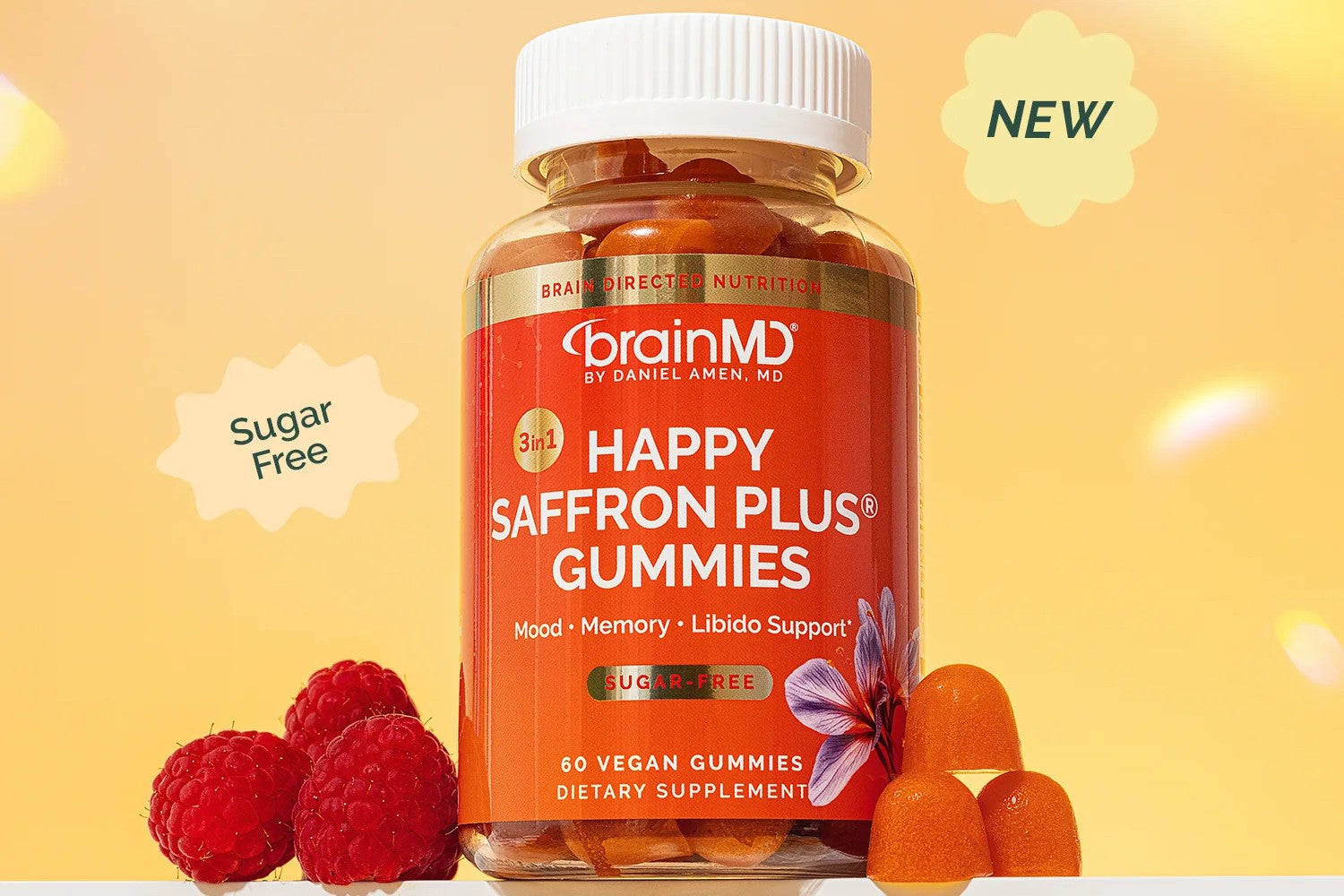
If you've spent any time looking into Dr. Amen supplements, you've probably noticed something: the list of nutrients, botanicals, and targeted formulations for different brain health goals is long. However, before he ever recommends nootropics, adaptogens, or specialty blends for unique needs, he starts in the same place every time. Three basics: A multivitamin An omega-3 A probiotic After decades of scanning brains at Amen Clinics and reviewing what actually supports positive changes to cognitive health, Dr. Amen keeps coming back to the same foundation because it works. Most people (even health-conscious ones) are unknowingly missing the basics. If you're the kind of person who reads ingredient labels, asks your doctor real questions, and wants to feel sharp at 45, 65, or 105, this is worth understanding. Not as a sales pitch, but as an actual explanation of why these three categories earn their spot at the front of the line in Dr. Amen’s favorite supplement list. Why Start Here? Yes, BrainMD® offers products that can provide extra support for things like focus, energy, blood-sugar control, or physical performance. But, your brain, like the rest of your body, requires some fairly unglamorous inputs for baseline function: it needs a full set of vitamins and minerals to run its chemistry, fat (specifically the right kind of fat) to build and maintain its physical structure, and a functioning gut, because your gut and brain are in constant conversation with each other. Skip any of those three, and the powerful additions you layer on top can’t function to their full potential. That's the logic behind BrainMD's foundational lineup, and it's why products like NeuroVite Plus Multivitamin, Omega-3 Power, and ProBrainBiotics show up again and again as Dr. Amen's favorite supplements. Step One: A Real Multivitamin Most multivitamins are built for general wellness, aimed at the broadest possible audience. NeuroVite Plus was built differently, for people who know brain health is the basis for whole body health. It contains the vitamins, minerals, and cofactors your brain specifically draws on to make neurotransmitters, manage inflammatory balance, and keep cellular energy production running. They’re also included in forms that your body can readily absorb and use, which can’t be said for all multivitamins. If you’re looking for even more comprehensive brain health support, BRIGHT MINDS™ Memory Multi is a great alternative product. Instead of a capsule, it’s a powdered full spectrum multivitamin and mineral formula, combined with active botanicals, antioxidants, and other nutrients clinically shown to support numerous aspects of memory, mood, and cognition.* In a large, three-year randomized trial following more than 2,000 older adults, daily multivitamin-mineral supplementation was associated with meaningfully better performance on measures of memory and executive function compared to placebo. It was the first large-scale study to suggest multivitamin use may help slow age-related cognitive changes [1]. A follow-up analysis comparing that trial with two others found the same pattern held up: better global cognition and episodic memory with daily multivitamin use [2]. None of this means a multivitamin is a substitute for medical care. What it does mean is that "just take a multivitamin" isn't throwaway advice. Nutrient gaps are common even in people who eat a well balanced diet, and a well-formulated multivitamin is one of the simplest ways to close them. Step Two: Omega-3s, Because Your Brain Is Mostly Fat Here's a fact that surprises people: your brain is close to 60% fat, and DHA (one of the two main omega-3s) is one of its primary structural building blocks. Your body doesn't make much of it on its own. It has to come from diet or supplementation, and most Americans simply don't eat enough fatty fish to get there. Omega-3 Power is BrainMD's answer to that gap, formulated with significantly more DHA and EPA per serving than most drugstore fish oil. The dosing isn't arbitrary. In the MIDAS trial, a randomized, placebo-controlled study of 485 older adults with mild memory complaints, six months of daily DHA supplementation led to meaningfully better performance on tests of learning and memory compared to placebo, an effect researchers likened to shaving several years off the participants' cognitive age [3]. Broader reviews of omega-3 research have also linked long-term supplementation to better-preserved white matter and gray matter volume over time [4]. Fish oil isn't a cure-all, and results across the broader research base are mixed. Some trials, especially shorter ones in people who already eat fish regularly, show smaller effects. But for the average person whose diet is genuinely low in omega-3s, topping up that supply appears to give the brain more of the literal material it needs to maintain its structure. Step Three: The Oft-Forgotten Probiotic This is the piece that catches most people off guard. What does gut bacteria have to do with brain fog or mood? More than you'd think. Your gut and brain are connected by a direct communication line, sometimes called the gut-brain axis, that runs through the vagus nerve, the immune system, and a whole slew of chemical messengers your gut bacteria help produce [5]. Plus, roughly 70% of your immune system actually lives in your gut, which means an out-of-balance microbiome doesn't just affect digestion, it can ripple into the inflammatory processes tied to mood and cognitive function [6]. This is exactly the territory "psychobiotics" (probiotic strains specifically studied for their effect on this gut-brain communication) were termed to describe [7]. In one randomized trial, a specific combination of Lactobacillus and Bifidobacterium strains was associated with a more balanced stress response and lower markers of stress in healthy adults over several weeks [8]. A broader review of more than fifty clinical trials found consistent signals of benefit from psychobiotic strains, particularly around mood-related outcomes [9]. ProBrainBiotics was formulated with this research in mind. It was built around strains studied specifically for gut-brain communication, not just general digestive support. For anyone who's diligent about diet and exercise, but has never thought about their microbiome, this is often the missing third leg of the stool. Putting Your Stack Together None of these three does its job in isolation. A multivitamin without enough dietary fat still leaves your brain short on raw building material. An omega-3 without the cofactors a multivitamin provides has less support for the metabolic work of actually using that fat well. And a gut under chronic inflammatory imbalance makes it harder for either one to do its job efficiently, because so much of the communication between body and brain runs straight through it. That's the logic behind treating these three as a foundation. Of course, you are encouraged to build outward from here. Some of Dr. Amen’s other personal favorite supplements are: Happy Saffron Plus® for mood and emotional well-being* Smart Mushrooms for mental performance and immune support* Smart Relief for body comfort and joint mobility* Peak Energy for a fast-acting alternative to caffeine* Adaptogens, superfoods, nootropics, whatever fits your specific goals, most products in the BrainMD line are complementary to the foundational products. Just don’t skip the base 3. If you're not sure where your own gaps might be, or where your brain and body could use a little extra boost, BrainMD's Brain Health Assessment is a great starting point. It takes about 5 minutes and you learn your brain type (there are 16 types), which will guide you to the best specific products for your unique needs. BrainMD’s full supplement collection is organized by health goal (focus, mood, sleep, memory, etc.) if you want to go beyond the basics once your foundation is in place. As always, talk with your doctor before starting any new supplement, especially if you're pregnant, nursing, managing a health condition, or taking prescription medication. Supplements are meant to complement, not replace, healthy habits (good sleep, regular movement, real food) and medical care when you need it. *These statements have not been evaluated by the Food and Drug Administration. These products are not intended to diagnose, treat, cure, or prevent any disease. References Baker, L. D., Manson, J. E., Rapp, S. R., Sesso, H. D., Gaussoin, S. A., Shumaker, S. A., & Espeland, M. A. (2022). Effects of cocoa extract and a multivitamin on cognitive function: A randomized clinical trial. Alzheimer's & Dementia. https://doi.org/10.1002/alz.12767 Vyas, C. M., Manson, J. E., Sesso, H. D., et al. (2024). Effect of multivitamin-mineral supplementation versus placebo on cognitive function: Results from the clinic subcohort of the COSMOS randomized clinical trial and meta-analysis of 3 cognitive studies within COSMOS. The American Journal of Clinical Nutrition. Yurko-Mauro, K., McCarthy, D., Rom, D., Nelson, E. B., Ryan, A. S., Blackwell, A., Salem, N., Jr., & Stedman, M. (2010). Beneficial effects of docosahexaenoic acid on cognition in age-related cognitive decline. Alzheimer's & Dementia, 6(6), 456–464. https://doi.org/10.1016/j.jalz.2010.01.013 Shahinfar, H., Yazdian, Z., Avini, N. A., Torabinasab, K., & Shab-Bidar, S. (2025). A systematic review and dose response meta analysis of Omega 3 supplementation on cognitive function. Scientific Reports, 15(1), 30610. Bonaz, B., Bazin, T., & Pellissier, S. (2018). The vagus nerve at the interface of the microbiota-gut-brain axis. Frontiers in Neuroscience, 12, Article 49. https://doi.org/10.3389/fnins.2018.00049 Belkaid, Y., & Hand, T. W. (2014). Role of the microbiota in immunity and inflammation. Cell, 157(1), 121–141. https://doi.org/10.1016/j.cell.2014.03.011 Dinan, T. G., Stanton, C., & Cryan, J. F. (2013). Psychobiotics: A novel class of psychotropic. Biological Psychiatry, 74(10), 720–726. https://doi.org/10.1016/j.biopsych.2013.05.001 Messaoudi, M., Lalonde, R., Violle, N., Javelot, H., Desor, D., Nejdi, A., Bisson, J.-F., Rougeot, C., Pichelin, M., Cazaubiel, M., & Cazaubiel, J.-M. (2011). Assessment of psychotropic-like properties of a probiotic formulation (Lactobacillus helveticus R0052 and Bifidobacterium longum R0175) in rats and human subjects. British Journal of Nutrition, 105(5), 755–764. https://doi.org/10.1017/S0007114510004319 Mosquera, F. E. C., Lizcano Martinez, S., & Liscano, Y. (2024). Effectiveness of psychobiotics in the treatment of psychiatric and cognitive disorders: A systematic review of randomized clinical trials. Nutrients, 16(9), Article 1352. https://doi.org/10.3390/nu16091352
Learn more
Psychobiotics: Supporting Brain Health Through the Gut
Explore the science of psychobiotics and learn how beneficial gut bacteria support the gut-brain axis, mood, stress resilience, and brain health.
Learn more
How to Improve Your Gut Health After Being Sick
Have you ever gotten so sick you needed to take prescription medication? Most of us have. Commonly prescribed by doctors to reduce symptoms associated with the flu, common colds, or viral infections, antibiotics are powerful drugs that can slow down or completely halt the growth of bacteria in the human body. However, as with many medications, there are pros and cons to using antibiotics. The Negative Effects of Antibiotics The word "probiotic" comes from Latin: "pro" means “support,” and "biotic" means “life.” Antibiotic, on the other hand, has the exact opposite meaning and effect of probiotic. Antibiotics are designed to kill the bad, harmful bacteria in our bodies, which is beneficial when we’re sick. Unfortunately, antibiotics also harm some of the good bacteria in the gut. Since antibiotics typically cannot discriminate between good and bad bacteria, they often kill both indiscriminately, leading to gut microbiome disruption and a decrease in microbial diversity. This imbalance, known as dysbiosis, has been linked to various gastrointestinal, immunological, and even neurological conditions.¹ The greatest danger of antibiotics, however, may not come from those prescribed by your doctor, but rather from the foods you consume. It's estimated that around 70 percent of the total antibiotic use in the U.S. is for livestock. Since antibiotics are a major distruptor of the gut microbiome, it’s critical to eat antibiotic- and hormone-free meats whenever possible.² Additionally, some other medications—such as certain birth control pills, pain medications, and anti-inflammatories—can also deplete the beneficial bacteria in your gut, further contributing to dysbiosis.³ Good Bugs vs. Bad Bugs A healthy gastrointestinal (GI) tract is home to approximately half a pound of friendly bacteria, equating to about 30 trillion bacterial cells—the same number of bacterial cells as human cells in the body. This community of bacteria, known collectively as the microbiome, plays a significant role in health by contributing to neurotransmitter synthesis, including GABA (gamma-aminobutyric acid) and serotonin, which affect the brain and mood.¹ Some of these bacteria are beneficial to health, while others are harmful. In a classic “good guys vs. bad guys” scenario, they’re constantly competing for dominance within the microbiome. When the beneficial bacteria are reduced—often due to antibiotic use—the harmful bacteria can gain control, potentially leading to a condition called "leaky gut," where the gut lining loses its capacity to act as a barrier, allowing harmful substances to leak into surrounding tissues. A scientific review from 2016 suggests that taking even one dose of antibiotics, particularly around the time of birth, can have long-lasting effects on gut bacteria diversity.⁴ Overuse of antibiotics can deplete the beneficial bacteria population in the gut, shifting the balance in favor of harmful bacteria and increasing susceptibility to infections.³ If you’ve recently taken antibiotics, it’s essential to restore balance in your gut. Here are some strategies to help… How to Improve Your Gut Health After Taking Antibiotics Several factors can increase the population of harmful bacteria in your gut, including: Unhealthy gut lining due to nutrient deficiencies Low levels of omega-3 fatty acids and vitamin D Toxins, environmental pollutants, and certain medications (including antibiotics) High intake of sugars, allergens, and processed foods Addressing these issues can help start the healing process in your gut, especially if you've recently taken antibiotics. By avoiding substances that promote the growth of harmful bacteria, you can enhance your gut health and overall well-being. 3 Ways to Support Your Gut Microbiome Here are some practical ways to support the beneficial bacteria in your gut: [wc_box color="inverse" text_align="left" margin_top="" margin_bottom="" class=""] Eat a Healthy Diet Your healthy microbiome can be thrown off balance by numerous factors every day, including the additives in processed foods, artificial sweeteners, or the standard American diet (SAD) – one that’s high in calories, low in fiber, and lacks sufficient vitamins and other essential nutrients. Instead, focus on eating lean protein, high fiber, and healthy fat foods. Consume Prebiotics Prebiotics are dietary fibers that promote gut health. These are provided by apples, beans, cabbage, psyllium, artichokes, onions, leeks, asparagus, and root vegetables (sweet potatoes, yams, squash, jicama, beets, carrots, and turnips). Add Probiotic Supplements Eat more fermented foods that contain live bacteria, such as kefir, kombucha, and unsweetened yogurt (goat or coconut); kimchi, pickled fruits and vegetables; and sauerkraut. You can also take probiotic supplements with quality strains that have clinical proof of benefit for gut health. [/wc_box] Improve Your Gut Health Implementing these strategies after taking antibiotics is crucial for replenishing the good bacteria in your microbiome. Remember, if you take good care of your gut, it will take good care of you! At BrainMD, we’re dedicated to providing the highest quality supplements to improve your physical health and overall well-being. For more information about our full list of brain healthy supplements, please visit us at BrainMD. These statements have not been evaluated by the FDA. This content is for informational purposes only. It is not meant to substitute for medical or healthcare advice from a physician, nor is it intended to diagnose, treat, cure, or prevent any disease. Consult your healthcare provider before beginning a new health regimen. References: ¹Konstantinidis, T., Tsigalou, C., Karvelas, A., Stavropoulou, E., Voidarou, C., & Bezirtzoglou, E. (2020). Effects of antibiotics upon the gut microbiome: A review of the literature. Biomedicines, 8(11), 502. https://doi.org/10.3390/biomedicines8110502. ²Ramirez, J., Guarner, F., Bustos Fernandez, L., Maruy, A., Sdepanian, V. L., & Cohen, H. (2020). Antibiotics as major disruptors of gut microbiota. Frontiers in Cellular and Infection Microbiology, 10, 572912. https://doi.org/10.3389/fcimb.2020.572912. ³Patangia, D. V., Ryan, C. A., Dempsey, E., Ross, R. P., & Stanton, C. (2022). Impact of antibiotics on the human microbiome and consequences for host health. MicrobiologyOpen, 11(1), e1260. https://doi.org/10.1002/mbo3.1260 ⁴Langdon, A., Crook, N., & Dantas, G. (2016). The effects of antibiotics on the microbiome throughout development and alternative approaches for therapeutic modulation. Genome Medicine, 8, 39. https://doi.org/10.1186/s13073-016-0294-z
Learn more
Here Are Some of the Best Probiotic Strains to Help Keep You Regular!
Are you looking to support your gut health and achieve optimal digestion? Get ready to say goodbye to discomfort and hello to a happier gut with targeted probiotic strains! Importance of Bowel Health Bowel health is a crucial aspect of our overall well-being. The bowel, more commonly known as the large intestine, plays an essential role in our digestive system. It absorbs water and nutrients from the food we eat while eliminating waste products from the body. As such, it’s vital to maintain optimal bowel health to ensure the efficient functioning of our digestive system. Our gastrointestinal (GI) tract houses trillions of bacteria, both good and bad. When there’s an imbalance between these two types of bacteria, it can lead to various GI issues such as bloating, diarrhea, constipation, and even more serious conditions. Having good bowel health requires maintaining a proper balance of bacteria in our gut. One way to maintain a healthy level of good bacteria in the GI tract is to take probiotics. What Are Probiotics? Probiotics are live microorganisms that are beneficial for our gut flora and can have a positive impact on bowel health. These friendly bacteria have gained popularity in recent years as a means of supporting gut health and overall well-being. They help maintain a healthy balance by crowding out harmful bacteria and supporting proper digestion. These “good” or “beneficial” bacteria can be found in various foods and supplements and may provide numerous health benefits when consumed regularly. Probiotics work by colonizing the gut with good bacteria and restoring balance to the microbiome. They help support digestion and nutrient absorption while also supporting a healthy immune system. There are many strains of probiotics available on the market, but not all are created equal when it comes to promoting optimal bowel health. Some targeted probiotic strains have been studied for their effectiveness in improving digestive function. What Are Targeted Probiotic Strains? Targeted probiotic strains refer to specific species or subspecies of bacteria that may provide beneficial effects for a particular condition or area of the body. They have unique characteristics and functions that make them effective in addressing specific concerns. When it comes to bowel health, there are several key targeted strains of probiotics that may help support our digestive system… 7 of the Best Targeted Probiotic Strains for GI Health 1. Lactobacillus acidophilus This is one of the most well-known and extensively studied probiotic strains. It’s commonly found in yogurt and other fermented foods, but also is available in supplement form. Lactobacillus acidophilus may aid digestion and improve overall gut health by increasing the production of enzymes essential for nutrient absorption. 2. Bifidobacterium lactis Another widely researched strain, bifidobacterium lactis has been linked with improvements in conditions like constipation and diarrhea due to its anti-inflammatory properties. This strain works by producing lactic acid, which helps fight harmful bacteria while promoting healthy intestinal microflora balance. 3. Streptococcus thermophilus As a key component in the production of yogurt and cheese, streptococcus thermophilus also can be found as a strain in many probiotic supplements. Its ability to produce large amounts of lactic acid makes it an effective probiotic for reducing lactose intolerance symptoms, supporting healthy digestion, and helping to prevent infections. 4. Lactobacillus plantarum This highly adaptable strain is known for its ability to survive harsh conditions of the digestive tract, making it an ideal probiotic for supporting overall gut health. One study has shown that lactobacillus plantarum may be helpful for diarrhea and other digestive issues. 5. Saccharomyces boulardii Unlike other probiotics strains, which are mostly bacteria-based, saccharomyces boulardii is a beneficial yeast that’s been shown to help with antibiotic-associated diarrhea. It also helps restore balance to the gut microbiome by inhibiting the growth of harmful bacteria. 6. Lactobacillus plantarum Known for its ability to survive in harsh environments, lactobacillus plantarum has been found to have a positive impact on gut dysbiosis. It also helps boost the immune system and reduce inflammation in the digestive tract. 7. Lactobacillus rhamnosus This strain is commonly used in probiotic supplements and fermented foods due to its ability to survive stomach acid and bile. Lactobacillus rhamnosus may help alleviate symptoms of diarrhea, gas, bloating, and constipation. Choosing the Right Probiotic Strains When it comes to maintaining optimal bowel health, probiotics can play a crucial role in promoting digestion and relieving digestive issues such as constipation and diarrhea. However, with numerous probiotic strains available on the market, choosing the right one for your specific bowel needs can be overwhelming. Here are a few key factors to consider when selecting probiotic strains to support bowel health. [wc_box color="inverse" text_align="left" margin_top="" margin_bottom="" class=""] Identify Your Needs Before delving into the various types of probiotic strains, it’s important to identify your specific bowel needs. Are you struggling with constipation, diarrhea, or just looking to improve your overall gut health? This will guide you in selecting the most appropriate probiotic strains that target your specific concerns. Look for Bowel-healthy Strains Some probiotics have been extensively studied for their positive effects on bowel health. These include lactobacillus acidophilus and bifidobacterium bifidum, which may help reduce uncomfortable gut symptoms. Confirm the Colony Forming Units When choosing a probiotic supplement, pay attention to the colony forming units (CFUs) listed on the label. CFUs indicate how many live bacteria are present in each dose of the product. While there’s no recommended daily intake for CFUs – since everyone’s body is different – it’s generally suggested to choose products with at least 10 billion CFUs per serving. Check for Shelf Stability Shelf stability refers to how well a probiotic supplement retains its potency until its expiration date under specified conditions such as temperature and humidity levels. It’s essential to pick a product with good shelf stability so that the probiotics can reach your gut alive. Consider Combination Products Some probiotic supplements contain a combination of strains that work together to provide better health benefits. For instance, products with both lactobacillus and bifidobacterium strains are believed to have a synergistic effect on overall digestive health. [/wc_box] Targeted Probiotic Strains Choosing the right probiotic strains for your bowel health can be a trial-and-error process. It may take some time for you to see noticeable improvements in your bowel health, so be patient and consistent with taking probiotics regularly for optimal results. Probiotics work best when taken regularly as part of a healthy lifestyle, including a balanced diet rich in fiber, adequate hydration, and reduced stress levels. It’s recommended to consult with a healthcare professional before starting any new supplement regimen. Also, be mindful of any food sensitivities or allergies you may have when choosing probiotics to ensure optimal health benefits. At BrainMD, we’re dedicated to providing the highest quality supplements to improve your physical health and overall well-being. For more information about our full list of brain healthy supplements, please visit us at BrainMD. These statements have not been evaluated by the FDA. This content is for informational purposes only. It is not meant to substitute for medical or healthcare advice from a physician, nor is it intended to diagnose, treat, cure, or prevent any disease. Consult your healthcare provider before beginning a new health regimen.
Learn more
What Are the Best Probiotics for Women's Health?
It appears Americans are getting introspective, but not in the way you may think. We are growing more concerned about our inner balance of microorganisms and the implications that balance has for our health. Indeed, the demand for probiotics – live microorganisms taken in supplement form or consumed in fermented foods to help maintain or restore a healthy balance of microflora in the body – has nearly doubled over the last decade. Many aspects of modern living, including antibiotic and birth control use, the consumption of processed foods, refined sugar, and carbohydrates, and exposure to stress and pesticides, to name a few – can disrupt this balance of microflora in our bodies – particularly in the intestinal tract. A healthy population of beneficial microflora in the gut is essential to good health, as these good bugs create substances that have positive effects in the body and may help to boost the body’s immune response. Probiotics offer a way to help restore microflora balance. It’s no surprise why probiotics (after vitamins and minerals) are the third most popular nutritional supplement! And while we most often hear about probiotics in the context of promoting digestive health, the truth is they offer numerous benefits – especially for women. Why Should Women Take Probiotics? It turns out that there are a lot of compelling reasons women may want to take probiotics. Let’s start by taking a look at some facts about women’s health and their concerns: More women suffer from gastrointestinal health issues than men. Women are more likely to struggle with low mood, feelings of anxiousness, and stress than men. Urinary tract infections (UTIs) are the most common outpatient infections for women, with a lifetime incidence of 50−60% in adult women. Bacterial vaginosis is the most common vaginal condition in women ages 15-44. Up to 75 out of 100 women have a vaginal yeast infection at least once in their life. More women than men die of heart health problems every year – and it’s the number one health issue killing women. Women are more concerned with their skin appearance than men. Women are more dissatisfied being overweight and more worried about weight gain than men. Remarkably, research is indicating that probiotics may help to address every single one of these health issues. 6 Ways Probiotics Help Support Women’s Health 1. Gut Health When your gut microflora are out of whack with too few of the good bugs and too many of the harmful ones, it’s more likely to have inflammation or infection. This can damage the gut wall and create larger gaps between the gut-lining cell, making the gut lining permeable or “leaky.” A leaky gut can stimulate an immune cell response and trigger inflammation in the body, which leads to a number of health problems. Taking probiotics can help restore balance and protect your digestive tract from harmful microflora and improve both gut function and digestion. In terms of healthy gut function, research suggests probiotics can be helpful in easing diarrhea (related to antibiotic use), constipation, and a number of other digestive issues. Specifically, the probiotic strain B. lactis was associated with constipation relief in one study. Additionally, research shows that the probiotic strains B. breve, B. longum, and L. acidophilus are associated with the reduction of some irritated bowel symptoms. The strains B. breve, B. infantis, L. casei, and L. plantarum showed to be helpful with bloating. In general, a multi-strain probiotic that includes strains of Bifidobacterium and Lactobacillus is good for gut health support. 2. Mood Your intestinal tract is lined with millions of neurons, which allows messages to travel back and forth between the brain and the gut. Due to this gut-brain connection, gut health and mood are closely linked. It’s not surprising then to learn an imbalance in gut microflora and inflammation are causally linked to increased anxious feelings and low mood (which are more prevalent among women). Indeed, research shows that more than 84% of individuals with gut health issues suffer from anxious feelings and 27% low mood. Similarly, stress can cause digestive issues too. Studies have shown that probiotics helped to mitigate mood issues similar to conventional prescription medication, although more research is needed. 3. Vaginal and Urinary Tract Health In recent years, researchers have been studying the microbiota involved in maintaining both vaginal and urinary tract health. Studies have revealed that an abundance of different strains of Lactobacillus are associated with fewer microbial infections from bacteria and/or yeast in the vagina. Additionally, the specific Lactobacillus strains, L. rhamnosus GR-1 and L. fermentum B-54 or RC-14 showed to benefit urinary tract health, other research shows. As declining estrogen levels are associated with higher incidences of infection in the urinary tract and vagina, probiotics may be particularly beneficial for postmenopausal women. Although more research is needed to be conclusive about probiotics benefits for the vagina and urinary tract, it appears that a multi-strain probiotic, rich in an array of Lactobacilli, would be a good choice for supporting urogenital health. 4. Skin Benefits Similar to how the gut and brain are connected, gut health is also related to skin health. Imbalances in the gut microbiota and resulting inflammation are associated with skin health issues. Emerging research has demonstrated that oral probiotics may help address certain skin issues, such as acne, eczema, photoaging, wound healing, and psoriasis. Although still in their initial stages, there have been studies on using probiotics topically too, with promising results. Preliminary research found a cream with B. longum lysate helped calm skin sensitivity. 5. Heart Health Probiotics may offer some very important heart health support. Although more research is needed for scientists to fully understand the connection, consuming probiotics is associated with healthier blood pressure. Certain chemicals that the gut bacteria produce appear to promote healthy blood pressure levels. Several of the most promising probiotic strains for healthy blood pressure support include L. bulgaricus, B. breve, B. longum, and S. thermophiles. Additionally, probiotics may help reduce blood cholesterol, preliminary research has found. Healthy microbiota produce acids that counter cholesterol production. L. acidophilus and B. lactis have been the most commonly used strains to help promote healthy cholesterol. More research is needed though to more fully understand how to use probiotics in humans to support healthy cholesterol levels in the body. 6. Weight Management When researchers observed that grossly overweight individuals had less diversity in their gut microbiota, they began exploring if probiotics could help such individuals achieve a healthier weight. While research is still in its infancy, one analysis of human studies on overweight people from 2021 found that the intake of probiotics – especially when combined with increased activity for an average of 12 weeks – showed positive effects on weight loss. Specifically, increasing strains of Lactobacillus and Bifidobacterium via probiotic supplementation was associated with achieving a healthier weight. Probiotics for Women's Health The research makes a strong case for women to ensure they consume plenty of probiotic foods and/or probiotic supplements. Health experts suggest choosing multi-strain probiotics from reputable manufacturers with third-party testing for general health support. Of course, it’s important to talk to your doctor first before taking a nutritional supplement. At BrainMD, we’re dedicated to providing the highest purity nutrients to improve your physical health and overall well-being. For more information about our full list of brain healthy supplements, please visit us at BrainMD.
Learn more
What Does Constipation Say About Your Health?
Constipation may be an unsexy health topic, but it’s an important one. It’s defined as “an abnormally delayed or infrequent passage of usually dry, hardened stool.” For many people, it’s a minor problem that occurs occasionally, usually brought on by lifestyle factors such as being dehydrated, travel, medication, or eating the wrong food. However, for 20% of Americans, it’s a serious, ongoing health issue. This is alarming when you consider that regular, healthy bowel movements are an indicator of good digestive health – and conversely, infrequent, strained, and hard bowel movements can cause problems and/or indicate there’s a greater health issue. On a more positive note, constipation can be remedied with several simple lifestyle actions. Here’s how to identify if you have a constipation problem, and what you can do about it! Identifying Constipation To know if your bowel movements are in a healthy range, many health experts go by the “rule of three.” This means a healthy number of bowel movements can range from as many as three a day or as few as three bowel movements a week. If you’re having less than three bowel movements a week, you’re considered constipated. The shape and consistency of your stool factors in as well. There’s something called The Bristol Stool Form Scale which has been shown to be valid and reliable in research. It illustrates that a healthy stool is shaped like a sausage or a snake and is smooth and soft. Stools that are hard, separated lumps (like nuts) or very lumpy and sausage-shaped are indicators of a slow transit through your digestive tract. Symptoms of constipation may also include abdominal bloating, cramps or pain, decreased appetite, and lethargy. What Constipation May Mean A temporary bout of constipation isn’t a major concern or worry, but if it becomes habitual or long-term, that’s another story. Serious constipation can be an indicator of a more concerning issue such as any number of digestive tract health conditions, a neurological issue, or an endocrine problem, to name a few. It’s also unhealthy to be in a constant state of constipation. When waste sits in the colon for too long, toxins that would normally be excreted in the stool can be reabsorbed in the body, which can cause problems. Waste backed up in the colon can cause an imbalance of the microflora in your gut – potentially reducing the beneficial bacteria and increasing growth of the unwanted kind and/or pathogens. Hard stools can cause structural damage and straining can cause hemorrhoids and other issues. Numerous studies have shown that constipation can be associated with fatigue, weight gain, immune health issues, and poor skin, nail, and hair health. It’s even associated with low mood, feelings of anxiousness, and a poorer quality of life. 6 Simple Steps to Help Relieve the Symptoms of Constipation Here are 6 tips for good digestive health that can help you have regular bowel movements. 1. Increase Your Fiber Constipation is commonly linked to a low-fiber diet, and a whopping 95% of Americans don’t get enough dietary fiber! So, increase your fiber intake. It bulks your stool, helping it to move smoothly and efficiently through your colon. The National Institutes of Health recommends 22 to 34 grams of fiber a day, depending on one’s age and gender. The following are excellent sources of fiber: Whole grains (whole wheat bread, oatmeal, and cereals) Legumes (lentils, black beans, kidney beans, soybeans, and chickpeas) Fruits (berries, apples with the skin on, oranges, and pears) Vegetables (carrots, broccoli, green peas, and collard greens) Nuts (almonds and pecans) Also, soluble prebiotic fiber (found in apples, garlic, leeks, onion, etc.) is particularly good for constipation. It helps to feed the good bacteria in your gut. Research shows that prebiotics can help stool consistency and bowel movement regularity in constipated people. Make sure you add fiber to your diet a little at a time so your body gets used to the change, and drink water and other liquids to help the fiber work better! 2. Stay Hydrated Dehydration is one of the most common causes of constipation. That’s because when you’re dehydrated, your colon soaks up the water in your food waste, and your stool gets harder and more difficult to pass. Also, if you’re actively increasing your fiber intake, remaining well hydrated will help increase bowel movements even more, according to research. Experts suggest that adults should drink 2 liters of liquids a day. 3. Move Your Body Increase your activity to help relieve constipation. A 2018 study examining the effects of exercise on constipation concluded that it may be a feasible and effective treatment option for those with constipation. Any form of cardio can help with constipation, as well as yoga. Don’t worry if you’re a more sedentary person. Simply adding a short, 15-minute walk into your morning and evening routine can make a difference. 4. Check for Lactose Intolerance/Gluten Sensitivity Constipation can be related to both lactose intolerance and gluten sensitivity. In fact, in 30% of lactose intolerance cases, constipation is a symptom! If you suspect you might suffer from either of these conditions, be sure to consult your doctor for a proper diagnosis. Removing dairy milk or gluten from your diet may help to resolve a constipation problem. 5. Increase Probiotic Consumption Consuming more probiotic foods or taking a quality probiotic supplement may support a better balance of microflora in your gut and help to resolve a constipation issue. Research has found that taking probiotics can help constipation by increasing stool consistency and frequency. Fermented foods rich in probiotics include yogurt, kefir, kimchi, tempeh, sauerkraut, miso, kombucha, and some cheeses. You also can take a quality probiotic supplement. 6. Get A Toilet Stool Your body positioning may help to alleviate constipation. The body is designed to be in a squatting position during a bowel movement yet sitting on a toilet creates a bend in the rectum, which makes it harder to eliminate. A toilet stool readjusts the position of your body, allowing you to make a movement at an angle. A 4-week study found that 71% of participants using a toilet stool reported experiencing faster bowel movements, and 90% reported less straining. Get Help While these tips may be helpful, remember that constipation can be an urgent matter. If you think you have a serious case of constipation, be sure to consult a medical professional. At BrainMD, we’re dedicated to providing the highest purity nutrients to improve your physical health and overall well-being. For more information about our full list of brain healthy supplements, please visit us at BrainMD.
Learn more
What To Look For When Shopping For Probiotic Supplements
Your microbiome – the inner ecosystem of microorganisms and bacterial cells that live inside your gut – has an enormous impact on your overall health. Research shows that everything from immune function to mood stabilization to skin health to how your brain works have connections to your microbiome. When this intricate internal ecosystem is thrown off balance (dysbiosis), through poor dietary habits, alcohol, toxins, excess stress, medications, antibiotics, or illness, it can have a cascading negative effect across the rest of the body. The good news is you can take a high-quality probiotic supplement like BrainMD’s ProBrainBiotics or ProBrainBiotics MAX to help keep your microbiome in balance. What Are Probiotics? The World Health Organization defines a probiotic as any “live, nonpathogenic, nontoxic microbial organisms which, when administered in adequate amounts, confer a health benefit on the host.” Benefits Of Probiotics Probiotics can help your brain and body by: Promoting healthy digestion Encouraging positive mood and emotional balance Supporting mental focus while doing intense work Maintaining a healthy response to everyday stress How Should You Choose a Probiotic? Deciding which probiotic to take isn’t as simple as choosing the one with the highest colony forming unit (CFU) count. There are several other factors to consider. 3 Things to Look for When Shopping for Probiotic Supplements 1. Show Me the Science! Probiotics can contain many different types of microorganisms. They’re identified by their specific strain, which includes the genus, species, subspecies (where applicable), and an alphanumeric strain designation. You want to look for probiotic supplements that include strains supported by evidence from human clinical studies – preferably ones that are randomized, double-blinded and placebo-controlled. As integrative medicine expert and supplement formulator, Dr. Parris M. Kidd says “A probiotic strain can perform well in cultures, or in experimental animals, but the only way to know that it will consistently help people is to put it through clinical trials.” Research indicates that the effects of probiotics are strain-specific. Meaning, just because one type of Lactobacillus produces a specific effect, doesn’t mean another Lactobacillus strain will, too. For example, Lactobacillus helveticus strain Rosell®-52 has specific properties that make it beneficial, distinct from other strains of Lactobacillus helveticus. 2. More Isn’t Always Better Probiotics are typically measured in colony-forming units. These CFU represent the number of probiotic cells in a sample that are capable of dividing and forming colonies. If we’re trying to support our microbiome, the more CFU the better…right? Not exactly. When it comes to probiotics, a higher CFU count isn’t always better. According to the National Institutes of Health, “Higher CFU counts do not necessarily improve the product’s health effects.” The best dose, per strain, is the one that has been shown to deliver positive outcomes in human clinical trials. 3. Is It Shelf Stable? Many probiotic supplements are unable to survive the trip from manufacture to store shelf, much less the trip from your mouth, through your acidic digestive process, to your gut. In order to remain effective, some probiotic formulas require refrigeration, while others like ProBrainBiotics MAX, offer advanced shelf-stable solutions and intelligent packaging choices to preserve efficacy. ProBrainBiotics MAX is sealed in blister packs that protect against moisture and air, which enhances its stability. Remember, to get the most out of your probiotic supplement and reap all its clinically backed benefits, you must take it daily. Shelf-stable probiotics can be placed in plain sight so they’re less likely to get lost in the back of the fridge. If you aren’t taking a high-quality, brain-directed probiotic supplement, consider adding one to your daily vitamin regimen to help boost your health and vitality. If you take good care of your gut, it will take good care of you! Summary The health of your microbiome affects everything from how your immune system functions to how your brain works. High-quality probiotic supplements can help keep your microbiome in balance. When shopping for probiotics, there’s more to the picture than CFU counts. Look for probiotics that are shelf-stable and backed by science. At BrainMD, we’re dedicated to providing the highest quality supplements to improve your physical health and overall well-being. For more information about ProBrainBiotics, ProBrainBiotics MAX and our full list of brain healthy supplements, please visit us at BrainMD. *These statements have not been evaluated by the FDA. This content is for informational purposes only. It is not meant to substitute for medical or healthcare advice from a physician, nor is it intended to diagnose, treat, cure, or prevent any disease. Consult your healthcare provider before beginning a new health regimen.
Learn more
3 Natural Ways to Heal Your Leaky Gut
The gastrointestinal (GI) tract or “gut” has a lining that separates its contents from the body’s other tissues and organs. The gut houses a diverse resident population of bacteria, along with some viruses and fungi. These are usually good for us. We give them food and shelter and they help us run our life processes. In ecology, this is called symbiosis – both sides helping each other. The microorganisms in the gut are the most populous symbiotic communities in the human body. These communities are associated with various “microecologic” zones. Of these, the gut bacterial community or “gut microbiome” is the best understood. Good Bugs vs Bad Bugs The gut microbiome contributes substantially to the synthesis of neurotransmitters that are active on the brain, such as GABA (gamma-aminobutyric acid) and serotonin. Growing research indicates that by making such neurotransmitters, the gut microbiome helps maintain mood, mental acuity, healthy immunity, and overall wellness. A healthy GI tract is home to at least a half-pound of friendly bacteria, which is an estimated 30 trillion bacteria – about the same number of bacterial cells as the total number of human cells in the body. These can belong to the thousand different bacterial species that comprise the body’s highly complicated ecosystems. Of the trillions of bacterial cells in the gut (each person houses around 300 different species), some are beneficial to our health and others are harmful. And, in a classic “good guys vs. bad guys” scenario, they’re all trying to establish dominance in our microbiome. The friendly bacteria in the gut are constantly jockeying for space against unfriendly, potentially troublesome bacteria. When the bad bugs succeed in crowding out the good bugs, they can damage the gut lining so much that it loses its capacity to seal off the gut contents from the surrounding tissues, and leaky gut can develop. What’s a Leaky Gut? Intestinal permeability also called “leaky gut,” can allow partially undigested food molecules, bacteria, viruses, and other foreign agents to escape the restrictions of the gut contents and access the bloodstream to be transported around the body. As these foreign agents pop up in unexpected locations, they can trigger inappropriate responses in the immune cells that routinely patrol our tissues. These “sentinel” cells in turn will mobilize aggressive immune actions that can result in physical and even mental difficulties. You can take certain natural steps to fortify your gut lining, such as increasing the levels of good bacteria in your gut. To ensure well-balanced immune function, implement these strategies to help protect your microbiome and prevent leaky gut… 3 Natural Ways to Prevent Leaky Gut & Protect Your Good Bugs Eat Gut-Healthy Foods A healthy microbiome can be thrown off balance by numerous factors, especially the standard American diet (SAD), which is low in fiber and lacks vitamins and other nutrients essential for human gut lining cells. Junk food can shift the microbial balance in a negative direction. Also, high sugar intake can encourage excessive growth of yeasts that contribute to leaky gut. By contrast, early human societies discovered they could benefit more from specific foods if they fermented them first. Certain of the bacteria traditionally used in food fermentation are closely related to the good bacteria that reside in the gut. By eating well-defined fermented foods, you obtain supplies of these friendly bacteria. Probiotics are found in a variety of foods, including: Yogurt Kefir Fresh sauerkraut Raw dandelion greens Miso Tempeh Kimchi Kombucha tea Reduce Stress Levels Gut bacteria are vulnerable to assault, most notoriously by antibiotics. But emotional stress, being overweight or obese, environmental pollutants, and negative lifestyle factors such as smoking, drinking, or other bad habits, also can deplete friendly gut bacteria. Studies show that stress can decrease healthy gut flora. Persistent, unmanaged stress raises cortisol (the stress hormone) levels which can damage your gut flora and stop the gut from working properly. Research has established that taking a probiotic supplement can help reduce the stress response. Probiotic Supplements In 2001, the World Health Organization defined probiotics as “live microorganisms that, when administered in adequate amounts, confer a health benefit on the host.” In the intervening years, clinical research on probiotics has exploded. Sadly, many of the strains being used in commercially available probiotic supplements haven’t been tested in clinical trials to document their health benefits. Without such controlled research, we can’t be sure that using these strains will be of any help to our gut, brain or body. To establish health benefits, a probiotic strain must be put through a controlled clinical trial, performed on the very same strain in the very same ratio as present in the supplement, because even good bacteria can compete or interfere with each other. Certain strain combinations have been found to improve immune, intestinal, liver, lung, and skin health, as well as healthy glucose metabolism and healthy inflammatory balance. Science-based probiotic supplements have been found to benefit practically every organ system, including the brain. “When your gut isn’t healthy, your brain will not be healthy. Intestinal problems increase inflammation, a low-level fire that destroys your organs, and increases your risk for moodiness, nervousness, pain, and memory issues. When we take antibiotics or eat pesticide-laden foods, it upsets this delicate balance and we are much more likely to get sick. Eat right and take probiotics. I designed ProBrainBiotics to give people an easy way to get the beneficial gut bacteria they need in one easy-to-use supplement.” - Daniel G. Amen, MD BrainMD's Clinically Tested, High-Quality Probiotic Supplements ProBrainBiotics ProBrainBiotics is the first commercially available probiotic supplement shown to benefit both intestinal and brain function. It has identical probiotic strains, at the same daily intake levels, that were put through two double-blind, placebo-controlled clinical trials and found to benefit intestinal function, mood, and coping with stressful experiences. These strains are Lactobacillus helveticus Strain R0052 and Bifidobacterium longum Strain R0175. These powerful strains: Help repel harmful bacteria Maintain the tight seal of the gut lining to help prevent leaky gut Can survive exposure to the stomach acids, to reach the intestines Support healthy gut immune functions In the two clinical trials, these probiotic strains were shown to improve intestinal discomfort related to stress. They were also found to measurably promote healthy mood and assist in coping with occasional anxiety. ProBrainBiotics MAX ProBrainBiotics MAX is unique for offering clinically defined probiotic strains with brain, immune, and intestinal benefits all in one daily capsule. It offers seven probiotic strains, all with health benefits documented from clinical trials. This breakthrough formula provides each of its seven strains at live cell counts that equal or exceed the counts that produced benefits in clinical trials: 1 CFU (Colony-Forming Unit) is one live bacterium able to make new bacteria. Each strain is tested for identity, safety, and ease of use. Click to read an indepth overview of each of the 7 strains for ProBrainBiotics MAX ingredients. If you aren’t taking a high-quality, brain-directed probiotic supplement, consider adding ProBrainBiotics to your daily vitamin regimen to help boost your immunity. Remember, if you take good care of your gut, it will take good care of you! At BrainMD, we’re dedicated to providing the highest quality supplements to improve your physical health and overall well-being. For more information about ProBrainBiotics, ProBrainBiotics MAX and our full list of brain healthy supplements, please visit us at BrainMD. *These statements have not been evaluated by the FDA. This content is for informational purposes only. It is not meant to substitute for medical or healthcare advice from a physician, nor is it intended to diagnose, treat, cure, or prevent any disease. Consult your healthcare provider before beginning a new health regimen.
Learn more
ProBrainBiotics MAX Questions | What You Need to Know About Probiotics
Dr. Parris M. Kidd, our Chief Science Officer and Director of Quality, has a PhD in cellular and developmental biology from the University of California at Berkeley and 38 years of expertise in dietary supplements and integrative medicine. Today, we’re picking his brain on probiotics, getting the answers to your most pressing probiotic questions, and diving deep into the science behind our new broad-spectrum brain, immune, and gut probiotic supplement, ProBrainBiotics MAX. Read the full interview below. Probiotics Q&A with Scientist Dr. Parris Kidd Question 1: We know that our gut is intricately related to our health on many levels. We also know that most supplements require consistent daily intake for optimal results. Is this the case with probiotics, or can they be taken intermittently for occasional support and relief? “Probiotic supplements aren't likely to give immediate relief for intestinal problems. The live bacteria they supply have to settle in, reproduce and get to numbers that can become functionally significant in and amongst the trillions of other bacteria already in the gut. Probiotics are not drugs or even fast-acting nutrients. Think ecology – the human gut is a complex, intricate matrix of micro-ecosystems with bacteria as major players, and adjustments take time. It really takes well-designed clinical trials to inform us about the utility of any probiotic strain. In the case of BrainMD’s new broad-spectrum probiotic ProBrainBiotics MAX, the clinically documented benefits of the 7 strains – better brain, immune and gut health, better mood, better sleep, improved ability to cope with stress and anxiousness – are most likely to appear and expand over a period of weeks.” Question 2: Should you rotate your probiotic every 3-4 months for maximum benefit? “No. There’s no clinical evidence this is necessary or even helpful. With clinically-researched strains that are highly likely to improve overall microbiome functioning, as we've designed into this MAX product, the longer they're consumed the better the results likely will be. Don't believe everything you read on the internet.” Question 3: In the past, members of our team have shied away from taking probiotics due to adverse effects like bloating, gas, and intestinal discomfort after use. Will they be able to tolerate ProBrainBiotics MAX? “In my experience, the products most likely to have these undesired effects contain prebiotics – various forms of complex carbohydrates. It is not uncommon to experience gurgling or other intestinal discomfort after taking a probiotic + prebiotic product because the bacteria can go a bit crazy with all those carbs nearby. They can get very active and generate lots of gases, etc. ProBrainBiotics MAX doesn't have that problem because it doesn’t contain prebiotics.” Question 4: Speaking of prebiotics, is there any clinical research supporting their benefit? “Yes. But many so-called prebiotics aren't well researched in actual combination with probiotics. The prebiotic story is in theory pretty simple: good bacteria love to feed on fiber that the human gut cannot digest, and prebiotics are fibers of one type or another. The more fiber you consume, the better the environment for your probiotics. But prebiotics have to be very carefully chosen. Certain BMD products supply fiber that has proven prebiotic activity: the OMNI Protein products have 3 grams of fiber per serving, including 1 gram of inulin, which is an intensively researched prebiotic. Neuro Greens has 2 grams per serving of inulin and other prebiotic fiber, certified organic.” Question 5: What should you look for when choosing a probiotic supplement? “Clinical trial proof of benefit is so important for probiotic supplements. A probiotic strain can perform well in cultures, or in experimental animals, but the only way to know that it will consistently help people is to put it through clinical trials. As with any probiotic supplement – the good bacterial strains in PBB MAX face an uphill battle to produce health benefits. First, the tens of billions of good bacterial strains coming from our supplement each day are entering a gut milieu already populated by literally trillions of bad bacteria. Second, in the gut good bacteria are constantly being lost due to stress, toxins in foods, processed foods low in fiber and other nutrients, intake of alcohol or antibiotics or other drugs, and other negative factors. It’s a jungle down there – a micro-jungle, but jungle no less. This is why clinical trial proof of benefit is so important for probiotic supplements. Here are 4 things to look for: The Supplement Facts box must list them as strains, not just as species. For example, the species Lactobacillus helveticus has many different strains which have differing degrees of benefit. Lactobacillus helveticus strain Rosell®-52 has specific properties that make it beneficial, distinct from other strains of Lactobacillus helveticus. The strains that are used must have clinical research to support the benefits claimed for them. All 7 of the strains in BrainMD's probiotic products have shown specific benefits in clinical trials. The bacterial counts (CFUs, Colony-Forming Units) must be sufficient to cover the counts that worked in clinical trials. The benefits claimed for a probiotic product must be based on scientific research, most preferably on the expert consensus of results from human clinical trials that are randomized, double-blinded and placebo-controlled.” Question 6: BrainMD has two clinically researched probiotic supplements ProBrainBiotics and ProBrainBiotics MAX. Can you explain the difference between them? “ProBrainBiotics is a powerful probiotic supplement and a pioneering brain product for its time. With two clinically validated bacterial strains (Lactobacillus helveticus Strain Rosell®-52 and Bifidobacterium longum Strain Rosell®-175), ProBrainBiotics delivers psychobiotic support for coping with everyday stress and can especially benefit those with mood issues. ProBrainBiotics MAX is the next generation of ProBrainBiotics. With seven clinically validated bacterial strains (including both strains found in ProBrainBiotics), the total amount of clinical research support for the brain, gut and immune benefits of ProBrainBiotics MAX exceeds any other probiotic on the market. It goes beyond the brain.” Question 7: What does the research say about the long-term use of probiotics? Should we do a course every 3 months, every day, once a year? “While working on this project I became convinced that as a form of "nutritional health insurance" it's best to take a clinically verified probiotic supplement every day, along with a really good multiple vitamin-mineral and a clean, omega-3 concentrated fish oil.” Question 8: Is it also important to take digestive enzymes in addition to a probiotic? “Older people especially can benefit from digestive enzymes, and so can younger people who have damage to organs that make digestive enzymes, such as the pancreas. Plant enzymes are heavily promoted, but some of them are not potent enough to work well. Freeze-dried pancreas glandular preparations from pigs or sheep can be more potent digestive enzyme sources, given they are sourced from disease-free herds.” Question 9: Why do some probiotics require refrigeration while others do not? Does ProBrainBiotics MAX require refrigeration? “Probiotics are live bacteria, by definition. As time passes, some of them die. They're also sensitive to exposure to air, as occurs when the bottle is opened. Refrigeration slows these damage processes but can't stop them. ProBrainBiotics MAX doesn't require refrigeration – it contains extra bacterial cells to allow for loss over time when stored at room temperature. We also sealed the capsules individually in blister packs, to protect them from damage due to ongoing exposure to air.” Question 10: We loved your comprehensive explanation of the microbiome and what throws it off balance. (Tune in here if you missed it!) Can you expand on how toxins affect the microbiome? “Anything toxic getting into your mouth then getting swallowed can eventually come into close contact with your gut bacteria and damage or destroy some of them. Toxins entering the lungs can damage the delicate lung tissue and produce secondary toxins, which then enter the bloodstream and travel to the gut. It's very important to understand that every organ of the body is connected with every other organ (mainly by the circulation), so toxins generated anywhere in the body can travel to the gut and also hurt the microbiome. Think of your body as having a TOTAL TOXIC LOAD. Even creams and other stuff applied to the skin can become absorbed into the blood vessels under the skin and increase the toxic load. For optimal health – of your microbiome, and the rest of your body – you'll need to keep your total exposure to toxins to a bare minimum.” Question 11: Does antibacterial soap and hand sanitizer have adverse effects on the microbiome? “On the skin microbiome, probably yes. Many experts think antibacterial soap is not a good idea – they don't work, and they typically contain toxic chemicals like triclosan. Neither the soap nor the hand sanitizer should directly impact the gut microbiome. But it's possible that if you applied a lot of the sanitizer to your skin multiple times during the course of each day, some of it could get absorbed into your skin circulation and find its way to your gut.” BrainMD: Thank you, Dr. Kidd. We’ll stick to washing our hands with regular soap and water for 20 seconds as recommended by the CDC. Is there a question we haven’t answered? Please share it in the comments! For more information regarding gut health and the intricacies of the gut microbiome, tune into our free 60-minute webinar here.
Learn more
How to Boost Your Immunity, Brain and Gut Health with Probiotics
Did you know the human body is a complex biological ecosystem? It provides shelter and food for “friendly” bacteria, which return these favors by supporting our healthy functioning in different ways. The intestinal bacterial population, or gut microbiome, contains trillions of bacterial cells. In the healthy gut, friendly bacteria dominate others that are unfriendly or potentially harmful. When friendly bacteria are in short supply, your gut health is at risk. The balance between friendly and unfriendly bacteria in the gut is delicately maintained, and poor dietary or lifestyle choices can allow the balance to tilt in favor of the unfriendly bacteria, resulting in negative health effects. It’s possible to add to the friendly bacterial populations in the gut by taking dietary supplements with friendly bacteria – probiotics. Benefits of Probiotics The friendly gut bacteria are most densely located in the lower large intestine and colon. They obtain energy from the food we consume. Activities of the friendly bacteria that are beneficial for our health include: Assisting with the digestion of carbohydrates, fats, and proteins Producing short-chain fatty acids that the intestinal lining cells use for energy Producing vitamins and other nutrients that the human cells need Constantly stimulating gut immune cells to be alert and primed for action Supporting the “barrier” continuity of the gut lining to prevent leakage Physically “crowding out” the unfriendly bacteria, denying them living space Producing bacteriocins and other substances that repel unfriendly bacteria Producing messenger substances that enter the circulation and influence other organs Generating neurotransmitters that positively affect and regulate brain function Helping the gut, brain, and entire body maintain an overall anti-inflammatory state The Gut – Brain Connection The gut and the brain are in constant communication and impact each other’s state of health. In recent years, clinical research has identified that the gut microbiome can strongly influence the brain, and vice versa. The research findings are clear: positive bacterial balance in the gut promotes positive mood and other healthy brain functions. Negative gut bacterial balance, sometimes called “dysbiosis,” can have many adverse effects on the brain. It’s essential for those who want a better brain to make sure they have a healthy gut. Gut microbiome balance is also essential for a healthy, alert, and efficient immune defense system. If you’re looking to support your gut, brain, and immunity, you need BrainMD’s new, ultra-pure, probiotic supplement… Introducing ProBrainBiotics MAX ProBrainBiotics MAX is unique for offering clinically defined probiotic strains with brain, immune, and intestinal benefits all in one daily capsule.* It offers seven probiotic strains, all with health benefits documented from clinical trials.* This breakthrough formula provides each of its seven strains at live cell counts that equal or exceed the counts that produced benefits in clinical trials: 1 CFU (Colony-Forming Unit) is one live bacterium able to make new bacteria.* Each strain is tested for identity, safety, and ease of use.* ProBrainBiotics MAX Ingredients The seven probiotic strains in ProBrainBiotics MAX offer a wide range of health benefits: Bifidobacterium lactis Strain HN19 (“HN19”), 17 billion CFU per serving. Bifidobacteria are the most well studied human probiotics. Named for their branched, bifurcated shape, they are abundant in the gut microbiome of healthy people. HN19 has enhanced human immunity, improved gut function and gum health, and may “prime” the gut for other friendly probiotics. Lactobacillus helveticus Strain Rosell-52 (“R52”), 4.5 billion CFU. This strain promotes intestinal function and is an established psychobiotic – it clinically improves mood. In combination with Strain R175, R52 has enhanced mood and the ability to cope with stress. Bifidobacterium longum Strain Rosell-175 (“R175”), 0.5 billion CFU. This species is the most widespread “bifido” in the human gut and this specific strain is a proven psychobiotic. In two pioneering clinical trials, R175 paired with R52 successfully enhanced mood and the ability to cope with stress. Bifidobacterium bifidum Strain Rosell-71 (“R71”), 3 billion CFU. R71 has improved sleep quality, immunity, and gut function in students under pre-examination stress. Bifidobacterium longum Strain BB536 (“BB536”), 2 billion CFU. After intensive clinical research, the BB536 strain is proven to promote gut health. It’s also an excellent supplier of the vitamin folate. Lactobacillus plantarum Strain KABP-31 (“K31”), 1.5 billion CFU. Originally obtained from human infants, this hardy strain has been used together with Strain K32 in clinical trials, to enhance immunity and promote intestinal function. Lactobacillus plantarum Strain KABP-32 (“K32”), 1.5 billion CFU. This strain was isolated along with Strain K31. These two strains have separate and distinct DNA and other biologic characteristics but reinforce each other’s benefits. Brain Strains In the U.S., at least 1 in 5 people experience mood problems. These individuals often are lacking in friendly gut bacteria. Strains R52 and R175 are the first clinically confirmed psychobiotics to improve mood in well-designed clinical trials. After an earlier double-blind, placebo-controlled trial suggested that R52 + R175 could improve mood and gut function, a more sophisticated follow-up trial confirmed that this combination could improve psychological distress, mood, anger, anxiousness, stress perception, and physical manifestations of stress. This strain combination is still the best documented psychobiotic, and this formula includes the identical strains in the ratio found effective in these trials. The R71 strain also has brain benefits. It was used in a large randomized, placebo-controlled trial conducted on American university undergrads experiencing the stress of preparing for exams. A total of 289 students received either R71 or a placebo for 6 weeks. R71 improved sleep quality, versus the placebo. The dose used was 3 billion CFU per day, the same dose provided in this formula. Intestinal Strains All seven probiotic strains in ProBrainBiotics MAX offer additional intestinal benefits: R52 plus R175 – In a double-blind, randomized, controlled trial (RCT) conducted with people aged 18 to 60 years and suffering from the effects of stress, this psychobiotic combination lowered abdominal pain and nausea/vomiting. R71 – In a 6-week trial with university students under stress, this strain helped to lower the incidence of diarrhea. BB536 – This workhorse bifidobacterium has consistently improved regularity, stool softness, and overall gut health in clinical trials. K31 plus K32 – In a 3-month double-blind RCT, individuals aged 65-85 years received either a 1:1 combination of these two strains or a placebo. By the beginning of the second month, the percentage of individuals with fewer than 3 bowel movements per week had declined, compared to those receiving the placebo. HN19 – A meta-analysis of 15 clinical trials concluded HN19 can hasten intestinal transit and improve bowel movement frequency. HN19 has the rare quality of making the gut environment more hospitable to different classes of friendly bacteria, including the key populations of bifidobacteria and lactobacilli. Immunity Strains A healthy gut microbiome promotes immune readiness. The gut contents are continually being monitored by “sentinel” immune cells located within the gut lining or even projecting out into the contents. These cells are advance guards of the immune system. Some probiotics have been found to release large structural molecules (“antigens”) that stimulate the immune guard cells to maintain a higher level of alertness to potentially dangerous agents present in the intestine. In two clinical trials, the 1 to 1 combination of strains K31 and K32 enhanced the body’s immune response. They increased the numbers and the functional activation of guard cells, B cells, and T cells, as compared to placebo. In another trial with recently vaccinated individuals, they increased the levels of antibodies. Strain R71 also can enhance immunity. In the previously described large RCT conducted with university students experiencing exam stress, this strain improved the students’ upper respiratory immune system readiness. Strain HN19 also can enhance immunity. In two trials it elevated immune cell numbers in elderly individuals and improved the capacities of their natural killer cells to dispose of foreign agents. HN19 seems to be useful for individuals who have a weakened immunity. ProBrainBiotics MAX FAQ Who can benefit from ProBrainBiotics MAX? Nearly everyone is likely to benefit from this broad-spectrum probiotic supplement. This includes anyone with a less than perfect gut; older people, people who drink or smoke or have been exposed to other kinds of pollutants. Individuals with mood challenges, dealing with stress, or simply wanting to have a stronger immune system, all have a good chance to benefit from this powerful combination of proven probiotic strains. How can I take this supplement? We recommend adults take 1 capsule (supplying a minimum 30 billion live probiotic units) daily, with food. Children ages 4 and up also can take this daily dose. This product is not intended for use during pregnancy. Can other BrainMD supplements complement or enhance ProBrainBiotics MAX? Yes! NeuroVite Plus Multivitamin, Omega-3 Power, and Vitamin D3 5000 complement this product. The intestinal lining must have all these nutrients in order to work properly, and probiotics function in harmony with the human cells that make up the lining. Vitamin D deficiency damages the gastrointestinal lining, can impair immunity, and is associated with microbiome imbalance. What makes ProBrainBiotics MAX different from other probiotic products? This probiotic supplement is unique because all seven of its strains have shown consistent benefits in clinical trials and are provided at the live cell concentrations that actually worked in the trials.* The strains are internationally registered and are well defined for identity and safety. The capsules are blister packed to ensure freshness and long-term stability. Are there any side effects to taking ProBrainBiotics MAX? Not if taken according to the directions. As with other BrainMD products, this is a dietary supplement, not a drug, and isn’t habit-forming.* It’s free from dairy, glutens, sugar, corn, soy, nuts, eggs, yeast, and artificial colorings or flavorings. It’s suitable for vegans, and compatible with keto or paleo dietary patterns. Boost Your Brain & Body to the MAX The three lactobacllus strains and four bifidobacterium strains in ProBrainBiotics MAX are all provided at dose levels that showed success in double-blind clinical trials.* The benefits of these fully-defined probiotic strains for the brain (mood, stress, occasional anxious feelings), for immunity (increases in cell numbers and functional activation), and for gut health (regularity and comfort, other improvements) make ProBrainBiotics MAX a breakthrough for human health.* ProBrainBiotics MAX offers a broad spectrum of probiotic strains proven to benefit brain, gut, and immune health.* Try it today! At BrainMD, we’re dedicated to providing the highest quality supplements to improve your physical health and overall well-being. For more information about ProBrainBiotics MAX and our full list of brain healthy supplements, please visit us at BrainMD. *These statements have not been evaluated by the FDA. This content is for informational purposes only. It is not meant to substitute for medical or healthcare advice from a physician, nor is it intended to diagnose, treat, cure, or prevent any disease. Consult your healthcare provider before beginning a new health regimen.
Learn more
Benefits of Probiotics: How to Boost Your Immunity, Brain & Gut Health
Did you know the human body is a complex biological ecosystem? It provides shelter and food for “friendly” bacteria, which return these favors by supporting our healthy functioning in different ways. The intestinal bacterial population, or gut microbiome, contains trillions of bacterial cells. In the healthy gut, friendly bacteria dominate others that are unfriendly or potentially harmful. When friendly bacteria are in short supply, your gut health is at risk. The balance between friendly and unfriendly bacteria in the gut is delicately maintained, and poor dietary or lifestyle choices can allow the balance to tilt in favor of the unfriendly bacteria, resulting in negative health effects. It’s possible to add to the friendly bacterial populations in the gut by taking dietary supplements with friendly bacteria – probiotics. What Are the Benefits of Probiotics? The friendly gut bacteria are most densely located in the lower large intestine and colon. They obtain energy from the food we consume. Activities of the friendly bacteria that are beneficial for our health include: Assisting with the digestion of carbohydrates, fats, and proteins Producing short-chain fatty acids that the intestinal lining cells use for energy Producing vitamins and other nutrients that the human cells need Constantly stimulating gut immune cells to be alert and primed for action Supporting the “barrier” continuity of the gut lining to prevent leakage Physically “crowding out” the unfriendly bacteria, denying them living space Producing bacteriocins and other substances that repel unfriendly bacteria Producing messenger substances that enter the circulation and influence other organs Generating neurotransmitters that positively affect and regulate brain function Helping the gut, brain, and entire body maintain an overall anti-inflammatory state These are just a few of the many benefits of probiotics. The Gut – Brain Connection The gut and the brain are in constant communication and impact each other’s state of health. In recent years, clinical research has identified that the gut microbiome can strongly influence the brain, and vice versa. The research findings are clear: positive bacterial balance in the gut promotes positive mood and other healthy brain functions. Negative gut bacterial balance, sometimes called “dysbiosis,” can have many adverse effects on the brain. It’s essential for those who want a better brain to make sure they have a healthy gut. Gut microbiome balance is also essential for a healthy, alert, and efficient immune defense system. If you’re looking to support your gut, brain, and immunity, you need BrainMD’s new, ultra-pure, probiotic supplement… Introducing ProBrainBiotics MAX ProBrainBiotics MAX is unique for offering clinically defined probiotic strains with brain, immune, and intestinal benefits all in one daily capsule. It offers seven probiotic strains, all with health benefits documented from clinical trials. This breakthrough formula provides each of its seven strains at live cell counts that equal or exceed the counts that produced benefits in clinical trials: 1 CFU (Colony-Forming Unit) is one live bacterium able to make new bacteria. Each strain is tested for identity, safety, and ease of use. ProBrainBiotics MAX Ingredients The seven probiotic strains in ProBrainBiotics MAX offer a wide range of health benefits: [wc_box color="secondary" text_align="left" margin_top="" margin_bottom="" class=""] Bifidobacterium lactis Strain HN19 (“HN19”), 17 billion CFU per serving. Bifidobacteria are the most well studied human probiotics. Named for their branched, bifurcated shape, they are abundant in the gut microbiome of healthy people. HN19 has enhanced human immunity, improved gut function and gum health, and may “prime” the gut for other friendly probiotics. Lactobacillus helveticus Strain Rosell-52 (“R52”), 4.5 billion CFU. This strain promotes intestinal function and is an established psychobiotic – it clinically improves mood. In combination with Strain R175, R52 has enhanced mood and the ability to cope with stress. Bifidobacterium longum Strain Rosell-175 (“R175”), 0.5 billion CFU. This species is the most widespread “bifido” in the human gut and this specific strain is a proven psychobiotic. In two pioneering clinical trials, R175 paired with R52 successfully enhanced mood and the ability to cope with stress. Bifidobacterium bifidum Strain Rosell-71 (“R71”), 3 billion CFU. R71 has improved sleep quality, immunity, and gut function in students under pre-examination stress. Bifidobacterium longum Strain BB536 (“BB536”), 2 billion CFU. After intensive clinical research, the BB536 strain is proven to promote gut health. It’s also an excellent supplier of the vitamin folate. Lactobacillus plantarum Strain KABP-31 (“K31”), 1.5 billion CFU. Originally obtained from human infants, this hardy strain has been used together with Strain K32 in clinical trials, to enhance immunity and promote intestinal function. Lactobacillus plantarum Strain KABP-32 (“K32”), 1.5 billion CFU. This strain was isolated along with Strain K31. These two strains have separate and distinct DNA and other biologic characteristics but reinforce each other’s benefits. [/wc_box] Brain Strains In the U.S., at least 1 in 5 people experience mood problems. These individuals often are lacking in friendly gut bacteria. Strains R52 and R175 are the first clinically confirmed psychobiotics to improve mood in well-designed clinical trials. After an earlier double-blind, placebo-controlled trial suggested that R52 + R175 could improve mood and gut function, a more sophisticated follow-up trial confirmed that this combination could improve psychological distress, mood, anger, anxiousness, stress perception, and physical manifestations of stress. This strain combination is still the best documented psychobiotic, and this formula includes the identical strains in the ratio found effective in these trials. The R71 strain also has brain benefits. It was used in a large randomized, placebo-controlled trial conducted on American university undergrads experiencing the stress of preparing for exams. A total of 289 students received either R71 or a placebo for 6 weeks. R71 improved sleep quality, versus the placebo. The dose used was 3 billion CFU per day, the same dose provided in this formula. Intestinal Strains All seven probiotic strains in ProBrainBiotics MAX offer additional intestinal benefits: [wc_box color="secondary" text_align="left" margin_top="" margin_bottom="" class=""] R52 plus R175 – In a double-blind, randomized, controlled trial (RCT) conducted with people aged 18 to 60 years and suffering from the effects of stress, this psychobiotic combination lowered abdominal pain and nausea/vomiting. R71 – In a 6-week trial with university students under stress, this strain helped to lower the incidence of diarrhea. BB536 – This workhorse bifidobacterium has consistently improved regularity, stool softness, and overall gut health in clinical trials. K31 plus K32 – In a 3-month double-blind RCT, individuals aged 65-85 years received either a 1:1 combination of these two strains or a placebo. By the beginning of the second month, the percentage of individuals with fewer than 3 bowel movements per week had declined, compared to those receiving the placebo. HN19 – A meta-analysis of 15 clinical trials concluded HN19 can hasten intestinal transit and improve bowel movement frequency. HN19 has the rare quality of making the gut environment more hospitable to different classes of friendly bacteria, including the key populations of bifidobacteria and lactobacilli. [/wc_box] Immunity Strains A healthy gut microbiome promotes immune readiness. The gut contents are continually being monitored by “sentinel” immune cells located within the gut lining or even projecting out into the contents. These cells are advance guards of the immune system. Some probiotics have been found to release large structural molecules (“antigens”) that stimulate the immune guard cells to maintain a higher level of alertness to potentially dangerous agents present in the intestine. In two clinical trials, the 1 to 1 combination of strains K31 and K32 enhanced the body’s immune response. They increased the numbers and the functional activation of guard cells, B cells, and T cells, as compared to placebo. In another trial with recently vaccinated individuals, they increased the levels of antibodies. Strain R71 also can enhance immunity. In the previously described large RCT conducted with university students experiencing exam stress, this strain improved the students’ upper respiratory immune system readiness. Strain HN19 also can enhance immunity. In two trials it elevated immune cell numbers in elderly individuals and improved the capacities of their natural killer cells to dispose of foreign agents. HN19 seems to be useful for individuals who have a weakened immunity. [wc_box color="secondary" text_align="center" margin_top="" margin_bottom="" class=""] ProBrainBiotics MAX FAQ Who can benefit from ProBrainBiotics MAX? Nearly everyone is likely to benefit from this broad-spectrum probiotic supplement. This includes anyone with a less than perfect gut; older people, people who drink or smoke or have been exposed to other kinds of pollutants. Individuals with mood challenges, dealing with stress, or simply wanting to have a stronger immune system, all have a good chance to benefit from this powerful combination of proven probiotic strains. How can I take this supplement? We recommend adults take 1 capsule (supplying a minimum 30 billion live probiotic units) daily, with food. Children ages 4 and up also can take this daily dose. This product is not intended for use during pregnancy. Can other BrainMD supplements complement or enhance ProBrainBiotics MAX? Yes! NeuroVite Plus, Omega-3 Power, and Vitamin D3 5000 IU complement this product. The intestinal lining must have all these nutrients in order to work properly, and probiotics function in harmony with the human cells that make up the lining. Vitamin D deficiency damages the gastrointestinal lining, can impair immunity, and is associated with microbiome imbalance. What makes ProBrainBiotics MAX different from other probiotic products? This probiotic supplement is unique because all seven of its strains have shown consistent benefits in clinical trials, and are provided at the live cell concentrations that actually worked in the trials. The strains are internationally registered and are well defined for identity and safety. The capsules are blister packed to ensure freshness and long-term stability. Are there any side effects to taking ProBrainBiotics MAX? Not if taken according to the directions. As with other BrainMD products, this is a dietary supplement, not a drug, and isn’t habit-forming. It’s free from glutens, sugar, corn, soy, nuts, eggs, yeast, and artificial colorings or flavorings. It’s compatible with keto or paleo dietary patterns. [/wc_box] Boost Your Brain & Body to the MAX The three lactobacllus strains and four bifidobacterium strains in ProBrainBiotics MAX are all provided at dose levels that showed success in double-blind clinical trials. The benefits of probiotics for the brain (mood, stress, occasional anxious feelings), immunity (increases in cell numbers and functional activation), and gut health (regularity and comfort, other improvements) make ProBrainBiotics MAX a breakthrough for human health. ProBrainBiotics MAX offers a broad spectrum of probiotic strains proven to benefit brain, gut, and immune health. Try it today! At BrainMD, we’re dedicated to providing the highest quality supplements to improve your physical health and overall well-being. For more information about ProBrainBiotics MAX and our full list of brain healthy supplements, please visit us at BrainMD. *These statements have not been evaluated by the FDA. This content is for informational purposes only. It is not meant to substitute for medical or healthcare advice from a physician, nor is it intended to diagnose, treat, cure, or prevent any disease. Consult your healthcare provider before beginning a new health regimen.
Learn more
What Are Prebiotics & How to Get More of Them In Your Diet
Over the last decade, probiotic supplements and certain fermented probiotic foods – like yogurt, kefir, kombucha, sauerkraut, and kimchi – have become wildly popular due to the health benefits that come from supporting a healthy gut microbiome. That’s good news. Our gut health can suffer due to factors such as stress, antibiotic use, and poor diet, all of which can reduce the population of good bacteria in the gut, causing bacterial imbalances and other negative effects. Probiotics offer one way to help restore the gut’s microbial balance, but there’s another. Enter prebiotics. What Are Prebiotics? Prebiotics are carbohydrates, often dietary fibers, that help feed the beneficial bacteria in your gut. So, rather than restocking the gut with good bacteria, prebiotics feed the good bugs already present in your gut and help them flourish. Science defines a prebiotic as “a substrate that is selectively utilized by host microorganisms conferring a health benefit.” Usually, a substrate is a soluble fiber. Dietary Fibers Dietary fibers can be split into two categories: soluble fiber, which is fermented by gut bacteria, and insoluble fiber, which isn’t fermentable and acts as roughage. While all prebiotics are soluble fiber, not all soluble fibers are prebiotics because they aren’t all metabolized by beneficial gut microbes. Most of the research conducted so far focuses on prebiotics that influence the most prevalent gut microorganisms (namely well studied probiotics like Lactobacillus helveticus Strain R0052 and Bifidobacterium longum Strain R0175). These prebiotics are classified as fructooligosaccharides (FOS), galactooligosaccharides (GOS) and inulin (a type of FOS). How Prebiotics Work Research on prebiotics is both new and very promising, showing a host of benefits. Here’s what we know so far. Your good gut bacteria turns prebiotic fiber into a short-chain fatty acid called butyrate, which promotes colon health and supports the health of the epithelial defense barrier. In fact, studies suggest that butyrate production in the colon cannot be maintained without adequate intakes of prebiotic fiber. Research also suggests that prebiotics may help digestion; enhance the bioavailability and uptake of minerals such as calcium, magnesium, and potentially iron; support cardiovascular health; and promote satiety and healthy blood sugar levels, as well as support immune health. Best Prebiotic Foods, Supplements and More Prebiotic supplements are growing in popularity. Prebiotics are now being added to everything from energy bars, to beverages, to baked goods. Many medical professionals believe you can get all the prebiotics you need from a healthy diet. 12 Prebiotic-Rich Foods to Help Boost Your Gut Health 1. Seaweed It’s estimated that 25 – 75% of seaweed’s dry weight is comprised of fiber. The sugars (sulfated polysaccharides) in seaweed have been shown to increase the growth of beneficial gut bacteria. Additionally, they can increase the production of short-chain fatty acids, which are needed to support and nourish the cells lining your gut. 2. Apples You know what they say about an apple a day. The pectin in apples accounts for approximately 50% of its total fiber content. Pectin increases butyrate, the short-chain fatty acid that promotes the health of the colon. 3. Chicory Root Chicory root has a wonderful coffee-like flavor. Roughly 47% of its fiber comes from the prebiotic inulin. Inulin nourishes gut bacteria and supports healthy digestion. 4. Dandelion Greens Dandelion greens are delicious in salads. High in fiber, they’re a rich source of inulin, which helps with elimination and boosts friendly bacteria in the gut. 5. Jerusalem Artichoke The Jerusalem artichoke’s fiber has a high inulin content making it even better than chicory root in boosting the colon’s friendly bacteria. It also helps to promote immune health. 6. Garlic Here’s another reason to love garlic…its fiber content contains both inulin and FOS. Garlic acts as a prebiotic by promoting the growth of bifidobacteria in the gut. As an added bonus, it stops unhealthy bacteria from growing. 7. Onions Onions are easy to work into the diet – you can add them to just about any dish. Similar to garlic, its fiber has inulin and FOS. 8. Leeks Super delicious in soups, leeks contain up to 16% inulin fiber, which makes your gut bacteria happy and helps with digestion. 9. Asparagus Asparagus is a delicious vegetable by itself or in a soup. It’s also another great source of prebiotics. The inulin content can be around 2-3 grams per 3.5-oz serving. 10. Bananas This popular fruit is rich in vitamins, minerals, and fiber. The fiber contains small amounts of inulin. Also, unripe bananas are high in resistant starch that has prebiotic effects. 11. Barley Barley is a wonderful cereal grain rich in beta-glucans. Beta-glucans are a prebiotic fiber that promotes the growth of friendly bacteria in the digestive tract. This fiber may help promote healthy blood sugar levels too. 12. Oats Oats are extremely versatile. You can enjoy them as a hot cereal in the morning or make oat flour and use them in baked goods. They contain high amounts of beta-glucan fiber and some resistant starch. Beta-glucans also support healthy cholesterol and blood sugar levels, which can slow digestion and help to control appetite. Final Thought To ensure your gut is healthy and happy, keep taking probiotics. Science shows they’re beneficial to your health. But they’ll be more effective if you feed them well with these prebiotic foods! At BrainMD, we’re dedicated to providing the highest purity nutrients to improve your physical health and overall well-being. For more information about our full list of brain healthy supplements, please visit us at BrainMD.
Learn more