 Skip to content


Wellness Blog



Gummy Vitamins vs Pills: Does the Delivery Format Really Matter?
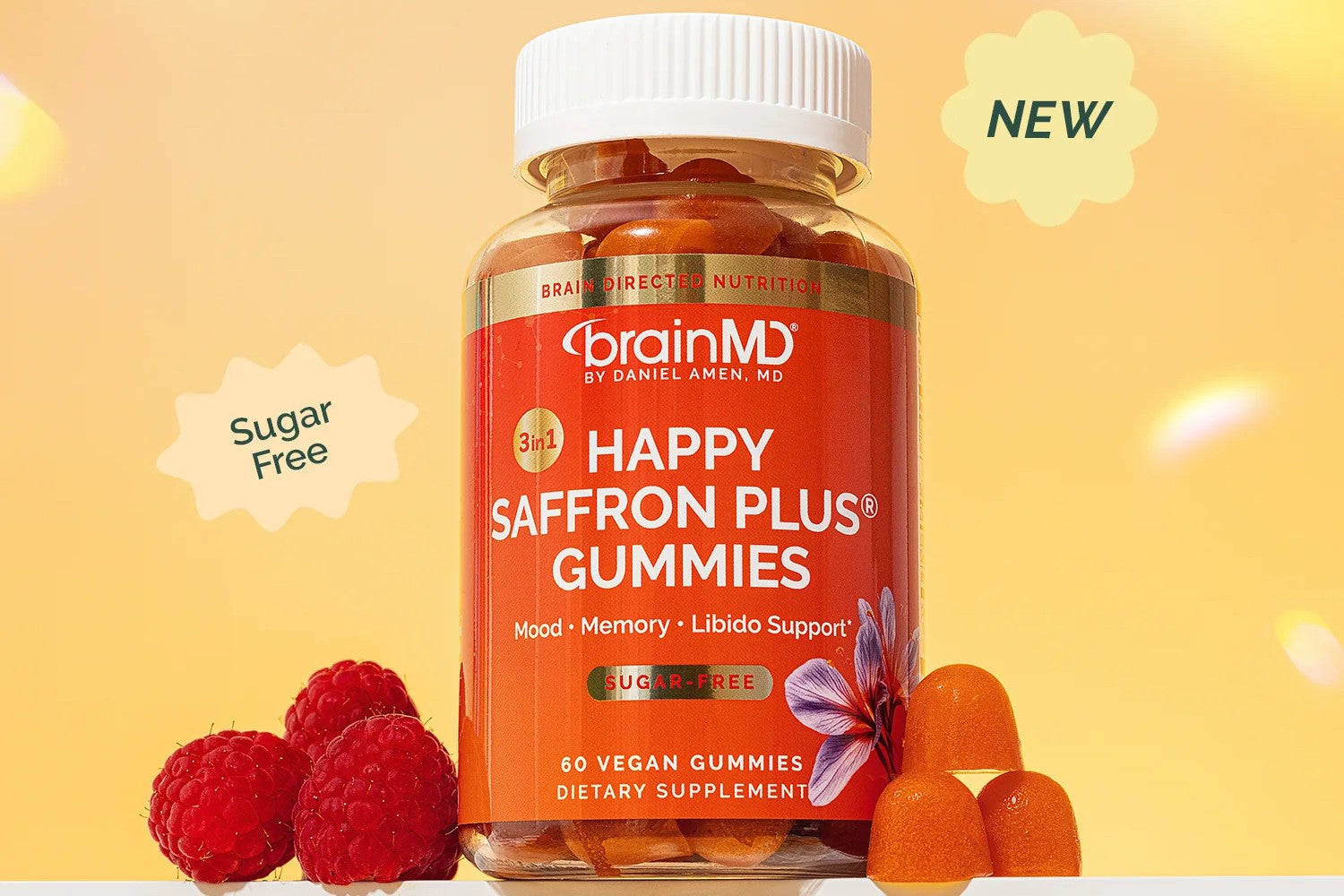
What kind of supplements do you prefer? There are many types of supplements including capsules, tablets, chewables, powders, gummies, liquids, energy bars, and more. With so many delivery formats available, it's natural to wonder: Are gummy vitamins as effective as pills? And does the form of a supplement really matter? The answer may surprise you. While different delivery formats each have their own advantages, the biggest factor isn't whether a supplement comes in a gummy or a capsule. It's the quality of the ingredients, the science behind the formulation, and whether you'll actually take it consistently. Let's take a closer look. Types of Supplements There’s a wide array of supplement types and delivery formats. Here are some of the major types of supplements and a few of their basic benefits and drawbacks. Gummy Vitamins Gummy supplements have come a long way over the past decade. While early gummy vitamins often relied on high amounts of sugar, artificial colors, and lower-potency formulas, today's premium gummies can deliver clinically researched ingredients in a convenient, enjoyable format. For many people, gummies make it easier to stay consistent with a daily supplement routine (especially those who dislike swallowing pills or simply prefer a chewable option). And consistency matters because even the highest-quality supplement can’t provide any benefit if it stays in the bottle. That said, not all gummies are created equal. Some products on the market contain sugar, artificial sweeteners, synthetic dyes, or ingredients in amounts too small to provide meaningful benefits. When choosing a gummy supplement, check the supplement facts panel first. Look for products that: Use clinically studied ingredients. Provide meaningful amounts of active ingredients. Do not use added sugar. Avoid unnecessary artificial colors and flavors. Are manufactured under strict quality standards. A great example is BrainMD's Happy Saffron Plus® Gummies, which combine clinically studied saffron extract with complementary nutrients in a delicious gummy designed to support a positive mood and emotional well-being. For adults who don't enjoy swallowing pills, they offer a convenient way to make mood support part of a daily wellness routine. When it comes to the gummy vitamins vs. pills debate, the better question isn't which format wins, it's which product is more thoughtfully formulated, and which one are you more likely to take consistently. A high-quality gummy can be an excellent delivery system for the right ingredients, while a poorly formulated pill isn't automatically better simply because it's a capsule or tablet. Capsules Pill capsules (“two-piece hardgels”) have a smooth, translucent outer shell that’s filled with a loose powder. They typically come in either a traditional gelatin shell or in a vegetarian (plant-based) shell. Capsules protect their contents against breakdown from direct exposure to the air and humidity. They’re generally easier to swallow than tablets and don’t leave behind an unpleasant taste in the mouth. Hardgels are preferred by people, especially parents of young kids, who opt to open the capsule and pour the powder over food or into a liquid or smoothie. One of the downsides is that capsules may contain lower doses of ingredients than tablets. Also, some may find large capsules just as difficult to swallow as tablets. Softgels Softgel pills typically contain liquid supplements inside a sealed gelatin shell. They are often used to encapsulate fish oil, vitamin D, and other fat-soluble vitamins. Softgels can be an excellent option for liquid ingredients. However, they cannot easily be opened or divided, and some consumers prefer to avoid gelatin-based products. Tablets Tablets are produced by compressing granules or powders into a hard pill. Many times, tablets are single-ingredient supplements, such as iron pills. One advantage of tablets is that they can provide higher amounts of ingredients compared to capsules and softgels. Also, tablets can be split (with a pill cutter) or crushed into a powder to make them easier to swallow. A common complaint against tablets is that they tend to be the hardest pill form to swallow. Also, without a coating, they may have a bitter or unpleasant taste. Unfortunately, to avoid that bitterness or to improve appearance, many tablets are coated with potentially unsafe substances (such as titanium dioxide)¹. Chewable Tablets Chewable tablets are useful for delivering larger amounts of an active ingredient that would otherwise take several hardgel or softgel capsules to deliver. As their name suggests, chewable tablets must be chewed before they’re swallowed. Chewables are ideal for those who don’t enjoy or have difficulty, swallowing pills. Since they must be chewed, chewables often are made to taste more pleasant than some other forms of supplements. As with gummy vitamins, there are a few potential pitfalls to be aware of. Many contain artificial colors and flavors that aren’t proven safe. Also, many chewables have sugar or artificial sweeteners, which are included to appeal to the customer’s tastebuds. Look for chewables that minimize sweeteners and artificial ingredients. Energy Bars The energy bar market has exploded in recent years, perhaps driven by the fast-paced nature of our society. Energy bars are often represented as providing a short-term energy boost to bridge the gap from one meal to the next. Some bars are marketed as food-based supplements that provide fats, proteins, and carbohydrates. Unfortunately, many have inferior sources of these food categories and fail to deliver a lasting energy boost. These convenient meal alternatives may (or many not) have a pleasant taste and may contain some vitamins, minerals, and other nutrients. However, many contain artificial colors, flavors, or sweeteners, which offset some of their benefit. For people with blood sugar problems, bars with lots of added sugar can hurt rather than help their mental focus or physical endurance. Liquids Some people just prefer to drink their vitamins. Liquid supplements have become more popular in recent years due to their convenience. Also, many maintain that a product’s efficacy is sustained over a longer period when it’s kept in the refrigerator. This actually isn’t the case because each time the bottle is opened – regardless of the temperature – the air that gets in delivers oxygen to the liquid, which degrades it. Rancidity sets in long before we can sense it by smell or taste. Liquid supplements can be naturally occurring or suspended in a liquid and may be preferred by people who have difficulty swallowing pills. Some of the benefits of liquid supplements are that its doses can be easily tailored and it doesn’t need to be mixed into liquid or water. Also, some research suggests that nutritional ingredients are more efficiently absorbed from liquid supplements compared to solid supplements.² Other than taking up space in your fridge, one of the biggest challenges with liquid supplements is that its taste tends to be amplified over normal supplements, which is a good thing if the product is pleasant tasting, but not so much if it isn’t. Also, liquid supplements tend to be pricier than their capsule or tablet counterparts and need artificial preservatives to keep them from prematurely breaking down. Powders Powdered supplements are dehydrated ingredients that must be dissolved in water or another liquid before being consumed. These nutrients can be added to fruit/vegetable juices, healthy smoothies, or even soups. As with those who prefer liquid supplements, powdered nutrients may be enjoyed as an alternative to pills and may be quickly absorbed. Powders may offer higher doses than pills since doses are easy to adjust. For some ingredients, the daily dose needed for health benefit is so high that a powder is the only choice a responsible manufacturer can make. The tradeoff is that powdered nutrients may have an unpleasant aftertaste. Also, the need to mix the powder into liquids requires more time spent in the kitchen and messes may be created in the combining process. Gummies vs. Capsules/Tablets Comparison Chart Feature Gummy Vitamins Traditional Pills (Capsules/Tablets) Best Suited For Targeted, low-dose micronutrients and concentrated botanicals (like saffron or vitamin D3) where consistency and taste support a daily routine. Bulky macrominerals (calcium, magnesium) and complex multi-ingredient formulas that require high physical volume. Primary Advantage High compliance; enjoyable to take consistently; excellent for accommodating low-dosage, concentrated extracts. Can hold dense, high-volume nutritional payloads in a single serving size. Active Ingredient Delivery Ideal for concentrated extracts that provide targeted support within a small milligram profile. Ideal for high-volume powder formulas and multi-nutrient combinations. What to Look For Clean formulations with minimal, natural sweeteners, avoiding artificial dyes or excess fillers. High-quality shells (like vegetable capsules) that dissolve reliably in the digestive tract. Which Supplement Format Is Best? There isn't a single delivery format that's best for everyone. Instead, consider your personal preferences, health goals, and the type of nutrient you're supplementing. Capsules are a great choice for many vitamins, minerals, and herbal ingredients. Softgels work especially well for oils and fat-soluble nutrients. Powders are ideal when larger amounts of an ingredient are needed. Liquids can be helpful for flexible dosing or those who have difficulty swallowing. Gummies are an excellent option for people who value convenience, great taste, and daily consistency. Ultimately, the best supplement is one you'll actually take consistently. Quality Matters More Than Format Whether you choose gummies, capsules, tablets, or powders, look beyond the delivery system. Choose supplements that are: Backed by science. Made with high-quality ingredients. Manufactured according to rigorous quality standards. Transparent about what's included, and what's left out. A thoughtfully formulated supplement can support your wellness goals regardless of its format. At BrainMD, we’re dedicated to providing the highest quality supplements to improve your physical health and overall well-being. For more information about our full list of brain healthy supplements, please visit us at BrainMD. These statements have not been evaluated by the FDA. This content is for informational purposes only. It is not meant to substitute for medical or healthcare advice from a physician, nor is it intended to diagnose, treat, cure, or prevent any disease. Consult your healthcare provider before beginning a new health regimen. References: ¹Skocaj, M., Filipic, M., Petkovic, J., & Novak, S. (2011). Titanium dioxide in our everyday life; is it safe? Radiology and Oncology, 45(4), 227–247. https://doi.org/10.2478/v10019-011-0037-0 ²Ko, J., Yoo, C., Xing, D., Gonzalez, D. E., Jenkins, V., Dickerson, B., Leonard, M., Nottingham, K., Kendra, J., Sowinski, R., Rasmussen, C. J., & Kreider, R. B. (2023). Pharmacokinetic analyses of liposomal and non-liposomal multivitamin/mineral formulations. Nutrients, 15(13), 3073. https://doi.org/10.3390/nu15133073
Learn more
What Is the Best Multivitamin for Men Over 50?
If you’re a man in or approaching your 50s, you’ve probably noticed that your body doesn’t quite work the way it used to. Don’t panic! You’re not alone. Signs of Aging in Men There are many signs that your age might be catching up with you if you’re a middle-aged male. Here are just a few: Loss of muscle mass/joint pain Low energy/fatigue Loss of ambition/low enthusiasm Reduced sex drive/erectile dysfunction Low mood/mood swings Poor concentration/memory problems Sleep issues/tiredness This is just a short list of symptoms; other, more serious, conditions may involve your heart or other organs. For many adult men, the culprit for their issues with energy, mood, and libido is low testosterone. Testosterone Testosterone is a hormone that’s important for male development. It’s responsible for the deepening of the voice, the growth of facial hair, and many other features traditionally associated with maleness. Also, testosterone is the primary hormone responsible for libido in men. Like many hormones, testosterone levels decrease with age. The aging process can leave some men with low testosterone levels that have been shown to increase feelings of anxiousness, low mood, and a host of other issues. Also, testosterone can be prematurely reduced (at any age) by long-term stress, exposure to environmental pollutants, insulin imbalance, narcotics use, and many other lifestyle factors. Andropause Most men approaching their 40s and 50s go through a form of menopause called andropause. The symptoms of andropause include lowered sex drive, mood issues, lack of motivation, fatigue, increased body fat, and decreased muscle mass, strength, and stamina. Nutritional Support One helpful way men can reduce the risk of age-related problems is to take high-quality supplements. Some have suggested that the foods currently available aren’t providing enough of the nutrients¹ the brain and body need. Despite your best efforts to follow a healthy diet, many foods are so low in nutrients that you’ll likely have a gap in nutrition. That’s where dietary supplements come in – they can help fill the gaps in your diet with the nutrients you’re missing. The foundation of every vitamin regimen should be a high-quality, broad-spectrum multivitamin and multimineral supplement. Why You Should Take a Multivitamin Many people have nutrient deficiencies stemming from the frequent consumption of foods associated with the standard American diet (SAD). According to one review,² this has led to widespread vitamin and mineral deficiencies in our nation. The Centers for Disease Control and Prevention (CDC) has estimated that a significant number of Americans³ don’t consume the recommended servings of fruits and vegetables per day. Since most adults aren’t getting enough vitamins in their diet, it’s recommended⁴ that everyone should take a broad-spectrum multivitamin supplement every day. Further bolstering the importance of taking a multivitamin supplement daily is a compelling study⁵ conducted in 2010 that included over 200 men between the ages of 30 and 55. The men were separated into two groups: one group took a multivitamin and the other took a placebo. At the end of one month, the men who took the multivitamin reported better mood and cognitive performance, and less stress and mental fatigue. If you’re looking for a premium, ultra-pure multivitamin, BrainMD is proud to offer NeuroVite Plus Multivitamin! NeuroVite Plus: Best Multivitamin for Men Over 50! BrainMD’s NeuroVite Plus Multivitamin is the first and only daily multivitamin that contains over 50 vitamins, minerals, and plant extracts developed through clinical studies.* NeuroVite Plus was formulated to provide whole-body wellness with additional key brain-healthy nutrients.* It offers advanced nutrition in a way that far surpasses big-box store or drugstore multivitamins.* 5 Benefits of NeuroVite Plus Multivitamin Though the benefits of this dynamic, broad-spectrum multivitamin are numerous, NeuroVite Plus can support your daily health by: [wc_box color="inverse" text_align="left" margin_top="" margin_bottom="" class=""] Nourishing your body’s cells, tissues, and organs with a wide range of essential and conditionally essential nutrients, all important for energy, health, and survival* Going beyond other multiples to further promote optimal brain function with important phytonutrients that help sustain brain cells* Supporting the health of all the body’s organ systems with the full range of vitamins, the essential dietary minerals (except iron and copper), lutein and zeaxanthin for the brain and eyes, resveratrol and hesperidin for the brain and circulation, and coenzyme Q10 (“CoQ”) for the heart* Shoring up the body’s antioxidant defenses with vitamins C and E, the essential minerals zinc, selenium, and manganese, the conditionally essential alpha lipoic acid, CoQ, lutein and zeaxanthin* Including a careful selection of beneficial food concentrates, as well as digestive enzymes to help ensure digestion and absorption* [/wc_box] But Wait, There’s More… In addition to high doses of core ingredients, NeuroVite Plus rounds out its formulation with two proprietary blends developed by Dr. Daniel Amen: Fruit and Vegetable Blend – promotes antioxidant versatility* Digestive Enzyme Blend – supports healthy digestion* Scientifically formulated with optimally bioavailable nutrients in their best-utilized and most effective forms, NeuroVite Plus is the only daily multivitamin for men that delivers comprehensive brain-boosting benefits.* Feed Your Brain The modern diet isn’t providing sufficient average intakes of various essential nutrients. While failing to get enough of these vitamins and essential nutrients may lead to serious, long-term health issues, feeding your brain and body with healthy foods and high-quality supplements can provide tremendous nutritional health support for you and everyone in your family. Nutritional research makes clear that everyone can benefit from taking a multiple vitamin-mineral supplement that’s concentrated, naturally derived, and made with integrity. For all the above, take NeuroVite Plus Multivitamin daily.* At BrainMD, we’re dedicated to providing the highest purity nutrients to improve your physical health and overall well-being. For more information about NeuroVite Plus Multivitamin and our full list of brain healthy supplements, please visit us at BrainMD. *These statements have not been evaluated by the FDA. This content is for informational purposes only. It is not meant to substitute for medical or healthcare advice from a physician, nor is it intended to diagnose, treat, cure, or prevent any disease. Consult your healthcare provider before beginning a new health regimen. References: 1. Passarelli, S., Free, C. M., Shepon, A., Beal, T., Batis, C., & Golden, C. D. (2024). Global estimation of dietary micronutrient inadequacies: A modelling analysis. The Lancet Global Health, 12(10), e1590–e1599. https://doi.org/10.1016/S2214-109X(24)00276-6 2. Blumberg, J. B., Frei, B. B., Fulgoni, V. L., Weaver, C. M., & Zeisel, S. H. (2017). Impact of frequency of multi-vitamin/multi-mineral supplement intake on nutritional adequacy and nutrient deficiencies in U.S. adults. Nutrients, 9(8), 849. https://doi.org/10.3390/nu9080849 3. Lee-Kwan, S. H., Moore, L. V., Blanck, H. M., Harris, D. M., & Galuska, D. (2017). Disparities in state-specific adult fruit and vegetable consumption — United States, 2015. Morbidity and Mortality Weekly Report, 66(45), 1241–1247. https://www.cdc.gov/mmwr/volumes/66/wr/mm6645a1.htm 4. Fletcher, R. H., & Fairfield, K. M. (2002). Vitamins for chronic disease prevention in adults: Clinical applications. JAMA, 287(23), 3127–3129. https://doi.org/10.1001/jama.287.23.3127 5. Kennedy, D. O., Veasey, R., Watson, A., Dodd, F., Jones, E., Maggini, S., & Haskell, C. F. (2010). Effects of high-dose B vitamin complex with vitamin C and minerals on subjective mood and performance in healthy males. Psychopharmacology, 211(1), 55–68. https://doi.org/10.1007/s00213-010-1870-3
Learn more
Here Are Some of the Best-Absorbed Vitamins
Vitamins and certain mineral nutrients are essential for our survival. The body runs on thousands of enzymes, most of which need vitamins or minerals to be part of their structure or as necessary cofactors for the reactions they make happen. Without essential nutrients, we cannot make and use energy. And without energy, there’s no life. The Nutrition Gap Based on large surveys of Americans’ dietary patterns, the U.S. Centers for Disease Control and Prevention (CDC) consistently reports insufficient average intakes of various essential nutrients, vitamins, and minerals. Due to the poor nutritional quality of the standard American diet (SAD), many people aren’t receiving proper nutrition from the foods they eat. Since so many American foods are grown in poor soils, sprayed with poisons, and technologically manipulated, even those who eat a relatively healthy diet may find it challenging to get all the nutrients they need. Also, due to genetic individuality, some people need more of certain vitamins and minerals than the average person does. Everyday stress also can burn away nutrients. To help fill the nutrient gap, it’s crucial to get additional supplies of these nutrients. That’s where supplements come in. The reason they’re called supplements is because they supplement your diet with the nutrients you might be missing by only fueling your body with food. As you search for effective, high-purity supplements, there are many elements to consider…such as bioavailability. What is Bioavailability? According to the National Institute of Health’s Office of Dietary Supplements, bioavailability is defined as “the amount of (a given nutrient) in food, medications, and supplements that are absorbed in the intestines and ultimately available for biological activity in your cells and tissues.” Bioavailability has also been referred to as one of the least appreciated and understood factors¹ of nutritional health as it pertains to longevity, morbidity, and overall quality of life. In pharmacology, bioavailability refers to the percentage of an administered substance that reaches the bloodstream. A medication delivered intravenously is considered 100% bioavailable. With respect to dietary supplements, bioavailability is not just the amount or fraction of the nutrient that’s absorbed into the bloodstream, but also how much of it is used by the body or stored for future use. Due to their oral consumption, dietary supplements take longer to enter the bloodstream than a substance administered intravenously. One of the most important aspects of bioavailability is absorption. Absorption Basics The digestive system uses enzymes and emulsifiers to convert the vitamins and nutrients from your food and supplements into tiny, molecule-sized dispersions, which are then absorbed across your gut lining into the blood. This absorption process can be affected by many factors, including competition of digestion and the addition of other supplements. Mineral molecules need to be broken down into charged ions for efficient absorption. Many supplements contain minerals as oxides, which makes them poorly absorbed since they don’t easily form ions. Magnesium is commonly used as an oxide because it takes up less space in the tablet or capsule (and it’s cheaper than the better absorbed ionic magnesium compounds). Following dispersion by the digestive system, practically all the vitamins and ionic essential minerals are picked up by transport proteins located in the intestinal lining, then transported into the blood. Sugar (sucrose) interferes with the absorption of vitamin C by blocking the vitamin C transporter. Bioavailability Inhibitors Many things can adversely affect bioavailability, such as the quality of food, the overall health of the GI tract, pregnancy status, and genetic makeup. Here are some additional factors to be mindful of: Alcohol – Alcohol can interfere with the intake and absorption of vitamins A, D, E, K, practically all the B vitamins, and the minerals magnesium and zinc. Alcohol increases the metabolic demands for nutrients, accelerates their loss from the body, and impairs their storage and utilization. Caffeine – Caffeine can reduce the absorption of nutrients and increase the excretion of important vitamins and minerals. It also contains tannins, which can inhibit the absorption of the B vitamins, calcium, iron, and magnesium. Digestive issues – Crohn’s, irritable bowel syndrome (IBS), celiac disease, and other digestive problems can significantly hinder the body’s ability to properly absorb and utilize nutrients. Medications – Many over-the-counter and prescription drugs impair nutrient absorption and/or utilization. A well-known example is statins, which impair the absorption of coenzyme Q10. Stress – Excessive stress can increase cortisol, the body’s primary stress hormone. Stress can deplete the body of its nutrients and wreak havoc on the digestive system. Bioavailability Enhancers Just as there are many things that reduce nutrient absorption and metabolism, there are also many things that can help increase the bioavailability of nutrients. Time of Day – Some supplements may have more benefits when taken at certain times during the day. For instance, magnesium should be taken in the evening since it has calming properties. Take with Food – Since supplements generally aren’t well tolerated when taken on an empty stomach, most should be taken with a meal. Fat-soluble supplements, like vitamins A, D, and E, should be taken with a meal containing fat to aid in their digestion. Supporting Ingredients – Some ingredients can increase the bioavailability of other nutrients. One example is vitamin C, which can enhance the bioavailability of iron. Proper Storage – To help ensure the efficacy of your supplements, be sure to store them in a cool, dry area away from direct sunlight (try this handy vitamin organizer). It’s a good idea to store fish oil and other liquid or liposomal products in the fridge. Make sure they’re tightly sealed to prevent moisture from getting in. [wc_box color="secondary" text_align="left" margin_top="" margin_bottom="" class=""] Absorb This Ongoing population surveys clearly indicate the modern diet isn’t providing sufficient average intakes of various essential nutrients.² Failing to get enough of these vitamins and essential nutrients may lead to serious, long-term health issues. Bioavailability is the percentage of the dose of a nutrient or other substance that is absorbed into the bloodstream and used by the body’s cells. Many things can interfere with nutrient absorption including alcohol, caffeine, stress, and some prescription drugs. You can potentially get more from your supplements by taking them with food, following the directions for use, and making sure they’re properly sealed and stored. One thing to keep in mind is that just because a supplement claims to contain a particular amount of a specific nutrient doesn’t mean your body will absorb the entire amount. Always conduct thorough research on the nutrients included in a dietary supplement before adding it to your daily regimen. BrainMD’s vitamins are ultra-pure, science-based, and brain directed. Our high-quality supplements are made from ingredients that have undergone rigorous clinical testing and have been formulated for maximum bioavailability, to give you the nutrients you need to be your best self. [/wc_box] At BrainMD, we’re dedicated to providing the highest quality supplements to improve your physical health and overall well-being. For more information about our full list of brain healthy supplements, please visit us at BrainMD. These statements have not been evaluated by the FDA. This content is for informational purposes only. It is not meant to substitute for medical or healthcare advice from a physician, nor is it intended to diagnose, treat, cure, or prevent any disease. Consult your healthcare provider before beginning a new health regimen. References: 1. Pressman, P., Clemens, R. A., & Hayes, A. W. (2017). Bioavailability of micronutrients obtained from supplements and food: A survey and case study of the polyphenols. Toxicology Research and Application. https://doi.org/10.1177/2397847317696366 2. Passarelli, S., Free, C. M., Shepon, A., Beal, T., Batis, C., & Golden, C. D. (2024). Global estimation of dietary micronutrient inadequacies: A modelling analysis. The Lancet Global Health, 12(10), e1590–e1599. https://doi.org/10.1016/S2214-109X(24)00276-6
Learn more
What Are the Top Folate Benefits for Men?
You may be familiar with B vitamins such as vitamin B1 (thiamin), vitamin B2 (riboflavin), and vitamin B3 (niacin). But do you know what vitamin B9 is named? What Is Folate? Vitamin B9 is called folate. It’s a group of substances that supply the body with chemically simple methyl groups. The body needs folates but can’t make them from scratch and, therefore, must get them from foods or dietary supplements. Folate is vital at every life stage, from early development in the womb through birth and all the way through adulthood. But for many people, lifestyle factors, popularly used medications, or common gene mutations can deplete their folate stores. For these individuals, and most everyone else, the best dietary form of folate is methylfolate (MF). What Is Methylfolate? Methylfolate (technically methyltetrahydrofolate) is the body’s most active form of folate. All our cells need MF to drive specialized enzymes that make our DNA, genes, and chromosomes. Also, our cells need MF to repair damage to DNA. Methyl, coming mainly from folate, also is very important for epigenetics – turning genes on and off using methyl – as well as to enable cells to grow, maintain their structure, and make new cells. Our estimated 200 billion brain cells need MF for all these reasons. But they also need MF to enable them to make nerve cells’ electrical insulation and important neurotransmitters. While considering these impressive benefits of MF, it’s also important to be aware of the potential dangers of not taking MF. Folate Mutations When consumed, methylfolate doesn’t need to be converted into active folate – as the body’s most active folate form, it can be immediately used by our folate enzyme systems. One of the most common human gene mutations is the C677T mutation in the enzyme Methylenetetrahydrofolate Reductase (MTHFR), whose function is to produce MF. This mutation is associated with impaired folate utilization from food. Taking MF by mouth bypasses this mutation: as premade, authentic MF, it doesn’t need to be produced by MTHFR. For people with C677T, or various other less common MTHFR mutations, methylfolate is a health breakthrough! Folate-Rich Foods [wc_box color="inverse" text_align="left" margin_top="" margin_bottom="" class=""] 1. Avocados This incredibly underrated fruit is full of healthy fats that help to sustain brain blood flow and maintain blood pressure already within a normal range. Avocados are rich in many vitamins, including folate. 2. Asparagus Asparagus generates energy for your brain and body and is an incredible source of fiber and folate. It’s also an excellent source of vitamins A, E, and K. Asparagus is loaded with polyphenols and provides generous amounts of phosphorus, iron, and chromium. 3. Cruciferous Vegetables Cruciferous vegetables, especially broccoli and Brussels sprouts, are rich in folate. They also contain sulforaphane, which our friendly gut bacteria can convert into substances that help the body detoxify various potential toxins. They’re also high in carotenoids which are powerful antioxidants and assist with our vision and brain function. 4. Leafy Green Vegetables Leafy green vegetables have tremendous health benefits. They provide an enormous array of vitamins, essential minerals, carotenoids, and free-radical blocking antioxidants to help protect the brain and body against toxins. One of the vitamins abundant in these nutrient-dense vegetables is folate. 5. Spinach This nutrient-dense vegetable is a good source of fiber and is rich in magnesium, potassium, and vitamins A and K. Spinach also contains a high level of folate, which may help relieve mood issues. [/wc_box] What Are the Top Folate Benefits for Men? Here are just a few of the many folate benefits for men: Fundamental to the growth, renewal, and functioning of cells, tissues, and organs.* Helps support a healthy mood, memory, cognition, and behavior.* Enhances the clinically demonstrated mood benefits of SAMe (s-adenosyl-methionine).* Essential for the brain to make the key neurotransmitters serotonin, dopamine, and norepinephrine.* Promotes the brain’s healthy production of melatonin, our main sleep hormone.* Enhances the body’s regulation of homocysteine, a potentially toxic human metabolic product.* Other folate benefits for men may include mood¹ and cardiovascular² support. Folate Supplements Most folate vitamins use inexpensive, synthetic folic acid. This is a problem because folic acid can’t be used by the body until it’s converted to methylfolate. If your body can’t convert folic acid to MF, you’re missing out on the benefits of this vitamin for mood, brain, and organ function.* Since MF isn’t commonly found in foods and very rarely provided by dietary supplements, BrainMD has made MF a priority ingredient in our brain-directed dietary supplements. To ensure you’re receiving enough MF daily, consider taking… BrainMD’s MethylFolate Supplement Methylfolate is a form of the folate vitamin that’s better utilized than folic acid or other folates.* BrainMD’s MethylFolate is essential for mood, cognition, behavior, and overall brain and body health.* Methylfolate is the body’s most fully active form of folate, a vitamin that provides methyl groups (-CH3) which are crucial for a broad range of brain functions, including healthy mood.* Highly Bioavailable Source of Methyl Groups To be utilized by the body, dietary folates from foods or supplements must first be converted to methylfolate. But the enzymes involved in this conversion process often carry mutations that can interfere with their activity. High-quality MF supplements bypass these enzymes, directly supplying methyl to make SAMe and other methyl cofactors that manage the body’s extensive networks of methyl metabolism. Promotes Metabolic Recycling of Homocysteine Homocysteine (HCy) is a byproduct of SAMe production from MF and the amino acid methionine. If allowed to build up in the blood and other tissues, HCy can become toxic. MF facilitates the recycling of HCy to methionine, which helps reduce its toxic potential. Supports Brain Health and DNA Methyl from MF is needed from the moment of fertilization of the human egg, through the development of the brain, heart, and other organs, to birth, and across the lifespan. All our cells need methyl groups to make their DNA, repair ongoing DNA damage, and regulate their utilization of DNA. Methylfolate is Great! Taking folate as MethylFolate can help provide nutritional support for your brain and body.* This versatile supplement is also fundamental to the growth and renewal of our cells, helps regulate potentially harmful homocysteine, and much more.* You can enjoy all these benefits of methylfolate for men in BrainMD’s MethylFolate supplement. Try it today! At BrainMD, we’re dedicated to providing the highest purity nutrients to improve your physical health and overall well-being. For more information about MethylFolate and our full list of brain healthy supplements, please visit us at BrainMD. *These statements have not been evaluated by the FDA. This content is for informational purposes only. It is not meant to substitute for medical or healthcare advice from a physician, nor is it intended to diagnose, treat, cure, or prevent any disease. Consult your healthcare provider before beginning a new health regimen. References: 1. Bender, A., Hagan, K. E., & Kingston, N. (2017). The association of folate and depression: A meta-analysis. Journal of Psychiatric Research, 95, 9–18. https://doi.org/10.1016/j.jpsychires.2017.07.019 2. U.S. Department of Health & Human Services, National Institutes of Health, Division of Program Coordination, Planning, and Strategic Initiatives, The Office of Dietary Supplements. (n.d.). Folate - Fact sheet for health professionals. National Institutes of Health. https://ods.od.nih.gov/factsheets/Folate-HealthProfessional/
Learn more
Here Are 3 of the Top Reasons to Take Liquid Vitamin C
Do you take a vitamin C supplement every day? If not, here’s why you should… Importance of Vitamin C Vitamin C is essential for human life. The body needs it but can’t make it, so we must get it from our diet. However, U.S. Government surveys indicate a substantial percentage of Americans aren’t getting adequate amounts of vitamin C. Vitamin C is the best-studied and understood antioxidant: a substance that readily donates electrons to neutralize potentially damaging oxidative free radicals. When our cells use oxygen to make energy, they create free radicals, which can destroy DNA, proteins, and other key cell components. As one of our major natural antioxidant protectors,¹ vitamin C helps to defend against free radicals and the many toxins that can enter the body via the air, water, or foods. As an essential vitamin, C is involved in immune support, collagen production, and plays a key role in brain health. For these, and many other reasons, it’s important to take a vitamin C supplement every day. Vitamin C Deficiency In centuries past, sailors on long voyages could become malnourished and depleted in numerous essential vitamins and minerals. Many would develop scurvy, a life-threatening vitamin C deficiency. Did you know that vitamin C deficiency is also a problem for many people today? It’s almost unthinkable that in the land of orange juice and SunnyD, many Americans are deficient² in this essential vitamin. Truth is, these types of beverages often are loaded with sugar (which blocks vitamin C absorption), and many have less vitamin C than you think. Tablet or chewable supplements also can contain sugar, and many provide minimal or no vitamin C benefit to the consumer. So, how can you know if you’re getting a quality vitamin C product? The Problem with Many Vitamin C Supplements Sadly, when it comes to vitamin C supplements, many fail to provide what they promise. Some have inferior ingredients. Others are poorly absorbed. Still others contain lower amounts of the vitamin than what’s recommended for daily intake. Also, most vitamin C supplements contain ascorbic acid, a water-soluble form of vitamin C that exits the body quickly (yellow urine may be an indication of this). At lower doses (30-180 mg a day), 70% to 90% of ascorbic acid³ is absorbed. But at higher doses (1,000 mg+ a day), absorption drops to less than 50%. This makes it difficult to get the necessary amount of this vital vitamin every day. Since absorption is such a major consideration when taking vitamin C, many have looked for alternatives to taking vitamin C tablets or capsules. One delivery method that seems to have better absorption of vitamin C is the liposomal, or liquid, form of the vitamin. 3 Benefits of Liquid Vitamin C Here are 3 of the top benefits of taking liposomal vitamin C. Easily Absorbed Liposomal vitamin C is enclosed in bubbles called liposomes, which protect it from degradation by stomach acid. Liposomes, tiny fats called phospholipids, are similar to cell membranes. These liposomes readily enter your cells, which can increase the amount of C you absorb.* Gentle on the Stomach Compared to other forms of high-dose vitamin C, liposomal vitamin C is less likely to cause upset stomach.* Clinically Researched Research has found that liposomal vitamin C achieves higher levels of vitamin C in the blood and white blood cells than ascorbic acid.* Recommended Daily C Recently the recommended Daily Value for intake of vitamin C was raised to 90 mg per day,⁴ and sugary drinks or foods are unlikely to provide that much functional vitamin C. Unless you have a well-balanced diet rich in citrus fruits you may be at risk of not obtaining sufficient vitamin C. So, how can you ensure that you’re getting enough of this essential nutrient. To protect against vitamin C deficiency, and to fuel better brain health, neurotransmitter production, and antioxidant defense, try BrainMD’s Neuro-C Liposomal Vitamin C. BrainMD’s Neuro-C Liposomal Vitamin C This breakthrough nutraceutical formula was scientifically designed to promote advanced brain and immune defense.* A versatile and powerful nutrient, vitamin C is crucial for immunity, circulation, skin quality, peak mental performance, and overall well-being.* Neuro-C Liposomal Vitamin C delivers vitamin C more efficiently than tablets, capsules, or powders.* This liquid vitamin C contains a special, lipid-soluble form of vitamin C that stays in the body longer than ascorbic acid, so it’s well-absorbed at higher doses.* 6 Benefits of Vitamin C Supplements 1. Crucial for the Brain Several important human enzymes need vitamin C to function. This is most evident in the brain, where C is more highly concentrated than in any other organ. Our nerve cells need C to make the neurotransmitters dopamine and norepinephrine, along with carnitine, creatine, tyrosine, and the myelin that electrically insulates the nerve cells. Vitamin C is vital for enzymes that make collagen, which is essential for strengthening the walls of the brain’s blood vessels. 2. The Collagen Connection Collagen is a family of large proteins that provide strength to the body’s connective tissues. Collagen is a major structural component of this connective tissue “glue” that holds our cells in their assigned locations within our tissues and organs. The body needs vitamin C to make collagen for healthy circulation, skin, joints, bone and other hard tissues, and all the body’s organs. 3. C is for Circulation The body’s miles of blood vessels need vitamin C to maintain the collagen that builds the structure of their walls. Sufficient availability of C helps the blood vessels maintain their strength and functional flexibility. The circulating blood relies on vitamin C for its antioxidant, anti-free radical capacity. Immune cells that circulate with the blood are particularly reliant on C. 4. Added Immune Protection Much of our immune system consists of mobile single cells that circulate with the blood or patrol our tissues looking for hostile invaders. These cells need high levels of vitamin C to power their movements, but without enough C, they may be unable to perform their task. Also, many of the circulating immune cells produce highly toxic free radicals to destroy bacteria, viruses, or other harmful agents and need internal C to protect them against self-destruction. The solid tissues of the immune system also need C for optimal function. 5. Adrenal Gland Support The adrenals are small glands positioned like caps on each of our kidneys and are loaded with vitamin C. They make much of the body’s necessary steroid hormones, as well as hormones important for managing stress, and both these functions depend on enzymes that require vitamin C. By supporting the adrenals’ key life-sustaining functions, vitamin C is a major asset against stress. 6. Increasing Blood Vitamin C with Liposomes Liposomes are tiny molecular spheres with hollow interiors, and outer shells made of phospholipids like those that make up our cell membranes. The hollow interior can be loaded with a substance that isn’t normally well absorbed – in this case, vitamin C – then made into a dietary supplement ingredient. When Neuro-C is taken by mouth, its liposomes help protect their loads of vitamin C molecules from being broken down by the acidity of the stomach.* After the liposomes reach the intestine, their shells are dissolved by digestive enzymes. This releases the vitamin C molecules to be absorbed across the intestinal wall and into the bloodstream. The specific liposomes used in BrainMD’s Neuro-C were shown to be an effective molecular vehicle for increasing vitamin C levels in the blood.* Neuro-C Vitamin C FAQ [wc_box color="inverse" text_align="left" margin_top="" margin_bottom="" class=""] How do I take Neuro-C? We recommend adults take 1 tablespoon (15 ml) with food, one to three times a day, or more as desired. Can children take Neuro-C? Yes. Children ages 4 and up can take 1 tablespoon (15 ml) with food, one to three times a day or more under parental supervision. Does this supplement contain allergens? It is free from dairy, glutens, corn, eggs, yeast, and artificial flavorings or colorings. Is Neuro-C suitable for vegans? Yes. BrainMD’s Neuro-C is suitable for vegans, and for anyone seeking to improve their mental performance, immunity, and overall well-being.* Is it chalky or unpleasant tasting? No. Neuro-C is a liquid and doesn’t have the powdery or tart taste of many vitamin C tablets or chewables. It has a delicious citrus vanilla flavor. [/wc_box] Here’s What Others Are Saying About Neuro-C: “This is like drinking a creamscile! I love it.” -Barbara L. “I take it daily. Love the taste and feeling like I have more energy and skin is more vibrant and youthful.” -Michelle M. "If you want to get more vitamin C to boost your immunity but you’re struggling with pill fatigue, Neuro-C is for you. It’s a liquid that’s more powerful than a capsule. And it tastes great—like sunshine in a bottle.” -Daniel G. Amen, MD C the Difference Getting adequate amounts of vitamin C every day is a great way to improve overall brain and body health.* Neuro-C Liposomal Vitamin C supplies 1,000 mg of vitamin C in a form that’s conveniently drinkable, highly absorbable, and easy on the stomach.* Support your immune system, circulation, adrenal glands, collagen production, and total well-being with BrainMD’s Neuro-C Liposomal Vitamin C.* Try Neuro-C Liposomal Vitamin C today! At BrainMD, we’re dedicated to providing the highest purity nutrients to improve your physical health and overall well-being. For more information about Neuro-C Liposomal Vitamin C and our full list of brain healthy supplements, please visit us at BrainMD. *These statements have not been evaluated by the FDA. This content is for informational purposes only. It is not meant to substitute for medical or healthcare advice from a physician, nor is it intended to diagnose, treat, cure, or prevent any disease. Consult your healthcare provider before beginning a new health regimen. References: 1. Frei, B., England, L., & Ames, B. N. (1989). Ascorbate is an outstanding antioxidant in human blood plasma. Proceedings of the National Academy of Sciences of the United States of America, 86(16), 6377–6381. https://doi.org/10.1073/pnas.86.16.6377 2. Reider, C. A., Chung, R.-Y., Devarshi, P. P., Grant, R. W., & Mitmesser, S. H. (2020). Inadequacy of immune health nutrients: Intakes in US adults, the 2005–2016 NHANES. Nutrients, 12(6), 1735. https://doi.org/10.3390/nu12061735 3. National Institutes of Health, Office of Dietary Supplements. (n.d.). Vitamin C - Health professional. U.S. Department of Health & Human Services. https://ods.od.nih.gov/factsheets/VitaminC-HealthProfessional/ 4. Food and Drug Administration. (n.d.). Daily value on the nutrition and supplement facts labels. U.S. Department of Health and Human Services. Retrieved January 9, 2025, from https://www.fda.gov/food/food-labeling-nutrition/daily-value-nutrition-and-supplement-facts-labels
Learn more
Do You Really Need All 8 B Vitamins?
Most medical students are taught that people do not need vitamins and supplements. If you eat a balanced diet, they are told, you get all of the nutrients needed. [wc_box color="inverse" text_align="left" margin_top="" margin_bottom="" class=""] "I was told this in medical school and it is still the mantra being disseminated decades later." - Dr. Daniel Amen. [/wc_box] The one problem with this advice is that no one has a truly balanced diet. Nowadays, people live in a fast-paced society where they pick up food on the fly, skip meals, eat sugar-laden treats, buy processed foods, and eat foods that have been chemically treated. Therefore, most people could use a little help from a multiple vitamin/mineral supplement in order to ensure they are getting all the nutrients for optimal health. Such is especially true with the B vitamin family – a key player in maintaining optimal health and keeping you energized. The B vitamin family is made up of eight B vitamins that are water-soluble, which means they are excreted from the body daily and must be replenished on a regular basis. Although they are commonly recognized as a group and often work together in the body, each of the B vitamins performs unique and important functions. Additionally, the different types of B vitamins all come from different types of foods. It is important to note that deficiencies of any of these can lead to health problems. Read on to better understand the roles of each of the B vitamins. Here Are the 8 B Vitamins and Their Top Benefits Vitamin B1 Also known as thiamin, vitamin B1¹ helps convert food into energy, plays a role in muscle contraction, and supports normal nervous system function. Additionally, it is often called an “anti-stress” vitamin because of its ability to protect the immune system. Can be found in: whole grains, beans, spinach, kale, yeast, nuts, sunflower seeds, pork, and red meat. Vitamin B2 Also known as riboflavin, vitamin B2 helps your body break down and use the carbohydrates, fats, and proteins in your diet. It is important for body growth and red blood cell production. Can be found in: almonds, wild rice, eggs, Brussels sprouts, spinach, broccoli, salmon, and beef. Vitamin B3 Also known as niacin or niacinamide, vitamin B3 helps the digestive system, skin, and nerves to function. In addition, it supports cellular energy production and boosts HDL cholesterol (the good cholesterol). Can be found in: beef, poultry, fish, legumes, nuts, eggs, beans, and green vegetables. Vitamin B5 Also known as pantothenic acid, vitamin B5 is needed for our bodies to break down fats and carbohydrates for energy. In addition, is necessary for our bodies to produce hormones, as well as being needed for growth. Can be found in: just about every food group - its name even says so. Pantothenic comes from the Greek word pantothen, meaning “from everywhere.” Rich sources include organ meats, egg yolk, whole grains, avocados, nuts, lentils, broccoli, kale, and dairy products. Vitamin B6 Involved in over 100 cellular reactions throughout the body, vitamin B6, also known as pyridoxine, is instrumental in keeping various bodily functions operating at their best. It helps the body metabolize amino acids from our food, build new red blood cells, and is involved in mood² and sleep patterns because it helps the body produce serotonin, melatonin and norepinephrine. Can be found in: meat, poultry, eggs, fish, bananas, berries, peaches, carrots, spinach, sunflower seeds, and brown rice. Vitamin B7 Known as the “beauty” vitamin, vitamin B7, or biotin, is especially known for supporting healthy hair, skin and nails. Can be found in: strawberries, organ meat, yeast, pork, chicken, fish, cauliflower, egg yolks, and nuts. Vitamin B9 Also known as folate, vitamin B9 is most commonly known for its role in fetal health and development because it plays a critical role in the proper development of the baby’s nervous system. It additionally fosters the growth of red blood cells. Can be found in: dark green leafy vegetables, organ meats, beets, dates, avocados, beans, salmon, and bulgur. Vitamin B12 This B vitamin, also known as cobalamin, is a team player. It works with vitamin B9 to produce red blood cells and help iron do its job – create the oxygen-carrying protein, hemoglobin. Vitamin B12 also helps regulate and maintain a healthy central nervous system. Can be found in predominantly foods of animal origin such as chicken, beef, fish, pork, and clams. Because vitamin B12 is not naturally occurring in plant foods, vegetarians and vegans might not get enough in their diets and may need to take a B supplement. What Is the Best Multivitamin? Many people think they need to go out and find a B complex vitamin, but you can get your daily dose of these important B vitamins simply with one powerful daily multivitamin. NeuroVite Plus Multivitamin combines all 8 B vitamins with more than 50 nutrients and plant extracts in their most active forms to give you whole body-mind nutrition in a way that drugstore multivitamins cannot do.* The brain has special transport systems to move B vitamins across the blood-brain barrier and deliver them to the brain cells. In a two-year double-blind trial at Oxford University, Douaud and colleagues found a B vitamin combination slowed brain decline in elderly people. All our cells need the 8 B vitamins, and they work best when administered together.* At BrainMD, we’re dedicated to providing the highest quality supplements to improve your physical health and overall well-being. For more information about our full list of brain healthy supplements, please visit us at BrainMD. *These statements have not been evaluated by the FDA. This content is for informational purposes only. It is not meant to substitute for medical or healthcare advice from a physician, nor is it intended to diagnose, treat, cure, or prevent any disease. Consult your healthcare provider before beginning a new health regimen. References: 1. Benton, D., Griffiths, R., & Haller, J. (1997). Thiamine supplementation, mood, and cognitive functioning. Psychopharmacology (Berl), 129(1), 66–71. https://doi.org/10.1007/s002130050163 2. Mousain-Bosc, M., Roche, M., Polge, A., Pradal-Prat, D., Rapin, J., & Bali, J. P. (2006). Improvement of neurobehavioral disorders in children supplemented with magnesium-vitamin B6. I. Attention deficit hyperactivity disorders. Magnesium Research, 19(1), 46–52.
Learn more
Supplement Labeling 101: Here's What You Need to Know
If you get overwhelmed when choosing vitamins, you aren't alone. It’s becoming increasingly difficult to know if you’re getting quality products. Since not all supplements are created equal, how do you know if you’re taking high-quality supplements or just a cheap knockoff in a fancy bottle? Many supplements have fillers, which reduce their effectiveness and may even be harmful to your health. To safeguard against the dangers of low grade products, many people purchase premium supplements. But even some whole food products have revealed lead contamination¹ when tested. To increase the chances that the vitamins you purchase will improve your health, make sure: 1. that what the company claims on the label is accurate and reasonable, 2. that the ingredient list is transparent and clearly understandable, and 3. that the company stands behind their products enough to make you feel safe and confident to shop with them. What To Look For On A Supplement Label Here are some important tips and insights on how to read the labels and claims made by supplement companies so that you can identify the best quality supplements with the maximum benefits: [wc_box color="inverse" text_align="left" margin_top="" margin_bottom="" class=""] Claims Before you buy a supplement, always read the label. Carefully read the directions for use and for any claims of efficacy and/or safety. Some labels make extravagant claims that may seem hard to believe. Other claims are confusing – many supplement makers are intentionally vague when it comes to the content of their labels. According to the Food & Drug Administration (FDA), supplement companies are legally prohibited from making claims that their products treat, diagnose, prevent, or cure diseases. The FDA does allow claims that a product affects the body’s structure and/or function, nutritional status, or general health and well-being, but the product’s maker must have proof to support all the claims they make. Cautions and Warnings Despite the negative implications associated with them, cautions or warnings on products can be a good thing because they show that the company understands their ingredients and how they can affect the body. Cautions and warnings also indicate that the company places the health and safety of their customers above making another sale. These warnings serve a dual purpose; they prevent the sale of a product to someone that shouldn’t be taking it and make the product available to consumers who can safely take it. Ingredients The Supplement Facts box is the heart of the dietary supplement label. Ideally, a supplement label will accurately list all the active ingredients, in specified order and with precise names for the various nutrients, herbals or other ingredients. Read this very carefully. You may notice, for example, that vitamin A is listed as beta-carotene, which many people don’t efficiently convert to vitamin A. Or that magnesium is listed as magnesium oxide, which is poorly absorbed and is an inferior ingredient compared to magnesium malate, citrate, or glycinate. Sometimes a listed ingredient hasn’t been proven for use in humans. Another factor to be aware of is undesirable additives, especially in the binders or coatings of tablets such as unnecessary sucrose, titanium dioxide, hydrogenated oils, heavy metals including lead and mercury, and PCBs (polychlorinated biphenyls). If you have questions or concerns, contact the supplement maker who, by law, must provide their contact information on the label. Testing It’s important to know that your supplements are tested for identity, purity, and potency. Testing is most effectively done on the raw material ingredients before they enter the chain of production. However, in-process testing is also necessary, and the finished product must be tested to ensure the integrity of the entire manufacturing process. Both ingredients and finished products must go through identity and potency verification, heavy metal testing, and microbial testing. All of BrainMD’s products undergo these testing processes, and we employ independent laboratories to do our testing. We also audit our manufacturers, packagers, and testing labs to ensure they have adequate quality control and processing standards in place. [/wc_box] It’s highly recommended that you apply the above criteria to every supplement you purchase. One reason is that the quality of vitamins can widely vary, even among so-called leading brands. A good example of this is fish oil… 3 Key Elements of a High-quality Fish Oil Supplement When searching for a high-quality fish oil supplement, keep these purity standards in mind: Because toxins such as solvents, dioxins, PCBs, furans and more than 250 environmental pollutants can become concentrated in fish, it’s extremely important to choose a fish oil product that is highly purified and analyzed in the laboratory to verify that it is clean. Fish oil spoils easily. Look for a product that has added vitamin E, vitamin C, rosemary, or other safe and effective stabilizers. Avoid suppliers that aren't reputable, because more and more fish oils are being diluted with oils that don't have omega-3 activity. Choose a product that has high amounts of EPA and DHA. Cheap fish oils claim 1000 mg on the label but only provide 300 mg of EPA plus DHA, which isn't an adequate daily dose for most people. BrainMD is proud to offer a fish oil supplement that meets or exceeds all of the above standards… Omega-3 Power Most Americans are deficient in omega-3 fatty acids,² getting barely one-third of the daily amounts needed for optimum brain and body health. Each serving of Omega-3 Power provides 1,600 mg of EPA, DHA, and other omega-3s from ultra-purified, high-quality fish oil – roughly 5 times what is found in conventional brands.* The omega-3 fatty acids in Omega-3 Power are critical to building healthy cell membranes, which are essential for our brain cells to make the trillions of connections that enable peak cognitive, mood, and behavioral performance.* Sourced from pelagic, short-lived fish species (anchovies, sardines, and mackerel), the fish oil in Omega-3 Power undergoes the most advanced purification process in the supplement industry.* At BrainMD, we’re dedicated to helping people feel better by creating the highest quality nutritional products for optimizing and balancing brain health. Backed by decades of experience, our clinical research team incorporates the latest scientific findings in creating a wide array of specialized formulas that support brain function, energy, memory, mood, and sleep. Our ultra-pure, science-based and brain directed vitamins were formulated to give you the nutrients you need to be your best self. At BrainMD, we’re dedicated to providing the highest quality supplements to improve your physical health and overall well-being. For more information about Omega-3 Power and our full list of brain healthy supplements, please visit us at BrainMD. *These statements have not been evaluated by the FDA. This content is for informational purposes only. It is not meant to substitute for medical or healthcare advice from a physician, nor is it intended to diagnose, treat, cure, or prevent any disease. Consult your healthcare provider before beginning a new health regimen. References: 1. Bourgoin, B. P., Evans, D. R., Cornett, J. R., Lingard, S. M., & Quattrone, A. J. (1993). Lead content in 70 brands of dietary calcium supplements. American Journal of Public Health, 83(8), 1155–1160. https://doi.org/10.2105/ajph.83.8.1155 2. Papanikolaou, Y., Brooks, J., Reider, C., & Fulgoni, V. L., III. (2014). U.S. adults are not meeting recommended levels for fish and omega-3 fatty acid intake: Results of an analysis using observational data from NHANES 2003–2008. Nutrition Journal, 13, 31. https://doi.org/10.1186/1475-2891-13-31
Learn more
Meet Vitamin D3 + K2: Support for Your Heart, Bones and Brain
Vitamins and minerals are essential for our survival. Our foods should be providing the energy we need to power our brain and body, but ongoing population surveys indicate the standard American diet is failing to do this job. Among the many vitamins most of us aren’t getting enough of daily are vitamins D3 and K2. Vitamin D3 Basics Vitamin D is primarily known for building bones. However, healthy vitamin D3 levels also can help support your mood, boost your brain function, and generally improve your well-being. Sometimes referred to as the sunshine vitamin, vitamin D3 promotes the actions of serotonin, dopamine, and other key brain neurotransmitters. It’s involved in the healthy regulation of thousands of human genes and is crucial for a strong immune system. After it’s made in the skin as vitamin D3 (cholecalciferol), it becomes converted by the liver and kidney into a hormone (calcitriol) that has receptors in practically all our tissues. D3 is so important to brain function that its receptors are distributed throughout the brain. This powerful hormone also helps regulate the heart, circulation, gut, liver, pancreas, immune system, and other organ systems. Healthy vitamin D3 levels also can help balance your mood, support your brain function, and generally improve your well-being. Vitamin D3 is critical for a healthy pregnancy. It also plays a critical role in the brain’s early development, its ongoing maintenance, and its functions that underlie healthy mood and basic cognition, such as learning and making memories. Vitamin D3 May Help… [wc_box color="inverse" text_align="left" margin_top="" margin_bottom="" class=""] strengthen bones* bolster immune function* enhance mood* encourage weight loss* promote oral health* assist with healthy blood flow* regulate blood pressure* support cognitive function* [/wc_box] Vitamin K2 Basics Vitamin K’s positive actions for the brain and body are frequently underestimated. Vitamin K2, as menaquinone-7 (MK-7), is much more active than vitamin K1. K2 activates brain proteins that not only help control calcium’s potential to do damage, but also support brain cell maturation, survival, and electrical conduction. Outside the brain, uncontrolled calcium can form stony deposits in the heart valves, large arteries, and elsewhere in the body. Vitamin K2 proteins help direct calcium away from the brain, heart, blood vessels, and other soft tissues and towards the bone, teeth, and nails that need it. K2 also is essential for the coagulation processes required for healthy wound healing. Vitamin K2 May Help… [wc_box color="inverse" text_align="left" margin_top="" margin_bottom="" class=""] build healthy bones* aid the process of blood clotting* protect circulatory and heart health* avert serious memory issues* prevent kidney stone formation and UTIs* fight stress- and mood-related symptoms* [/wc_box] Better Together: Benefits of Vitamin D3 + K2 When combined with vitamin K2, vitamin D3 helps move calcium into your bones (where it’s needed most), which prevents it from forming deposits in your arteries and blood vessels. One randomized controlled trial¹ conducted with postmenopausal women who suffered from weak and brittle bones found that after 2 years of supplementation with vitamin D3, vitamin K2, or both, the women who received both vitamin D3 and K2 experienced better bone mineral density compared to the other groups that took only vitamin D3 or vitamin K2. Vitamin D3 and K2 both have antioxidant properties. Inadequate amounts of each of these essential vitamins may lead to higher risks of inflammation, memory loss, and neurodegenerative issues. Exciting research has indicated that supplementing with vitamins D3 and K2 may help reduce the mortality rate of viral infections and help prevent long-term health risks. From this and other research, it seems that vitamins D3 and K2 can provide greater benefit together than what each nutrient offers individually. That’s why BrainMD is proud to offer this unique vitamin tandem in its ultra-pure nutraceutical formulation… Vitamin D3 + K2: Synergistic Support for Your Heart, Bones & Brain Vitamin D3 (cholecalciferol) and vitamin K2 (MK-7) are two fat-soluble vitamins that work together to strengthen bones, promote normal blood clotting, and maintain a healthy heart and arteries.* Together, these vitamins work to combat an unhealthy inflammatory response and protect against serious illness and cognitive decline.* Here are some of the benefits of taking Vitamin D3 + K2: Supports a healthy immune system* Promotes cognitive function* Builds healthy bones* Antioxidant protection* Cardiovascular support* Better blood flow and circulation* Also, Vitamin D3 + K2 was developed for optimized bioavailability and absorption.* Who Can Benefit from Vitamin D3 + K2? Several groups of individuals can benefit from taking vitamins D3 and K2, including: Middle-aged and Elderly Individuals – Current clinical evidence suggests that a moderate to high vitamin K status can help prevent the onset and progression of age-related illness.² Vitamin K has been shown to help against oxidative stress by blocking the generation of reactive oxygen species. Both vitamins D3 and K2 have been shown to decrease frailty in aging populations. Post-Menopausal Women – Due to the hormone changes that occur during menopause, women are more at risk for developing weak or brittle bones. The hormone oestrogen is an essential hormone for bone health. After menopause, oestrogen levels can fall and lead to a decrease in bone mass density.³ Supplementing with vitamin K2 can help inhibit bone loss in postmenopausal women. Anyone with Low Vitamin D Status – Adequate vitamin D3 is especially important for people who have less access to regular sunlight, live in regions where winters are dark and cold, or have been diagnosed with vitamin D deficiency. For these individuals, and anyone seeking to maintain a healthy D3 status, supplementation is incredibly important. Work with your physician to get your D3 levels checked, which will allow them to recommend an appropriate daily D3 dosage for you. Vitamin D3 + K2 Ingredients Vitamin D3 + K2 contains a dynamic duo of clinically tested ingredients that help provide vital nutrients for your brain and body.* These ultra-pure nutrients are: Vitamin D3 Vitamin D3 (cholecalciferol) is a fat-soluble vitamin needed by nearly every cell in the body to function and thrive. It helps regulate the immune system, aids in calcium absorption, balances mood, and promotes optimal health. Although the body produces vitamin D naturally when exposed to sunlight, research⁴ suggests that up to 95% of American adults are not getting enough, so supplementation is often recommended. Vitamin K2 The most potent form of vitamin K is vitamin K2 as menaquinone-7 (MK-7). This vitamin activates proteins that support brain cell maturation, survival, and electrical conduction. Vitamin K2 promotes the coagulation mechanisms needed for healthy wound healing. It also helps ensure that calcium will only form hard deposits in the bones, teeth and nails – not in the heart, blood vessels, brain and other soft tissues where they can cause harm. Vitamin D3 + K2 FAQ [wc_box color="inverse" text_align="left" margin_top="" margin_bottom="" class=""] How do I take Vitamin D3 + K2? Adults 18 and older are recommended to consume 1 capsule daily – this provides 125 mcg (5000 IU) of vitamin D as cholecalciferol and 180 mcg of vitamin K as MK-7. These dosages have been researched and shown to be effective in clinical trials. The dose and form of the vitamins provided in this supplement ensures adequate coverage across different adult populations. To maximize absorption, it’s best to take this supplement in combination with a meal or snack containing healthy fat (olive oil, avocado, coconut oil, etc.). Can this supplement make me dependent on it, or addicted? No. Like other BrainMD products, this is a dietary supplement, not a drug, and is not habit-forming. Is this supplement beneficial for brain health? Yes. Both vitamins D3 and K2 have been shown to help support a healthy brain. Vitamin D3 + K2 is an excellent addition to other BrainMD supplements to aid in healthy aging and cognitive functioning.* Is this product safe to take during pregnancy? Yes, these vitamins are safe to take during pregnancy. However, it’s best to work with your healthcare provider to determine the appropriate dosage. Are there any allergens in Vitamin D3 + K2? These capsules are free from dairy, sugar, soy, nuts, eggs, yeast, and contain no artificial colorings or flavorings. They’re also gluten free and non-GMO. [/wc_box] Here’s What Others Are Saying About Vitamin D3 + K2: Game Changer “This is a game changer for me. Wow, do I have energy, feel great, and handle stress better. This product has sealed the deal! I sleep better, not tired during the day for no reason, no aches, great skin, and my nails and hair seem to be healthier!” – Ashley M., Verified Buyer Unmatched Quality “Really enjoying this product. My blood levels are enhanced, my cognitive functioning seems better, and I feel a peace of mind knowing I’m taking a supplement backed by rigorous science and unmatched quality. Strongly recommend this to all.” – Scott P., Verified Buyer "This synergistic combination is so powerful, it’s like sunshine in a bottle and can help support your mood, bone health, immune function, and cognition.” – Daniel G. Amen, MD D3 + K2 = 1 Powerful Supplement This unique supplement combination – vitamin D3 as cholecalciferol and vitamin K2 as MK-7 – can help prevent vitamin deficiency (especially during winter months), fight oxidative stress, promote normal blood clotting, and support a healthy immune system.* These two powerful, fat-soluble vitamins also work synergistically to promote strong bones, healthy cognitive functioning, and maintain a healthy circulatory system.* Try Vitamin D3 + K2 today! At BrainMD, we’re dedicated to providing the highest purity nutrients to improve your physical health and overall well-being. For more information about Vitamin D3 + K2 and our full list of brain healthy supplements, please visit us at BrainMD. *These statements have not been evaluated by the FDA. This content is for informational purposes only. It is not meant to substitute for medical or healthcare advice from a physician, nor is it intended to diagnose, treat, cure, or prevent any disease. Consult your healthcare provider before beginning a new health regimen. References: Ushiroyama, T., Ikeda, A., & Ueki, M. (2002). Effect of continuous combined therapy with vitamin K₂ and vitamin D₃ on bone mineral density and coagulofibrinolysis function in postmenopausal women. Maturitas, 41(3), 211–221. https://doi.org/10.1016/s0378-5122(01)00275-4 Simes, D. C., Viegas, C. S. B., Araújo, N., & Marreiros, C. (2019). Vitamin K as a powerful micronutrient in aging and age-related diseases: Pros and cons from clinical studies. International Journal of Molecular Sciences, 20(17), 4150. https://doi.org/10.3390/ijms20174150 Knapen, M. H. J., Drummen, N. E. A., Smit, E., Vermeer, C., & Theuwissen, E. (2013). Three-year low-dose menaquinone-7 supplementation helps decrease bone loss in healthy postmenopausal women. Osteoporosis International, 24(9), 2499–2507. https://doi.org/10.1007/s00198-013-2325-6 Parva, N. R., Tadepalli, S., Singh, P., Qian, A., Joshi, R., Kandala, H., Nookala, V. K., & Cheriyath, P. (2018). Prevalence of vitamin D deficiency and associated risk factors in the US population (2011–2012). Cureus, 10(6), e2741. https://doi.org/10.7759/cureus.2741
Learn more
Feel Your Best On-the-Go with This 3-in-1 Vitamin Stack!
Are you serious about optimizing your brain and body to feel your best? If so, in addition to keeping your diet, exercise, and sleep routines on point, vitamin stacking can provide some added turbo power to your game. Common among fitness gurus, premier athletes, tech execs, and general health enthusiasts who require peak performance physically and mentally, supplement stacking can help amplify health with curated nutrients to attain targeted health goals. Whatever your health objective may be – whether that’s building muscle, boosting mood, achieving greater energy, or optimizing brain function – it can be supported by creating a “stack” or grouping of clinically studied nutritional supplements. Here’s how to get started. How to Create a Vitamin Stack What might a supplement stack look like? Let’s imagine, for example, you’re going to be working on a complex, consequential project at work. It will be highly stressful and require a lot of brain power. Your supplement stack might include a potent antioxidant formula to counter the oxidative stress created by stressful conditions, a vitamin with loads of vitamin C and D to support your immune health, and nutrients known to promote greater blood flow to the brain to help improve your overall cognition and mental focus. Brain & Body Power: Ultimate 3-in-1 Vitamin Stack! Thankfully, you don’t need to have a world-class nutritionist or health coach to help create a vitamin stack for you. BrainMD has a foundational supplement pack called Brain & Body Power to give you a simple, easy, and effective option for beginning vitamin stacking. Brain & Body Power is designed to support the optimal functioning of your brain and body with a daily vitamin packet that includes three different nutritional supplements.* So, rather than having to draw from multiple cumbersome supplement bottles, you have all you need in one convenient, ready-to-go packet to take on the run. Plus, by buying the ready-made packets of stacked vitamins, you save money over buying the individual supplements separately! What’s surprising is just how expertly formulated each supplement is. Only clinically studied ingredients are used and only in highly bioavailable forms.* With each packet of Brain & Body Power, you get a stack of three nutritional supplements: Brain & Memory Power Boost NeuroVite Plus Multivitamin Omega-3 Power Let’s look at them individually and the “stacked” benefits they provide. Brain & Memory Power Boost This nootropic memory supplement is formulated with researched, brain-boosting herbs and nutraceuticals associated with sharpened memory function, as well as improved mental energy, clarity, and concentration.* The clinically studied, synergistically blended ingredients in Brain & Memory Power Boost include: PhosphatidylSerine (PS) A key phospholipid nutrient, PS is a building block of cell membranes and is present in all your body’s cells, especially in the brain’s nerve cells. PS helps to boost attention, improves your ability to handle stress, and promotes memory recall in older adults.* Acetylcarnitine (ALC) An amino acid, this nutrient is important for cellular energy production. ALC supports improved mental power, healthy memory, and lifted mood.* N-AcetylCysteine (NAC) NAC provides your brain with antioxidant defense against free radicals.* It also enhances the electrochemical balance within nerve cells and has vasodilating properties (relaxes blood vessels), improving blood flow, which helps boost brain function.* Alpha-Lipoic Acid A potent antioxidant, this vitamin-like nutrient is key to blood sugar utilization and cellular energy production.* Ginkgo Biloba Extract This plant extract supports greater blood flow to the brain, which helps to optimize your brain function.* It also has a protective antioxidant to help support mental sharpness.* Huperzine A Used in traditional Chinese medicine for millennia, this extract from the Huperzia serrata (club moss) plant enhances the actions of the acetylcholine neurotransmitter system, which is linked to behavior and memory.* NeuroVite Plus Multivitamin Far surpassing conventional daily multivitamins in both its range and potency of more than 50 nutrients, NeuroVite Plus Multivitamin helps cover all your nutritional bases.* The high-potency and comprehensiveness of its vitamins, minerals, phytonutrients, antioxidants, brain nutrients, and digestive enzymes are exceptional.* Together, they help synergistically nourish all the body’s systems.* NeuroVite Plus provides 2000 IUs of vitamin D3, a daily value of 250%. This could make a marked difference in mood, energy, and more for the estimated 41% of Americans who are low in vitamin D.* The formula also includes a wide array of minerals, including lesser known but important minerals such as manganese, chromium, and molybdenum. Its plentiful phytonutrients have important benefits too. For example, lutein and zeaxanthin support eye health.* Hesperidin helps promote healthy circulation, and resveratrol has heart health benefits.* The supplement’s robust array of antioxidants help protect against oxidative stress.* NeuroVite Plus’s brain-boosting blend of nutrients offers additional powerful support to optimize and protect your brain function, memory, mood, and focus.* And lastly, the very careful selection of its ingredients and inclusion of digestive enzymes helps ensure the supplement is well tolerated.* Omega-3 Power This remarkable omega-3 supplement provides your body with two of the most potent brain health omega-3s: eicosapentaenoic acid (EPA) and docosahexaenoic acid (DHA) – and lots of them!* Each serving of Omega-3 Power delivers 1,600 mg of EPA, DHA, and other omega-3s, which is nearly five times greater than most other omega-3 supplements. What’s more, the omega-3s are offered in a bioavailable triglyceride form for efficient absorption. They’re rigorously screened and tested for 400+ contaminants. Fat plays a key structural role in your brain cell membranes – and healthy, flexible cell membranes help to optimize cellular function and efficiency. It’s like having the right motor oil in a high-performance car. Omega-3s are the best fats for building these healthy, flexible cell membranes, which is key to many of its brain benefits.* There’s a large body of research showing links between increased omega-3 concentration in the brain and improved overall brain health, cognitive function, mood, focus, and memory.* Among many studies, one recent study published in Neurology found better brain structure and cognitive benefits associated with higher levels of EPA and DHA in the brain.* Additionally, EPA supplementation has been shown to support mood and emotional balance in studies.* But that’s not all. A considerable amount of research suggests EPA and DHA support hearth health in multiple ways, and emerging research shows that these omega-3s may help post-workout recovery due to their anti-inflammatory properties.* That’s a lot of health benefits! Stack It with Brain & Body Power Brain & Body Power is vitamin stacking made easy. You get the multiple benefits of these three powerful nutritional supplements in one simple, money-saving packet. Try Brain & Body Power today! At BrainMD, we’re dedicated to providing the highest quality supplements to improve your physical health and overall well-being. For more information about Brain & Body Power and our full list of brain healthy supplements, please visit us at BrainMD. *These statements have not been evaluated by the FDA. This content is for informational purposes only. It is not meant to substitute for medical or healthcare advice from a physician, nor is it intended to diagnose, treat, cure, or prevent any disease. Consult your healthcare provider before beginning a new health regimen.
Learn more
Vitamins for Energy: What Causes Fatigue and How Can I Fight It?
Do you struggle to keep up with daily tasks due to low energy levels? Fatigue is a common issue that can impact your quality of life and productivity. But with the right vitamins and nutrients, you can support your energy levels and combat fatigue. So, let’s dive in and discover how specific vitamins and minerals can help revitalize your brain and body. Fatigue and Low Energy Fatigue is a common complaint that affects millions of people worldwide. It can be caused by a variety of factors and can significantly impact your daily life and make it difficult to perform even simple tasks. Types of Fatigue Fatigue is often accompanied by a feeling of overall weakness or lack of energy. There are two main types of fatigue… Physical Fatigue is characterized by feeling physically drained or having trouble with everyday activities. Mental Fatigue refers to a sense of mental exhaustion and difficulty focusing or concentrating. If you’re constantly dealing with low energy levels and struggling to get through your day-to-day tasks, it’s important to understand what’s causing your fatigue before seeking treatment for it. Without knowing the underlying reason for your exhaustion, it may be difficult to find an effective solution. What Causes Fatigue? There are many contributing factors to fatigue – some are preventable while others may require medical attention. Some primary causes include: poor diet and nutrition intense, ongoing stress lack of regular exercise dehydration underlying medical conditions medication side effects lack of sleep Fortunately, there are ways to combat fatigue, such as incorporating certain vitamins into your daily routine that can help boost energy levels naturally without any negative side effects. These vital nutrients can play a crucial role in maintaining good physical health and are also necessary for optimal brain function. Vitamins for Energy Vitamins and minerals are nutrients that our bodies need to function properly. They play a key role in a variety of bodily processes, including energy production. Without adequate levels of vitamins and minerals in our system, we may experience fatigue and low energy levels. One of the reasons vitamins are required for energy production is that they help convert food into energy. B-complex vitamins, in particular, are responsible for converting carbohydrates into glucose, which is then used as fuel for the body. This process helps maintain high energy levels as we go about our daily tasks. Vitamins also aid in the production of red blood cells, which carry oxygen to all parts of the body. Without sufficient oxygen, our bodies can’t produce enough energy to sustain us throughout the day. Certain vitamins can act as antioxidants in our bodies – protecting us from damaging free radicals that can cause oxidative stress on our cells. Consuming foods rich in antioxidants can help combat fatigue and low energy by replenishing these indispensable nutrients. Some of the Best Vitamins to Enhance Energy & Fight Fatigue [wc_box color="inverse" text_align="left" margin_top="" margin_bottom="" class=""] Vitamin B12 Also known as cobalamin, vitamin B12 aids in the production of red blood cells. When we have low levels of red blood cells, our tissues and organs don’t receive enough oxygen, which can result in fatigue and weakness. Vitamin B12 also helps convert food into energy. A deficiency of this vitamin can cause anemia and result in fatigue and weakness. Food sources rich in vitamin B12 include animal products such as meat, fish, eggs, and dairy products. Vitamin D Vitamin D helps regulate the level of calcium and phosphorus in our bloodstream; both are necessary for maintaining strong bones and teeth, and overall health. This vitamin also can have a positive impact on our energy levels. Studies have shown that low levels of vitamin D are linked to low mood. Our bodies primarily obtain vitamin D from sunlight exposure, but it can also be found in fatty fish like salmon or sardines and egg yolks. Iron Iron helps produce hemoglobin; the protein found in red blood cells that’s responsible for transporting oxygen to different parts of the body. This mineral helps provide us with energy through aerobic respiration. Iron deficiency is one of the leading causes of anemia, which can make you feel tired and weak due to low levels of oxygen in your body. Plant-based sources of iron include leafy greens like spinach or broccoli, legumes such as lentils or beans, and whole grains like quinoa. Vitamin C This powerful antioxidant not only helps fight infections, it also plays an integral role in warding off fatigue. Vitamin C helps with the absorption of iron, which is required to produce hemoglobin and maintain healthy red blood cells. Some of the best food sources of vitamin C are red bell peppers, broccoli, kale, strawberries, and citrus fruits like oranges, grapefruits, and lemons. Magnesium Magnesium is involved in over 300 biochemical reactions in the body, including regulating nerve and muscle function, and maintaining a healthy heart rhythm. Despite its importance, studies have shown that approximately 50% of adults in the US fail to meet the recommended daily intake for magnesium from foods or supplements. Magnesium works closely with vitamin B6 to create neurotransmitters that regulate mood and enhance brain function – ultimately improving energy metabolism at the cellular level. Coenzyme Q10 Coenzyme Q10 (or CoQ10) is a naturally occurring compound in the body that plays a fundamental role in energy production. It’s present in almost every cell and is essential for the normal functioning of organs such as the heart, liver, and kidneys. CoQ10 also acts as a powerful antioxidant, protecting cells from damage caused by free radicals. One of the primary functions of CoQ10 is to help generate adenosine triphosphate (ATP), which is often referred to as the “energy currency” of our cells. ATP provides energy for multiple biochemical reactions and is critical for maintaining optimum energy levels throughout the day. [/wc_box] Natural Energizers A well-balanced diet should include a variety of essential vitamins and minerals. Ensuring that you have adequate levels of these nutrients can help prevent fatigue and maintain optimal energy levels throughout the day. If you feel you may have a deficiency in any of the above nutrients, be sure to consult with your healthcare provider for proper diagnosis and appropriate treatment. Remember, having sufficient levels of these key vitamins and minerals can help fight fatigue and keep you energized throughout the day! At BrainMD, we’re dedicated to providing the highest quality supplements to improve your physical health and overall well-being. For more information about our full list of brain healthy supplements, please visit us at BrainMD. These statements have not been evaluated by the FDA. This content is for informational purposes only. It is not meant to substitute for medical or healthcare advice from a physician, nor is it intended to diagnose, treat, cure, or prevent any disease. Consult your healthcare provider before beginning a new health regimen.
Learn more
B Vitamin Benefits: Here Are 8 Great Ways to Energize Your Days!
Do you find yourself reaching for that extra cup of coffee to help you get through the day? You aren’t alone. In today’s fast-paced world, we all could use more energy. Sadly, many turn to unhealthy energy boosters like sugary sodas, caffeinated beverages, or overstimulating energy drinks. If you’re looking for a natural way to transform bouts of low energy into sustained periods of clarity and productivity, say hello to B vitamins! What Are B Vitamins? B vitamins are essential nutrients that play a crucial role in maintaining our energy levels and overall health. They’re a group of water-soluble vitamins that can’t be stored in the body, so it’s important to replenish them through our daily diet. These vital vitamins assist in converting food into energy and support the proper functioning of the nervous system. Here are the eight B vitamins: [wc_box color="inverse" text_align="left" margin_top="" margin_bottom="" class=""] B1 – Thiamine B2 – Riboflavin B3 – Niacin B5 – Pantothenic acid B6 – Pyridoxine B7 – Biotin (or vitamin H) B9 – Folate (not folic acid) B12 – Cobalamin [/wc_box] Though each of these vitamins has unique functions in the body, they all work together to support the production of energy at a cellular level. B Vitamin Benefits The B vitamins act as coenzymes in various metabolic reactions, which means they help enzymes perform their tasks effectively. These reactions are responsible for breaking down carbohydrates, proteins, and fats into smaller molecules that can be used by the body as fuel. Without B vitamins, this process wouldn’t occur as efficiently and could lead to fatigue and decreased energy levels. Another critical function of some B vitamins is their involvement in red blood cell formation. Red blood cells transport oxygen from the lungs to different tissues and organs throughout the body. Without sufficient levels of red blood cells, our bodies may not get enough oxygen, which can result in feelings of tiredness and weakness. Among the B vitamins, vitamin B12 (in particular) helps provide oxygen for the entire body by promoting the generation of red blood cells. Different B vitamins have specific benefits for energy production. For example, thiamine helps in the metabolism of glucose. Riboflavin works to break down fats and amino acids, while pantothenic acid supports adrenal gland function. Many people may not be aware that they’re deficient in specific B vitamins, which can have a significant impact on their energy levels. Here are some common signs of B vitamin deficiency: Top Signs of Vitamin B Deficiency 1. Fatigue and Low Energy One of the main signs of B vitamin deficiency is feeling tired and sluggish throughout the day. Since B vitamins can assist with cellular metabolism, our bodies may not be able to efficiently produce energy when stores of these vitamins are low. 2. Muscle Weakness The lack of certain B vitamins can cause muscle weakness and even cramping. These vitamins can help maintain healthy nerve function and support muscle strength and movement. 3. Mood Changes Low levels of certain B vitamins may lead to irritability, mood issues, or mental fog. These vitamins can help regulate mood by promoting “feel good” neurotransmitters such as serotonin and dopamine. 4. Pale Skin Vitamin B12 deficiency can result in pale skin due to reduced red blood cell production. Since red blood cells carry oxygen throughout our bodies, low levels can lead to fatigue and exhaustion. 5. Tingling Sensations Numbness or tingling sensations in the hands or feet may indicate a deficiency in vitamin B6 or B12. These vitamins help support nerve health, but having low levels of them may cause nerve pain and possible nerve damage. Best Sources of B Vitamins in Foods [wc_box color="inverse" text_align="left" margin_top="" margin_bottom="" class=""] Whole Grains Whole grains like brown rice, oats, and quinoa are excellent sources of B vitamins, particularly thiamine, riboflavin, niacin, and folate. Among its many beneficial actions, thiamine helps convert carbohydrates into energy. Leafy Green Vegetables Dark leafy greens like spinach, kale, and broccoli are rich in vitamin B6 and folate. These Bs are essential for producing red blood cells that carry oxygen throughout the body. Legumes Black beans, kidney beans, and lentils are all excellent sources of fiber and protein. They also contain a significant amount of energizing B vitamins (such as thiamine and folate). Nuts and Seeds Almonds, walnuts, and sunflower seeds contain high levels of vitamin E. They also provide significant amounts of B vitamins, especially thiamine. Eggs Eggs contain all nine essential amino acids and are a superb source of protein. They also have high concentrations of riboflavin and B12, which can help provide clean energy. Lean Meats Chicken, turkey, and lean cuts of beef are excellent sources of niacin and vitamin B6, which help aid in energy production. Wild-caught Fish Salmon, tuna, and mackerel are high in vitamin B12. Additionally, fish are rich in omega-3 fatty acids. Fruits Though not the most abundant source of B vitamins compared to other foods on this list, fruits like apples and bananas contain sufficient amounts of thiamine, which can help support energy levels. [/wc_box] Consuming a variety of these foods can help ensure you have an adequate intake of all eight essential B vitamins. B Vitamin Supplements While supplements can provide an additional source of B vitamins, they’re no substitute for a healthy diet. In addition to B vitamins, whole foods contain a variety of other beneficial nutrients that can’t be replaced by only taking supplements. It’s recommended to obtain your daily dose of B vitamins from nutritious foods like those listed above. However, certain groups of people may struggle to meet their daily requirement of B vitamins solely through dietary sources. For instance, vegetarians and vegans are at higher risk for vitamin B12 deficiency since this nutrient is mainly found in animal products. Additionally, people with absorption issues, or those who’ve had weight loss surgeries, may find it difficult to obtain enough B vitamins from foods alone. For these individuals, incorporating specific supplements based on their unique needs may help ensure they get adequate amounts of all eight essential B vitamins. Age can impact our body’s ability to efficiently absorb certain nutrients too. As we age, our digestive system may not function as effectively as in our younger years due to reduced production of stomach acid or the lack of enzymes needed for nutrient absorption. This can lead to deficiencies in vitamin B12 and other crucial nutrients. In such cases, supplementing with specific forms of vitamin B12 that are easily absorbed by the body can be beneficial. Taking B vitamins, as well as other dietary supplements, should always be done under the guidance of a doctor or healthcare professional. By understanding your individual needs, they can determine which B vitamins you should incorporate into your daily supplement routine to help you maintain overall health and wellness. B Vitamins for Energy B vitamins help promote optimal energy levels in the body, play a crucial role in various metabolic processes, and support overall health and well-being. To maintain consistent energy levels, it’s necessary to get adequate levels of B vitamins daily. Incorporating a diverse range of foods that are rich in these essential nutrients into your diet, or taking a daily multivitamin supplement that contains all eight B vitamins, can help you feel more energized and improve your overall health and well-being. Remember to consult with a healthcare professional before making any major changes to your diet or lifestyle. At BrainMD, we’re dedicated to providing the highest quality supplements to improve your physical health and overall well-being. For more information about our full list of brain healthy supplements, please visit us at BrainMD. These statements have not been evaluated by the FDA. This content is for informational purposes only. It is not meant to substitute for medical or healthcare advice from a physician, nor is it intended to diagnose, treat, cure, or prevent any disease. Consult your healthcare provider before beginning a new health regimen.
Learn more
The 6 Best Vitamins for Better Bone Health
Are you tired of feeling like your bones are fragile and weak? Do you wish that you could maintain optimal bone health throughout your lifetime? No matter your gender or age, there are things you can do to strengthen your bones and improve overall bone health. A great place to start is with essential vitamins. What Makes Vitamins Essential? Vitamins and minerals are essential for our survival. Essential vitamins and minerals are the nuts and bolts of human biochemistry – they’re indispensable to the structure and functioning of the enzymes that generate and use the life energy that keeps us alive, alert, and mentally and physically competent. But to unlock this energy, we need essential nutrients to power our enzyme systems. These nutrients should be coming from our foods, but, in many cases, the modern diet is failing to provide them. The 13 essential vitamins are: vitamins A, C, D, E, K, and the B vitamins (thiamine, riboflavin, niacin, pantothenic acid, biotin, B6, B12, and folate). Benefits of Taking Essential Vitamins Many vitamins and minerals are considered essential nutrients. When acting together, they can perform many actions to support the brain and body. These include: repairing cell damage converting food into energy assisting with wound healing supporting the immune system strengthening bones Since it’s so important to get essential nutrients for bone health, here are some of the top vitamins and minerals you need to help keep your bones strong lifelong… 6 Essential Vitamins & Minerals for Better Bone Health Calcium Calcium is one of the most abundant minerals in the body. It makes up the structure of teeth and bones. Calcium supports the function of nerves and muscles and helps facilitate bodily movement. It’s needed only in small amounts in the brain, heart, and other soft organs, and is relatively abundant in the diet. High intakes of calcium can pose a safety risk. Calcium supplements should always include magnesium, which helps counterbalance any negative effects from calcium, such as preventing calcium deposits from forming in your arteries and blood vessels. Calcium-rich foods include dairy products, winter squash, edamame, beans, and nuts. Vitamin D Vitamin D is best known for building bones. It’s vital for the proper absorption of calcium, which is necessary for bones to remain strong and healthy. Vitamin D also helps protect against bones becoming weak and brittle. The biologically active form of vitamin D is vitamin D3 (cholecalciferol). It’s a fat-soluble vitamin needed by most cells in the body to function and thrive. It supports the immune system, aids in calcium absorption, helps balance mood, and promotes optimal health. Although the body produces vitamin D naturally when exposed to sunlight, research suggests that as many as 95% of American adults aren’t getting enough, so supplementation is often recommended. When it comes to foods, vitamin D is found in beef liver, sardines, fatty fish, and egg yolks. Vitamin K2 Vitamin K2 is an essential vitamin for bone health. It helps the body absorb calcium and phosphorus, two minerals that are essential for strong bones. Vitamin K2 is needed for bone formation and helps keep calcium in the bones where it belongs. Without enough vitamin K2, calcium can build up in the arteries and cause heart issues. Vitamin K2 activates brain proteins that not only help control calcium’s potential to do damage, but also support brain cell maturation, survival, and electrical conduction. Vitamin K2 proteins help direct calcium away from the brain, heart, blood vessels, and other soft tissues and towards the bone, teeth and nails that need it. Also, K2 promotes the coagulation mechanisms needed for healthy wound healing. K2 can be found in fermented foods like natto, cheese, yogurt, dark leafy greens, and chicken. Vitamin C Vitamin C is one of the most important vitamins for strong bones. It helps the body absorb calcium, which is essential for healthy bones. Vitamin C also helps protect bones from damage and keeps them strong. Vitamin C is important for collagen production and wound healing. It also helps the body absorb iron, which is essential for healthy blood cells. Low levels of vitamin C in the body can lead to scurvy. Vitamin C is abundant in citrus fruits, tomatoes, bell peppers, broccoli, and Brussels sprouts. Magnesium Magnesium is crucial for bone formation and helps convert vitamin D into its active form. Low magnesium can lead to weak bones and frailty. Magnesium is required by practically all the body’s 300 energy-related enzymes and is needed for our cells to make energy. Unfortunately, millions of Americans may be deficient in this mineral. Magnesium is fundamental to the brain’s electrical activity via the nerve cell synapse connections. It’s also crucial for many other functions including healthy heart rhythm and other muscle functions. Legumes, nuts, seeds, whole grains, leafy greens, and avocados are all magnesium-rich foods. Boron Boron may help support healthy brain function. It also helps support the body’s utilization of vitamin D and magnesium, which is important for bone health. Foods that contain boron include avocados, apples, beans, oranges, bananas, and prune juice. How to Get Essential Vitamins into Your Diet There are several ways to make sure you’re getting enough essential vitamins and minerals in your diet for better bone health. First, eat a variety of nutrient-rich foods including vegetables, fruits, whole grains, and lean protein. Second, take a daily multivitamin that contains 100% of the Daily Value (DV) for calcium, vitamin D, and other key nutrients. By following these simple tips, you can ensure your diet and supplements are providing the essential vitamins and minerals needed to build and maintain strong bones. Better Bone Health…Now It’s important to get enough of these key vitamins and minerals for your body to function properly and to maintain good bone health. Daily consumption of high-quality foods and vitamins can help ensure that your bones stay healthy and strong over the long haul. At BrainMD, we’re dedicated to providing the highest quality supplements to improve your physical health and overall well-being. For more information about our full list of brain healthy supplements, please visit us at BrainMD. These statements have not been evaluated by the FDA. This content is for informational purposes only. It is not meant to substitute for medical or healthcare advice from a physician, nor is it intended to diagnose, treat, cure, or prevent any disease. Consult your healthcare provider before beginning a new health regimen.
Learn more