 Skip to content


Wellness Blog



7 Steps to Create a Home Sanctuary & Feel More Relaxation at Home
Be honest: When you look around your home, does it inspire an “Agh!” or an “Ahhh?” It’s surprising how many of us take so much time to look good or put together in public or on social media, while our homes remain disaster zones behind the scenes. But making the home feel like a sanctuary, not a nightmare, is more important than you might think—with real physical and psychological benefits. This isn’t about being “perfect” or ready for a magazine photo shoot. It’s about boosting the way you feel in the place where you spend a good chunk of your life. The home environment can impact our and our children’s well-being. When we’re bogged down in clutter, straining to see under poor lighting, or living amid chaotic, disorganized spaces in the home, we’re subjecting ourselves to unnecessary stressors. Fortunately, there are a variety of easy steps you can take to create a more calming environment for the entire family. To get you started, I’ll be sharing some great ideas for planning, designing, and decorating spaces that promote relaxation, mindfulness, and stress reduction. 7 Steps to Creating a Relaxing Home Sanctuary Need a mental health makeover for your home? Try some of these strategies—or all of them: 1. Incorporate Water Features Did you know that the sound of trickling water is associated with positive effects on our mental health? In recent years, researchers have become more interested in the benefits of human interaction with “blue spaces,” or areas with water, such as lakes, rivers, and oceans. And we can bring those benefits into the home as well, through simple additions like desktop fountains. A 2021 review of 21 scientific studies found that people can enjoy a variety of health boosts, including “significant psychological benefits (e.g., stress restoration) and behavioral benefits (e.g., physical activity and social interaction),” simply by incorporating artificial water features into their surroundings. 2. Add Greenery Just as human beings find restoration in the sounds of water, other natural elements can have a similarly calming effect. Indoor plants are a great option, as they can be very easy to care for and brighten up any room in the house. You can get the entire family involved, making plant care into a team bonding activity. It can even educate children firsthand about topics such as photosynthesis and botany. If needed, you can choose synthetic plants (if lighting or other conditions aren’t favorable). But live plants offer additional benefits, such as improving the air quality of indoor spaces. Studies have also suggested that plants boost psychological well-being while improving everything from blood pressure to academic achievement. 3. Create a Scentual Experience You may have heard about the old real-estate sales trick—appealing to potential home buyers at an open house with the scent of fresh-baked food. That’s because pleasant aromas instantly help create a welcoming home environment. Make enticing scents part of yours by utilizing scented candles, essential oil diffusers, or room fragrance misters. Choosing relaxing scents, such as lavender, rose, or chamomile, is a great idea. But you can also do some research on selecting different scents for different effects, like anti-anxiety, happiness, or alertness. You’ll literally be able to breathe some relief in an instant. 4. Choose the Right Lighting OK, maybe light bulbs aren’t the sexiest part of interior decor, but they can sabotage your mood (and your vision, over time) if they’re inadequate. First, it’s helpful to let in as much natural light as possible. We know that, for people with insomnia, it’s a helpful practice to expose the eye to natural light after waking. That’s because it helps establish circadian rhythms in the body, alerting it when to be awake or asleep. Conversely, light exposure late at night can disrupt our sleep, so you want to have the ability (through window coverings) to ensure total darkness while sleeping. Having indoor lighting that is variable, such as through a dimmer switch, is also helpful to transition you from activity to relaxation and sleep. Of course, for when you are awake, ensure that lighting is bright enough to enable reading and other tasks without straining the eyes. Eye strain can lead to headaches and difficulty concentrating, among many other negative effects. Finally, if needed, adding bright light therapy to your home can help counteract the effects of seasonal affective disorder (SAD), associated with negative moods and lower levels of vitamin D in the darker winter months. 5. Enable Separation In our busy modern world, it’s far too common to let various areas of our lives bleed together. For example, we watch television while eating dinner, or answer a work email while in bed. This creates a lack of definition in our home spaces and promotes constant multitasking, which we know is terrible for our brains, leading to forgetfulness, lack of focus, and other issues. Instead, set aside a space to eat dinner with the family—one that’s screen-free. Leave your laptops and mobile devices outside the bedroom. If you’re one of the many people now working from home, create a designated workspace. Blending too many areas of your life together creates blurred boundaries and compromises work-life balance, potentially leading to stress and overwhelm. 6. Enjoy Some Color Therapy There’s a reason why stop lights and sirens are red—we humans associate this color with an alert. At the same time, gazing at a blue sky or clear blue water can put us immediately at ease. We all have associations with color, whether we consciously recognize them or not, so put them to use throughout your home. This is a personal decision, so ask yourself: What colors put me at ease? What colors stimulate me or raise my alert levels? In fact, there’s an entire system for using color to influence mood and heal physical ailments. It’s called chromotherapy, another term for color therapy, and it’s been used for centuries. Today, we have tons of ways to incorporate color in our homes: paint or wallpaper, furnishings, decor, carpets or flooring, etc. Find the color scheme that works for you—and for the room you’re in. For example, you might want a more stimulating color in an office space to boost alertness, or a more muted shade in the bathroom for a spa-like feel. 7. Select Uplifting Decor What kinds of things are taking up prime space in your house? Piles of bills, frantic to-do lists, shoes strewn around the entranceway? It’s easy to let busy schedules get in the way of maintaining an orderly environment—we’ve all been there. But establishing a more peaceful home includes being intentional about the items we place around us. For example, certain objects can uplift us rather than bog us down. Pictures of the family during fun outings or souvenirs from favorite trips can bring back happy memories. Mirrors can create the illusion of more space in smaller rooms so we don’t feel as cramped. Signs with positive affirmations or statements can remind us to be more mindful and maintain perspective. One word of warning: Don’t create too much clutter with your selections. Even an excess of positive items can overstimulate your brain, distract from your focus, or increase levels of cortisol, the body’s stress hormone. If you find yourself drowning in stuff, enlist the family’s help to start putting aside items to donate to charity. As a bonus, giving back benefits your mental health, too. Creating Relaxation at Home When our home is our chaos instead of our castle, we can’t expect ourselves—or our families—to function at our best. A clean, organized, decluttered, well-lit home helps enable a more peaceful life. But add a few relaxation-enhancing extras, like plants, light-blocking curtains for the bedroom, and soothing water features, and you’ll feel less stressed every time you walk in the front door. Decor trends may come and go, but that’s a home investment always worth making.
Learn more
What Is Andropause? What You Need to Know and What Can Help!
Do you have less energy than you used to? Is your waistline increasing while your libido is decreasing? If you’re a man in or approaching your 50s, these are some potential problems to be mindful of, as well as some strategies that might help your situation. Signs Of Aging In Men If you’re a middle-aged male, there may be signs that your age is catching up with you. Here are just a few: Low energy/fatigue Loss of ambition/low enthusiasm Reduced sex drive/erectile dysfunction Low mood/mood swings Poor concentration/memory problems Loss of muscle mass/joint pain Sleep issues/tiredness This is just a short list of symptoms; other, more serious, conditions may involve your heart or other organs. For many adult men, the culprit for their issues with energy, mood, and libido is low testosterone. Low Testosterone Testosterone is a hormone that’s important for male development. It’s responsible for the deepening of the voice, the growth of facial hair, and many other features traditionally associated with maleness. Also, testosterone is the primary hormone responsible for libido in men. As with many hormones, testosterone levels decrease with age. Testosterone peaks in adolescence and gradually declines around 1% each year thereafter. Those affected by this gradual decline in testosterone may experience emotional changes, physical changes, and changes in sexual function. The aging process can leave some men with low testosterone levels that have been shown to increase feelings of anxiousness, low mood, and a host of other issues. Testosterone also can be prematurely reduced (at any age) by long-term stress, environmental pollutant exposures, insulin imbalance, narcotic use, and many other lifestyle factors. If you find yourself gaining weight, even if your diet has remained consistent, you may be experiencing declining androgen levels. What Is Andropause? Androgens are a group of sex hormones, of which testosterone is the most well-known. Many men approaching their 40s and 50s go through a form of menopause called andropause. The symptoms of andropause include: lowered sex drive mood issues lack of motivation fatigue increased body fat decreased muscle mass, strength, and stamina Some men dealing with the symptoms of andropause may have problems with concentration and memory. Also, having low androgen levels may lead to metabolic issues, such as high blood pressure, high cholesterol, and high blood sugar. Having any of these symptoms may lead to significant health risks and potential higher incidences of premature aging and death. Treatments for Andropause Typical treatments for andropause may include medications and testosterone replacement therapy. However, getting testosterone injections can be expensive and may make health issues even worse for some individuals. Fortunately, there are some natural ways to treat andropause, too. In addition to common lifestyle interventions, such as getting consistent exercise and quality sleep, eating a healthy diet can be an important way to mitigate the symptoms of andropause. Here are some of the best nutrients to help relieve the issues related to andropause… 3 Best Nutrients for Managing the Symptoms of Andropause [wc_box color="inverse" text_align="left" margin_top="" margin_bottom="" class=""] Ashwagandha Ashwagandha (Withania somnifera) is a well-known herb that’s been used for centuries in Ayurvedic medicine. It’s an adaptogen that supports the body’s healthy response to stress by promoting calm and overall mental focus.* In addition, ashwagandha may help improve memory and attention.* A study conducted on overweight, andropausal men between 40-70, found that ashwagandha, when taken daily, can have a positive impact on such male hormones as DHEA and testosterone. Red Ginseng Red ginseng, from Korea, is a powerful anti-inflammatory and antioxidant.* This form of ginseng may help support energy and raise testosterone to a healthy level in the body.* A recent randomized, controlled trial involved overweight men struggling with the metabolic issues associated with low testosterone. After four weeks, participants who took red ginseng every day saw improvement in their total testosterone level, compared to the placebo group. Vitamin D Vitamin D is primarily known for building bones. However, healthy vitamin D3 levels also can help support your mood, boost your brain function, and generally improve your well-being.* Sometimes referred to as the sunshine vitamin, vitamin D3 promotes the actions of serotonin, dopamine, and other key brain neurotransmitters.* It’s involved in the healthy regulation of thousands of human genes and is crucial for a strong immune system.* So, is there a link between vitamin D and testosterone? One study, involving 54 men with low testosterone and vitamin D, saw increased concentrations of vitamin D in the supplement group. This increase led to a rise in bioactive, free, and total testosterone levels in the supplement group; the placebo group showed no significant change in testosterone levels. [/wc_box] Stay Proactive If you feel like you might be dealing with the symptoms of andropause, be sure to support your testosterone levels naturally with these nutrition and lifestyle recommendations for optimal health and well-being. Scheduling regular check-ups with your doctor is a smart way to maintain a healthy testosterone level. Men over 50 should educate themselves about andropause and its potential risk factors. Also, consider getting regular blood work, as recommended by your doctor. Early detection and treatment can help manage symptoms and prevent complications down the road, so don’t delay in reaching out to a trained medical professional if you’re having any of the above symptoms. At BrainMD, we’re dedicated to providing the highest purity nutrients to improve your physical health and overall well-being. For more information about our full list of brain healthy supplements, please visit us at BrainMD. *These statements have not been evaluated by the FDA. This content is for informational purposes only. It is not meant to substitute for medical or healthcare advice from a physician, nor is it intended to diagnose, treat, cure, or prevent any disease. Consult your healthcare provider before beginning a new health regimen.
Learn more
Meal Planning for Weight Loss: Best Tips to Help You Reach Your Goals
If you need or want to shed some weight, one winning strategy is planning your meals ahead of time. It’s one of the simplest ways for you to ensure you nourish your body well while also working toward weight-loss goals. Indeed, studies show meal planning can be helpful for losing weight. A 2021 weight-loss study found that participants who more frequently engaged in meal planning lost more weight over the course of the program. The meal planning appeared to be even more important than exercise planning in terms of effective weight loss. In a 2017 study conducted by French researchers, meal planning was associated with participants having both a healthier diet and less obesity. Here are some meal planning for weight loss tips gleaned from health experts and researchers. Top Meal Planning Tips to Help Maximize Weight Loss Getting Started To shed pounds, you’ll need to create a calorie deficit over the long run. Researchers have discovered that the most successful weight loss usually happens by reducing caloric intake enough to be effective, but not so much that it causes a great deal of discomfort (hunger) or restriction (deprivation). It’s a tricky balance. If your meal plan is too restrictive, you run the risk of losing control when less-than-ideal food choices are present. Generally, health experts recommend reducing calories by no more than 250-500 a day for safe, sustainable weight loss. Ensuring your meals are satiating and satisfying by including healthy fats, protein, and foods rich in fiber can help to protect against getting too hungry. Also, seriously cutting back on refined carbohydrates, saturated fat, and sugary foods will help to keep cravings down and blood sugar levels more even. If you plan to do any weight training or aerobic exercise, your physical activity needs to be considered in your food intake. Protein requirements increase if you plan to build muscle. Also, exercise is a major factor in calorie burning. Consult a registered dietician or healthcare provider to help you determine what type of food plan and caloric intake will be ideal. Your health, weight, age, activity level, and more can all factor into what will work best for you. It’s also important to consult your medical doctor before making any major changes to your diet, especially if you have any health conditions. What Foods Are Best? While there’s no one perfect eating plan for weight loss, choosing foods that support optimal brain and body health is a great place to start. That includes the following nutrient-dense foods: Colorful vegetables and fruits, as well as beans and legumes Healthy fats from nuts, seeds, avocado, olive oil, and omega-3 rich fatty fish Whole grains such as quinoa, rye, brown rice, whole oats, barley, and other cereal grains Lean, organic natural meats, poultry, and eggs; wild-caught fish Moderate amounts of dairy such as probiotic-rich plain yogurt or kefir and low-fat cheese as they are important sources for calcium, B vitamins, and vitamin D (unsweetened, enriched soy alternatives can work if you don’t eat dairy) Herbs and spices To support your brain and body health, there are some foods you need to limit: Refined carbs and added sugars (less than 10% of daily food intake) Saturated fat (less than 10% of daily food intake) Additives, preservatives, artificial sweeteners (try other sweeteners like stevia) Processed foods Alcohol The latest U.S. macronutrient guidelines suggest your diet be comprised of 10% to 35% protein; 25% to 35% healthy fat; and 45% to 65% quality carbohydrates. You may need to alter this ratio depending on your specific needs. Meal Planning Start by going online to get ideas for healthy and delicious meals, knowing your own personal restrictions. If you have family members or a spouse to consider, try to find recipes that can be modified for you. Once you have an idea of what you’d like, sketch out breakfast, lunch, and dinner, as well as snack options for 3-4 days to start. You can plan for longer periods after you get the hang of it. Plan healthy meals you think you’ll really enjoy. Here are some highly nutritious, brain healthy meal ideas to help inspire you: [wc_box color="inverse" text_align="left" margin_top="" margin_bottom="" class=""] Breakfast Overnight oats with chia seeds, Greek yogurt, and berries Scrambled eggs with added spinach, whole grain toast Protein smoothie with unsweetened protein powder, Greek yogurt, plant milk, berries, ground flaxseed and banana Lunch Tuna salad with quinoa, avocado and sunflower seeds Hummus and tofu hand roll on whole-wheat tortilla/chapati Egg salad over spinach and baby green salad with cucumber, beets, and walnuts Dinner Healthy turkey vegetable chili, garlic whole grain or sourdough toast, green salad Broiled salmon, steamed broccoli, and yam Chicken or tofu stir fry over brown rice Snacks Almond butter and sliced apples Greek yogurt and berries Veggie sticks and hummus Almonds and an ounce of dark chocolate [/wc_box] Devise a grocery list based on what you’ll need for your meals. Stick to it when you go to the market! Meal Prep Take an hour or two, perhaps on a Sunday, to do your meal prep. If you live with others, get them involved! Do all that you can ahead of time to facilitate ease during the week. The more prepared your meals and snacks are ahead of time, the easier it will be to stick to them. Here are some ideas of what you can prepare ahead of time. Consider using healthy cooking techniques to maximize the nutritional value of your food. You may need to invest in some glass containers for storage! Bake or grill chicken with olive oil, garlic, and seasonings. Chop when cooled and store. Cut and bake sweet potato brushed with olive oil. Store when cooled. Wash, dry, and chop lettuce, cabbage, and raw veggies, etc. Don’t do more than a few days’ worth to ensure freshness. Store. Bake beets and other mixed veggies together with olive oil and seasoning. Store. Cut fruit. Drizzle a little lemon on top to maintain freshness and dissuade bruising (especially when cutting apples). Store. Boil eggs. Peel and store. Make some quinoa and/or brown rice. Store when cooled. Prep overnight oats. Prep salmon with lemon and olive oil and your favorite seasoning so that it’s ready to broil. Store. Make your turkey chili. Portion and store when fully cooked. Freeze some for future use. Make your hummus. (You can also buy hummus at the market if you don’t want to make it. It doesn’t take long to make though and tastes delicious fresh!) Make a healthy salad dressing ready to go. Make some green iced tea or herbal iced tea to have on the ready. Once you have your bulk items prepared, portion out your meals and snacks for at least the next day – or maybe two days so they’re ready to go. Make a Change It may seem like a lot, but meal planning for weight loss is easier than you think. Enjoy the process as you’re taking time to really care for your health and action to ensure weight loss. At BrainMD, we’re dedicated to providing the highest purity nutrients to improve your physical health and overall well-being. For more information about our full list of brain healthy supplements, please visit us at BrainMD.
Learn more
Healthy Cooking Techniques: How to Maximize the Nutritional Value of Your Meals
Shall I steam or boil my corn? Will the microwave zap my veggie soup of nutrients? Should I chop my veggies or cook them whole? These are excellent questions to ask when you want to ensure you’re maximizing the nutritional value of the foods you eat. Depending on the type of food, the way you choose to prepare it may increase or decrease how much of its vital nutrients are available to you. Here’s how various cooking techniques can maximize the nutritional value of the food you consume. Benefits of Cooking Food While nutrient-rich raw foods are undeniably healthy, cooked foods offer an equally important way to nourish your body. Aside from being delicious and warming, certain cooked foods can boost digestion and even improve the absorption of many nutrients. Indeed, the cooking process can help to break down the tough outer layer and cellular structure of a number of vegetables, allowing for easier absorption of their nutrients. For example, when tomatoes are cooked, their lycopene is more readily available. The same goes for antioxidants in carotenoids such as carrots, spinach, sweet potatoes, and peppers. Cooked spinach has been shown to have more calcium, magnesium, and iron than raw spinach. And cooked eggs offer protein that’s 180% more digestible than the protein in raw eggs. That said, nutrients can be lost in the cooking process too – especially water-soluble vitamins (vitamin C and B vitamins), fat-soluble vitamins (vitamins A, D, E, and K), and minerals. There are a few tips to follow to minimize nutrient loss. For example, using less water, lower temperatures, and shorter cooking times generally helps to retain nutrients in food. Also, cutting food after cooking can help to lessen nutrient loss as less of the food is exposed to heat and water when cooked whole. Steaming Is Best When it comes to maintaining nutrients in the vegetables you consume, steaming is one of the best methods for cooking. Steaming is a gentler way to cook because the vegetables don’t come in contact with the boiling water. One research study compared cooking methods and nutritional value with broccoli. Steaming maintained the highest levels of nutrients over boiling, microwaving, or stir-frying. Steaming even helps to preserve water-soluble vitamins like vitamin C. Only 9-15% of vitamin C was lost in a study that steamed broccoli, spinach, and lettuce. Some may think steaming is too bland, but you can usually flavor it well with spices, a little lemon, and perhaps some olive oil after your vegetables are cooked. Microwaving Is Good Surprisingly, while microwaving tends to take moisture out of food – it holds nutrients very well. Although it doesn’t always cook or warm foods evenly, microwaving is safe, fast, and easy. The short cooking time and reduced exposure to heat are what make it a great way to retain your food’s nutrients. A Harvard Medical School report explains, “Using the microwave with a small amount of water essentially steams food from the inside out. That keeps in more vitamins and minerals than almost any other cooking method and shows microwave food can indeed be healthy.” Who knew? Careful When Boiling Boiling food is easy, fast, and convenient. But there are a few important things to know in order to minimize nutrient depletion when boiling foods. When you boil food, water-soluble vitamins are lost at a higher rate than other methods of cooking as they leach out of foods immersed in water. For example, green veggies such as broccoli and spinach may lose as much as 50% or more of their vitamin C in boiling water. Similarly, when meat is boiled, it can lose as much as 60% of its B vitamins. However, the water retains most of the soluble vitamin content and all the minerals that leach out of the vegetables and meat during boiling. If you reserve boiling foods for soups, stews, and other recipes that are broth-based, you can capture a lot of the water-soluble nutrients that leach out! Boiling has some benefits too. Vegetables and whole grains contain anti-nutrients that may make absorption of nutrients more challenging. For example, lectins in legumes and whole grains can interfere with the absorption of iron, calcium, zinc, and phosphorus. When you boil these foods, it reduces anti-nutrients that impede nutrient absorption, reports Harvard University School of Public Health. Simmering and poaching, which involve immersing foods in water at lower temps, have very similar effects as boiling. The Take on “Roast and Bake” Roasting and baking are synonymous. They both use dry heat to cook foods. Roasted and baked foods generally lose a minimal amount of nutrients. But meats do lose their vitamin B content (as much as 40%) due to the longer cooking times at high temperatures. However, you can counter this loss by simply adding the juices back on top of your roasted meat. When roasting vegetables, you can boost nutrient and fiber content by not peeling them. Also, using oil when roasting can speed up the cooking process and help increase fat-soluble vitamin absorption from vegetables. Consider baking your veggies in a covered casserole dish. That way much of their natural moisture is retained – as well as their water-soluble vitamins. The Benefits of Sautéing and Stir-Frying Sautéing and stir-frying with a moderate amount of healthy fat like olive oil is a great way to cook and boost nutritional value. The added healthy fat has been shown to improve absorption of the beneficial antioxidants and compounds found in fresh produce. For example, absorption of beta carotene was nearly 7 times greater in stir-fried carrots over raw ones in one study. When people consumed tomatoes cooked in olive oil, blood lycopene levels increased 80% more than without the oil! About Grilling and Broiling Grilling and broiling, like roasting, use dry heat either from below (grilling) or above (broiling). Unfortunately, when grilling meats, up to 40% of the minerals and B vitamins are lost as the meat juices fall away. Keep in mind also that grilling may pose a health risk. Potentially cancer-causing substances called polycyclic aromatic hydrocarbons (PAHs) can form during the process of grilling meat when fat drips onto a hot surface. On a brighter note, nutrient loss is less with broiling as more juices are retained. And these are great cooking methods for vegetables without losing too many nutrients. They can make tougher vegetables more flavorful and easier to digest too! Frying Pros and Cons In general, frying is not a recommended cooking method for health, but it isn’t so bad when it comes to nutrient retention. The fiber content of potatoes is increased by frying due to the formation of resistant starch. And frying vegetables does tend to retain nutrients. Fried foods are generally a good source of vitamin E as well. However, frying can damage the omega-3s in fish, reducing omega-3 content by 70% or more. Stay Informed Research continues to reveal new insights on how cooking methods impact nutritional content. Stay informed. Regardless of the cooking method, remember that you can’t really go wrong with a brain healthy diet filled with colorful vegetables, legumes, fruits, whole grains, lean meats, fatty fish, fermented foods, and healthy fats. At BrainMD, we’re dedicated to providing the highest purity nutrients to improve your physical health and overall well-being. For more information about our full list of brain healthy supplements, please visit us at BrainMD.
Learn more
We Asked A Sleep Expert How To Get The Best Rest, Here’s What He Said
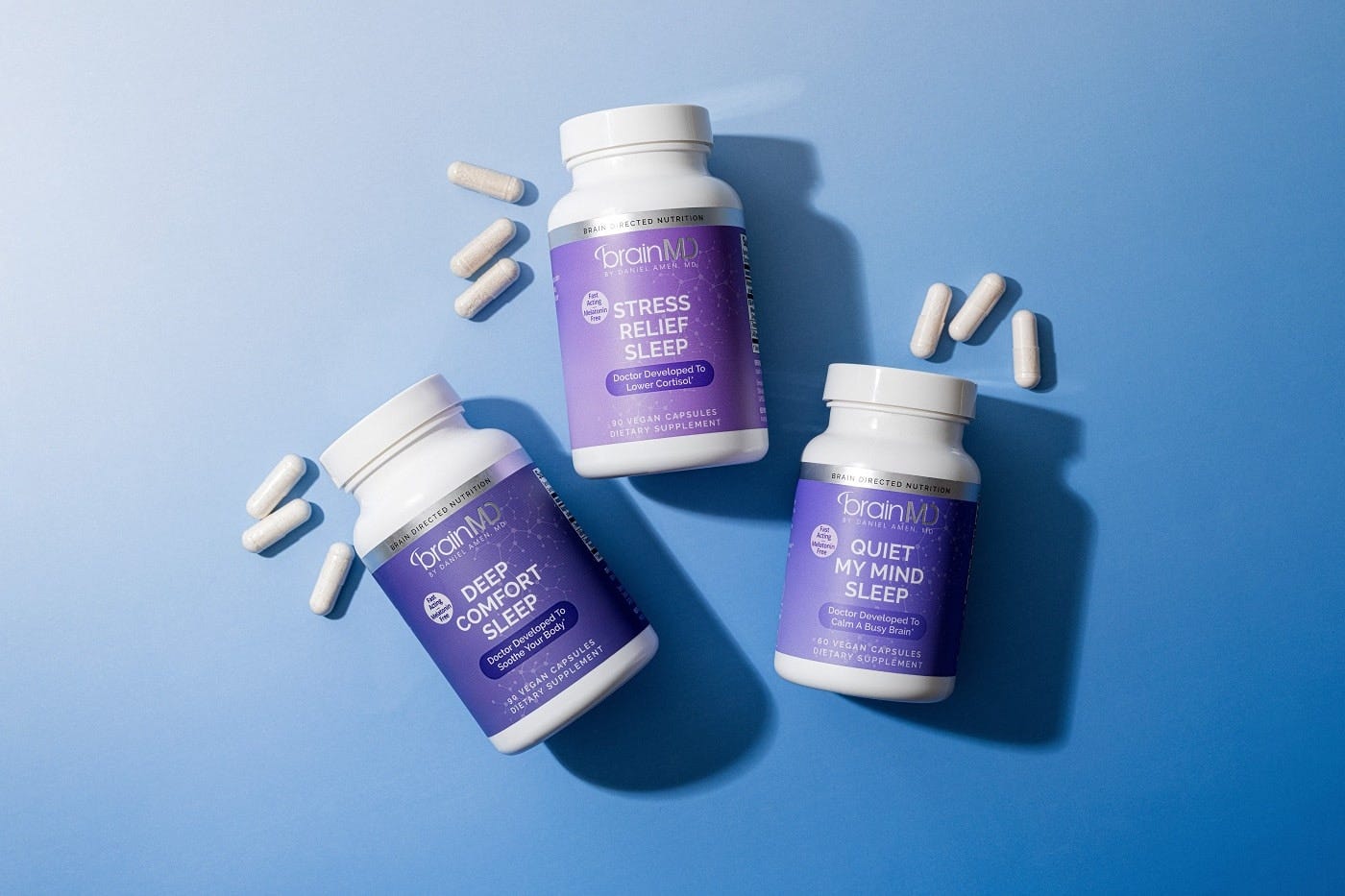
In an era where hustle culture often prioritizes productivity over rest, the significance of sleep quality cannot be overstated. We recently chatted with Dr. Shane Creado, our resident sleep expert, to uncover the intricacies of achieving a good night’s sleep. Let’s get into it! The Foundation of Quality Sleep “When we talk about sleep quality, we’re thinking about three things: the absence of sleep apnea, pain, and stress,” - Dr. Creado. He points out that achieving these factors requires a proactive approach. It's not enough to just avoid these hindrances; you must actively cultivate conditions that induce quality sleep, a concept Dr. Creado emphasizes throughout our chat. 5 Expert Tips for How to Get Better Sleep Consistent Schedule One significant step towards maintaining quality sleep is setting a consistent wake-up time, even on weekends. This practice helps regulate the body’s internal clock and creates what Dr. Creado calls “training wheels” for sleep. A consistent sleep schedule and a calming morning routine can help prepare the mind and body for a restful night. Managing Stress For Peaceful Nights There is a strong connection between stress and sleep quality, according to Dr. Creado. “Anxiousness and sleep are opposites,” he adds. “That's why it's vital to wind down effectively before bedtime.” Creado recommends incorporating relaxation techniques such as meditation into your daily routine. “Infusing your routine with sleep-supporting practices is like giving your body and mind the training they need to fall asleep,” says Creado. Sleep supplements like Put Me To Sleep Naturally and Calm My Brain can aid in calming the mind and supporting the body’s transition into sleep mode.* By prioritizing stress management in the hours leading up to sleep, individuals can create an environment conducive to restful slumber. Leveraging Supplements Wisely Shifting to the topic of sleep supplements, Dr. Creado highlights the benefits of melatonin as a sleep aid, but he cautions against misuse. “Taking melatonin alongside caffeine, such as in coffee, negates its effectiveness.” Instead, he advises that individuals maintain proper hydration throughout the day and create a calm, dark sleep environment to optimize the effectiveness of supplements. Additionally, Dr. Creado recommends exploring other sleep-supporting ingredients that enhance the effects of melatonin, such as l-theanine, GABA, and magnesium.* “These nutrients, when used appropriately, can promote deeper and more restorative sleep.” - Dr. Creado The Bedroom As a Sanctuary Dr. Creado cautions against the intrusion of gadgets into the bedroom. “Light and radiation from tech devices can take a toll on sleep hygiene. The bedroom should be a space for relaxation and slumber, devoid of technological distractions.” Treat your bedroom as a sanctuary for good sleep. The Path to Rejuvenating Sleep Hydration, winding down, a calming environment, and a nightly routine are all integral components of cultivating restful slumber. By taking a proactive role in managing stress, utilizing sleep-supporting supplements, and creating a sleep-conducive atmosphere, individuals can set the stage for nights of rejuvenating rest. Take it from our sleep expert: sleep is not a passive state; it’s an active investment in your well-being. About Dr. Creado: Dr. Shane Creado is a board-certified psychiatrist and sleep medicine physician who works with athletes every day to prime their performance with solid habits and good rest. He hosts the Overcoming Insomnia course, which teaches evidence-based sleep improvement strategies, and has authored “Peak Sleep Performance: Cutting-Edge Sleep Science,” a #1 Amazon new release in Sports Medicine (March 2020). At BrainMD, we’re dedicated to providing the highest-purity nutrients to improve your physical health and overall well-being. For more information about our full list of brain-healthy supplements, please visit us at BrainMD. *These statements have not been evaluated by the FDA. This content is for informational purposes only. It is not meant to substitute for medical or healthcare advice from a physician, nor is it intended to diagnose, treat, cure, or prevent any disease. Consult your healthcare provider before beginning a new health regimen.
Learn more
What is Serotonin? Serotonin Functions, Ranges, Side Effects & More!
Do you ever wonder what makes us feel happy? One possible happiness generator is serotonin – the brain neurotransmitter responsible for mood regulation and overall well-being. Let’s look at the science behind serotonin to learn more about its functions and importance in our moods and daily lives. What Is Serotonin? Serotonin is a chemical found in the human body that helps regulate mood and social behavior. While serotonin is best known for its importance in the brain, it’s also present in other parts of the body, including the blood, central nervous system, and gastrointestinal (GI) tract. In fact, most of the body’s serotonin is found in the gut, where it helps to regulate digestion. So, how does serotonin work? When levels of serotonin are low, it can cause feelings of sadness or distress. But when levels are high, it can lead to mania or even psychosis. That’s why it’s important to have a balanced level of serotonin in your system. Low serotonin can be caused by genetic factors, stress, or certain medical conditions. High levels of serotonin can be caused by certain medications or drugs. Serotonin and the Brain Serotonin is involved in numerous brain functions, including mood, appetite, sleep, learning, and memory. This neurotransmitter is produced in the brain by neurons. It’s then stored in synaptic vesicles, which are tiny sacs that store neurotransmitters. When a neuron is stimulated, the vesicles release their contents into the synaptic cleft, which is the space between neurons. The serotonin then binds to receptors on the next neuron and activates them. This process allows serotonin to relay messages from one neuron to another. This chemical messenger is thought to help regulate mood and emotions. Low levels of serotonin can disrupt communication between neurons, and can lead to: feelings of sadness and hopelessness low mood loss of appetite sleep pattern disruptions feelings of anxiousness High/Low Serotonin Serotonin levels can affect a person’s mood and well-being. Having too much or too little serotonin can come with side effects. If there’s too much serotonin in the brain, it can lead to a condition called serotonin syndrome, which can be fatal. Symptoms of serotonin syndrome include high blood pressure, increased heart rate, sweating, agitation, confusion, and seizures. Having too little serotonin in the brain can cause mood and sleep problems. Low serotonin also may lead to problems such as migraines and irritable bowel syndrome. For those with extremely high or low levels, a serotonin level test may be recommended. Serotonin Level Test The serotonin level test is usually conducted on individuals who may have carcinoid syndrome (a group of symptoms associated with carcinoid tumors). Those with carcinoid syndrome often have high levels of serotonin in the blood. The serotonin level test can help determine the amount of serotonin in the blood. This simple procedure involves drawing blood from a vein, typically inside the elbow or on the back of the hand. Ranges can vary from lab to lab, but normal serotonin levels are generally accepted to be between 50 to 200 ng/mL. Though there’s some debate over what’s considered normal, levels lower than 50 ng/mL may be an indication of potential mood problems. A higher-than-normal range may indicate carcinoid syndrome. Be sure to consult with your healthcare provider before getting the serotonin level test to determine if it’s the right option for you. Since the serotonin level test might not be necessary for everyone, other natural wellness interventions can be explored to help support your serotonin status and improve your daily health. 2 Ways to Support Healthy Levels of Serotonin Healthy serotonin activity can be maintained in the brain and body by eating certain foods and supplementing your diet with nutrients that can help facilitate serotonin production. Dietary Sources of Serotonin You can find serotonin in some foods, but it’s also produced naturally by your body. Some dietary sources of serotonin include: Nuts and Seeds: Almonds, walnuts, pumpkin seeds, and sunflower seeds are all good sources of tryptophan, an amino acid that’s converted into serotonin in the brain. Eggs: Eggs are another good source of tryptophan. Eating eggs regularly can help increase serotonin levels. Fish: Tuna, salmon, and halibut contain high levels of omega-3 fatty acids. These fats are essential for proper brain function and may help increase levels of serotonin. Fruits and Vegetables: Fruits and vegetables contain vitamins and minerals that are necessary to produce serotonin. Dark leafy greens, bananas, oranges, berries, and tomatoes are all healthy choices. Incorporating these foods into your diet may help increase serotonin levels, which may improve your mood and overall sense of well-being. Serotonin Supplements BrainMD’s Serotonin Mood Support was created specifically to promote multiple mechanisms that maintain healthy serotonin levels in the brain.* It can help increase the production of soothing brain waves, correct stress-related nutritional deficiencies, and promote relaxation that can facilitate quality sleep.* This supplement contains essential nutrients and herbs that can help support serotonin production, such as vitamin B6, vitamin B12, folate and, 5-HTP, as well as a patented form of saffron.* It’s always recommended to consult with your doctor or healthcare practitioner before beginning any supplement regimen. Support Your Serotonin Functions While serotonin plays an important role in regulating many bodily functions, it’s also a vital component for mental and emotional well-being. When serotonin levels are balanced, you may experience an improved mood, higher energy levels, and better overall health. Supporting serotonin – with diet, supplements, and other lifestyle measures – can help you maintain good physical and mental health over the long haul. At BrainMD, we’re dedicated to providing the highest quality supplements to improve your physical health and overall well-being. For more information about our full list of brain healthy supplements, please visit us at BrainMD. *These statements have not been evaluated by the FDA. This content is for informational purposes only. It is not meant to substitute for medical or healthcare advice from a physician, nor is it intended to diagnose, treat, cure, or prevent any disease. Consult your healthcare provider before beginning a new health regimen.
Learn more
Mindful Parenting Tips: How to Help Your Child's Mental Health
Anyone with kids in the modern world knows that being a parent—and, for that matter, being a kid—isn’t easy. Our young people are now growing up with many challenges that didn’t exist in previous generations, like the 24-7 frenzy of digital devices, unrealistic standards portrayed on social media, and mass shootings at schools. Other issues are longstanding, but that doesn’t make them any less harmful: bullying, peer pressure, substance abuse, and weight control issues or eating disorders, to name a few. Of course, the COVID-19 pandemic further negatively impacted our youth. According to a 2023 report by the American Psychological Association (APA), trouble was brewing even prior to this. “In the 10 years leading up to the pandemic, feelings of persistent sadness and hopelessness—as well as suicidal thoughts and behaviors—increased by about 40% among young people,” the report stated. But an unforeseen and unprecedented global pandemic piled on additional stressors, like isolation, disrupted school, and deaths of loved ones. It’s no wonder the U.S. Surgeon General released an advisory at the end of 2021 about the growing mental health crisis affecting our youth. As a parent, it breaks my heart to see some of the stats he cited—like that 1 in 3 high school students and half of female students reported persistent feelings of sadness or hopelessness. Clearly, it’s more important than ever that we parents help our kids navigate these challenges and promote positive habits for better mental health. While so much in this world isn’t under our control, that’s all the more reason to take the steps that are. Read on for some of the most impactful ways you can create a well-balanced lifestyle for your children. As a bonus, these mindful parenting tips will keep parents on a healthier track, too. 4 Mindful Parenting Tips for Optimizing Your Child’s Mental Health Here are some key strategies to keep in mind for optimizing your child’s mental health—and why they’re crucial to implement: Create Better Eating Habits Eating habits are developed in childhood, so it’s important to establish healthier practices early on in life. For example, avoid eating with your family in front of a screen, as this often leads to excess calorie consumption. One study even linked it to higher cholesterol levels in preschoolers. Mindless eating can lead to weight gain, which has been its own health crisis among youth in recent decades. Instead, try to sit down as a family for dinner every night, and set aside a designated (screen-free) place for it. This has numerous benefits, aside from making meals more mindful. Research has shown that family dinners assist in adolescents having fewer emotional and behavioral problems, as well as better mental health, improved interactions with others, and greater overall life satisfaction. It has also been linked to a lower risk of eating disorders, substance abuse, and childhood obesity while boosting academic performance. Unfortunately, busy parents often succumb to many other unhealthy habits in the home when it comes to their kids’ diet. They may keep sugary beverages in the house, like soda, juice, and sports drinks, rather than reaching for healthier options like fruit-infused water or nutritious smoothies. Or they may try “food policing,” making kids clean their plates before they can leave the dinner table. Avoid these common pitfalls and make sure all foods you stock are healthy; that way, there’s no chance of a wrong choice, at least at home. And I have found that when you create those habits at home (and for their school lunches), kids learn how to make better choices all by themselves. Encourage Exercise Just like with diet, it’s up to us parents to model the best behavior for our kids and show them that a satisfying and healthy life is an active life. As screen time has risen over the decades, so have weight control issues among our youth—and I don’t think that’s a coincidence. Involving your kids in exercise can get them outside for some fresh air, teach them teamwork and healthy competition through sports, or provide quality time for the whole family. I was really fortunate that my daughter, Chloe, loved joining me for one of my favorite activities, Kenpo karate lessons. We went every week to the dojo, broke a sweat, learned useful skills for self-defense, and enjoyed priceless mother-daughter bonding—all while getting her in the routine of moving her body. We parents know that the old saying “Do as I say, not as I do” does not work with our kids. They do what we do. So set that good example and get them hooked on some kind of exercise regimen in their younger years. Their bodies will benefit all life long. Maintain Parenting Balance My husband, Dr. Daniel Amen, wrote the book on parenting—and now it’s a DVD, called New Skills for Frazzled Parents. He calls it “the instruction manual that should have come with your children,” and I have to agree. He offers many clear, simple, and effective techniques to help children become more adaptable, compassionate, responsible, and resourceful. After all, we may raise them, but eventually, we must send them out into the world and hope they do the right thing. Here are just some of his parenting techniques that I have found helpful: Get involved with your kid’s life so they know they can count on you. Be open to learning, and understand that you and they will make mistakes. Listen to their thoughts and opinions. Be loving yet firm, setting appropriate rules and boundaries. Prioritize quality time spent as a family on a regular basis. Show compassion, warmth, care, and kindness. Make sure to have fun together—you’ll boost physical and emotional well-being for the entire family. Create a Bedtime Routine We know that a lack of quality sleep can have all kinds of detrimental effects on kids and adults alike. But for young people, they can trigger more serious setbacks, since their brains are still developing. Lack of sleep may lead to depression, attention and learning problems, or poor impulse control and judgment. Unfortunately, we all know that kids can resist going to bed. What’s a parent to do? Create a calming and healthy bedtime routine—and adhere to it. Take your time and understand that it may take time to stick. But be firm and consistent, and you’ll find it a much easier task. For example, you may have your children brush their teeth, and then put them to bed with a story. But you can also plan ahead in the hours leading up to bedtime. Avoid overly stimulating TV programs or reading material, heavy meals or snacks, and mobile devices. And, if desired, try a relaxing technique together, like breathing or meditation. Getting into such a practice can help with lowering anxiety around the clock, and it may start yet another healthy habit that carries into their later years. Building Children’s Resilience The good news is, that even as children’s mental health hits crisis mode, there are more resources and more awareness around mental health than ever before. For example, the APA has released a list of 10 additional ways to help build better-coping skills for our youth, and there are a lot of great recommendations. From encouraging social connections and volunteer work to teaching self-care and self-discovery, we can help young people adjust and bounce back in a fast-changing world. I know firsthand how much pressure can be put upon us as parents. But it’s up to us to use mindful parenting skills to take some of the pressure off kids as they develop and mature. Remember that one day they’ll be in charge—and they’ll be parents themselves. Let’s make them as healthy, responsible, and resilient as possible to set the stage for future generations to come.
Learn more
Signs of Emotional Trauma in Adults: How to Heal From Old Wounds
If you’ve read my book, The Relentless Courage of a Scared Child, you know that I come from a long line of trauma in my family. My grandmother on my mom’s side survived serious devastation during World War I, as a child in Lebanon. Her instability and volatile emotions in adulthood, the result of unprocessed trauma, contributed to my mom leaving home at only 16 years old. Grandma’s husband, meanwhile, was a closet drinker who became a quadriplegic in a tragic car accident when he was 55. Unfortunately, the trauma didn’t end with their generation. One of my uncles was addicted to drugs, and another uncle was murdered. But my mom, who wanted her family to have better choices and chances in life, was determined to carve out a different path for us. As difficult as it was, I have learned to see my family’s past, and my personal trauma, as not all negative. It has even offered a few blessings. For example, I know that my mom’s persistence and determination in the face of such setbacks gave me my trademark grit and will to succeed. Developing those characteristics was crucial for overcoming my own major challenges in adulthood, like being diagnosed with thyroid cancer while still in my 20s. I also learned from my family’s and my own experiences that our trauma can hold us back. We can get stuck in a cycle of pain that harms us and the people we love. That was certainly the case with many previous generations, who were not given the opportunity to heal from their tragic past experiences. But tough breaks and serious difficulties can motivate us, making us stronger for whatever comes our way in life. That’s why it’s so important to work through those old wounds and start on the road to recovery. Signs of Emotional Trauma in Adults In decades past, topics like mental health and emotional trauma were considered taboo. The old thinking was along the lines of, “Get over it, suck it up, and move on.” But today we understand that trauma isn’t something to be ignored—it’s something we need to face and work through. That’s because trauma that has been stuffed down or covered up with unhealthy coping strategies will crop up in dangerous, even life-threatening, ways. Here are just a few common side effects of unaddressed emotional trauma: Addiction. It’s common for those who experience a traumatic event, or a series of them, to self-medicate with drugs (including alcohol) or food, or to escape through other addictions like gambling. But addictions become their own problems—with a long list of new potential traumas that can occur as a result. And the worst part is that substance abuse and other numbing tactics do not help the root issue. They only push it down, and the trauma remains unresolved. Violence and Anger Issues. The Substance Abuse and Mental Health Services Administration (SAMHSA) warns that anger is a common side effect of going through a traumatic event. Anger leads to physical changes in the body, like rapid heartbeat, tightened muscles, adrenaline release, an increase in blood pressure, and faster or erratic breathing. Ongoing anger has been linked to heart disease, high blood pressure, trouble sleeping, digestion problems, and headaches. And, if not resolved, anger may open the door to depression, anxiety, risk-taking behaviors, or physical violence. Anxiety and Panic Attacks. According to the Anxiety & Depression Association of America (ADAA), those with trauma can experience a spectrum of anxiety symptoms, from an uptick in general worrying to full-blown panic attacks. They may also avoid situations or people that they associate with the trauma. But, just like with substance abuse, avoidance doesn’t address the root of the problem. Nightmares, Flashbacks, and PTSD. Reliving a traumatic event can retraumatize you all over again. Nightmares lead to additional problems, like not getting enough sleep or experiencing insomnia. And flashbacks can interrupt daily life. Interestingly, PTSD can present itself in opposite ways: Some people experience a dissociated state or numbness. Others may be hyperaroused, feeling jumpy or unable to concentrate. Depression and Suicidal Thoughts. Studies have shown the links between childhood trauma, emotional trauma, major depressive disorder, and suicide. Depression can make it difficult to function from day to day, and the devastating effects of suicide reach far beyond the victim. Hormonal Issues. It’s a little-known fact that trauma can mess with your hormones. And that can lead to all kinds of symptoms, from anxiety and depression to fatigue and a compromised immune system. Traumatic events release stress hormones like cortisol, and when trauma repeats itself—such as with abusive parents, domestic violence, or PTSD—they keep being released. This can lead to physical symptoms, like chronic fatigue syndrome or heightened susceptibility to colds and COVID-19. Many people never make the connection between their physical symptoms and their past trauma. How to Heal Emotional Trauma Some people go through trauma and heal without intervention, while others are scarred and have trouble moving forward. The ADAA notes that various risk factors may increase the likelihood of post-trauma effects. These risk factors include being female, having a lower IQ, having been previously exposed to trauma, having a prior mental health condition, genetics, and certain personality traits. Regardless, everyone experiences some kind of trauma from their lives or upbringing. What happened may have been beyond our control, but we are able to take responsibility for our healing. Here are some ways we can start the process: 1. Get Help Asking for help is a sign of strength, not weakness. Depending on your situation, you may need medical intervention, such as rehabilitation to treat an addiction. You may benefit from group therapy or joining a support group. Or, you may want to talk to a mental health professional, therapist, or counseling hotline. Whatever you do, you don’t have to suffer alone. It’s immensely healing to seek help and connect with other people who have gone through whatever you’re dealing with. 2. Boost Your Brain Health Did you know trauma actually rewires your brain? The amygdala, or the “emotional brain,” kicks in our fight-or-flight response in fearful situations. It overrides the prefrontal cortex, which is responsible for our sound decision-making. So, when our brains store a traumatic memory, it’s easy for our brain and emotions to get hijacked when triggered again—even if we aren’t in grave danger. Work to heal your brain with soothing habits such as prayer, meditation, and deep breathing. You may also take supplements for mood support and calming effects. And make sure to care for your brain and body with a healthy, anti-inflammatory diet and regular exercise. 3. Tell Your Story I have to admit, it was scary at first to talk about my past traumas and family history. But, even if you need to wait until after you’ve had some time to heal yourself, you’ll find it beneficial to share your story. You’ll help countless others who have been in your shoes, and you’ll remove some secrecy, shame, and pain around what happened. It’s been a crucial step in healing for me. As they say, sorrow shared is sorrow halved. Changing Your Trauma Story It’s true that trauma can have long-lasting, even lifelong, effects. In the past, I believed this was simply my fate—that I had been negatively affected by trauma throughout my life and always would be. I felt shame, regret, and maybe even a little bit helpless at times. But I learned that I don’t have to be a victim of my past. I was able to come to terms with my most troubling events, work through my feelings around them, care for my body through healthy lifestyle choices, and emerge stronger than ever before. In my work, I’ve seen countless people do the same. Don’t be afraid to take back control over your circumstances and rewrite your own story.
Learn more
Here’s How You Can Try Quality Mood Supplements for FREE!
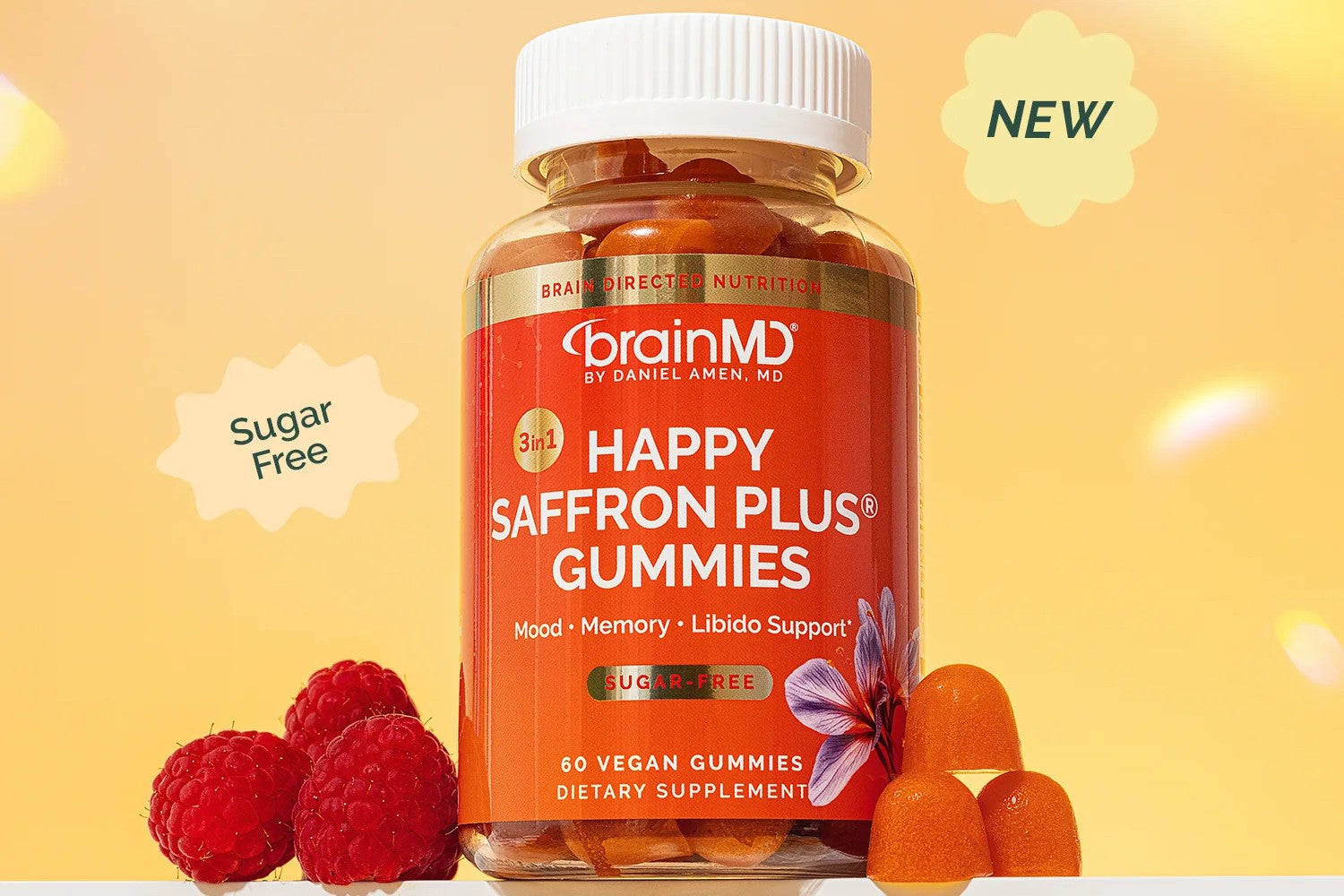
Many things can provide happiness in our lives. Unfortunately, there are also many things that can steal our happiness, such as persistent negative thoughts and periods of low mood. Low Mood Mood issues can make everyday life feel draining. Low mood is often linked to low energy and lack of sleep. Other signs of low mood may include: Negative or guilty thoughts Mental fogginess Avoiding social interaction Overeating and emotional eating Periods of low appetite Difficulty with concentration and memory Since many people dismiss these issues as just feeling down, they may not get the help they need, which can result in serious physical or emotional difficulties. Standard Treatment for Mood Issues Most people who experience mood issues are desperate to regain their energy and positive outlook on life. Though some of these individuals might be tempted to try a quick fix (by taking a medication or other illicit substance) to help mitigate their problems, it might be better for them to seek out natural solutions first. Certain nutrients may help to improve their mood…without the side effects. However, if you’re experiencing severe mood issues, such as extreme mood swings, it may be necessary to seek out medical help. Extreme mood problems may require medication or other forms of treatment, as recommended by a doctor. However, unless otherwise advised by your healthcare provider, it’s always best to seek out natural support for mood problems before automatically turning to high-powered medications, which may worsen existing issues or cause other mental or physical challenges. Natural Mood Support Mood problems may be caused by several factors, such as unhealthy habits and lifestyle factors, or may be instigated or exacerbated by nutrient deficiencies. The good news is that many nutraceuticals have been researched for their mood-supporting benefits, with promising results. One of the best nutrients that can help support mood is saffron. What Is Saffron? For centuries, cultures around the world have cultivated saffron for a variety of purposes. Saffron has been used as a culinary spice, digestive aid, aphrodisiac, and mood-booster. It’s a spice able to give color, flavor, and aroma to foods. Derived from the female reproductive parts (stigma) of the flower of Crocus sativus, saffron is produced today just as it has been since ancient times…by hand. The stigmas must be carefully handpicked and dried since machines can’t perform this delicate work. It takes 4,500 Crocus sativus flowers just to produce one ounce of saffron spice. This labor-intensive extraction process has made saffron the most expensive spice in the world. The best ways to consume saffron are by using it as a spice in cooking or by taking high-purity supplements. If you struggle with maintaining a positive mood or just want to have more happiness in your life, consider taking BrainMD’s mood-supporting saffron supplement… Happy Saffron Plus ® This breakthrough nutraceutical formula was scientifically designed to promote a positive mood.* It brings together nutraceutical preparations of the two most traditionally revered “happiness herbals” – saffron flower extract and curcumin from the turmeric root – with zinc, a mineral essential for life and vital for positive mood.* Benefits of Happy Saffron Plus This supplement combines three potent ingredients to provide maximum mood support.* Now, Happy Saffron Plus® is available in both capsule or gummy formats. Based on considerable clinical and other scientific research, this formula offers: Powerful support for positive mood* Increased capacity for coping with feelings of anxiousness* Enhanced alertness under stress* Happy Saffron Plus ® Ingredients Here are the 3 ultra-pure, high-potency ingredients found in Happy Saffron Plus®: affron® Standardized Saffron Extract. Saffron has been the “happiness spice” in the Middle East for centuries. Modern clinical benefits fully support the traditional reverence for saffron. affron® is a water-extracted saffron concentrate standardized for its most active constituents. This extract has performed extremely well for improving mood, both in adults and adolescents, in clinical trials at a dose of 28 mg per day.* Longvida® Optimized Curcumin Extract. The turmeric root parallels saffron as an Asian happiness herbal. Curcumin is the molecular complex from turmeric root that can help improve mood.*¹ This Longvida® ingredient features excellent absorption of curcumin and has worked well in clinical trials at 400 mg per day or higher.* Zinc, as Glycinate. This mineral is essential for the functioning of at least 300 enzymes essential for our life processes, and about 2000 different human proteins.* People with mood problems typically have low blood levels and supplementing with zinc often supports a healthy mood.* The combination of zinc with affron® saffron and Longvida® curcumin has the potential to elevate mood, perhaps even in individuals who don’t feel they have a mood problem.* All three of these ingredients are documented to improve mood in controlled human clinical trials.² BrainMD’s Free Trial Program BrainMD’s Free Trial program offers a sample package of some of our top-selling supplements, including Happy Saffron Plus®. After 14 days, you’ll be enrolled into a subscription service and receive a monthly supply of Happy Saffron Plus® for the low price of $43.74. BrainMD will notify you prior to the subscription upgrade and before processing any payments for your first Subscription Delivery shipment. Every 30 days, your credit card will be charged, and a new shipment will be sent to the address supplied at the time of enrollment. You may adjust, pause, or cancel your subscription at any time and for any reason by contacting BrainMD’s Customer Care Team (see below). This offer is only valid in the U.S. One trial program may be purchased at a time by each customer. Be Healthier and Happier Happier people tend to be healthier, live longer, have better relationships, and experience more success in life. Boost your bliss with quality mood supplements like Happy Saffron Plus®. Order your FREE sample today! BrainMD Customer Care Team Email: support@brainmdhealth.com Phone: (888) 850-5287 M-F 6 AM – 5 PM PST At BrainMD, we’re dedicated to providing the highest purity nutrients to improve your physical health and overall well-being. For more information about Happy Saffron Plus and our full list of brain healthy supplements, please visit us at BrainMD. *These statements have not been evaluated by the FDA. This content is for informational purposes only. It is not meant to substitute for medical or healthcare advice from a physician, nor is it intended to diagnose, treat, cure, or prevent any disease. Consult your healthcare provider before beginning a new health regimen. References: 1. Fusar-Poli, L., Vozza, L., Gabbiadini, A., Vanella, A., Concas, I., Tinacci, S., Petralia, A., Signorelli, M. S., & Aguglia, E. (2020). Curcumin for depression: A meta-analysis. Critical Reviews in Food Science and Nutrition, 60(15), 2643–2653. https://doi.org/10.1080/10408398.2019.1653260 2. Jackson, P. A., Forster, J., Khan, J., Pouchieu, C., Dubreuil, S., Gaudout, D., Moras, B., Pourtau, L., Joffre, F., Vaysse, C., Bertrand, K., Abrous, H., Vauzour, D., Brossaud, J., Corcuff, J. B., Capuron, L., & Kennedy, D. O. (2021). Effects of saffron extract supplementation on mood, well-being, and response to a psychosocial stressor in healthy adults: A randomized, double-blind, parallel group, clinical trial. Frontiers in Nutrition, 7, 606124. https://doi.org/10.3389/fnut.2020.606124
Learn more
Here Are Some of the Best Foods to Lower A1C
Are you tired of worrying about your A1C levels? Are you looking for natural ways to manage your A1C? We’ve got you covered! Below is a list of delicious, natural foods that may help lower your A1C levels. Say goodbye to bland diets and restrictive meal plans, these superfoods are loaded with flavor and can help you maintain optimal blood sugar levels. Let’s take a closer look at what A1C is and how you can better manage it with healthy foods… What is A1C and How Does it Affect Your Health? A1C is a test that measures your average blood sugar level over the past 3 months. The A1C test can be used by doctors to diagnose diabetes and prediabetes. Levels above 6.5% indicate diabetes, and levels between 5.7% and 6.4% indicate prediabetes. A1C levels Even a small reduction in A1C can reduce your risk of developing long-term health problems. What Are the Risks of Having High A1C? There are many risks associated with high A1C levels, and people with blood sugar issues may be at a greater risk of developing serious health conditions. When blood sugar levels are consistently elevated, it can damage blood vessels in the eyes, kidneys, and feet, which can lead to vision loss, kidney failure, and amputations, respectively. High A1C levels also can lead to an increased risk of stroke. What Does an A1C-Lowering Diet Look Like? There are several types of natural foods that may help lower your A1C levels: Fiber-rich foods: Foods high in fiber can help slow down the absorption of sugar into the bloodstream, which can help keep blood sugar levels under control. Good sources of fiber include beans, fruits, and vegetables. Protein-rich foods: Protein helps stabilize blood sugar levels by slowing down the rate at which sugar is absorbed into the bloodstream. Lean meats, fish, and legumes are all excellent sources of protein. Healthy fats: Healthy fats can help improve blood sugar management by providing energy and helping to slow down the absorption of sugar into the bloodstream. Examples of healthy fats are avocados, nuts, seeds, and olive oil. Making small changes to your diet can have a big impact on your A1C levels. To help lower your A1C, be sure to incorporate these healthy foods into your diet. 7 Delicious Natural Foods That Can Help Lower A1C Levels 1. Leafy Greens Dark, leafy greens are packed with nutrients that can help improve your health. They’re loaded with vitamins and minerals, and contain high levels of fiber which can help regulate digestion and elimination. Also, they’re low in carbohydrates, which makes them a great option for people with blood sugar issues. Some of the healthiest leafy greens are: Kale Spinach Swiss chard Collard greens Mustard greens Introducing a variety of leafy greens into your diet may be an important step toward lowering your A1C levels. Also, adding leafy greens to smoothies, juices, salads, soups, and stir-fries is an easy way to boost your nutrient intake. 2. Fatty Fish Salmon, mackerel, herring, and sardines are excellent sources of omega-3 fatty acids, which may help lower A1C levels. These healthy fats may help to lower inflammation and improve insulin sensitivity. 3. Beans and Legumes Beans and legumes, like black beans and lentils, are a great source of fiber and protein. They also can help stabilize blood sugar levels and keep you feeling full longer (satiety). They’re also high in antioxidants and phytochemicals, which can help to protect cells from damage and reduce inflammation. Legumes are an excellent source of protein and essential nutrients, making them a perfect food for those looking to lower their A1C levels. 4. Nuts and Seeds Nuts and seeds are a nutritious snack that can help to regulate blood sugar levels. They’re also a good source of healthy fats, protein, and fiber. Almonds are a good source of magnesium Walnuts are packed with protein and fiber Pumpkin seeds are rich in vitamins, minerals, antioxidants, and fiber Find a variety you like and go nuts! 5. Berries Berries are packed with antioxidants, which may help to lower your A1C levels. Also, compared to processed snacks, berries are low in sugar and calories, making them a healthy way to satisfy your sweet tooth without raising your blood sugar levels. 6. Flaxseed Ground flaxseed is an excellent source of fiber and magnesium. These nutrients can help improve insulin sensitivity and lower A1C levels. 7. Healthy Fats Healthy sources of fat – like avocados, extra virgin olive oil, and coconut oil – are great for reducing inflammation in the body and supporting healthy blood sugar levels. Foods to Lower A1C Lowering your A1C levels doesn’t need to be an arduous task. Making these suggested tweaks to your diet can help improve glycemic control. Not only are these delicious food options low cost and easy-to-find, but they also provide essential nutrients to support your energy, circulation, and much more. So, if you’re looking for all-natural ways to bring down your blood sugar, start incorporating more of these powerhouse foods into your meals today! At BrainMD, we’re dedicated to providing the highest purity nutrients to improve your physical health and overall well-being. For more information about our full list of brain healthy supplements, please visit us at BrainMD. These statements have not been evaluated by the FDA. This content is for informational purposes only. It is not meant to substitute for medical or healthcare advice from a physician, nor is it intended to diagnose, treat, cure, or prevent any disease. Consult your healthcare provider before beginning a new health regimen.
Learn more
6 Self-Care Practices for Better Mental Health
The term “self-care” is thrown around a lot today, but what does it really mean? For starters, I think self-care means looking after my physical, emotional, and mental well-being. And by caring for ourselves in this holistic way, we can better attend to everyone and everything else in our lives. It can even inspire other people to take better care of themselves. That’s why I always stress: Self-care definitely isn’t selfish. But once you have some of the basics down, such as a fun and challenging exercise routine and a healthy diet, what else can you do to improve your mental health? If you’re looking for some ideas for self-care routines and activities to improve your mental and emotional wellness, read on—these are some of my favorites. 6 Self-Care Strategies for Better Mental Health 1. Nix the negative thoughts. Negativity is everywhere in our world. From adopting a victim mentality to focusing on what everyone else is doing wrong, many people love to wallow on the dark side of life. If this sounds familiar, ask yourself: “Is that approach actually helping me?” My husband, Dr. Daniel Amen, has been vocal about squashing the happiness wreckers he calls Automatic Negative Thoughts, or ANTs. They have all sorts of terrible effects over time, potentially leading to depression, anxiety, grief, and even an increased risk for dementia. Some examples of these toxic ANTs include thinking of the worst-case scenario (catastrophizing), engaging in all-or-nothing thinking, blaming others, and constantly comparing ourselves to other people. Instead, Daniel and I use a technique created by Byron Katie. When you find yourself stewing on a negative thought, ask yourself: Is it true? Is it true with 100% certainty? How do you feel when you have this thought? How would you feel if you didn’t have this thought? Then turn the thought around to its opposite and see if the new one is actually truer than the original one. You’ll be surprised at how many of your thoughts have no basis in reality. And you’ll get in the habit of putting some distance between your thoughts and yourself—because they’re not the same thing. You are not your thoughts, and you don’t have to let them run your life or drag you down. 2. Get social. When we surround ourselves with positive people and experiences, our happiness levels tend to rise. Seems simple, right? But too many Americans are now struggling with loneliness—to such a degree that it’s been declared a new epidemic by the U.S. Surgeon General. On the other hand, studies have shown that healthy habits can be contagious. So why not grab some friends and start an ongoing exercise meetup or fitness challenge? With a buddy, you’re more likely to meet your health goals—while reaping the many health benefits of social engagement. If you’re one of the people struggling with loneliness, find ways to give back in your community. Not only does giving back improve your physical and emotional well-being, it connects you with others and gives you a purpose outside of yourself. In general, see if you can overlap your healthy habits with some much-needed social time in our disconnected world—think of it as a double whammy for better mental health and longevity. 3. Nail your sleep routine. When we’re not well-rested, we can’t function at our optimal level. In the short term, not enough sleep or poor-quality sleep makes you irritable and dulls your mental performance. Over time, a consistent lack of sleep can even create problems with memory and cognitive functioning. That’s why it’s crucial to prioritize your shut-eye and set up some bedtime routines that will support a great night’s rest. First, start winding down a few hours before you hit the pillow. End the frantic emails and aggressive TV programs. Turn off and silence any electronic devices. Take a scented bath; I love adding lavender oil for its calming effects. Relaxation-inducing supplements, such as GABA, melatonin, and magnesium, are also helpful. If you enjoy a short activity just before bed, do a meditation or read an inspiring book. With these suggestions, you’ll be drifting off in no time—and staying sound asleep until morning. Plus, setting up this kind of routine helps establish a rhythm so that it becomes second nature every night. 4. Reduce screen time. Planting yourself on the couch and zoning out to television or spending hours doom-scrolling the internet does you no favors. It not only crowds your mind with information overload (much of it unnecessary), but it keeps you from doing more nurturing, active, or creative tasks. It may also wreak havoc on mental health, suggests a study led by the Yale Department of Psychiatry and Columbia School of Nursing. It found that “youth who spent the most time on their digital technology were statistically more likely to exhibit higher levels of internalizing problems two years later.” These problems include depression, anxiety, social anxiety, physical complaints, and more. And let’s not forget that our devices can become addictive, starting a vicious cycle of dependence at any age. 5. Go inward. We all need a break every now and then. Even though it seems like you’re “doing nothing,” taking time for peace and quiet, inner reflection, daydreaming, and mindfulness can pay off big time when it comes to your mental health. Here are some practices you can try: Spend 10 minutes journaling when you wake up or before you go to bed—or both. Write a gratitude list every morning, listing what you’re thankful for. Or make it a family tradition at the breakfast table every morning, to start the day on a positive note. Begin a meditation I love starting and ending every day this way. It helps promote mindfulness, concentration, and calm all day long. Take a brisk walk in nature without any devices. An active break in your day, with some fresh air, helps boost your energy and productivity in the long run. You’ll notice improved attention and performance afterward. Spend some time in solitude every day. Let your mind wander. You’ll be surprised at how much renewal this basic tactic provides. Plus, I get so many great ideas when I’m simply daydreaming! 6. Build emotional resilience. When we can’t process our emotions, it’s like not being able to digest food: We can’t get the “nutrients” we need (that is, the lessons we can extract from our challenging experiences), and the whole system backs up. In addition, many of us have a backlog of emotional trauma that’s interfering with our current day-to-day life, and we might not even be aware of it. As a person who faced plenty of trauma while growing up, I know how it can affect adulthood—even leading to physical ailments. We can’t control many things in life, but we can control how we respond to challenges. As we know, adopting a victim mentality only makes everything worse. Try instead to see how life is teaching you the necessary lessons to grow and take responsibility for your role in any situation. Focus on what you can control. And regularly work out your emotions through healthy practices, such as journaling, talk therapy, or exercise (I love Kenpo Karate and Tae Kwon Do). Whatever you do, don’t suppress your emotions or cover them up with harmful habits like drinking alcohol. Let them surface, acknowledge them, and work through them instead—so they don’t bubble up in troubling ways later on. Self-Care for Mental Health and Longevity You’ve probably heard the saying, “Don’t count the days, make the days count.” The good news about prioritizing self-care strategies is that you’ll do both: achieve greater lifetime longevity and enjoy every single day along the way. Start with just one habit right now and add more self-care strategies as you go. Before you know it, you’ll have a full arsenal of ways to stay at the top of your mental health game.
Learn more
What is Holy Basil? One of the Best Ways to Address Your Stress!
In today’s fast-paced world, many people experience periods of stress. Since stress affects millions of American adults, let’s take a closer look at this issue and how to address it naturally. Basics of Stress Contrary to popular belief, not all stress is bad. Stress is a normal part of living and affects those of all ages. It can help improve your: Resilience Productivity Problem solving Ability to adapt to new challenges Stress can become a problem when it’s intense, recurring, or remains unresolved over an extended period. At that point, stress can take a toll both physically and mentally. Stress can affect behavior, outlook, and overall health. Many health concerns may be initiated or aggravated by stress. When stress is ongoing, it can increase the risk of developing problems related to your weight, heart, and mood. One of the best natural ways to manage a healthy response to stress is with adaptogens. What Are Adaptogens? According to the Cleveland Clinic, “Adaptogens are plants and mushrooms that help your body respond to stress, anxiety, fatigue and overall wellbeing. You can take adaptogens by adding them to food or beverages or take them as tinctures. Adaptogens bring your body back to a steady balance by managing both physical and mental stressors.” Adaptogens are widely considered to be any natural substance that helps the body “adapt” to a variety of difficulties. They’re a unique class of herbs that can help the body resist physical, chemical, and biological stressors. They’ve been used for centuries in traditional medicine systems such as Ayurveda and Chinese Medicine. Today, adaptogens are gaining popularity for their purported ability to improve health and well-being. This is likely due to our lives becoming more and more inundated with stress. Many people are bombarded with stressors from work, family life, and the 24/7 news cycle. Adaptogens work by helping to regulate the body’s stress response. This regulation can occur at the level of the adrenal glands, the hypothalamic-pituitary-adrenal (HPA) axis, or the sympathetic nervous system. By regulating these stress response systems, adaptogens can help keep the body in a state of homeostasis (balance). There are many different types of adaptogens, and each has its own set of benefits. However, they all share one common goal: to help the body better cope with stress. Let’s take a closer look at one of the most potent adaptogens. Holy Basil What is holy basil? Also referred to as Tulsi, holy basil (Ocimum sanctum) is an Eastern herb that’s been revered as “The Queen of Herbs” in Ayurvedic medicine for over 3,000 years. An adaptogenic herb, holy basil supports the body’s natural protective response to physical and emotional stress.* Adaptogenic herbs don’t alter mood, but they can help the body function optimally during times of stress.* Research demonstrates that they do this by modulating the production of stress hormones like cortisol and adrenaline.* Holy basil has been long revered as a powerful antioxidant with antibacterial, analgesic, antifungal, and anti-inflammatory properties.* Compelling research data suggests that holy basil’s greatest potential lies in the areas of promoting relaxation and a healthy response to stress.* According to clinical research, holy basil may help support the body’s natural response to stress. A six-week, double-blind, placebo-controlled human study examined subjects with stress symptoms. Those who received a holy basil extract formula showed a 39% greater improvement in stress symptoms than those who received a placebo. If you’re dealing with excessive stress, consider trying holy basil, which is different than the basil used as an herb in many meals. BrainMD offers high-quality, brain directed supplements that can help you feel calm, content, and better able to manage stress or mental strain. If you’re looking for a premium stress support supplement that includes holy basil, we’re proud to offer… Everyday Stress Relief Everyday Stress Relief was designed to help replenish your brain and body’s nutrients that can be depleted by stress. This supplement includes herbal extracts clinically proven to have calming and anti-stress effects, without making you sleepy.* It also helps with apprehension, tension, worry, and fatigue.* Here’s what you’ll find in this high-potency formula: Magnesium is a well-known calming mineral. It promotes a balanced and mentally focused demeanor.* The amino acid taurine supports the adrenal glands and is crucial for coping with stress.* The herb holy basil, revered both in Europe and the East, helps to improve adaptation to occasional anxious thoughts and other problems related to stress.* A phytochemical derived from green tea, l-theanine helps to manage tension.* Relora®, which is a unique mix of two herbs, may enhance healthy management of the stress hormone cortisol while easing tension, anger, negative mood, and confusion.* This safe, non-sedating, and non-habit-forming formula combines the multiple beneficial actions of these well-studied herbs and nutrients to help your brain and body cope with stress on multiple levels.* Natural, Nutritional Boost While it’s perfectly natural to feel the effects of stress, if you need a little added support to provide some relief and peace of mind, look for foods and supplements with holy basil. Getting more adaptogenic herbs, like holy basil, into your diet may be an important step in optimizing your health. If you’re looking for a natural way to help manage stress, give Everyday Stress Relief a try today. At BrainMD, we’re dedicated to providing the highest purity nutrients to improve your physical health and overall well-being. For more information about Everyday Stress Relief or our full list of brain healthy supplements, please visit us at BrainMD. *These statements have not been evaluated by the FDA. This content is for informational purposes only. It is not meant to substitute for medical or healthcare advice from a physician, nor is it intended to diagnose, treat, cure, or prevent any disease. Consult your healthcare provider before beginning a new health regimen.
Learn more