 Skip to content


Wellness Blog



What Are Some of the Top Health Benefits of Cold Showers?
On a hot summer’s day, a cold shower can provide much-needed relief – and potentially a whole lot more. As it turns out, immersing yourself in cold water for a few minutes on a regular basis may help to improve your alertness, mood, energy, immune health, skin, pain levels, metabolism, blood flow, workout recovery, and more. First adopted by athletes to help reduce muscle soreness and promote faster recovery, the practice of taking cold showers is now routine for a growing number of people wanting to feel their best. Here are the compelling reasons why you may want to add a shock of cold into your daily douse! What Is Hydrotherapy? Cold shower taking, also called cold hydrotherapy, is essentially using cold water for a therapeutic effect. Cold hydrotherapy is a type of cryotherapy, which is the use of cold temperatures (in the form of ice, cold water, or cold air) for a therapeutic health benefit. Research into ancient medical texts shows that cold hydrotherapy has been used for thousands of years for its health-promoting and pain-relieving effects. While there are many purported health benefits attributed to taking cold showers, most of the research on cold hydrotherapy has been conducted using cold water immersion (CWI). Health experts believe that many of the CWI benefits also can be obtained, to some degree, from taking cold showers. Indeed, studies on cold shower therapy so far have shown promising results, although more research is needed. Benefits have been noted with as little as 30 seconds of regular cold-shower exposure. Here are the most significant ways cold showers can boost your health and well-being. 6 Top Health Benefits of Taking Cold Showers 1. May Uplift Your Mood Cold showers for mental health have become a “thing” for good reason. Whole-body exposure to cold water can trigger the release of neurotransmitters such as serotonin, dopamine, norepinephrine, and endorphins, which are central to regulating emotions, stress, and motivation (reward processing). Deficits in these neurotransmitters may factor into the development of mental health issues – especially low mood and feelings of anxiousness. Participants exposed to cold water immersion in studies have reported positive changes in mood following as little as one immersion. A study from 2022 had participants immerse themselves in cold water up to the neck. Results showed not just an increase in positive mood, but also increased alertness, greater energy, and feeling more inspired, active, attentive, and proud – while at the same time feeling less nervous and distressed. Preliminary research from another study found that a couple of participants who took regular cold showers at even a moderate temperature of 68 degrees F experienced a lighter mood. 2. May Boost Your Immunity It appears that taking regular cold showers may give your immune system a boost. It’s believed that the shock produced by the cold water can energize the blood cells that fight off infection. In 2016, researchers from the Netherlands found that participants who took daily cold showers for durations of 30, 60, and 90 seconds for 90 days had milder illnesses than those who didn’t take the cold showers. The participants who took the daily cold showers called out sick from work 29% less of the time, suggesting a stronger working immune system. 3. May Help with Pain and Post-Workout Recovery Taking a cold shower causes your blood vessels near the surface of your skin to constrict, which diverts blood towards your core. The process is called vasoconstriction. It helps to reduce swelling and inflammation, which are key to relieving pain. These benefits are fantastic for post-workout recovery too. Vasoconstriction helps to reduce swelling and inflammation in the muscles, as well as draw waste substances and lactic acid away from the muscles. When the body begins to warm again, vasodilation happens (blood vessels relax and expand). Warm blood pumps around the tissues, bringing oxygen and nutrients, promoting faster muscle recovery, and reducing muscle soreness. A 2017 study found cold water immersion post-workout was as effective as active recovery (such as a light swim, stretch, or walk) in reducing inflammation and muscle soreness. 4. May Boost Circulation Cold hydrotherapy also can stimulate blood flow. When you’re immersed in cold water or even standing under the flow of cold water in a shower, it provides a shock to the system. Your blood rushes to surround your vital organs. At the same time, your heart rate increases, pumping blood more efficiently to ensure it supplies every part of your body with the oxygen and nutrients it needs. All that nourishing blood flow benefits your organs, muscles, and tissues. And as your body fights to stay warm, your metabolism gets a little boost as well! 5. May Benefit Your Skin A chilly shower may provide a number of benefits to your skin. Cold water calms and soothes the skin. Because it constricts blood vessels, a cold shower can reduce redness and puffiness as well. This can be very helpful for people who deal with inflammatory skin conditions. Cold showers tighten skin pores and help you to retain your skin’s (as well as your hair’s) natural oils. Overall improved circulation as result of cold hydrotherapy supports the health of the skin and may even aid in clearing blemishes. However, water that’s too cold can be harsh on the skin and cause redness, especially in people with sensitive skin. 6. May Build Resilience Taking a cold shower isn’t easy. Regularly challenging yourself to be uncomfortable may help you to build resilience, allowing you to handle stressful situations with greater ease. A survey involving winter sea bathers indicated that regular exposure to cold water was associated with lower self-reported stress levels and higher well-being. Cold water exposure is such a powerful tool for strengthening mental resilience, a military study conducted earlier this year found that it could be recommended as an addition to routine military training regimens! How to Begin Taking Cold Showers If you want to add cold showers to your health routine, experts suggest starting by turning your shower fully on cold for 30-second intervals at first, and then gradually working up to 60 seconds, and then to 90 seconds. Some experts say that 3 minutes is the ideal duration for maximum benefits. Do it regularly for best results. It’s important to note that cold hydrotherapy isn’t recommended for everyone, especially if you’re elderly or have heart health issues. Talk to your healthcare provider before you adopt a cold-shower routine. At BrainMD, we’re dedicated to providing the highest purity nutrients to improve your physical health and overall well-being. For more information about our full list of brain healthy supplements, please visit us at BrainMD.
Learn more
3 Types of Rage and How to Get Help When You Start to Lose Control
Have you ever wondered why we sometimes find ourselves consumed with uncontrollable anger? Why do certain things trigger our inner fury? Let’s take a closer look the origins of anger and how it can boil over into rage. The Evolution of Anger One of the most intense emotions in the human experience is anger. Anger can be caused by a variety of stimuli, including feelings of threat or frustration. While anger is a universal emotion, its evolutionary roots still aren’t entirely clear. However, there are a few different theories about how anger may have developed in humans. One theory suggests that anger is an evolutionarily adaptive emotion. It may have originally developed as a means of helping humans survive and reproduce. For example, if our ancestors were threatened by a predator, becoming enraged may have helped them fight back and escape. Or, if they were competing with another individual for resources, getting angry may have helped them win the competition. While this theory makes sense, it doesn’t explain why we still experience anger in situations where it isn’t adaptive (such as when we’re frustrated by our partner or child). A second theory suggests that anger is a byproduct of other evolutionary adaptations. For example, the part of the brain that controls anger (the amygdala) may have originally evolved for other purposes, such as fear or aggression. Over time, however, this same area of the brain became involved in controlling anger as well. This theory could explain why we sometimes see rage erupting “out of nowhere” – it may simply be an emotional manifestation of other processes happening in the brain. Science of Rage: Biological and Neurochemical Causes It’s no secret that humans can be a volatile bunch. We’re prone to fits of anger and aggression that can, in extreme cases, lead to violence. But what drives this behavior? Are we simply hardwired for rage, or is there more to it than that? As mentioned earlier, rage is a primitive emotion that may have developed as a survival mechanism. Today, the root causes of rage are thought to be both biological and neurochemical. Biological factors include things like hormones and brain chemistry. Neurochemical factors refer to the chemicals in the brain that influence our mood and behavior. For example, serotonin is a chemical that helps regulate our mood and keep us feeling calm and relaxed. Low levels of serotonin have been linked with increased aggression and hostility. While we may not be able to completely prevent ourselves from giving in to rage, understanding the biological and neurochemical factors behind it can help us find better ways to control our emotions and behaviors. Here are some common types of rage and some of the best ways to deal with them. 3 Common Types of Rage and How to Get Help When You Start to Lose Control There are different forms of anger or rage. Here’s a closer look at just a few of the types… Outbursts From childhood temper tantrums to adult acts of aggression, anger seems to be hardwired into the human psyche. Maybe there’s a justifiable reason for why you’re upset, like someone shoving your child. Or perhaps your fit of anger was completely unprovoked…maybe you’re just having a really bad day and needed to let off some steam. Whether triggered by real or perceived threats or offenses, anger can escalate to outbursts, which can lead to violence. Such violent outbursts can lead to physical struggles, damage to property, or even fatalities. Frequent violent outbursts may be a sign of trouble, so if this is an area where you struggle, getting help might be the best course of action to protect yourself and others around you. Social Media Rage Social media rage is a relatively new phenomenon that pertains to the anger people feel when they interact with others on social media platforms. This form of anger can be caused by many things, such as disagreeing with a comment made by someone else online or feeling like you’re being ignored. Social media rage can lead to name-calling, cyberbullying, and even doxxing (releasing private information about someone online). Another form of rage may be directed at the technology itself. If a page is loading too slowly or if a perceived link isn’t taking a user to where they want to go, this can produce an aggressive behavior termed rage clicks. Rage clicks occur when users rapidly tap or pound on a link, button, or other area of an app or website when it fails to advance them to their intended goal. Some companies use heatmapping to track where customers are clicking on their site. Rage clicks will appear as big, red circles or blotches on a specific part of a web page, indicating the user’s persistent and hostile reaction to not getting a desired result. If this ever happens to you, the best way to deescalate the situation is to just put the phone down for a few moments (unless you’re in a life-threatening situation). Reengage when you’ve calmed down and maybe try backing out of the current page and try clicking the button again. Sometimes unresponsive web pages may be due to slow wi-fi or elements that appear as if they’re clickable, but really aren’t. A brief timeout and a little patience may help prevent you from engaging in rage clicks. Road Rage Road rage is a type of anger that is often caused by stress while driving. It can lead to aggressive driving, yelling, and even violence. The Department of Motor Vehicles (DMV) defines road rage as: “Aggressive or angry behavior by a driver of an automobile or other road vehicle which includes rude gestures, verbal insults, physical threats or dangerous driving methods targeted toward another driver in an effort to intimidate or release frustration.” Road rage is responsible for many injuries and fatalities each year. Shockingly, 82% of U.S. drivers admit to having committed an act of road rage at least once in the past year. Many people get angry, frustrated, or stressed out by bad drivers, traffic jams, road construction, or other delays. But what causes some drivers to become so enraged? When you’re behind the wheel, you don’t want to be the victim of aggressive behavior, and it can make you feel anxious or angry. In many cases where drivers are targeted by road rage, they respond aggressively by making rude gestures, shouting, honking, tailgating, or flashing their lights. As a result, rage and aggressive behavior may escalate and the consequences can be deadly. Diffusing Road Rage The next time you find yourself engaging in aggressive driving behaviors, follow these tips to diffuse the situation: [wc_box color="inverse" text_align="left" margin_top="" margin_bottom="" class=""] Consider the consequences of your actions: Physical harm to yourself or others (including kids) Damage to one or more vehicles Increased insurance premiums Potential legal issues Fatalities Pull off the highway or road, find a safe place to park, and: Do a deep breathing exercise Turn on some soothing music (classical or easy listening vs. rock or rap) Don’t start driving again until you’ve completely cooled down [/wc_box] You can minimize the risk of giving in to road rage by practicing daily stress-reducing therapies like deep breathing, havening, journaling, exercising, listening to soothing music, and enjoying relaxing scents from diffused essential oils. Also, consider taking dietary supplements with calming and relaxing ingredients like BrainMD’s Everyday Stress Relief, Calm My Brain, and GABA Calming Support.* Get Curious, Not Furious Anger is a signal that something isn’t right in your world. We generally experience it when we feel the need to defend ourselves. But anger also can be the brain’s way of dealing with deeper, emotional issues. When you feel angry, ask yourself what other emotions might be driving the anger. Get curious about what triggers you to become enraged. If episodes of road rage or other types of outbursts persist, it’s recommended that you see a trained counselor or therapist. They can give you practical strategies and therapies to help stabilize your emotions and behaviors so you can enjoy a more peaceful life. At BrainMD, we’re dedicated to providing the highest quality supplements to improve your physical health and overall well-being. For more information about our full list of brain healthy supplements, please visit us at BrainMD. *These statements have not been evaluated by the FDA. This content is for informational purposes only. It is not meant to substitute for medical or healthcare advice from a physician, nor is it intended to diagnose, treat, cure, or prevent any disease. Consult your healthcare provider before beginning a new health regimen.
Learn more
The Power of Social Connection: How Healthy Relationships Impact Your Well-being
I’ve learned to love some restorative solitude as a way to rest and recharge between tackling life’s long list of to-dos. But being alone too much—socially isolating for long periods—can trigger a bunch of negative health effects over time. Most of us had to cope with things like isolation, social distancing, and staying home in the pandemic years. Those habits actually piggybacked onto many other changes that have happened in our modern world. For example, Americans were already starting to leave the house less, as the world seems to be at our fingertips thanks to the powers of technology. Dining out turned to at-home delivery eaten in front of the television. Social gatherings turned to mindlessly scrolling through Facebook. Commuting to an office turned to working from home. Shopping in stores turned to buying online. The list goes on. Unfortunately, all of these developments can add up and be harmful to us when we allow ourselves to be sucked into prolonged isolation. Loneliness: The New Epidemic Between tech-driven lifestyle changes and pandemic interruptions to normal life, it’s no surprise that millions of Americans now suffer from loneliness. In fact, the government recently released a report called “Our Epidemic of Loneliness and Isolation: The U.S. Surgeon General’s Advisory on the Healing Effects of Social Connection and Community.” Surgeon General Dr. Vivek H. Murthy cited stats that, even before COVID-19, 1 in 2 American adults were reporting the experience of loneliness. He listed various individual and societal drawbacks of our isolated society, including: A greater risk of cardiovascular disease, dementia, stroke, depression, anxiety, and premature death. The negative health impact of being socially disconnected has been compared to the effects of smoking up to 15 cigarettes per day. Greater incidence of obesity and physical inactivity. Diminished engagement in performance and productivity in community institutions like schools, workplaces, and civic organizations. The good news is, we can all take steps to change our lives for the better by making and nurturing our social connections. But first let’s look a little deeper at why this is such an important topic. Why Are Social Connections So Important? The Centers for Disease Control and Prevention (CDC) defines social connectedness as “the degree to which people have and perceive a desired number, quality, and diversity of relationships that create a sense of belonging, being cared for, valued, and supported.” Human beings are social creatures by nature—this aspect of life has always been a crucial component of our survival as a species. It builds up the individual, improving health and life expectancy, while making it easier to cope with stressors and difficulties (more on that below). It can even ease the burden of serious mental health concerns like anxiety and depression, the CDC reports. Other health benefits cited include better sleep and quality of life, while reducing the risk of violent or suicidal behaviors. In addition to the individual’s benefits, entire communities are strengthened through togetherness. We’ve all seen the incredible acts of humanitarianism when a tragedy strikes a community; millions of people can pull together from all over the country to help. But on a local scale, it’s great to build community every day—in the neighborhood where you live, at work or school, or in organizations like nonprofits or churches. This makes a group stronger and better able to get through any turbulent times when they arrive. Being social also ushers in the urge to give back, which itself has been shown in numerous studies to improve health and well-being at any age. Scientists have discovered that, by examining the functional MRIs of subjects who gave to charities, giving back stimulates the reward center in the brain, the mesolimbic pathway. This stimulation releases those feel-good chemicals called endorphins. That’s why many people refer to that charitable feeling as the “helper’s high.” Social Connections Soothe Stress The 2022 Stress in America survey, issued by the American Psychological Association (APA), found that a growing number of our country’s adults are feeling severe effects of stress. More than ¼ of them (27%) said stress impacts their day-to-day lives, claiming that most days they’re so stressed they can’t function. This statement was even more prevalent among those under 35. Overall, American adults rated their stress level at 5.0, which is a little higher than before COVID. However, the APA also points out that stressors are eased when we have support systems in the form of social connections. Many of us have heard the saying “A problem shared is a problem halved.” And a 2022 study found this to be true—that having social support boosts resilience when stressful situations arise. On the other hand, loneliness is a common side effect of modern life. It can be made worse by living alone, or by having too-small social networks and/or low-quality relationships. You don’t necessarily need a village (though if you have one, great). Even a handful of trusted companions can help you weather the storms of life. It’s pretty simple: When we give and receive support, we feel better—and more capable of handling whatever comes our way. Ways to Build Social Connections If you feel a little out of touch and are craving more human interaction, don’t worry—there are many easy ways to start building your network. Try one of these tried-and-true methods: Join in. Look for groups, clubs, and organizations in your area. What hobbies or interests might you be able to connect on? Are you interested in spirituality or religion, sports, crafts, books, music? You can often find a community in your area that’s serving that need. Or, if not, you can start your own! You might find there are many others in your area interested in the same thing. As an alternative, if you’re in a more rural setting, you can connect to online groups and join virtual meetings. Sign up to help. No matter where you live, you can probably find ways to give back to the local community. Reach out to a nonprofit in your area, or a local chapter of a larger organization, and find out how you can help. You might organize a food drive, visit local senior citizens, work with kids, or clean up your community. You’ll not only feel great about helping out—you’ll interact with many others along the way. Seek out physical activity. Just like giving back, exercise gets those endorphins flowing. So even if you did solo exercise, you’d still feel better than when you started. But group workouts offer many additional benefits. You might find yourself more motivated with partners in accountability, learn some helpful new routines or fitness tips, or simply enjoy getting out of the house to hit the local gym, swimming pool, or yoga studio. Of course, you’ll also connect with like-minded people, which makes this option a healthy step in so many directions. Tap into your existing network. It’s amazing how many of us feel alone—then choose not to pick up the phone and say hello to our nearest and dearest. When’s the last time you had a catch-up with your friends or family members, either in person or on the phone? Even reaching out through email or social media is better than nothing. Just look around—including into your past, such as with long-lost friends you could reconnect with. You might find more connections than you realized you had. It may sound strange, but if you feel lonely in this world, you’re not alone. Many Americans are suffering right alongside you. It’s easy to think defeating thoughts, like “No one cares about me,” “I don’t matter,” or “I’m unlovable.” The irony is that a lot of people are thinking this very same thing. All we need to do is make an effort to reach out to each other. Chances are, we’ll find an open hand ready to reach back.
Learn more
Here Are Some of the Best Reasons You Should Take N-Acetyl L-Cysteine
If you’re looking for a super-nutrient that can help support your immunity and longevity, consider taking a N-Acetyl L-Cysteine (NAC) supplement. NAC Basics NAC is a supplement form of cysteine, a non-essential amino acid. Similar to cysteine, NAC bonds glutamine and glycine to form glutathione, which is a powerful anti-inflammatory and antioxidant. Antioxidants combat oxidative stress (or free radicals), which can cause damage to the body on a cellular level. An increase in free radicals can lead to cellular damage and the development of cardiovascular and neurodegenerative issues. In addition to its antioxidant effects, NAC may help to improve brain health and benefit people dealing with serious cognitive or memory issues. It may have the capability of crossing the blood brain barrier. Also, NAC can bind to and remove dangerous toxic elements within the cells, making it a molecule critical to brain health. Though small amounts of NAC can be found in some vegetables and fruits, many people take it as a nutritional supplement. NAC has been safely used for many years as an adjunctive therapy in treating many serious conditions, including immune and sleep issues. To support your immunity, memory, cognition, and more, BrainMD is proud to announce its new NAC supplement. BrainMD’s NAC Supplement: Antioxidant + Immune Support! N-Acetyl L-Cysteine is a powerful neuroprotective antioxidant that supports healthy glutathione levels, helps to reduce oxidative stress, and promotes detoxification and fertility.* It also supports respiratory and immune function, liver and kidney activity, and cognition.* Next-Level Nutrition BrainMD’s NAC N-Acetyl L-Cysteine supplement contains 600 mg of NAC. When consumed, NAC breaks down into cysteine, then metabolizes into glutathione, the body’s master antioxidant and most integral part of the detoxification system.* Without sufficient glutathione, your brain and body may not function at their best. Supplementing with glutathione’s precursor, N-Acetyl L-Cysteine, can help support your brain health, keep your cells energized, and your immune system functioning on high alert.* Top Benefits of NAC Here are some of the potential benefits of taking BrainMD’s NAC supplement: Enhanced immunity* Optimal brain function* Healthy glutathione levels* Antioxidant protection and detoxification* Fertility support* Healthy respiratory and lung functioning* Who Can Benefit from NAC? Men and women of all ages: NAC modulates oxidative stress and other pathophysiologic processes implicated in serious illness in both men and women. These include mitochondrial dysfunction, apoptosis, inflammation, and more. Men and women who suffer from neurodegenerative conditions: This neurotropic supplement may support brain health and slow cognitive aging in people with serious memory problems. Given its powerful antioxidant capabilities, NAC works to combat free radicals that contribute to neurodegenerative issues. Men and women with infertility: When taken with selenium, research shows that NAC can improve semen parameters in infertile men, making this nutrient combination an effective way to support male fertility. Also, in women with polycystic ovarian syndrome, NAC may improve insulin resistance; when added as an adjunct to the infertility treatment clomiphene, it increased ovulation and pregnancy rates. NAC Ingredient N-Acetyl L-Cysteine N-Acetyl L-Cysteine (NAC) provides powerful antioxidant defense against free radicals. NAC also enhances the electrochemical balance within nerve cells, helping to maintain optimal conditions for their metabolic and neurotransmitter activities. As a vasodilator, NAC helps to relax blood vessels, which can support the flow of blood, nutrients, and oxygen throughout the body. NAC FAQ [wc_box color="inverse" text_align="left" margin_top="" margin_bottom="" class=""] How do I take NAC? Adults (18+) should take 1 to 2 capsules per day, or as directed by your healthcare provider. As with other amino acids, it’s recommended to take NAC either 30 minutes before or 2 hours after eating a meal to avoid competing with protein for absorption. Can this supplement make me dependent on it, or addicted? No. Like other BrainMD products, this is a dietary supplement, not a drug, and is not habit-forming. Is this product safe to take during pregnancy? NAC should be taken under the guidance of a nutritionally-informed healthcare professional. If you’re pregnant or breastfeeding, it’s best to speak with your healthcare provider before starting any supplement. Are there any allergens in NAC? These vegan capsules are free from added dairy, sugar, soy, legumes, tree nuts, eggs, corn, and contain no artificial colorings or flavorings. They’re also gluten free, non-GMO, and are Kosher and Halal certified. Was anything intentionally left out of this product that other companies use in their formulations? Some companies add inactive ingredients – such as lecithin, gelatin, flour, and oils – to help fill up their capsules. Our capsules don’t contain these fillers. Where should I store this supplement? It’s recommended to store NAC somewhere cool and dry, away from water, sunlight, heat, and out of the reach of children. [/wc_box] Get To Know NAC NAC is a potent antioxidant that has been shown to support cognition, fertility, respiratory health, and immune function.* Also, along with naturally increasing glutathione levels, NAC stabilizes protein structures and demonstrates mucolytic and antiviral properties.* BrainMD’s NAC supplement is a 600 mg capsule that can be taken by mouth once or twice daily by adults ages 18 and older. As with all dietary supplements, it’s recommended that NAC be taken under the guidance of a nutritionally-informed healthcare professional. For added antioxidant and immune system support, try BrainMD’s NAC today! At BrainMD, we’re dedicated to providing the highest purity nutrients to improve your physical health and overall well-being. For more information about NAC and our full list of brain healthy supplements, please visit us at BrainMD. *These statements have not been evaluated by the FDA. This content is for informational purposes only. It is not meant to substitute for medical or healthcare advice from a physician, nor is it intended to diagnose, treat, cure, or prevent any disease. Consult your healthcare provider before beginning a new health regimen.
Learn more
5 of the Best Adaptogenic Herbs You Should Get More of In Your Diet
Are you feeling overwhelmed by the demands of everyday life? If you’re searching for a natural way to cope with modern challenges, look no further than adaptogens. What Are Adaptogens? According to the Cleveland Clinic, “Adaptogens are plants and mushrooms that help your body respond to stress, anxiety, fatigue and overall wellbeing. You can take adaptogens by adding them to food or beverages or take them as tinctures. Adaptogens bring your body back to a steady balance by managing both physical and mental stressors.” Adaptogens are widely considered to be any natural substance that helps the body “adapt” to a variety of difficulties. They’re a unique class of herbs that can help the body resist physical, chemical, and biological stressors. They’ve been used for centuries in traditional medicine systems such as Ayurveda and Chinese Medicine. Today, adaptogens are gaining popularity for their purported ability to improve health and well-being. This is likely due to our lives becoming increasingly stressful. We’re constantly being bombarded with stressors from work, family life, and the 24/7 news cycle. Adaptogens work by helping to regulate the body’s stress response. This regulation can occur at the level of the adrenal glands, the hypothalamic-pituitary-adrenal (HPA) axis, or the sympathetic nervous system. By regulating these stress response systems, adaptogens help to keep the body in a state of homeostasis (balance). There are many different types of adaptogens, and each has its own distinct set of benefits. However, they all share one common goal: to help the body better cope with stress. Let’s take a closer look at some of the health benefits of adaptogens. Health Benefits of Adaptogens Adaptogens are relatively new to the world of natural medicine, but they’ve gained recognition for their potential health benefits. Early research suggests that adaptogens offer several potential health benefits, including: improved energy levels reduced levels of stress and anxiousness enhanced cognitive function improved immunity If you’re looking for a natural way to improve your health and well-being, consider adding adaptogens to your daily wellness regimen. Many foods and supplements contain adaptogenic herbs. Here are some of the most popular ones… 5 of the Best Adaptogenic Herbs You Should Get More of In Your Diet [wc_box color="inverse" text_align="left" margin_top="" margin_bottom="" class=""] Ashwagandha Ashwagandha (Withania somnifera) is a well-known herb that’s been used for centuries in Ayurvedic medicine. It’s an adaptogen that supports the body’s healthy response to stress by promoting calm and overall mental focus.* In addition, ashwagandha has been associated with improved memory and attention.* Cordyceps Cordyceps (Cordyceps militaris), the orange caterpillar fungus, is among the most exotic mushrooms in the world. Cordyceps is widely revered in the East for its benefits to vitality and overall wellness. It helps fight fatigue, bolster immunity, counter stress, and support blood flow and oxygen utilization.* Cordyceps is unique for having nucleosides, nutrients essential for our cells to make energy. Nucleosides also are essential building blocks for the DNA of our genes, and for RNA which has numerous vital functions including protein production. Ginseng Asian Ginseng (Panax ginseng) is a potent adaptogen and is the best-studied and fastest acting of all the ginsengs. Some standardized extracts contain naturally occurring ginsenosides, which play a role in improving focus, sharpening memory, and supporting overall well-being.* Ginseng promotes the release of nitric oxide, which opens blood vessels and supports blood flow to the brain and muscles.* Holy Basil Holy basil (Ocimum sanctum), also referred to as Tulsi, is an Eastern herb that’s been revered as “The Queen of Herbs” in Ayurvedic medicine for over 3,000 years. An adaptogenic herb, holy basil enhances the body’s natural protective response to physical and emotional stress.* Adaptogenic herbs don’t alter mood, but they can help the body function optimally during times of stress.* Research demonstrates that they do this by modulating the production of stress hormones like cortisol and adrenaline.* Holy basil has been long revered as a powerful antioxidant with antibacterial, analgesic, antifungal, and anti-inflammatory properties.* Compelling research data suggests that holy basil’s greatest potential lies in the areas of stress relief and the promotion of relaxation.* Rhodiola Rosea Rhodiola rosea is one of the best studied and most potent adaptogens. Rhodiola is fast-acting and has been shown to reduce fatigue, promote positive mood, and improve physical and mental performance.* Some standardized extracts provide stress-fighting rosavins and salidrosides as well as powerful antioxidants. It also helps increase the availability of energy during the day and promote restful sleep at night.* [/wc_box] Side Effects and Precautions Though adaptogens are generally safe for most people, there are a few potential side effects and precautions to be aware of. When taking adaptogens, it’s important to start with lower doses and increase gradually, as needed. This will help your body adjust and avoid any negative reactions that may come with increasing your intake of adaptogens. Those who overdo it, by consuming large amounts of foods or supplements with adaptogenic herbs or mushrooms, may encounter certain physical issues. Some common side effects include upset stomach, diarrhea, and headaches. If you experience any of these symptoms, immediately reduce the dose or discontinue use of the food or supplement containing adaptogens. Adaptogens also may interact with certain medications, so it’s important to talk to your doctor before taking them. The Power of Adaptogens Adaptogens are a class of natural compounds with incredible, potential health benefits. Their unique ability to reduce stress levels and combat fatigue makes them an attractive option for anyone looking to improve their energy, focus, and overall well-being. But, be sure to consult with your doctor before consuming foods or supplements with adaptogens. Getting more adaptogenic herbs into your diet may be an important step in optimizing your health. Give them a try today! At BrainMD, we’re dedicated to providing the highest purity nutrients to improve your physical health and overall well-being. For more information about our full list of brain healthy supplements, please visit us at BrainMD. These statements have not been evaluated by the FDA. This content is for informational purposes only. It is not meant to substitute for medical or healthcare advice from a physician, nor is it intended to diagnose, treat, cure, or prevent any disease. Consult your healthcare provider before beginning a new health regimen.
Learn more
Is There a Link Between Nutrition and Mental Health?
Here’s a new, compelling reason to prioritize your diet: the food you consume plays an influential role in your mood and mental well-being. Indeed, a growing body of nutritional research indicates a significant link between dietary patterns and mental health. This new field of study is called nutritional psychiatry. Unfortunately, only half of U.S. adults claim they try to eat a healthy diet, according to data from Statista. Too often, food choices are driven by convenience, affordability, cravings, bad habits, or mood. On a brighter note, there’s a lot of room for mental health to improve if more people focus on upgrading the nutritional quality of their diet. Here’s what you need to know about nutrition and mood, as well as tips on how to eat to support your mental health! Food and Mood As one might expect, research shows that greater well-being, happiness, and a positive mood are highly associated with healthy dietary patterns. A healthy dietary pattern may include: whole grains fiber-rich fresh fruits, veggies, and nuts/seeds fatty fish and seafood lean, quality poultry and meat It would also limit amounts of processed foods, added sugars, and unhealthy fats. Tragically, the standard American diet (SAD) is low in these healthy foods. Instead, it’s loaded with added sugars, refined carbohydrates, unhealthy fats, and food additives. Research shows that the SAD diet is an apt acronym as it’s associated with low mood, feelings of anxiousness, and poor mental health. One recently published review went as far as to suggest that poor nutrition may play a causal role in a number of mental health disorders – and dietary interventions may help people who struggle to maintain their mental health! Nutrition and Mental Health Your brain uses more than 20% of the total energy you take in. The food you consume provides key nutrients your brain requires to produce neurotransmitters such as serotonin, dopamine, and norepinephrine. These neurotransmitters are central to the regulation of cognition, mood, and appetite. Additionally, your brain is very metabolically active. It needs antioxidants to protect against oxidative stress and neural inflammation, which are linked to low mood and other brain health issues. The gut is in constant communication with the brain and synthesizes neurotransmitters that regulate mood. Consuming foods to promote gut health is critical to healthy mental hygiene. Keeping these interconnections in mind, here’s how helping your brain and body can help you feel your best mentally. 4 Eating Habits That Can Improve Your Mental Health 1. Eat More Fruits and Veggies If you want to support a positive mental outlook, make sure you get the recommended five or more servings of fresh fruits and vegetables each day. Fruits and veggies are rich in vitamins, minerals, polyphenols, and fiber. The antioxidant power of certain vitamins and polyphenols may help protect your brain and body against oxidative stress – too much unchecked oxidative stress is correlated with low mood. Additionally, the high fiber content is beneficial to your gut microbiome – which supports healthy production of serotonin – a key neurotransmitter for regulating mood. Leafy greens and certain fruits provide your body with minerals that are important to maintaining mental health. Mineral deficiencies have been found to contribute to mood issues. A study that followed the eating habits and mental wellness of more than 80,000 individuals showed that mental well-being increased with the servings of fruits and vegetables participants consumed. Measures of well-being (such as life satisfaction and happiness, amongst others) peaked at 7 portions a day. In comparison, the average American eats about 1 serving of fruit and 1½ servings of vegetables a day. 2. Ditch the Sweets and Refined Carbs Ice cream, sugary sodas, crackers, cookies, and cakes may give your mood a temporary lift but end up worsening your mood in the long run. If you want to promote mental health, cut them out! These sugary foods score high on the glycemic index and typically worsen the body’s regulation of insulin, which can cause mood shifts and other mental issues. It also can fan the flames of oxidative stress and inflammation – which aren’t good for your brain or mental wellness. Lots of research has found a correlation between consumption of these foods and low mood, feelings of anxiousness, and mental health issues – whereas low (added) sugar intake is associated with better mental health. Eat whole fruit or berries in place of sugary treats. Stevia is a great healthy alternative to artificial sweeteners. 3. Take Care of Your Gut Health Did you know that your gastrointestinal tract is lined with a hundred million neurons, and roughly 95% of your serotonin is synthesized in your gut? It’s crucial for your brain health and overall mental health to eat in a way that supports your gut health. Enjoy fermented foods like sauerkraut, kimchi, kefir, yogurt, and kombucha – which are loaded with beneficial bacteria – or take a quality probiotic supplement. Also, be sure to eat prebiotic foods that feed the good bacteria in your gut. Some great prebiotic foods include lentils, chickpeas, beans, oats, bananas, asparagus, leeks, garlic, onions, nuts, and Jerusalem artichokes. Stay away from foods that can harm your gut health like alcohol, artificial sweeteners, salty foods, fried foods, too much saturated fat, too much red meat, refined carbohydrates, and added sugars. 4. Embrace the Mediterranean Diet When contemplating what dietary pattern to follow – trade in the SAD diet for a Mediterranean one. Observational research shows that the Mediterranean dietary pattern is associated with a lower risk of problems with mood. Traditional diets also are good patterns to follow. That means consuming loads of fruits, vegetables, whole grains, fish and seafood, nuts and seeds, and only modest amounts of lean meats and dairy. Foods that are especially good for mood include berries, avocados, leafy greens, beans and legumes, olive oil, fatty fish, dark chocolate, green tea, and herbs and spices. Eating for Mental Health When it comes to your health, nutrition matters. Any effort to consume more nutrient-rich foods will likely benefit your mood and overall mental health. At BrainMD, we’re dedicated to providing the highest purity nutrients to improve your physical health and overall well-being. For more information about our full list of brain healthy supplements, please visit us at BrainMD.
Learn more
Top 3 Foods That Naturally Boost Collagen Levels in Your Body
In recent years, collagen has received a growing amount of attention as an ingredient in everything from protein bars to coffee drinks. Celebrities and social media influencers alike are promoting its benefits. More consumers, too, are becoming aware of this building block of the body—and asking how they can increase collagen to boost their well-being. Many of them are interested in benefits like hair and skin health and creating an overall youthful glow. In addition to this increased consumer awareness, more researchers and medical experts are keeping an eye on collagen. A 2021 review of clinical studies noted that collagen has been studied for a long list of uses: skin regeneration, bone defects, sarcopenia, wound healing, dental therapy, gastroesophageal reflux, osteoarthritis, and rheumatoid arthritis. The review speculated that collagen treatment could help someone who has more than one of these health issues, as well as in cases of COVID-19. So, it’s no surprise that many food and drink products now claim collagen on their list of ingredients. In fact, it’s one of the fastest growing functional ingredients in the country today. But did you know that certain foods may help boost collagen production in the body? Let’s look at how collagen functions and what kinds of foods might promote its generation, naturally. Collagen and Diet Collagen is a type of protein. In fact, as the Cleveland Clinic explains, it’s your body’s most plentiful protein, thanks to its presence in bones, muscles, hair, skin, organs, tendons, ligaments, and other connective tissues. But it also naturally decreases over time, and its lack can often be seen and felt in the body. You might notice wrinkling or thinner skin, less muscle mass, stiffness or less flexibility, and/or joint pain. And, because collagen is also present in the intestinal lining, you can even experience digestive issues. A lot of Americans unknowingly worsen these possible aging-related effects through poor dietary choices. The Omni Diet that I created, which is packed with nutrients to increase energy and youthfulness and enhance feelings of well-being, helps counteract them. In fact, many people report that several weeks after starting the plan, skin takes on a youthful glow. That’s because what we eat has an impact on how we look, not only how we feel. And, of course, we all want to feel our best and look our best. Luckily, your body does make its own collagen. And consuming collagen-rich foods may help. The Top 3 Categories of Collagen-Rich Foods Following a healthy plan like the one outlined in my book, The Omni Diet, is going to give you a load of nutrients in every meal to keep you feeling vibrant. But if you want to pack in some foods that are especially associated with collagen production, there are a few categories you might focus on. Here are the top 3: Vitamin C Many of us associate vitamin C with citrus fruits and for boosting immunity. It’s a potent antioxidant, which inhibits or neutralizes free radicals and their damage. You’ll also find it in some unexpected ingredients, like coriander, marjoram, maca powder, and camu camu berries (these berries actually have 30 to 60 times more vitamin C than oranges!). On the other hand, changing female hormones can lead to a depletion of this key vitamin, so it’s helpful to consume foods that are high in vitamin C. Oranges, grapefruits, and other citrus fruits are the usual suspects, but don’t forget about red or green bell peppers, kiwi, broccoli, strawberries, Brussels sprouts, and tomatoes. Vitamin C is an essential vitamin involved in collagen production, so people enjoy its positive effects on the hair, skin, nails, and joints. As a bonus, it can help regulate stress responses and promote brain health. A whopping 42% of people don’t get enough vitamin C in their diet, so make this one a priority. Protein-packed Foods Protein, the body’s second most prevalent substance (after water), has a long list of functions. It promotes the growth and functioning of cells, tissues, and organs, while helping to maintain muscle mass. It supports the brain, metabolism, weight control, and energy levels. And, yes, it’s important for making collagen. That’s because amino acids found in high-protein foods are key in collagen production. Protein provides your body with these amino acids it needs to create healthier muscles, skin, hair, hormones, neurotransmitters, and more. Essential amino acids are present in some plant foods (nuts, seeds, legumes, and some grains, fruits, and vegetables). And fish, poultry, and most meats contain all of the amino acids we need. Eggs are another great option. One warning: When buying meat, I recommend lean meat, fish, and poultry. Fish like wild salmon, tuna, and herring are great sources of protein. Or try chicken, turkey, lamb, and lean beef. Look at labels and purchase meats that are grass-fed, free-range, hormone-free, and antibiotic-free. Use similar guidelines for eggs: Look for cage-free, organic, DHA-enriched eggs from chickens that are fed a vegetarian diet. Bone Broth and Gelatin Bone broths have become popular on grocery store shelves over the past few years, but you can make your own at home. (When choosing between storebought and homemade, I usually choose the second option—that way, I know exactly what’s going into it.) To make your own, the Harvard School of Public Health suggests boiling or simmering animal bones in water and a little bit of vinegar for 4 to 24 hours. The vinegar helps break down the bone, which unleashes the desired collagen and minerals. Gelatin is also made by boiling animal bones, skin, and/or cartilage for hours. After cooking, as the liquid cools, it solidifies into a gel that you can then use for other recipes. Harvard notes that paleo dieters are often proponents of consuming gelatin and collagen-boosting foods, so this has become more trendy in recent years. Again, just make sure your base ingredients—any animal components—are organic so that they are free of nasty additions like antibiotics and hormones. What to Avoid: Collagen Stealers While you might want to incorporate more collagen-rich foods into your everyday diet, there are also things you’ll want to avoid. Medical experts agree that, in addition to the natural toll of aging on collagen production in the body, various dietary and lifestyle choices can deplete our collagen supply or composition. Harvard reports, for example, that sun overexposure, smoking, alcohol, and a lack of sleep and exercise are all detrimental to collagen. Meanwhile, Cleveland Clinic experts also warn against a diet that’s high in sugar and refined carbs—unfortunately, the Standard American Diet for too many. Here are their explanations of some of these bad habits’ effects: Sugar and refined carbs aren’t good for any part of your body. But collagen becomes more dry, weak, and brittle as a result of sugar intake. Smoking decreases collagen production, while damaging existing collagen and elastin. Nicotine also constricts blood vessels, which interferes with the flow of oxygen and nutrients near the skin’s surface. Sunlight overexposure is a rapid wrinkle accelerator. A small amount of sunlight is helpful for vitamin D production, but too much decreases collagen production and causes collagen to more quickly break down. As collagen has become all the rage in recent years, it’s important to separate fact from fiction. Your body is already making collagen, but those abilities change over time. By consuming the right mix of collagen-rich foods and other nutrients that support the body, we can enjoy healthier, more youthful-looking skin, hair, and nails. And we may also discover internal benefits, like better wound healing and improved flexibility. Use these simple dietary guidelines as a starting point to promote collagen production at any age.
Learn more
8 Best Tips to Help Your Child Thrive in the New School Year
The new school year is finally here! A new school year means helping your child adjust to new classrooms, new teachers and new challenges. Getting through this transition can be difficult, but there are practical strategies for helping your child adjust to the newness of the new year. Many parents don’t realize that success, or failure, at school starts at home. Studies have linked poor academic performance to factors such as obesity, poor nutrition and sleep patterns, and a lack of parental support. The good news is that those same studies show improved performance for students who live in homes where predictable routines, healthy habits, and good communication exist. The time to plan for a successful school year is NOW. While laying out a calendar can be beneficial for everyone in the family, it can be especially helpful if you had a child who struggled in school last year. So how can you ensure your child heads off to school with the best possible foundation? Following these 8 tips can help your child start off fresh this fall: 8 Back to School Tips to Help Your Child Thrive 1. Healthy Snacks If you have kids who naturally gravitate toward chips, cookies and candy bars for their after-school snack, it’s time to reclaim their taste buds. Even the pickiest eaters are more willing to try new foods when they’re disguised as something fun. Here are a few simple recipes for healthy snacks on-the-go and this fun penguin snack. 2. Boost Their PFC The prefrontal cortex (PFC) is responsible for helping your child be goal-oriented, socially responsible, and productive in every area of their life. Decreased activity in the PFC has been associated with lack of forethought and poor judgment. Exercising self-control is one of the best ways to strengthen their PFC. Supplements, green tea, relaxation techniques and enjoyable activities can increase blood flow to the PFC, which can assist your child in making better decisions. 3. Get Them Moving Exercise is one of the most critical ways of supporting healthy development. Make time for everyone in the family to get moving together. Physical activity can boost blood flow and other positive nutrients to the brain, increase your levels of dopamine and generate new brain cells. Walking can help clear your mind, improve your mood and burn some calories all at the same time. 4. Productive Study Space It’s time to determine where your kids can study – and where they can’t. Work with your child to create a space where he or she can keep school materials organized. Any quiet area with good lighting and a writing surface can make a study space so long as it’s out of the earshot of a TV and other distractions. Pro tip: use a visual timer to set aside time in the study space to help them stay focused; 5. Eat the Rainbow This doesn’t mean Skittles or jelly beans. It means teaching your children to choose healthy foods in a variety of colors, such as blueberries, spinach, pomegranates, squash, and bell peppers, at every meal. Help your kids understand the nutritional value of including healthy fruits and vegetables into their regular diet. Challenge your kids to eat a meal that consists of every color of the rainbow. Make it a game! 6. Technology Free Bedroom One of the best ways to avoid the dangers of digital dependence is to remove TVs, computers and other electronic devices from your child’s bedroom. Creating a relaxing environment, free from the distractions of the outside world, may facilitate better sleep and reduce the amount of harmful electromagnetic frequencies (EMF) their body absorbs. 7. Quality Sleep Getting at least 7 hours of sleep a night has been shown to help your child’s brain function at optimal levels. When your child doesn’t get enough sleep, they have overall decreased blood flow to their brain, which can disrupt thinking, memory, and concentration. 8. Streamline Your Mornings Consider what would make before-school hours simpler for everyone in your family. Pick out clothes and make lunches the night before. Organize and gather everything together that your kids will need to walk out the door in the morning before going to bed. At BrainMD, we’re dedicated to providing the highest quality supplements to improve your physical health and overall well-being. For more information about our full list of brain healthy supplements, please visit us at BrainMD. *These statements have not been evaluated by the FDA. This content is for informational purposes only. It is not meant to substitute for medical or healthcare advice from a physician, nor is it intended to diagnose, treat, cure, or prevent any disease. Consult your healthcare provider before beginning a new health regimen.
Learn more
Supplements that Can Improve Your Libido & Sex Life
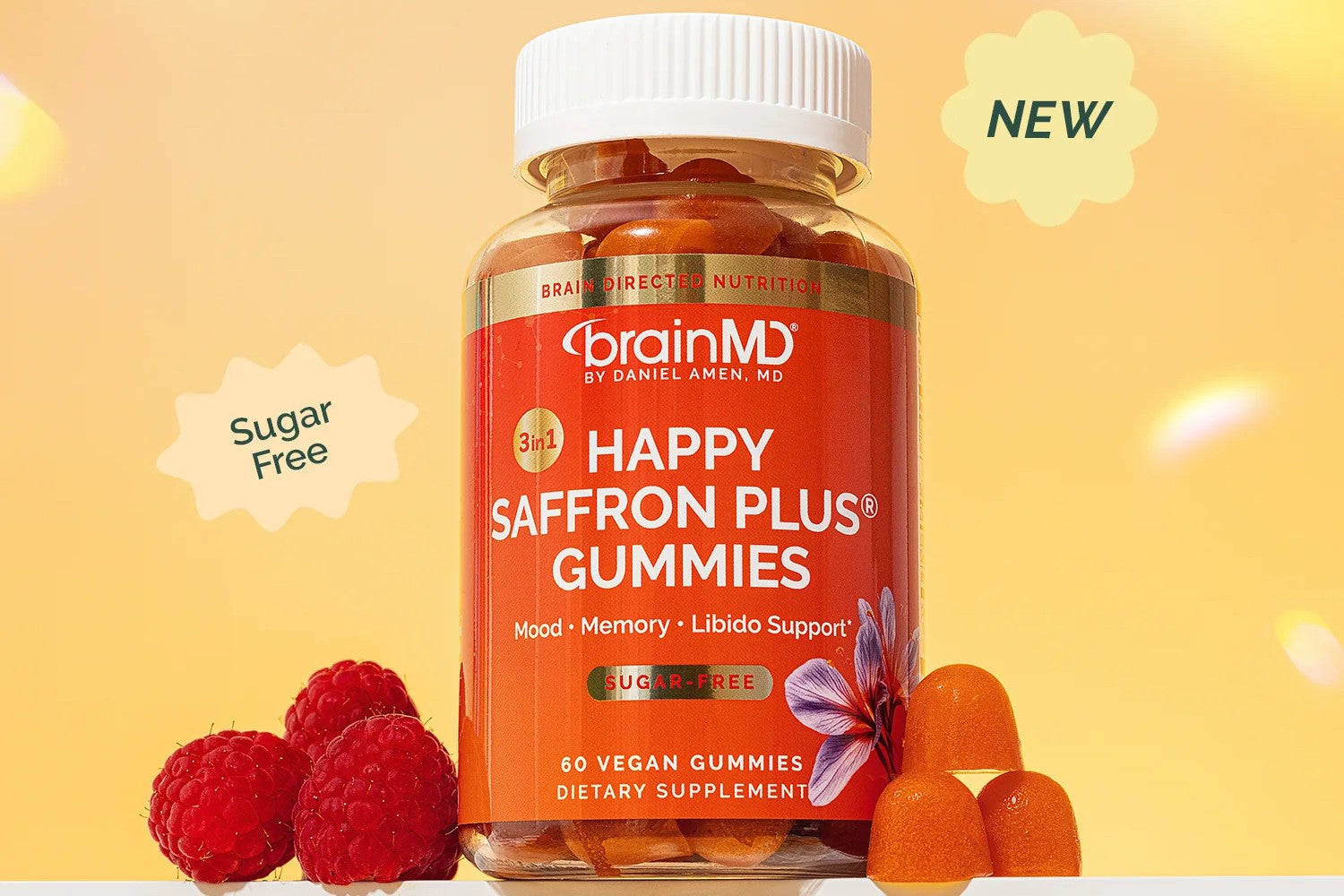
Though female sexual health often gets less attention than male-focused issues like erectile dysfunction, it’s just as important. In fact, female sexual dysfunction (FSD) is rather common. The American Sexual Health Association (ASHA) reports that more than 40 percent of women experience sexual difficulties at some point in their lives. FSD challenges can include a variety of symptoms—and they occur for a variety of reasons. For example, some women report a lack of interest in sexual activity or an inability to get aroused, while others have issues reaching an orgasm. ASHA notes that age, hormones, medical conditions, medications, mental health concerns, and problems within romantic relationships are all possible factors. Luckily, there are an array of natural interventions women can use to help: hormonal regulation, libido supplements, and dietary choices. Let’s learn more about how each of these can create a healthier female sex drive at any age. Hormones That Can Affect the Female Libido Especially as we get older and enter menopause, it’s important to make sure our hormone levels are balanced. This will not only optimize the libido, but will help us feel and look better. Hormones even impact brain function, so a lack of balance can lead to all kinds of difficulties in addition to decreased sex drive. You may struggle with poor sleep, a foggy memory, lack of focus or motivation, and lower moods. For example, testosterone isn’t only important for males. Among women, it’s critical for maximizing sexual health by promoting a healthy libido. It also provides more energy and helps build strong muscles and bones. Low levels, on the other hand, can contribute to feelings of tiredness and depression—not exactly the right combination to get us in the mood. Then there are the hormones produced by the thyroid gland, which are known for their regulation of metabolism. But changes can occur here during certain life stages for females, such as post-pregnancy and after menopause. Out of balance, these hormones can cause fatigue, lower levels of brain activity, and physical discomfort (such as feeling overheated). But more energy and a better sex life are benefits of these hormones being in balance. Progesterone is the female sex hormone that is produced by the ovaries and the adrenal glands. It’s a cornerstone of the female reproductive system and crucial in overall health for women. Progesterone will promote better energy and sleep, and therefore encourage more vigor for sexual activity. But when it’s out of whack, lower libido is a common side effect. Finally, estrogen should also be balanced to optimize sexual function in females. If your sex drive is feeling sluggish, I recommend getting your free and total serum testosterone levels checked out. When testosterone is low (for either sex), you might find yourself with lower energy in general, as well as a low libido and even depression, among other concerns. Adult males will want a total testosterone of 280 to 800 ng/dL, with the free level at 7.2 to 24 pg/mL. For women, that adjusts to 6 to 82 ng/dL (total) and 0.0 to 2.2 pg/mL (free). In addition, if you’re struggling with any of the issues listed above, you might want to seek out a qualified hormone specialist for a targeted treatment plan. Natural Libido Supplements for Females Looking to boost your libido? Try one of these natural supplements to help: Ginseng Ginseng has long been used and studied to improve sexual function in men, but it is also being looked at for its positive effects on women. A study found that one type, Korean red ginseng, was effective for boosting sexual arousal in menopausal women, and therefore “might be used as an alternative medicine in menopausal women to improve their sexual life.” In 2022, a report in Psychology Today pointed to more researchers around the world finding positive effects of ginseng on post-menopausal women. Improvements included everything from increased desire and sensitivity to reduced severity of hot flashes. Gingko Gingko (also known as gingko biloba), just like ginseng, has been used for many years in traditional medicine, including for enhancing libido. A review of studies, published in 2021, concluded that post-menopausal women in particular could benefit from this ingredient in terms of sexual function. However, the researchers also noted a couple of possible side effects, including headaches and gastrointestinal upset. (When starting any new regimen of supplements, it’s a good idea to consult with a doctor before starting and take note of any unwanted effects.) Saffron Saffron, in a 2019 review that examined numerous scientific studies, was concluded to have “a statistically significant positive effect...on sexual dysfunction.” Saffron is one of the key ingredients in BrainMD’s Happy Saffron Plus®, which combines three nutraceutical powerhouses: affron® saffron extract, Longvida® curcumin extract (from turmeric root), and zinc glycinate. Together, these have mood and cognitive benefits to help you feel happier, calmer, and mentally sharper. This supplement promotes better focus, emotional balance, and a more relaxed mind and body. Without the numerous effects of mood issues—poor-quality or too little sleep, anxiety, and less energy—the libido can function at a healthier level. And, now you can enjoy taking your Happy Saffron Plus® as a delicious gummy! One warning: Because this is an expensive ingredient, there are many impostors out there. Be sure to buy this supplement from a reputable source like BrainMD's Happy Saffron Plus®. Libido-Boosting Nutrition for Women In addition to consuming natural libido supplements, women of all ages will want to make sure their diet is not negatively impacting their sex drive. This can occur on both ends of the dietary spectrum: Too-severe calorie restriction can lower the levels of testosterone in the body and lower the libido, as well as reduce muscle and bone mass (which lowers stamina). On the other hand, eating too much or relying on highly processed foods can make us feel sluggish and lead to obesity, among many other harmful effects. Following a well-balanced diet, like the one I outlined in my book, The Omni Diet, is the best way to feel great naturally. And, when you’re truly caring for your body and keeping it in tip-top shape, you create a greater feeling of attractiveness, which increases your libido. Expect even better results when your partner is following the plan, too. Then, as an extra boost, I love using maca powder in my diet. This amazing ingredient, which comes from the root of a vegetable that grows in Peru’s Andes Mountains, contains a long list of health-promoting nutrients and antioxidants. One category of these, molecules called isothiocyanates, is believed to have aphrodisiac powers (as well as cancer-fighting properties), so many people use maca to enhance their sexual function. Studies have even hinted that maca may help improve libido and sexual function in those who take SSRIs (a type of antidepressants) and for women who are going through menopause. (Note that maca is not recommended for women who are pregnant or for anyone who has a thyroid condition.) Maca is also associated with increased energy and stamina, muscle building, and lower adrenal stress. This makes it an overall body balancer while offering benefits that contribute to a healthier libido, like supporting the digestive and reproductive systems. To best utilize this superfood, purchase raw maca powder and add it to your favorite smoothies. Here’s the bottom line: No matter what your age, gender, or relationship status, sexual health is an important component of our overall well-being. We should prioritize feeding our bodies with the right nutrients and supplements, engaging in regular exercise to stay energized and fit, and ensuring that our hormones are in balance. With these simple steps, we’ll be well on our way to nurturing a healthy libido that we (and our partners) will enjoy for years to come.
Learn more
Pea Protein vs Whey: Which One Fits Your Fitness Goals?
Believe it or not, there are still a lot of misconceptions around protein—like that it’s only for bodybuilders or those looking to pack on muscle. But, in fact, protein is a major building block of our bodies’ composition—the second most prevalent substance in the body, after water. It keeps your cells, tissues, and organs functioning and growing. And, yes, it does help maintain muscle mass—which helps us burn more calories throughout the day, long after our daily sweat sessions have ended. Protein is key for weight control in other ways, too. It gives us that feeling of fullness and suppresses ghrelin, which is a hormone that triggers feelings of hunger. It boosts metabolism, reduces cravings for unhealthy foods, and keeps our blood sugar at stable levels. Protein even supports the brain, maintains energy, and promotes recovery after exercise (or in the face of daily stressors). Unfortunately, many people don’t get their recommended levels of protein per day. That’s where a supplement, like protein powder, can help tremendously. How to Calculate Your Protein Needs How much protein do you need per day? And is your diet giving you enough? To calculate your unique protein needs, use this equation: Divide your ideal body weight in pounds (not your actual weight) by 2.2. This is your weight in kilograms. Multiply that number by 0.8 to 1.0, which is how many grams of protein you should be eating per kilogram of weight. Use the higher number (1.0) if you’re very physically active, or the lower number if you are less active. Therefore, if you’re a woman who is 125 pounds, that equals about 56.7 kilograms. With a high level of physical activity, you’d want to aim for just under 57 grams of protein per day. A lower level of activity would call for just over 45 grams. Overall, the ideal protein intake varies according to weight, activity level, and age. But, as a general rule, most people require between 45 and 100 grams of protein every day. You can then use this number to calculate your ideal protein consumption per meal or snack, spreading that out over three meals and two snacks per day. About 20 to 25 grams of protein per meal is a great rule of thumb, but you may need more or less. Protein Supplements: Pea Protein vs. Whey Protein In today’s busy world, we don’t always reach our recommended protein intake through sit-down meals. When you’re grabbing a meal on the go, you might want to supplement with a boost of protein powder. For example, I call smoothies my favorite fast food, and they’re great with an added scoop of Omni Protein Powder, which is available in Vanilla or Chocolate. These powders utilize a blend of protein sources that are all plant-based. While in the past many manufacturers tapped animal-based products such as whey for protein, today’s formulators have made significant strides in using plant sources. OMNI combines pea, rice, quinoa, and chia proteins, packing in 22 grams of balanced, complete protein per serving. The powder is not only free of animal products, but all kinds of potential allergens—corn, soy, artificial additives, gluten, and yeast—so it’s suitable for any diet. Plus, it’s sugar-free, sweetened naturally with organic stevia. Why do we want to say “no whey” to protein powders made with dairy-based products like whey? I’ve long promoted ditching the dairy, and in my book, The Omni Diet, I outline a bunch of reasons why dairy is not our friend. Here are some reasons why whey is not the best option for obtaining our recommended daily protein intake. First of all, many people can have sensitivities to ingredients in milk, such as whey or casein. It’s not the exception for human beings to be lactose-intolerant; it’s the norm. Humans are designed to ingest (human) milk as babies, but after 2 years old, less than 35 percent of people produce the enzyme called lactase, which is what breaks down lactose. And certain populations are less likely to produce this enzyme than others, including those of Jewish, Italian, West African, Arab, Greek, and Asian descent. When lactose is not properly digested, it leads to potential gastrointestinal issues. Even if you can digest lactose, that’s not recommended, either: Your body converts it to galactose and glucose, which raises blood sugar and leads to inflammation. In fact, casein, which is a protein found in milk, has been identified as an excitotoxin, a category of substances that are brain damaging. That’s because they overstimulate neuron receptors, which creates inflammation in the brain and, over time, may lead to neurodegenerative diseases. Pea protein, on the other hand, offers a fortifying balance of amino acids and is very easily absorbed by the body. It’s one of the richest sources of plant protein in existence. And, before you think that plants can’t compare with animal protein sources, check out the science. In one study, researchers compared pea vs. whey protein supplementation among both men and women engaging in high-intensity functional training over 8 weeks. The study looked at factors like body composition, muscle thickness, force production, workout performance, and strength. Ultimately, no difference was found among any of these categories when comparing intake of the two protein sources; subjects showed similar outcomes across the board. Gut Health Benefits of Protein Powder While you may find yourself able to eat enough protein at most meals, finding a great on-the-go option like protein powder can be a lifesaver when you’re pressed for time or traveling. Or, like me, you might just love the taste of a smoothie infused with delicious vanilla or chocolate flavor. It’s a super versatile, tasty option. Beyond the taste and convenience benefits, there are many other reasons I reach for Omni Protein Powder, including to support gut health. For example, one key ingredient, inulin, is a prebiotic fiber that promotes balance in those crucial healthy gut microorganisms. (Remember that prebiotics are what feed the beneficial bacteria in the gut.) Meanwhile, 150 milligrams of plant enzymes make the powder easier on the digestive system, which eliminates the bloating you might experience from other protein drinks. Finally, this formula includes L-glutamine, which protects the intestinal lining for additional gut health support. How to Use Protein Powder Even when you’re on the go, protein powder is an easy addition to your diet. I like to mix 1 heaping scoop of Omni Protein Powder with 8 to 10 ounces of water, almond milk, or coconut milk. Or simply add it to your favorite beverage. If I have a couple of extra minutes to spare, I love whipping up shakes or smoothies. Just add a scoop to your preferred blend of berries, greens, healthy fats, or any other mix-ins you like. Men might want to add an extra scoop for a total of 2, as their protein needs (particularly if they are active) will usually be higher. That said, beware of consuming too much protein. Our bodies are designed to handle a certain amount effectively, but ingesting over a certain limit can have damaging effects. You could create oxidative stress and inflammation in the body, accelerate aging on a cellular level, reduce the efficiency of DNA repair, and even contribute to future disease. As we’ve established, protein isn’t just for bodybuilders. But it does help promote key functions that build the body, like increasing energy levels, boosting athletic performance, promoting muscle generation and recovery, managing a healthy weight, and supporting brain health. With the right formula and in the appropriate amounts, plant-based protein powder can be a very useful and versatile addition to fuel your entire body—anywhere, anytime.
Learn more
Stop an Argument Before It Starts with These 8 Helpful Tips!
Arguments can be emotionally and mentally draining. They can lead to increased stress, hurt feelings, and broken relationships. So, what can you do when a conversation starts to get heated? To help prevent misunderstandings from escalating into full-blown fights, try these practical tips to improve your daily communications with others. 8 Top Tips for How to Stop an Argument Before It Starts Keep Your Cool To prevent a pressure-packed situation from getting out of hand, always keep your cool. It’s vital to remain levelheaded when voices are raised and tempers flare. Try removing the emotional charge from your conversations by speaking in a calm and caring tone. Tone of voice can be crucial in disarming a potentially volatile situation. Also, closely monitor your comments and reactions to make sure they’re coming from a rational place, rather than an emotional one. Instead of saying something negative or critical try your best to say something positive and constructive. Many times, this approach will result in a better outcome for you and the other individual/s. In short, always model calm behavior and others will likely follow your example. Take a Time-out When someone raises their voice or begins to lose their temper, take a time-out. This type of collective breather involves everyone in the discussion retreating to a separate space for a designated period (typically 10-15 minutes). Spending some time apart from the other member/s involved in the dispute may help you, and them, settle down and forget about the argument. A cooldown period only works if you get buy-in from everyone involved, so make sure all parties agree with taking a time-out to avoid starting yet another argument. Try Whispering When others are yelling, start whispering. The dramatic change in the decibel level of your voice will most likely make everyone stop talking to hear what you have to say. Something in our psyche makes us lean in and listen more attentively when someone is whispering. This tactic has been used with great success from board rooms to political assemblies. If an argument is getting out of control, try whispering to see if you can get everyone’s attention. Then you can attempt to de-escalate the conflict. Build a Bridge Instead of trying to convince the other person that your viewpoint is correct, attempt to see things from their perspective. The main objective shouldn’t be to win the argument but to remove potential threats, address concerns, and find common ground with the other person. Building a bridge is one of the best ways to avert a quarrel before it even starts. Get Outside When drawn into a discussion that makes you feel uncomfortable, look for a way to redirect the conversation. If that doesn’t work, find a polite way to remove yourself from the situation or postpone the discussion. Another strategy is to get outside for some exercise, such as a walk or jog, which is an effective way of letting off some steam when things get too tense. Getting some fresh air and exercise may help clear your mind so you can approach the problem or argument from a broader perspective. You may find that the point of contention you had with the other individual/s wasn’t that significant after all. Focus on the Positive This is one of those “easier said than done” tips, but it’s essential for maintaining healthy relationships. It’s easy to notice what you don’t like in a relationship, but when you spend more time appreciating what’s working well, you’re more likely to see an increase in positive behavior. Change takes time, but this is one step that can pay off big dividends if you consistently work at it. Deal with Difficult Issues Whenever you concede a point just to avoid an argument, you give away a little bit of your power. Over time, this loss of control can make you resent the other person. Avoiding conflict in the short run often has devastating long-term effects. In a firm but kind way, express your opinion or concern. This will help keep the relationship open and balanced. Overcome Poor Communication Poor communication is at the core of many relationship problems. Jumping to conclusions, expecting others to read your mind, and needing to be right all the time are just a few negative traits that can cause a breakdown in communication. Working with a trained counselor or therapist may help you overcome these bad habits and improve your communications skills. Additional Tools to Help Stop Arguments…NOW! Knowing how to prevent arguments is crucial for maintaining healthy relationships with others. Rational tips, such as de-escalating a potential argument or suggesting compromises, can help stop an argument before it starts. Disengaging when necessary, breaking negative thought patterns, and listening with empathy are other, powerful tools that can help prevent arguments. Also, admitting when you’re wrong can go a long way in diffusing tensions and earning the respect of those you’ve had disagreements with in the past. Remember that conflict is a normal part of the human experience, and how we handle it can define our relationships. By implementing these strategies into your daily life, you’ll be equipped to navigate disagreements with greater ease. If you’d like more information on how to stop arguments or improve your communication skills, check out these resources: Crucial Conversations by Kerry Patterson Getting to Yes by Roger Fisher and William Ury Nonviolent Communication by Marshall B. Rosenberg Also, Amen Clinics offers in-clinic and telehealth (via telephone and video conferencing) services to those dealing with behavioral or relational issues. To learn more about the clinics’ full range of services, or to set up an appointment, please call 866-347-6076. Thanks for reading this article! Hopefully it has provided practical solutions that you can use to prevent conflicts in the future. At BrainMD, we’re dedicated to providing the highest quality supplements to improve your physical health and overall well-being. For more information about our full list of brain healthy supplements, please visit us at BrainMD. These statements have not been evaluated by the FDA. This content is for informational purposes only. It is not meant to substitute for medical or healthcare advice from a physician, nor is it intended to diagnose, treat, cure, or prevent any disease. Consult your healthcare provider before beginning a new health regimen.
Learn more
5 Best Outdoor Activities To Help You Stay Fit & Have Fun This Summer
Summer is the perfect time to get outside, soak up some sun, and enjoy all that nature has to offer. From swimming in pools or lakes to taking peaceful hikes on scenic trails, there are countless outdoor summer activities to keep you active and healthy. Whether you’re an adventure seeker or just looking for a fun way to stay fit, there are plenty of outdoor activities that can keep you (and your family) active during the summer months. 5 of the Top Outdoor Activities for the Whole Family to Enjoy This Summer! Camping Camping is the perfect outdoor activity for those who like to immerse themselves in nature and escape the breakneck pace of everyday life. But before you head out on a camping trip, make sure you have all the equipment you need, including a tent, sleeping bags, cooking supplies, food, and ample water. Also, before you start a campfire, make sure there aren’t any fire restrictions for your area. When choosing a campsite, look for one with easy access to trails or water sources. Some campsites offer amenities such as showers and electricity (for those who prefer not to be completely cut off from modern conveniences). While in the great outdoors, be sure to take hikes or go fishing in a nearby lake. Or, if you prefer a more laid-back outing, you can relax at your campsite with board games, a good book, campfire songs or scary stories, or stargazing at night. Always practice Leave No Trace principles – properly disposing of waste, respecting wildlife habitats, etc. – while camping. Most importantly, enjoy the peace and solitude that comes with being surrounded by nature during your summer camping adventure. Cycling Cycling is an excellent way to enjoy the outdoors while staying active during the summer months. It allows you to explore your surroundings while getting in a good workout. Whether you’re riding on a mountain trail or through a municipal park, there are plenty of scenic areas to enjoy while you’re burning calories. One of the best things about cycling is that it’s accessible to people of all ages and fitness levels. You don’t need any special equipment to get started…just a bike and a helmet. And with so many different types of bikes available – from road bikes to mountain bikes – there’s something for everyone. If you’re new to cycling, start by taking short rides around your neighborhood or local park. As you build up your endurance and confidence, gradually increase the length and difficulty of your rides. Don’t forget to bring plenty of water and healthy snacks. Cycling also can be a social activity – consider joining a local cycling club or group ride in your area. This can keep you motivated and provide an opportunity to meet other cyclists who share your interests. Of course, safety should always be top-of-mind when cycling. Always wear a helmet and obey traffic laws while riding on roads or paths shared with pedestrians. Fishing Fishing is a relaxing outdoor activity that allows you to unwind while enjoying the beauty of nature. Regardless of your experience level, fishing can be a fun and rewarding experience. One of the best things about fishing is that it can be done almost anywhere – from lakes and rivers to oceans and streams. You don’t even need expensive equipment to get started; just a rod, reel, line, bait, permit, and a little patience. There’s nothing like the feeling of catching your first fish. It’s an exhilarating experience that can give you a sense of accomplishment and an adrenaline rush; especially if you catch a really big fish. Fishing is a great way to spend quality time with others. It’s a peaceful activity that allows you to connect with friends and family while enjoying the beauty of nature. This popular outdoor activity can be experienced by anyone, regardless of their age or skill level. So why not give it a try this summer? Who knows, you might just discover your new favorite hobby! Hiking Hiking is a great way to get outside and explore nature during the summer months. From easy trails to more challenging treks, there are hiking options for all skill levels. Before hitting the trail, it’s important to make sure you have proper footwear. Investing in a good pair of hiking shoes will provide support and help prevent blisters. Also, make sure to dress appropriately for the weather and bring a jacket in case it rains, or the temperature unexpectedly drops. When planning your hike, research the trail ahead of time and be prepared for any obstacles such as steep inclines or uneven terrain. Be sure to keep your eyes open to any potential hazards, including cats, snakes, or other regional wildlife. Bring plenty of water and healthy snacks to stay energized on longer hikes. In addition to its physical benefits, hiking can provide mental health benefits too, such as reducing stress and improving mood. Make time during your hike to appreciate the natural surroundings and take deep lungful of fresh air. Hiking can be enjoyed solo or with friends/family members. So, pack your backpack (don’t forget the sunscreen), put on those hiking shoes, and hit the trails for some exhilarating exercise. Swimming Swimming is one of the most popular outdoor summer activities, and for good reason. Not only does it provide an invigorating way to cool off in the heat, it also offers a full-body workout that’s low-impact and easy on your joints. Whether you prefer swimming laps at the local pool or taking a dip in a nearby lake, there are many options for any skill level or preference. One great thing about swimming is its versatility; it can be enjoyed alone or with others. You can push yourself to set speed or distance goals, or simply enjoy floating leisurely while chatting with friends or family. Be sure to practice proper safety precautions when swimming outdoors, such as wearing life jackets and being aware of currents and other hazards. With these tips in mind, diving into a pool or lake this summer is sure to be a refreshing experience. Summer Safety Tips Though summer is a great time to enjoy outdoor activities, it’s crucial to remember the importance of staying safe. Here are some top safety tips to keep in mind: Always wear sunscreen when spending time outdoors, as the sun’s UV rays can cause serious skin damage. Stay hydrated throughout the day. This is especially important during hot weather or while engaging in rigorous physical activities. Remember to bring more water than you need. Be aware of your surroundings and any potential hazards, such as rough terrain or dangerous critters. This will help you avoid accidents and injuries. Make sure to use proper equipment when participating in outdoor activities such as hiking or cycling. Wear appropriate footwear and protective gear to reduce your risk of injury. If you’re planning on swimming or boating this summer, be sure to follow all safety regulations and rules. Always swim with a buddy and make sure others know where you’re going. By following these simple safety tips, you can ensure that you have an enjoyable and safe experience while engaging in outdoor activities this summer. Stay Fit, Have Fun! The summer season affords many opportunities to stay active and enjoy the great outdoors. While having a good time outside in the sun, remember to put safety first by using sunscreen and drinking plenty of water. Also, be mindful of your surroundings and don’t disturb or harm the terrain or wildlife. By engaging in outdoor activities this summer, you can stay fit while experiencing nature’s wonders firsthand. Try one of these outdoor activities today and have some fun! At BrainMD, we’re dedicated to providing the highest quality supplements to improve your physical health and overall well-being. For more information about our full list of brain healthy supplements, please visit us at BrainMD. These statements have not been evaluated by the FDA. This content is for informational purposes only. It is not meant to substitute for medical or healthcare advice from a physician, nor is it intended to diagnose, treat, cure, or prevent any disease. Consult your healthcare provider before beginning a new health regimen.
Learn more