 Skip to content


Wellness Blog



8 of the Best Ways to Improve Your Self-Esteem and Confidence
Is receiving criticism painfully hard for you? Do you notice that you judge yourself harshly most of the time? Do you feel nervous or shy when you’re in social situations? Do you tend to doubt your capabilities? If you answered yes to any of these questions, you might benefit from working to improve your self-esteem. Improve Your Self-esteem Having a strong sense of self-worth, research shows, is associated with greater happiness, life satisfaction, and fewer negative moods. Conversely, when poor self-esteem goes unaddressed, it can impact your entire life trajectory. Having low self-worth can lead to inaction, underachieving when it comes to realizing dreams, and remaining in unsatisfying and even unhealthy relationships. In terms of mental health, people with low self-esteem tend to struggle more with low mood, feelings of anxiousness, thoughts of self-harm, addictions, and more. Indeed, taking steps to improve your self-esteem and confidence is a worthy investment of time and energy. It has the potential to improve virtually every area of your life. The following tips are based on the collective wisdom of mental health experts and published research. Practicing them can help to improve your self-esteem from the inside out and naturally boost your confidence. 8 Ways to Improve Your Self-Esteem and Confidence 1. Change Your Self-Talk You can start building your self-esteem and confidence right this moment by becoming aware of how you talk to yourself and making a concerted effort to reframe negative thoughts. Dr. Daniel Amen calls these not-so-friendly thoughts that destroy self-confidence automatic negative thoughts (ANTs). They’re often extreme, all-or-nothing statements, like, “You’re always such an idiot” or “You never do it right.” One way to combat ANTs is by using the work of author and speaker Byron Katie. Write down some of your persistent negative thoughts and ask yourself these 4 questions about them: Is this thought true? Can I absolutely know that it is true? How do I react or feel when I think that thought? Who would I be without that thought? Or, how would I feel if I didn’t have that thought? If you practice this regularly, it will likely put some space between yourself and your negative thoughts, allowing for kinder, more accurate, and constructive thoughts – which will likely have a positive effect on your self-esteem. 2. Give Yourself Credit People who struggle with self-esteem tend to have a more pronounced negative bias. They see what they haven’t done rather than noticing progress. Start giving yourself credit for the small wins. Research shows that celebrating smaller achievements boosts morale and resilience, promoting overall positivity. What does that look like? If you sit down to work on something even for 20 minutes, give yourself credit for making progress. If you hurt someone and you earnestly apologize and make a point to correct the wrong or behave differently, give yourself kudos for apologizing and making amends – rather than beating yourself up for your behavior. 3. Practice Gratitude An abundance of research shows that contemplating what you’re grateful for builds greater self-esteem and well-being. Make it a habit or ritual. List what you’re grateful for every evening before going to sleep. It could be as simple as appreciating your lungs and the ability to freely breathe in and out, or the beautiful blossom that appeared in your garden overnight, or the kindness of someone you encountered during your day. Look for gratitude even in seemingly unpleasant or difficult life situations. Perhaps there’s a challenging person at work and it’s forcing you to be more assertive. You might find appreciation in the growth opportunity it’s providing. 4. Move Your Body Engaging in physical activity not only boosts your mood, it increases your self-esteem as well. Developing muscle tone, strength, coordination, balance, and flexibility creates an overall feeling of being more physically competent, which contributes to a better body image and self-esteem. Additionally, the stress relief that comes from exercise, as well as the increased blood flow, which supports better brain function, add to overall well-being. Of course, there’s the sense of accomplishment after exercise that contributes to positive self-regard, too. Be sure you approach exercise gently without a lot of high expectations or perfectionist demands related to body image, kindly giving yourself ample credit for any progress made. 5. Practice Forgiveness Research indicates that forgiveness is associated with higher self-esteem and greater life satisfaction, as well as fewer instances of low mood, feelings of anxiousness, and hostility. Experts suggest you can begin practicing forgiveness in small ways. When someone cuts you off in traffic, consider it isn’t personal and forgive the offender. Let people off the hook. By practicing forgiveness of others, you might find that it’s a little easier to forgive yourself too – which is a big boon to self-esteem! 6. Form Positive Relationships Take steps to foster positive social relationships. Research reported by the American Psychological Association shows that social support and social acceptance overwhelmingly help shape the development of self-esteem in people of all ages. This may sound like a tall order if you’re lacking in self-esteem and confidence. A first step might be joining some kind of support group. Or, if you’re feeling more comfortable about increasing your social connections, take a look at online groups like Meet Up. Pursuing a hobby is a great way to make new, positive connections. At the same time, you’ll have the added bonus of developing one of your genuine interests, which is good for self-esteem too! Ask a friendly neighbor, or perhaps someone from work, to join you for coffee. The key is to spend time with positive people. 7. Speak Up One vital way to value yourself is to honor your needs and speak your mind. This might mean speaking up and setting boundaries as needed. When you lack healthy levels of self-esteem, it’s common to fall into people pleasing and doing things you don’t want to. Start being assertive by simply saying “no.” Watch people who are assertive and let them serve as inspiration for you. Emulate what they do until you find your own rhythm in speaking your mind. 8. Seek Help It’s possible you may need the support of a qualified mental health professional to help you build your self-esteem. Having a professional in your corner is a very powerful way to help you to face past traumas, shame, addictions, or mental health issues that may be impacting your self-esteem. Research shows that cognitive behavioral therapy (CBT) is highly effective in self-esteem building. There’s no weakness in asking for help; it’s a strength, and another reason to feel good about yourself. Be Patient Cultivating healthy self-esteem is a lifelong practice. It takes time. If you notice you have a little more confidence, or are taking on challenges, or treating yourself with more compassion, these are all signs that your self-esteem is growing. At BrainMD, we’re dedicated to providing the highest purity nutrients and standardized herbal ingredients to support your energy, focus and overall well-being. For more information about our full list of supplements, please visit us at BrainMD.
Learn more
6 Brain-Healthy Snacks for Kids On the Go
It’s a simple equation: Busy schedules plus picky young eaters plus a lack of preplanning can equal a disaster when it comes to your kids’ snacking habits. Many parents, weighed down by endless to-dos, don’t prioritize healthy snacks for their children. But when you stock several options that can be easily enjoyed on the go, there’s no excuse for not eating right, even between meals. With childhood obesity, a decrease in physical activity, and the easy availability of ultra-processed foods now affecting our youth, this topic is more important than ever. Stuffing kids with sweets like donuts and pastries, or salty, unsatisfying choices like chips, harms instead of nourishes their health. Here, I’ll share some of my favorite kid-friendly snacks, as well as my top snack-planning tips for busy parents. 6 Healthy Snacks for Kids On the Go Snacking is a healthy part of our eating routine—but only when we make the right choices. A quality snack will fight fatigue and fuel energy so your kids can do their best at school or on homework. It will also keep them from being so hungry that they overeat at meals or reach for junk foods. In general, a mix of protein, healthy fats, and complex carbohydrates (such as raw veggies) are the building blocks of a well-balanced snack. These are best served in the mid-morning, mid-afternoon and/or later afternoon to keep their metabolism going strong throughout the day. Here are some ideas for kid-approved snacks that they can eat even if time is limited: 1. Stay Sharp Pizza Snacks Kids notoriously love pizza. But they can be less than enthusiastic about eating their veggies. The Stay Sharp Pizza Snack is a way to combine both—I call it a gateway to healthy eating. Plus, you can endlessly customize this recipe to fit your needs. For a more traditional take, you could use a gluten-free pizza crust or gluten-free bread as the base, but I like sneaking in veggies by using a halved zucchini or squash as the pizza “crust.” You simply top it with tomato sauce and other heart-healthy ingredients (think dairy-free cheese, lean proteins, and veggies), then bake in the oven. It’s a fun finger food for before a homework session, or to serve when your child’s friends are visiting. 2. Go-Well Trail Mix Trail mix offers that ideal combo I mentioned above: protein, fat, and carbohydrates. Plus, you can make a big batch and grab it on the go, saving your kids from the school vending machine or a drive-thru window. I love my Go-Well Trail Mix specifically for its brain-healthy omega-3 fatty acids and delicious fruit combination (berries and coconut—yum). Simply mix ¼ cup each of raw cashews, raw slivered almonds, raw walnuts, and raw cacao nibs, plus 2 tablespoons each of goji berries, dried mulberries, dried blueberries, and shaved coconut (all unsweetened). You can adjust this recipe to the amount you need and simply separate it into small containers to keep portion size on track. 3. Fruit and Nuts I love this combination because it can be customized in so many ways—and can even mimic a decadent dessert. For example, get all of the comfort of homemade apple pie (without the sugar and simple carbs) by slicing up a half or whole green or red apple, then sprinkling it with cinnamon. Warm it up in the oven at 350 degrees for about 10 minutes, and serve with 1 tablespoon of almond butter for dipping. (Just make sure the apple has cooled if your kids are taking this snack on the go.) If you don’t have an oven handy or time to spare, no problem—grab a small piece of raw fruit and about 10 whole nuts, such as macadamia nuts, or 1 tablespoon of nut butter. I avoid peanut butter—peanuts are in the legume family and high in omega-6 fatty acids—in favor of almond butter and cashew butter. 4. Fun Dips Who doesn’t love a tasty dip to liven up their snacks? One super-portable snack I love consists of a hard-boiled egg, 2 cups of raw veggies, and 2 tablespoons of guacamole, salsa, or hummus for dipping. You can also serve celery sticks or other veggies with 1 to 2 tablespoons of raw almond butter. Dips give kids an interactive eating experience, allowing them to play with their food in a parent-approved way. Chances are, they’ll enjoy their veggies more with a little extra fun on the side. 5. Quick Wraps One of my favorite lunches, which can also be portioned out in a snack size, is the Tasty Turkey Wrap. It’s a great choice for kids on the go, because the healthy fillings are all wrapped up in a tortilla or lettuce leaf, making it a no-mess, no-fuss, handheld option. To prepare, simply make a light salad with mixed baby greens and a little olive oil, lime juice, cilantro, salt and pepper. Put a snack-size portion of turkey breast in a tortilla or lettuce leaf, top with the greens and some avocado and tomato, and fold it up and slice in half. Voilà—this wrap is ready to roll. 6. Protein Bars I love protein bars as a great brain-healthy snack for kids on the go, but you need to be careful with your selection or make them yourself, from scratch. If you’re buying pre-made, go for a bar that is grain-free and gluten-free, and scan the label for sugar counts. My favorite pre-made choice is BrainMD's Brain Boost Protein Bar. If you’re making your own, try my Superfood Protein Bars in The Omni Diet book. They combine healthy ingredients like cacao butter, raw cashews, raw almonds, hemp seeds or flax seeds, yummy spices like cinnamon, a little honey, and other delicious add-ins that blend together beautifully for a snack that’s a grab-and-go no-brainer. How to Encourage Healthy Snacking for Your Kids Here are a few of my best strategies for encouraging healthier habits—and for making your job as a parent easier, too. Be a healthy role model. What habits are you modeling for your kids? Expose your children early and often to healthy ways of eating. Stock the kitchen with whole foods—kids can’t reach for junk-food snacks when they’re not around. And educate them on how food makes them feel, and how it affects the body. Jazz it up! When kids are less than enthusiastic about eating their veggies, boost your snacks’ flavor through the use of herbs and spices. They offer added nutrition and make everything taste better. Get your kids involved. If you want your kids to eat healthier, recruit them in the process. They’ll love topping their own Stay Sharp Pizza Snacks (above) or stirring up the next batch of trail mix. They’ll also be more likely to enjoy the fruits of their labor. Rethink old favorites. Frozen treats, chocolate, and ice cream—off the list forever? Not if you make better choices. Replace ice cream with avocado gelato. Eat frozen bananas instead of ice pops. Add a small piece of 70-percent cocoa dark chocolate to your snack, which contains antioxidants instead of sky-high sugar counts. Dip veggie sticks instead of chips. Plan ahead. When hunger strikes, you want to be prepared. Bring healthy snacks to outings like amusement parks or the movies. Keep healthy foods (like veggies, hummus, nuts, and seeds) in snack-size portions. Do your menu planning, shopping, and food preparation in advance. Parents, it’s time to take back our snack foods. Let’s ditch the salty, sugary, processed choices that are so often associated with between-meal bites and choose foods that truly fuel the brain and body. With just a little preparation and forethought, healthy snacks for kids and parents on the go can be a breeze. Remember, healthy snacking for your kids starts with you.
Learn more
Some of the Best Healthy Aging Tips to Keep Your Brain & Memory Sharp
Memory loss is an inevitable part of aging, right? Wrong! According to physician and double board-certified psychiatrist, Daniel Amen: "While it is true that memory issues are common with age, they are not inevitable. In the presymptomatic stage, when memory problems are minor, help is likely to be most effective. If you’re struggling with your memory, even if it seems inconsequential, now is the time to get serious about your brain’s heath.” How to Slow Brain Aging Two of the best ways to slow the aging process are to avoid the things that hurt your brain and embrace the things that help your brain. Though easy to comprehend, those simple steps can be extremely difficult to implement. That’s why it’s important to adopt daily habits that can protect your brain from the things that can harm and age it. To help support your brain health as you grow older, try these practical, natural strategies for healthy aging… 3 of the Best Ways to Support Healthy Aging Today 1. Brain-Energizing Activities Physical exercise can enhance brain health and support memory by: Increasing the size of the hippocampus, the brain’s main memory-forming zone, according to a study published in the American Journal of Geriatric Psychiatry. Protecting the hippocampus from stress-related hormones, like cortisol, which can damage the brain when its levels are high for sustained periods due to ongoing stress. Stimulating the production of growth factors, such as BDNF (brain-derived neurotrophic factors), which nurture brain maintenance and neurogenesis. Decreasing the formation of beta-amyloid plaque, clumps of protein found in the brains of people with severe memory issues. Facilitating greater detoxification through sweat, which is critical since toxins can damage the brain and increase the risk of memory problems. 2. Memory-Supporting Foods Here are some of the best ultra-healthy, memory-supporting foods you should work into your diet: Fish: One of the most studied foods for brain health, fatty fish – such as sardines, wild salmon, tuna, and mackerel – are high in the omega-3 fatty acids EPA and DHA, which are critical to brain health and memory. Vegetables: Vegetables are loaded with vitamins, minerals, antioxidants (including carotenoids), flavonoids, and other polyphenols that help keep the brain healthy and memory sharp. Fruits: Flavonoids and other polyphenols – particularly those found in berries, apples, and citrus fruits – may help to reverse age-related decline in memory and learning. Herbs and Spices: Saffron, turmeric, rosemary, and sage contain substances that support memory and offer overall protection against cognitive decline. Cinnamon may help improve blood sugar status as well as fight inflammation. Nuts and Seeds: Nuts are loaded with healthy fats, minerals, and nutrients that are needed to power the brain’s memory function. Walnuts and almonds also may support mental sharpness. 3. Anti-Aging Supplements Though many products on the market are thought to have memory or age-defying benefits, it’s a good idea to take supplements that offer these anti-aging nutrients… [wc_box color="inverse" text_align="left" margin_top="" margin_bottom="" class=""] Collagen Collagen is the main structural protein that makes up the connective tissues in your body. You need an abundance of healthy collagen to keep your skin elastic, your nails and bones strong, and your joints youthful. It also provides structure for cartilage, tendons, ligaments, muscles, and blood vessels. There are different types and sources of collagen, so make sure to research a product before taking it. CoQ10 Coenzyme Q10 (CoQ10) is a powerful cofactor and protectant for the mitochondria that generate over 90 percent of all our energy. These are constantly at work in all our cells but are most active in the brain to supply its huge energy demands. CoQ10 is important for the brain, heart and circulation, immune system, and other organs. Curcumin Curcumin is an umbrella name for the three main active curcuminoids of turmeric: curcumin, demethoxy-curcumin, and bis-demethoxycurcumin. Curcumin is thought to support working memory, calmness, and satisfaction in coping with mental strain. It also can help promote cardiovascular health and lessen physical fatigue. Resveratrol Resveratrol may help to promote healthy heart muscle function. It’s a phytonutrient that gives red wine its “heart healthy” status. Additionally, resveratrol may help support blood vessel function, promote healthy blood sugar utilization, and improve word recall. Vitamin A Vitamin A is crucial for the brain to develop and maintain its trillions of nerve cell connections (synapses). This powerhouse vitamin is crucial for the development and maintenance of the brain, lungs, eyes (vision), and intestinal tract. It’s also essential for a strong immune system. Vitamin D Traditionally known as the bone vitamin, vitamin D also is essential for organ growth. The liver and kidneys convert vitamin D into a powerful hormone for the health of the brain, heart and circulation, immune system, bones, joints, muscles, and other organs. Vitamin D promotes attention, socialization, memory and learning, positive mood, and overall brain function, while enhancing health and well-being. Superior to D2, vitamin D3 (cholecalciferol) is converted into a hormone that regulates about 900 different genes. Vitamin D3 helps promote healthy mood management and cognitive function and works well with vitamin K2. [/wc_box] Be Proactive Despite what many healthcare practitioners would have you believe, losing your memory or developing mental fog in your forties, fifties, sixties, or even seventies isn’t normal – it’s a sign of trouble. However, serious memory loss isn’t inevitable with advancing age. The best way to sharpen recall, reduce brain atrophy, and avoid long-term memory problems is to be proactive. There will never be a better time to start improving your memory than right now. One of the best ways to promote healthy aging is to take supplements with highly purified nutraceutical ingredients that are clinically researched to keep your mind sharp and efficient. BrainMD offers an entire category of Memory Supplements to help support your brain, cognition, and memory.* Try one of these pure and potent supplements today! At BrainMD, we’re dedicated to providing the highest quality supplements to improve your physical health and overall well-being. For more information about our full list of brain healthy supplements, please visit us at BrainMD. *These statements have not been evaluated by the FDA. This content is for informational purposes only. It is not meant to substitute for medical or healthcare advice from a physician, nor is it intended to diagnose, treat, cure, or prevent any disease. Consult your healthcare provider before beginning a new health regimen.
Learn more
Tana Amen's Best Mindfulness Meditation Techniques to Feel More Present
What’s the first thought or feeling that comes to your mind when you hear the word meditation? Some people might picture a calming, safe haven in their everyday lives. For others, it’s something to avoid at all costs. I’m always surprised that there are still a lot of misconceptions and even fear around such a helpful practice. For example, I hear from many people that they aren’t able to meditate or don’t know how to. They claim they can’t clear their mind or turn off the endless mental chatter that seems to run 24-7. And it’s understandable, in today’s busy, information-overloaded world, that we would have problems being with ourselves, sitting still, calming those anxious thoughts, and enjoying silence. But we don’t have to complicate this process, and we also don’t have to be perfect meditators on day one. There’s a reason this is called a practice. It’s something we keep showing up for, and eventually, we find that we’re more able to simply be with ourselves. We also learn to tune in to both our inner selves and the divine. (There are a ton of other benefits, too, which I will discuss further below.) Today, I’m going to share with you my own method of mindfulness meditation, plus some helpful tips if you’re just starting out. These techniques are what work best for me, and I know they’ll help you discover some practices that are best for you. The Top Benefits of Mindfulness Meditation There's a lot of talk nowadays about meditation and the importance of doing it. How and why should you practice this, and what are the benefits? I can talk about what it means to me. In the first place, it’s great to do meditation when you feel stressed out or overwhelmed in life. But it’s a better idea to meditate on a regular basis—before you hit crisis mode. It helps calm you and gets you ready for anything that comes at you during the day. In addition, numerous studies have shown the physical benefits of meditation. It helps decrease your blood pressure, settles the emotional centers in your brain, and promotes an overall sense of well-being. Meditation has also been shown to help you sleep better, lessen symptoms associated with anxiety and depression, and increase energy and focus. But did you know that it can also help you live the life you want, simply through the power of setting intentions? Living with intention is the opposite of thinking about what you don’t want, which is what many of us focus on as we move through life. That’s right—meditation can actually rewire those negative ways of thinking. For me, meditation combines two powerful forces: prayer and intention. It’s my way of communicating with God, and that means both listening and talking. It basically welcomes the Holy Spirit into my body. Of course, your meditation might be driven by different intentions, or may incorporate different techniques, but this is how I envision my own practice. I encourage everyone to find what works for them. My Mindfulness Meditation Routine First, I settle down and imagine a light filling my body, healing me and grounding me. I’ll move my attention from the base of my body upward, with each part being associated with different effects. For example, focusing on my heart, I ask for more empathy, love, and forgiveness for others (and that same empathy and forgiveness for myself). Moving up the body, I put extra attention on any places I’m experiencing pain. I also focus on my throat, since I had thyroid cancer in the past and want to emphasize having a strong voice. (As I wrote about in my book The Relentless Courage of a Scared Child, my past trauma makes it extra-important that I embrace my voice as a way to heal and reclaim my power.) As I move upward in my body during this mindfulness meditation, I continue to be aware of the light filling me, and I ask for wisdom in my life. I set the intention of being congruent and authentic, because I want my thoughts and actions to match my values. Throughout this process, I take deep breaths. With each inhalation, I focus on what I want, and with each exhalation, I envision releasing anything negative—such as thoughts or habits—that I want to let go of. By the time I’ve completed this full-body, deep-breathing daily check-in with myself, I’m ready to face the day and move through it with a greater amount of grace and ease. I reduce the anxious thoughts that can sometimes invade the mind, and I’m able to lower my stress levels all day long. And you should try this practice at nighttime, too. Getting into the habit of meditation for sleep is a great way to conquer insomnia or feelings of nighttime restlessness. It calms the mind and body so we can drift off into a more peaceful slumber. My Best Meditation Tips If you’re new to meditation, don’t worry about doing it wrong—any attempt is a win. Try these helpful tips to kick off your journey: Start Slowly Build your practice over time. Even a few minutes a day is better than nothing. And you don’t want to set yourself up for disappointment by making unrealistic goals right off the bat. Put aside even 5 minutes every morning to check in, breathe, and set an intention for the day. If that’s still too intimidating, start with 3 minutes—just do it! With more experience, you can add minutes, then add a nighttime meditation for sleep, too. I love starting and ending my day with meditation. It’s the perfect way to wake up and get ready for bed. Speak Some Inspiration You might try picking a word or an affirmation to begin your day. Think about how you want your day to unfold or what quality you want to embody—such as strength, balance, or love. Or use affirmations, which are short statements that give you a positive boost, such as: “I love and accept myself,” “I choose to be healthy in body, mind, and spirit,” or “I live in alignment with my values.” While you may choose to repeat the same one every day, you may also find that your needs vary on different days. Use whatever feels right at the moment. Carry Your Meditation With You Especially if you’re a beginner, it can be easy to start your day with a few minutes of meditation and then carry on with business as usual. But one of the best side effects of meditation is how it can infuse our entire life with a greater sense of mindfulness. So often we're rushing around, ruminating over the past or projecting into the future, that we’re barely living inside the moment right now. Make a conscious effort to go through your day with awareness: noticing your breathing, fully focusing on an activity, or taking in the sensory pleasures around you. Being more present will do wonders for your levels of joy, happiness, and gratitude—and meditation can help you get there. Go Easy Is your mind racing with anxious thoughts? Do you find it impossible to focus? First of all, don't beat yourself up or fall into the trap of telling yourself you “can’t do” meditation. Show yourself some compassion and keep trying, day after day—you’ll soon see your behaviors start to shift. In the moment, if you find your mind wandering, reground yourself by directing your attention to something steady, like your breathing. It’s normal for your mind to feel scattered, especially at first. Just return your focus to your body and breath, and continue with your practice. It gets easier over time to notice these distractions and to redirect yourself when they happen. Try one of the mindfulness tips above and start feeling the difference today!
Learn more
Decoding Sex Hormones: How to Balance Your Hormones Naturally
Hormones are your body’s chemical messengers. They’re made in the endocrine system by specialized tissues called glands. Hormones control most of the processes that happen in the body, including metabolism, reproduction, sexual function, and mood. What Are Sex Hormones? Sex hormones are specific chemical messengers produced in the ovaries in women, in the testes in men, and the adrenal glands in both sexes. Although sex hormones are primarily known for regulating development, puberty, and reproduction, they also influence many other aspects of health, including: Mood and brain function Body weight and composition Sleep Metabolism (how your body gets energy from the foods you eat) Skin and hair health Cardiovascular and bone health Types of Sex Hormones There are four main sex hormones, estrogen, testosterone, progesterone, and DHEA. Let’s take a closer look at each… Estrogen Estrogen is the most well-known female hormone. It’s made in the ovaries, adrenal glands, and fat cells. Males make estrogen, too, just in smaller amounts. Estrogen works alongside progesterone to regulate a woman’s menstrual cycle. In men, estrogen is important for libido, sexual function, and sperm production. Estrogen levels are also linked to bone health, metabolic health, skin elasticity, mood, and more. Many organ systems, including the musculoskeletal and cardiovascular systems and the brain, are affected by estrogen. There are three main types of estrogen: estrone (E1), estradiol (E2), and estriol (E3). Estrone (E1) is the weakest type of estrogen. Estrone can be converted into estradiol and is typically highest after menopause. Like all estrogen, estrone supports female sexual development and function. Estradiol (E2), the most potent and active of the three estrogens, is often the only one measured in an estrogen test. During puberty, estradiol levels increase and remain at their highest through an individual’s reproductive years. Estradiol then gradually decreases in perimenopause and remains low throughout menopause. Estriol (E3) is the dominant form of estrogen found during pregnancy. Made by the placenta, estriol’s primary function is to control the production of other pregnancy hormones while supporting fetal development and uterine growth. Estriol also helps prepare the body for childbirth and breastfeeding. Testosterone People tend to think of testosterone as an exclusively male hormone, but women produce and need testosterone too, just at lower levels. Healthy testosterone levels in women help support: Fertility Sex drive Menstrual health Breast and vaginal health Bone density Muscle mass Mood Memory Motivation In both men and women, testosterone helps protect the nervous system and helps ward off low mood, memory problems, and cognitive issues. Testosterone is the primary hormone responsible for libido in men and likely helps maintain libido in women. The top complaint from women with low testosterone is decreased libido, which is why many women seek libido supplements to help balance this hormone. Progesterone Progesterone, also known as the “chill hormone,” is produced by the ovaries, uterus, and adrenal glands. It’s best known for helping regulate the menstrual cycle – women make progesterone in response to an egg being released from an ovary (ovulation) – but progesterone also plays an essential role in breast health, brain function, mood, and sleep. In men, progesterone is also important for sperm and prostate health. Dehydroepiandrosterone (DHEA) Dehydroepiandrosterone (DHEA) is made in the adrenals and then converted by the body to estrogen in women and testosterone in men. DHEA is responsible for several functions, like regulating neurotransmitters, stress response, and synthesizing other hormones. If your DHEA levels are low, your sexual health, energy, muscle mass, and bone density can suffer. Are My Hormones Levels Off? When your hormones are healthy, you tend to feel more vibrant and energetic. When your hormones are out of balance, you’re much less likely to experience optimal health. That’s why it’s important to check your hormone levels regularly to understand how they affect you. 8 Best Ways To Naturally Balance Your Hormones For many people, simple lifestyle changes like eating a well-balanced diet, taking the right supplements, and getting good sleep can help restore proper levels of hormones in the body. Here are some of the best ways to naturally balance your hormones: 1. Exercise Regularly Physical activity directly impacts your hormonal health. Exercise can enhance hormone receptor sensitivity, which assists in the delivery of nutrients and hormone signals. 2. Eat a Protein-rich Diet Proteins break down into amino acids, which are needed to produce peptide hormones. These hormones play a critical role in regulating several physiological processes, including growth, energy metabolism, appetite, stress, and more. 3. Maintain Good Gut Health Your gut produces metabolites that can affect hormone health. Taking a good quality probiotic can help. 4. Watch Your Sugar Intake Eating too much sugar can lead to insulin resistance, disruptions in the gut microbiome, and imbalanced hormones. Opt for healthy sugar-free alternatives instead. 5. Reduce Stress Easier said than done! Excessive stress can significantly disrupt hormone levels and hurt your health. 6. Get Enough Sleep Sleep is one of the most important factors in hormonal imbalance. Your hormone levels can rise and fall throughout the day simply because of how you slept the night before. 7. Eat Good Fats Healthy fats like olive oil, avocados, and raw nuts and seeds can help keep your hormones balanced. 8. Take High-quality Supplements The right supplements can help optimize your hormone health. What Supplements Can Help With A Hormonal Imbalance? Both men and women can naturally support their testosterone levels with BrainMD’s new testosterone supplement. Brain-T MAX delivers clinically proven ingredients that have been shown in research studies to naturally increase testosterone.* It can also help support cognitive function, energy, stamina, and immunity.* [wc_button type="inverse" url="/brain-t-max" title="SHOP BRAIN-T MAX" target="blank" url_rel="" icon_left="" icon_right="" position="center" class=""]SHOP BRAIN-T MAX[/wc_button] At BrainMD, we’re dedicated to providing the highest purity nutrients to improve your physical health and overall well-being. For more information about Brain-T MAX and ours full list of brain healthy supplements, please visit us at BrainMD. *These statements have not been evaluated by the FDA. This content is for informational purposes only. It is not meant to substitute for medical or healthcare advice from a physician, nor is it intended to diagnose, treat, cure, or prevent any disease. Consult your healthcare provider before beginning a new health regimen.
Learn more
Tana Amen's Favorite Workout Routines for Women
In our age of modern conveniences and office jobs, Americans are more likely to have sedentary lifestyles, so physical activity has evolved from something we naturally do each day to something we must make an effort to prioritize. And for women—who are often juggling so many tasks, from child care to full-time jobs—it’s especially important to take care of ourselves first, so that we can be our best for everything else demanding our attention. In addition to eating a healthy diet, exercise is the answer for maintaining optimal health, both physical and mental. Benefits of Workouts for Women Some women initially want to work out so they can look better—and, yes, that’s a definite benefit. Feeling sexier, building muscle to create a more compact and toned appearance, and losing weight are all possible side effects of maintaining a regular exercise routine. But there are so many additional benefits when it comes to your overall health and longevity. In the short term, exercise gives you a major energy boost. When I get up early and start my day with a challenging workout, I get an energy blast that’s better than any cup of coffee. Plus, I feel mentally clearer. I’m ready to tackle my day (and make healthier choices throughout). If you prefer night workouts, no problem—they’re great for de-stressing after the workday and encouraging sound sleep. Choose whatever works best for you; just be consistent and enjoy movement every day in some form. In the long term, you’ll build up more resistance to serious illnesses, like diabetes, heart disease, and cancer, thanks to exercise’s many effects: lowering inflammation and cortisol (the stress hormone) throughout the body; generating feel-good chemicals like endorphins; better insulin sensitivity and oxygenation in the body’s cells; boosted metabolism; and much more. One study has even shown that middle-aged women with high levels of cardiovascular fitness were almost 90 percent less likely to develop dementia in their older years, compared to women with lower fitness levels. One final note: The benefits of exercise persist long after the workout itself. Some people might think that working out revolves around burning calories, but this can be misleading. The actual calories burned in a given workout, like running on a treadmill, may not seem that substantial. But exercise boosts metabolism around the clock. Plus, exercise can have a far-reaching impact on your diet: When you’ve just had a killer sweat session and you’re feeling great, you’re far less likely to reach for junk foods that sabotage your health, like sugar and carbs. With those positive brain chemicals kicking, your mood, confidence, and even willpower skyrocket. Everything goes hand in hand, and one positive habit enforces another. Best Types of Workouts for Women Many of you know that I love hitting the dojo for a great workout—I have a black belt in Tae Kwon Do and Kenpo Karate. But I’ve always been vocal about my favorite go-to exercise, and it doesn’t even require you to leave home: strength training. It’s a great way to get stronger, strengthen the brain, improve mental health, and so much more. I usually recommend doing two to three sessions of strength training per week. One of those days, you can focus on the lower body (think abs, legs, and lower back), and another can target the upper body, including the arms, upper back, and chest. You can do simple exercises with or without traditional weights. Using just your body weight (push-ups, for example) can give you a great workout. I especially love compound moves, meaning that they work multiple areas at once. For the lower body, lunges are a great example—they work the calves, hamstrings, quadriceps, inner and outer thighs, hips, and glutes (buttocks), all in one swift movement. Plank rolls, on the other hand, strengthen the back, arms, and abs. For some great exercise suggestions and routines, check out my Omni Strength Training Workout plan, part of The Omni Diet. Follow the moves three times per week, on Mondays, Wednesdays, and Fridays, for about 40 minutes per session. (A sample weekly routine is outlined below.) It’s also important to incorporate burst training of cardio or aerobic exercise, which is also called interval training. In a nutshell, you take whatever activity you’re doing and sprinkle in high-intensity bursts throughout. So if you’re walking at a normal pace (and I recommend walking for 30 to 45 minutes per day), throw in some 60-second bursts at full-blast intensity, followed by a few minutes of lower-intensity walking. During your daily walk, aim for 4 or 5 of these 60-second burst periods (that is, walking or running as fast as you can). Keep in mind that you can switch up your routine and keep things exciting simply by changing the activity. So, instead of walking, try cycling, swimming, dancing, boxing, or anything else that sounds interesting. Finally, you may want to incorporate some activities that promote mobility, flexibility, and agility, such as yoga or tai chi. These kinds of exercises are helpful not only for the body, but the mind. One study conducted at the University of Illinois reported that only 20 minutes of Hatha yoga was associated with improved test-taking speed and accuracy, helping subjects better sustain focus and take in, retain, and use new information. 4 Dos and Don’ts for Women’s Workouts Do replenish. In addition to hydrating with plenty of water, after an intense strength-training session, make sure you nourish your body with protein, which helps with muscle repair and recovery. Don’t overdo it. Those who overexercise can do as much damage to the body as those who don’t exercise at all. Start small if you’re out of practice, and build from there. And check with your doctor before starting any new routine. Do make it fun. Grab a buddy or check in with an accountability partner. Blast upbeat music. Try different routines at different times of the day to mix it up. We’re more likely to reap the full benefits of exercise when we don’t consider it an agonizing chore. Do schedule a before and after. A simple 10-minute warm-up and a 5- to 10-minute cool-down before and after your workout session will help ease your body to and from more intense exercise. A warm-up can be walking or riding an exercise bike, plus stretching exercises such as head rotations, shoulder rolls, small arm circles, gentle side bends, forward bends, hip and knee rotations, hamstring and calf stretches, etc. Then, after a workout, try a slow walk or stationary bike ride to cool down. Sample Weekly Workout Routine for Women Here’s a suggested weekly routine that can get you started on the path to better health. Once again, if you’re just beginning after a long period of little to no activity, start slowly and work your way up to a more intense regimen. Make sure to listen to your body and take rests as needed, too. Monday: Strength Training Workout, 40 minutes, focusing on upper body (arms, upper back, and chest) Tuesday: 30-45 minutes walk with 4-5 high-intensity bursts of 60 seconds each (or choose the aerobic activity that you like best; see above for ideas) Wednesday: Strength Training Workout, 40 minutes, focusing on lower body (abs, legs, and lower back) Thursday: 30-45 minutes walk with 4-5 high-intensity bursts of 60 seconds each (or choose the aerobic activity that you like best; see above for ideas) Friday: Strength Training Workout, 40 minutes, mixing both upper and lower body moves Saturday and Sunday: 30-45 minutes walk (incorporate 4-5 high-intensity bursts of 60 seconds each, if desired), and/or 30 minutes gentle stretching, yoga, or tai chi At BrainMD, we’re dedicated to providing the highest purity nutrients to improve your physical health and overall well-being. For more information about our full list of brain healthy supplements, please visit us at BrainMD.
Learn more
This Is What You Need to Know About Serotonin and Happiness
Are you looking for ways to brighten your mood? If so, are you getting enough of the “Happiness Chemical” every day? What’s the Happiness Chemical? The human brain produces a soothing neurotransmitter called serotonin, mostly from the amino acid tryptophan that’s derived from dietary proteins. Serotonin regulates many transmitter systems and plays a role in the brain and body’s ability to communicate. It has been referred to as the “don’t worry, be happy” neurotransmitter. Serotonin plays multiple roles in the brain’s functioning, including: Maintaining a balanced mood Boosting self-confidence and social behavior Supporting a healthy appetite Facilitating deep sleep Sustaining the body’s 24-hour rhythms Enabling survival functions like body temperature regulation and breathing Also, serotonin has been linked with learning and memory. Interestingly, though serotonin is manufactured in the brain, where it performs its primary functions, it’s estimated that about 90% of our serotonin supply is found in the digestive tract and in blood platelets. Can Serotonin Really Make Me Happy? Though research is ongoing, there are strong indications that this transmitter may help improve mood, especially when working in tandem with other nutrients. For instance, 5-HTP, the raw material the brain uses to make serotonin, can cross the blood-brain barrier and has been shown in double-blind, placebo-controlled studies to lift the mood and calm a restless mind. B vitamins, such as vitamins B6, B9 (folate) and B12, have been linked to positive mood and they all participate in the synthesis of serotonin. Also, saffron, derived from the flower of Crocus sativus, may help support healthy levels of serotonin in the brain. While supplements can affect people differently, there’s strong evidence that serotonin, and other nutrients that support its actions, may have a positive effect on mood and overall well-being. There’s also strong evidence that serotonin deficiency may cause mental and physical health problems. Signs of Serotonin Deficiency Many people don’t produce enough of this healthy transmitter to experience its calming, positive effects. Low activity of serotonin on certain of its 14 receptors can result in sudden shifts between low mood and overexcited mood. Since serotonin also functions in your intestinal tract, having low activity of this transmitter is closely associated with changes in gut health and appetite. Low serotonin activity may result in: Difficulties with mental sharpness Carbohydrate cravings and binge eating Digestive and other intestinal problems Sleep issues Feeling overwhelmed and unhappy Headaches Anger and irritability So, what can you do if you’re low in serotonin? Healthy serotonin activity can be maintained in the brain and body through certain lifestyle interventions, such as regular exercise, getting appropriate levels of sunlight exposure, and daily supplementation with nutrients that facilitate serotonin production. Natrual Serotonin Supplements Supplements that provide select B vitamins, as well as concentrates of saffron, can help support healthy serotonin levels. BrainMD’s Serotonin Mood Support was created specifically to promote multiple brain mechanisms that maintain healthy serotonin levels in the brain.* BrainMD’s Serotonin Mood Support Taking BrainMD’s Serotonin Mood Support can help increase the production of soothing brain waves, correct stress-related nutritional deficiencies, and promote relaxation that will enable quality sleep.* It can help you handle the ups and downs of life with more composure.* This potent mood formula includes: [wc_box color="inverse" text_align="left" margin_top="" margin_bottom="" class=""] 5-Hydroxytryptophan (5-HTP) – This nutrient is readily absorbed and rapidly reaches the brain, where it requires just one enzyme step for conversion to serotonin. This enzyme also needs vitamin B6. Vitamin B6 – Vitamin B6 is an essential cofactor for enzymes that make dopamine and serotonin. It works in harmony with methylfolate and methyl-vitamin B12 to support a variety of neurotransmitter systems. Methylfolate – The B vitamin folate provides methyl groups needed to make serotonin. Methylfolate is pre-activated folate, and is the body’s most readily utilized form of this vitamin. It’s better utilized than folic acid, a manufactured substance not found in nature that many people cannot efficiently convert into usable folate. Methyl-cobalamin – The body’s most readily-utilized form of vitamin B12, methyl-cobalamin provides metabolic backup for methylfolate. We avoid using cyano-cobalamin, which contains toxic cyanide. Saffron – The world’s most expensive spice, saffron has been used for thousands of years to induce happiness. Modern saffron concentrates have consistently improved mood, feelings of anxiousness, and other mental functions in clinical trials. [/wc_box] Serotonin and Happiness (& More) If you’re looking for natural ways to support your mood, taking supplements that release happiness neurochemicals – like serotonin – into your brain is a smart place to start. Healthy lifestyle habits, such as daily exercise, consuming whole foods, and taking a dietary supplement like Serotonin Mood Support, can work together to sustain the brain’s many vital functions, support a positive mood, promote restful sleep, and more.* Try it today! At BrainMD, we’re dedicated to providing the highest quality supplements to improve your physical health and overall well-being. For more information about our full list of brain healthy supplements, please visit us at BrainMD. *These statements have not been evaluated by the FDA. This content is for informational purposes only. It is not meant to substitute for medical or healthcare advice from a physician, nor is it intended to diagnose, treat, cure, or prevent any disease. Consult your healthcare provider before beginning a new health regimen.
Learn more
How to Be Less Stressed & Feel Happier Each Day
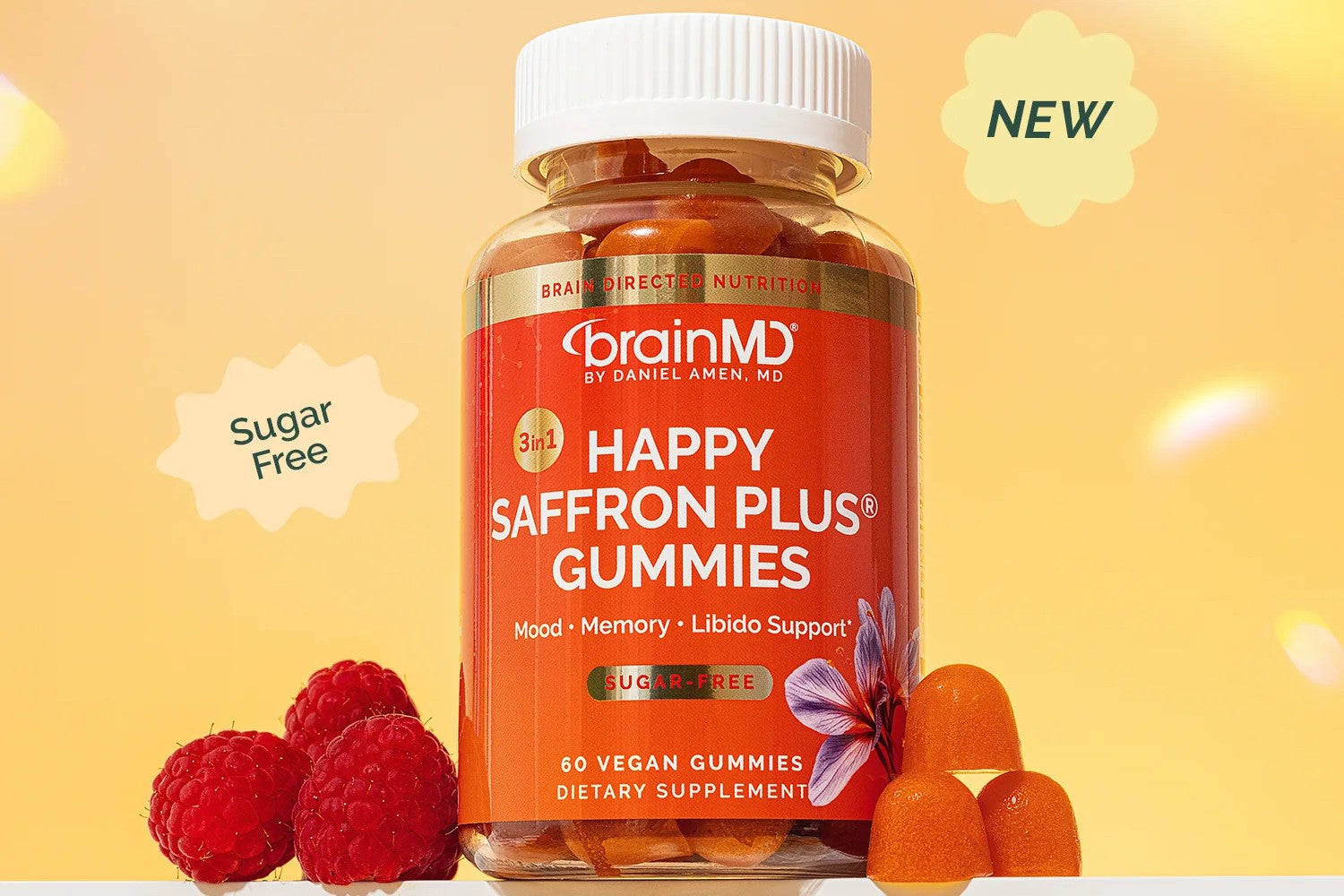
When the world stops, and your health, finances, and relationships are suddenly at risk, the stress can feel like it’s too much to handle. What can you do to keep negativity, sadness, anxiousness, and stress under control? Here are 6 strategies on how to be less stressed and feel happier. How to Be Less Stressed & Feel Happier Each Day 1. Plan for things to go wrong. If you’re the kind of person who expects everything to go perfectly all the time, you’re setting yourself up for disappointment and aggravation. When you train yourself to expect a few snafus, you’ll find that you won’t get as upset. Especially in situations where things are out of your control—like when the grocery store is out of toilet paper again!—planning for a few every day “fails” can keep you from falling into a funk. 2. Repeat positive mantras. Letting negative thoughts run wild in your head can create a tornado of stress, worry, and sadness. Directing your thinking to reaffirming mantras can help change your mental state. Repeat some soothing mantras that promote positive feelings, such as: I know we’ll get through this. I am confident that better days are coming. I am staying focused on what I can control. I think having more family time is a blessing. 3. Live in the present and plan for a better future. People who dwell in the past with regret tend to experience sadness and negativity. Those who anticipate the future with fear are wracked with worries. Practicing mental discipline to stay in the present can help keep your mind from spinning out of control. In a pandemic, think about the things you can do to protect your health—washing your hands, wearing a mask outside, wearing gloves at the grocery store—and feel good about your efforts. In addition, think of ways your life is going to change for the better from this experience and write it down. Seek out strategies to help prepare for post-pandemic growth. For inspiration, check out these episodes of the Brain Warrior’s Way Podcast, hosted by Dr. Daniel Amen and Tana Amen: How to Discover Your Purpose and How to Use Your Unique Value to Bring Money & Success with guest Lisa Sasevich, a business and sales expert. How to Create Energy to Help Transform Your Life with Julianne Hough from Dancing With the Stars How You Can Use Your Pain to Your Advantage with Dr. Derwin Gray, a former NFL player turned pastor and author. 4. Get moving. Decades of research point to the physical and mental health benefits of exercise. A 2019 cross-sectional study in Mental Health and Physical Activity found that getting some physical activity reduces the odds of experiencing depression in adolescence and anxiety in childhood and adolescence. And a prospective cohort study in a 2020 issue of The Lancet Psychiatry suggests that replacing sedentary behavior with light activity during adolescence could reduce the risk of depression. If you can’t get outside due to the pandemic, try dancing to your favorite tunes, do some jumping jacks, or walk laps inside your home. Any movement counts. 5. Eat right to think right. If you’re stuffing yourself with quarantine comfort foods like cookies, ice cream, and pizza, and taking part in Zoom happy hours, you’re increasing the likelihood of experiencing anxiousness, negativity, and worry. To help your brain handle the stress that’s surrounding us, you need to fuel it with great nutrition. Here are 3 of the most important eating strategies to help reduce stress, worry, and bad moods. Eat small amounts of high-quality protein at every meal to help balance blood sugar as research in Case Reports in Psychiatry shows that blood sugar highs and lows are linked to anxiety and depression as well as to irritability and anger. Include foods that are high in omega-3 fatty acids—such as salmon, avocado, and walnuts—which a 2018 review in Frontiers in Physiology suggested may help reduce anxiousness and negative mood. Stay hydrated with 8-10 glasses of total fluids per day since research in the journal Perceptual and Motor Skills shows that being even mildly dehydrated can make you feel more tense, depressed, confused, fatigued, or angry. 6. Supplement your diet with a dose of happiness. Among the most well-studied nutraceutical ingredients for mood, anxiety, and stress are: Saffron: A 2018 review or 7 studies in Neuropsychiatric Disease and Treatment found that saffron was more effective than a placebo for mood problems. In randomized parallel trials, 30 mg per day of standardized saffron extracts were consistently helpful for mood problems. Other studies suggest standardized saffron extracts can improve anxiousness. Curcumin: Studies have found that curcumin—not as turmeric root but as Longvida, a highly concentrated curcumin extract from turmeric, proven to be more efficiently absorbed—helps with mood challenges. Zinc: A review of existing studies suggests potential benefits of zinc supplementation—either when used by itself or when added into a personalized program for mood improvement. BrainMD’s Happy Saffron Plus combines all 3 of these potent nutraceutical ingredients to improve mood and help cope with anxious and stressful feelings. When you’re flooded with stress, it’s one of the tools you should have in your stress-relief kit. The following content was originally presented during a special Facebook Live event by Dr. Daniel Amen. Click here to view the full video. At BrainMD, we’re dedicated to providing the highest purity nutrients to improve your physical health and overall well-being. For more information about our full list of supplements, please visit us at BrainMD. References: Saffron Study Khaksarian, M., Behbahani, A. A., Rajabpour, M., & Hosseini, S. A. (2018). Comparative efficacy and safety of Crocus sativus L. (saffron) for treating mild to moderate depression: A meta-analysis of randomized controlled trials. Neuropsychiatric Disease and Treatment, 14, 1297–1305. https://doi.org/10.2147/NDT.S157550 Curcumin Study Cox, K. H., Pipingas, A., & Scholey, A. B. (2015). Investigation of the effects of solid lipid curcumin on cognition and mood in a healthy older population. Journal of Psychopharmacology, 29(5), 642-651. https://doi.org/10.1177/0269881114552744 Zinc Study Li, Z., Li, B., Song, X., & Zhang, D. (2017). Dietary zinc and iron intake and risk of depression: A meta-analysis. Psychiatry Research, 251, 41–47. https://doi.org/10.1016/j.psychres.2017.01.021
Learn more
Tana Amen's Go-To High-Protein, Plant-Based Snacks
In The Omni Diet, I created a nutrition plan that combines the ideal 70-to-30 ratio of plant foods and protein, in order to boost energy, restore health, lose weight, optimize brain and hormone function, and protect against chronic and deadly diseases like diabetes, heart disease, and cancer. This book was a result of years of research, consulting with medical professionals, and trying to reverse my own genetics and personal history of health troubles. I’m living proof that we don’t have to fall in line with the ingrained patterns of our family, our culture, or our past. But even with so much more knowledge today around healthier eating, I find that many Americans have weaknesses when it comes to snacking. Not only do they often snack without thinking—say, taking bites or “tastes” while preparing meals for the family—but they are prone to reaching for so many unhealthy foods when they want a quick nibble between meals. That’s a shame, because snacking does fulfill many purposes. It can help stabilize blood sugar, prevent mindless indulgence or overeating at meal times, maintain metabolism throughout the day, and fuel your brain to accomplish daily tasks. Unhealthy Snacks to Avoid In a nutshell, here’s what you want to avoid: salty processed snacks like potato chips, popcorn, pretzels, or crackers; soy-based foods (which can include many mass-produced protein bars and powders, plus packaged snack foods); and sugar bombs such as cakes, cookies, and candy. When you’ve wisely ditched ultra-processed foods like these, you’ll find that there are many more delicious options to fill your snacking needs—they just require more mindfulness and a little pre-planning. I want to share with you some of the most delicious choices I reach for when I need a between-meal bite, including both ready-to-go options and easy recipes for when you have a little more time to enjoy some healthy snacking. "Snacking fulfills many purposes: It can help stabilize blood sugar, prevent mindless indulgence or overeating at meal times, maintain metabolism throughout the day, and fuel your brain to accomplish daily tasks." - Tana Amen, BSN, RN Tana's Favorite Plant-Based, High-Protein Snacks Plant Based Protein Bars BrainMD's Brain Boost Protein Bar is the perfect healthy protein bar, combining delicious taste, texture, and nutrition. This plant-powered wonder has a long list of benefits for the brain and body: 12 grams of protein (derived from almond butter, plus a blend of pea, brown rice, and pumpkin proteins), no sugar or artificial sweeteners, and 11 grams of gut-friendly prebiotic fibers, which equals more than 1/3 of your suggested daily intake. They’re also great for special diets—keto-friendly with 6 net carbs, vegan, and gluten-free. I love grabbing one as quick snack between meals, or for when I’m eating on the go or refueling after a workout. Guacamole Guacamole features one of my favorite fruits and healthy fat sources: avocados. They’ve been called “the world’s most perfect food” thanks to their numerous health benefits, such as promoting lower weight, lessening risk of metabolic syndrome, and improving levels of both good and bad (HDL and LDL) cholesterol levels. In our house, we call avocados “God’s butter.” They can be enjoyed in so many ways, but guac is a wonderful option. You can make 8 servings by simply mashing 2 avocados and tossing in fresh additions, like lime juice, red onion, cilantro, tomato, and a small amount of sea salt if desired. Serve with fresh veggies for dipping. It’s as easy (and delicious) as it gets. Hummus Hummus is another great dipping option, and you can also customize it in so many ways, according to the flavors and ingredients you love. The traditional version blends chickpeas (garbanzo beans) with garlic, tahini paste, extra-virgin olive oil, and lemon juice. But you can add greens like spinach for an extra nutrient boost, or you can substitute cooked dried split peas for the garbanzos (since too many legumes can irritate the intestinal lining). You can also throw in fresh herbs, spices like curry powder, or other vegetables to add flavor, color, and nutrition. Trail Mix Trail Mix is the perfect option when you’re on the go. Plus, you can make a big batch ahead of time so that you’re never caught without a healthy snack option. There are endless combinations of possible ingredients to keep you excited about experimenting, but my Go Well Trail Mix recipe, which I included in The Omni Diet, is a classic. Its base ingredient is raw cashews, tossed with raw slivered almonds, raw walnuts, raw cacao nibs, unsweetened goji berries, and unsweetened shaved coconut. You simply combine the ingredients and store in an airtight container for when you need a between-meal energy boost. Tana's 6 Tips for Healthier Snacking Snacks are straightforward, right? Not always. As I’ve noted, when many Americans think of snacking, they imagine a bunch of foods that should be avoided at all costs. Others want to make healthier choices, but they haven’t done the preparation to make those selections easier. Here are some of my top tips when it comes to creating healthier snacks—and snacking habits: Learn your protein needs. As an example, a person who weighs 150 pounds and who’s eating 3 meals and 2 snacks daily should aim to consume about 14 grams of protein per snack. Pre-plan and prepare. If you’re traveling or going out for the day, don’t get caught without healthy snacks—in many environments, the chances of finding suitable options are slim. Write down your favorites and make sure you keep them on hand. And, when you’re making snacks ahead of time, make extra so you can just grab and go throughout the week. Time it right. I recommend planning for 2 to 3 snacks per day. Mid-morning, mid-afternoon, and late afternoon are ideal times to enjoy them. Balance out. You’ll want to include protein, healthy fats, and complex carbs in your snacks. For example, combine 1 to 2 ounces protein (about 2 tablespoons hummus or guacamole, a slice of turkey, or 2 tablespoons whole, raw nuts), 3 to 15 grams healthy fats, and complex carbs in the form of 2 to 3 cups of raw or lightly steamed veggies. Log your snack consumption. We know that food journaling boosts the results of any diet—people benefit from seeing what they’re eating in black and white. It’s a great tool for accountability and staying on track. Beware of pre-made options. Some protein bars are as full of sugar as any candy—so make sure you read labels of anything you buy pre-made. I like certain store bought items, like Flax Snax by Go Raw, Kale Krunch by Alive & Radiant, Steve’s Original grass-fed beef jerky, and crackers from Wild Mountain Raw Foods. But, with any packaged food, we have to be mindful about what we’re buying. More Plant-Based High-Protein Snacks Looking for more inspiration? In addition to the many recipes in The Omni Diet book, check out my snack recipes online, where I have tons of choices that are delicious and nutritious. Some of my favorites include: Celery Sticks With Tahini Cheese give me a hydrating energy boost, and the tahini cheese can be made in advance, then stored up to 2 weeks for use in a variety of recipes. Slathered into celery sticks, it’s a great vegan snack and requires just a few ingredients to make. I also love it stuffed into Campari or Roma tomatoes—another great recipe you can find on my blog. Got a sweet-tooth craving? You don’t have to go without—just reach for sugar-free, dairy-free chocolate to whip up my Chocolate Cashew Protein Bars. They combine BrainMD protein powder (you can use either chocolate or vanilla), cashew butter, a sweetener like stevia or honey, flax meal, vanilla, cinnamon, and Brain in Love Chocolate from BrainMD. This decadent chocolate is also free of cholesterol and gluten, with non-GMO ingredients, so you can feel great even while indulging.
Learn more
This Is How You Can Start Living a Healthier Lifestyle Today!
No matter what your current health status is, you can begin to live a healthier lifestyle right this moment. Here’s how to get started. Essential Lifestyle Habits An abundance of research has shown that there are basic tenets of healthy living that determine wellness and longevity. Among the most significant are: regular exercise a diet rich in whole foods, fruits, and vegetables – and low in added sugar, unhealthy fats, and processed foods maintaining a healthy weight new learning for brain health spiritual or stress-relief practices social connections healthy sleep quitting addictive substances like tobacco and limiting alcohol Working on any of these areas is a great place to begin. In fact, nutrition experts at Harvard T.H. Chan School of Public Health found that embracing just four of these lifestyle habits – a healthy diet, not smoking, moderate exercise, and maintaining a healthy weight – could prevent roughly 70%-80% of serious heart health issues and a whopping 90% of health issues related to blood sugar. The problem is that only 4% of study participants followed all four lifestyle habits! Here are some key tips for a healthier lifestyle to help you successfully make the positive changes you desire. 5 of the Best Ways to Start Living a Healthier Lifestyle Today Make a Pros/Cons List There’s a gap between wanting or thinking about making healthy lifestyle changes and actually making them. An article from National Institutes of Health (NIH) titled “Changing Habits for Better Health,” suggests taking pen to paper and listing the pros and cons of a new, healthy behavior as a way of bridging the gap. For example, if you want to add regular exercise into your routine, some of the pros might be that it will boost your mood, cognition, and metabolism – as well as give you social time when you work out with friends. Some cons might be that you have to wake up earlier, show up when you don’t feel like it, or feel the discomfort of exerting yourself. Writing this list may help reveal some of your practical obstacles or mental roadblocks, and afford you the opportunity to work through them. Of course, getting clear about what a healthier lifestyle might be for you is also key. There may be a particular area you want to work on. You may already know what that is. Start Small and Simple In creating a healthier lifestyle, it’s critical to meet yourself where you are and choose small actions that are achievable. Think about laying a foundation brick by brick and playing the long game to get you to your goal. If you demand too much too soon, you may abandon your efforts altogether. BJ Fogg, founder of the Behavior Design Lab at Stanford University, advocates tiny behavior changes that you can do consistently with his Tiny Habits method – and celebrating these new behaviors when you do them. A small healthy lifestyle change to start with might look like any of the following: Taking a 10-minute walk each day Practicing diaphragmatic breathing for 5 minutes once a day Adding vegetables to either lunch or dinner If you don’t exercise at all, a short walk each day is a great “onboarding” lifestyle change to build on. Once it becomes a habit, you may find yourself wanting to walk for longer or take a hike – or try another activity. Also, don’t underestimate the impact of small actions. Even 10 minutes of light to moderate activity may increase your lifespan, research has found. It’s all about starting small and staying consistent. Each time you do something that adds to your healthy lifestyle, take a moment to appreciate your effort and celebrate it. This will help keep your spirits and momentum up. Build Into Your Routine Whatever healthy change you decide to start with, behavior experts have found that if you stack it onto your current routine, it’s more likely to become a habit. Morning routines are very strong. This is a great time to add in that 10-minute walk, maybe first thing when you wake up. Or at your bedtime routine, perhaps it’s a good time to do the deep breathing exercise. While you’re watching a TV show, you can do some yoga poses to unwind from the day. If you practice the new healthy behavior every day, it will become a habit sooner. Experts have found it takes roughly 60 days to establish a new habit. Be patient. Simple and Easy Make your healthy lifestyle choices simple and easy, and you’ll be more likely to practice them. For example, if you want to get out first thing in the morning to exercise, have your workout clothes ready and right by your bed. To improve your diet, keep fruits and veggies available and on hand – maybe even the more expensive precut kind to ensure you’ll eat them. If you want to reduce your added sugar intake in beverages, have sparkling waters, stevia sweetened beverages, or green tea chilled in your refrigerator so you have healthy options. Another simple way to facilitate healthy living is to schedule fun, healthy behaviors into your week with other people, which will help you to actually follow through. Or sign up for a class that requires you to attend regularly. Prioritize Your Mental Health Your healthier lifestyle will no doubt boost your emotional well-being, but you also need to care for your mental health in order to stay positive and motivated. If you’re feeling overly stressed, angry, or sad, you must also have a healthy way of dealing with these emotions. Unattended, they can trigger overeating or an unhealthy behavior. Take care of your mental health by getting adequate restful sleep, ensuring you have personal time, connection with friends you can share honestly with, or possibly therapy, if needed. Just Start! Begin crafting a healthier lifestyle right now by thinking about the most important changes you need to make. Remember that every action you take to boost your health matters, no matter how small! At BrainMD, we’re dedicated to providing the highest purity nutrients to improve your physical health and overall well-being. For more information about our full list of brain healthy supplements, please visit us at BrainMD.
Learn more
Delicious & Easy Low Carb Meal Ideas + Tana's Keto Bread Recipe!
Are you routinely reaching for white bread, rice, pasta, and potatoes? Think of them as addictive drugs and just say no. Though these foods are staples for many Americans, they’re far from harmless. According to one study that tracked the diets of nearly 44,000 U.S. adults over 17 years, researchers found that a whopping 42% of their energy intake was derived from low-quality carbohydrates. Diets like this can create major health issues, since white bread and other simple carbs can trigger inflammation in the body, cause blood sugar spikes and crashes, and leave you feeling unsatisfied (which then may entice you to reach for even more of these foods). All carbs aren’t bad, of course. I choose to get my daily carb intake from the ground, through green vegetables. And even if you aren’t sticking to a low-carb meal plan – which tends to work best for me, as it gives me more energy – you can still add plenty of easy low-carb meals into your weekly recipe rotation. Here, I’ll outline a few of my favorite options for quick low-carb breakfasts, lunches, and snacks, plus plenty of bread alternatives to help you kick the habit, eliminate the excess carb consumption, and keep you satisfied. One clarification before we begin: the low-carb life isn’t for everyone. Always make sure you’re measuring your important numbers, while knowing your body and health goals, before you begin any diet plan or regimen. Low-Carb Meal Ideas Low-Carb Breakfasts Looking for some low-carb, low-glycemic breakfast options? If you’re in a hurry or on the go, get out the blender. I always call smoothies my go-to fast food because I can quickly whip one up with the necessary nutrients to fuel the body. As a general guideline, I always want to include protein, healthy fats like avocado or almond butter, and some fiber like berries. For an extra healthy boost, I can put some supplements in there, too, which is super convenient. If you have a bit more time to spare for a sit-down meal, eggs with spinach is an easy combination, and a great one for the whole family. This meal can help increase kids’ focus to keep them alert and energized through the school day (you definitely don’t want to feed them sugar bombs, like muffins or pastries). Or, for another quick, low-carb breakfast, keto bread is a great choice – just slather it with some avocado or almond butter, and it’s amazing. After receiving many requests, I’m sharing my own version of the best keto bread recipe below. Finally, you could try making chaffles, which are waffles made with egg and cheese (you can simply replace the dairy cheese with a vegan variety). Low-Carb Lunches & Snacks When making a low-carb lunch or snack that’s both delicious and nutritious, I love using coconut wraps. Spread them with a little almond butter and a couple of apple slices if you’re in the mood for something sweeter, or for a savory choice, try them with egg and avocado, or leftover chicken (more on these wraps below). Or try a homemade Cobb salad, but make sure it’s a healthy version. For example, I make a Cobb with chicken, but without the bacon, for a low-carb option without all the saturated fat. Instead, I add a ton of avocado and olive oil to get those healthier fats. Also, I love a keto almond butter and jelly sandwich, which combines keto bread (see my recipe below) and almond butter. Then just make a quick jelly by blending fresh fruit like berries, and simply drizzle it over the top. It’s a perfect, quick, and satisfying meal. Healthier Alternatives to Bread When it comes to cutting out those refined white carbs, you wouldn’t believe how many comments I get from people saying, “I can’t give up my bread!” Which is all the proof I need to back up my regular warnings that these kinds of foods are just as addictive as nicotine, cocaine, and other drugs – but I digress. First, stop thinking of better lifestyle choices in terms like “giving up.” It’s all about replacing, not erasing. And it doesn’t have to be complicated. That’s why I’ve included my super simple recipe for the best keto bread I know, below. You also can check out The Brain Warrior’s Way Cookbook for plenty of delicious bread alternatives, like my Pumpkin Muffins, which are great if you’re not adhering to an ultra-low-carb diet – they only have 4 grams of net carbs. As was mentioned above, you also can use coconut wraps as an alternative to bread. They’re available at health food stores as well as major retailers like Amazon and Whole Foods, in regular varieties and in flavors like curry (that’s my personal favorite). What else can you eat to replace the refined white carbs? For rice and potatoes, try a cauliflower rice or cauliflower mash instead. Sweet potato mash is great, too; though they’re higher-glycemic, sweet potatoes offer some great nutritional benefits, such as fiber and vitamins A and C. They also don’t cause as much fluctuation in blood glucose and insulin levels, compared to foods like whole-wheat bread. Just make sure you adhere to an appropriate portion size and don’t go overboard. When you’re out at a restaurant, continue to conquer the bread demons! Apart from turning away the free bread basket, don’t be afraid to ask for substitutions. If you want to order something like hummus or guacamole, ask for vegetable slices (think cucumber, celery, and carrots) instead of bread or chips. Or just ask for some guac on the side and enjoy it directly on your main meal. Once you get in the habit, after a few days off the bread, you won’t even think about it anymore – and your body will thank you. Tana's Favorite Keto Bread Recipe Though there are many keto-friendly breads now on grocery store shelves, I prefer making my own keto bread. I think it tastes better, and I know all the ingredients that go into it. If you need to buy a loaf from the store in a pinch, that’s fine; just make sure to choose a brand with clean-label ingredients. But if you’ve got a minute to spare, why not try this delicious keto bread recipe instead? Click to view Tana Amen's keto bread video. It’s super simple to whip up yourself. Ingredients: 2 cups of almond flour or other grainless flour (I use half almond and half coconut flour) ¼ cup flax meal 1 teaspoon baking soda ½ teaspoon sea salt 5 eggs (use 4 if you prefer it less moist and spongy) ¼ cup melted ghee, macadamia nut oil, or melted grass-fed butter Optional: 2 teaspoons cinnamon or ½ tablespoon monk fruit Instructions: Preheat oven to 350 degrees. Line a 9x5-inch loaf pan with parchment paper. In a mixing bowl, whisk flour, flax meal, baking soda, and salt. In a separate mixing bowl, whisk together all wet ingredients. (If you want fluffier bread, separate the egg whites and whip until it has stiff peaks.) Add wet ingredients to dry ingredients and mix thoroughly with a hand-held mixer. If separating egg whites, fold in slowly after other wet and dry ingredients have been mixed. Pour mixture into loaf pans. Cover with foil. Bake 25-30 minutes. Cool and serve. Enjoy! At BrainMD, we’re dedicated to providing the highest purity nutrients to improve your physical health and overall well-being. For more information about our full list of brain healthy supplements, please visit us at BrainMD.
Learn more
Top 10 Benefits of Therapy and Where You Can Go to Get Help
According to the National Institutes of Mental Health, over 50% of the U.S. population will suffer from a mental health issue at some point in their lives. Since people don’t want to be seen as different, foolish, or abnormal, fewer than half of those who suffer from mental health problems ever seek help. Sadly, the issue of mental health remains shrouded by misconceptions and harmful stereotypes. If you’re one of the millions of people dealing with a mental or emotional challenge, there is hope for a lasting change. One of the best ways to accomplish that is to… Talk It Out Though many people have trouble expressing their feelings, opening up about personal issues can have big benefits for those struggling with mental or emotional problems. Whether in a support group setting or a one-on-one session with a trained therapist, talking it out can help reduce your sense of hopelessness and provide relief from your pressing concerns. Talk therapy is a proven technique used by: Health Coaches Psychologists Psychiatrists Therapists Another name for talk therapy is psychotherapy. Psychotherapy Basics Some types of therapy can help you learn how to cope with emotional traumas from the past, stressful situations, or everyday life challenges. Finding the right kind of therapy can help you gain control over your negative or harmful thoughts, which can promote a better mood and brighter outlook. Also, it may improve your relationships and family dynamics by helping you develop healthier ways of interacting with your friends and loved ones. Psychotherapy can help people with a range of psychological, emotional, and relationship challenges. The goal of psychotherapy is to help you learn how to minimize troubling or triggering issues while enhancing your sense of well-being. There are many types of psychotherapy, and each employs a wide variety of unique tools and strategies. Types of Psychotherapy Group Therapy Family Therapy Individual Therapy Marital and Couples Therapy Cognitive Behavioral Therapy (CBT) No matter which type of psychotherapy is best for you, here are some of the top benefits of speaking with a trained therapist… 10 of the Best Benefits of Therapy & Where to Go to Get Help 1. Improve Communication Skills Poor communication is at the core of many relationship problems. Jumping to conclusions, expecting others to read your mind, and needing to be right all the time are just a few negative traits that can cause a breakdown in communication. Working with a therapist may help you overcome these bad habits and improve your communications skills. 2. Effective Coping Strategies Many people cope with a problem by avoiding it. Unfortunately, avoiding painful thoughts, feelings, and memories can do more harm than good and may lead to a host of issues such as low mood, binge eating, persistent pain, poor academic performance, and more. Regardless of how you deal with problems, a counselor can give you proven strategies for how best to cope with personal or relational issues. 3. Relieve Ongoing Stress Stress can affect behavior, mood, and overall health. Many health concerns may result from stress, especially when it’s intense, recurring, or remains unresolved over an extended period. Since intense, long-term stress may increase the risk of weight, heart, and mood problems, enlisting the help of a therapist may be a smart move if you’re dealing with ongoing stress. 4. Strengthen Your Relationships Make a relationship inventory and take note of common themes in your previous relationships. Meeting with a therapist can help you accurately identify your attachment patterns and address any deep-seeded issues that are holding you back, such as low self-worth, fear of intimacy, distrust, and jealousy. With professional guidance, you may learn new ways to strengthen your relationships with those closest to you. 5. Increase Inner Happiness Learning how to focus on the positive is essential for maintaining healthy relationships and personal happiness. It’s easy to notice what you don’t like in a relationship (or yourself), but when you spend more time appreciating what’s working well, you’re more likely to see an increase in positive behavior. Change takes time, but this is one step that can pay off huge dividends if you consistently work at it with the help of a trained counselor. 6. Take Personal Responsibility Taking personal responsibility for what happens to you and looking for creative ways to solve your problems will help you feel less like a victim and more like you’re in control of your life. This practice can be uncomfortable at first, but a qualified therapist can give you the tools to take personal responsibility for your actions so you can feel a greater sense of freedom in the long run. 7. Learn Conflict Resolution For better or worse, conflicts are part of the human experience. Unfortunately, having strained relations with others can affect your health and well-being. An experienced counselor can give you effective strategies for how to avoid or resolve relational conflicts so you can begin the process of repairing frayed connections with others. 8. Exterminate Negative Thoughts At the heart of many types of therapy is learning about automatic negative thoughts (ANTs), the gloomy and unhealthy thoughts that can come into your mind without warning. Learning how to exterminate the ANTs can help reduce your stress and mood issues. Therapy also can help you clear up past traumas that might trigger you and cause more stress in your life. 9. Improve Overall Wellness Working with a therapist may improve your mental and physical health. Learning proven techniques from a trained therapist can help improve your sleep, blood pressure, and overall wellness. Often, treating mental issues can have a positive effect on the body as well. 10. Treat Mental Struggles If you have concentration issues, severe mood swings, or emotional trauma, one of the best ways to get help is to meet with a trained counselor or therapist. When left untreated, mental issues can get worse over time, so if you’re struggling with personal or relational problems, it’s recommended to get help right away. Where to Get Help Many people receive invaluable guidance and emotional support during talk therapy sessions. Speaking with a trained therapist or counselor can make a significant improvement in your outlook and ability to bounce back from life’s challenges. It’s important to remember that your mental well-being is just as important as your physical well-being. If you’re dealing with anger, guilt, sadness, or mood issues, you don’t have to suffer in silence. Amen Clinics offers in-clinic and telehealth (via telephone and video conferencing) services. To learn more about the full range of services at Amen Clinics or to set up an appointment, please call 866-347-6076. At BrainMD, we’re dedicated to providing the highest quality supplements to improve your physical health and overall well-being. For more information about our full list of brain healthy supplements, please visit us at BrainMD. These statements have not been evaluated by the FDA. This content is for informational purposes only. It is not meant to substitute for medical or healthcare advice from a physician, nor is it intended to diagnose, treat, cure, or prevent any disease. Consult your healthcare provider before beginning a new health regimen.
Learn more