 Skip to content


Wellness Blog



3 of the Best Ways to Get Quality Sleep
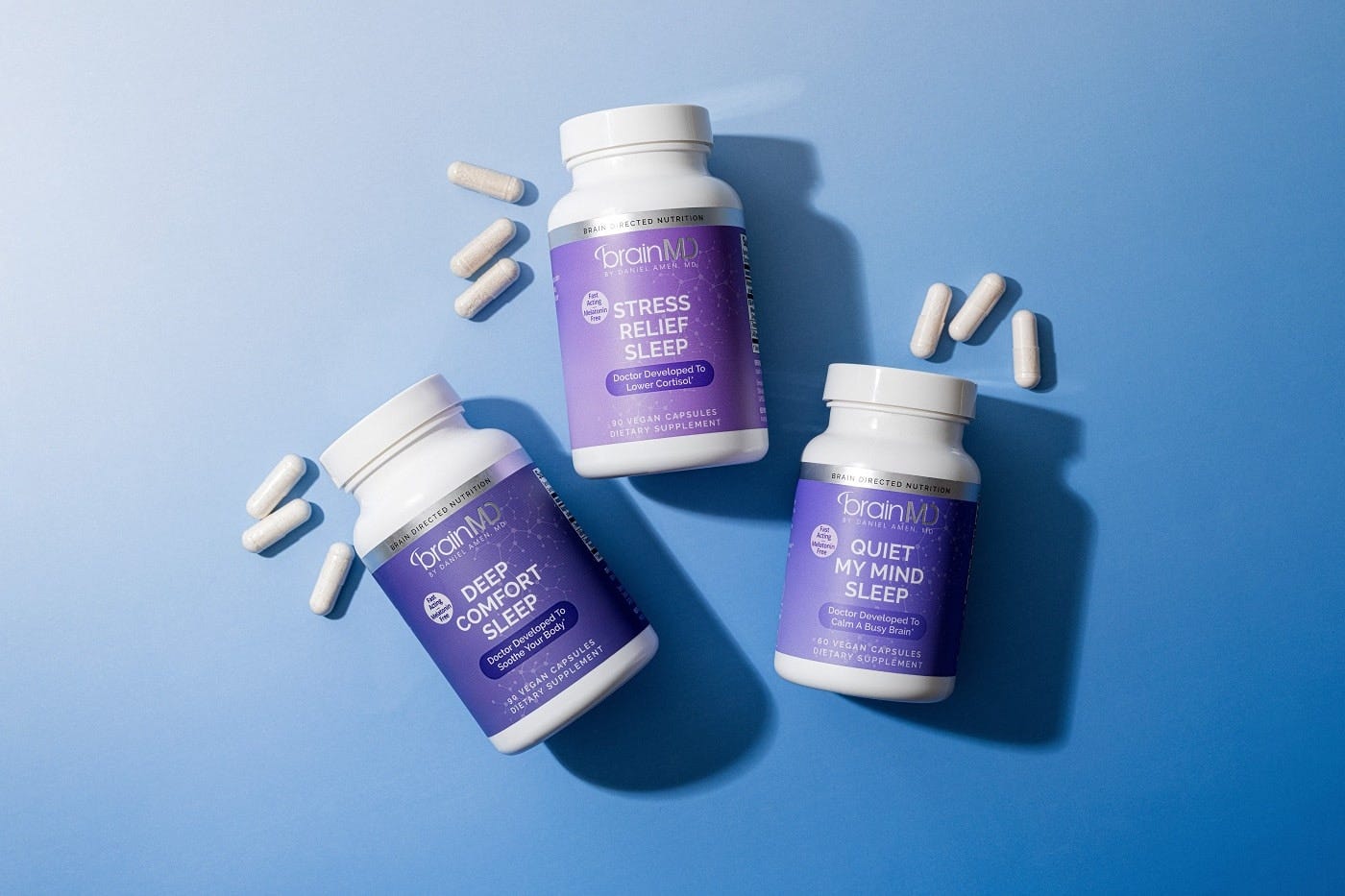
There’s a prevailing mindset among workaholic Americans that it’s socially acceptable to be sleep deprived. Many participate in work binges and settle for 4 to 5 hours of sleep per night, which simply isn’t an adequate amount of rest. According to the Institute of Medicine (US) Committee on Sleep Medicine and Research, as many as 70 million Americans have ongoing sleep problems that interfere with their daily functioning. If you aren’t getting the recommended 7 to 9 hours of sleep each night, you’re setting yourself up for a host of physical and mental issues. Risks of Sleep Deprivation Skimping on sleep can affect your health in more ways than you might imagine. Losing sleep has been associated with: Lower overall blood flow to the brain Negative effects on your cognition, mood, and memory Greater appetite linked to increases of the hunger hormone, ghrelin Loss of focus and willpower Low mood and occasional anxiety There are many bad habits that rob people of a good night’s sleep. Here’s how to fix a few of them… Avoid These 3 Common Sleep Stealers Move the Clock Instead of looking over at your alarm clock every time you toss and turn, move the clock so you can’t see it. If you wake up in the middle of the night, resist the urge to look at the clock. Checking the time can make you feel anxious, which will only make it harder to go back to sleep. When it comes to your alarm clock, “out of sight/out of mind” is really the best strategy. Tech-free Bedroom Establish a time when all devices in the household will be turned off for the remainder of the evening. It’s also a good idea to remove all electronics from your bedroom since they emit light that can stimulate the brain and keep you awake. A tech-free bedroom can also reduce the amount of electromagnetic frequencies your body absorbs. Creating a relaxing environment, free from the distractions of the outside world, may help you get quality sleep. Don't Drink and Sleep Even though it’s a nightly ritual for many people, drinking alcohol before bed doesn’t help you achieve deep sleep. Instead of drinking a glass of wine before bed to help you sleep, try a mixture of warm unsweetened almond milk, a teaspoon of vanilla (the real kind, not imitation), and a few drops of stevia. This may increase serotonin activity in your brain and help you sleep. Getting high-quality sleep is essential to wellness. If you have healthy habits, such as avoiding caffeine later in the day and getting regular exercise, but still have problems falling asleep, a scientifically formulated and safe dietary supplement that promotes restful sleep may give you the relief you need. If you have difficulties entering a relaxed state before bedtime, you might consider taking GABA. GABA Essentials Neurotransmitters are chemical messengers that neurons (nerve cells) release to allow them to communicate with other neurons. The neurotransmitter most associated with calming effects in the brain is GABA. Research suggests increasing GABA activity in the brain can help improve mood and generally have calming effects. GABA also is fundamentally important for the healthy maturation of new nerve cells (neurogenesis) and for the overall development and maintenance of the brain. GABA has mild relaxation properties that support a balanced mood and restful sleep. Lower activity of this neurotransmitter in some brain regions has been linked to mood challenges, difficulties with self-control, and excessive worry. GABA Calming Support Taking BrainMD’s GABA Calming Support helps relax the body and mind, correct stress-related nutritional deficiencies, and generally promote calming brain activity to help you get quality sleep. It can help you handle the ups and downs of life with more composure. 5 Key Ingredients of GABA Calming Support GABA Gamma-aminobutyric acid (GABA) is a neurotransmitter produced across the brain and crucial for many aspects of brain renewal and self-regulation. GABA helps regulate excessive firing of neurons, which promotes a sense of calm. It supports the body’s other natural mechanisms for quieting the mind and gradually falling asleep. L-Theanine This unique amino acid is not incorporated into proteins and seems to help regulate GABA, dopamine and serotonin circuits. It is rapidly absorbed and quickly shifts the brain toward a predominance of alpha waves, which are associated with relaxation. Clinical research indicates l-theanine can have calming and relaxing effects while preserving mental focus. Lemon Balm Lemon balm (Melissa officinalis) is a member of the mint family and has been used as a medicinal herb in Southern Europe and the Middle East for over 2000 years. Research suggests that it increases GABA activity in the brain as well as the activity of acetylcholine, a major neurotransmitter that promotes mental focus. Magnesium Sometimes called the relaxation mineral, magnesium is profoundly important for practically all the body’s functions. It’s essential for making energy, some of which is necessary to prepare the body for sleep. It plays important roles in muscle relaxation, calming of racing thoughts, and in promoting overall sleep quality. Vitamin B6 Also known as pyridoxine and pyridoxal-5-phosphate, vitamin B6 helps with the production of neurotransmitters (serotonin, epinephrine, norepinephrine, and GABA), which need to be balanced for healthy sleep. It helps promote relaxation and enhances your mood. GABA Calming Support FAQ How do I take GABA Calming Support? Adults can take 1 to 6 capsules daily with water, on an empty stomach. The dosage for children should be directed by a nutritionally informed physician. Can I use this product for sleep? Yes, GABA Calming Support can help you get to sleep. It enhances calm and helps allow you to unwind at the end of the day, which prepares you for healthy sleep. Will GABA Calming Support make me groggy during the day? No, GABA Calming Support is designed to help calm an overactive mind and promote relaxation in the body, while maintaining mental focus. It does not cause grogginess. Do I need to take this every day for it to work? If you have a greater need for mind and body relief, taking GABA Calming Support each day is highly recommended. If you only need occasional support, you can take it on an as-needed basis. What Others Are Saying More Relaxed “I have noticed that I am more relaxed in stressful situations. Also, I have been able to experience a higher quality in my sleep. I fall asleep faster without having those rolling thoughts before falling asleep.” -Vic Restful Sleep “In preparation for 3 month trip, my mind has been in hyper-drive. This has really helped me focus and turn off the anxious and planning mind so I can have a full night’s restful sleep.” -Pamela GABA Calming Support is a natural sleep aid that has helped countless people get quality sleep. For more information about GABA Calming Support and our full catalog of brain healthy supplements, please visit the online store at BrainMD.
Learn more
Do You Know the Best Ways to Ensure a Healthy Pregnancy?
From the moment you learn you’re pregnant, one question that will remain at the forefront of your mind is: What can I do to make sure my baby is healthy? There are so many things that go into carrying a healthy baby to full term, and it’s important to stay positive along the way. Your baby may enter the world in about nine months from now, but in the meantime, each day is a new step in their development. Healthy Pregnancy: First Trimester Tips The first trimester is very important as most of the baby’s features begin to develop in these 13 weeks, including the heart, brain, spinal cord, arms, toes, and even face! Be sure to follow these steps during your first trimester: Begin your prenatal multiple immediately. Adjust your diet – shop for healthy foods so that you won’t be tempted to eat unhealthy foods. Calculate the hospital costs and begin your delivery plan. Find the right prenatal doctor and consult with them about your current medications. Schedule routine checkups with your prenatal doctor every four weeks. Top 4 Pregnancy Questions 1. What can you do to ensure a healthy pregnancy? A healthy pregnancy is just as much about the mother’s health as it is about the baby. You should surround yourself with a strong support system to guide you on your journey, including your family, friends, and OB-GYN. Do your best to keep stress levels low. Also, try to do 30 minutes of exercise per day. Seek out help if you begin to experience depressive thoughts; they can lead to negative mood changes after birth and possibly even emotional withdrawal from the baby. 2. What should I avoid when I’m pregnant? Most women know to avoid alcohol tobacco and excessive coffee, but another common danger is contamination of meats or other foods. Pregnant women should make sure they are eating meat that is fully cooked. Listeria, a type of bacteria that causes food poisoning, has been found occasionally in deli meats, soft cheeses, unpasteurized milk, pate, raw eggs and smoked seafood. These foods should be avoided to protect against the bacteria spreading quickly to the baby. Try not to gain more than 25 pounds during pregnancy, as this may negatively affect your health and your baby’s health. Consult with your doctor if you are concerned about weight gain. 3. What is good to eat during pregnancy? A healthy pregnancy diet is well-balanced and consists of a variety of food groups. You should include foods high in healthy proteins, such as antibiotic-free meats, salmon and eggs. Nonfat Greek yogurt offers generous amounts of calcium as well as probiotic bacteria for a healthy gut. You should include washed fruits and vegetables with every meal such as broccoli, kale, oranges, grapefruit and berries, which are high in vitamin C, folate and other vitamins as well as essential minerals. Add some healthy grains such as quinoa and oats to help you feel energized throughout the day. 4. What can a good prenatal multiple do for you? It’s vitally important that you and your baby receive the right nutrients from the start, and that’s why we offer Smart Prenatal. As the baby draws from your reserves, you may or may not derive enough nutrients from your daily diet to provide them to the baby or stay healthy yourself. Surveys indicate that even non-pregnant women aren’t getting sufficient daily amounts of many vitamins and minerals they need to stay healthy. At BrainMD, we highly suggest mothers take a well-designed prenatal multiple if they’re trying to have a baby so that their bodies are fully prepared once they learn they’re pregnant. One-a-day multi-vitamins cannot fit enough nutrients into one tablet to provide you with enough of what you need. Within the first trimester, the baby’s heart and brain develop rapidly and require all the vitamins, not only methylfolate, though it is crucially important. Therefore, make sure you’re getting all these nutrients that you and the baby need: methylfolate and all the B vitamins, choline, vitamin D3, vitamin A, vitamin C, vitamin E, vitamin K2, magnesium, calcium, iodine, zinc, selenium, manganese, chromium, molybdenum, potassium, coenzyme Q10, lutein, zeaxanthin and boron. BrainMD’s Smart Prenatal provides all these at levels that help ensure a healthy pregnancy. Pregnancy is a journey you can and should share with everyone in your life. Don’t forget to take a well-designed prenatal multiple every day of your pregnancy, so that you and your baby are sure to receive all the nutrients you need. At BrainMD, we’re dedicated to providing the highest quality supplements to improve your physical health and overall well-being. For more information about our full list of brain healthy supplements, please visit us at BrainMD. *These statements have not been evaluated by the FDA. This content is for informational purposes only. It is not meant to substitute for medical or healthcare advice from a physician, nor is it intended to diagnose, treat, cure, or prevent any disease. Consult your healthcare provider before beginning a new health regimen.
Learn more
Ease Occasional Anxiety & Improve Your Mood with Vitamin D
Looking for a way to ease anxiety and get your happy self back? Did you know that vitamin D may play a big role in helping you to manage your anxiety or depressive thoughts? There are many warning signs or symptoms of vitamin D deficiency in your life or of someone you know, and it's important to understand the importance of getting enough of this crucial vitamin. Vitamin D Basics Vitamin D is best known for building bones. However, this highly-potent vitamin is essential for overall brain and body health. Optimal vitamin D levels can help improve your mood, boost your overall brain function, and generally improve your well-being. Vitamin D may be involved in the healthy regulation of as many as 900 human genes. Vitamin D becomes converted by the liver and kidney into a hormone ("secosteroid") that’s so important to brain function its receptors can be found throughout the brain. Vitamin D plays a critical role in the brain's early development, its ongoing maintenance, and in its functions that underlie healthy mood and many of the most basic cognitive functions including learning and making memories. Avoid D Deficiency Unfortunately, vitamin D deficiencies are becoming more and more common, in part because we’re spending more time indoors and using more sunscreen when having fun outdoors. One research study found that 70% of all adults and 67% of children, aged 1-11, don’t have adequate levels of vitamin D. Low levels of vitamin D have been associated with low mood, behavioral difficulties in children, and psychological difficulties in adults such as feelings of anxiety. Vitamin D supplementation is consistently linked to a higher quality of life and better well-being as we age. Recommended Daily Vitamin D In the US, the current recommended daily dose of vitamin D is 400 IU. However, most experts agree that this is well below the physiological needs of most individuals. Instead, it’s suggested that all adults take at least 2000 IU of vitamin D daily. We all should get our blood vitamin D levels tested every 4-6 months and, if necessary, increase our daily intake to as much as 5,000 IU per day to ensure we achieve blood levels of at least 40 nanograms per milliliter. Avoid taking vitamin D2 supplements since D2 can interfere with the actions of vitamin D3 which is the body's natural vitamin D. The Vitamin D Challenge Getting necessary amounts of vitamin D can be particularly challenging during the winter season—typically from November to March—when there are fewer hours of sunlight and when the sun itself is less intense. This is particularly true if you live in the northern half of the US. Due to colder temperatures and inclement weather, the tendency for many people is to stay inside where it’s warm and hunker down for the winter. However, failure to get enough vitamin D, as well as exercise, can lead to health problems and other mental and physical difficulties. For individuals who struggle with low mood during the winter, the colder months can produce feelings of melancholy and anxiousness. 5 Ways to Ease Anxiety & Get More Vitamin D In Your Life 1. Alternate Light Source Daily exposure to appropriate levels (even just 10 to 30 minutes a day) of direct sunlight can boost vitamin D3 levels which can help improve your mood and ease anxiety. If you have a hard time getting enough natural light during the winter, consider buying a therapy lamp for your home or work desk. Though many artificial light boxes claim to do the job, make sure to purchase one that’s as close as possible to the natural sunlight spectrum and proven to increase vitamin D levels. 2. Go Somewhere Sunny If getting sufficient levels of UVA (ultraviolet A) rays from the sun proves difficult during the winter months, especially if you live anywhere near the Great White North, consider saving up some money during the summer for a vacation to a sunny destination (the Caribbean, for instance) during the winter. This will make enduring the cold, dark months more bearable. 3. Get Quality Sleep Insufficient and inconsistent sleep can increase irritability, moodiness and poor judgment. To remain at the top of your game, it’s recommended that you get between 7-9 hours of sleep each night. Getting appropriate levels of sunlight during the day, or adequate amounts of vitamin D from foods or supplements can also help maintain your body’s natural production of serotonin. In the evening, the brain naturally converts serotonin into melatonin, our main sleep hormone that improves our chance of getting a good night’s sleep. 4. D-Rich Diet Foods can be an important source of vitamin D. Examples of vitamin D-rich foods are fortified milk, eggs, mushrooms and fish (especially wild salmon, tuna, and mackerel). A 4-ounce portion of salmon can provide over 250% of your daily recommended allowance of vitamin D. Wild salmon contains about 988 IU of vitamin D per serving, while farmed salmon contains 250 IU, on average. 5. Take Sunshine Supplements When it comes to mood, the scientific evidence is clear; the higher your vitamin D levels, the more likely you are to feel happy rather than blue. Interestingly, a 2014 study showed that the positive effect of vitamin D3 on mood was clinically very substantial as compared to other options. Since it promotes healthy mood, vitamin D3, which is often referred to as the sunshine vitamin, can help you get through the doldrums of the winter season. BrainMD’s Vitamin D3 supplement has 5000 IU which is significantly more than the average vitamin D supplement on the market.* That’s because research shows that if we increase our daily intake to 5000 IU per day, it will ensure that we get the right amount of absorption for our bodies in order to feel the benefits long-term.* At BrainMD, we’re dedicated to providing the highest quality supplements to improve your physical health and overall well-being. For more information about our full list of brain healthy supplements, please visit us at BrainMD. *These statements have not been evaluated by the FDA. This content is for informational purposes only. It is not meant to substitute for medical or healthcare advice from a physician, nor is it intended to diagnose, treat, cure, or prevent any disease. Consult your healthcare provider before beginning a new health regimen.
Learn more
5 of the Best Natural Ways to Get Restful Sleep
If there was a free and easy way to improve your energy, mood and well-being, would you do it? Would it surprise you to learn that you already do it every night? Sleep is essential to your overall health and ability to function in life. But are you getting enough sleep? If not, it’s time to focus on your sleep as if it’s one of the most important things in your life…because it is! The Risks of Sleep Deprivation According to the Institute of Medicine, (US) Committee on Sleep Medicine and Research, as many as 70 million Americans have ongoing sleeping problems which interfere with their daily routines. Unfortunately, sleep issues are only getting worse with the prevalence of busy schedules, devices, energy drinks, video games and Netflix. The list of reasons why people pass up a good night’s sleep is extensive. Skimping on sleep can negatively impact your health in more ways than you might imagine. Getting less than 6 hours of sleep a night has been associated with lower overall brain activity, which can adversely affect your: Weight Energy Mood Athletic, school, and job performance And most importantly, decision-making It should come as no surprise, then, that many sleep-deprived individuals struggle to maintain a healthy mood, memory, and lifestyle. When you miss out on sleep, your brain pays the price. The good news is that there are many ways to naturally improve the quality of your sleep. Here are just a few… 5 Ways to Improve the Quality of Your Sleep 1. Write It Down The process of journaling gives stressful thoughts a place to live other than your brain. Once those concerns have been expressed, they often lose their intensity and urgency, which will allow you to relax mentally. Writing in your journal 10 minutes before you go to bed can help release the stresses of the day and put you in a restful state of mind. 2. Energizing Exercise Although not an obvious choice when considering practical sleep aids, vigorous exercise can assist the body in establishing and maintaining a healthy sleep cycle. Physical activity boosts blood flow and with it the delivery of oxygen and other needed nutrients to the brain. It also stimulates neurogenesis, the ability of the brain to generate new brain cells, and neuroplasticity, the ability of the brain to adapt to challenges, self-regulate, and calm the body down in preparation for sleep. Helpful tip: since physical exertion late in the evening may energize you and keep you awake, don’t exercise within two hours of the time you go to sleep. 3. Turn Off the Tech It’s not unusual for parents to limit their kids’ TV or tablet time to help them calm down before bedtime, so why shouldn’t adults adopt the same rule? Establish a time when all devices in the household will be turned off for the remainder of the evening. It’s also a good idea to remove all electronics from your bedroom since they emit light that can stimulate the brain and keep you awake. A tech-free bedroom can also reduce electromagnetic frequencies, which might also interfere with your sleep. Creating a relaxing environment, free from the distractions of the outside world, may help facilitate better sleep. 4. Just Breathe Diaphragmatic breathing is an effective and simple method for overcoming stress and quieting your mind. It’s also ultra-convenient since it can be done anywhere, anytime. When you take shallow breaths, it limits the amount of oxygen that reaches your brain cells and reduces your overall brain function. Taking deep breaths relaxes your muscles, relieves tension, and helps your brain function better. Here’s where you can learn more about the basics of deep breathing. 5. Get Restful Sleep If you aren’t getting the recommended 7 to 9 hours of sleep each night, you’re setting yourself up for a host of issues.* When you fall behind on your sleep, blood flow to your brain decreases and you are much more likely to make bad decisions.* Scientists have discovered that the brain has a special waste management system that works to get rid of toxins while you sleep.* Without healthy sleep, the cleaning crew doesn’t have enough time to do its job and trash can build up, potentially causing brain fog and memory problems.* BrainMD’s Restful Sleep contains melatonin to help you get to sleep, sleep throughout the night, and wake up feeling rested.* It also includes the calming neurotransmitter GABA, as well as magnesium, vitamin B6 and valerian.* Together, these nutrients produce a soothing effect that can ease you into a peaceful sleep.* 5 Key Ingredients of Restful Sleep Restful Sleep uses a combination of nutrients that naturally support healthy regulation of your circadian rhythms, which promote quality sleep and reduce daytime fatigue.* Restful Sleep’s 5 ingredients can help you fall asleep, stay asleep and enjoy a better quality of sleep*: GABA Gamma-aminobutyric acid (GABA) is a neurotransmitter produced across the brain to naturally inhibit excessive firing of neurons, resulting in a sense of calm.* It supports the body’s other natural mechanisms for quieting the mind and gradually falling asleep.* Magnesium Sometimes called the relaxation mineral, magnesium is actually profoundly important for practically all the body’s functions.* It’s essential for making energy, some of which is necessary to prepare the body for sleep.* It plays important roles in muscle relaxation, calming of racing thoughts, and in promoting overall sleep quality.* Melatonin Melatonin is the main hormone the brain produces to naturally regulate the body’s 24-hour rhythms and sleep/wake cycle.* Staying up too late, working swing or graveyard shifts, traveling through time zones, taking certain medications, and the aging process itself, all can affect melatonin production and wreak havoc on your sleep.* Melatonin is central to all the body’s mechanisms for promoting restful sleep and healthy sleep patterns.* Valerian For centuries, the herb valerian has been used for its calming and sleep-inducing properties.* Valerian may work through the GABA receptors, which calm brain activity when activated.* It supports deep, restful, quality sleep.* Vitamin B6 Also known as pyridoxine and pyridoxal-5-phosphate, vitamin B6 helps with the production of neurotransmitters (serotonin, epinephrine, norepinephrine, and GABA), which need to be balanced for healthy sleep.* It helps promote relaxation and enhances your mood.* Restful Sleep FAQ How do I take Restful Sleep? Start by taking one capsule 60 minutes prior to your desired bedtime, and if you’re not feeling drowsy after 30 minutes, take another one. A few individuals may find they need a third or even fourth capsule each night. If you think you might benefit from an even higher intake, consult a nutritionally informed physician. Will Restful Sleep make me feel groggy the next day? No. Restful Sleep is specially formulated to be safe and non-habit-forming.* It won’t make you wake up drowsy or irritable the next day.* Instead, you’ll feel awake and refreshed.* Will Restful Sleep work for children? Children aged 4 and older can benefit from this supplement. Start with one capsule then gradually increase, if necessary, up to a maximum of 4 caps per day. Can I take Restful Sleep if I’m nursing or pregnant? Restful Sleep isn’t recommended for women who are nursing or pregnant.* What Others Are Saying Works Great “I have trouble sleeping for a variety of reasons, but whenever I take this supplement I fall asleep easily with no groggy feeling the next morning.” -Jill Great Sleep Aid “I can sleep better than I have for many years. Prior to learning about Restful Sleep, I always woke up at night – and then had trouble falling asleep. Now, if I do wake up, I fall back asleep pretty quickly.” -David Restful Sleep has helped countless people get peaceful, quality rest and may be able to help you too. At BrainMD, we’re dedicated to providing the highest quality supplements to improve your physical health and overall well-being. For more information about our full list of brain healthy supplements, please visit us at BrainMD. *These statements have not been evaluated by the FDA. This content is for informational purposes only. It is not meant to substitute for medical or healthcare advice from a physician, nor is it intended to diagnose, treat, cure, or prevent any disease. Consult your healthcare provider before beginning a new health regimen.
Learn more
4 Immune Boosting Supplements to Take in the Winter
During the cold months, many of us worry about becoming sick. Taking supplements in the winter can help get your immune system through harsh times. While healthy habits, like washing your hands throughout the day, will help maintain your overall well-being, specific vitamins and nutrients can help your immune system ramp up its defense against attack. Follow these healthy lifestyle habits and use supplements to boost your immunity over the winter... Vitamins, Minerals & Other Supplements to Take in the Winter Lifestyle changes are difficult to implement during the winter season, which can make us especially vulnerable to illness. The New Year is the perfect time to make a resolution to stay healthy and developing a supplement routine is nutritional insurance for winter wellness. These supplements provide ingredients with proven benefits for aiding the immune system and can be especially beneficial over the winter. Consider taking: NeuroVite Plus Multivitamin This enhanced multiple vitamin-mineral combination is a great way to support your immunity during the winter and all year round. Our immune system consists not only of tissues and organs, but also of single cells that are posted as early warning sentries around the body or circulate with the blood for rapid action against intruders. The entire system needs a broad array of vitamins and essential minerals, supplied at high purity and potency by NeuroVite Plus. Without sufficient quantities of these numerous nutrients, the single immune cells lose their mobility and their ability to attack foreign agents. Prominent among these immune system nutrients are Vitamins A, C, D, E and all the B vitamins. The minerals zinc, selenium and manganese are essential for antioxidant enzymes that protect the immune cells against self-destruction. The Organic Fruit and Vegetable Blend also aids the immune system, while the Proprietary Brain Boosting Blend helps your brain and immune system work in harmony. BrainMD recommends this product to everyone as their foundational dietary supplement. Vitamin D3 5000 This vitamin is crucial for healthy immune regulation and inflammatory response. Whether made in the skin or taken as a supplement, vitamin D3 becomes converted to a hormone with diverse health actions. Vitamin D receptors sensitive to this hormone are found in immune cells and throughout the immune system. Vitamin D deficiency has been linked directly to illness in winter, which is the season when the skin gets less sunshine and makes less vitamin D. Supporting immunity is just one of the numerous vital functions of vitamin D. BrainMD offers a 5000 International Unit Vitamin D3 which raises your levels on just one softgel a day! Magnesium As a mineral essential for energy and for cell activation, magnesium is crucial to healthy immune function and healthy inflammatory response. More than half of all Americans aren’t getting enough magnesium from their foods, and BrainMD’s Magnesium Chewables provide 150 milligrams of magnesium per sugar-free, orange flavored tablet. Supplementing with magnesium also supports memory and mood, blood vessel health, blood sugar regulation, and muscle relaxation, while enhancing sleep quality. Omega-3 Power Besides being fundamental to the health of all our cells, tissues and organs, the omega-3 fatty acids EPA and DHA are required for the initiation and continuation of healthy inflammatory responses, which involve a variety of immune cells. The brain’s immune cell population seems especially dependent on these nutrients. BrainMD developed Omega-3 Power, a highly concentrated fish oil that effectively raises the Omega-3 Index, a very important health marker. It’s produced from sustainably harvested fish, is tested to exclude 250 potential pollutants, and doesn’t have any of the unpleasant taste or reflux sensation that other fish oils have. How Else Can I Boost My Immune System? Aside from taking scientifically developed supplements to aid with common deficiencies, healthy habits are also crucial. Your immune system is very complicated due to its whole-body network of cells, tissues and organs. To make positive changes in your life, it’s important to approach your immune system holistically. 1. Decrease Stress If you’ve been sick several times or for several months, consider if this period was also a very stressful one personally or for other reasons. To give your body a break from stress hormones such as cortisol, which can lower your immunity, learn when it’s time to take a break. Participate in a daily routine to relax, such as listening to music or meditating. 2. Eat Healthy Eating a balanced diet is common sense for overall well-being. You are what you eat, and your body requires the right fuel to get you through the day without trouble. Some foods with added benefits for your immune system and for healthy inflammatory response include: mushrooms, organically grass-fed lean meats, poultry, salmon, tuna and other cold-water fish, sardines, garlic, broccoli, ginger, spinach, citrus fruits, beans and other legumes, brazil nuts (rich in selenium) and almonds. 3. Get Plenty of Rest Adults require varying levels of sleep, but studies indicate a minimum of 7 hours per night is best. Those with a compromised immune system should try to get more sleep. Deep rest stimulates the immune system and prepares you for the next day. When making a resolution to begin a winter supplement program, make sure to continue taking your supplements through the winter rather than stopping too soon. The effects of taking supplements build up over time. Plus, the same supplements we’re recommending for the winter will continue to build your immunity during all the seasons of the year! To naturally boost and maintain your immune system on the healthiest level, it’s important to create healthy habits for overall well-being. At BrainMD, we’re dedicated to providing the highest quality supplements to improve your physical health and overall well-being. For more information about our full list of brain healthy supplements, please visit us at BrainMD.
Learn more
Here Are 20 Ways to Rev Up Your Motivation in the New Year
The New Year is here and it’s time to rev up your motivation. Whether your goals include fitness, relationship, or lifestyle improvements, there are many strategies that can help you achieve your resolutions. Here are just a few... 20 Ways to Rev Up Your Motivation in the New Year 1. Realistic Goals Write down your resolutions in a calendar and then review them every day to track your progress. Establishing realistic goals that you can focus on daily will make a significant difference in your outlook on your New Year’s resolutions. 2. New Activities Find a new exercise you enjoy and make it a habit. Turn a dreaded workout into a fun activity that you’ll actually look forward to doing. Whatever activity you choose, make sure it’s helping you attain your fitness goals. And, most importantly, have fun getting fit! 3. Take a Tech Break Instead of sitting around all day staring at a screen, spend some time working on a hobby, participating in a quality conversation with friends and family or taking in the beauty of nature. You might be surprised at how many things you can do, and how much fun you can have, when taking a break from your devices. 4. Balance Your Blood Sugar Keep your blood sugar balanced throughout the day with healthy snacks, green tea, and vitamins and nutrients. Low blood sugar levels starve the brain of the large amounts of energy it needs, which can lead to poor decisions, irritability, and bad behaviors. 5. Prioritize Your Goals If working on all your goals at once becomes overwhelming, set up a hierarchy. Select a few things you absolutely must accomplish, several things you want to complete and many things that would be nice to finish in the future. Not only will this pyramid structure allow you to focus on the essentials, it will also help to reduce the debilitating pressure of trying to juggle so many objectives at one time. 6. Find Your Inner Calm Make time for yourself every day. Spending just 15 minutes alone, without distractions, may refresh your mind. Repeating simple Loving Kindness Meditations (LKM), like “May I be safe and secure,” can increase positive emotions and decrease negative ones. 7. Break the Habit Smoking, as well as drug and alcohol abuse, can increase your risk of many brain problems, including: memory loss, focus and processing issues, and inappropriate behaviors. Since we just entered a New Year, make it a priority to stop these habits immediately. Alcohol is not a health food and should be used in moderation. Even one glass of wine or a hard alcohol per day can negatively affect the brain and body. 8. Learn Something New Set aside some time every day to learn something new. Einstein said that if someone spends 15 minutes a day learning something new, that person will be an expert in a year! Take a class, try square-dancing, chess, tai chi, yoga, or painting. When the brain stops learning it starts dying, so be intentional at learning new things. 9. Clear the Clutter Why wait until spring cleaning to declutter your house, car and office? Cleaning the spaces where you live and work can help clear your mind. Many people experience a lift in mood when their environment is clean and tidy. Since our physical spaces say a lot about us, take some time to clean things up…and maintain the neatness throughout the year. 10. Restful Sleep If you were one of the many people who sacrificed quality sleep to keep up with the increased demands of the stressful holiday season, now is the time to reset the clock and get back to a healthy sleep schedule. To ensure that you have the energy you need to fast-track your New Year’s fitness goals, it’s recommended that you get 7-9 hours of sleep each night. 11. Expand the Rainbow Did you spend the last few months eating apples, bananas, and root vegetables? Is the monotony making it hard to stick to your diet? It’s a New Year, so expand the rainbow of healthy fruits and vegetables and incorporate them into your menu. 12. Increase Your Motivation Often called the “motivation molecule,” dopamine gives you the drive and focus you need to be productive. Unfortunately, many people use nicotine, caffeine, and sugar-laden/fat-filled treats to temporarily raise their dopamine levels. However, those unhealthy choices can decrease the natural dopamine production process long-term. Help your brain maintain healthy dopamine levels by eating high-protein foods that provide tyrosine. This nutrient is most available from almonds, bananas, avocados, eggs, beans, fish, lean meats, and poultry. 13. Fitness Friend One of the best ways to achieve fitness goals is to exercise with a partner or in a group. Besides making a workout more fun and interactive, having a buddy to keep you accountable on days when you feel like slacking off can be a huge help. Plus, you’ll be less likely to hit the snooze button when your fitness friend is counting on you to join them at the gym or for a morning jog. 14. Start a Supplement Regimen If one of your resolutions is to jump-start mental focus and energy, consider taking high-quality, brain directed dietary supplements.* For starters, take a good multiple vitamin with all the vitamins and essential minerals (except iron and copper, which can be dangerous in a multiple) you need daily.* A highly concentrated, ultra-pure omega-3 fish oil is also essential.* Then add supplements for other areas of improvement, like mood, focus, or memory.* 15. Focus on Brain Safety Even though protecting your head should be a no-brainer, it’s helpful to be reminded of some practical brain safety tips that can reduce your risk of head trauma, such as: avoid high-risk sports where you can hit your head, remember to buckle up when in a vehicle and always wear a helmet when on a motorcycle, bicycle, skateboard, snowboard, skis or rollerblades. 16. Drink More Water Every system in the human body needs water to function. Your brain is mostly composed of water, so avoid anything that dehydrates it – such as drinking too much caffeine or alcohol. Being dehydrated impairs performance in tasks that require attention, immediate memory skills, and physical performance. 17. Get Outside Engaging in outdoor activities is important for everyone, especially for those who live a sedentary lifestyle. Whether you enjoy hiking, biking, horseback riding or just taking a walk with a friend, being outdoors has an overall positive effect on vitality. Walking can help clear your mind, improve your mood and burn some calories all at the same time. 18. Practice Self-care Practicing yoga and getting massages can do more than just improve your physical function; they’re both beneficial for improving mood and coping with stress. Massages can lower the stress hormone cortisol while increasing the neurotransmitters dopamine and serotonin. Yoga can increase brain GABA, reduce anxious feelings and improve overall mood. 19. Laugh It Off Laughter can help reduce the physical effects of stress on the body. Lighten up by tuning in to your favorite sitcom, listening to a fun podcast on your commute, or chatting with someone who brings joy to your life. Laughing makes you feel good and is beneficial to your overall well-being. 20. Stay Connected Social connections are incredibly important to your overall well-being. Focusing your time and energy on positive people can have a dramatic impact on your everyday life and longevity. Having a one-on-one conversation with a friend or family member is a great way to kick off the New Year. Set yourself up for success in the New Year, and throughout the year, by implementing these strategies to support full brain and body health. At BrainMD, we’re dedicated to providing the highest quality supplements to improve your physical health and overall well-being. For more information about our full list of brain healthy supplements, please visit us at BrainMD. *These statements have not been evaluated by the FDA. This content is for informational purposes only. It is not meant to substitute for medical or healthcare advice from a physician, nor is it intended to diagnose, treat, cure, or prevent any disease. Consult your healthcare provider before beginning a new health regimen.
Learn more
How to Crush Your Goals in the New Year
The New Year is here! Did you make any resolutions? Perhaps you overdid it with the desserts during the holidays and this year you want to improve your diet. Or, maybe you struggled with sticking to your exercise routine and your goal this year is to be more consistent. Regardless of which resolutions you made, it’s vitally important to start off the New Year on the right foot so that you can maintain healthy habits throughout the year. Though staying on track with fitness goals can be a challenge, there are many techniques that can help you attain your desired benchmarks. To increase the chances of reaching your New Year’s goals, be proactive at improving your overall well-being. The best way to accomplish that is to...rest, reset and refocus. The 3 Rs of New Year’s Resolutions Rest If you were one of the many people who sacrificed quality sleep to keep up with the increased demands of the stressful holiday season, now is the time to get back to a healthy sleep schedule. Quality sleep is essential for optimal brain and body health. Sleep helps repair and renew all the cells in the body. It gives the brain a chance to wash away toxins that build up during the day. To ensure that you have the energy you need to fast-track your New Year’s fitness goals, it’s recommended that you get 7-9 hours of sleep each night. Reset If you’re past due for a mind/body reset, the New Year is the perfect time to establish new priorities for every area of your life – work/school, family, fitness, etc. Without clearly defined objectives, it’s impossible to reach your goals. When you know what you want, you are more likely to change your behaviors to get it. Setting realistic goals and working hard to achieve them can provide a sense of accomplishment. When you have a purpose and mission, life comes into focus and your energy is spent on healthy pursuits. Refocus All of us need time to recharge our batteries and self-care is often the best thing you can do to refocus your thoughts and emotions. Get a massage, read a new book, or listen to your favorite music. Engage in meaningful and beneficial activities on a regular basis. Do work that you enjoy and take time to have fun with your loved ones. Focusing on positive people and activities can be extremely beneficial both mentally and physically, so make time for what matters most in your life. Implementing these 5 strategies can help you achieve your New Year’s resolutions: 5 Tips to Help You Crush Your Goals New Year, New Activities Find a new activity you love doing and make it a habit. Anything, from ice skating to dance lessons to gravity training, can turn a dreaded workout into a fun activity that you’ll actually look forward to doing. Gravity training compiles strength, endurance and cardio workouts with Pilates and yoga inspired movements and mindfulness. Whatever activity you choose, make sure it’s helping you attain your fitness goals. And, most importantly, have fun getting fit! Enhance Your Immunity It’s much easier to sustain your New Year’s exercise routine when you’re healthy. While no single food will magically fend off a cold or the flu, some nutrients can help protect your body from billions of germs and bacteria. Here are specific nutrients and foods that may help to enhance your immune system: Omega-3 EPA and DHA found in cold-water fish such as salmon, tuna, mackerel, sardines. No other omega-3s can substitute for these. Vegans can get omega-3s from certain algal dietary supplements. However, the omega-3s from plants are very poorly converted into the EPA and DHA the body needs and some people can’t make the conversion. Therefore, plant sources aren’t recommended. Zinc-rich foods especially beans (including black beans, lentils, green peas, chick peas), oysters, crabs, lean meats and poultry Selenium-rich foods especially Brazil nuts, mushrooms, barley, asparagus, broccoli, tuna, sardines Vitamin E-rich foods especially peanut butter, seeds, almonds, hazelnuts One-page Miracle What all successful people have in common is a sense of personal responsibility and clear-cut objectives. A One-page Miracle (OPM) can guide you in making better choices, which will help you achieve your New Year’s resolutions. Write down the specific goals you have for each major area of your life. Then ask yourself every day, “Is my behavior getting me what I want?” This simple but profound activity can aid the process of turning your thoughts into reality. Click here for tips on how to create your own OPM. Switch Up Your Produce Did you spend the last few months eating apples, bananas, and root vegetables? Is the monotony making it hard to stick to your diet? It’s the perfect time to switch things up and reinvigorate your love of fruits and veggies with some variety. Add asparagus, mushrooms, apricots, or berries to your diet. Have you ever tried a steamed artichoke? Or stir-fried snow peas? Maybe you’ve had green beans, but what about haricots verts (French green beans)? Try some sweet cherries or a nectarine as a treat after dinner. It’s a New Year, so expand the rainbow of healthy fruits and vegetables and incorporate them into your menu. Boost Your Energy It’s not uncommon for people to have periods where they feel tired or unfocused. BrainMD’s Focus & Energy was designed to promote sharpness, improve mental productivity, and prevent fatigue without lowering blood sugar. This supplement features an incredible array of “adaptogens,” potent plant concentrates proven to improve mental performance when under stress. It also contains choline, a vitamin-like nutrient that helps the brain make the key transmitter acetylcholine and works through additional metabolic pathways to promote endurance and overall vigor. If you’re looking for a natural energizer that will help to improve your physical endurance, Focus & Energy is your best option. And, unlike the energy rush you can get from your stimulant of choice (coffee, diet soda, caffeine pills), there’s no dramatic drop in mood and energy with this dietary supplement. Focus & Energy is safe, natural and non-habit forming. Adopting these brain healthy habits can kickstart your New Year and help you achieve and maintain your resolutions throughout the year. At BrainMD, we’re dedicated to providing the highest quality supplements to improve your physical health and overall well-being. For more information about our full list of brain healthy supplements, please visit us at BrainMD. *These statements have not been evaluated by the FDA. This content is for informational purposes only. It is not meant to substitute for medical or healthcare advice from a physician, nor is it intended to diagnose, treat, cure, or prevent any disease. Consult your healthcare provider before beginning a new health regimen.
Learn more
12 Best Foods for Your Brain Health
Taking care of your brain may be as simple as eating the right foods, and consuming proper amounts of vitamins and other nutrients to support your heart, brain and muscles, too. Consistent exercise and other regular healthy habits (sound sleep) will help bolster your brain, too. Here are our top 12 foods that are very beneficial for brain (and heart) health. They’re also delicious! Fruits and Vegetables, Best Foods for Brain Health Spinach and leafy greens. These nutrient-dense vegetables are rich in magnesium, which helps dilate blood vessels, and boost blood flow to the brain. Asparagus. An incredible source of folate, asparagus is energy for your brain! Studies show that people with lower levels of folate tend to be more likely to experience depression. Oranges. Your body can’t naturally make vitamin C, but it’s an essential nutrient for eyesight and healthy brain cells, so eat up. Oranges are also rich in flavonoids, shown to improve memory and cognition. Blueberries. Cancer-fighting antioxidants in many berries help protect the brain from oxidative stress (and toxic pollutants) believed to reduce risk of serious memory issues. Studies suggest blueberries support learning capability and motor skills. Omega-3 Fatty Acids: Your Brain’s Best Friend Omega-3 fatty acids play crucial roles in reducing bad cholesterol, decreasing inflammation, and asthma, among other conditions. There’s a balance between Omega-3 and Omega-6 fatty acids you should know about. Walnuts. Consume them in whole form, with the skin on, for maximum polyphenols. These little nuts are full of Omega-3 fatty acids which help lower your risk for mood issues, can help you sleep better, and increase memory. Salmon. Naturally high in Omega-3, these keep your brain full and fit. Studies show that people with low levels of Omega-3 have smaller brains than those with high levels. Olive Oil. High in monounsaturated fats and polyphenols, consuming olive oil has natural anti-inflammatory benefits and has been shown to help improve memory. Flaxseed. A great source of protein and fiber, this little seed is also a good source of vitamin E, which can help decrease cognitive decline. Avocado. This incredibly underrated fruit, is full of healthy fats that help to normalize blood pressure and cranial blood flow. Healthy blood flow means a healthier brain. (And good guacamole can’t be beat!) Can Chocolate Actually Be Good for Your Brain? Dark Chocolate. It’s true, chocolate is a health food! Just a few ounces of organic cocoa can help improve blood circulation to the brain. It also stimulates “get happy” endorphin production and increases antioxidants. Try BrainMD's healthy chocolate bars! Peppermint. This food doesn’t even need to be eaten, based on its aromatic properties. Whether eaten, chewed, or smelled, peppermint can increase both alertness and memory, while improving reasoning and problem-solving kills. Green Tea. Antioxidants in green tea help decrease toxic free radicals and encourages healthy blood flow. Drinking green tea in some studies has been shown to potentially decrease the risk for dementia and it may help curb cognitive decline. Always brew fresh leaves – powdered drinks will not provide brain health benefits. Taking care of your brain may be as easy as eating healthy meals, drinking plenty of water (and tea), and ramping up that exercise routine. Find 100 brain-healthy recipes in Tana Amen’s and Dr. Amen’s newest book, The Brain Warrior’s Way Cookbook.
Learn more
3 Powerful Supplements to Kick-start Your New Year’s Resolutions
The New Year has finally arrived and now is the time to get serious about your health goals. Regardless of which resolutions you made, protecting your brain should be at the top of the list. Optimizing brain function and performance is absolutely essential for starting off the New Year on the right foot…and for maintaining healthy habits throughout the year. If one of your resolutions is to boost mental performance, getting nutritional support is a must. Using the most rigorous criteria for selecting high-quality nutrients, BrainMD offers a line of brain-directed, clinical strength supplements that can help improve your energy, memory and mood. 3 Powerful Supplements to Kick-start Your Resolutions Brain & Memory Power Boost Did you know that your brain requires at least 20 percent of your body’s total oxygen and blood sugar resources? Brain & Memory Power Boost is exclusively formulated to promote the brain’s versatile, intense energy generation and utilization, and to support the optimal functioning of its almost 200 billion cells. This supplement includes 7 brain boosters clinically proven to promote brain energy levels, support brain connectivity, guard against excessive free radical production, and function synergistically to improve mental performance. Together these brain boosters help power up mental sharpness and cognition, so you can think fast on your feet, retain information and be more productive at work and in life. Focus & Energy It’s not uncommon for people to have periods where they feel tired or unfocused. BrainMD’s Focus & Energy was designed to promote sharpness, improve mental productivity, and prevent fatigue without lowering blood sugar. This supplement features an incredible array of “adaptogens,” potent plant concentrates proven to improve mental performance when under stress. It also contains choline, a vitamin-like nutrient that helps the brain make the key transmitter acetylcholine and works through additional metabolic pathways to promote endurance and overall vigor. If you’re looking for a natural energizer that will help to improve your physical endurance, Focus & Energy is your best option. And, unlike the energy rush you can get from your stimulant of choice (coffee, diet soda, caffeine pills), there’s no dramatic drop in mood and energy with this nutritional supplement. Focus & Energy is safe, natural and non-habit forming. Serotonin Mood Support Our brain produces the naturally soothing neurotransmitter called serotonin. Serotonin plays many important roles in the brain’s biochemistry and is involved in maintaining a healthy mood. Serotonin Mood Support was developed to promote serotonin activity in the brain. This formula includes: Vitamin B6 – Vitamin B6 is fundamental to healthy nerve function. It is an essential co-factor for enzymes that make serotonin and other key transmitters. Methylfolate – The pre-activated and most readily utilized form of the folate vitamin is methylfolate. Methylfolate is paired with methyl-vitamin B12 to help ensure the brain makes sufficient melatonin, the sleep hormone. Saffron – As the world’s most expensive herb, saffron has a long history of being used to promote happiness. Saffron has consistently improved mood in clinical trials. Lifestyle habits such as consuming smart carbohydrates in moderation and taking a dietary supplement like Serotonin Mood Support can work together to elevate mood and promote calm. Staying on track with consistent fitness can be tough, but it doesn’t have to be. To optimize your chances of reaching your New Year’s goals, actively set yourself up for mind-body success. To help you achieve your resolutions, here are 5 helpful tips to optimize your brain and body in the New Year and all year long: 5 Helpful Tips to Optimize Your Brain Health This Year Be Realistic Goal-setting isn’t having a vague idea of something you’d like to obtain at some undetermined point in the future. The time to be intentional is now. Write down your resolutions in a calendar and then review them every day to track your progress. Establishing realistic goals that you can focus on daily will make a significant difference in your outlook on life. Know Your Numbers You can’t change what you don’t measure and having important health numbers at optimal levels is critical to brain function. Since it’s recommended that you get your numbers checked annually, why not do it at the beginning of the year when you’re already committed to achieving new health goals? Be sure to check your: Body mass index (BMI) – as your weight goes up, your brain function can go down. Blood pressure (BP) – as your BP goes up, it can damage blood vessels and negatively affect the functioning of your brain. Other important health numbers that can affect your brain – testosterone level, C-Reactive Protein (CRP), thyroid functioning, vitamin D level, fasting blood sugar, and hemoglobin A1c (HbA1c). Get Adequate Sleep If you were one of the many people who sacrificed quality sleep to keep up with the increased demands of the stressful holiday season, now is the time to reset the clock and get back to a healthy sleep schedule. To ensure that you have the energy you need to fast-track your New Year’s fitness goals, it’s recommended that you get 7-9 hours of sleep each night. Find a Fitness Friend One of the best ways to achieve fitness goals is to exercise with a partner or in a group. Besides making a workout more fun and interactive, having a buddy to keep you accountable on days when you feel like slacking off can be a huge help. Plus, you’ll be less likely to hit the snooze button when your fitness friend is counting on you to join them at the gym or for a morning jog. Reward Yourself When establishing your exercise benchmarks, write down the reward you’ll get once you achieve that goal. Don’t fudge on your goals, but make sure they’re attainable. It’s important to celebrate your wins…they will help keep you motivated. Treat yourself to a sports massage or a movie night. You deserve it. Adopting these brain healthy habits can kick-start your New Year and help you meet, and exceed, your resolutions. At BrainMD, we’re dedicated to providing the highest quality supplements to improve your physical health and overall well-being. For more information about our full list of brain healthy supplements, please visit us at BrainMD. *These statements have not been evaluated by the FDA. This content is for informational purposes only. It is not meant to substitute for medical or healthcare advice from a physician, nor is it intended to diagnose, treat, cure, or prevent any disease. Consult your healthcare provider before beginning a new health regimen.
Learn more
The Best Healthy Foods to Eat This Holiday Season
“My eyes were bigger than my stomach.” Have you ever said that after bingeing at a party or family feast? Overeating at social gatherings is common, especially during the holidays. When delicious foods are spread out in front of you, it’s easy to get swept up in the moment and lose control over your well-established health habits. But before you scoop up a second helping of mashed potatoes or attack the dessert table, make a nutritional game plan to safeguard your health. Healthy Holiday Foods Many people experience weight gain during the holidays. Portion sizes certainly contribute to waistline struggles. Eating foods saturated with fat and sugar can also pack on the pounds. On the flipside, eating healthy foods can help you have more energy, a better mood, and more mental sharpness. When sitting down to a holiday meal, select foods that are high in protein, fiber and healthy fats, such as: Asparagus- An incredible source of folate, asparagus is beneficial for your brain. People with lower levels of folate are more likely to experience episodes of low mood. Avocado- This underrated fruit provides healthy fats and loads of potassium to help maintain healthy blood pressure. Avocados also provide lutein and zeaxanthin, vitamin-like nutrients crucial for vision. Blueberries- The antioxidants in blueberries help protect the brain against oxidative stress (including from toxic pollutants) and have shown promise for memory in clinical trials. Edamame- Replace finger foods like M&Ms with shelled edamame, which is roughly the same size as those candies. Edamame is high in protein and fiber and is the perfect low-calorie snack for when you get the munchies. Oranges- Your body can’t naturally make vitamin C, but it’s an essential nutrient for healthy brain cells and for making brain neurotransmitters. Oranges are also rich in flavonoids, which can help improve memory and cognition. Salmon- Naturally high in omega-3 fatty acids, wild-caught salmon helps keep your brain fit. Omega-3 EPA and DHA are highly concentrated in the brain and are essential for vision and cardiovascular health. Spinach- This nutrient-dense vegetable is rich in magnesium, potassium, folate, and vitamins A and K. Other leafy greens like kale and collard greens provide generous amounts of vitamins A and C. Walnuts- Consume them in whole form, with the skin on, for maximum benefit. These little nuts supply lots of magnesium, potassium, and vitamin E, along with powerful antioxidant flavonoids. In clinical trials walnuts have improved mood and mental focus. When presented with unhealthy foods this holiday season, use these 5 tips for maintaining a healthy diet: 5 Tips for Staying Healthy Through the Holidays 1. Make a Plan As Benjamin Franklin once said, “If you fail to plan, you are planning to fail!” Be mindful of what holiday pitfalls you’re likely to face and make a plan for how to address them. It can be as simple as writing out your goals or biggest challenges and putting them where you can see them. Make sure to read them regularly and you’ll be surprised at how much easier it is to make healthy choices during the holidays. 2. Fill Up First Rich, sweet and salty foods are hard to resist, especially when you’re hungry. Before attending a family gathering or holiday party where you know unhealthy foods will be served, eat a low carb and high protein meal first. That way, you won’t feel hungry and will be less likely to eat unhealthy foods. 3. Eat from the Rainbow Colorful fruits and vegetables, such as blueberries, spinach, kale, collard greens, bell peppers, and squash, have tremendous health benefits. They provide an enormous array of vitamins, minerals, flavonoid antioxidants, anti-free radical carotenoids, and thousands of other substances that promote good health. Plant foods also can help balance healthy inflammatory response, which lowers your exposure to brain, heart, blood pressure, blood sugar, joint, or gastrointestinal problems. 4. Pack a Snack To avoid a snack attack, bring along healthy snacks when food options are limited. Emergency rations can be a lifesaver in the case of cravings brought on by low blood sugar. Examples of healthy snacks are dried fruits without sugar added (raisins, cranberries, and cherries), vegetables (baby carrots, celery, and snap peas), and nuts without added salt (almonds and walnuts). 5. Curb Your Cravings BrainMD’s Craving Control contains six clinically studied ingredients that work together to help calm cravings, assist with healthy blood sugar balance, and promote a positive mood. It can help diminish the frequency and intensity of your cravings and help you achieve better control over your behavior. Implementing these 5 tips can help prevent setbacks in your diet and ensure that you won’t be tempted to engage in binge eating this holiday season. For more information about Craving Control or our full catalog of brain healthy supplements, visit the online store at BrainMD.
Learn more
How to Help Your Students Study for Finals: Mind & Body Health
Students today face an incredible amount of pressure. The high prices of tuition are only the start, followed by fitting in with peers, attending classes, and figuring out how to perform their best on test day. It’s easy for parents to worry when their young adult heads off to college – they’re no longer under helpful supervision to watch for warning signs. A lot of learning and growing occurs at college, and a great deal of stress can come when finishing out a semester with seemingly endless papers and tests. For parents seeking to optimize the brain health of their students during finals week, here are a few recommendations for maximum mind and body health. 4 Ways to Improve Studying for Finals 1. Sleep A good night’s sleep shouldn’t be overlooked. Sleep deprivation directly affects your memory, and can play a crucial role in the way a student studies. Your brain uses sleep to process information and consolidate memories, making it a crucial step in any student’s study plan. For parents, convincing your child to get adequate sleep can be tough, especially from afar. Instead of telling your child to set a bedtime, help them manage their schedule well ahead of finals. Encourage them to take breaks during the week leading up to finals so that they don’t burn themselves out. Remind them to take a break every 30 minutes. Also, suggest an organized way of learning, such as with flash cards, so they can make the most of their study sessions. 2. Supplements Many of us have busy brains. Focusing on one task at a time can be challenging, especially in the age of technology. Putting the phone down and the video games aside can take an enormous amount of willpower for students. BrainMD’s supplement Focus & Energy helps promote a student’s concentration and attention, enhances energy levels without caffeine, and supports a healthy stress response. Ingredients include standardized concentrates of green tea, ashwagandha, rhodiola rosea, and the powerful Korean red ginseng, along with the nutrient choline to support the brain’s production of acetylcholine which is important for memory and attention. Together, these ingredients work to give a healthy boost to help study for finals. 3. Exercise Regular exercise plays an important role in boosting circulation, mood and brain health. When you exercise, your body releases natural chemicals to relieve stress, helping students feel more at ease and ready to take on challenges. Exercise also stimulates your brain by supporting its production of growth-promoting substances to help improve the nerve cell connections and pathways, grow new blood vessels, and even potentially improve the abundance and survival of new brain cells. Taking a study break to go for a run might help students during their routine leading up to finals. 4. Diet Sugary, high-carb and processed diets contribute to many health problems. This type of poor diet is often referred to as SAD (Standard American Diet) due to its prevalence in today’s normal routines. Students who are affected by attention issues especially benefit from improving their diets. By eating more proteins and fewer simple carbs, students are likely to experience less fluctuation in their blood sugar levels and a boost in concentration. Many factors to help study for a test come down to implementing healthy habits, and one way to give your student an extra boost is with Focus & Energy. As BrainMD’s essential product to help improve a student’s ability to perform, many people can take advantage of its powerful mix of nutrients and safe, clinically proven herbal concentrates to strive for excellence this semester. For more information about Focus & Energy or our full catalog of brain healthy supplements, visit the online store at BrainMD.
Learn more
The Ultimate Gift You Can Give Your Friends and Family
The holidays are almost here. How are you doing with your holiday shopping? In addition to purchasing presents for family and friends, you might need to pick up something for a gift exchange at an office holiday party. Or, perhaps you donate gifts for underprivileged children each year through a charity or a toy drive at a local store or church. As you survey your holiday shopping list, you probably see lots of toys, clothes, Blu-rays and video games. You might even have a few high dollar items written down, like TVs, computers, or home entertainment systems. But does the list contain the ultimate gift for your friends and family? The Gift of Wellness Can you put a price tag on health? Sadly, most Americans don’t place a premium on health until it’s jeopardized. Other than exercise equipment or a gym membership for the New Year, most people spend relatively little on health during the holidays. By contrast, we tend to spend a great deal on unhealthy foods and hobbies, such as potentially harmful video games and equipment for high-risk sports. So, how can you invest in the health of those you love? It might surprise you to learn that there are many things you can do each day to improve your well-being. It also might surprise you that many of them are absolutely free! To promote full brain and body wellness, here are some healthy gifts you can give yourself and your family this holiday season: 5 of the Ultimate Gifts to Give Your Friends and Family 1. Maintain a Healthy Diet Since people tend to consume more calories during the holidays, resist the temptation to stray from your well-established diet. Before attending a gathering or party where unhealthy foods will be served, eat a brain healthy meal first. That way, you won’t feel hungry and will be less likely to eat foods that are high in fat and sugar. Always make sure you have emergency rations handy to fend off a snack attack. Eating the right foods can help you have more energy, a better mood, and more mental sharpness. 2. Get Quality Sleep Many people sacrifice quality sleep to keep up with the increased demands of the stressful holiday season. Lack of sleep often leads to illness, which makes it that much harder to accomplish everything on your to-do list. To ensure that you have the energy you need to get the most out of the holiday season, it’s recommended that you get 7-9 hours of sleep each night. 3. Walk It Off If you need a break from a movie marathon or if you just want to work off that extra slice of turkey or ham, getting outside for some fresh air can be beneficial for you both physically and mentally. Exercise can boost blood flow to deliver oxygen and other positive nutrients to the brain. Walking can help clear your mind, improve your mood and burn some calories all at the same time. 4. Take Control The holidays can make people feel out of control and at the mercy of traditions or expectations. But you can take control of the holidays by refusing to let them control you. Say no to events and activities that aren’t making you happy or are causing holiday stress. 5. Brain Enhancing Nutrition What do stressed-out people do? Unfortunately, many of them self-medicate – with alcohol, drugs or food – which only provides temporary relief and can make stress worse in the long run. The better solution is to take brain-directed dietary supplements, such as BrainMD’s Brain & Body Power, the perfect stress support system for optimal health!* Brain & Body Power Brain & Body Power is a daily supplement system that was designed for essential everyday performance.* It’s a powerful daily regimen of 3 essential supplements in convenient to use packets, for memory, other crucial brain functions, and total body health.* Plus, you’ll save up to $50 compared to buying them all individually! Each packet contains: Brain & Memory Power Boost (2 capsules) Our bestselling, brain-boosting formula provides an unparalleled mix of potent ingredients to support the brain’s energy, blood and oxygen supply, connectivity, information processing, and memory performance.* NeuroVite Plus Multivitamin (2 capsules) This powerful combination of 50 vitamins, essential minerals, standardized plant extracts, and digestive enzymes (all in their most active forms for optimal bioavailability) is foundational to your supplement regimen.* Omega-3 Power (1 capsule) Omega-3 Power provides a high dose of omega-3 fatty acids, which is made from sustainably harvested fish stocks, and is screened for over 250 potential contaminants to ensure maximum purity.* Here’s what others are saying about Brain & Body Power: “I noticed a difference over a short period of time in my ability to recall information and mental clarity. I’m also overall in a better mood when taking these vitamins.” -Tim “I bought these for myself and my husband started taking them. He is so happy with the changes that he made me order them again. Such a big change in his mood and energy. Would recommend these to anyone.” -Laurie Instead of being stressed-out, sad or sleep deprived, take care of your body and mind so you can enjoy all the happiness, love and fun the holiday season has to offer.* At BrainMD, we’re dedicated to providing the highest quality supplements to improve your physical health and overall well-being. For more information about Brain & Body Power and our full list of brain healthy supplements, please visit us at BrainMD. *These statements have not been evaluated by the FDA. This content is for informational purposes only. It is not meant to substitute for medical or healthcare advice from a physician, nor is it intended to diagnose, treat, cure, or prevent any disease. Consult your healthcare provider before beginning a new health regimen.
Learn more