 Skip to content


Wellness Blog
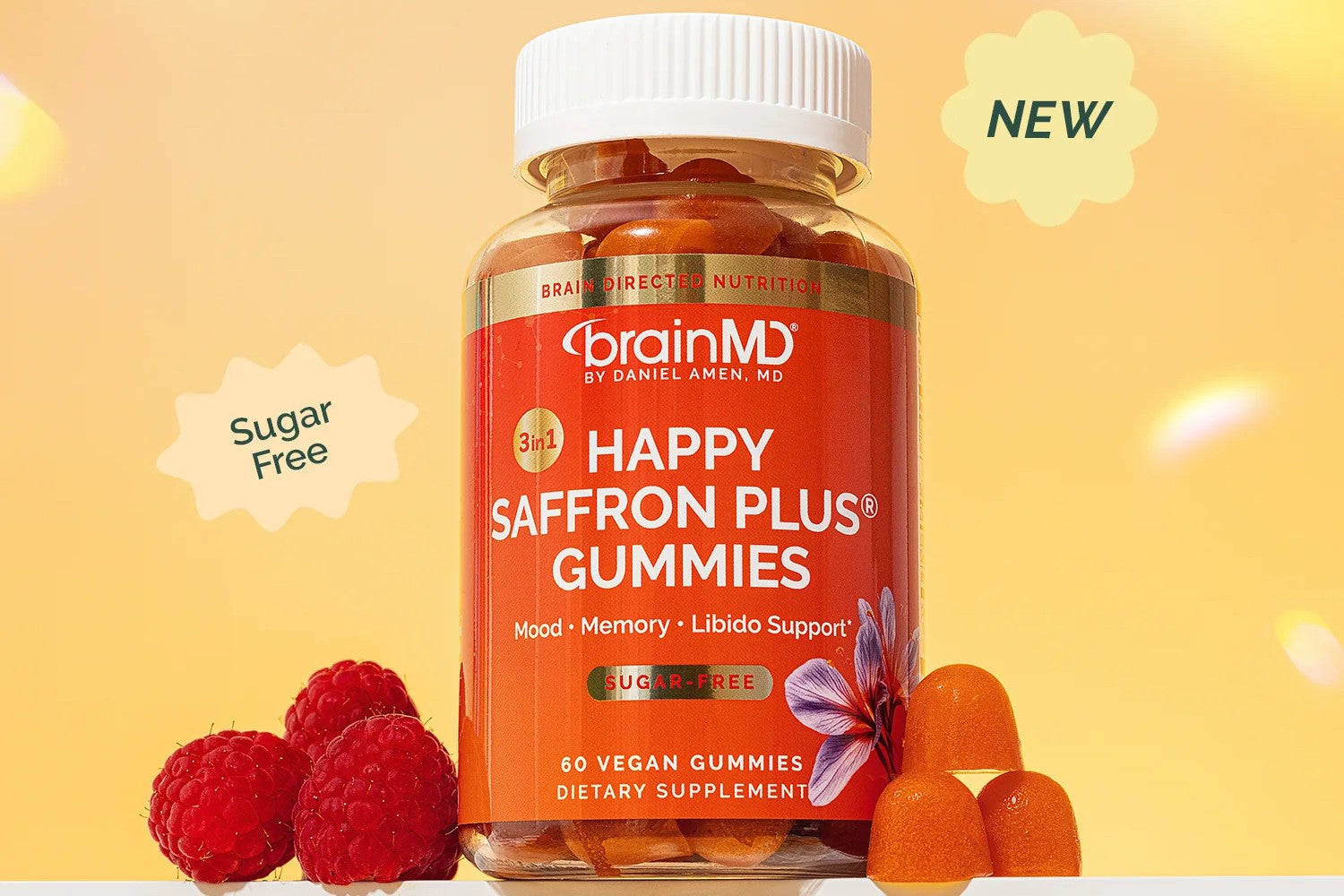
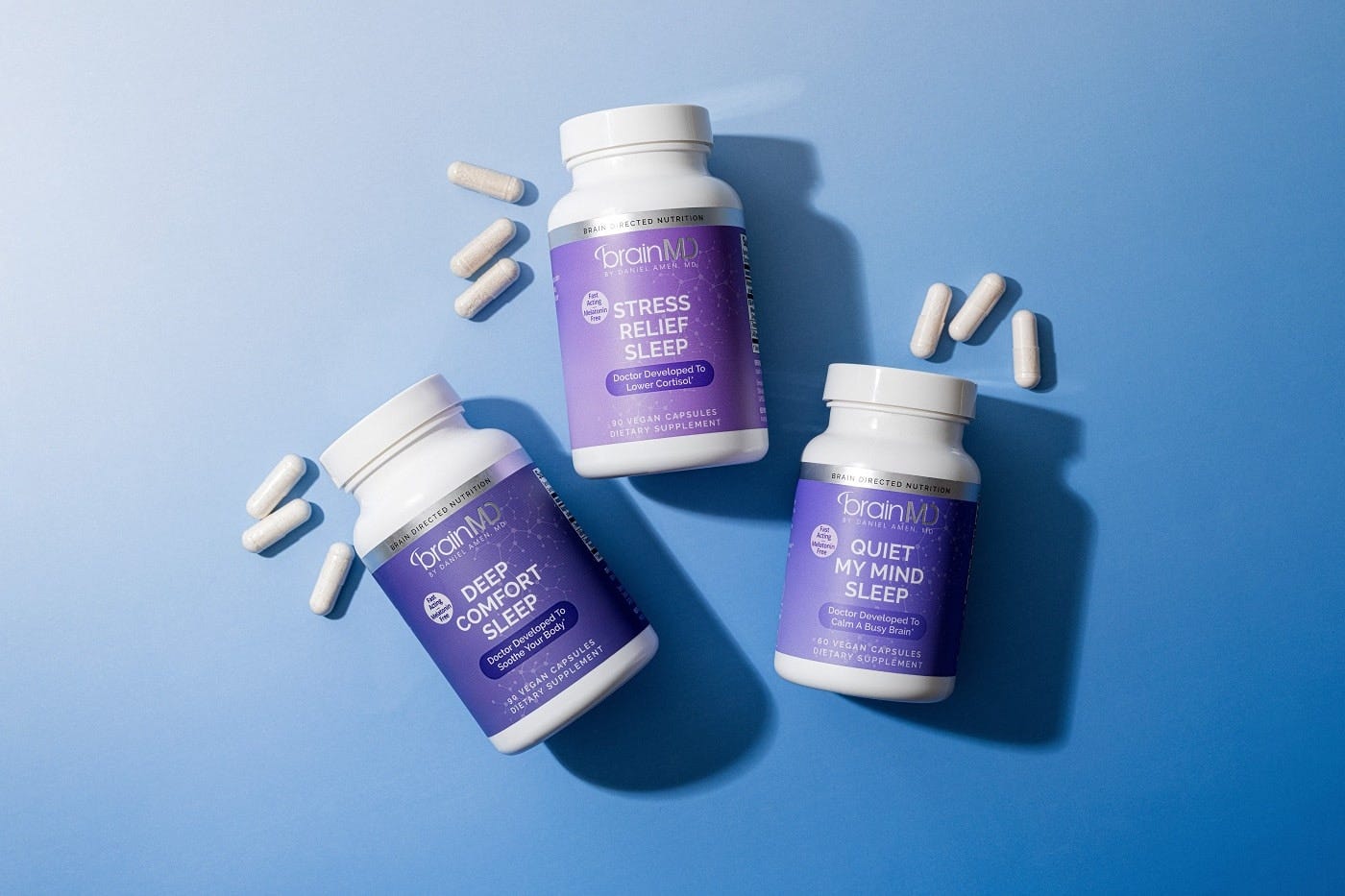



The Ultimate Self-Care Guide: How to Take Better Care of Yourself
If you’ve ever flown on a jet, you’ve heard the safety instructions that are announced over the speakers before the flight. You might remember the part of the script that says: “In the event of a sudden loss of cabin pressure, oxygen masks will automatically descend from the ceiling. Grab the mask and pull it over your face. If you have children traveling with you, secure your mask before assisting with theirs.” Those directions always sounded strange to me until I stopped to consider the logic behind them. Since many children don’t have the ability or mental awareness to place an oxygen mask over their face, it’s up to an adult to aid their children in that process. But if an adult doesn’t affix their mask first, they may pass out from lightheadedness and fail to assist their kids. The principle behind those preflight instructions also applies to your mental and physical health. Perhaps you have people—children, siblings, a spouse or even parents—who depend on you for daily assistance. If you aren’t taking care of yourself, how can you hope to take care of them? Here Are 10 Practical, Simple Self-Care Tips 1. Take Care of Number One You’ve probably heard the expression “always take care of number one.” Although that saying might not be the best advice in business, team sports, relationships or many other areas of life, it holds a great deal of significance to your personal health. In fact, how you treat your body, and brain may well determine your ability to function in an increasingly busy world. Like it or not, stress is a normal and unavoidable part of living. From work or school to shopping and paying bills, the list of demands on our time can seem insurmountable. If it feels like your stress levels are being pushed to the limit, you may be experiencing the kind of exhaustion that can lead to serious mood and sleep issues. Taking care of yourself may require that you seek out additional help. The good news is that there are many practical steps you can take to get the support you need. 2. Get Some Nutritional Support Whether you find yourself having negative or anxious thoughts, or if you feel that your stress levels have nearly reached the breaking point, BrainMD offers a range of powerful supplements for stress and mood that can help turn your day around.* These brain-directed supplements have been formulated with the highest quality nutrients and ingredients that can help you feel calm, content, and able to manage stress or mental strain.* Everyday Stress Relief To stay healthy in today’s fast-paced world, you need to be resilient to stress.* Everyday Stress Relief replenishes your body’s levels of nutrients that can be depleted during times of excessive stress and has herbal extracts clinically proven to have calming and anti-stress effects.* This formula includes: Magnesium, a mineral important for calm, balanced and mentally focused demeanor.* The vitamin-like nutrient taurine, that has versatile benefits for electrical transmission in the brain and supports the adrenal glands which are crucial for coping with stress.* Holy Basil, revered in the East for improving adaptation to occasional anxiety, feelings of exhaustion, forgetfulness and other problems related to stress.* L-theanine from green tea reduces tension and promotes rest without diminishing alertness.* Relora® is a unique mix of two herbs that can enhance healthy management of the stress hormone cortisol while easing anger, negative mood, and confusion.* These well-studied nutrients and herbals support your body’s coping with stress on multiple levels.* Everyday Stress Relief can help you stay calm so that you can enjoy the good things in your life.* Serotonin Mood Support Our brain produces the naturally soothing neurotransmitter called serotonin. Serotonin plays many important roles in the brain’s biochemistry and is involved in maintaining healthy mood and promoting feelings of calmness.* Serotonin also can help control late-night appetite.* Serotonin Mood Support is highly geared to promote serotonin activity in the brain.* This formula includes: 5-HTP, a nutrient that the brain can readily convert into serotonin on demand.* Saffron, the world’s most expensive herb, has a long history of traditional use for “inducing happiness.”* Saffron has consistently improved mood in a number of clinical trials.* Vitamin B6 is an essential cofactor for enzymes that make serotonin and other key transmitters.* Methylfolate, the pre-activated and most readily utilized form of the folate vitamin.* Methylfolate is paired with methyl-vitamin B12 to help ensure the brain makes sufficient melatonin (our sleep hormone) and has the biochemical tools for renewing and maintaining its nearly 200 billion cells.* Lifestyle habits such as consuming “smart” carbohydrates in moderation and taking a dietary supplement like Serotonin Mood Support can work together to elevate mood and promote calm.* In addition to supplements, there are many other effective ways to improve your emotional well-being to manage mood and reduce stress.* Learn how to be kinder to yourself by implementing the tips in this Self-care Strategy Guide.* 3. Give Yourself a Time Out You may feel pressure to be everything to everyone, but there’s only so much one person can accomplish. Increase your energy and stamina by giving yourself a timeout. All of us need time to recharge our batteries and self-care is often the best thing you can do. Plus, others will benefit when your stress is reduced and your mood is improved. 4. Listen to Soothing Tunes It’s no surprise that listening to music can increase pleasurable feelings, improve mood, boost energy, raise dopamine levels and help with focus and concentration.¹ Remaining in a relaxed state of mind is easier to accomplish when you have a happy tune running through your head. Listen to brain enhancing music specifically composed to enhance mood, gratitude, motivation, and inspiration. 5. Get Quality Sleep Good sleep is essential for optimal brain and body health. Insufficient and inconsistent sleep can increase irritability, moodiness and poor judgment.² To remain at the top of your game, it’s recommended that you get 7-9 hours of sleep each night. Whether you’re too wired or too stressed to sleep, natural sleep aids can help improve your quality of sleep. 6. Write It Down The process of journaling gives stressful thoughts a home, another place they can live besides your brain. Once those thoughts have been expressed, they often lose their intensity and urgency which will allow you to mentally relax. Writing in your journal 10 minutes before you go to bed can help release the stresses of the day and put you in a restful state of mind. 7. Get Regular Exercise Physical exercise is perhaps the single most important thing you can do to keep your brain healthy. Exercise can boost blood flow and other positive nutrients to the brain, increase your levels of dopamine and generate new brain cells that can help the brain self-regulate and calm down. Walking can help you clear your mind, decrease anxiety, improve your mood and burn some calories all at the same time. 8. Meditate Daily Make time for yourself every day. Taking breaks for meditation and relaxation provide benefits for both your physical and mental health. Spending just 15 minutes alone, without distractions, may refresh your mind. Clearing your mind and slowing your breathing can help restore inner calm. Repeating simple words like “May I be safe and secure” can increase positive emotions and decrease negative ones. Loving Kindness Meditations (LKM) can reduce pain and improve other mental health challenges. 9. Get a Massage One way to counter the effects of stress is to get a massage. Massage therapy has been known to increase dopamine levels by nearly 30% while decreasing cortisol (a stress hormone) levels.³ 10. Just Say No Take control of your schedule rather than letting it control you. Say no to cravings, events and activities that aren’t essential to your life. Be mindful of what you do, how you spend your time and energy. Don’t do things the same way just because that’s how you’ve always done them. If what you’re doing isn’t making you happy or is causing you stress, it’s time to do something different. By following these mood-boosting and stress-reducing techniques they can help to improve your overall well-being so that you can take care of yourself and the other important people in your life. At BrainMD, we’re dedicated to providing the highest quality supplements to improve your physical health and overall well-being. For more information about our full list of brain healthy supplements, please visit us at BrainMD. *These statements have not been evaluated by the FDA. This content is for informational purposes only. It is not meant to substitute for medical or healthcare advice from a physician, nor is it intended to diagnose, treat, cure, or prevent any disease. Consult your healthcare provider before beginning a new health regimen. References: 1. Zaatar, M. T., Alhakim, K., Enayeh, M., & Tamer, R. (2023). The transformative power of music: Insights into neuroplasticity, health, and disease. Brain, Behavior, & Immunity - Health, 35, 100716. https://doi.org/10.1016/j.bbih.2023.100716 2. Salfi, F., Lauriola, M., Tempesta, D., Calanna, P., Socci, V., De Gennaro, L., & Ferrara, M. (2020). Effects of total and partial sleep deprivation on reflection impulsivity and risk-taking in deliberative decision-making. Nature and Science of Sleep, 12, 309–324. https://doi.org/10.2147/NSS.S250586 3. Field, T., Hernandez-Reif, M., Diego, M., Schanberg, S., & Kuhn, C. (2005). Cortisol decreases and serotonin and dopamine increase following massage therapy. International Journal of Neuroscience, 115(10), 1397–1413. https://doi.org/10.1080/00207450590956459
Learn more
Get To Know Our Free Trial Program
At BrainMD we know that we have a lot to offer when it comes to quality and ultra-pure supplements. We also know that it can be tricky to decide which one is right for you without trying it beforehand. That’s why we offer Free Trials for 3 of our most-loved, top-selling supplement formulations. We’re so confident that you’ll love them, we’re giving you an entire sample box packed with brain healthy nutrients to try for free! In total, you’ll receive 14 convenient packets, which is a 7-day supply for you to try for yourself and start feeling the benefits. The best part is that they come in convenient on-the-go packets so you don’t have to worry about missing a day! But don’t just take our word for it… Over the years, we’ve had countless success stories. Here are just a few examples of real customer stories and their experience with our free trial supplements. BrainMD's Free Trial Program 1. Brain & Body Power Brain & Body Power is an advanced 3-in-1 supplement system that combines our daily multivitamin - NeuroVite Plus, with our cognitive enhancer - Brain and Memory Power Boost, and our ultra-pure fish oil supplement, Omega-3 Power to provide whole body wellness. To make it even more convenient, we included each recommended dose into on-the-go packets that can be stored in your desk, purse, or travel bag. “Not only are these supplements high quality, they work and are packaged so that you get everything you need in one daily pouch. I love this product. I had been taking most of these supplements for a long time but had to order several different products and had to deal with many bottles and dosing. This keeps everything simple!” – Will “I noticed a difference by day 3 of my 1-week trial. Ordered and have continued to experience so much more energy. In addition, my memory has improved noticeably. I am very happy that I switched supplements!” – Barb Here’s a closer look at what's inside Brain & Body Power: NeuroVite Plus Multivitamin This robust combination of 50 vitamins, minerals and plant extracts (all in their most active forms for optimal bioavailability) is foundational to a supplement regimen. NeuroVite Plus is also the only source of Dr. Daniel Amen’s proprietary Brain Boosting Blend of brain-supporting nutrients. Brain & Memory Power Boost Brain & Memory Power Boost is our bestselling, brain-boosting formula that provides potent ingredients to support the brain’s energy, connectivity, and overall performance. This product is specialized, brain-directed nutrition; grounded in science, to support healthy brain and memory performance. Omega-3 Power Omega-3 Power provides a high-dose of omega-3 fatty acids and is unique in that it’s screened for over 250 potential contaminants to ensure maximum purity. Rich in EPA and DHA, Omega-3 Power is a highly concentrated fish oil with 5 times more omega-3s than conventional brands. 2. Serotonin Mood Support Our brain produces the naturally soothing neurotransmitter called serotonin. Serotonin plays many important roles in the brain’s biochemistry and is involved in maintaining healthy mood and self-confidence. Serotonin Mood Support contains ingredients shown to support healthy serotonin balance in the brain. Lifestyle habits such as daily exercise, consuming “smart” carbohydrates in moderation, and taking a dietary supplement like Serotonin Mood Support can work together to elevate mood, promote calm and facilitate sustained and deep sleep. Serotonin Mood Support can also help you control your appetite. “I noticed an immediate difference within 3 days. My affect has been much more even and calm and no episodes of ‘stress eating.’” – Missy “I can’t tell you how much better I feel on this supplement. I have energy and I feel like I have my real self back. I was going through the motions to get through my day but not anymore.” – Bonny 3. Focus & Energy Every now and again, everyone feels tired or unfocused. Focus & Energy was designed to prevent fatigue, promote mental sharpness, and preserve productivity. This supplement features a high potency green tea extract that intensifies oxygen and nutrient delivery to the brain. Focus and Energy consists of energizing herbs and three powerful plant adaptogens (Rhodiola, Ashwagandha, and ginseng) that reinforce the brain and body’s ability to fight fatigue and adapt to stress. It also contains choline, a vitamin-like nutrient that supports endurance and overall vigor. If you’re looking for a natural energizer, without the caffeine crash, Focus and Energy helps fortify your body with specially selected nutrients that provide enhanced mental focus and sustained energy. And unlike the energy rush you can get from your stimulant of choice (coffee, diet soda, caffeine pills), there’s no dramatic drop in mood and energy with this nutritional supplement. Focus and Energy is safe, natural and non-habit forming. “Within a week I realized I was able to read and comprehend more, able to have a whole day with energy, and am happier due to feeling more focused, organized and capable.” – Connie “The difference is incredible. My focus and recall have greatly improved. Others are no longer complaining that I don’t listen. One of the best results is that I’m seeing consistency.” – Jason How it Works: Step 1 - Get a 7-day free trial of one of these 3 brain-healthy supplements – just cover $1.95 shipping and handling. Step 2 - Follow the suggested use on the packaging and begin enjoying the product. Step 3 - If you love it, no action necessary, we’ll ship you a month’s supply after 14 days at a discounted rate. You can cancel at any time, so why not give it a try? For more details regarding the supplement offer or to begin your Free Trial today, click here. For our full catalog of brain healthy supplements, visit the online store at BrainMD.
Learn more
6 Common Attention Issues & Solutions for Staying Focused
Do you have trouble concentrating in class or during meetings? Do you get antsy when listening to a speaker for an extended period? Does your mind drift from one random thought to another, never really focusing on the topic at hand? Did you stop to check your cell phone at any point while reading this paragraph? In today’s busy world, giving our complete focus to one thing or person is becoming increasingly difficult…and is somewhat of a lost art. Attention issues not only impact performance in school, work, relationships and daily tasks, they also affect the way we function as human beings and how we perceive the world. And lest we think that the rapid rise of attention problems only afflicts the young, a growing number of adults are finding it harder and harder to remain organized, stay on task, and complete projects. Short attention spans are a national health crisis that continues to grow – yet it remains one of the most misunderstood and incorrectly treated maladies today. Here are some common complications for those who struggle with their attention and focus... Do You Have Any of These 6 Common Attention Issues? Impulsivity Impulsivity can cause serious predicaments at school and work. Blurting out answers, speaking tactlessly or disrespectfully, and saying things without thinking are typical for impulsive people. For those who struggle with impulsivity, the mouth is often engaged before the brain, which can cause a whole host of problems. Distractibility Inability to focus while reading, participate in small groups, follow what teachers or other public speakers are saying, or perform well at tasks can all have negative effects on school, work and relationships. Having a short attention span and being easily distracted can affect nearly every aspect of your life. Restlessness Overactivity in kids can cause many complications in the classroom: children can be restless, disruptive, and annoying to other kids (not to mention the teacher). Restlessness in little kids, teens and adults can be a distraction to others in the class or at work who notice their constant movement (i.e., legs shaking, shifting weight in a chair, etc.). Forgetfulness This prevalent struggle can cause hardships in the classroom, office or at home. Forgetting to bring books home, leaving your laptop at work, and forgetting where you placed your keys are common complaints of absentmindedness. Shifting Attention Some people have trouble shifting their attention from one thing to another. They tend to get stuck or over focus, which can interfere with their ability to effectively take notes, track what’s being discussed in a lecture, or keep up with the normal flow of conversation among a group of friends. Procrastination Many people with attention issues wait until the last minute to complete their tasks for school or work. If it isn’t the night before, they can’t get their brain engaged enough to get the work done. Procrastination can cause work to be done poorly, partially or not at all. Poor attention isn’t just a single and simple issue. Coping is not a one-size-fits-all solution. Here’s a look at the worst and best ways to improve your attention: Worst Ways to Cope with Attention Issues Tough It Out Unaddressed attention challenges can have alarming consequences and are associated with higher incidences of academic problems, low self-esteem, job failure, incarceration, obesity, and divorce. Medication Fix Attention concerns can be aggravated by a variety of factors, including diet, environmental toxins, and limited physical activity. People who solely rely on medications to treat their attention problems might only find temporary relief of their symptoms or might even encounter side effects. Overcommit Yourself Filling your schedule with too many activities or distractions can make the condition worse. Simplify your schedule and develop an effective treatment plan that will work best for your lifestyle. Best Ways to Cope with Attention Issues Educate Yourself Learn more about attention issues and determine which ones you’re dealing with. Get professional help if necessary. This will assist you to accurately identify the areas that you’re struggling with so that you can take the appropriate steps to solve the problem. Find Quality Care What works for one person with attention concerns might not work for another – or could even make symptoms worse! Make sure you’re working with a qualified practitioner that truly cares about your individual health and well-being. Comprehensive Strategy to Optimize Attention and Focus Address your complaint comprehensively, including proper testing, diet, supplementation, and therapy. Find professionals open to the most comprehensive options for providing you with the support you need using the least toxic, most effective means possible. There are many things you can do today to have better focus and energy. One of the best ways to support your attention is with high-quality, brain-healthy supplements… Focus & Energy Every now and again, everyone feels tired or unfocused. BrainMD’s Focus & Energy was designed to gently prevent fatigue without making you feel drained later, to promote mental sharpness, and to improve your mental (and physical) productivity and endurance. This supplement features a high potency green tea extract that intensifies oxygen and nutrient delivery to the brain, as well as an array of highly energizing traditionally proven herbs. This breakthrough supplement features standardized concentrates on an incredible array of "adaptogens," traditional plants proven to improve mental performance when under stress. Sensoril® ashwagandha has multiple impressive clinical trials. Rhodiola grows in the most extreme climates, and this concentrate is the most clinically validated. Asian (Panax) ginseng often is felt almost immediately, and this concentrate is loaded with brain-active ginsenosides. Focus & Energy is formulated by BrainMD's MD-PhD team specifically to reinforce the brain and body’s ability to fight fatigue and adapt to stress. It also contains choline, a vitamin-like nutrient that helps the brain make the key transmitter acetylcholine and has other metabolic pathways that promote endurance and vigor. If you’re looking for a natural energizer, Focus & Energy helps fortify your body with specially selected nutrients that provide enhanced mental focus and sustained energy. And unlike the energy rush, you can get from your stimulant of choice (coffee, diet soda, caffeine pills), there’s no later dramatic drop in mood and energy with this dietary supplement. Focus & Energy is safe, natural and non-habit-forming. To be successful in today’s world, you need a clear mind and sharp focus. We’re dedicated to providing the highest purity nutrients to give you the attention, total focus, and energy you need to do the things you love. At BrainMD, we’re dedicated to providing the highest quality supplements to improve your physical health and overall well-being. For more information about Focus & Energy and our full list of brain healthy supplements, please visit us at BrainMD. *These statements have not been evaluated by the FDA. This content is for informational purposes only. It is not meant to substitute for medical or healthcare advice from a physician, nor is it intended to diagnose, treat, cure, or prevent any disease. Consult your healthcare provider before beginning a new health regimen.
Learn more
Healthy Strategies for Fighting Fatigue and Exhaustion
Stress is a normal and unavoidable part of living. Regardless of age, gender, ethnicity or station in life, no one is immune from the busyness of modern living. From work or school to shopping and paying bills, or just doing the many things that are required of us just to make it through the day, the list of demands on our time and attention can feel insurmountable. But what happens if you start falling behind in your chores or daily tasks? Is there a way to catch up if you find yourself struggling to complete yesterday’s (or last week’s) to-do list? And if so, how much energy will it take just to get back to a state of status quo? If it feels like your stress levels are being pushed to the limit, you may be developing a real fatigue problem. Everyday fatigue differs from everyday stress in both intensity and duration. If you have a major project at work or paper for school that’s due tomorrow, it’s easy to feel overwhelmed. However, if that level of stress affects your daily life over a sustained period, you may have a fatigue problem. Everyday fatigue can contribute to serious mood, or sleep difficulties. Long-term fatigue can also contribute to other health challenges around blood sugar or blood pressure, and even affect your mental focus and recall. Many of the things people do to support their focus and energy end up backfiring. Nicotine, caffeine, and sugar-laden, fat-filled treats provide a quick high probably by increasing dopamine levels, soon followed by a low as dopamine production plummets, which might have negative long-term effects. As an alternative to the many harmful coping strategies that exist in today’s fast-paced society, here are some of the top tips for reducing stress and fatigue: 10 of the Best Ways to Reduce Stress & Fatigue 1. Admit It The first step in getting help for everyday fatigue is admitting that it’s affecting your life. Once you’ve recognized the problem, you can start working on effective strategies that can help reduce your stress and fatigue so that you can focus on what matters most in life. 2. Get Regular Exercise Physical exercise is perhaps the single most important thing you can do to keep your brain healthy. Exercise can boost blood flow and other positive nutrients to the brain, helping the brain generate pleasurable and calming that can effectively lower your stress. Walking can help you clear your mind, lower your anxious thoughts, improve your mood and burn some calories all at the same time. 3. Reach Out Though isolating yourself during tough times may feel like the safest option, closing yourself off from the world can aggravate your feelings of negativity. Resist the urge to shut out the individuals who can offer you encouragement and support. Let friends and family know when you’re emotionally overwhelmed. Seek professional help if necessary, but don’t fight your battles alone. 4. Meditate Daily Make time for yourself every day. Spending just 15 minutes alone, without distractions, may refresh your mind. Clearing your mind and slowing your breathing can help restore inner calm. Repeating simple words like “May I be safe and secure” can increase positive emotions and decrease negative ones. Loving Kindness Meditations (LKM) can reduce pain and improve other mental health challenges. 5. Just Smile Did you know that it takes less effort to smile than to frown? Not only can smiling make you feel better about yourself and your situation, but it can also spread positivity to others who also might be going through hardships. 6. Keep a Journal The process of journaling gives stressful thoughts another place to live beside your brain. Once those concerns have been expressed, they often lose their intensity and urgency which will allow you to relax mentally. Writing in your journal 10 minutes before you go to bed can help release the stresses of the day and put you in a restful state of mind. 7. Prioritize Your Goals If working on all your goals at once becomes overwhelming, set up a hierarchy. Select a few things you absolutely must accomplish, several things you want to complete and many things that would be nice to finish in the future. Not only will this pyramid structure allow you to focus on the essentials, but it will also help to reduce the debilitating pressure of trying to juggle so many objectives at one time. 8. The Attitude of Gratitude Did you know that practicing gratitude actually makes your mind work better? People who express gratitude on a regular basis are healthier, more optimistic, make more progress toward their goals, have a greater sense of well-being, and are more helpful to others. Write down three things that you’re grateful for every day. Then experience the joy that gratitude can bring. 9. Listen to Relaxing Music It’s no surprise that listening to music can increase pleasurable feelings, improve mood, boost energy, probably raise dopamine levels and help with focus and concentration. Remaining in a blissful state of mind is easier to accomplish when you have a happy tune running through your head. Listen to brain-enhancing music specifically composed to increase gratitude, motivation, and inspiration. 10. Try Deep Breathing Typically when people experience anxious feelings, their breathing becomes shallow, rapid and erratic. Since the brain is the most metabolically active organ in your body, any state that lowers oxygen can trigger more fear and panic. By taking slow, deep breaths, you’ll boost oxygen to your brain and start to regain control over how you feel. One way to practice deep breathing is by learning how to breathe from your diaphragm – the area of the body that tends to get “clenched” when we’re anxious. In addition to these practical tips, here are 3 powerful supplements that can help reduce the effects of stress and exhaustion: Focus & Energy It’s not uncommon for people to have periods where they feel tired or unfocused. BrainMD’s Focus & Energy was designed to gently prevent fatigue without lowering blood sugar, to promote mental sharpness, and to improve your mental productivity by performing at a higher level particularly under stress. This supplement features an incredible array of “adaptogens,” traditional plant concentrates proven to improve mental performance when under stress. It also contains choline, a vitamin-like nutrient that helps the brain make the key transmitter acetylcholine and works through additional metabolic pathways to promote endurance and overall vigor. If you’re looking for a natural energizer and mental sharpening supplement, one that likely will also improve your physical endurance, Focus & Energy is your best option. And unlike the energy rush, you can get from your stimulant of choice (coffee, diet soda, caffeine pills), there’s no dramatic drop in mood and energy with this nutritional supplement. Focus & Energy is safe, natural and non-habit forming. Restful Sleep If you aren’t getting the recommended 7 to 9 hours of sleep each night, you’re setting yourself up for a host of issues. When you’re sleep-deprived the many things that the brain needs to do to renew itself can become compromised. Habitual lack of sleep is associated with: Lowered overall blood flow to the brain Negative effects on your cognition, mood, and memory Greater appetite due to increases of the hormone ghrelin, known to affect obesity Loss of focus and willpower Low mood and occasional anxiety A marked decline in capacity to make good decisions. Quality sleep actually helps all the cells in the body repair and renew. It gives the brain a chance to wash away toxins that build up during the day, and helps keep the nerve cell connections and pathways active and constantly self-renewing. Restful Sleep from BrainMD contains melatonin to keep you sleep throughout the night. It also includes the calming neurotransmitter GABA, as well as magnesium, vitamin B6 and valerian. BrainMD uses authentic GABA (Gamma-AminoButyric Acid), chemically identical to the body’s GABA. Together, these nutrients produce a soothing, sedative effect that helps you ease into peaceful sleep and get a long uninterrupted period of rest. Brain & Memory Power Boost Did you know that your brain requires at least 20 percent of your body’s total oxygen and blood sugar resources – and even more when it’s in “overdrive?” Brain & Memory Power Boost is exclusively formulated to promote the brain’s versatile, intense energy generation and utilization, and to support the optimal functioning of its almost 200 billion cells. This supplement includes seven brain boosters clinically proven to promote brain energy levels, support brain connectivity by sharpening synaptic functioning, guard against excessive free radical production, and all together work in synergy to improve mental performance. Together these brain boosters help power up mental sharpness and cognition so you can think fast on your feet again, and retain information so that you can be as productive as can be. At BrainMD, we’re dedicated to providing the highest quality supplements to improve your physical health and overall well-being. For more information about our full list of brain healthy supplements, please visit us at BrainMD. *These statements have not been evaluated by the FDA. This content is for informational purposes only. It is not meant to substitute for medical or healthcare advice from a physician, nor is it intended to diagnose, treat, cure, or prevent any disease. Consult your healthcare provider before beginning a new health regimen.
Learn more
Top 10 Healthy Snacks for Studying
So, you’re trying to hit the books…but does it feel like they’re hitting back? Maybe you’re studying for a major exam but just can’t seem to retain any information. Or perhaps you have a ten-page paper due tomorrow and just can’t get motivated to sit down at the keyboard. If you’re experiencing a mental block, caused by a lack of focus or low energy, don’t be discouraged. Hitting a wall happens to everyone. Here Are the Dos and Don'ts of Snacking Don’t Do This: Many of the things people do to support their focus and energy end up backfiring. Nicotine, caffeine, and sugar-laden, fat-filled treats provide a quick high probably by increasing dopamine levels, soon followed by a low as dopamine production plummets, which might have negative long-term effects. Avoid the quick fix of consuming junk food and energy drinks, which only provide a temporary boost in energy. Do This Instead: If you struggle with attention and concentration, eating a proper diet built on high-quality protein, omega-3 and other healthy fats, and high fiber) can help your focus, energy and other higher brain functions. It’s especially important to eat protein with each meal and snack, which helps to stabilize your brain energy levels and maintain focus. Eating the right foods can help you have more energy, a better mood, and more mental sharpness, which is a recipe for success in every area of your life. The next time you feel yourself dragging during a study session, dump your coffee or energy drink, toss your sugary snacks, and pick up one of these foods to get the natural lift in energy you need: Top 10 Healthy Snacks for Studying 1. Well-balanced Snack For an energy enhancing snack, eat two slices of lean deli turkey and a dozen grapes. This well-balanced snack is high in protein and antioxidants and should tide you over until your next meal. 2. Eat More Edamame Replace finger foods like Skittles or M&Ms with shelled edamame (which is roughly the same size as those candies). Edamame is high in protein and fiber and is the perfect low-calorie snack for when you get the munchies. 3. Dip Your Apples As a healthy alternative to eating chips and dip, slice up an apple and dip the wedges into almond butter for an appetizing anytime snack. For variety, use any organic, sugar-free nut butter as a great-tasting, protein-packed dip. 4. The Smooth Way to Study Instead of sipping on coffee or a sugary soda, make a brain-healthy smoothie that can provide essential nutrients while curbing your hunger. With a variety of fruits and vegetables to choose from, there are countless possibilities for customizing a healthy smoothie. Add a scoop of protein powder to turn your smoothie into a meal. Here are recipes for two delicious smoothies: Cherry Mint Blast Smoothie and Vanilla Tahini Protein Shake. 5. Pack a Snack If you’re heading off to the library to do research for a paper or to join a study group, bring along some healthy snacks so that you won’t be tempted to seek out a vending machine. Emergency rations can be a lifesaver if your blood sugar drops and you get a snack attack. Examples of healthy snacks are low-sugar dried fruits (raisins, cranberries, and cherries), vegetables (baby carrots, celery, and snap peas), and nuts (almonds and walnuts). 6. Disguise Healthy Snacks If you have kids who naturally gravitate toward chips, cookies and candy bars for their after-school snack, it’s time to reclaim their taste buds. Even the pickiest eaters are more willing to try new foods when they’re disguised as something fun. Here’s how you can create a tasty penguin snack. 7. Go Nuts Over This Snack Almonds and cashews are an excellent source of protein, healthy fats, and fiber that can help balance blood sugar levels. They’re also packed with magnesium, a mineral that plays a key role in converting food into energy. Walnuts have more plant omega-3 fats than other commonly consumed nuts such as almonds, peanuts, and pistachios. 8. An Egg-cellent Source of Protein One of the few foods considered to be a complete protein, eggs contain all nine essential amino acids that the body can’t create on its own, and a really impressive total amino acid profile. Additionally, eggs are full of vitamins needed for the body to produce energy, such as thiamin, riboflavin, folate, and B12. That gold yolk color also provides carotenoids that help the eyes keep working and very likely also help with mental processing. 9. Eat Like a Bird Protein-rich foods like seeds and nuts take longer to digest, which may help satiate your hunger until your next meal. A handful of tasty pumpkin seeds contains more protein per ounce than almonds. 10. Healthy Chocolate Bars For some people, eating a chocolate bar is a near-euphoric experience. Chocolate has no end of blissful, health-promoting properties that support a positive mood and the ability to think clearly and focus. Unfortunately, most chocolate bars are burdened with harmful ingredients like sugar (lots!), dairy and synthetic flavors that virtually cancel out chocolate’s powerful health benefits. Instead of chewing on a sugary candy bar, reach for a nutritious chocolate bar instead—one that will sustain your energy rather than making it crash after a brief spike. BrainMD offers two delicious chocolate bars that are sugar, dairy and gluten free: Brain In Love and Brain In Focus (which has plant-source omega-3 DHA in it and tastes great). Stock up so that you’ll never be tempted to eat an unhealthy chocolate bar.* In addition to healthy snacks, supplements can also help support attention and mental stamina. Focus & Energy It’s not uncommon for people to have periods where they feel tired or unfocused. BrainMD's Focus & Energy was designed to gently prevent fatigue without lowering blood sugar, to promote mental sharpness, and to improve your mental productivity by performing at a higher level particularly under stress.* This supplement features an incredible array of "adaptogens," traditional plant concentrates proven to improve mental performance when under stress.* Unlike many other dietary supplements claiming to provide adaptogens, Focus & Energy provides concentrates that are clinically proven from clinical trials.* Its high potency green tea extract is very high in EGCG and other polyphenol antioxidants and was chosen specifically to intensify oxygen and nutrient delivery to the brain.* Then there are three other highly concentrated adaptogens, and choline to make the attention neurotransmitter acetylcholine. Ashwagandha is an Ayurvedic medicinal revered over thousands of years for its mental sharpening benefits.* BrainMD chose the Sensoril® standardized concentrate because of the multiple clinical trials that establish its use.* Rhodiola thrives in the most extreme Siberian climates and is a favorite in the East. This concentrate is doubly standardized and clinically validated.* Asian (Panax) ginseng leads all other ginsengs for its almost immediate mental focus benefits, and this concentrate is loaded with 15% brain-active ginsenosides.* If you’re looking for a natural energizer and mental sharpening supplement, one that likely will also improve your physical endurance, Focus & Energy is your best option.* And unlike the energy rush you can get from your stimulant of choice (coffee, diet soda, caffeine pills), there’s no dramatic drop in mood and energy with this nutritional supplement.* This formula, like all of BrainMD's other supplement products, is safe, natural and non-habit-forming.* Try it today! At BrainMD, we’re dedicated to providing the highest quality supplements to improve your physical health and overall well-being. For more information about our full list of brain healthy supplements, please visit us at BrainMD. *These statements have not been evaluated by the FDA. This content is for informational purposes only. It is not meant to substitute for medical or healthcare advice from a physician, nor is it intended to diagnose, treat, cure, or prevent any disease. Consult your healthcare provider before beginning a new health regimen.
Learn more
Folic Acid vs. Folate: Everything You Need to Know
Did you know that there are 13 vitamins that are vital — essential — to your survival? Among them is the lineup of B vitamins with names like thiamin (for vitamin B1), riboflavin (vitamin B2), and niacin (vitamin B3). Then there's folate, incredibly important for our health no matter our stage of life. The folate vitamin group is most active when converted into methylfolate (MF). What is Folate? Folate is a group of chemically complicated substances that supply the body with chemically simple methyl groups. The body needs folates but can’t make them from scratch and therefore must get from foods or dietary supplements. Folate is vital at every life stage, from early development in the womb through birth and all the way through adulthood. But for many people lifestyle factors, popularly used medications or common gene mutations deplete their folate stores. For these individuals AND for the rest of us, methylfolate is the best dietary form of folate. Methylfolate (technically methyltetrahydrofolate) is the body's most active form of folate. ALL our cells need MF to drive specialized enzymes that make the DNA, genes, and chromosomes. All our cells also need MF to repair damage to their DNA (which is occurring all the time, even in healthy cells). Methyl coming mainly from folate is also very important for epigenetics — turning genes on and off using methyl — as well as to enable cells to grow, maintain their structure and make new cells. Our 200 billion brain cells need MF for all these reasons. But also, they need MF to enable them to make nerve cells' electrical insulation, important neurotransmitters, even a major hormone. Yet MF is not commonly found in foods and very rarely provided by dietary supplements. BrainMD has made methylfolate a priority ingredient in our brain-directed dietary supplements. Lifestyle, Medications Deplete the Body's Folate Supply The body's stores of MF and other methyl resources are in danger of depletion by alcohol abuse, smoking, and by high usage of drugs such as antacids, antibiotics, painkillers, certain diuretics, estrogen replacement therapy, oral contraceptives, anticonvulsants, and SSRI psychotherapeutics. Poor diet, poor digestive and absorptive function, and suboptimal kidney function all can deplete the body's folate stores. During pregnancy, the demand for folate becomes greatly increased due to the needs of the developing baby. Supplementing with Methylfolate from BrainMD Health helps provide your brain and body with optimized folate, to improve your chances of maintaining health and well-being. What’s the Difference Between Folate, Folic Acid, and Methylfolate? Many foods are being "fortified" with folic acid (FA) to help consumers maintain good nutritional folate status. Also, dietary supplements that include folate typically provide it as FA. Yet this substance is a manufactured folate that is known to be poorly utilized by the body's folate enzyme system. The body has to use an enzyme to make FA usable, and this enzyme's conversion capacity is limited. Consequently, many people have unconverted FA in their bloodstream, which studies have linked to negative health effects. Methylfolate is the folate form most naturally preferred by the body, so much so that the intestinal lining has "transport proteins" that bind to it and selectively absorb it into the blood. Similar proteins also move MF from the circulation into the brain tissue. But MF utilization can be blocked by the FA coming from fortified foods or poorly formulated dietary supplements. Folic acid is not just poorly effective — it actually interferes with the enzymes that are tasked with using MF and the other folates coming from our foods. Folic acid consumption is a serious health issue. Bottom line: always choose supplements with methylfolate instead of folic acid. Methylfolate Bypasses Common Folate Mutations Unlike folic acid (FA), methylfolate, when consumed, does not have to be converted into active folate—being already the body's most active folate form, it can be immediately used by our folate enzyme systems. One of the most common human gene mutations is the C677T mutation in the enzyme MTHFR (Methylene Tetrahydrofolate Reductase), whose function is to produce MF. More than 40 percent of individuals in some ethnic groups have this mutation, which is associated with impaired folate utilization. Taking MF by mouth bypasses this mutation: as premade authentic MF it doesn't need to be produced by MTHFR. For people with C677T or various other, less common MTHFR mutations MF is a health breakthrough! What Are the Benefits of Methylfolate Here are a few of the numerous health benefits of MF: Fundamental to the growth, renewal, and total functioning of our cells, tissues and organs. Clinically proven for healthy mood, memory and other cognitive functions, and behavior. Enhances the clinically proven mood benefits of SAMe (S-adenosylmethionine). Essential for the brain to make the key neurotransmitters serotonin, dopamine and norepinephrine. Promotes the brain's healthy production of melatonin, our major sleep hormone. Enhances the body's regulation of homocysteine, a potentially toxic human metabolic product. Promotes healthy pregnancy and birth outcomes. Best Prenatal Vitamin With Methylfolate Whether you’re pregnant or planning to have a baby, it’s vital that you get proper nutrition, and you especially have to ensure you're getting sufficient usable folate. Getting MF from a state-of-the-art prenatal supplement like Smart Prenatal helps ensure you can meet your growing baby's nutritional needs — and yours, as well.* The baby's heart and brain are already forming just 6 weeks after conception, a woman who is low on folate and becomes pregnant may be at a health disadvantage for her pregnancy before she even knows she's pregnant. Since MF is essential for fetal development, it’s recommended for all women of reproductive age to take Smart Prenatal before, during and after pregnancy.* This supplement and others from BrainMD also provide methyl-vitamin B12, a necessary complement to MF: these two vitamins work as a team. Crucial from the Beginning Folate is the most researched nutrient for pregnancy, yet most prenatal vitamins and other multivitamins continue to provide synthetic folic acid. The methyl groups coming from the MF in Smart Prenatal is absolutely critical for the proper development of the baby’s heart AND nervous system AND all the other organs.* Methyl from MF is needed from the moment of fertilization of the human egg, through the development of the brain, heart and other organs, to birth, and throughout a person’s lifetime. Methylfolate Crucial After Pregnancy After birth, MF continues to be extremely crucial for an infant’s development. As the mother’s body works at its utmost to maintain sufficient levels of breast milk, her methyl and folate reserves are in danger of becoming depleted, which makes both infant and mother vulnerable to all the problems that come with folate deficiency. By continuing to supplement with MF, which happens to be the predominant folate in breast milk, a mother can be confident she's supporting her infant’s ongoing growth while protecting her own mood and well-being. Smart Prenatal with MF avoids the uncertainties and limitations associated with the use of folic acid in prenatal supplements.* Better nourished mothers have healthier babies with well-developed brains.* Children of mothers who are well-nourished and breastfeed have substantially better chances for optimal health as they mature into adults.* FAQs About Methylfolate 1. Do I really need Methylfolate? Yes, you need it, and way more than you need folic acid! And your brain really needs it! Clinical research has confirmed that taking MF as a supplement can effectively improve the brain and total body's folate status, and especially promotes positive mood. MF also promotes healthy memory, behavior, the entire range of healthy brain functions, and a huge array of functions in the bone marrow, liver, and other organs. MF is the best commercially available dietary supplement for correcting confirmed folate deficiency and for any other situation where folate supplementation is recommended. 2. How safe is Methylfolate? What is the recommended dosage range? MF’s safety is well documented, and it has been used safely as a dietary supplement for many years, with remarkable success. In multiples such as BrainMD's NeuroVite Plus Multivitamin, an effective dose of MF is 400 micrograms (mcg) and up. Higher doses are needed during pregnancy, so our Smart Prenatal supplies 1000 mcg per day.* People with mood challenges or with any of the known folate gene mutations can benefit from even higher amounts, and Methylfolate is very safe to take.* BrainMD's high-potency Methylfolate supplies 5000 mcg (5 milligrams) of MF. This level of daily dosing and higher has been proven safe from clinical research at Harvard and other research institutions.* When under a physician’s supervision, up to 3 caps of Methylfolate (15 mg) can be taken daily without concern. 3. Will Methylfolate cause problems for those taking methotrexate? We advise anyone taking methotrexate to consult a nutritionally-informed physician before taking Methylfolate. 4. Can vegans and vegetarians take Methylfolate? Yes, it’s fully suitable for anyone not wanting exposure to animal-based foods or supplements. 5. Is Methylfolate compatible with other dietary supplements? Yes, MF is very safe, very well tolerated and fully compatible with multiple vitamin/mineral supplements, fish oils, herbals, and other responsibly-formulated dietary supplements.* Further, MF’s multiple methyl actions tend to reinforce the benefits of other dietary supplements.* For example, taking MF along with BrainMD's SAMe Mood & Movement 400 and Betaine TMG can make a big difference for maintaining a healthy mood.* Taking folate as Methyfolate is well-proven nutritional health insurance for mood, memory, the other cognitive functions, behavior, and overall brain and body health.* For more information about Methylfolate, and our full line of brain-healthy supplements, visit us at BrainMD. At BrainMD, we’re dedicated to providing the highest quality supplements to improve your physical health and overall well-being. For more information about Smart Prenatal and our full list of brain healthy supplements, please visit us at BrainMD. *These statements have not been evaluated by the FDA. This content is for informational purposes only. It is not meant to substitute for medical or healthcare advice from a physician, nor is it intended to diagnose, treat, cure, or prevent any disease. Consult your healthcare provider before beginning a new health regimen.
Learn more
Learn How Natural Sleep Aids Can Improve Your Health
Are you getting enough sleep? Do you have difficulties turning your brain off at night? Do you have irregular sleeping patterns that leave you tired all the time? Do you have harmful habits that prevent you from getting to bed at a decent hour (like eating unhealthy snacks while binge-watching your favorite TV show)? If you answered “yes” to any of the above questions, you’re not alone. According to research, as many as 70 million Americans have ongoing sleep problems which interfere with their daily functioning. And it’s progressively getting worse with the proliferation of gadgets and bad habits. Risks of Sleep Deprivation Skimping on sleep can affect your health in more ways than you might imagine. Sleeping less than six hours a night is associated with: Lower overall blood flow to the brain Negative effects on your cognition, mood, and memory Greater appetite due to increases of the hormone ghrelin, known to affect obesity Loss of focus and willpower Low mood and occasional anxiety Sleep issues also may contribute to mental unbalances. People with lack of sleep are four times more likely to develop feelings of melancholy compared to those with healthy sleeping patterns. Benefits of Quality Sleep Sleep helps all the cells in the body repair and renew. It gives the brain a chance to wash away toxins that build up during the day and helps keep the nerve cell connections and pathways active and constantly self-renewing. Having high-quality sleep is essential to wellness. If you have healthy habits, such as avoiding caffeine later in the day and getting regular exercise, but still have problems falling asleep, a scientifically formulated and safe dietary supplement that promotes healthy sleep may give you the relief you need. The 4 Most Common Sleep Issues & Solutions 1. Too Wired to Sleep Perhaps you’re the life of the party who always seems to have an endless supply of energy. Or maybe you’re the kind of person who enjoys movie marathons or all-night video game binges. With so many exciting things to see and do, it can be a challenge to dial back the adrenaline and calm down long enough to fall asleep. Suggested Supplement: Restful Sleep If you aren’t getting the recommended 7 to 9 hours of sleep each night, you’re setting yourself up for a host of issues. When you fall behind on your sleep blood flow to your brain decreases, and you are much more likely to make bad decisions. Scientists have discovered that the brain has a special “waste management system” that works to get rid of toxins while you sleep. This includes deposits thought to contribute to age-related memory issues. Without healthy sleep, the cleaning crew doesn’t have enough time to do their job and trash builds up, causing brain fog and memory problems. Restful Sleep contains melatonin to keep you asleep throughout the night. It also includes the calming neurotransmitter GABA, as well as magnesium, vitamin B6 and valerian. Together, these nutrients produce a soothing, sedative effect that helps ease you into a peaceful sleep and get a long uninterrupted period of rest. 2. Too Stressed to Sleep Maybe you have a looming deadline for a project at work or just remembered that you have a twelve-page paper due tomorrow for one of your classes. Or maybe you’re intently focused on a job promotion or simply enjoy working hard. Among workaholic Americans, there’s a prevailing mindset that it’s socially acceptable — and even a badge of honor — to get less rest. They may participate in work binges and settle for 4 to 5 hours of sleep per night, which simply isn’t an adequate amount of brain rest. Suggested Supplement: Everyday Stress Relief To stay healthy in today’s fast-paced world, you need to be more resilient to stress. Everyday Stress Relief replenishes your body’s levels of nutrients that can be depleted during times of excessive stress AND has herbal extracts clinically proven to have calming and antistress effects. This formula includes: Magnesium, a mineral important for calm, balanced and mentally focused demeanor. The vitamin-like nutrient taurine that has versatile benefits for electrical transmission in the brain and supports the adrenal glands which are crucial for coping with stress. Holy Basil, revered in the East for improving adaptation to occasional anxiety, feelings of exhaustion, forgetfulness and other problems related to stress. L-theanine from green tea reduces tension and promotes rest without diminishing alertness. Relora® is a unique mix of two herbs that can enhance healthy management of the stress hormone cortisol while easing anger, negative mood, and confusion. These well-studied nutrients and herbals support your body’s coping with stress on multiple levels. At the end of a stressful day, Everyday Stress Relief can help you stay calm so that you can drift off to a peaceful sleep. 3. Too Distressed to Sleep Perhaps you’re dealing with significant emotional issues like losing a job or a loved one. Or perhaps your life just hasn’t turned out quite as you’d planned. Repetitive or automatic negative thoughts (ANTs), can take their toll on you mentally and prevent you from getting consistent and quality sleep. Suggested Supplement: Serotonin Mood Support Our brain produces the naturally soothing neurotransmitter called serotonin. Serotonin plays many important roles in the brain’s biochemistry and is involved in maintaining healthy mood and promoting feelings of calmness. Serotonin also can help control late-night appetite. This supplement is highly geared to promote serotonin activity in the brain. It contains 5-HTP, a nutrient that the brain can readily convert into serotonin on demand. It also contains saffron, the world's most expensive herbal with a long history of traditional use for "inducing happiness". Saffron has consistently improved mood in a number of clinical trials. Vitamin B6 is an essential cofactor for enzymes that make serotonin and other key transmitters. This formula also includes methylfolate, the pre-activated and most readily utilized form of the folate vitamin. Methylfolate is paired with methyl-vitamin B12 to help ensure the brain makes sufficient melatonin (our sleep hormone) AND has the biochemical tools for renewing and maintaining its almost-200 billion cells. Lifestyle habits such as daily exercise, consuming “smart” carbohydrates in moderation, and taking a dietary supplement like Serotonin Mood Support can work together to elevate mood, promote calm and facilitate sustained and deep sleep. 4. Too Worried to Sleep Do you get overwhelmed easily or have difficulty coping with new or challenging situations? Do you anticipate the worst and worry about every detail of your life… and the lives of your family and friends? If so, you might have a case of “monkey mind.” Monkey mind is a term used to refer to the chatter of worry, fear, and doubt that can be heard inside your head. Whether directed at yourself or others, monkey mind can rob you of joy, peace of mind, and a good night’s sleep. Suggested Supplement: GABA Calming Support Taming your anxious thoughts is integral to your happiness. When you’re calm and collected, you’re much less likely to overreact to the inevitable frustrations of life—and far more likely to think clearly and respond appropriately. If your hectic schedule is causing you too much aggravation, frustration, and irritability, take a deep breath and try GABA Calming Support. GABA Calming Support helps stimulate the production of calming brain waves which promote relaxation. This formula provides a generous allowance of authentic GABA, identical to the transmitter the brain makes. GABA is the brain's main calming transmitter. Vitamin B6 and magnesium facilitate GABA's transmitter actions while having calming effects of their own. Lemon balm is a European herb that likely helps the brain conserve GABA. Clinical studies indicate it improves mood, and feelings of calmness. Tips to Help You Establish a Healthier Sleep Routine In addition to nutritional support, here are 5 additional tips that can help you establish a healthy sleep routine: Maintain a Regular Sleep Schedule Regardless of how much sleep you got the night before, go to bed at the same time each night and wake up at the same time each morning, even on weekends. Create a Restful Environment Make sure your bedroom is comfortable, not too hot or cold. Also, keep your room as dark as possible while sleeping. Use soothing nature sounds, soft music or even a fan to induce a relaxing mood that can lull you to sleep. Don’t Take Naps This is one of the biggest mistakes you can make if you experience extreme wakefulness. Daytime naps will disrupt your nighttime sleep cycle. Get Regular Exercise Physical exercise is perhaps the single most important thing you can do to keep your brain healthy. Exercise not only boosts blood flow to transport nutrients to the brain, but it also stimulates the brain to make new cells and tune up existing cell networks that help the brain self-regulate and calm down. However, be careful about exercising within four hours of the time you go to bed; for some people, vigorous exercise late in the evening generates so much energy it can keep them awake. Write It Down Keeping a journal gives stressful thoughts a home, another place they can live instead of in your brain. Once those thoughts have been written down, they often lose their intensity and urgency, which will allow you to relax mentally. Writing in your journal 10 minutes before you go to bed can help release the stresses of the day and put you in a restful state of mind. Lack of sleep is hazardous to your health. Protect your sleep as if it were one of the most important things you ever do—because it is! These 4 supplements provide safe and clinically proven ingredients that help you cope with stress, relax, fend off negative thoughts and anxieties, and get that great night's sleep that your brain - and body - need. At BrainMD, we’re dedicated to providing the highest quality supplements to improve your physical health and overall well-being. For more information about our full list of brain healthy supplements, please visit us at BrainMD. *These statements have not been evaluated by the FDA. This content is for informational purposes only. It is not meant to substitute for medical or healthcare advice from a physician, nor is it intended to diagnose, treat, cure, or prevent any disease. Consult your healthcare provider before beginning a new health regimen.
Learn more
Relax Your Mind With GABA
Do you often feel worked up, irritable or sad for no good reason? Do you spend a lot of your time feeling stressed and worried? Not as interested in having fun? Have friends or family members expressed their concerns over your well-being? Though there could be any number of explanations for what you’re going through, one possibility is that your neurons aren't releasing neurotransmitters at optimal levels. Our brains may use as many as 100 different neurotransmitters, with GABA being one of the most important. What Are Neurotransmitters? Neurotransmitters are chemical messengers that neurons (nerve cells) release to allow them to communicate with other neurons. The neurotransmitter most associated with calming effects in the brain is GABA (technically Gamma-AminoButyric Acid). Clinical research suggests taking GABA by mouth can help cope with stress, improve mood, and generally have calming effects. What Can GABA Do for You? In addition to rhyming with the feel-good 70s group ABBA, GABA has been found by clinical research to help reduce stress and produce groovy feelings. This neurotransmitter’s primary effect is believed to be holding back our nerve cells from excess firing. GABA also is fundamentally important for the healthy maturation of new nerve cells (neurogenesis) and for the overall development and maintenance of the brain. Also, GABA has mild relaxation properties that can support a balanced mood and restful sleep. Lower levels of this neurotransmitter in some brain regions has been linked to mood challenges, difficulties with self-control, and excessive worry. Gamma-amino-butyric acid (GABA) is an amino acid and neurotransmitter that regulates brain excitability by inhibiting excessive firing of neurons, resulting in a sense of calm. Supplementing with GABA can help flip the "off" switch on worrisome, ruminating thoughts by supporting the body’s natural mechanism for quieting the mind. Are You Low on GABA? If you’ve suffered emotional trauma or are under a great deal of stress, it's possible your GABA levels are less than optimal and contributing to your feeling anxious, unmotivated, uptight, or just plain sad. If you tend to predict the worst, are wracked with nervousness, have chronic muscle tension or other stress-related feelings, it might be worth taking steps to increase your brain GABA levels. If you’re one of the millions of Americans struggling with mood or sleep problems, the good news is that you do have a shot to get control of these feelings. Try these five steps to start living a happier life… 5 Ways to Calm Your Mind Using GABA Be Grateful One way to boost your mood and reduce anxiety is to write down five things you are grateful for every day. Research suggests that focusing on gratitude helps to calm your deep limbic areas and enhance the other judgment centers of the brain. When you focus on what you love, your brain works better, and you’ll have a chance to feel better. You'll likely notice a significant positive difference in your level of happiness over a pretty brief period. Do Yoga and Get a Massage Practicing yoga and getting massages can do more than improve your physical function. Clinical studies indicate that both are beneficial for improving mood and coping with stress. Massage can lower the stress hormone cortisol while increasing the neurotransmitters dopamine and serotonin, which work cooperatively with GABA. Yoga actually can increase brain GABA while improving anxious feelings and overall mood. Soothing Tunes Listening to soothing music can help relieve stress by triggering biochemical stress reducers in your brain. Due to an increase in dopamine levels, music can also improve mood, boost energy, and help with focus and concentration. When used properly, music is medicine. Stress Reducing Strategies When you’re under stress, your body cortisol and other messengers that push your brain to seek out rewards—cravings. For many of us, cravings are triggered by unpleasant emotions, including stress and anxiety, as well as being sleep deprived due to stress. Making sure to get enough sleep can reduce cravings and help you feel level-headed enough to deal with the cravings. Rather than giving in to your cravings, utilize stress management techniques—take a vigorous walk, do yoga, or relax in a hot bath. Meditation, diaphragmatic breathing, intense exercise, hypnosis and optimizing vitamin D levels are also great ways to improve self-control and make better judgment calls so that you truly control your brain. GABA Calming Support GABA Calming Support is a unique combination of clinically proven ingredients that help cope with restlessness, irritability and other challenges associated with occasional anxiety. This supplement provides GABA chemically identical to the GABA our nerve cells make. It also contains ingredients that help our nerve cells respond better to GABA. At BrainMD, we’re dedicated to providing the highest quality supplements to improve your physical health and overall well-being. For more information about GABA Calming Support and our full list of brain healthy supplements, please visit us at BrainMD. *These statements have not been evaluated by the FDA. This content is for informational purposes only. It is not meant to substitute for medical or healthcare advice from a physician, nor is it intended to diagnose, treat, cure, or prevent any disease. Consult your healthcare provider before beginning a new health regimen.
Learn more
Latest Research: Can Curcumin Support Your Memory?
Memory, weight, and mood issues are national health concerns that continue to grow. The answer is not to see them as individual or separate problems, but rather as different outcomes of the same unhealthy lifestyle. When it comes to memory issues, there’s good news and bad news. The Bad News: Memory Issues Are Common Here are some alarming statistics: Someone is diagnosed with serious memory issues every 7 seconds. Per recent statistics, millions of people living in America will have extreme memory issues at some point in their lives. Tens of millions more will experience other forms of recall struggles or cognitive decline. People who have family members with severe memory challenges may have a higher risk for memory problems themselves. Those who have a parent or sibling with memory issues are 3.5 times more likely to develop similar symptoms. Some of the most common risk factors for memory problems include weight issues, heart problems, smoking, using drugs or alcohol, sleep irregularities, and low estrogen, testosterone, or thyroid levels. And, lest you think that only your memory is at stake, insulin resistance has been linked with weight issues as well, with a wide array of behavioral and mood challenges including panic attacks, restlessness, and severe attention issues. Long before symptoms develop, your brain may have already started deteriorating, years or even decades before you realize it! A UCLA study found that 95 percent of people with severe memory issues aren't diagnosed until they're in the moderate to severe stages of the disorder. Yet the brain of someone with extreme memory problems at age 59 likely started to show signs of deterioration by the time they turned 30. No matter your age, memory symptoms should be taken seriously. Developing noticeable memory decline in your forties, fifties, sixties, seventies, or even eighties is NOT normal. It’s a sign of impending trouble. The Good News: Memory Can Be Improved Despite the natural aging process, you have a choice in how fast your brain ages. Your behavior and habits can speed up or slow down the rate at which your brain declines with age. Being mentally and physically active, eating nutritious foods and avoiding unhealthy habits can help you maintain optimal brain health and ward off serious, long-term memory struggles. The best way to prevent memory loss or cognitive decline is to eliminate all the negative risk factors. And the good news is that most of them are either preventable or treatable! The Latest Research on Curcumin Even though there’s no known cure for severe memory loss at present, there are effective methods for treating the problem. Recent research has shown that curcumin has a potential role in prevention of neurodegeneration by boosting cell survival pathways. This is an exciting development and possible intervention for those dealing with extensive, long-term memory issues. Turmeric & the Brain: Benefits of Curcumin Turmeric is a curry spice that's been used in India for thousands of years because of its rich flavor and medicinal properties. Turmeric comes from the Curcuma longa plant. The dried root of the plant is ground into the yellow turmeric powder. Turmeric’s health benefits are numerous: it helps in the digestion of fat, maintains healthy blood sugar levels and benefits the brain. The most important ingredients in turmeric are called curcuminoids. The most active of which is called curcumin. It’s a substance associated with powerful anti-inflammatory and antioxidant properties. Curcumin has been found to support working memory, calmness, and satisfaction in coping with mental strain. It also promotes cardiovascular health and lessens physical fatigue. Also, curcumin is attributed to increasing the brain hormone BDNF, which improves the function of neurons, encourages their growth, and strengthens and protects them. One of the key features of a brain affected by significant memory loss is the buildup of clumps of a protein called amyloid-beta. The latest studies on turmeric show that curcumin can cross the blood-brain barrier and has the potential to help clear these plaques. Take Memory Problems Seriously While it’s true that memory issues are common with age, they’re not inevitable. In the presymptomatic stage, when memory problems are minor, help is likely to be most effective. If you’re struggling with your memory, even if it seems inconsequential, now is the time to wake up and take memory problems seriously. Being serious about brain health has no age limit, especially when a better brain can help improve your focus, mood, and memory. You can create a brain-healthy life by learning how to love and care for the most important part of your body…your brain. At BrainMD, we’re dedicated to providing the highest quality supplements to improve your physical health and overall well-being. For more information about our full list of brain healthy supplements, please visit us at BrainMD. *These statements have not been evaluated by the FDA. This content is for informational purposes only. It is not meant to substitute for medical or healthcare advice from a physician, nor is it intended to diagnose, treat, cure, or prevent any disease. Consult your healthcare provider before beginning a new health regimen.
Learn more
How to Make Memory A Priority
Do you often forget where you left your car keys? Do you struggle to remember words, names, faces or numbers? Maybe you’re finding it more and more difficult to keep up with conversations…or you’ve forgotten important appointments…or you can’t make your favorite dish anymore because the recipe is too difficult to follow. If one or more of the above examples apply to you, a parent or grandparent, it’s time to consider making memory a priority with vitamins and other nutrients that your brain needs in order to make and retrieve memories. Your future and the future of your loved ones depends on it. In a fast-paced, high-stress society, many things can ruin your health and memory. Obesity, high blood pressure, heart disease, and eating a poor diet are all associated with an increased risk of catastrophic memory loss. With an ever-expanding elderly population in America, memory problems are posing serious emotional and financial challenges to our society. Top 5 Methods for Improving Your Memory 1. Avoid Toxins Smoking, alcohol and drug abuse all increase your risk for memory problems. Even one beer or glass of wine a day can damage your brain and make it toxic. Recent research demonstrates that smoking marijuana can negatively affect the hippocampus, the brain’s major memory center. 2. Memory Boosting Food The Standard American Diet (SAD) is filled with foods that increase your risk for a variety of medical problems. It’s also associated with a smaller hippocampus, one of the major memory structures in the brain. Instead of eating foods saturated with refined carbohydrates and sugar, choose lean proteins, healthy fats, and lots of produce. Aim for a diet that’s 70 percent plant-based foods and 30 percent high-quality protein, with healthy fat mixed in. 3. Drink Your Vitamins Rather than taking handfuls of capsules from stacks of vitamin bottles, get a big dose of memory-boosting power from Bright Minds Memory Powder. This robust formula of 34 nutrients the brain needs is a highly concentrated, memory-targeting daily supplement system. With carefully crafted and clinically proven ingredients, Bright Minds Memory Powder is a tasty, citrus-flavored drink mix that can be added to water, juice or even a fruit smoothie. The potent mix of vitamins, minerals, conditionally essential nutrients, and related plant nutrients in Bright Minds Memory Powder can: Enhance Blood Delivery - The better the brain’s circulation, the more oxygen and nutrients it can receive to support memory all through life. Ginkgo, resveratrol, lutein, zeaxanthin, CoQ10, as well as vitamins and minerals in this powder, promote healthy blood flow to the brain. Boost Energy - The brain weighs just 2-3 pounds, yet it uses at least 20 percent of all the body’s energy. PS (PhosphatidylSerine), acetylcarnitine, B vitamins, magnesium, chromium, alpha-lipoic acid, CoQ10 and other nutraceuticals in this formula provide the building blocks for energizing memory processes. Promote Brain Connectivity - The brain’s trillions of nerve cell connections (called synapses) rely on PS for their electrical activity. The numerous antioxidants in Bright Minds help protect these synapses against damage. Additionally, methylfolate, methyl-vitamin B12, choline, and other methyl support nutrients in the formula support synapse maintenance and protect the brain against damage from homocysteine buildup. Improve Neurotransmitter Support - Neurotransmitters are the chemical messengers that travel across synapses in the brain and knit together the tens of billions of nerve cells. Huperzine A, acetylcarnitine and choline promote the pathways that rely on acetylcholine, a key memory transmitter. PS, Vitamin D3, all the B vitamins, magnesium and other minerals support the production, release, and synapse actions of multiple neurotransmitter systems across the brain. 4. Keep Your Brain Clean The brain has a special waste management system to help eliminate toxins that build up during the day, possibly including the amyloid plaques thought to be responsible for serious memory loss. It's believed that during the day, your brain is so busy managing your life that this cleaning system is pretty much turned off. Without sufficient healthy sleep, the cleaning crew doesn’t have enough time to do their job and trash builds up, contributing to brain fog and memory problems. This makes getting 7-9 hours of sleep each night absolutely vital. 5. Jog Your Memory Literally. Physical activity increases blood flow to your whole body, including your brain, and helps keep your memory sharp. Exercise delivers extra oxygen to the brain and can also stimulate the growth of new cells and blood vessels in the brain. At BrainMD, we're committed to promoting, optimizing, and supporting brain health naturally. Your memory is what allows you to treasure and revisit the most special moments in your life. Make it a priority to fortify your brain with the dozens of nutrients that can help strengthen, and even restore, some of the memories you've lost. To learn more about the brain-healthy supplements that can help boost your memory, please visit our online store at BrainMD.
Learn more
When Memories Fade: My Grandmother's Story
The Beginnings At first, it seemed harmless. Years ago, my grandmother started repeating conversations and asking questions multiple times. My grandma had always been a little absentminded. So my family and I thought these were just normal senior moments of forgetfulness. We shrugged it off as just a part of getting older. We all assumed that would be the extent of it, but as time wore on things definitely got worse. Realization I finally allowed myself to accept that my grandmother was having a bigger problem when she asked me over to her house for dinner, and when I showed up, she looked completely surprised. She had no idea why I was there. Moments like this would happen, but she was still functioning fine on her own. Then one day we received a call, she had been at the store and had a fall. The doctor’s determined she had fainted from dehydration. She had forgotten to drink water all day. As a result of her fall she had broken her back and hit her head pretty hard, so regardless of her mental state, she couldn’t live on her own anymore. The Really Hard Part When she moved into an assisted living, I visited her frequently, and things weren’t too different. But soon the visits became emotionally draining. It was difficult to see her depressed and frustrated from her own confusion. It was hard for me. Then I started getting random phone calls from her. She would ask me why I hadn’t picked her up, saying things like she was at the movies by herself and I never came to get her. Eventually, that confusion turned to anger. Anger because she couldn’t remember or understand what was going on. She would lash out at me, and say hurtful things. She would threaten me with self-harm. She even became physically aggressive during some of these moments of confusion. One day we got another call, she had taken a plant from someone’s room and was, “going to a wedding.” When trying to walk out the front door of the facility, the staff tried to stop her, and she began hitting them. The idea of her made-up event and accidental theft would have been comical if it weren’t so tragic… She was moved to a psychiatric facility for a while after that. Eventually, my grandma progressed further into her memories, so far gone that the anger subsided. Over the course of several months, she began not recognizing me during my visits. Sometimes she would remember, but the other times she thought I was my sister, or my mother, or her own sister. She would tell us stories from decades ago as if they had just happened. She would inform us that my grandfather or her parents were coming to visit, or taking her on a trip, though they had long since passed. It wasn’t long after that point that we lost her. What I Wish I Knew To watch a once vibrant and nurturing woman lose her shine and need professional care, was one of the most painful parts of losing her. Had I known more in the early days of her repetitive questioning and forgetful moments, I would have done so much more for her. I would have given her important nutrients to nourish and support her brain, and I would have made sure she took them every day. Instead of just visiting or running errands, I also would have worked harder to keep her mentally and physically active. I would have played brain strengthening games with her, encouraged her to read and join a book club, and found ways to get her to socialize. If I had it to do over again, I would have tried anything and everything. The Point So, my purpose in telling this story: To encourage anyone who can relate to this, to please educate yourself. Read books like Dr. Amen’s “Memory Rescue,” participate in communities that educate and support you on brain health, and start doing whatever you can to keep the ones you love from fading.
Learn more
Memory Month: Supplement Success Stories
The New Year has finally arrived and now is the time to get serious about your health goals. Regardless of which resolutions you made, protecting your brain should be at the top of the list. Optimizing brain function and performance is absolutely essential for starting off the New Year on the right foot…and for maintaining healthy habits throughout the year. If you’ve been struggling with cognitive decline, brain fog or poor recall, now is the perfect time to get help since January is Memory Month at BrainMD. With the recent release of Dr. Daniel Amen’s book Memory Rescue and the launch of the new memory-targeted daily supplement system Bright Minds Memory Powder, BrainMD is committed to helping you boost your memory and keep it sharp all year long. Using the most rigorous criteria for selecting the highest quality nutrients, BrainMD offers a line of brain-directed, clinical strength supplements that can help to improve, preserve and boost your memory. We’ve had countless success stories over the years…here are just a few of the individuals whose lives have been vastly improved by our memory products. Memory Supplement Success Stories Brain & Body Power MAX “Awesome product. I purchased this vitamin pack for my mother. She is in her late fifties and has been struggling with her brain function for the last several years. I have been doing tons of research to find some way of helping her. Between this supplement and other dietary changes, she is now doing so much better. I would recommend this product for anybody. I am getting my mom back.” – Joshua Brain & Body Power MAX provides your brain and body with amino acids, vitamins, minerals, botanical extracts and neuro-nutrients at advanced levels. This all-in-one supplement system makes it easy to stay healthy on the go with portable packets for your purse or pocket. Brain & Memory Power Boost “I am a 55-year-old elementary school teacher so I have to stay sharp dealing with kids. I noticed that sometimes I would forget very basic things. For example, one day while I was writing on the whiteboard, I completely forgot how to spell the word “what.” After laughing at myself and asking the kids for help, I continued with my lesson. However, I was becoming more aware of these awkward and embarrassing moments. So, I started taking Brain & Memory Power Boost every day, I thought, why not try them. After a few weeks, I noticed a complete change. I felt like my mind was clearer and I could memorize things a lot easier. It doesn’t make you smarter but it definitely makes your memory feel much clearer, and sharper.” – Karen Brain & Memory Power Boost promotes brain metabolism, supports neurons and defends against free radical damage to the brain. It can help power up mental sharpness and cognition so you can think fast on your feet again. Neuro-PS “I have had challenges with my memory. I have seen improvement after taking Neuro-PS. Neuro-PS helps me to think more clearly and allows me to stay focused at work instead of losing track every few minutes of what I was doing.” – Debbie Neuro-PS provides phosphatidylserine (PS), a nutrient concentrated in the brain and clinically proven to improve mental focus. In double-blind clinical research trials, PS enhanced recall of names, faces, words, and numbers, and improved verbal fluency. PS is better documented for these benefits than any other nutrient. Omega-3 Power “With a new improved memory, I have a renewed desire to learn; enjoying studying vocabulary and grammar, finance, psychology and Spanish without experiencing brain strain. At 73 I have never felt better, or been more mentally alert and physically productive.” – Jerry The omega-3 fatty acids in Omega-3 Power are essential for your brain cells to make the trillions of connections that enable peak cognitive, mood, and behavioral performance. Additionally, Omega-3 Power enhances recall and overall mental balance. Since your memory is what allows you to treasure and revisit the most special moments in your life, be sure to fortify your brain with the nutrients that can strengthen and restore it. At BrainMD, we’re dedicated to providing the highest quality supplements to improve your physical health and overall well-being. For more information about our full list of brain healthy supplements, please visit us at BrainMD. *These statements have not been evaluated by the FDA. This content is for informational purposes only. It is not meant to substitute for medical or healthcare advice from a physician, nor is it intended to diagnose, treat, cure, or prevent any disease. Consult your healthcare provider before beginning a new health regimen.
Learn more