 Skip to content


Wellness Blog



Are You Severely Sleep Deprived?
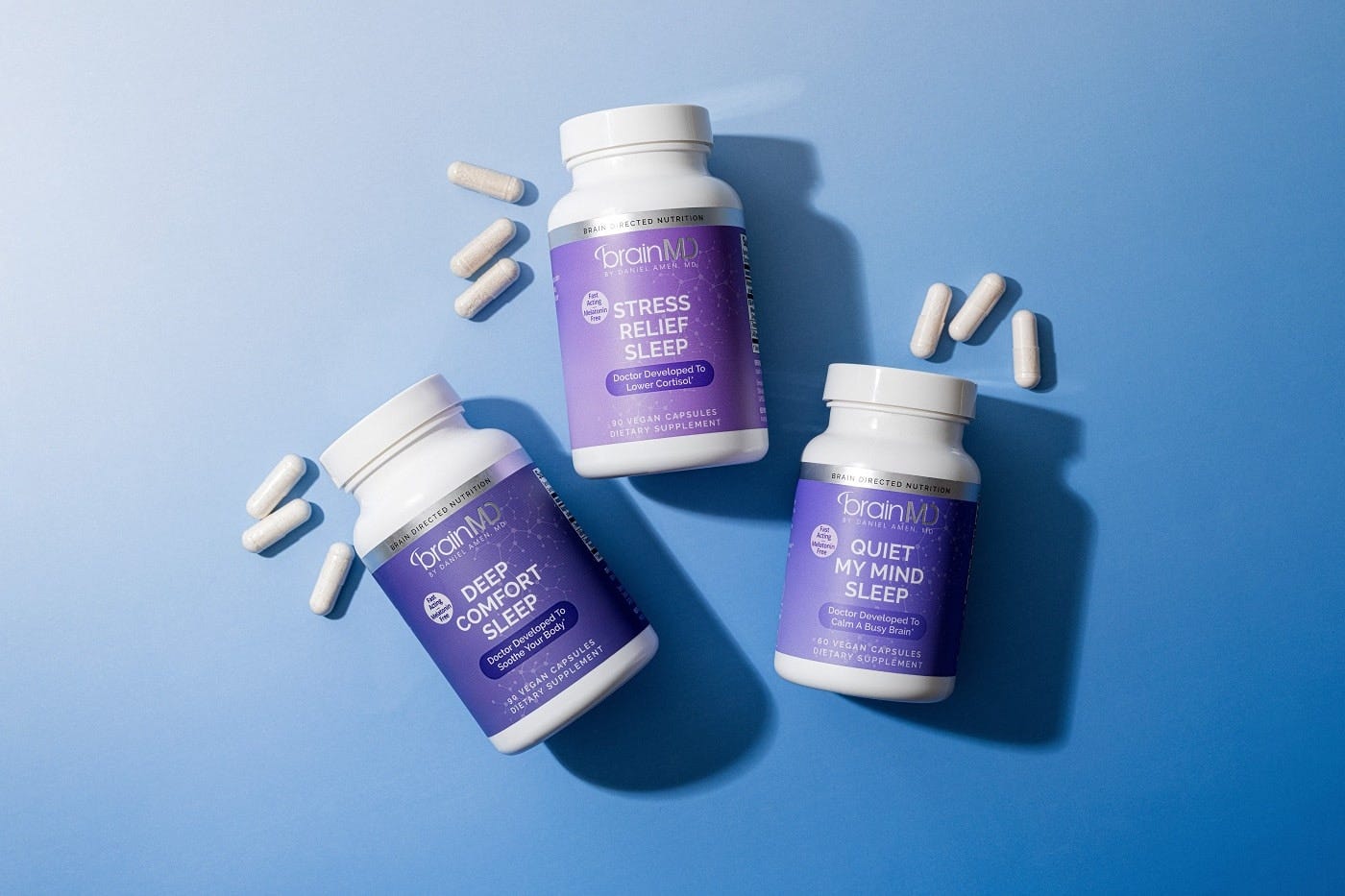
You have been staring at the ceiling for hours now. The more you think about needing to fall asleep, the more you toss and turn, and all those ANTs start circling. When you wake up the next morning feeling exhausted or defeated, it’s the right time to create a healthier sleep life. Extreme Sleep Deprivation Directly Affects Your Health Many workaholic Americans have an emerging mindset that it's socially acceptable – even mandatory – to get less rest. They may participate in “work binges” and settle for 4-5 hours of sleep per night. That is just not an adequate amount of brain rest for most of us. Truth is, extreme sleeplessness can potentially triple the risk of death from all causes, and is associated with cognitive decline, says Daniel G. Amen, MD in Change Your Brain Change Your Life. Sleeping less than six hours has also been associated with: Lower overall blood flow to the brain Hindering your mood, focus, and memory for days after Increase of appetite, which increases risk for unwanted weight gain Low mood or feelings of anxiousness Loss of motivation and willpower Holistic Treatments for More Soothing Slumbers As this harmful cycle continues, asking your doctor for sleep medication may sound like the only option. However, at Amen Clinics we look at a healthy sleep regimen in a holistic manner, integrating natural healing therapies with the sleeping medications people may already be on. Helpful, night-time supplements can make a difference to your quality of life. They often contain melatonin, GABA (a calming neurotransmitter), magnesium, vitamin B6 and herbal valerian root, used for centuries as a sleeping supplement. Invest in Your Rest – You Deserve It Try these healthy habits alongside a night-time supplement to ensure quality rest and a healthy lifestyle change. Exercise early in the day to increase blood flow to the muscles and your brain as a natural, calming stress reliever Limit caffeine consumption to early afternoon, this gives your body time to wind down Zap all your ANTs (automatic negative thoughts) Limit technology before bedtime, pick up a book instead Meditate for 10 minutes before you hit the sack Free yourself from alcohol and drugs that interfere with optimal sleeping patterns. Learn how to become a real Brain Warrior. Hear more about how to solve your sleeping struggles on one of Amen Clinic's Facebook Live Chats.
Learn more
7 Ingredients for Brain Health: When More is More
Your Brain is Elegant and Complicated Your brain is one of the most complicated machines in the world. It works through many different mechanisms, and it's because of this diversity that our Brain & Memory Power Boost supplement has been so effective at improving cognitive function for so many people. Our Brain & Memory Power Boost utilizes seven intensively researched, key ingredients to improve these many different mechanisms in order to get the best brain-boosting results. Ingredients for Brain Support Two of these ingredients, Vinpocetine and Ginkgo Biloba Extract, work together to support healthy blood flow to the brain, which is vital considering your brain requires 20 percent of your body’s total oxygen and blood sugar resources. In addition, the issues associated with cognitive decline during aging often stem from a lack of proper blood flow. We always say, "Some of the prettiest brain scans we have seen at Amen Clinics come from people who take Ginkgo." Another ingredient, PhosphatidylSerine (or PS for short) works at the synapse, or the connections between brain cells. PS works with your brain cells to help them communicate quickly and efficiently for longer periods, as opposed to slowing down. To ensure your brain has enough energy to function throughout the day at high levels, we incorporated both Acetyl-L-Carnitine (ALC) a key nutrient for creating energy in our nerve cells, and Alpha-Lipoic Acid, which influences the enzymes that help produce more energy in the body. And as if all this weren’t enough, we added N-AcetylCysteine (NAC), the brain’s most useful antioxidant that works to help your nerve cells stay balanced, keeping conditions optimal. In addition to NAC, we included Huperzine A, an extract from Huperzia serrata (club moss), a traditional Chinese medicinal herb, that supports your acetylcholine system, a key brain neurotransmitter. A Multiple-Mechanism Approach to Memory Loss The ingredients in Brain & Memory Power Boost work to support multiple mechanisms in your brain. This multiple-mechanism approach is how we think about formulating supplements. As with health in general, no single approach will help you reach your goals but rather a combination of techniques and habits to contribute to better health. That’s why we always recommend a healthy diet, exercise, plenty of sleep, and good relationship habits to accompany your supplement regimen.
Learn more
Do You Have the Winter Blues?
Are you still in hibernation mode? That's OK. Everyone knows it feels better to cuddle up now, watch a movie, and drink a warm, frothy beverage when it’s cold outside or during your chilly rainy season. Many of us are feeling lethargic, fatigued, moody and maybe just a little bit lazy. Also, those thick woolly sweaters can hide your errant holiday resolutions. Why is Your Bad Mood Not Going Away? Signs of low winter mood can include: Negative or guilty thoughts Mental fogginess Purposefully avoiding social interaction Overeating and emotionally eating Periods of starving and bingeing Difficulty with concentration and memory Because most people write off these signs and behaviors as “just being down,” they don’t take proper care of themselves; they don’t believe they need to do anything about it. What Causes The Need to Hibernate? A variety of things can alter or change your cold-weather mood, but there are a few distinct reasons why a change in climate can be responsible for – or the catalyst for – your shift into bad moods. Decrease in Serotonin Activity As the weather changes, and your ordinary schedule is thrown for a loop, your brain's serotonin activity can decrease. As the brain neurotransmitter that plays a majority role in mood, serotonin falloff often is correlated to an upsurge in negative mood. Fluctuations in Melatonin Activity This hormone provides your body with normal sleep cycles, and ebbs (and flows) can affect your mood. When sudden drops in this hormone occur, mood and sleep can get out of sync and contribute to mood swings. If your melatonin activity is out of balance, a melatonin supplement may help you feel more balanced and clear. Vitamin D Deficiency When you’re spending less time in the sun, which is true for most people during the winter weather, we make less vitamin D in the skin. Low vitamin D is linked to low mood and higher perceptions of stress and anxiousness. How Can You Get Rid of Your Winter Blues? There are plenty of ways you can naturally boost your mood or help to alleviate the negative signs and feelings that come with the winter blues. Many of the negative feelings of winter blues are believed to be tied to lack of sunshine and UV rays, which results in the skin producing less vitamin D. One popular, proactive remedy to offset the moody blues is a "bright-light therapy" lamp or light box, which for some people helps combat moodiness, jet lag, and mood swings. They simulate noontime sunshine without the UV rays that can cause skin cancers; and the therapy lamps have several different settings to help you avoid eyestrain. A more cost-effective alternative is to make sure you’re by a window with as much natural light as possible, for at least 30 minutes each day. Sweat to the Beat Try to maintain a healthy diet that fuels your more active lifestyle. Ramp up your will-power and adopt a moderate daily exercise routine. Also, be sure to stick to these healthy habits in order to maintain more even moods and a sense of mind-body balance. If you’re looking for a mood enhancing supplement, BrainMD’s Serotonin Mood Support and SAMe Mood & Movement 400 are both scientifically designed to support the brain mechanisms that promote positive mood and emotional balance during your hibernation months. At BrainMD, we’re dedicated to providing the highest quality supplements to improve your physical health and overall well-being. For more information about our full list of brain healthy supplements, please visit us at BrainMD. *These statements have not been evaluated by the FDA. This content is for informational purposes only. It is not meant to substitute for medical or healthcare advice from a physician, nor is it intended to diagnose, treat, cure, or prevent any disease. Consult your healthcare provider before beginning a new health regimen.
Learn more
Cozy Yam Almond Mash
(RECIPE) Meatless Monday Enjoy our savory Meatless Monday recipe, developed by Tana Amen, BSN, RD, author of The Brain Warrior’s Way Cookbook. She’s created a heart-warming indulgent dish chock-full of vitamins C and A, and other nutrients good for your brain, and your heart. In our Cozy Yam Almond Mash vegetarian recipe, the almonds used are very high in brain-healthy fats and proteins, vitamin E, manganese and magnesium, says Amen. Both of these “m” minerals (manganese and magnesium) are needed by the body to break down and absorb calcium and healthy fats that can boost brain power. They may also bolster bone health and energy metabolism, she says. Remember: Amen uses fiber-rich yams as the feature ingredient in meatless soups and side dishes to help fill you up and satisfy carbohydrate cravings on chilly nights in front of the fire, watching our PBS Specials. Ingredients 4 Servings 1.33 cup yams peeled, chopped 1/3 cup almond milk 1/6 teaspoon erythritol (or another sugar substitute) 1/6 teaspoon nutmeg Directions Medium dice the yams and place in a large pot of water. Boil until tender (20 minutes or so), then drain. Place in a food processor or electric mixer, and then blend yams with almond milk, erythritol and nutmeg. Blend until smooth and enjoy warm or cold. Nutritional Info Per Serving 85 calories 0.5g fat 0.4g sugar 1.5g protein 3g fiber 19.5g carbs 28mg sodium 0.05g saturated fat 0mg cholesterol This recipe was created by Tana Amen BSN, RN, fitness expert and book author. Shop for your favorite books and supplements, and stay tuned for our healthy recipes every Monday.
Learn more
7 Ways to Boost Your Energy And Mental Focus
If you reach mindlessly for a cup of coffee or a sugar fix to get you through the day when energy or attention flags, consider eating something healthy instead, or trying a supplement that can naturally stoke your stamina, and improve your energy and focus. Unfortunately, the instant jolt that comes from a blood sugar spike is typically followed by an insulin surge -- leading to a quick drop in blood sugar — which leaves you feeling foggy and sluggish. Next time you're dragging, put down the coffee or energy drink, step away from the donuts, and pick up one of these foods or supplements as an alternative way to get a healthy, natural energy boost. 1. Almonds and Cashews These nuts are an amazing source of healthy fats, fiber and protein that help balance blood sugar levels. They are also packed with magnesium, a mineral that plays a key role in converting food into energy. Being low on magnesium can drain your energy. Also try organic nut butters that provide a great-tasting energy boost. Use all-natural nut butters that contain nothing but nuts so you can avoid added sugars. 2. Salmon and Other Fatty Fish It isn't called a "brain food" for nothing! Salmon is high in Omega-3 fatty acids which are nutrients that have been found to improve memory and boost energy. Additionally, this delicious fish is also loaded with protein, niacin, riboflavin and vitamin B6, which are all instrumental in helping your body convert the food you eat into energy. 3. Kale and Darker Leafy Greens Kale is a superfood that provides you with the essential minerals of copper, potassium, iron and phosphorus. And like lean meats, kale contains the amino acid tyrosine, which helps give you a mental lift, as well as fiber to fill you up and help keep your blood sugar stable so you can avoid energy crashes. Like protein, fiber helps keep you full, as well as regulate your digestion and manage blood sugar. Spinach is loaded with iron – nearly twice as much as other leafy greens – which is essential in keeping your energy up. Eat a spinach salad for lunch (bonus for adding salmon or another lean protein) and you won't experience that p.m. energy slump. 4. Hummus and Tasty Legumes This Mediterranean dip has only a few simple ingredients (typically puréed garbanzo beans, sesame-based tahini, olive oil, and lemon juice) that all contribute nutrients for energy. The fiber and protein provided help stabilize blood sugar, take the edge off hunger, and boost energy. 5. Eggs as the Perfect Protein One of the few foods considered to be a "complete protein," eggs contain all nine essential amino acids that the body can't produce on its own. Additionally, eggs are full of the vitamins needed for the body to produce energy such as thiamin, riboflavin, folate, and B12, and B6. 6. Pumpkin Seeds and Other Seeds A handful of these tasty seeds contain more protein per ounce than almonds as well as more iron and magnesium than most nuts. Protein helps supply energy, and it keeps you fuller for longer because it's satiating, and helps manage your blood sugar. Protein-rich foods like seeds, eggs and nuts take slightly longer for you to digest, so you won’t be hungry or lethargic in 20 minutes. 7. Try a Natural Supplement We didn't mean to make you hungry, but getting adequate proteins to maintain focus and energy often requires lots of calories, which is why you might reach for a soda or cup of coffee for a fix. Amen Clinic's Focus and Energy naturally supports your body’s energy level with caffeine-free green tea, choline, and ginseng. These specially selected nutrients work through multiple mechanisms to support enhanced mental focus. Plus, Focus and Energy is safe, natural and non-habit-forming.
Learn more
4 Foods to Avoid for Better Gut Health
Did you know if your gut isn’t healthy, your brain probably isn’t functioning optimally either? In fact, there’s a good chance you won’t feel well at all. Studies have shown a link between your gut health and brain health. The first rule in gut health is to take care of your “good” bacteria. Taking care of your “gut bugs” requires providing them with a solid house and healthy food. Tana Amen BSN RN Explains the Importance of Probiotics https://www.youtube.com/watch?time_continue=1&v=vFnycsacVcU 4 Foods to Avoid for Better Gut Health It is true that the gut communicates directly with your brain. About ninety percent of the serotonin in your body is made in your gut. Vitamin formation and mineral absorption also occur in the gut. The gut is responsible for about seventy percent of your immunity. As a Brain Warrior, the first step to having a healthy gut is to stop doing things that cause harm to it. In Week 6 of the Brain Warrior’s Way Live Class, Dr. Amen and I discussed foods that damage your gut, I’ve listed them here so you can be sure to stay away: Gluten, Latin for “glue,” is a sticky protein found in wheat, barley, rye and many other grains. It has been proven to damage the intestinal lining. Even if you’re not diagnosed with Celiac disease, gluten doesn’t offer you any health benefits. In fact, it has shown to damage gut lining 100% of the time in recent studies. Lectins is the Latin for, “to select.” These carbohydrate-binding proteins can be found in many grains including wheat, rice, oats, buckwheat, millet, rye and corn. Quinoa, dairy, eggs, legumes (including dry beans and peanuts), soy, and vegetables in the nightshade family—peppers, eggplant, potatoes, and uncooked tomatoes also contain lectins. Corn has the worst fatty acid profile of any grain. Be aware that most corn in our country is genetically modified and sprayed with pesticides. Sugar is the perfect food to grow the enemy’s army: resistant bacteria, yeast and other invaders. Antibiotics and other medications can wipe out most of the bacteria in your gut. The “resistant” bacteria that remain are often the “bad guys.” Another Way to Support Gut Health Gut health is one of the most unappreciated systems in the body. It lays the foundation to ensure you to have a healthy body and mind. If you take care of the “good” bacteria it can change your life. Because this system has such a profound impact on our well-being, body function, brain health, and even our physique, it is important to do what we can to support it. I recommend taking a good probiotic, like BrainMD’s ProBrainBiotics to ensure you support those important gut bugs. This is such a great product because it contains 2 specific strains of probiotic that have been studied for brain-specific benefits in a double-blind, placebo-controlled clinical trial.1 References: Messaoudi M, others. British Journal of Nutrition 105:755 (2011); addendum in Messaoudi M, others. Gut Microbes 2:256 (2011).
Learn more
Serotonin, Are You Getting Enough?
Brighten your mood and sidestep negative thoughts with serotonin and nutrients that can help promote calmness, satiation, and a more positive attitude. The human brain naturally produces a soothing neurotransmitter called serotonin, from before your birth and throughout your life. Serotonin plays many important roles in the brain’s biochemistry, and it’s intimately involved in sleeping, maintaining an upbeat mood, self-confidence, even supporting healthy appetite and social engagement. Are You Making Enough Serotonin Naturally? Here’s the thing, though: All-too many people don’t produce enough of this healthy property to experience the calming, positive effects. Plus, a deficiency may potentially affect depression and mood swings. Since serotonin also interacts in your intestinal tract, too-little of this chemical is closely associated with changes in gut health, body temperature and appetite. 8 Signs of Serotonin Deficiency Poor cognitive functioning Carbohydrate cravings and binge eating Constipation and digestive disorders Sleep problems and insomnia Feeling overwhelmed and unhappy Headaches Ringing in the ears Anger and irritability People who struggle with their moods often have very low levels of serotonin, says Daniel G. Amen, MD. Yet, serotonin can be increased in the brain (and body) by eating the proper foods and/or supplementing your diet. Interestingly, he says certain nutrients can help metabolize and help utilize serotonin most efficiently. Some of these nutrients include magnesium, zinc, folic acid, fish oils, vitamins C and B6. Always ask your doctor about supplementing, especially if you have a chronic condition and take medication every day. Also, it is possible (though rare) to have too much serotonin, but that usually occurs when people mix over-the-counter supplements with prescription drugs. Be sure to communicate with your health practitioner. Balancing your serotonin levels may help minimize emotional overeating and sleeplessness. Our effective Serotonin Mood Support can also help brighten your mood and possibly fight off cravings, bad moods and daily anxiety.
Learn more
4 Simple Ways to Stop Dieting & Get Healthier Habits
Going vegan, the Cabbage Soup Diet, a Paleo Diet, the Mediterranean Diet… We have all been there. You spend hours or even days trying to decide if or when you should start that detoxing juice cleanse, the low-carb diet, the list goes on and on. You commit all week long and then your weekend get-together rolls around, and you decide that you are tired of being starving. Or feeling deprived or depressed. Or lonely. Down goes the diet. Don’t let this toxic yoyo cycling ruin your chances of shedding excess body weight and living a more vibrant lifestyle. The brain is your command-and-control center. It’s how you make good or bad decisions about behavior and food, and it also tells you: What, when and how much to eat What to buy at the grocery store or order in a restaurant When and how often to exercise Here are simple and thoughtful strategies from Amen Clinics to thread into your food practices and into your life. Rather than forming a stand-alone diet, these tips help you navigate mealtime and choose healthier eating practices. Remember, you may need brain health and emotional support to overcome some of these trendy diets. 4 Simple Ways to Stop Dieting & Get Healthier Habits 1. Drink 8-10 ounces of glass of water before meals The idea of eating something very healthy to boost satiation before a main meal has been around a long time – and it still works. Also, the premise of many soup diets and cleanses, the idea is you drink to fill up, creating fewer hunger signals to the brain and false cravings, which can help you ingest less during meals. Some dieters may find that broth or even an apple can satisfy food cravings pre-meals and help you eat less during the main event. 2. Eat smaller portions and chew slowly Get rid of large clunky entrée plates and try eating your snacks and meals on smaller appetizer-size plates (or salad bowls) for more control. Try using chopsticks and appetizer-sized cutlery to take in smaller portions. There are portion-sized plates and Tupperware in every supermarket to help you. When you are eating, tune into your food and turn off any digital interference until the last bite. 3. No gobbling, guzzling, or skipping meals On your new practical diet, eat moderately, take smaller bites, and allow your stomach to expand and send the signals back to your brain when it needs to turn off the hunger switch. You already know that drinking excessive alcohol may help you lose control of your appetites, so avoid that too. Also, eat organic, all-natural whole foods as often as you can to keep all the “bad” cholesterol and extra calories at bay. (By the way, skipping meals slows your metabolism – the rate you burn calories – which may cause overeating and intensify your hunger at the next meal.) 4. Plan ahead to practice smart meal preparation Pick one day of the week to shop healthfully, filling your cart with vegetables, and nutrient-rich foods to help you fuel up all week, and keep your brain active and healthy. Try chopping up veggies every morning to feast on throughout your day. Bring your own healthy bag lunch (think colorful salads) to work every day, too. Not only will this help your wallet, but it will help your waistline as well. Set aside an evening and throw together quick dishes that are balanced and healthy. Here is the thing: There is no perfect diet for every single human. We are all different when it comes to our brain and genetics, and your diet should be customized for that. The reality is, with diligence and nutritional knowledge you can not only lose weight, and keep it off, but you can learn to live a brain-healthy lifestyle too, one that also benefits your heart, mind, and body. Amen Clinic food philosophies stand apart from the crowd because by discovering your brain type, we get very significant information to help create the best custom nutrition and lifestyle plan to help you lose weight, optimize brain function, become healthier, and increase your energy. Hear more about this food and nutrition topic on one of our Live Chats on Facebook.
Learn more
Can You Be Born With a Bad Memory?
Is Bad Memory Due to Genetics? Can it be Fixed? No one quite knows how memory works, and although researchers are getting closer to figuring it out, there is conclusive evidence that you can be born with a poor memory – but you can also fix it. Some evidence in adults shows that hormonal birth control, for one thing, can negatively affect memory retention. The good news is that the effects are not permanent and only affect temporarily while they are taking hormones. How Can You Be Born with a Poor Memory? A recent research study published in the journal of Neurology shows a strong correlation between birth weight and the number of weeks in gestation, and memory and attention problems as an adult. After studying adults who were born prematurely, studies indicate that those with the lower birth weight still score lower on their attention and visual memory tests when compared with those born full term. Although the study didn’t conclusively pinpoint what exactly happens in the womb during those crucial weeks, research indicates the longer a baby is in the womb, the better for his or her brain. Some studies show that this could be because of the development and maturity of the hippocampus, part of the brain that is essential for developing contextual memories. When the structure of the brain itself was studied, Amen Clinic’s SPECT brain imaging showed that the maturity of the hippocampus at birth and memory function as an adult were associated. Those born prematurely appear to have significantly smaller hippocampus’ than full-term babies, and this may explain why specialists find weaker memories in preemies later in life. How Can You Improve Your Memory Now? Poor memory can also be caused by a variety of things, not just hormones or being born prematurely. The most common sources of poor memory tend to be from very preventable conditions: Stress Lack of sleep Traumatic brain injuries By developing routines that can help to alleviate these issues, and using natural supplements to increase blood flow and circulation, your memory can improve over time. BrainMD Health’s Brain and Memory Power Boost was developed for exactly those reasons. With seven powerful brain boosters – including Acetyl-L-Carnitine, Ginkgo Biloba Extract, and Vinpocetine – Ginkgo Biloba and Vinpocetine work synergistically to increase blood flow to the brain, promoting increased circulation. Huperzine A, a medicinal herb, improves the function of acetylcholine, a brain neurotransmitter that plays a central role in memory. The Amen Clinics are committed to promoting, optimizing, and supporting brain health naturally. Your memory is what allows you to treasure and revisit the most special moments in your life. Make sure you fortify your brain with the nutrients and supplements that can strengthen and restore it.
Learn more
Benefits and Uses of SAMe Supplements
SAMe Supplements Promote Good Mood Brain Chemistry At BrainMD, we see your brain as a sophisticated supercomputer with both hardware and software. For peak efficiency, the machinery (including cells, connections, chemicals, energy, blood flow, and waste processing) needs to work effectively. When your brain hardware or “machinery” doesn’t work quite as smoothly, your health practitioner may suggest therapeutic and biological interventions, including exercise, supplements, medication, neurofeedback, sleep apnea evaluations and treatment, hyperbaric oxygen, and more. Whenever feasible, we recommend the most natural ways to heal and support the brain, such as supplements and lifestyle interventions – nutrition plans and workout prescriptions, for example. While we still use medications when needed, and believe they save lives when used appropriately, we believe that treatment providers should first do no harm, and use the least toxic treatments. (Note: People who suffer from bipolar disorder should generally avoid SAMe since it may provoke mood swings.) What is SAMe? S-AdenosylMethionine (SAMe) can be made naturally in the body or synthetically as a supplement. It powers over 200 enzymes necessary for healthy cell growth, maturation, and specialization. In the brain, SAMe is required for nerve cells to make energy, maintain connectivity, and generate mood-related neurotransmitters. And your body utilizes SAMe for pain relief, depression, liver disease, and other conditions. People who don't make enough SAMe naturally may be helped by taking SAMe as a supplement. Widely studied for the treatment of osteoarthritis – you may have even seen a bottle of SAMe at your grandmother’s house first. But SAMe is not just for joints. In fact, over 40 clinical studies have suggested SAMe can potentially help some people battle heart disease, migraines, Parkinson’s disease, depression, PMS and other conditions. Furthermore, the National Institutes of Health (NIH) which provides scientific evidence ratings for natural supplements, reports that SAMe is effective for treating depression, and may help slow the aging process. SAMe Supplement Benefits: May Also Help PMS, Fibromyalgia, Dementia, and Pain This nutrient has been available by prescription in Europe for many years as an antidepressant and has been available over the counter in the U.S. since the early 90s as a mood lifter and as a supplement for nervous system disorders. SAMe is involved with the production of several other brain neurotransmitters, dopamine and norepinephrine. Maintaining adequate levels of these foundational neurotransmitters is essential in supporting feelings of well-being. Recent controlled trials have demonstrated the efficacy of SAMe in promoting a happy, balanced mood. NIH double-blind research conducted at Harvard Medical School and Massachusetts General Hospital demonstrated that SAMe is beneficial as an additive to those resistant to FDA-approved antidepressants. People taking SAMe in addition to regular antidepressants experienced double response rate and remission rate compared with placebos. One major problem with compliance of prescribed antidepressants is the number of unpleasant side effects, including the 70 percent of patients who experience sexual dysfunction. (This negatively affects adherence to their medication regimen.) Clinical trials have found that SAMe can decrease sexual dysfunction. Everyone can use a little help sometimes. If you are looking for a safe, natural supplement that can support brain health and joint function all while promoting a positive mood, try the natural route first.
Learn more
Omega-3 and Omega-6: Know the Difference
Omega-3 and Omega-6 may sound similar because they are both essential fatty acids, meaning that your body needs them but cannot make them naturally. However, each type has different functions and effects. (All Omegas are not created equally!) Omega-6 Fatty Acids Can Help Raise “Good” Cholesterol and More Omega-6 fatty acids are commonly found in today’s modern diet because of its high concentration in popular foods: Vegetable oil Fast food items, such as French fries, popcorn chicken, onion rings Dairy and eggs Chicken, pork, beef Many baked items such as muffins, cookies, bread Omega-6 helps lessen the risks of diabetic neuropathy, rheumatoid arthritis and even allergies. Interestingly, there has been a correlation between Omega-6 and decreased symptoms of ADHD. These polyunsaturated fats are often used to help lower the risk of heart disease by decreasing “bad” or LDL cholesterol, and increasing “good” or HDL cholesterol. Because of our dependency on fast foods, most people actually have too much Omega-6 in their bodies. Too much Omega-6 can actually increase inflammation, which brings its own set of risks, and has also been linked to depression. Benefits of Omega-3 Fatty Acids for Brain Health and Vision Omega-3 fatty acids are found in a high concentration in fish, olive oil, garlic, and walnuts. Though these foods are common, people don’t eat them in the adequate quantities it would take to get beneficial levels and supplements are often recommended. Omega-3 plays a crucial role in reducing inflammation, which, in turn, may reduce your risk of osteoporosis, some cancers, heart disease, asthma symptoms, and other conditions. In addition to the prevention aspects, Omega-3 stimulates hair and skin growth, and because of how important it is during an infant’s development, pregnant women are encouraged to take it to prevent problems associated with vision. When you consider the immense benefits that Omega-3’s unsaturated fats have on the body, it’s easy to see why they are recommended to nearly everybody for their preventative and medicinal qualities. Some benefits are merely anecdotal and research based, such as their belief to protect against memory issues and conditions, such as Alzheimer’s and other dementia issues. Regardless, their proven benefits to decrease joint problems and heart disease make it worth adding to your supplement regimen. Omega-3’s major health benefits come primarily from its long-chain fatty acids (EPA and DHA). In fact, DHA is the most prevalent fatty acid found in the brain and there’s a direct correlation between the volume of DHA in the brain and memory/intelligence. We’ve all heard of fish being called “brain food” and DHA is the main reasoning behind that. DHA fatty acid is vital to the creation and maintenance of certain cellular parts of the brain and retina, making it essential for brain health. As your body ages, your body makes less and less DHA, which is one of the reasons believed to be behind mental decline with age. It’s incredibly important that anyone looking to stay on top of their mental game incorporate Omega-3 into their health care regimen.
Learn more
Tips to Helping You Focus & Set Realistic Goals
Staying on track with consistent fitness can be tough, but it doesn’t have to be. To optimize your chances of reaching your New Year’s goals, you’ve got to actively set yourself up for mind-body success. Here are expert tips for helping you stay focused and set realistic resolutions that inspire you to get a stronger body and an optimized brain all year long: 6 of the Best Ways to Stay Focused and Fit Join a Gym or a Training Studio Just getting there is the hard part. Always try negotiating waiving the sign-up initiation fees especially if you are joining a new or smaller exercise studio that’s privately owned. (There’s more leeway for navigating monthly fees.) Snare yourself a better deal before the big rush on January 1, advises fitness expert Tana Amen, BSN, RN. And finally, sign up with a fitness buddy who will hold you accountable to make it to your workouts, she says. Start a Healthy Supplement Regimen If one or more of your healthy resolutions was to ramp up your mental focus and jumpstart energy then you’ve come to the right place. A deficiency in vitamin D or serotonin, for example, may cause excessive fatigue. Take a good multi-vitamin with vitamin D, B6 and magnesium, for starters, says Dr. Daniel G. Amen, MD. Then add on supplements for other areas of improvement, like mood, focus, or memory. BrainMD even offers the opportunity to try three of our most popular products for free with our 7 day Free Trials. Gravity Classes… Anyone? Find a new activity you love and make that a weekend warrior habit you can look forward to. Anything from ice skating to dance lessons to gravity training can make that dreaded workout a fun activity you look forward to. Gravity training compiles strength, endurance and cardio workouts with Pilates and yoga inspired movements and mindfulness. We think you’ll love how much fun it is as well as the results you’ll see! Both group classes and private lessons are offered depending on your preferences. Give the Gift of Green Tea Dr. Amen’s Focus & Energy supports both focus and healthy energy levels. It is formulated with green tea and choline to help enhance endurance, digestion and stamina. Green tea is made from unfermented leaves and reportedly contains the highest concentration of powerful antioxidants called polyphenols. (Research also indicates that some supplements, made with the amino acids found in green tea, may help anxious people focus more clearly.) Commit to be Fit, One Session at a Time Learn the basics and take notes during one affordable session. Asking for help from a professional not only ensures that you will have the accountability you need to meet your weight loss and health goals, but also adds a level of safety for your future solo sessions, says fitness expert Tana, author of the just-launched Brain Warrior’s Way Cookbook. Personalize Your Fitness Rewards Get inspired to ramp up your workout motivation (and commit!) by attending a group bike class, hikes or Pilates sessions 2-3 times a week for one month, writing down the prize you’ll choose and enjoy once you meet your get-sweaty goals. Then, go treat yourself to a sports massage or a movie night. (You deserve it.) Set yourself up for success: take these recommendations and write down how you can use them. Writing them down means you make then an intention, and will help form them in your mind so you can more easily implement them into a habit. Find out what supplements are right for you and your goals by shopping at BrainMD. And remember that you don’t need to be perfect, just better!
Learn more