 Skip to content


Wellness Blog



Keep Your Mind Sharp by Staying Fit at the Office
It is no doubt that exercise is essential to brain health. But as a working woman and a mom, sometimes getting to the gym during the week seems next to impossible. Once you have kids, getting to the gym before work is nothing more than a fantasy. After work, most people are tired from a stressful day of work. And the day isn’t over! There are kids to drive around, homework to help with and dinner to get prepared. Whew! To make matters worse, research revealed that 77% of call center and office based employees spend their working day is spent sitting. We now know that long periods of sitting are as bad for your health as smoking, not to mention coping with stress. The effects of inactivity has long-reaching effects on our health in such ways as obesity, heart problems, depression and diabetes Parenting, long meetings, aggressive book deadlines and hectic travel schedules force us to be creative with scheduling workouts. But instead of thinking, “I don’t have time to workout”, I know it’s not an option. As someone who has been very ill in the past, I know I don’t have time NOT to exercise. By having this attitude, I will always find a way. By staying active at the office, I am able to keep my mind sharp. Here are a few of my favorite tips for staying fit in the office: Use a pedometer or fit bit. This will help you assess how many steps you take throughout your work day. It’s amazing how just being aware and having a goal will cause you to move more. Taking the stairs instead of the elevator Schedule “walking meetings”. Daniel often has people walk with him to discuss work matters, or he schedules phone meetings so he can walk while he talks. We both find that we think better on the move. Devote 15- 20 minutes to go on a power walk for your lunch break, and take a co-worker with you. Ask co-workers if they want to pitch in for an inexpensive ping-pong table so you can play at lunch. We provided one for our staff members and now we have an office tournament going. In addition to the exercise, coordination enhancement and brain stimulation this provides, we’ve seen wonderful bonding between our staff members as a result. Stretch your stress away. Tension in your shoulders, neck and back is easy to release with some simple stretches using your office chair. Use an exercise ball for a chair. Unlike sitting in a chair, sitting on an exercise ball engages your core muscles and helps improve balance and flexibility. My treadmill desk is the best investment I’ve made as an author who normally has to write for long periods at a time. Walking at a very slow pace while I write or answer email has completely changed my focus and energy. I keep a change of clothes and deodorant at the office. If I have a long day, I make sure to block out an hour for a workout. I can either do this in the small space available in my office or at the gym (which is a short drive). I’ve learned to embrace being sweaty. A quick splash to the underarms and some deodorant is usually enough to get me through until I get home. I’d rather be a little sweaty and healthy, than glamorous and full of disease-causing inflammation. There’s nothing glamorous about that! Please share your ideas for staying fit at work. I love hearing from you. If you enjoy my weekly tips, I invite you to check out our two new books, which are filled with hundreds of tips to help you win the war for the health of your brain and body! The Brain Warrior’s Way and The Brain Warrior’s Way Cookbook are now available for pre-order here.
Learn more
Did You Know Saffron Promotes Serotonin?
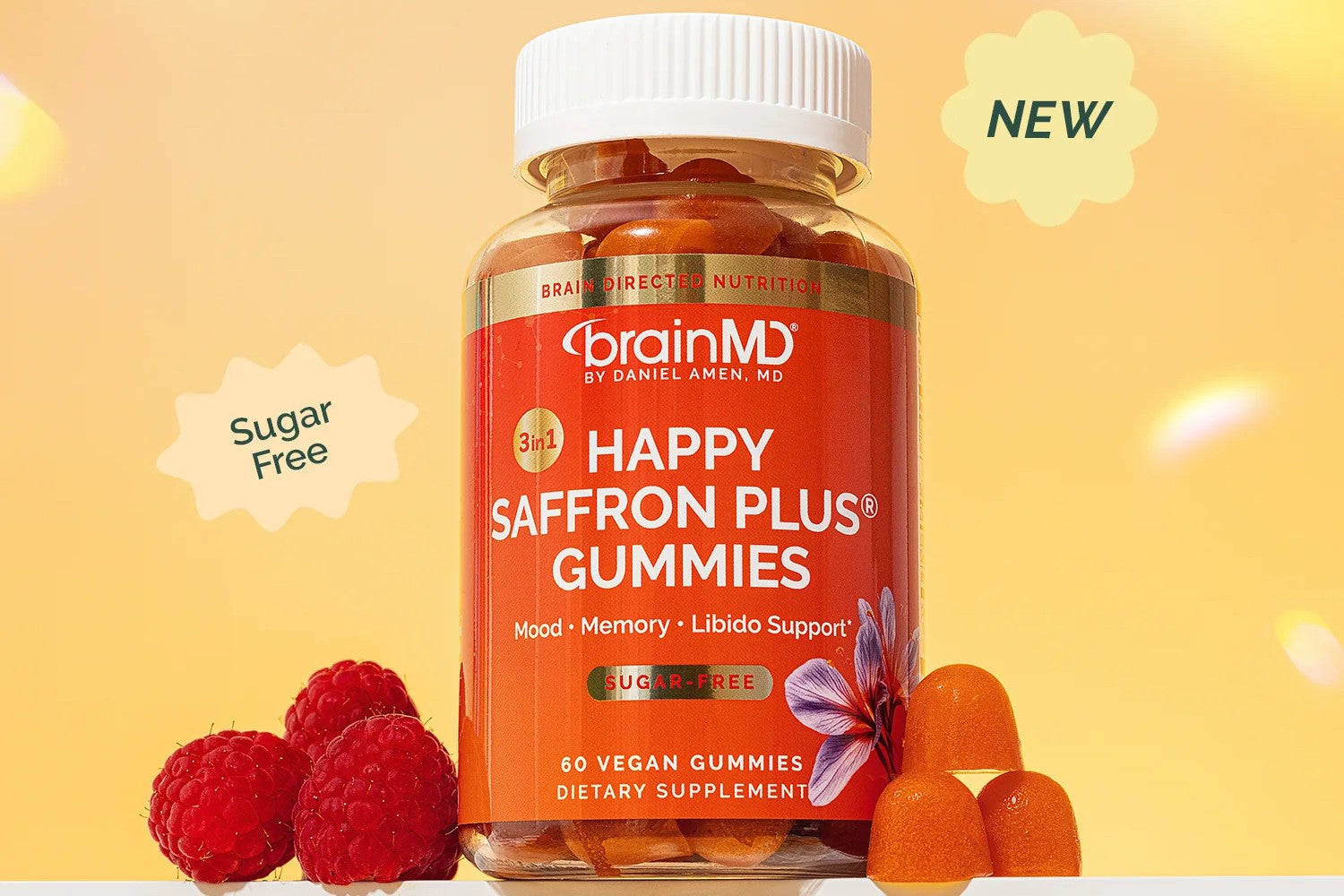
Saffron for Depressive Thoughts According to the National Institutes of Health (NIH), 38 million Americans suffer with mood disorders each year, and 78 million will be afflicted at some point in their lives. Left untreated, mood issues can have serious personal, relational, occupational and social consequences. Until recently, many people felt that mood problems were the result of a weak will, bad character, or sin. Recent brain science has revealed that these disorders are in large part the result of brain dysfunction. Depressive thoughts are associated with low levels of certain neurotransmitters, especially norepinephrine, dopamine, and serotonin, as well as deficiencies in omega-3 fatty acids. When people with anxious or depressive thoughts seek help (typically from a primary care physician), most receive medication as the only intervention. However, these medications often have significant side effects, especially in the area of sexual dysfunction, weight gain, and relapse. What is Saffron Used For? Multiple research studies suggest that saffron, a spice derived from the flower of Crocus sativus, may support healthy levels of serotonin in the brain, a neurotransmitter that contributes to feelings of happiness and well-being. Saffron is high in carotenoids and B vitamins that help increase the levels of serotonin and other chemicals in the brain that are associated with mood concerns. A meta-analysis of five studies found saffron extract to be as effective as antidepressant medication in treating people with depressive tendencies. Another study found saffron to be as effective as fluoxetine (Prozac) in reducing mild to moderate mood dysregulation. Additionally, research has demonstrated the effectiveness of curcumin, the naturally occurring chemical compound in turmeric, as an effective and safe therapy for treatment in patients with depressive thoughts and memory issues. One study in particular found that not only was curcumin tolerated well by all the participants, but they discovered curcumin was as effective as Prozac in managing mood. Saffron & Curcumin Benefits In a 2013 study of human subjects with depressive propensities, curcumin’s effectiveness was similar to that of a standard antidepressant medication. More importantly, curcumin contains none of the side effects associated with common antidepressant medications and provides additional health benefits as well. Recent research published in the Journal of Affective Disorders looked at the effectiveness of both curcumin and saffron in treating major mood issues. In this randomized, double-blind, placebo-controlled study of 123 individuals with major mood disorder, it was shown that doses of curcumin and combined curcumin/saffron were effective in reducing anxious and depressive thoughts. Dietary supplements can be a great way to attain the same nutrients that research studies have found to deliver amazing health benefits. Supplements can help enhance the functions of the body with little to no side effects. It's important when taking dietary supplements that you are confident in their quality, and that you speak to a nutritionally informed physician before beginning any new regimens. For more information about our full catalog of brain healthy supplements, visit the online store at BrainMD.
Learn more
Is Your Sugar Substitute Any Better Than Sugar
In an effort to provide sweet options to the people who choose not to eat sugar, food manufacturers, as well as good-intentioned but misinformed nutrition “experts”, recommend swapping sugar with natural sweeteners such as honey and maple syrup. Don’t believe the claims that these sweeteners are wholesome, healthy substitutes for sugar. Whether it comes from a beehive, a maple tree, or any other natural source, sugar is sugar. Sure, these foods are often less processed than table sugar, so you may feel better about using them. But their effect on your blood sugar, insulin, liver, and cholesterol are the same. If you like a little sweetness in your tea or smoothies, try stevia, which is a much safer option than sugar or artificial sweeteners. Stevia is an herb with leaves that are ten to fifteen times sweeter than sugar. You can buy stevia plants at nurseries or grow them from seed and use their leaves as natural sweeteners. Many people refer to it as the “natural” alternative sweetener. However unless you are crushing stevia leaves and using them to sweeten your favorite drink, we’re not talking about a totally natural sweetener. You can also buy stevia extract which is extracted from stevia leaves that are dried with a water-extraction process. It is refined using ethanol, methanol, and crystallization. The extract then goes through ultra-filtration and nano-filtration to remove those alcohols. Be sure the brand you buy has no alcohol remaining in it. Stevia extract is as much as two hundred to three hundred times sweeter than sugar, so you need only the tiniest amount. If you use too much, you may taste its bitter licorice-like aftertaste. Use it sparingly until you get the hang of it. For many uses, you might try vanilla or chocolate-flavored stevia as it tastes less bitter if you happen to use too much. Stevia (the leaf) has been used in South America for centuries and in Japan for decades. So far, there is no evidence that stevia is anything but safe. Some early studies (done with the extract) suggested that it might cause genetic damage in the people who consumed it, but the studies turned out to be flawed because the data were mishandled. Stevia does not impact blood sugar levels the way sugar does, and it does not acidify the system the way toxic sugar substitutes do. There is some evidence to suggest that it may stabilize blood sugar levels, enhance glucose tolerance, and reduce blood pressure—but more research is needed to figure that out for sure. If you take blood pressure medication or medication for diabetes, use stevia with caution. There is some evidence that it may act synergistically with these medications and could cause hypotension (low blood pressure) and hypoglycemia (low blood sugar). You will find stevia to be the sweetener of choice in BrainMD Health food products because it has the least reported problems and the greatest reported health claims. Please note that stevia should be used in limited amounts, as it still keeps the taste buds hooked on the “sweet” taste of foods.
Learn more
Here Are Some of the Top Reasons You Should Be Nuts About Coconuts!
Common Coconut Misconceptions First of all, coconuts aren't even nuts, nor are they fruit. They’re actually seeds! Second, contrary to popular belief, coconuts aren't bad for your health. They're actually so nutritious that many consider them a super-nutrient food – one that nourishes your brain and body, satiating hunger with healthy fats, protein, and fiber. Coconut Origins The coconut got its name from early Spanish explorers who used the word “coco” (which means “monkey face”) to describe it because the three indentations (eyes) on the hairy nut resembles the head and face of a monkey. Once it made its way to Europe, the word “nut” was added to its name. Today, coconuts grow in tropical climates that are frost-free, such as those in Africa, Asia, Latin America, and the Pacific region. What's In Coconuts? Coconuts contain ample water, protein, fat, carbohydrates, fiber, vitamins, minerals, and amino acids for people to live on. The shell and its fiber can be used for rope, cooking fires, currency, and flotation devices – talk about an all-purpose food! So Why the Bad Rap? Manufacturers commonly put coconut oil through a process called hydrogenation, which basically turns it into unhealthy trans fats. Hydrogenated coconut oil is used in all kinds of poor-quality junk food. It's hydrogenated coconut oil that's bad for you – NOT coconut in its natural, unprocessed form. Also, coconut, and the products derived from it, has been wrongly labeled an unhealthy food because of its well-established high saturated fat content. However, while the saturated fat in animal foods can be harmful to the cardiovascular system, the saturated fat in coconut is different than that in animal-based foods. What Are MCTs? Saturated animal fat links together in chains called long-chain fatty acids (LCFA). However, the saturated fat in coconut oil forms medium-chain fatty acids. The length of the chain makes a big difference in how fat is metabolized. Fats joined in medium chains (also known as medium-chain triglycerides, or MCTs) have a different impact on the body than fats joined in long chains. MCTs are digested and absorbed immediately through the liver and are available for quick energy. This makes them less likely to contribute to obesity and high cholesterol. Additionally, the MCTs in coconut speed up metabolism and are helpful to the brain; they are quickly converted by the liver to ketones, which serve as backup fuel for our brains and our bodies. You’ll find high-quality, ultra-pure MCTs in BrainMD’s quick energy supplement… Brain MCT Energy Brain MCT Energy is an oily dietary supplement that offers medium-chain triglycerides (MCT), which rapidly boost the body’s energy generation, especially in the brain.* These are “good fats” that provide tremendous benefits for mental performance, including focus and learning.* Benefits of Brain MCT Energy: Enhanced cognitive function* Improved long-term memory* Healthy energy levels without caffeine* Better weight management* Support for healthy brain aging* Clean Energy...NOW! This organic MCT oil from sustainably harvested coconuts provides healthy fats that are rapidly metabolized, enhances satiety to assist with weight management, improves the brain benefits of aerobic exercise, supports cognitive and memory function, and is vital for whole-body health for people of all ages.* Brain MCT Energy is a clean and fast-acting energy source for peak brain & body performance.* Try it today! At BrainMD, we’re dedicated to providing the highest quality supplements to improve your physical health and overall well-being. For more information about Brain MCT Energy and our full list of brain healthy supplements, please visit us at BrainMD. *These statements have not been evaluated by the FDA. This content is for informational purposes only. It is not meant to substitute for medical or healthcare advice from a physician, nor is it intended to diagnose, treat, cure, or prevent any disease. Consult your healthcare provider before beginning a new health regimen.
Learn more
Struggling with a Vitamin B6 Deficiency?
Do you struggle with a low mood? Are you challenged with irritability? Do you worry frequently? Are you feeling fatigued? If you answered yes to some or all of these questions, it is possible that you are experiencing a vitamin B6 deficiency. Previously thought to be relatively rare in the United States, research conducted at Tufts University has demonstrated that vitamin B6 deficiency is much more common than previously thought. The B vitamin family is made up of eight B vitamins, each of which performs unique and important functions. Additionally, these important vitamins are water-soluble. Since they are eliminated in urine, we require a continuous daily supply in our diet as our bodies cannot store it. Otherwise, it is important to supplement to ensure sufficient intake. Many people are surprised to learn about the critical role that vitamin B6, also known as pyridoxine, plays in their health. It is important in the production of such critical neurotransmitters as serotonin, epinephrine, norepinephrine, GABA – which help improve mood – and melatonin, a hormone that supports your natural body clock. Additionally, vitamin B6 is essential for at least 100 enzymes that help the body utilize amino acids, fatty acids, and carbohydrates. It is also vital for early brain development and for supporting the body’s innate antioxidant defenses. B vitamins, including vitamin B6, also help support adrenal function and help calm and maintain a healthy nervous system. Although vitamin B6 is found in a variety of foods – like leafy green vegetables, chickpeas, tuna, beans, beef, liver, and bananas – there is growing evidence which suggests that the systemic inflammation underlying most chronic diseases may impair vitamin B6 metabolism. Therefore, BrainMD Health is proud to utilize the two chemical forms of vitamin B6 that are most fully absorbed and utilized. Two of the products where these special forms of vitamin B6 can be found are Serotonin Mood Support and GABA Calming Support. If you are interested in trying a supplement that promotes a tranquil mind and body while supporting your vitamin B6 levels, give Serotonin Mood Support or GABA Calming Support a try. Your satisfaction is guaranteed!
Learn more
Chronic Insomnia Triples Your Risk of Death
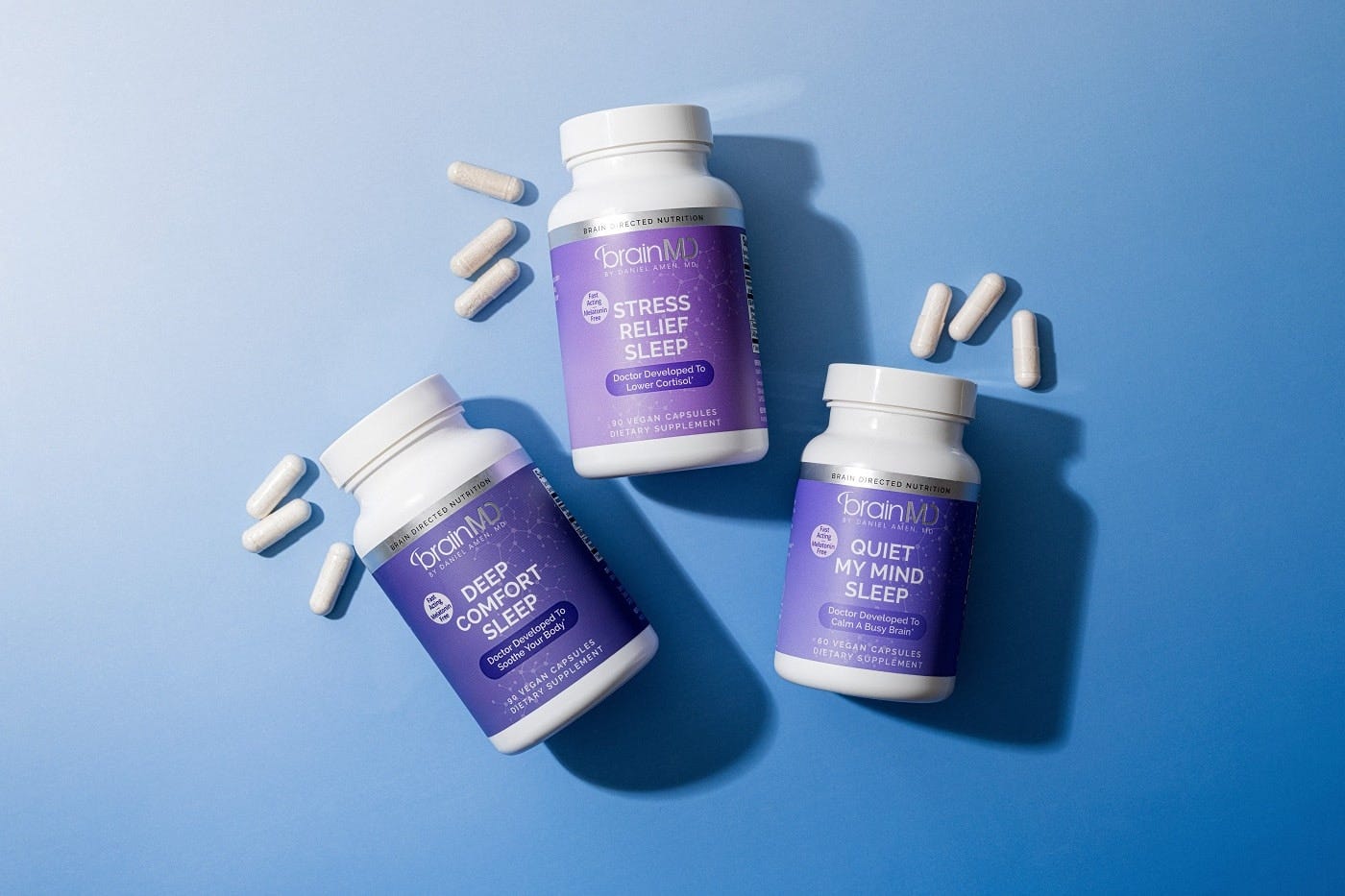
If you have followed my work, then you likely know that I recommend three simple strategies to achieve optimal brain health. Develop brain envy (you have to really care about it) Engage in regular brain-healthy habits Avoid anything that hurts your brain But did you know that one of the fastest ways to hurt your brain is to get less than seven or eight hours of sleep at night? That’s right! In fact, chronic insomnia triples your risk of death from all causes and is related with cognitive decline. We are in the midst of an insomnia epidemic. According to the National Institutes of Health, 30% of the population has chronic sleep problems and 10% are affected by symptoms of sleep deprivation during the day. The prescriptions for sleep medications, such as Ambien and Lunesta, have skyrocketed in the past decade. In 1900 Americans, on average, got 9 hours of sleep a night. In 2008, we got only an average 6 hours of sleep at night. Our brains were not designed to have a 33% decrease in sleep in such a short period of time. Getting less than 6 hours of sleep has been associated with lower overall brain activity, which affects mood, focus, productivity, weight, health, physical safety, and memory for days after. Lack of sleep lowers brain activity in the temporal lobes, which are involved in learning, memory, and mood stability. This makes it harder to pay attention, solve problems, and remember important information, and it makes you more likely to make mistakes. Sleep-deprived people are definitely not smarter. They are not happier either. People who are tired from lack of sleep tend to feel irritable and cranky. In one study, 44 percent of American workers admitted that when they are sleep deprived, they are more likely to be in an unpleasant or unfriendly mood. Teenagers who average an hour less sleep than their peers have a higher incidence of depression and suicide. When you sleep less, you eat more and are more likely to be obese. The negative effects of sleep deprivation are so great that people who are drunk outperform those lacking sleep. Fascinating new research has shown that the brain actually cleans or washes itself only during sleep. The brain has a specialized fluid system that helps to rid it of toxins that build up during the day, including beta-amyloid plaques thought to be involved in Alzheimer’s disease. During the day the brain is so metabolically active managing our lives that this cleaning system is inactive. It only turns on when we’re sleeping. Without healthy sleep, this waste clearance system doesn’t have enough time to operate, thus allowing toxins to build up over time, which can cause cognitive and emotional problems. Think of sleep deprivation’s effect on your brain as what your home or office might look like if no one bothered to take out the trash for a month. Make sleep a priority and strive to get seven to eight hours a night. So what do you do when you are lying awake with a restless mind struggling to get sufficient quality sleep? If only counting sheep worked! While there are many causes of sleep disturbances, a good nutritional supplement that supports your body’s natural relaxation response and healthy sleep cycle can make all the difference. BrainMD Health’s Restful Sleep is one such supplement. Dr. Amen’s formula eases you into sleep, helps you stay asleep all night, and wake up feeling great, not groggy. “Good sleep makes an incredible difference to health and quality of life. Restful Sleep works gently with your body to help you get the sleep you need.” – Daniel G. Amen, MD
Learn more
Why Pets are Good For Your Health
Dietary supplements are a great resource to improve your health. You expect us to say that, right? But we know that supplements are just one aspect of a very complex lifestyle that affects your health and emotional wellness. Today, we’re making a case for something else you can do to benefit your health: cute, fuzzy, maybe scaly, pets! Bet you weren’t expecting that… Let’s Get Physical Among other things, owning a dog can help you get healthy by increasing your physical activity. Playing with your dog and walking your dog forces increased exercise which in turn helps you lose weight, lowers blood pressure and reduces stress. Other pets can help you get up and move, too. Even if you prefer a cat, you still have to play with them, get up to feed them, check that they have water, and clean up after them. Every step, every movement counts! Science Says So Many studies have been done on humans and their interactions with animals. From an analysis of 69 original studies came a series of conclusions about the psychosocial and psychophysiological effects of human-animal interactions.1 Basically someone looked at a bunch of studies and found all the amazing benefits of pets and wrote them down for us. It’s how a scientist would write a love letter to animals. Chill Out Multiple studies covering a variety of age groups found that the presence of friendly animals decreased cortisol, the hormonal indicator of stress, when experiencing stressors. Other studies found that the presence of friendly animals, and petting animals, lowered blood pressure during or just before stressful situations. One study even found that the presence of one’s own pet had a greater effect on lowering blood pressure during stressors than the presence of a friend or even their spouse! Yep, loving the dog more than your spouse may not be that uncommon. Other studies measured mood and self-reported fear and anxiety when a live animal versus a stuffed animal was petted. They saw significant benefits with live animals; ruling out the possibility that the act of petting was the calming factor in previous studies. Old Dogs, New Tricks A significant area of study has been the effects of pets on the elderly. Studies have shown that individual visits with pets have improved feelings of sadness and loneliness in the elderly. One specific study compared the effects of group visits to individual visits with the animals and found improved results with individual visits. Pets can help give elderly a sense of purpose, the feeling of being needed, and a distraction from negative thoughts and even some physical pains. It’s a Win-Win Elderly adopting pets is also a great benefit to the abundance of abandoned pets that need a loving home. Most elderly are retired and have ample time to share with a pet. It is important to consider the type of pet that is appropriate for each individual based on their physical, monetary, and environmental limitations. If Mom or Dad can’t walk very easily, and live in a small apartment, a husky might not be the best fit for them as they need hours of physical activity every day. Similarly, a fish is a much more affordable pet than a large breed dog. It is also commonly advised to seek older pets, as puppies and kittens for example, require much more work and care. Go Adopt No matter your age, ailment, or circumstances, studies show that the love and companionship, or even just the presence of an animal can have positive benefits to your mood, stress, and overall health! Visit your local shelter to see what pet might be right for you! References: Beetz, Andrea et al. “Psychosocial and Psychophysiological Effects of Human-Animal Interactions: The Possible Role of Oxytocin.” Frontiers in Psychology 3 (2012).
Learn more
Focus on Choline: Improve Focus & Memory
Believe it or not, summer is coming to an end. It is the back-to-school and, for a lot of people, back-to-work, time of year – a time requiring focus, concentration, and memory. Plenty of people struggle with those…and if you are one of those, it is time to pay attention to choline. Choline? Many have never even heard of it before, let alone been aware they needed to pay attention to it. So what is choline? Although not technically a vitamin by strict definition, it is an essential nutrient required for many functions of the body, especially for brain function. It is also involved in healthy liver function, nerve function, and muscle movement, as well as supporting energy levels and maintaining a healthy metabolism. One of the primary functions of choline is helping brain cells in the production of acetylcholine, a key neurotransmitter for mental focus and learning. A choline deficiency can result in poor concentration, poor memory, mood changes and other cognitive impairments, especially as someone ages. Additionally, choline plays an important role in maintaining the structural integrity of cell membranes and for cholinergic neurotransmission, which is responsible for memory, mental clarity, focus and concentration. Choline has been shown in research to be helpful in improving cognitive performance in a young, cognitively healthy, community-based population of 1,391 subjects. Furthermore, choline is a major dietary source of methyl groups, which the brain needs for making the neurotransmitter epinephrine, the sleep hormone melatonin, and the myelin insulation of its nerve cells. Our neurons and all our other cells also require methyl to make and maintain their DNA, to manage their healthy gene activity (epigenetics), for growth and maintenance, regulation of potentially toxic homocysteine, and for numerous other life functions. While our bodies are able to make a small amount of choline on their own, we must obtain the rest from food sources. Choline can be found in foods including egg yolks, liver, beef, salmon, cod, cauliflower, Brussel sprouts, and peanut butter. You may have heard eggs referred to as “brain food” because they are so rich in choline. Research indicates that a large percentage of women, children, and older men are not receiving adequate choline in their diets. Choline is especially present in animal products, so vegetarians and vegans are more prone to experiencing a deficiency in choline. Although eating a varied diet increases the likelihood that you are consuming enough choline, you may want to consider trying a supplement that contains choline – especially if you find yourself struggling with memory, focus, attention, or learning. The nutritional ingredients in our BrainMD products are specifically designed for the health of the organ that controls everything we do, think and feel—the brain. Focus & Energy and Attention Support both contain Choline for improved focus. Read more about these two different products on the BrainMD website to better understand how they may benefit you.
Learn more
How Taking Supplements Could Save You Millions
Did you know that the United States spends drastically more on health care than any other nation? According to the Centers for Disease Control and Prevention (CDC), our health care expenditure is more than twice the average of 29 other developed countries and yet the average life expectancy in the United States is far below many other nations that spend less on health care each year. Furthermore, 75% of our health care dollars go to the treatment of chronic disease, with only 3% spent on prevention. And while chronic diseases like cardiovascular disease, stroke, cancer, and diabetes are among the most common and costly of all health problems, they are also the most preventable. 75% of our health care dollars go to chronic disease treatment, only 3% on prevention. In fact, the World Health Organization has estimated that if the major risk factors for chronic disease were eliminated, at least 80% of all heart disease, stroke, and type 2 diabetes would be prevented, and more than 40% of cancer cases would be prevented. In light of this, a big question that many people are asking is regarding the value and benefit of using supplements as part of a health care approach. Are supplements really worth taking? In an exciting research report published by market research firm, Frost & Sullivan, the answer is an emphatic “YES”! The report, Smart Prevention – Health Care Cost Savings Resulting from the Targeted Use of Dietary Supplement, demonstrates that “the use of specific dietary supplements among those consumers that are at a high risk of experiencing a costly disease-related event can lead to a positive health care cost savings.” Of the eight particular supplements studied, the overall net potential health care cost savings varied from hundreds of millions of dollars into the billions of dollars. The report goes on to conclude that “targeted dietary supplementation regimens are recommended as a means to help control rising societal health care costs, and as a means for high-risk individuals to minimize the chance of having to deal with potentially costly events and to invest in increased quality of life.” The findings of this report provides one more reason for patients to have a discussion with their health care practitioners about incorporating supplement usage along with other healthy behaviors. At BrainMD Health, we’ve dedicated our careers to helping people feel better by creating the highest quality nutritional products for optimizing and balancing brain health. Backed by decades of experience, our clinical research team incorporates the latest scientific findings in creating a wide array of specialized formulas that support brain function, energy, memory and learning, mood, stress reduction and sleep. We are really proud of the BrainMD Health supplement line and we want them to work for you. That’s why we offer a 100% money-back guarantee if you are not fully satisfied. Learn more about our guarantee here.
Learn more
The Problem With Some Turmeric and Curcumin Supplements
Although often used interchangeably, the words curcumin and turmeric actually describe two different things. Turmeric is a yellow-orange spice, related to ginger, that is found in curry, while curcumin is the naturally occurring chemical compound in turmeric. There are three major curcumins – curcumin, demethoxy-curcumin, and bis-demethoxycurcumin – which are the substances most responsible for the 4,000-plus years of traditional medicinal use of turmeric root. Modern science has extensively researched these curcumins (technically, curcuminoid polyphenols) and established their powerful antioxidant and anti-inflammatory benefits along with a myriad of other positive actions. It isn't difficult to find research demonstrating the health benefits of curcumin, including benefits to cardiovascular health, cognitive health, and mood. But they have a fatal flaw: they are normally very poorly absorbed when taken by mouth. In fact, conventional curcumin powders and supplements can be so poorly absorbed that NO curcumin is actually found in the bloodstream – which translates to no appreciable benefit to the brain and body. Additionally, there is very little consistency in terms of quality control among curcumin supplements. Research done by ConsumerLab.com found that more than 20% of turmeric and curcumin supplements they selected for review delivered less than 15% of the advertised amount of the compounds. BrainMD Health is very proud to introduce Brain Curcurmins containing LONGVIDA® Optimized Curcumin Extract – a breakthrough formula optimized to deliver curcumin into target tissues through the critical bioavailability requirements of permeability, solubility, and stability. This dramatically improved oral absorption is verified by human trials. Furthermore, a triple-blinded clinical trial revealed important brain benefits of LONGVIDA®: conservation of working memory, improved calmness and "contentedness" (roughly equating to satisfaction) when under mental strain, and less tendency to physical fatigue from such challenges. In this trial the curcumin group also showed cardiovascular benefit, by lowering total and LDL cholesterol statistically better than the placebo group. The Brain Curcumins supplement from the BrainMD Health team supplies 25% more LONGVIDA® per capsule (500 mg) than was used in the clinical trial (400 mg), for additional benefit to mind and body. So if you are looking for a supplement that promotes alertness and calmness, supports working memory while under mental strain, and which is protective to your brain and body through powerful antioxidants, give BrainMD Health’s Brain Curcumins a try – your satisfaction is guaranteed!
Learn more
Health Benefits of Saffron
Ancient cultures around the world have cherished saffron for centuries and have cultivated it for a variety of reasons, including use as a culinary spice, digestive aid, and mood-boosting aphrodisiac. Derived from the flower of Crocus sativus, saffron is produced just as it has been since ancient times…by hand. The stigmas (the inside part of the flower which catches pollen) must be painstakingly handpicked and dried as machines are not delicate enough. Additionally, it takes 4,500 Crocus sativus flowers to produce just one ounce of saffron spice. This has earned saffron the position and title as the most expensive spice in the world – for good reason! In addition to being a delicious and valuable ingredient, vibrantly-hued saffron has several surprising health benefits. Consider the following ways: These Are 4 Surprising Health Benefits of Saffron 1. Help Your Mood Multiple research studies suggest that saffron may support healthy levels of serotonin in the brain, a neurotransmitter that contributes to feelings of happiness and well-being. Saffron is high in carotenoids and B vitamins that help increase the levels of serotonin and other chemicals in the brain that are associated with depression. In fact, a meta-analysis of five studies found saffron extract to be as effective as antidepressant medication in treating people with major depression.1 Another study found saffron to be as effective as fluoxetine (Prozac) in reducing mild to moderate depression.2 2. Support Your Immune System This colorful and delicious spice has many components, many of which are important antioxidants, such as a-crocin, zea-xanthin, lycopene, a- and ß-carotenes, that help protect the human body from infections, oxidant-induced stress, cancers, and which act as immune modulators. Furthermore, research has demonstrated that saffron can also help aid in a person's fight with cancer.3 Saffron is thought to help fight cancer by triggering apoptosis (programmed cell death) in a number of different types of human cancer cells. 3. Promote Learning And Memory Saffron also has a beneficial impact on learning, concentration, memory, and age related mental impairment. A recent study published in the Journal of Clinical Pharmacy and Therapeutics found that saffron improved cognitive function in study participants with mild to moderate Alzheimer’s disease.4 4. Suppress Your Appetite Studies show that saffron intake effectively enhances the serotonin levels in our body, which helps suppress the appetite or the impulse to eat. A particular saffron extract was found to reduce food cravings and other inappropriate food habits in clinical trials.5 It reduced feelings of hunger and lowered frequency of snacking, supporting appetite moderation and healthy weight management. References 1 Hausenblas HA, Saha D, Dubyak PJ, Anton SD. Saffon (Crocus sativus L.) and major depressive disorder: a meta-analysis of randomized clinical trials. Journal of Integrative Medicine. 2013;11(6):377–83. 2 Noorbala AA, Akhondzadeh S, Tahmacebi-Pour N, Jamshidi AH. Hydro-alcoholic extract of Crocus sativus L. versus fluoxetine in the treatment of mild to moderate depression: a double-blind, randomized pilot trial. J Ethnopharmacol. 2005 Feb 28;97(2):281-4. 3 Abdullaev FI, Cancer chemopreventive and tumoricidal properties of saffron (Crocus sativus L.). Exp Biol Med (Maywood). 2002 Jan;227(1):20-5. 4Akhondzadeh S1, Sabet MS, Harirchian MH, Togha M, Cheraghmakani H, Razeghi S, Hejazi SSh, Yousefi MH, Alimardani R, Jamshidi A, Zare F, Moradi A. Saffron in the treatment of patients with mild to moderate Alzheimer's disease: a 16-week, randomized and placebo-controlled trial. J Clin Pharm Ther. 2010 Oct;35(5):581-8. 5Gout B, Bourges C, Paineau-Dubreuil S. Satiereal, a Crocus sativus L extract, reduces snacking and increases satiety in a randomized placebo-controlled study of mildly overweight, healthy women. Nutr Res. 2010 May;30(5):305-13.
Learn more
Why Homocysteine is Important & What You Need to Know
Knowing the health of your brain is key to keeping it strong over the long run. If you have followed any of my work, you have likely heard me say, “you cannot change what you do not measure.” And although we routinely screen other organs for trouble, very few people ever screen the health of their brains. One of the critical ways to track the health of your brain is to know your important health numbers (such as BMI, waist-to-height ratio, sleep hours) and baseline screening labs (like fasting blood glucose, C-reactive protein, vitamin D, ferritin). Then work with your health-care professionals to optimize those numbers, not just have them in the normal range. However, there is one very important screening lab that the majority of people are not aware of: checking your homocysteine level. Most health-conscious people know their cholesterol level but few know their equally important homocysteine number. Homocysteine is a naturally-occurring amino acid that is quickly converted to another amino acid called cysteine. If conversion of homocysteine to cysteine is somehow impaired, homocysteine levels rise and become harmful. Elevated levels of homocysteine have been linked with a diverse spectrum of health disorders ranging from cardiovascular disease and stroke to migraine, macular degeneration, and cognitive decline. Additionally, research suggests that changes in homocysteine levels correlate with changes in mood. Most conventional physicians fail to detect and treat elevated levels of homocysteine in the blood. High homocysteine levels in the blood increase LDL cholesterol, which have been associated with damage to the lining of arteries and atherosclerosis (hardening and narrowing of the arteries). So what can you do to regulate your homocysteine levels? Reduce your coffee intake. Two studies showed that 200 mg of caffeine (equivalent to two cups of coffee) raised homocysteine levels. Eat more fruits and vegetables. This can help regulate your homocysteine level by increasing how much folate you get in your diet. Good sources of folate include spinach, asparagus, broccoli, strawberries, and blackberries. Increase the amount of vitamins B-6 and B-12 in your diet. Garbanzo beans (also called chickpeas), salmon, organ meats (such as liver), chicken, bananas, sweet potatoes, lentils, and sunflower seeds are all excellent sources of vitamins B-6 and B-12. Lose weight if you’re overweight. Multiple studies have demonstrated that an increase in Body Mass Index (BMI) is associated with an elevated homocysteine level. Conversely, other studies have shown that a decrease in weight is correlated with a decrease in homocysteine levels. Supplement with betaine. BrainMD Health’s new supplement, Betaine TMG supports healthy homocysteine metabolism. Betaine readily provides methyl needed to recycle homocysteine. Many individuals who are unable to achieve healthy homocysteine regulation by taking folate and vitamin B12 experience success by taking betaine. To promote healthy homocysteine metabolism, take 2 capsules once or twice daily. Betaine is very safe to take, and some individuals may benefit from even higher intakes, as recommended by a nutritionally informed practitioner.
Learn more