 Skip to content


Wellness Blog



What Causes Oxidative Stress and How Can I Fight It?
In today’s world, our bodies are constantly being bombarded with free radicals that can wreak havoc on our cells. If you feel sluggish and lack energy, you may be dealing with the effects of oxidative stress. Let’s take a closer look at the role oxidative stress plays in the body, as well as some top nutrients that can help revitalize your body from within. What is Oxidative Stress? Oxidative stress is a natural process that occurs in our bodies, where unstable free radicals and reactive oxygen species (ROS) are produced as a by-product of cellular metabolism. When these free radicals accumulate in the body, it can lead to the damage of important molecules such as DNA, proteins, and lipids, as well as cells and tissues. This can lead to various health issues such as heart and neurodegenerative issues. Antioxidants are molecules that can help neutralize free radicals. However, when there are too many free radicals and not enough antioxidants, oxidative stress can occur. Put simply, oxidative stress is a natural process that occurs in the body when there’s an imbalance between free radicals and antioxidants. Dangers of Oxidative Stress While some degree of oxidative stress is necessary for our body to function properly, excessive levels can lead to cellular damage. This can have negative effects on various systems in the body, including the immune and cardiovascular systems, and even the brain. It also can play a role in aging and age-related decline in cognitive function. Common Causes of Oxidative Stress There are several factors that can contribute to increased levels of oxidative stress. Here are some common causes: [wc_box color="inverse" text_align="left" margin_top="" margin_bottom="" class=""] Poor Diet: A diet high in processed foods, refined sugars, trans fats, and low in antioxidants like fruits and vegetables, can lead to an imbalance between free radical production and antioxidant defense mechanisms in the body. This imbalance can promote oxidative stress. Environmental Factors: Exposure to environmental pollutants such as air pollution, UV radiation from the sun, or other sources like tobacco smoke also can increase the levels of oxidative stress in our bodies. Stress: Excessive physical or mental stress can trigger the release of cortisol – a prominent stress hormone – which produces ROS that can cause increased oxidative damage. Inflammation: Inflammation is one of nature’s first responders to injury or infection. However, when inflammation becomes severe, it can produce excessive amounts of ROS leading to cell damage, which can contribute to oxidative stress. Toxins: Our bodies are inundated with toxins every day through things we consume, like alcohol and medications, or other harmful substances we’re exposed to, like pesticides or heavy metals. These all can generate excess ROS, resulting in oxidative damage at the cellular level. Sedentary Lifestyle: Regular physical activity may help reduce oxidative stress through the production of endogenous antioxidants. Conversely, a sedentary lifestyle may cause increased levels of oxidative stress in the body. Age: As we age, our bodies become less efficient at neutralizing free radicals, which can lead to increased oxidative damage and reduced cellular repair processes. Serious Illnesses: Many serious illnesses, such as cardiovascular and neurodegenerative issues, may be caused by increased oxidative stress and inflammation. Genetics: Some individuals may inherit genetic mutations that can make them more prone to increased levels of oxidative stress and related health issues. Lack of Sleep: Poor sleep or inadequate sleep may cause increased levels of oxidative stress and inflammation in the body. [/wc_box] How To Combat Oxidative Stress The good news is that there are ways to combat oxidative stress and protect your body from its harmful effects. These include: Eating a nutrient-dense diet with plenty of fruits and vegetables Engaging in regular exercise Managing stress through relaxation techniques like meditation or yoga Reducing exposure to environmental toxins by using natural cleaning products and avoiding smoking or secondhand smoke Another effective way to combat oxidative stress is by including specific nutrients in your diet that have antioxidant properties. Here are some of the best nutrients to help reduce the effects of oxidative stress. 7 of the Top Nutrients to Help Reduce Oxidative Stress 1. Coenzyme Q10 Coenzyme Q10 (CoQ10) is a compound found naturally in our bodies that acts as an antioxidant. Its primary role is to generate energy in the cells, but it also helps neutralize free radicals. Supplementation with CoQ10 may help reduce oxidative stress markers in people with heart and blood sugar issues. 2. Curcumin Curcumin is the active compound found in turmeric, a spice commonly used in Indian and Asian cuisines. It has potent anti-inflammatory and antioxidant properties that may help reduce oxidative stress by neutralizing free radicals. 3. Glutathione Glutathione is an antioxidant produced naturally within the body that plays a crucial role in reducing oxidative stress. It helps detoxify harmful compounds such as heavy metals and neutralizes free radicals to prevent cell damage. While glutathione supplements are available, eating foods rich in its precursors (cysteine and glycine) – such as eggs, garlic, and onions – can support its production. 4. N-Acetyl L-Cysteine N-Acetyl L-Cysteine (NAC) is a compound derived from the amino acid cysteine, which is a precursor to glutathione production. It acts as an antioxidant by replenishing glutathione levels in the body and helps protect cells from free radical damage. NAC supplementation may help reduce oxidative stress markers in people with persistent respiratory issues. 5. Resveratrol Resveratrol is a polyphenol compound found in red wine, grapes, and various fruits and vegetables. It has potent antioxidant and anti-inflammatory properties that make it a popular supplement for fighting oxidative stress. Resveratrol can protect cells from damage caused by free radicals and may help improve cognitive function, heart health, and longevity. 6. Vitamin C Vitamin C is a well-known vitamin that plays a crucial role in reducing oxidative stress by neutralizing free radicals. It helps protect cells from the damage caused by unstable molecules and may help improve immune function, heart health, and even anti-aging effects. Including foods rich in vitamin C – such as citrus fruits, berries, kiwi, broccoli, and bell peppers – into your diet can help provide a good dose of this powerful, versatile antioxidant. 7. Vitamin E Vitamin E is another potent antioxidant that can help reduce oxidative stress by protecting cell membranes from free radical damage. It works together with other antioxidants like vitamin C to enhance their effectiveness in combating oxidative stress. Excellent sources of vitamin E include nuts (almonds, hazelnuts), seeds (sunflower seeds), avocadoes, spinach, and olive oil. Reduce the Effects of Oxidative Stress Oxidative stress is a normal process that occurs in the body. When it becomes excessive, oxidative stress can cause significant damage to cells and tissues, which can lead to serious illnesses. Adding these top 7 nutrients for reducing oxidative stress to your diet may help balance free radicals and antioxidants in your body, promoting overall health and well-being. Always consult with a healthcare professional before adding any new supplements to your routine, especially if you’re taking any medications or have underlying health conditions. At BrainMD, we’re dedicated to providing the highest purity nutrients to improve your physical health and overall well-being. For more information about our full list of brain healthy supplements, please visit us at BrainMD. These statements have not been evaluated by the FDA. This content is for informational purposes only. It is not meant to substitute for medical or healthcare advice from a physician, nor is it intended to diagnose, treat, cure, or prevent any disease. Consult your healthcare provider before beginning a new health regimen.
Learn more
7 Ways to Increase Serotonin Without Medication
If you or a loved one has ever struggled with persistently feeling low, you may be aware that sometimes medications are prescribed to increase levels of the “feel-good” neurotransmitter serotonin in an effort to boost mood. Indeed, research on happiness suggests that serotonin plays an important role in our mood and well-being. When serotonin levels are low, people tend to feel low, too. They may get stuck on worries and negative thoughts. Low serotonin levels can affect more than mood. This important neurotransmitter also helps to regulate appetite, sleep, learning and memory, social behavior, sexual desire, and even body temperature and breathing. When serotonin levels are even slightly off balance, it can impact many of these areas. Low serotonin also might lead to poor sleep, changes in appetite, or emotional eating. Medication may be necessary for people diagnosed with a mood disorder. However, for other people who simply wish to brighten their mood and feel their best, taking action to naturally boost serotonin levels in the body makes sense. What’s more, the lifestyle actions one takes to boost serotonin naturally also can support general health and well-being. It’s a double win! Here’s how to increase serotonin naturally. 7 Ways to Increase Serotonin Production, Naturally 1. Move Your Body Most of us have experienced the mood-boosting effects of exercise. It isn’t too surprising then to learn that a number of studies have noted markers of increased serotonin levels following exercise. In particular, aerobic exercise – such as running, cycling, or a sport such as tennis or pickleball – can stimulate the release of serotonin. It doesn’t take much. Just 30 minutes of even moderate activity (such as walking or hiking) can double levels of serotonin. Some research has shown that regular exercise can be even more effective than counseling or medication in helping to improve mood! Of course, exercise is excellent for your overall health, too. It increases blood flow to your brain, which is good for brain health. And if you do an exercise like yoga, you get the mindfulness and relaxation benefits as well. 2. Connect with Loved Ones We are social creatures, and research shows that spending time with those we love can help increase serotonin levels. Don’t forget that “loved ones” extends to our four-legged friends as well. If you don’t have any pets, volunteer at an animal shelter or offer to look after a neighbor’s cat or dog. 3. Eat Foods That Boost Serotonin Production There are a number of foods that contain nutrients shown to play a role in helping to boost serotonin levels. Let’s start with carbohydrates. There’s a reason we love simple carbs such as potatoes, pasta, bread, pastries, and crackers. These foods tend to boost insulin levels, which limit certain competing amino acids and allows more tryptophan to cross the blood-brain barrier and enter the brain. Tryptophan is a building block for serotonin. Brain cells then can use the tryptophan to synthesize serotonin. However, since simple carbs aren’t the healthiest foods, consume complex carbohydrates such as whole fruits (apples, berries), sweet potatoes, carrots, and beans. They’re healthier, nutrient- and fiber-rich forms of carbohydrates that can help to boost serotonin and offer multiple health benefits. Speaking of tryptophan, eating foods rich in l-tryptophan is another way to boost serotonin levels. That includes protein-rich foods such as chicken, turkey, beef, salmon, tuna, and eggs. Vegetarian sources of l-tryptophan include tempeh, lentils, beans, spinach, and other green leafy vegetables. Also, nuts such as almonds and pistachios, and seeds such as pumpkin and chia seeds, are good sources of l-tryptophan. Even better, if you eat these foods rich in l-tryptophan with complex carbohydrates, it helps to ensure tryptophan crosses the blood-brain barrier. These foods are also rich in vitamins and minerals, and in some instances healthy fats as well, supporting many areas of health. Nutrients such as magnesium, zinc, fish oil, and vitamins C and B6 can aid in metabolizing and utilizing serotonin more efficiently too. In addition to the foods already mentioned, fruits and vegetables such as broccoli, Brussels sprouts, bananas, oranges, and tomatoes are rich in many of these nutrients. 4. Be of Service There’s something that occurs in our brains when we act altruistically. Kindness is associated with increases in serotonin as well as other feel-good neurotransmitters such as oxytocin and dopamine. 5. Support Your Gut Health The microflora in your gut plays a major role in producing neurotransmitters such as serotonin. In fact, most of the serotonin in your body is produced in your gut, so tending to your gut health can certainly support healthy serotonin levels. Stress, illness, and diet are three major factors that can impact the delicate balance of your gut microbiome. When your gut bacteria are out of balance, it can affect the absorption of tryptophan, which is needed to synthesize serotonin. Refined carbohydrates, artificial sweeteners, hydrogenated fats, fried foods, alcohol, gluten, and too much red meat can all disrupt the balance of microflora in your gut. Consuming fiber-rich foods such as fruits, vegetables, nuts, and beans – and probiotic-rich foods such as sauerkraut, kimchi, yogurt, and kefir – and taking a probiotic supplement can all support a healthy microbiome. Keeping stress levels in check by spending time in nature, meditating, or practicing yoga can help to support a healthy gut too. 6. Laugh Often Spend time with people who make you laugh, watch comedies, or just be willing to find humor in everyday situations. Research shows that laughing can alter both serotonin and dopamine activity, as well as decrease stress-making hormones found in the blood. It effectively mitigates the effects of stress! 7. Take Serotonin Supplements Taking a dietary supplement comprised of nutrients and herbs shown to support serotonin production is one more way to help boost serotonin levels naturally. BrainMD’s Serotonin Mood Support is formulated with specific scientifically studied ingredients to engage multiple mechanisms that help your brain to maintain healthy levels of serotonin. It supports increased calm and decreased anxiousness, while promoting a positive mood. The potent formula includes: 5-Hydroxytryptophan (5-HTP) – This nutrient absorbs readily and quickly reaches the brain, where it converts to serotonin. This enzyme also needs vitamin B6. Saffron – Derived from the Crocus sativus flower, this coveted and expensive spice has been used for thousands of years to promote happiness and is believed to support healthy levels of serotonin. Research using modern saffron concentrates have consistently shown improved mood. B Vitamins – Vitamin B6, methylfolate (vitamin B9, a pre-activated folate), and methyl-cobalamin (a highly utilized form of vitamin B12) all participate in the synthesis of serotonin and have been linked to positive mood. Improve Your Serotonin Levels All these actions can help you to better support serotonin balance in your body and feel your best. However, be sure to consult your medical doctor if you suffer from persistent low mood. At BrainMD, we’re dedicated to providing the highest purity nutrients to improve your physical health and overall well-being. For more information about our full list of brain healthy supplements, please visit us at BrainMD.
Learn more
What Is Andropause? What You Need to Know and What Can Help!
Do you have less energy than you used to? Is your waistline increasing while your libido is decreasing? If you’re a man in or approaching your 50s, these are some potential problems to be mindful of, as well as some strategies that might help your situation. Signs Of Aging In Men If you’re a middle-aged male, there may be signs that your age is catching up with you. Here are just a few: Low energy/fatigue Loss of ambition/low enthusiasm Reduced sex drive/erectile dysfunction Low mood/mood swings Poor concentration/memory problems Loss of muscle mass/joint pain Sleep issues/tiredness This is just a short list of symptoms; other, more serious, conditions may involve your heart or other organs. For many adult men, the culprit for their issues with energy, mood, and libido is low testosterone. Low Testosterone Testosterone is a hormone that’s important for male development. It’s responsible for the deepening of the voice, the growth of facial hair, and many other features traditionally associated with maleness. Also, testosterone is the primary hormone responsible for libido in men. As with many hormones, testosterone levels decrease with age. Testosterone peaks in adolescence and gradually declines around 1% each year thereafter. Those affected by this gradual decline in testosterone may experience emotional changes, physical changes, and changes in sexual function. The aging process can leave some men with low testosterone levels that have been shown to increase feelings of anxiousness, low mood, and a host of other issues. Testosterone also can be prematurely reduced (at any age) by long-term stress, environmental pollutant exposures, insulin imbalance, narcotic use, and many other lifestyle factors. If you find yourself gaining weight, even if your diet has remained consistent, you may be experiencing declining androgen levels. What Is Andropause? Androgens are a group of sex hormones, of which testosterone is the most well-known. Many men approaching their 40s and 50s go through a form of menopause called andropause. The symptoms of andropause include: lowered sex drive mood issues lack of motivation fatigue increased body fat decreased muscle mass, strength, and stamina Some men dealing with the symptoms of andropause may have problems with concentration and memory. Also, having low androgen levels may lead to metabolic issues, such as high blood pressure, high cholesterol, and high blood sugar. Having any of these symptoms may lead to significant health risks and potential higher incidences of premature aging and death. Treatments for Andropause Typical treatments for andropause may include medications and testosterone replacement therapy. However, getting testosterone injections can be expensive and may make health issues even worse for some individuals. Fortunately, there are some natural ways to treat andropause, too. In addition to common lifestyle interventions, such as getting consistent exercise and quality sleep, eating a healthy diet can be an important way to mitigate the symptoms of andropause. Here are some of the best nutrients to help relieve the issues related to andropause… 3 Best Nutrients for Managing the Symptoms of Andropause [wc_box color="inverse" text_align="left" margin_top="" margin_bottom="" class=""] Ashwagandha Ashwagandha (Withania somnifera) is a well-known herb that’s been used for centuries in Ayurvedic medicine. It’s an adaptogen that supports the body’s healthy response to stress by promoting calm and overall mental focus.* In addition, ashwagandha may help improve memory and attention.* A study conducted on overweight, andropausal men between 40-70, found that ashwagandha, when taken daily, can have a positive impact on such male hormones as DHEA and testosterone. Red Ginseng Red ginseng, from Korea, is a powerful anti-inflammatory and antioxidant.* This form of ginseng may help support energy and raise testosterone to a healthy level in the body.* A recent randomized, controlled trial involved overweight men struggling with the metabolic issues associated with low testosterone. After four weeks, participants who took red ginseng every day saw improvement in their total testosterone level, compared to the placebo group. Vitamin D Vitamin D is primarily known for building bones. However, healthy vitamin D3 levels also can help support your mood, boost your brain function, and generally improve your well-being.* Sometimes referred to as the sunshine vitamin, vitamin D3 promotes the actions of serotonin, dopamine, and other key brain neurotransmitters.* It’s involved in the healthy regulation of thousands of human genes and is crucial for a strong immune system.* So, is there a link between vitamin D and testosterone? One study, involving 54 men with low testosterone and vitamin D, saw increased concentrations of vitamin D in the supplement group. This increase led to a rise in bioactive, free, and total testosterone levels in the supplement group; the placebo group showed no significant change in testosterone levels. [/wc_box] Stay Proactive If you feel like you might be dealing with the symptoms of andropause, be sure to support your testosterone levels naturally with these nutrition and lifestyle recommendations for optimal health and well-being. Scheduling regular check-ups with your doctor is a smart way to maintain a healthy testosterone level. Men over 50 should educate themselves about andropause and its potential risk factors. Also, consider getting regular blood work, as recommended by your doctor. Early detection and treatment can help manage symptoms and prevent complications down the road, so don’t delay in reaching out to a trained medical professional if you’re having any of the above symptoms. At BrainMD, we’re dedicated to providing the highest purity nutrients to improve your physical health and overall well-being. For more information about our full list of brain healthy supplements, please visit us at BrainMD. *These statements have not been evaluated by the FDA. This content is for informational purposes only. It is not meant to substitute for medical or healthcare advice from a physician, nor is it intended to diagnose, treat, cure, or prevent any disease. Consult your healthcare provider before beginning a new health regimen.
Learn more
Meal Planning for Weight Loss: Best Tips to Help You Reach Your Goals
If you need or want to shed some weight, one winning strategy is planning your meals ahead of time. It’s one of the simplest ways for you to ensure you nourish your body well while also working toward weight-loss goals. Indeed, studies show meal planning can be helpful for losing weight. A 2021 weight-loss study found that participants who more frequently engaged in meal planning lost more weight over the course of the program. The meal planning appeared to be even more important than exercise planning in terms of effective weight loss. In a 2017 study conducted by French researchers, meal planning was associated with participants having both a healthier diet and less obesity. Here are some meal planning for weight loss tips gleaned from health experts and researchers. Top Meal Planning Tips to Help Maximize Weight Loss Getting Started To shed pounds, you’ll need to create a calorie deficit over the long run. Researchers have discovered that the most successful weight loss usually happens by reducing caloric intake enough to be effective, but not so much that it causes a great deal of discomfort (hunger) or restriction (deprivation). It’s a tricky balance. If your meal plan is too restrictive, you run the risk of losing control when less-than-ideal food choices are present. Generally, health experts recommend reducing calories by no more than 250-500 a day for safe, sustainable weight loss. Ensuring your meals are satiating and satisfying by including healthy fats, protein, and foods rich in fiber can help to protect against getting too hungry. Also, seriously cutting back on refined carbohydrates, saturated fat, and sugary foods will help to keep cravings down and blood sugar levels more even. If you plan to do any weight training or aerobic exercise, your physical activity needs to be considered in your food intake. Protein requirements increase if you plan to build muscle. Also, exercise is a major factor in calorie burning. Consult a registered dietician or healthcare provider to help you determine what type of food plan and caloric intake will be ideal. Your health, weight, age, activity level, and more can all factor into what will work best for you. It’s also important to consult your medical doctor before making any major changes to your diet, especially if you have any health conditions. What Foods Are Best? While there’s no one perfect eating plan for weight loss, choosing foods that support optimal brain and body health is a great place to start. That includes the following nutrient-dense foods: Colorful vegetables and fruits, as well as beans and legumes Healthy fats from nuts, seeds, avocado, olive oil, and omega-3 rich fatty fish Whole grains such as quinoa, rye, brown rice, whole oats, barley, and other cereal grains Lean, organic natural meats, poultry, and eggs; wild-caught fish Moderate amounts of dairy such as probiotic-rich plain yogurt or kefir and low-fat cheese as they are important sources for calcium, B vitamins, and vitamin D (unsweetened, enriched soy alternatives can work if you don’t eat dairy) Herbs and spices To support your brain and body health, there are some foods you need to limit: Refined carbs and added sugars (less than 10% of daily food intake) Saturated fat (less than 10% of daily food intake) Additives, preservatives, artificial sweeteners (try other sweeteners like stevia) Processed foods Alcohol The latest U.S. macronutrient guidelines suggest your diet be comprised of 10% to 35% protein; 25% to 35% healthy fat; and 45% to 65% quality carbohydrates. You may need to alter this ratio depending on your specific needs. Meal Planning Start by going online to get ideas for healthy and delicious meals, knowing your own personal restrictions. If you have family members or a spouse to consider, try to find recipes that can be modified for you. Once you have an idea of what you’d like, sketch out breakfast, lunch, and dinner, as well as snack options for 3-4 days to start. You can plan for longer periods after you get the hang of it. Plan healthy meals you think you’ll really enjoy. Here are some highly nutritious, brain healthy meal ideas to help inspire you: [wc_box color="inverse" text_align="left" margin_top="" margin_bottom="" class=""] Breakfast Overnight oats with chia seeds, Greek yogurt, and berries Scrambled eggs with added spinach, whole grain toast Protein smoothie with unsweetened protein powder, Greek yogurt, plant milk, berries, ground flaxseed and banana Lunch Tuna salad with quinoa, avocado and sunflower seeds Hummus and tofu hand roll on whole-wheat tortilla/chapati Egg salad over spinach and baby green salad with cucumber, beets, and walnuts Dinner Healthy turkey vegetable chili, garlic whole grain or sourdough toast, green salad Broiled salmon, steamed broccoli, and yam Chicken or tofu stir fry over brown rice Snacks Almond butter and sliced apples Greek yogurt and berries Veggie sticks and hummus Almonds and an ounce of dark chocolate [/wc_box] Devise a grocery list based on what you’ll need for your meals. Stick to it when you go to the market! Meal Prep Take an hour or two, perhaps on a Sunday, to do your meal prep. If you live with others, get them involved! Do all that you can ahead of time to facilitate ease during the week. The more prepared your meals and snacks are ahead of time, the easier it will be to stick to them. Here are some ideas of what you can prepare ahead of time. Consider using healthy cooking techniques to maximize the nutritional value of your food. You may need to invest in some glass containers for storage! Bake or grill chicken with olive oil, garlic, and seasonings. Chop when cooled and store. Cut and bake sweet potato brushed with olive oil. Store when cooled. Wash, dry, and chop lettuce, cabbage, and raw veggies, etc. Don’t do more than a few days’ worth to ensure freshness. Store. Bake beets and other mixed veggies together with olive oil and seasoning. Store. Cut fruit. Drizzle a little lemon on top to maintain freshness and dissuade bruising (especially when cutting apples). Store. Boil eggs. Peel and store. Make some quinoa and/or brown rice. Store when cooled. Prep overnight oats. Prep salmon with lemon and olive oil and your favorite seasoning so that it’s ready to broil. Store. Make your turkey chili. Portion and store when fully cooked. Freeze some for future use. Make your hummus. (You can also buy hummus at the market if you don’t want to make it. It doesn’t take long to make though and tastes delicious fresh!) Make a healthy salad dressing ready to go. Make some green iced tea or herbal iced tea to have on the ready. Once you have your bulk items prepared, portion out your meals and snacks for at least the next day – or maybe two days so they’re ready to go. Make a Change It may seem like a lot, but meal planning for weight loss is easier than you think. Enjoy the process as you’re taking time to really care for your health and action to ensure weight loss. At BrainMD, we’re dedicated to providing the highest purity nutrients to improve your physical health and overall well-being. For more information about our full list of brain healthy supplements, please visit us at BrainMD.
Learn more
What is Serotonin? Serotonin Functions, Ranges, Side Effects & More!
Do you ever wonder what makes us feel happy? One possible happiness generator is serotonin – the brain neurotransmitter responsible for mood regulation and overall well-being. Let’s look at the science behind serotonin to learn more about its functions and importance in our moods and daily lives. What Is Serotonin? Serotonin is a chemical found in the human body that helps regulate mood and social behavior. While serotonin is best known for its importance in the brain, it’s also present in other parts of the body, including the blood, central nervous system, and gastrointestinal (GI) tract. In fact, most of the body’s serotonin is found in the gut, where it helps to regulate digestion. So, how does serotonin work? When levels of serotonin are low, it can cause feelings of sadness or distress. But when levels are high, it can lead to mania or even psychosis. That’s why it’s important to have a balanced level of serotonin in your system. Low serotonin can be caused by genetic factors, stress, or certain medical conditions. High levels of serotonin can be caused by certain medications or drugs. Serotonin and the Brain Serotonin is involved in numerous brain functions, including mood, appetite, sleep, learning, and memory. This neurotransmitter is produced in the brain by neurons. It’s then stored in synaptic vesicles, which are tiny sacs that store neurotransmitters. When a neuron is stimulated, the vesicles release their contents into the synaptic cleft, which is the space between neurons. The serotonin then binds to receptors on the next neuron and activates them. This process allows serotonin to relay messages from one neuron to another. This chemical messenger is thought to help regulate mood and emotions. Low levels of serotonin can disrupt communication between neurons, and can lead to: feelings of sadness and hopelessness low mood loss of appetite sleep pattern disruptions feelings of anxiousness High/Low Serotonin Serotonin levels can affect a person’s mood and well-being. Having too much or too little serotonin can come with side effects. If there’s too much serotonin in the brain, it can lead to a condition called serotonin syndrome, which can be fatal. Symptoms of serotonin syndrome include high blood pressure, increased heart rate, sweating, agitation, confusion, and seizures. Having too little serotonin in the brain can cause mood and sleep problems. Low serotonin also may lead to problems such as migraines and irritable bowel syndrome. For those with extremely high or low levels, a serotonin level test may be recommended. Serotonin Level Test The serotonin level test is usually conducted on individuals who may have carcinoid syndrome (a group of symptoms associated with carcinoid tumors). Those with carcinoid syndrome often have high levels of serotonin in the blood. The serotonin level test can help determine the amount of serotonin in the blood. This simple procedure involves drawing blood from a vein, typically inside the elbow or on the back of the hand. Ranges can vary from lab to lab, but normal serotonin levels are generally accepted to be between 50 to 200 ng/mL. Though there’s some debate over what’s considered normal, levels lower than 50 ng/mL may be an indication of potential mood problems. A higher-than-normal range may indicate carcinoid syndrome. Be sure to consult with your healthcare provider before getting the serotonin level test to determine if it’s the right option for you. Since the serotonin level test might not be necessary for everyone, other natural wellness interventions can be explored to help support your serotonin status and improve your daily health. 2 Ways to Support Healthy Levels of Serotonin Healthy serotonin activity can be maintained in the brain and body by eating certain foods and supplementing your diet with nutrients that can help facilitate serotonin production. Dietary Sources of Serotonin You can find serotonin in some foods, but it’s also produced naturally by your body. Some dietary sources of serotonin include: Nuts and Seeds: Almonds, walnuts, pumpkin seeds, and sunflower seeds are all good sources of tryptophan, an amino acid that’s converted into serotonin in the brain. Eggs: Eggs are another good source of tryptophan. Eating eggs regularly can help increase serotonin levels. Fish: Tuna, salmon, and halibut contain high levels of omega-3 fatty acids. These fats are essential for proper brain function and may help increase levels of serotonin. Fruits and Vegetables: Fruits and vegetables contain vitamins and minerals that are necessary to produce serotonin. Dark leafy greens, bananas, oranges, berries, and tomatoes are all healthy choices. Incorporating these foods into your diet may help increase serotonin levels, which may improve your mood and overall sense of well-being. Serotonin Supplements BrainMD’s Serotonin Mood Support was created specifically to promote multiple mechanisms that maintain healthy serotonin levels in the brain.* It can help increase the production of soothing brain waves, correct stress-related nutritional deficiencies, and promote relaxation that can facilitate quality sleep.* This supplement contains essential nutrients and herbs that can help support serotonin production, such as vitamin B6, vitamin B12, folate and, 5-HTP, as well as a patented form of saffron.* It’s always recommended to consult with your doctor or healthcare practitioner before beginning any supplement regimen. Support Your Serotonin Functions While serotonin plays an important role in regulating many bodily functions, it’s also a vital component for mental and emotional well-being. When serotonin levels are balanced, you may experience an improved mood, higher energy levels, and better overall health. Supporting serotonin – with diet, supplements, and other lifestyle measures – can help you maintain good physical and mental health over the long haul. At BrainMD, we’re dedicated to providing the highest quality supplements to improve your physical health and overall well-being. For more information about our full list of brain healthy supplements, please visit us at BrainMD. *These statements have not been evaluated by the FDA. This content is for informational purposes only. It is not meant to substitute for medical or healthcare advice from a physician, nor is it intended to diagnose, treat, cure, or prevent any disease. Consult your healthcare provider before beginning a new health regimen.
Learn more
Here’s How You Can Try Quality Mood Supplements for FREE!
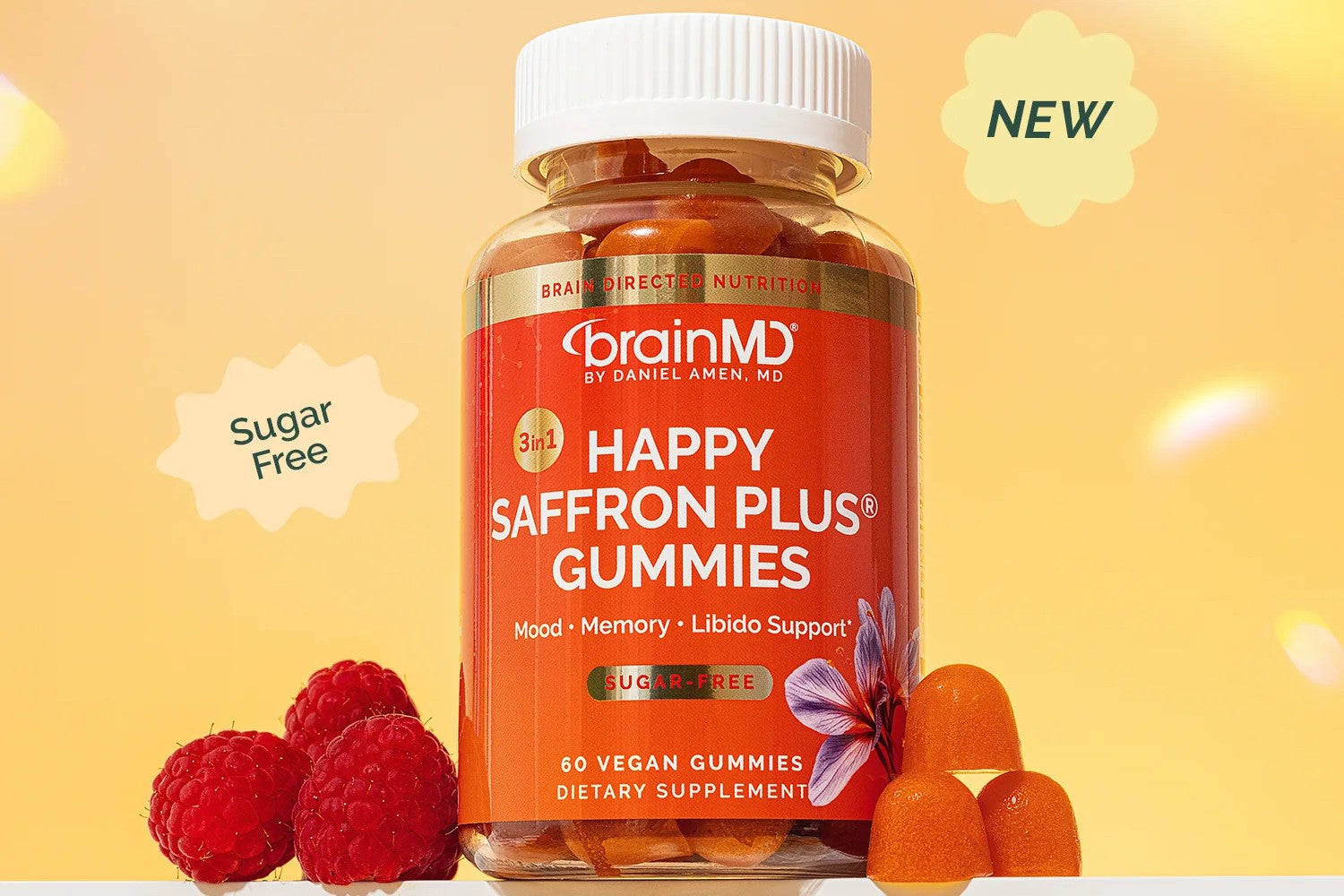
Many things can provide happiness in our lives. Unfortunately, there are also many things that can steal our happiness, such as persistent negative thoughts and periods of low mood. Low Mood Mood issues can make everyday life feel draining. Low mood is often linked to low energy and lack of sleep. Other signs of low mood may include: Negative or guilty thoughts Mental fogginess Avoiding social interaction Overeating and emotional eating Periods of low appetite Difficulty with concentration and memory Since many people dismiss these issues as just feeling down, they may not get the help they need, which can result in serious physical or emotional difficulties. Standard Treatment for Mood Issues Most people who experience mood issues are desperate to regain their energy and positive outlook on life. Though some of these individuals might be tempted to try a quick fix (by taking a medication or other illicit substance) to help mitigate their problems, it might be better for them to seek out natural solutions first. Certain nutrients may help to improve their mood…without the side effects. However, if you’re experiencing severe mood issues, such as extreme mood swings, it may be necessary to seek out medical help. Extreme mood problems may require medication or other forms of treatment, as recommended by a doctor. However, unless otherwise advised by your healthcare provider, it’s always best to seek out natural support for mood problems before automatically turning to high-powered medications, which may worsen existing issues or cause other mental or physical challenges. Natural Mood Support Mood problems may be caused by several factors, such as unhealthy habits and lifestyle factors, or may be instigated or exacerbated by nutrient deficiencies. The good news is that many nutraceuticals have been researched for their mood-supporting benefits, with promising results. One of the best nutrients that can help support mood is saffron. What Is Saffron? For centuries, cultures around the world have cultivated saffron for a variety of purposes. Saffron has been used as a culinary spice, digestive aid, aphrodisiac, and mood-booster. It’s a spice able to give color, flavor, and aroma to foods. Derived from the female reproductive parts (stigma) of the flower of Crocus sativus, saffron is produced today just as it has been since ancient times…by hand. The stigmas must be carefully handpicked and dried since machines can’t perform this delicate work. It takes 4,500 Crocus sativus flowers just to produce one ounce of saffron spice. This labor-intensive extraction process has made saffron the most expensive spice in the world. The best ways to consume saffron are by using it as a spice in cooking or by taking high-purity supplements. If you struggle with maintaining a positive mood or just want to have more happiness in your life, consider taking BrainMD’s mood-supporting saffron supplement… Happy Saffron Plus ® This breakthrough nutraceutical formula was scientifically designed to promote a positive mood.* It brings together nutraceutical preparations of the two most traditionally revered “happiness herbals” – saffron flower extract and curcumin from the turmeric root – with zinc, a mineral essential for life and vital for positive mood.* Benefits of Happy Saffron Plus This supplement combines three potent ingredients to provide maximum mood support.* Now, Happy Saffron Plus® is available in both capsule or gummy formats. Based on considerable clinical and other scientific research, this formula offers: Powerful support for positive mood* Increased capacity for coping with feelings of anxiousness* Enhanced alertness under stress* Happy Saffron Plus ® Ingredients Here are the 3 ultra-pure, high-potency ingredients found in Happy Saffron Plus®: affron® Standardized Saffron Extract. Saffron has been the “happiness spice” in the Middle East for centuries. Modern clinical benefits fully support the traditional reverence for saffron. affron® is a water-extracted saffron concentrate standardized for its most active constituents. This extract has performed extremely well for improving mood, both in adults and adolescents, in clinical trials at a dose of 28 mg per day.* Longvida® Optimized Curcumin Extract. The turmeric root parallels saffron as an Asian happiness herbal. Curcumin is the molecular complex from turmeric root that can help improve mood.*¹ This Longvida® ingredient features excellent absorption of curcumin and has worked well in clinical trials at 400 mg per day or higher.* Zinc, as Glycinate. This mineral is essential for the functioning of at least 300 enzymes essential for our life processes, and about 2000 different human proteins.* People with mood problems typically have low blood levels and supplementing with zinc often supports a healthy mood.* The combination of zinc with affron® saffron and Longvida® curcumin has the potential to elevate mood, perhaps even in individuals who don’t feel they have a mood problem.* All three of these ingredients are documented to improve mood in controlled human clinical trials.² BrainMD’s Free Trial Program BrainMD’s Free Trial program offers a sample package of some of our top-selling supplements, including Happy Saffron Plus®. After 14 days, you’ll be enrolled into a subscription service and receive a monthly supply of Happy Saffron Plus® for the low price of $43.74. BrainMD will notify you prior to the subscription upgrade and before processing any payments for your first Subscription Delivery shipment. Every 30 days, your credit card will be charged, and a new shipment will be sent to the address supplied at the time of enrollment. You may adjust, pause, or cancel your subscription at any time and for any reason by contacting BrainMD’s Customer Care Team (see below). This offer is only valid in the U.S. One trial program may be purchased at a time by each customer. Be Healthier and Happier Happier people tend to be healthier, live longer, have better relationships, and experience more success in life. Boost your bliss with quality mood supplements like Happy Saffron Plus®. Order your FREE sample today! BrainMD Customer Care Team Email: support@brainmdhealth.com Phone: (888) 850-5287 M-F 6 AM – 5 PM PST At BrainMD, we’re dedicated to providing the highest purity nutrients to improve your physical health and overall well-being. For more information about Happy Saffron Plus and our full list of brain healthy supplements, please visit us at BrainMD. *These statements have not been evaluated by the FDA. This content is for informational purposes only. It is not meant to substitute for medical or healthcare advice from a physician, nor is it intended to diagnose, treat, cure, or prevent any disease. Consult your healthcare provider before beginning a new health regimen. References: 1. Fusar-Poli, L., Vozza, L., Gabbiadini, A., Vanella, A., Concas, I., Tinacci, S., Petralia, A., Signorelli, M. S., & Aguglia, E. (2020). Curcumin for depression: A meta-analysis. Critical Reviews in Food Science and Nutrition, 60(15), 2643–2653. https://doi.org/10.1080/10408398.2019.1653260 2. Jackson, P. A., Forster, J., Khan, J., Pouchieu, C., Dubreuil, S., Gaudout, D., Moras, B., Pourtau, L., Joffre, F., Vaysse, C., Bertrand, K., Abrous, H., Vauzour, D., Brossaud, J., Corcuff, J. B., Capuron, L., & Kennedy, D. O. (2021). Effects of saffron extract supplementation on mood, well-being, and response to a psychosocial stressor in healthy adults: A randomized, double-blind, parallel group, clinical trial. Frontiers in Nutrition, 7, 606124. https://doi.org/10.3389/fnut.2020.606124
Learn more
Here Are Some of the Best Foods to Lower A1C
Are you tired of worrying about your A1C levels? Are you looking for natural ways to manage your A1C? We’ve got you covered! Below is a list of delicious, natural foods that may help lower your A1C levels. Say goodbye to bland diets and restrictive meal plans, these superfoods are loaded with flavor and can help you maintain optimal blood sugar levels. Let’s take a closer look at what A1C is and how you can better manage it with healthy foods… What is A1C and How Does it Affect Your Health? A1C is a test that measures your average blood sugar level over the past 3 months. The A1C test can be used by doctors to diagnose diabetes and prediabetes. Levels above 6.5% indicate diabetes, and levels between 5.7% and 6.4% indicate prediabetes. A1C levels Even a small reduction in A1C can reduce your risk of developing long-term health problems. What Are the Risks of Having High A1C? There are many risks associated with high A1C levels, and people with blood sugar issues may be at a greater risk of developing serious health conditions. When blood sugar levels are consistently elevated, it can damage blood vessels in the eyes, kidneys, and feet, which can lead to vision loss, kidney failure, and amputations, respectively. High A1C levels also can lead to an increased risk of stroke. What Does an A1C-Lowering Diet Look Like? There are several types of natural foods that may help lower your A1C levels: Fiber-rich foods: Foods high in fiber can help slow down the absorption of sugar into the bloodstream, which can help keep blood sugar levels under control. Good sources of fiber include beans, fruits, and vegetables. Protein-rich foods: Protein helps stabilize blood sugar levels by slowing down the rate at which sugar is absorbed into the bloodstream. Lean meats, fish, and legumes are all excellent sources of protein. Healthy fats: Healthy fats can help improve blood sugar management by providing energy and helping to slow down the absorption of sugar into the bloodstream. Examples of healthy fats are avocados, nuts, seeds, and olive oil. Making small changes to your diet can have a big impact on your A1C levels. To help lower your A1C, be sure to incorporate these healthy foods into your diet. 7 Delicious Natural Foods That Can Help Lower A1C Levels 1. Leafy Greens Dark, leafy greens are packed with nutrients that can help improve your health. They’re loaded with vitamins and minerals, and contain high levels of fiber which can help regulate digestion and elimination. Also, they’re low in carbohydrates, which makes them a great option for people with blood sugar issues. Some of the healthiest leafy greens are: Kale Spinach Swiss chard Collard greens Mustard greens Introducing a variety of leafy greens into your diet may be an important step toward lowering your A1C levels. Also, adding leafy greens to smoothies, juices, salads, soups, and stir-fries is an easy way to boost your nutrient intake. 2. Fatty Fish Salmon, mackerel, herring, and sardines are excellent sources of omega-3 fatty acids, which may help lower A1C levels. These healthy fats may help to lower inflammation and improve insulin sensitivity. 3. Beans and Legumes Beans and legumes, like black beans and lentils, are a great source of fiber and protein. They also can help stabilize blood sugar levels and keep you feeling full longer (satiety). They’re also high in antioxidants and phytochemicals, which can help to protect cells from damage and reduce inflammation. Legumes are an excellent source of protein and essential nutrients, making them a perfect food for those looking to lower their A1C levels. 4. Nuts and Seeds Nuts and seeds are a nutritious snack that can help to regulate blood sugar levels. They’re also a good source of healthy fats, protein, and fiber. Almonds are a good source of magnesium Walnuts are packed with protein and fiber Pumpkin seeds are rich in vitamins, minerals, antioxidants, and fiber Find a variety you like and go nuts! 5. Berries Berries are packed with antioxidants, which may help to lower your A1C levels. Also, compared to processed snacks, berries are low in sugar and calories, making them a healthy way to satisfy your sweet tooth without raising your blood sugar levels. 6. Flaxseed Ground flaxseed is an excellent source of fiber and magnesium. These nutrients can help improve insulin sensitivity and lower A1C levels. 7. Healthy Fats Healthy sources of fat – like avocados, extra virgin olive oil, and coconut oil – are great for reducing inflammation in the body and supporting healthy blood sugar levels. Foods to Lower A1C Lowering your A1C levels doesn’t need to be an arduous task. Making these suggested tweaks to your diet can help improve glycemic control. Not only are these delicious food options low cost and easy-to-find, but they also provide essential nutrients to support your energy, circulation, and much more. So, if you’re looking for all-natural ways to bring down your blood sugar, start incorporating more of these powerhouse foods into your meals today! At BrainMD, we’re dedicated to providing the highest purity nutrients to improve your physical health and overall well-being. For more information about our full list of brain healthy supplements, please visit us at BrainMD. These statements have not been evaluated by the FDA. This content is for informational purposes only. It is not meant to substitute for medical or healthcare advice from a physician, nor is it intended to diagnose, treat, cure, or prevent any disease. Consult your healthcare provider before beginning a new health regimen.
Learn more
What is Holy Basil? One of the Best Ways to Address Your Stress!
In today’s fast-paced world, many people experience periods of stress. Since stress affects millions of American adults, let’s take a closer look at this issue and how to address it naturally. Basics of Stress Contrary to popular belief, not all stress is bad. Stress is a normal part of living and affects those of all ages. It can help improve your: Resilience Productivity Problem solving Ability to adapt to new challenges Stress can become a problem when it’s intense, recurring, or remains unresolved over an extended period. At that point, stress can take a toll both physically and mentally. Stress can affect behavior, outlook, and overall health. Many health concerns may be initiated or aggravated by stress. When stress is ongoing, it can increase the risk of developing problems related to your weight, heart, and mood. One of the best natural ways to manage a healthy response to stress is with adaptogens. What Are Adaptogens? According to the Cleveland Clinic, “Adaptogens are plants and mushrooms that help your body respond to stress, anxiety, fatigue and overall wellbeing. You can take adaptogens by adding them to food or beverages or take them as tinctures. Adaptogens bring your body back to a steady balance by managing both physical and mental stressors.” Adaptogens are widely considered to be any natural substance that helps the body “adapt” to a variety of difficulties. They’re a unique class of herbs that can help the body resist physical, chemical, and biological stressors. They’ve been used for centuries in traditional medicine systems such as Ayurveda and Chinese Medicine. Today, adaptogens are gaining popularity for their purported ability to improve health and well-being. This is likely due to our lives becoming more and more inundated with stress. Many people are bombarded with stressors from work, family life, and the 24/7 news cycle. Adaptogens work by helping to regulate the body’s stress response. This regulation can occur at the level of the adrenal glands, the hypothalamic-pituitary-adrenal (HPA) axis, or the sympathetic nervous system. By regulating these stress response systems, adaptogens can help keep the body in a state of homeostasis (balance). There are many different types of adaptogens, and each has its own set of benefits. However, they all share one common goal: to help the body better cope with stress. Let’s take a closer look at one of the most potent adaptogens. Holy Basil What is holy basil? Also referred to as Tulsi, holy basil (Ocimum sanctum) is an Eastern herb that’s been revered as “The Queen of Herbs” in Ayurvedic medicine for over 3,000 years. An adaptogenic herb, holy basil supports the body’s natural protective response to physical and emotional stress.* Adaptogenic herbs don’t alter mood, but they can help the body function optimally during times of stress.* Research demonstrates that they do this by modulating the production of stress hormones like cortisol and adrenaline.* Holy basil has been long revered as a powerful antioxidant with antibacterial, analgesic, antifungal, and anti-inflammatory properties.* Compelling research data suggests that holy basil’s greatest potential lies in the areas of promoting relaxation and a healthy response to stress.* According to clinical research, holy basil may help support the body’s natural response to stress. A six-week, double-blind, placebo-controlled human study examined subjects with stress symptoms. Those who received a holy basil extract formula showed a 39% greater improvement in stress symptoms than those who received a placebo. If you’re dealing with excessive stress, consider trying holy basil, which is different than the basil used as an herb in many meals. BrainMD offers high-quality, brain directed supplements that can help you feel calm, content, and better able to manage stress or mental strain. If you’re looking for a premium stress support supplement that includes holy basil, we’re proud to offer… Everyday Stress Relief Everyday Stress Relief was designed to help replenish your brain and body’s nutrients that can be depleted by stress. This supplement includes herbal extracts clinically proven to have calming and anti-stress effects, without making you sleepy.* It also helps with apprehension, tension, worry, and fatigue.* Here’s what you’ll find in this high-potency formula: Magnesium is a well-known calming mineral. It promotes a balanced and mentally focused demeanor.* The amino acid taurine supports the adrenal glands and is crucial for coping with stress.* The herb holy basil, revered both in Europe and the East, helps to improve adaptation to occasional anxious thoughts and other problems related to stress.* A phytochemical derived from green tea, l-theanine helps to manage tension.* Relora®, which is a unique mix of two herbs, may enhance healthy management of the stress hormone cortisol while easing tension, anger, negative mood, and confusion.* This safe, non-sedating, and non-habit-forming formula combines the multiple beneficial actions of these well-studied herbs and nutrients to help your brain and body cope with stress on multiple levels.* Natural, Nutritional Boost While it’s perfectly natural to feel the effects of stress, if you need a little added support to provide some relief and peace of mind, look for foods and supplements with holy basil. Getting more adaptogenic herbs, like holy basil, into your diet may be an important step in optimizing your health. If you’re looking for a natural way to help manage stress, give Everyday Stress Relief a try today. At BrainMD, we’re dedicated to providing the highest purity nutrients to improve your physical health and overall well-being. For more information about Everyday Stress Relief or our full list of brain healthy supplements, please visit us at BrainMD. *These statements have not been evaluated by the FDA. This content is for informational purposes only. It is not meant to substitute for medical or healthcare advice from a physician, nor is it intended to diagnose, treat, cure, or prevent any disease. Consult your healthcare provider before beginning a new health regimen.
Learn more
What is A1C and What Should My Number Be?
Ever get confused with all those names and numbers on your blood work results sheet? Perhaps you’ve seen A1C on the list and have wondered what it is. Well, wonder no more! Today, we’ll take a closer look at A1C to show you how managing it can make a big difference to your overall health. What Is A1C? A1C is a test that measures your average blood sugar level. It can give your healthcare practitioner a good idea of how well you’re managing your health. This test also may appear as hemoglobin A1C, HbA1c, glycated hemoglobin, and glycosylated hemoglobin. Why You Should Get Your A1C Tested A1C testing is important because it can provide a clearer picture of your overall health. This test measures the blood levels of a glycate formed between sugar and hemoglobin. It’s especially valuable for those with insulin challenges and is used to diagnose type 2 diabetes and prediabetes. Importantly, it’s a long-term measure of the average blood sugar levels for the prior two to three months, not just a short-term measure since these numbers are notoriously variable. Your doctor may order an A1C test to see how well your blood sugar levels have been controlled over the past few months. If your A1C is high, it means that your blood sugar levels have been high over the past three months and you’re at a greater risk for developing serious health complications. This is why it’s so important to keep your A1C level under control. What Are the Risks of Having High A1C? There are many risks associated with high A1C levels, and people with blood sugar issues may be at a greater risk of developing serious health conditions. When blood sugar levels are consistently elevated, it can damage blood vessels in the eyes, kidneys, and feet, which can lead to vision loss, kidney failure, and amputations, respectively. High A1C levels also can lead to an increased risk of stroke. How to Interpret A1C Test Results Normal A1C levels are below 5.7%. If your A1C is higher than that, it means your blood sugar levels have been high and you may need to make some diet and lifestyle changes. Your A1C results can range from 4% to 6%, which is still within the normal range. But if your results are consistently 6% or higher, it’s a good idea to talk with your doctor about ways to lower your blood sugar levels. Even a small reduction in A1C can reduce your risk of health problems, such as nerve, kidney, and heart issues. How Long Does It Take to Get Test Results? It can take up to two weeks for A1C test results to come back. If your A1C test results are high, it means you have too much sugar in your blood and you may need to make changes to your diet and lifestyle. Consult with your doctor or healthcare provider. Interpreting Your A1C Test There are a few other key things to consider when interpreting your A1C results that can give you a more complete picture of your overall health. First, it’s important to understand that your A1C results are just one part of the puzzle – they should be interpreted along with other blood tests, such as your lipid panel and fasting glucose levels. Second, keep in mind that A1C results can vary depending on the time of day they were taken – for the most accurate results, it’s best to have them taken first thing in the morning. If you’re on any medications that could affect your A1C levels (such as birth control pills or statins), be sure to mention this to your doctor so they can interpret your results accordingly. How to Lower Your A1C? If you’re working to lower your A1C levels, there are a few things you can do to help. First, work with your healthcare practitioner to come up with a plan that’s right for you. This may include making changes to your diet and exercise routine. Also, you may need to take medications or insulin to regulate your A1C levels, per your doctor’s recommendation. In addition to medications, there are several natural interventions you can try to help lower your A1C levels. Some of the Best Natural Ways to Lower Your A1C Levels Here are just a few ideas for how to lower your A1C levels naturally. [wc_box color="inverse" text_align="left" margin_top="" margin_bottom="" class=""] Be sure to: monitor your blood sugar levels regularly take steps to prevent low blood sugar levels (hypoglycemia) take steps to prevent high blood sugar levels (hyperglycemia) cut out sugar-sweetened beverages and artificial sweeteners use cinnamon in your cooking since it can help lower fasting glucose levels, improve insulin sensitivity, and reduce HbA1c stay as active as possible eat a healthy diet manage stress get plenty of quality sleep [/wc_box] Also, be sure to talk to your doctor about any changes in your medications, diet, supplements, or lifestyle habits. Get to Know Your A1C Deciphering A1C results can be tricky, but it’s important to understand the meaning of them so you can get a better sense of your overall health. Knowing what these numbers mean for your body can help you make decisions and changes in lifestyle habits that can keep you healthier over the long-term. It’s also good to remember that not all conditions are permanent; with a healthy diet, exercise program, and medical care, you may be able to reduce the risks associated with high A1C numbers. So, review your results periodically and take action if necessary. Your future self thanks you! At BrainMD, we’re dedicated to providing the highest purity nutrients to improve your physical health and overall well-being. For more information about our full list of brain healthy supplements, please visit us at BrainMD. These statements have not been evaluated by the FDA. This content is for informational purposes only. It is not meant to substitute for medical or healthcare advice from a physician, nor is it intended to diagnose, treat, cure, or prevent any disease. Consult your healthcare provider before beginning a new health regimen.
Learn more
Enhance Your Drinking Water with BrainMD’s New H2 Boost!
Water is vital for every part of your body. Since much of the human body is composed of water, your cells, tissues, and organs need adequate hydration to function at their best. Here are just a few reasons why water is so crucial to the human body: It’s the universal medium of life on Earth: fundamental for our cells’ life processes It’s essential for blood circulation (oxygen, nutrient delivery), the lymphatic system (which transports wastes), and for the urine (which excretes unwanted substances) It helps regulate the body’s temperature It’s fundamental for saliva, proper digestion, and joint lubrication It’s also important to remember that water is a nutrient the body needs. As with other nutrient deficiencies, failing to drink enough water can create problems for your brain and body. Dangers of Dehydration Since the brain is mostly composed of water, even mild dehydration can impair performance in tasks that require attention, immediate memory skills, and physical performance. According to one study, thirsty participants who drank water before performing cognitive tasks reacted faster than people who didn’t drink water beforehand. Some common signs of dehydration are: extreme thirst dark urination less frequent urination confusion dizziness fatigue Dehydration is also associated with urinary/kidney issues, brain atrophy, poor concentration, memory difficulties, diminished school/work performance, and increased sensitivity to pain. Hydrogen-Rich Water Hydrogen (H) is the oldest, lightest, and most abundant element in the universe. Molecular hydrogen (H2) is a colorless and odorless gas that consists of one electron and one proton. Up until 2007, H2 was considered an inert gas. Now it’s regarded as a signaling gas molecule like other physiological gases such as nitric oxide (NO), carbon monoxide (CO), and hydrogen sulfide (H2S). Hydrogen-rich water (HRW) is simply water that contains a high amount of molecular hydrogen (H2). The first HRW was referred to as electrolyzed reduced water (ERW); created in Japan in 1931, it was initially used in agriculture. In 1965, ERW was approved for human consumption, and many used it to help with various gastrointestinal symptoms. ERW has an alkaline pH, or a negative oxidation reduction potential (ORP), which indicates its antioxidant effect. It was later determined that the H2 gas in ERW was responsible for its negative ORP. To give your drinking water an extra kick of antioxidant power, BrainMD is proud to announce the arrival of its new hydration creation… BrainMD’s H2 Boost Molecular Hydrogen H2 Boost Molecular Hydrogen is a clinically validated water enhancer that offers powerful antioxidant support.* With 80 mg of magnesium, H2 Boost can infuse your water with up to 12 parts per million (ppm) of hydrogen. Top Benefits of H2 Boost This powerful, neuroprotective antioxidant penetrates the blood brain barrier to help defend against oxidative stress and support: Cognition and healthy energy* Better heart, gut, and mitochondrial health* Increased stamina and exercise performance* Healthy aging* Who Can Benefit from H2 Boost? The Middle Aged and Elderly: Molecular hydrogen may help to delay DNA aging, which supports longevity.* Also, it’s been shown to improve cognition by about 27% when compared to placebo groups.* H2 may help protect neurons from oxidative stress-induced injury and even cell death.* Adults of All Ages: Adults of all ages can enjoy the positive effects of this product.* Among its many other benefits, research shows that taking molecular hydrogen can significantly reduce the inflammatory response.* Those Struggling with Fatigue: Within 15 minutes of administration, a single dose of molecular hydrogen has been shown to increase alertness to about the same level as 100 mg of caffeine.* H2 Boost Ingredient Magnesium Magnesium is an essential mineral for all the cells of the body and is fundamentally important for the electrical activity of the brain’s nerve cells and for the healthy functioning of their trillions of information connections (synapses). Known as “the relaxation mineral,” magnesium plays an important role in hydration, muscle relaxation, energy production, regulation of adrenaline, and overall sleep quality. H2 Boost FAQ [wc_box color="inverse" text_align="left" margin_top="" margin_bottom="" class=""] How do I take H2 Boost? As a dietary supplement, adults may dissolve 1 tablet in at least 16 oz of water and drink immediately. Do not swallow tablet directly. Keep out of reach of children. Is this product safe for everyone to take? H2 Boost isn’t recommended for children. Also, if you’re nursing, pregnant, taking medication, or have a medical condition, consult your physician before taking this product.* Can this supplement make me dependent on it, or addicted? No, this product isn’t a drug so using it won’t result in dependence.* What other BrainMD supplements would support this supplement? H2 Boost is effective as a stand-alone product. However, you can take it with Omega-3 Power or Vegan Omega-3 Power for added brain health benefits, and NeuroVite Plus multivitamin for full-spectrum vitamin and mineral support. Does this product contain any allergens? No. It’s free of added sugar, dairy, gluten, corn, egg, or yeast, and has no artificial colorings or flavorings. Also, it’s vegan. [/wc_box] Hydrate Better! Proper hydration is critical to health and wellness. Be sure to drink plenty of pure water every day, especially during the summer months or if you live in an arid region. Whether you’re at home, work, school, or on-the-go, drop a H2 Boost tablet into your water bottle and feel the difference molecular hydrogen can make to your hydration.* Try H2 Boost Molecular Hydrogen today! At BrainMD, we’re dedicated to providing the highest purity nutrients to improve your physical health and overall well-being. For more information about H2 Boost Molecular Hydrogen and our full list of brain healthy supplements, please visit us at BrainMD. *These statements have not been evaluated by the FDA. This content is for informational purposes only. It is not meant to substitute for medical or healthcare advice from a physician, nor is it intended to diagnose, treat, cure, or prevent any disease. Consult your healthcare provider before beginning a new health regimen.
Learn more
What is Glyphosate and Is It Harmful to My Health?
Did you know you might be consuming a potentially harmful substance with every bite you take? Glyphosate, a commonly used herbicide, has sparked controversy and raised concerns about its presence in our food supply. As this debate continues to gain momentum, it’s crucial to dig deeper and unravel the true extent of glyphosate’s effects on our health. How harmful is glyphosate? Let’s explore the impact this controversial chemical may have on our well-being. From farm to fork, it’s a topic that affects us all, so let’s dig in! What is Glyphosate? Glyphosate, the active ingredient in Roundup, is the most widely used herbicide in the world. Typically used in agriculture and lawn care, it’s effective at killing broadleaf weeds and grasses, however, it’s also been linked to several health concerns. Critics of glyphosate argue that it’s a carcinogen and endocrine disruptor. Glyphosate also has been linked to kidney issues, reproductive problems, and birth defects. Due to the conflicting and inconclusive evidence, it’s still unknown if glyphosate is harmful to human health. However, many health experts believe it’s best to err on the side of caution and avoid exposure to this chemical whenever possible. History of Glyphosate in Our Foods Glyphosate has been a registered pesticide in the U.S. since 1974. Use of this common pesticide has increased exponentially in recent years due to the widespread adoption of genetically engineered crops. While glyphosate is considered safe by many regulatory bodies, growing evidence suggests it may be harmful to human health. Glyphosate has been linked to a number of health problems, including hormone disruption and reproductive problems. In 2015, the International Agency for Research on Cancer (IARC) classified glyphosate as a “probable human carcinogen.” This classification was based on limited evidence from epidemiological studies, which showed an increased risk of non-Hodgkin’s lymphoma in people exposed to glyphosate. Another study found that exposure to glyphosate may increase the risk of premature death. The study showed that people with high levels of glyphosate in their urine had a significantly increased risk of dying from any cause over the next 20 years, compared to those with lower levels of glyphosate in their urine. There’s also evidence linking glyphosate to hormone disruption and reproductive problems. Studies have found that glyphosate may interfere with the endocrine system and disrupts the hormones involved in reproduction and development. Alarmingly, one study found that low doses of Roundup (a formulation of glyphosate) created high incidences of birth defects in frog and chicken embryos. Sources of Glyphosate in Our Foods There are several sources of glyphosate in our food supply. Some of the most common include: Non-organic Soybeans: According to the U.S. Environmental Protection Agency (EPA), glyphosated soybeans are the predominant type of soybean grown in the U.S. The USDA estimates that over 90% of soybean acres were treated with glyphosate between 2006-2012. Corn: Glyphosate is commonly used as a pre-harvest desiccant on corn, meaning it’s sprayed on the crop to dry it out prior to harvest. This practice is controversial, as it increases the risk of glyphosate residue contamination in maize products. Canola: Like soybeans, glyphosated varieties of canola are widely planted in North America. In Canada, over 90% of canola farms use glyphosate herbicides. Fruits and Vegetables: Glyphosate is sometimes used as a pre-harvest desiccating agent on fruits and vegetables such as apples, pears, potatoes, and tomatoes. While this practice isn’t widespread, it does increase the likelihood of residue contamination in these foods. Best Ways to Avoid Glyphosate in Foods Though it may be impossible to completely rid your diet of glyphosate, here are some top tips for how to avoid exposure to these toxins in your foods: Check labels carefully for the presence of glyphosate or other herbicides. Buy organic foods whenever possible. Wash fruits and vegetables thoroughly before eating them. Avoid processed foods and eat whole, unprocessed foods whenever possible. Stay Informed About Glyphosate Glyphosate has become a controversial issue when it comes to our food supply. With its potential health risks and environmental impacts, many are calling for stricter regulations of this chemical and greater transparency from companies who use it in their products. As consumers, we can demand safer alternatives and learn more about how this prevalent herbicide is impacting our environment and our health. By staying informed on these issues, we can make better decisions regarding what we consume and support responsible manufacturers that don’t use glyphosate in their production processes. Hopefully this article has provided some basic information about glyphosate. As research on this pesticide continues, we’ll get a more accurate picture of its potential impact, whether negative or not, on human health. At BrainMD, we’re dedicated to providing the highest quality supplements to improve your physical health and overall well-being. For more information about our full list of brain healthy supplements, please visit us at BrainMD. These statements have not been evaluated by the FDA. This content is for informational purposes only. It is not meant to substitute for medical or healthcare advice from a physician, nor is it intended to diagnose, treat, cure, or prevent any disease. Consult your healthcare provider before beginning a new health regimen.
Learn more
Here’s How You Can Try Quality Sleep Supplements for FREE!
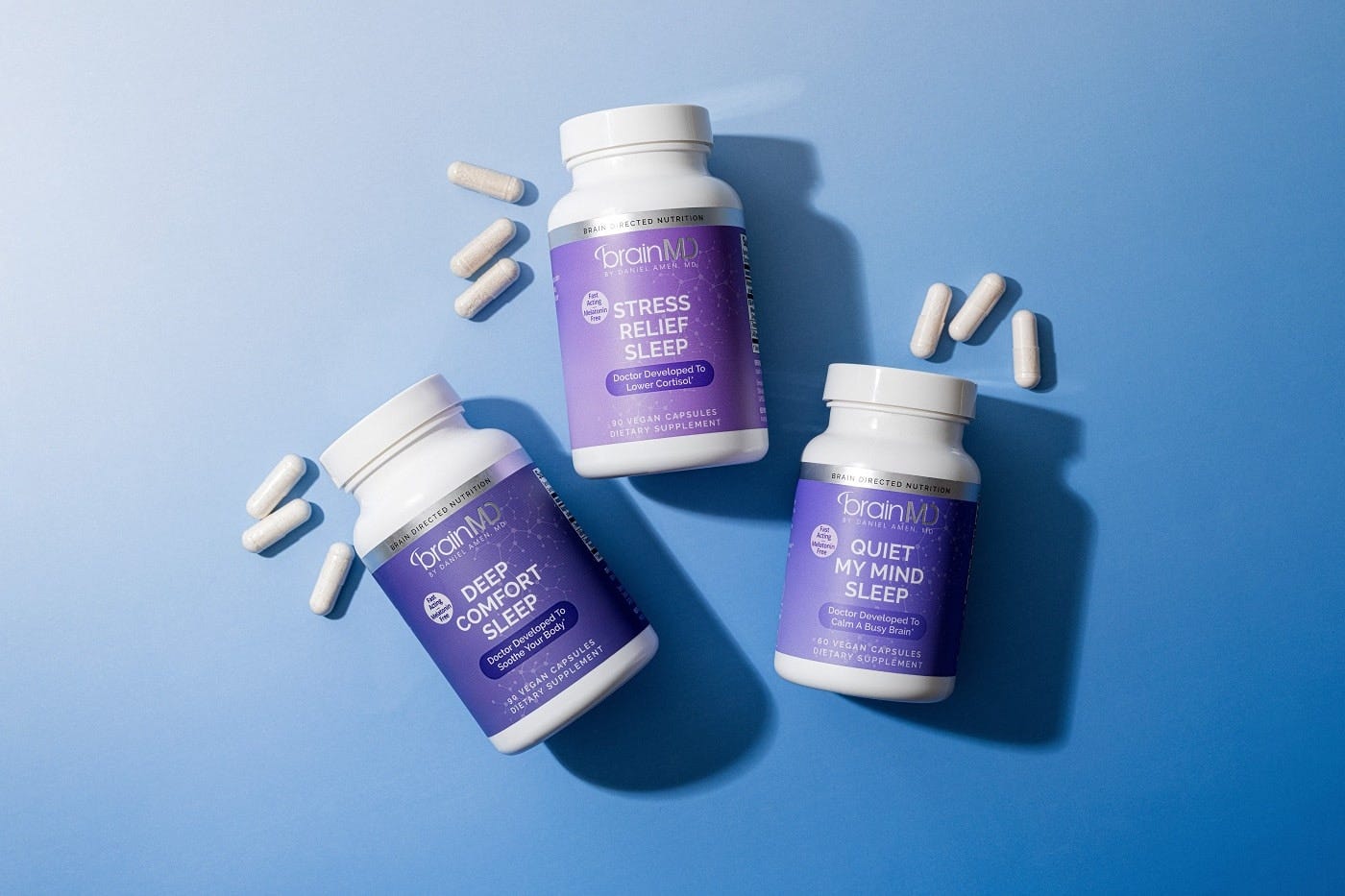
Do you get enough sleep each night? If not, you could be setting yourself up for mental and physical problems. Getting inadequate sleep has been associated with lowered brain efficiency, which can negatively affect your: Mental focus Mood Energy Weight Decision-making Anything that disrupts your natural sleep pattern, like excessive caffeine, alcohol or video game playing, can have adverse effects on your ability to effectively perform tasks at work, school, or home. Also, insufficient or inconsistent sleep can increase irritability, moodiness, and poor judgment. The Truth About Sleep According to the Institute of Medicine (US) Committee on Sleep Medicine and Research, as many as 70 million Americans have ongoing sleep problems that interfere with their daily functioning. If you’re one of those who fail to get consistent sleep each night, you might be at risk for a host of issues. When you don’t get enough sleep, you may have overall lowered blood flow to your brain, which can disrupt your thinking, memory, and concentration. Also, lack of sleep can weaken your immune system and make you more susceptible to getting a cold, flu, or virus. Getting quality sleep each night may help your brain function at optimal levels, as well as support your overall immunity and wellness. How to Get Quality Sleep Getting high-quality sleep is essential for optimal brain and body health. Though minimal required levels of sleep vary, many researchers agree that adults should try to get an average of 7 to 9 hours of sleep per night. If you have healthy habits, such as avoiding caffeine later in the day and getting regular exercise, but still have problems falling asleep, a scientifically formulated and safe dietary supplement that promotes restful sleep may give you the relief you need. Whether you’re too wired, worried, or stressed to sleep, nutritional sleep aids may help improve the quality of your sleep. BrainMD has a line of ultra-pure, high-potency sleep products and one of our top formulas is… Put Me To Sleep Naturally Put Me To Sleep Naturally is based on the most recent nutraceutical research on sleep onset, duration, and quality. The body’s daily sleep phase is now recognized to be just as important for health as the awake phase. Sleep is vital for mental and physical performance, as well as overall health and well-being. This highly effective sleep supplement includes 6 potent ingredients that work in concert to help relax the mind and body in preparation for sleep.* These ingredients have a broad range of neurotransmitter actions in the brain. They are carefully combined in this supplement to promote recovery from daily stress, calm and relaxation, and fully restful sleep.* [wc_box color="inverse" text_align="left" margin_top="" margin_bottom="" class=""] Melatonin – some may enjoy greater sleep benefits from taking a lower dose of melatonin, as is offered in this formulation.* GABA – the gamma-amino-butyric acid used in this product is chemically identical to the body’s GABA neurotransmitter, and may enhance brain function when taken by mouth.* L-Theanine – a unique green tea amino acid that works quickly to reinforce GABA’s natural relaxant actions.* Magnesium – reinforces GABA’s calming effects and helps bring on sleep and maintain sleep quality. Vitamin B6 – is vital for the brain’s entire spectrum of functions as well as those needed for quality sleep.* 5-HTP – an important starting molecule for the brain to produce not just serotonin, a regulatory transmitter that enables quality sleep, but also melatonin.* [/wc_box] This breakthrough chewable supplement helps bring on deep, sustained, and quality sleep. BrainMD’s Free Trial Program BrainMD’s Free Trial program offers a sample package of some of our top-selling supplements, including Put Me To Sleep Naturally. After 14 days, you’ll be enrolled into a subscription service and receive a monthly supply of Put Me To Sleep Naturally for the low price of $35.66. BrainMD will notify you prior to the subscription upgrade and before processing any payments for your first Subscription Delivery shipment. Every 30 days, your credit card will be charged, and a new shipment will be sent to the address supplied at the time of enrollment. You may adjust, pause, or cancel your subscription at any time and for any reason by contacting BrainMD’s Customer Care Team (see below). This offer is only valid in the U.S. One trial program may be purchased at a time by each customer. Quality Sleep Supplements If you’re tired of being tired, it’s time to turn to a natural sleep solution that can help you fall asleep, stay asleep, and wake up refreshed…without the grogginess! Put Me To Sleep Naturally can help support your sleep patterns with ultra-pure nutrients designed to ease you into a peaceful sleep.* If you have difficulties getting quality sleep, this natural sleep supplement may help you achieve deep, sustained, and restorative sleep.* Order your FREE sample today! BrainMD Customer Care Team Email: support@brainmdhealth.com Phone: (888) 850-5287 M-F 6 AM – 5 PM PST At BrainMD, we’re dedicated to providing the highest purity nutrients to improve your physical health and overall well-being. For more information about our full list of brain healthy supplements, please visit us at BrainMD. *These statements have not been evaluated by the FDA. This content is for informational purposes only. It is not meant to substitute for medical or healthcare advice from a physician, nor is it intended to diagnose, treat, cure, or prevent any disease. Consult your healthcare provider before beginning a new health regimen.
Learn more